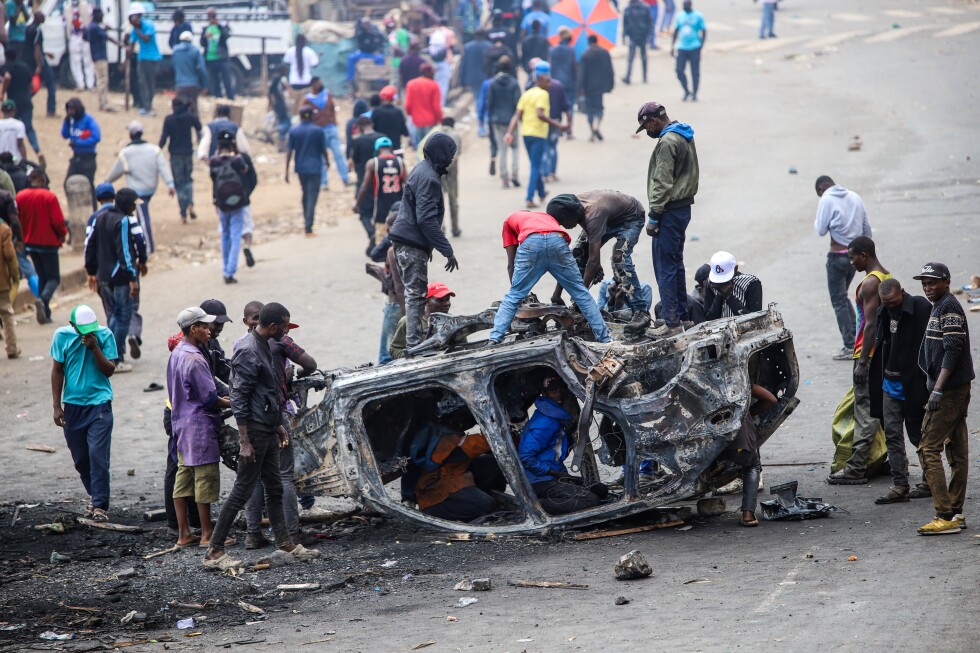
NAIROBI, KENYA – After two days of widespread, deadly civil unrest driven by skyrocketing fuel costs, Kenya’s public transport operators agreed Tuesday to pause a nationwide strike for a seven-day window to hold formal consultations with government officials. The temporary truce comes after violent clashes left four dead and over 30 injured across the country, disrupting travel and bringing major road corridors to a standstill.
The industrial action first erupted after Kenya’s Energy and Petroleum Regulatory Authority announced historic fuel price hikes last Friday. The new pricing adjusted diesel costs up by 23.5% and gasoline by 8%, pushing already strained operating budgets for transporters and household costs for commuters to breaking point. An initial round of talks between operators and government representatives collapsed Monday, when providers refused to back down from their core demand: an immediate rollback of fuel prices to offset spiking transportation costs for both operators and regular commuters.
Even as the strike suspension was announced early Tuesday, commuters across the country spent a second consecutive day stranded, as most transport operators had already pulled their vehicles off roads before the truce agreement was reached. The two days of unrest saw chaotic confrontations between demonstrators and police on major highways, where protestors lit burning tire barricades that blocked through traffic for hours. At least 348 people arrested during the unrest are scheduled to face criminal charges related to participation in the illegal demonstrations, authorities confirmed.
The national government has pinned the sharp price increase on global market volatility stemming from the ongoing conflict between Iran and Israel, which has disrupted global energy supply chains and pushed up crude prices globally. But Kenya’s opposition has pushed back on that narrative, arguing the dramatic jump is instead driven by corrupt industry insiders colluding to inflate profit margins at the expense of ordinary Kenyans.
In a live televised address to the nation this week, Interior Cabinet Secretary Kipchumba Murkomen confirmed that the government would open inclusive negotiations with all fuel sector stakeholders over the next seven days to address the growing public anger over pricing. Kennedy Kaunda, a senior spokesperson for Kenya’s transporters association, confirmed that operators would resume service while negotiations proceed. Kaunda added that if the seven-day talks fail to produce a satisfactory agreement on fuel price relief, the association will issue new guidance to members within a week on next steps for the industrial action.