分类: politics

  • Jailed Ugandan opposition figure Besigye’s health is failing, his party says

    Jailed Ugandan opposition figure Besigye’s health is failing, his party says

    KAMPALA, Uganda — Concerns over the deteriorating health condition of imprisoned Ugandan opposition leader Kizza Besigye have escalated after he was transported overnight to a medical facility in the capital. His political party, the People’s Front for Freedom, issued an urgent statement Tuesday warning that Besigye’s health “has reached a critical and deteriorating state” while demanding immediate access for his personal physicians and family members.

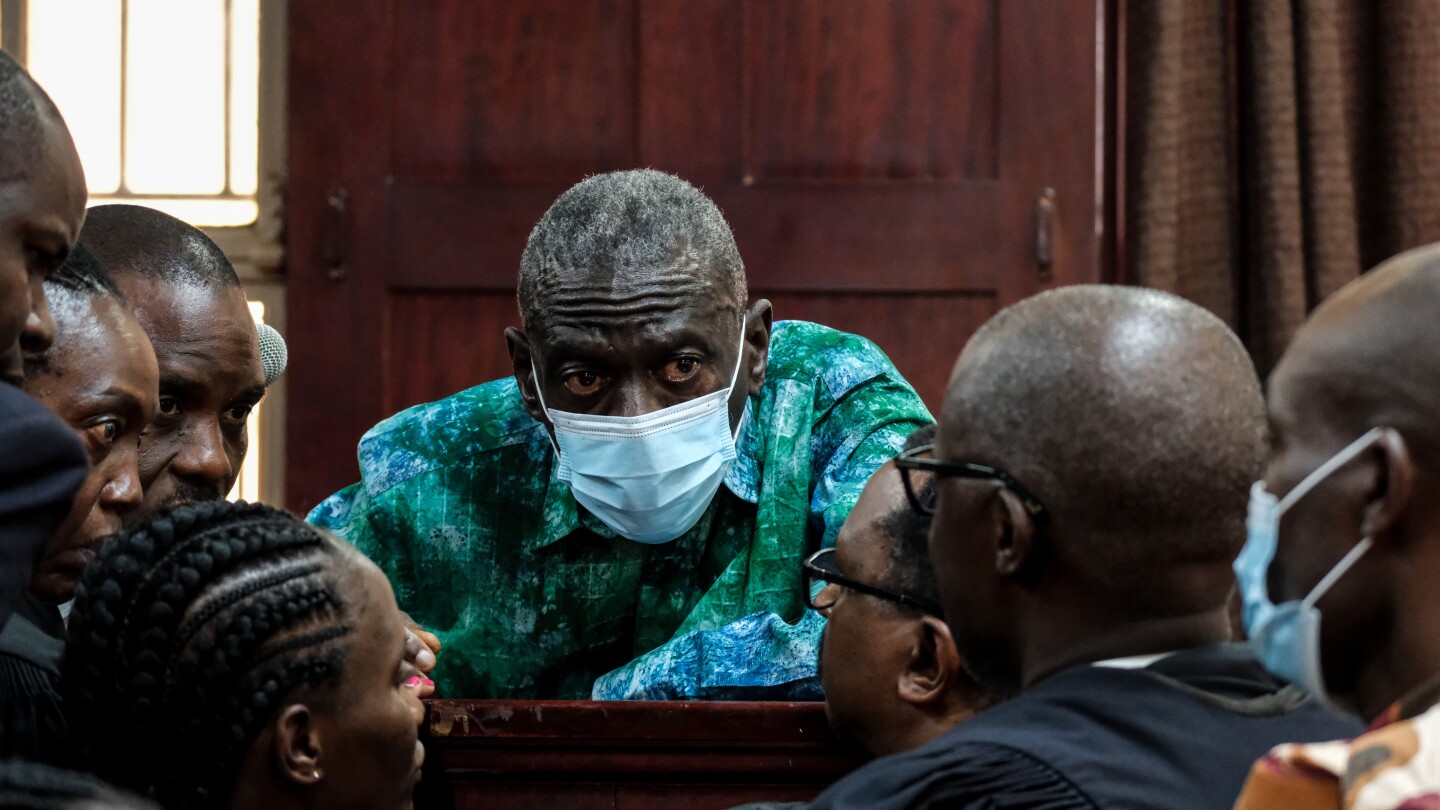
    The veteran politician, who previously served as Uganda’s primary opposition figure before the emergence of Bobi Wine, remains confined in a high-security Kampala prison awaiting trial on treason charges that his supporters claim are politically motivated. “It is a tragedy that a man who has dedicated his life to the health and freedom of others is being denied his own right to medical dignity,” the party’s statement asserted, holding “the regime and prison authorities fully accountable for his well-being.”

    Contradicting these assessments, Uganda’s prison system spokesman Frank Baine characterized the medical visit as routine, stating: “It was a general checkup. This morning he was doing his exercises.”

    This development occurs against the backdrop of Uganda’s contentious political landscape. President Yoweri Museveni, who has maintained power since 1986, recently secured re-election with 71.6% of the vote according to official results—figures immediately rejected by challenger Bobi Wine as fraudulent. The electoral process was marred by a multi-day internet blackout and malfunctioning biometric voting systems originally implemented to prevent electoral fraud.

    Besigye, a physician and retired military colonel who once served as Museveni’s personal doctor, has evolved into one of the president’s most persistent critics. His current detention since November 2024 stems from allegations of plotting government overthrow. Museveni’s son, army chief General Muhoozi Kainerugaba, has further accused Besigye of planning presidential assassination and previously suggested the opposition leader should face execution.

    The case highlights growing concerns about Uganda’s political future, with many anticipating an unstable transition as Museveni, now 81, has systematically removed constitutional obstacles to his prolonged rule while potential successors remain uncertain within the ruling National Resistance Movement party.
  • Trump slams UK deal to hand over Chagos Islands after he previously backed it

    Trump slams UK deal to hand over Chagos Islands after he previously backed it

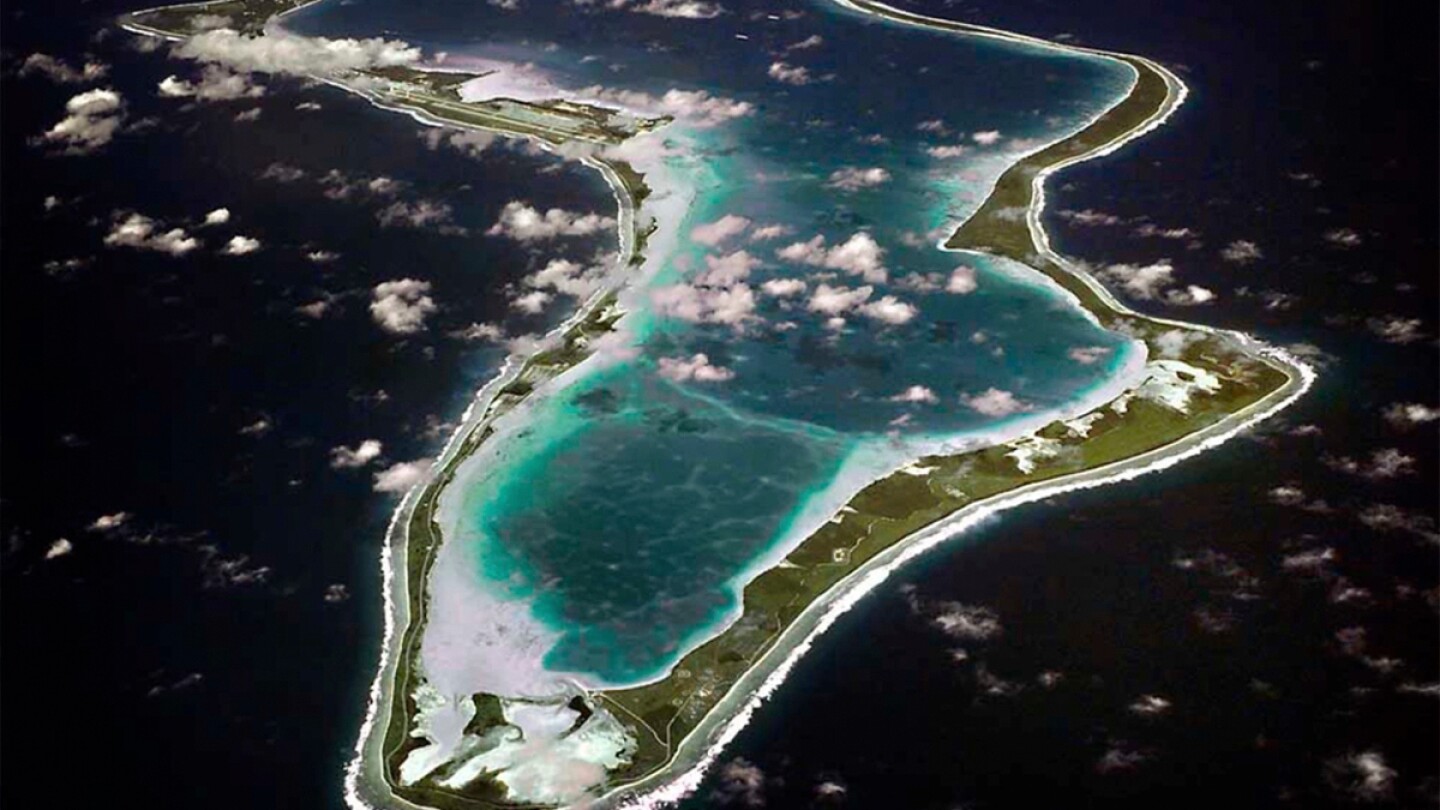
    The British government has reaffirmed its commitment to transfer sovereignty of the Chagos Islands to Mauritius despite facing vehement criticism from former U.S. President Donald Trump, who characterized the move as a severe security misstep. Trump utilized his Truth Social platform to denounce the decision, asserting that relinquishing the strategically vital archipelago—home to a critical U.S. naval and bomber base—demonstrates weakness that could be exploited by global adversaries like China and Russia.

    The agreement, finalized between the United Kingdom and Mauritius in May, stipulates that while sovereignty will transition to Mauritius, the UK will retain control over Diego Garcia—the site of the U.S. military installation—through a 99-year leaseback arrangement. This provision aims to ensure the base’s operational continuity, a point emphasized by both U.S. and UK officials when the deal was initially announced.

    Domestically, the decision has ignited substantial opposition within British political circles. Conservative Party leader Kemi Badenoch and Reform UK’s Nigel Farage have aligned with Trump’s stance, condemning the Labour government’s policy as a threat to national and NATO security. Critics argue that ceding territory held since 1814 risks undermining Western military capabilities in critical regions including the Middle East, South Asia, and East Africa.

    Simultaneously, the agreement has raised concerns among the Chagossian diaspora—approximately 10,000 individuals displaced during the base’s construction in the 1960s. Although the deal includes provisions for a resettlement fund to facilitate returns to islands other than Diego Garcia, many remain skeptical about the practical implementation of these measures and their long-awaited right to return.

    The legislation has cleared the House of Commons but faced notable resistance in the House of Lords, which appended a ‘motion of regret’ to its approval. The bill returns to the Commons for further deliberation, maintaining the Chagos transfer as a contentious issue at the intersection of geopolitics, colonial history, and human rights.

  • Australia’s Parliament debates new anti-hate speech and gun laws after Sydney attack

    Australia’s Parliament debates new anti-hate speech and gun laws after Sydney attack

    Australia’s federal parliament has convened for an emergency session to debate sweeping new security legislation in response to last month’s deadly antisemitic attack in Sydney. The proposed measures include strengthened firearm regulations and enhanced powers to outlaw hate organizations.

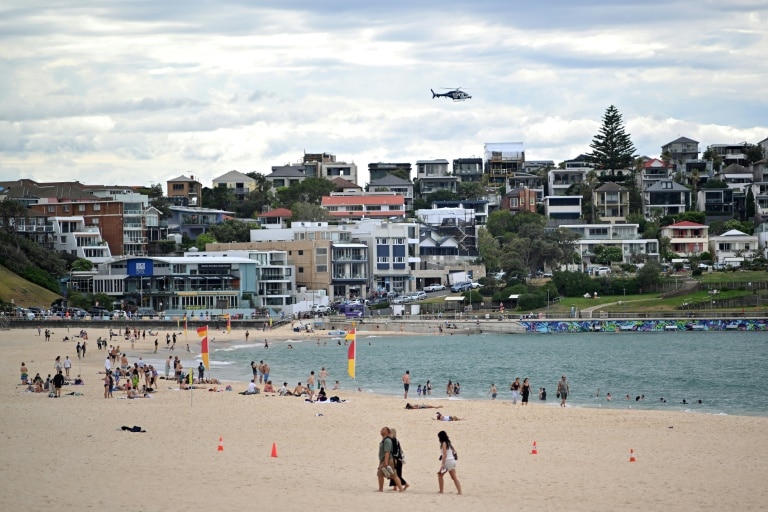
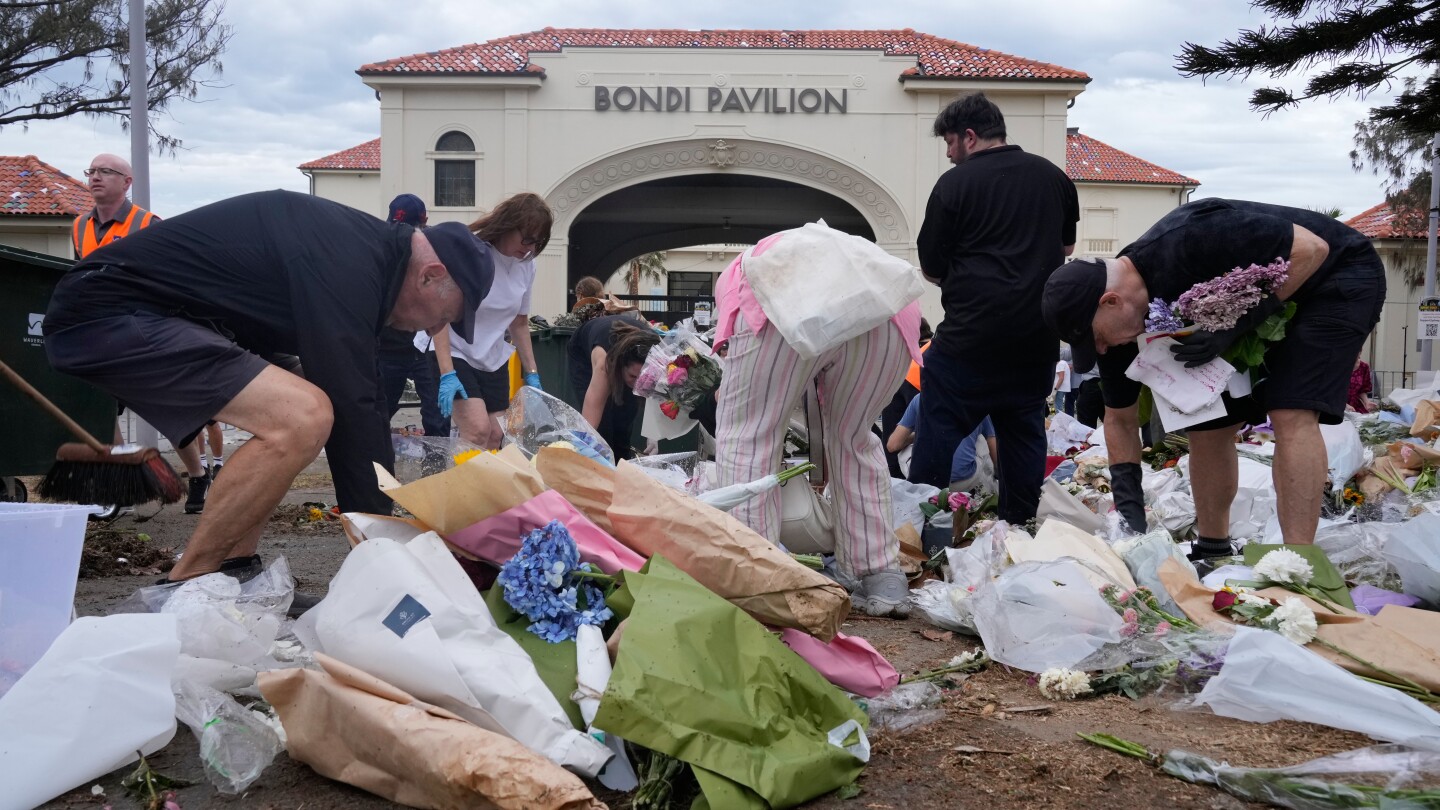
    The legislative package, which could become law as early as Wednesday, establishes a government-funded firearm buyback program and imposes stricter eligibility criteria for gun ownership. The reforms specifically address circumstances that allowed the perpetrators of the December 14 Bondi Beach shooting to legally possess firearms despite security concerns.

    Home Affairs Minister Tony Burke revealed that the alleged attackers—50-year-old Sajid Akram and his 24-year-old son Naveed—would have been prohibited from owning weapons under the proposed standards. The elder Akram, though a legal gun owner, would have been disqualified due to his non-citizen status, while his Australian-born son had been under surveillance by the Australian Security Intelligence Organization (ASIO) since 2019 for associations with suspected extremists.

    The anti-hate speech provisions would enable the banning of organizations that promote extremism but don’t meet Australia’s current definition of terrorist groups. Islamist group Hizb ut-Tahrir, already outlawed in several nations, and neo-Nazi organizations like the National Socialist Network—which has announced plans to disband preemptively—would be subject to these new powers.

    Despite federal urgency, several state and territory governments including Tasmania, Queensland, and the Northern Territory are resisting the firearm buyback scheme, which would require subnational governments to cover half the costs. Minister Burke confirmed ongoing negotiations with regional authorities to implement the comprehensive security response.

  • Confronted over Greenland, Europe is ditching its softly-softly approach to Trump

    Confronted over Greenland, Europe is ditching its softly-softly approach to Trump

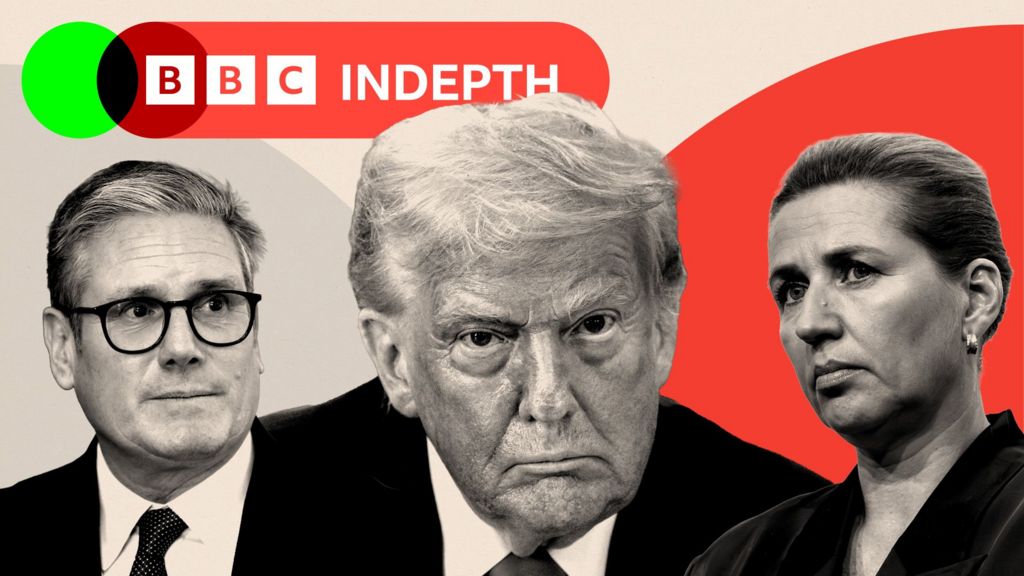
    A profound rupture in transatlantic relations has emerged as former President Donald Trump’s renewed campaign to acquire Greenland has triggered an unprecedented diplomatic confrontation with European allies. During his Monday address, Trump reiterated his position that the United States “has to have” the semi-autonomous Danish territory for national security purposes, while confidently predicting limited European resistance.

    The situation escalated dramatically when Trump began pressuring Denmark’s NATO and EU allies to abandon Copenhagen or face punitive tariffs on all exports to the United States. This ultimatum represents a fundamental shift in how Washington leverages economic power for geopolitical objectives, effectively weaponizing trade against military allies.

    European leaders responded with remarkable unity and defiance. German Finance Minister declared, “we will not allow ourselves to be blackmailed,” following emergency consultations with French counterparts ahead of the World Economic Forum. French Finance Minister Roland Lescure characterized the moment as “uncharted territories,” noting that “an ally, a friend of 250 years, is considering using tariffs… as a geopolitical weapon.”

    The EU has prepared a formidable countermeasure: €93 billion in retaliatory tariffs targeting American goods, with potential restrictions on US financial and technology firms’ access to the European single market. This economic leverage is substantial—EU investors employ 3.4 million Americans across all 50 states, and the bloc accounts for nearly 16% of global trade.

    Beyond economic ramifications, the crisis threatens to undermine European security architecture. While UK Prime Minister Keir Starmer emphasized the continuing importance of US-UK defense cooperation, particularly regarding nuclear deterrence, European officials expressed deep concerns about the reliability of American security guarantees under the current administration.

    The confrontation has global implications, with Russia and China closely observing the Western alliance’s fragmentation. Beijing particularly views Trump’s perceived unreliability as an opportunity to position China as a more stable international partner, evidenced by Canada’s recent limited trade agreement with China to reduce Washington exposure.

    Complicating matters further is Trump’s parallel establishment of a “Board of Peace,” which France has already rejected due to concerns about its challenge to United Nations primacy. The invitation extended to Russian President Vladimir Putin despite ongoing hostilities in Ukraine has raised additional questions about the initiative’s credibility.

    As leaders converge in Davos, European diplomats are adopting a revised strategy combining firm resistance with continued engagement. EU Commission officials emphasize that “our priority is to engage, not escalate,” while simultaneously preparing robust countermeasures should Trump proceed with his Greenland tariffs.

    The crisis represents a pivotal moment for transatlantic relations, testing whether decades of alliance can withstand the pressure of economic coercion over territorial acquisition. With 55% of Americans opposing Greenland’s purchase and 86% rejecting military action, the domestic political calculus remains uncertain as this geopolitical standoff continues to unfold.

  • Bessent says US-Europe relations have ‘never been closer’ despite Greenland crisis

    Bessent says US-Europe relations have ‘never been closer’ despite Greenland crisis

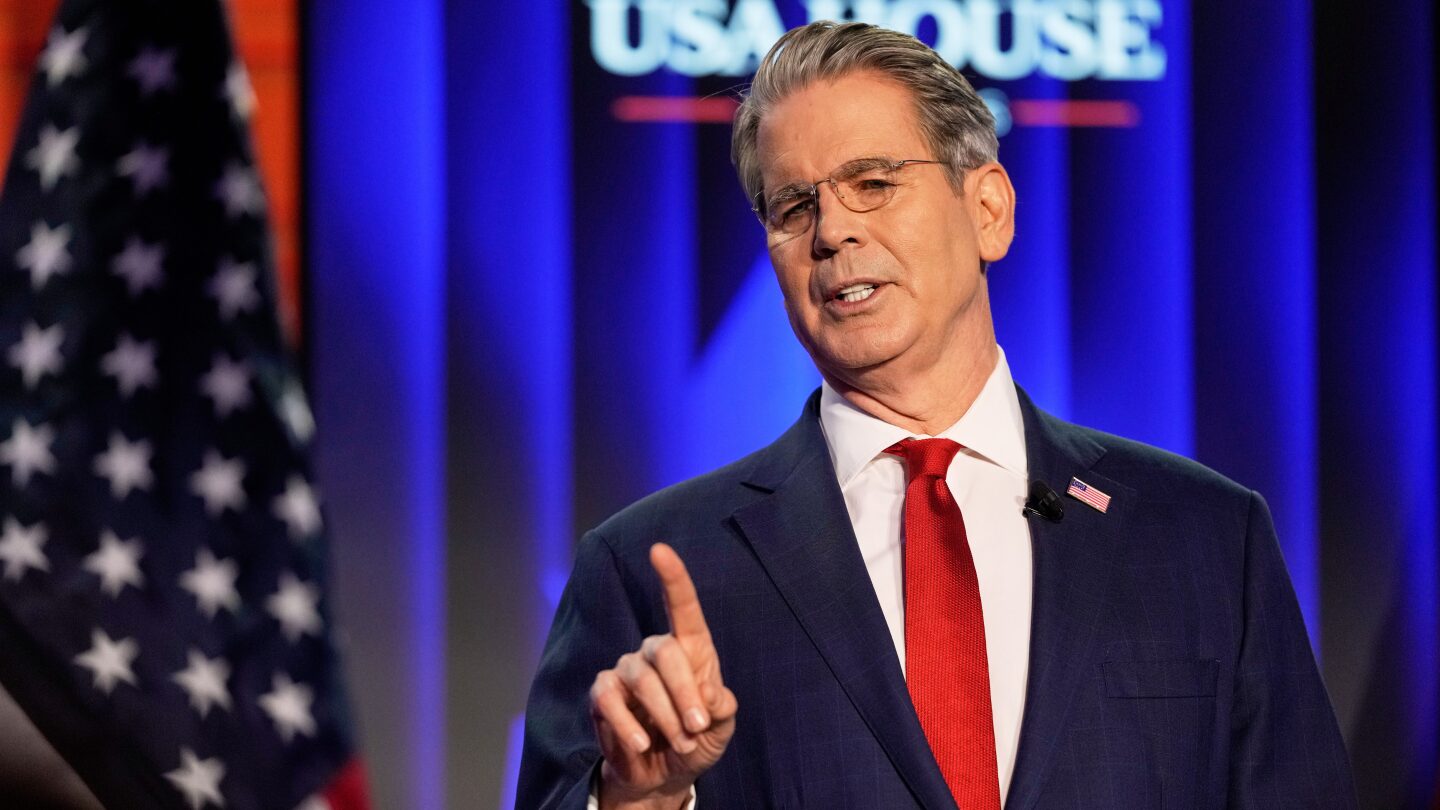
    DAVOS, Switzerland — U.S. Treasury Secretary Scott Bessent called for measured diplomacy on Tuesday amid escalating transatlantic tensions following the Trump administration’s controversial tariff threats targeting European nations. Speaking at the World Economic Forum annual meeting, Bessent characterized U.S.-European relations as exceptionally strong despite recent friction.

    The diplomatic strain emerged after President Trump announced a 10% import tax scheduled for February implementation on goods from eight European countries. These nations had expressed solidarity with Denmark following Trump’s renewed assertions that the United States should acquire Greenland, a semi-autonomous Danish territory. The American administration has justified its position citing national security concerns regarding potential Chinese and Russian influence in the Arctic region.

    European leaders have responded with outrage and intensified diplomatic consultations. The situation has prompted discussions of potential countermeasures, including retaliatory tariffs and the unprecedented deployment of the European Union’s Anti-Coercion Instrument. This mechanism, informally known as the ‘trade bazooka,’ enables the EU to sanction foreign entities attempting to exert undue pressure on member states.

    The EU currently possesses three primary economic instruments to address the situation: imposition of new tariffs on American goods, suspension of portions of the U.S.-EU trade agreement, and activation of the comprehensive Anti-Coercion Instrument that targets specific individuals or institutions engaged in coercive practices.

  • AI reshaping the battle over the narrative of Maduro’s US capture

    AI reshaping the battle over the narrative of Maduro’s US capture

    The digital information landscape has become a central battleground in the political conflict surrounding Venezuelan leader Nicolas Maduro’s January capture by US forces. Since his detention alongside wife Cilia Flores during operations in Caracas on January 3rd, artificial intelligence has emerged as a powerful weapon in shaping public perception of these events.

    Social media platforms are now inundated with AI-generated content that blurs the line between reality and fiction. These digital creations range from humorous memes to elaborate fictional scenarios, including one depicting an animated courtroom illustration of Maduro declaring himself ‘a prisoner of war’ and another showing an AI-generated version of the leader attempting a prison escape only to find himself dancing with former President Donald Trump and a judge to music by rapper Ice Spice.

    According to Leon Hernandez, researcher at Andres Bello Catholic University, this represents the development of sophisticated ‘disinformation labs’ that deliberately flood platforms with conflicting narratives. ‘The idea was to create confusion and generate skepticism at the base level by distorting certain elements of real things,’ Hernandez explained to AFP.

    The strategy extends beyond independent creators to include state media. Venezuela’s VTV television channel notably broadcast an AI-animated video narrated by a child recounting Maduro’s capture, demonstrating the institutional adoption of these techniques.

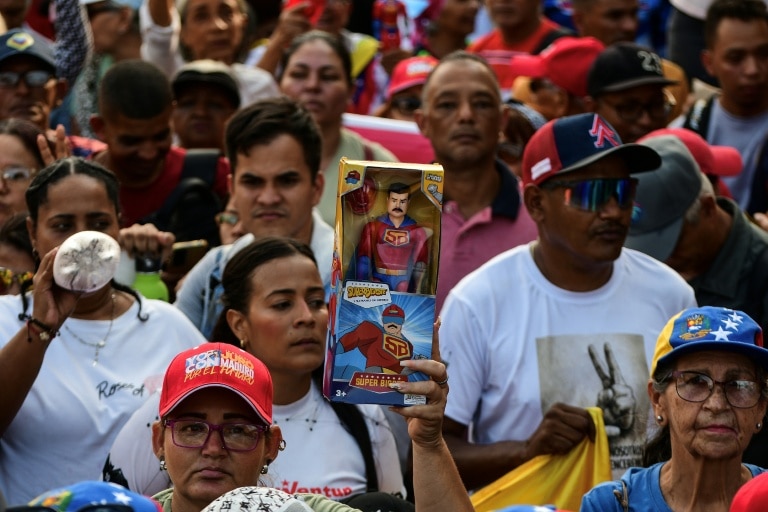
    Professor Elena Block of the University of Queensland notes that AI has become ‘the new instrument of power for autocrats to confuse, combat, and silence dissent.’ This digital propaganda builds upon existing media strategies employed by Maduro’s government, including the earlier ‘Super Bigote’ (Super Mustache) cartoon character that depicted the leader as a superhero fighting monsters representing political opponents.

    The phenomenon isn’t limited to Venezuelan leadership. Former President Trump has also utilized AI-generated content featuring ‘antagonistic, aggressive, and divisive language,’ according to Block, who warns that ‘AI today is the greatest threat to democracy’ through its capacity to trivialize political discourse.

  • Australian lawmakers back stricter gun, hate crime laws

    Australian lawmakers back stricter gun, hate crime laws

    In a decisive response to the Bondi Beach mass shooting that shocked the nation, Australian lawmakers have approved comprehensive security legislation targeting both firearms regulation and hate crime enforcement. The House of Representatives passed the dual measures during a special parliamentary session, creating a unified front against violence and extremism.

    The legislative package addresses critical vulnerabilities exposed by the December 14 attack, where assailants targeted a Jewish Hanukkah celebration, resulting in 15 fatalities. Prime Minister Anthony Albanese emphasized the dual nature of the threat, stating, ‘The terrorists had hate in their hearts, but they also had high-powered rifles in our streets. We’re taking action on both fronts simultaneously.’

    The hate crime provisions establish aggravated offenses for religious leaders and adults who radicalize children, while significantly strengthening penalties for hate dissemination. Immigration protocols will be enhanced to deny or revoke visas for individuals suspected of terrorism or hate-based activism.

    Concurrently, firearm reforms introduce a national gun buyback program, stricter import controls, and expanded background checks incorporating intelligence agency input. The measures represent Australia’s most significant security overhaul since the 1996 Port Arthur reforms.

    The legislation now moves to the Senate, where approval is anticipated later today. The parliamentary action precedes Thursday’s national day of mourning for the Bondi victims, as authorities continue investigating potential intelligence failures regarding the perpetrators.

  • MP family reunion flights to be capped, economy fares only after expenses scandal review

    MP family reunion flights to be capped, economy fares only after expenses scandal review

    Australia’s parliamentary travel entitlements system has undergone a substantial transformation following an expenses scandal that exposed questionable use of taxpayer funds by high-ranking officials. The Commonwealth Remuneration Tribunal has implemented stringent new regulations that dramatically restrict family reunion flight benefits for parliamentarians.

    Under the newly adopted recommendations, elected officials will now be limited to just one economy-class fare annually for family travel outside Canberra. The comprehensive reforms also mandate that all family travel—including for spouses—must be booked in economy class exclusively. Additionally, parliamentarians must now seek pre-approval from the Independent Parliamentary Expenses Authority before arranging any family reunion travel.

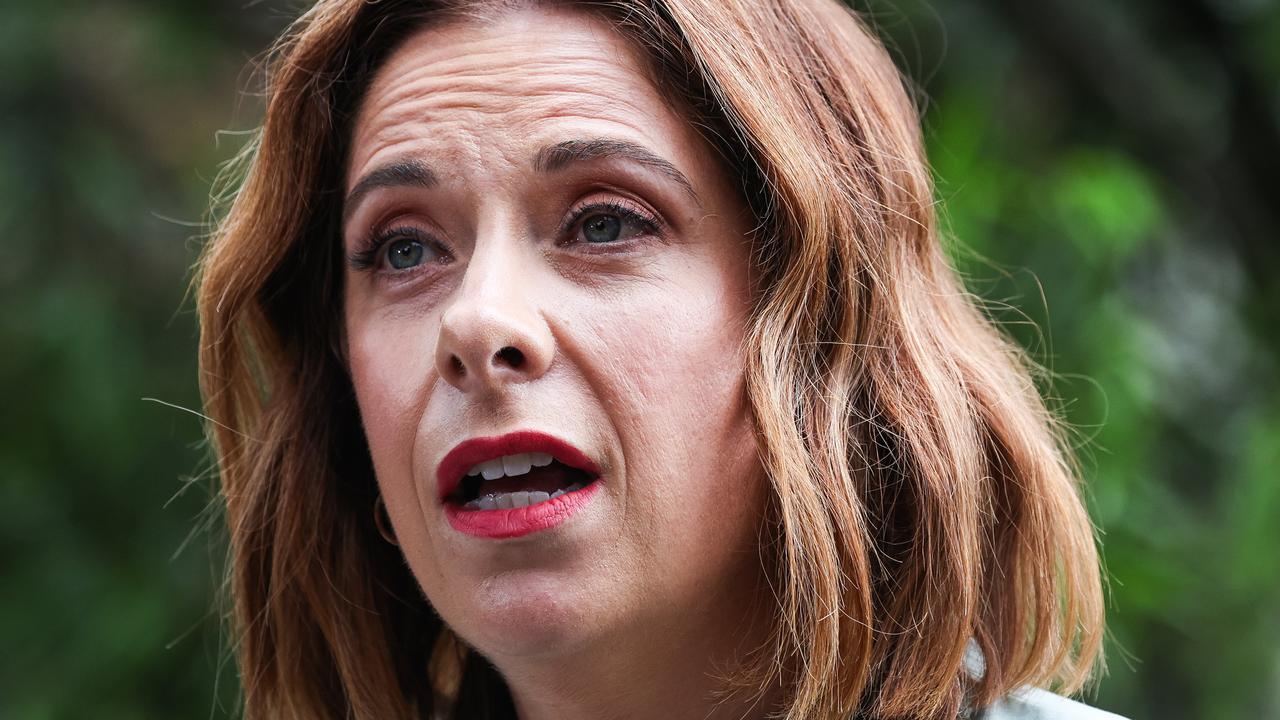
    The tribunal’s decision came after Prime Minister Anthony Albanese requested a review last year, prompted by revelations that several ministers—including Communications Minister Anika Wells, Trade Minister Don Farrell, and Attorney-General Michelle Rowland—had utilized taxpayer funds for family travel to high-profile events like the Australian Open tennis tournament.

    In justifying the reforms, the tribunal acknowledged the challenges parliamentary life presents for family dynamics, noting that “parliamentarians are required to live interstate for long periods” while emphasizing the importance of maintaining family connections. However, the body established strict criteria requiring that travel must be predominantly for parliamentary business purposes and directly facilitate family life.

    The scandal gained significant traction when it was revealed that Sports Minister Anika Wells had charged taxpayers tens of thousands of dollars for family attendance at prestigious sporting events including the Boxing Day Test cricket match, Melbourne Grand Prix, and a skiing trip to Thredbo during a Paralympics event.

    According to tribunal data, the majority of parliamentarians (194 out of 226) did not utilize any Australia-wide family reunion travel during the 2024-25 period, suggesting the reforms will primarily affect a minority of elected officials. The tribunal has urged implementation of these recommendations “as soon as practicable” to restore public trust in parliamentary spending practices.

  • US citizen says ICE removed him from his Minnesota home in his underwear after warrantless search

    US citizen says ICE removed him from his Minnesota home in his underwear after warrantless search

    ST. PAUL, Minn. — U.S. Immigration and Customs Enforcement (ICE) agents conducted a controversial operation in St. Paul, Minnesota, detaining a longtime American citizen at gunpoint without presenting a warrant before forcibly removing him into subfreezing temperatures wearing only underwear. The incident has ignited fierce criticism from local officials and community members amid a broader federal surge in the Twin Cities region.

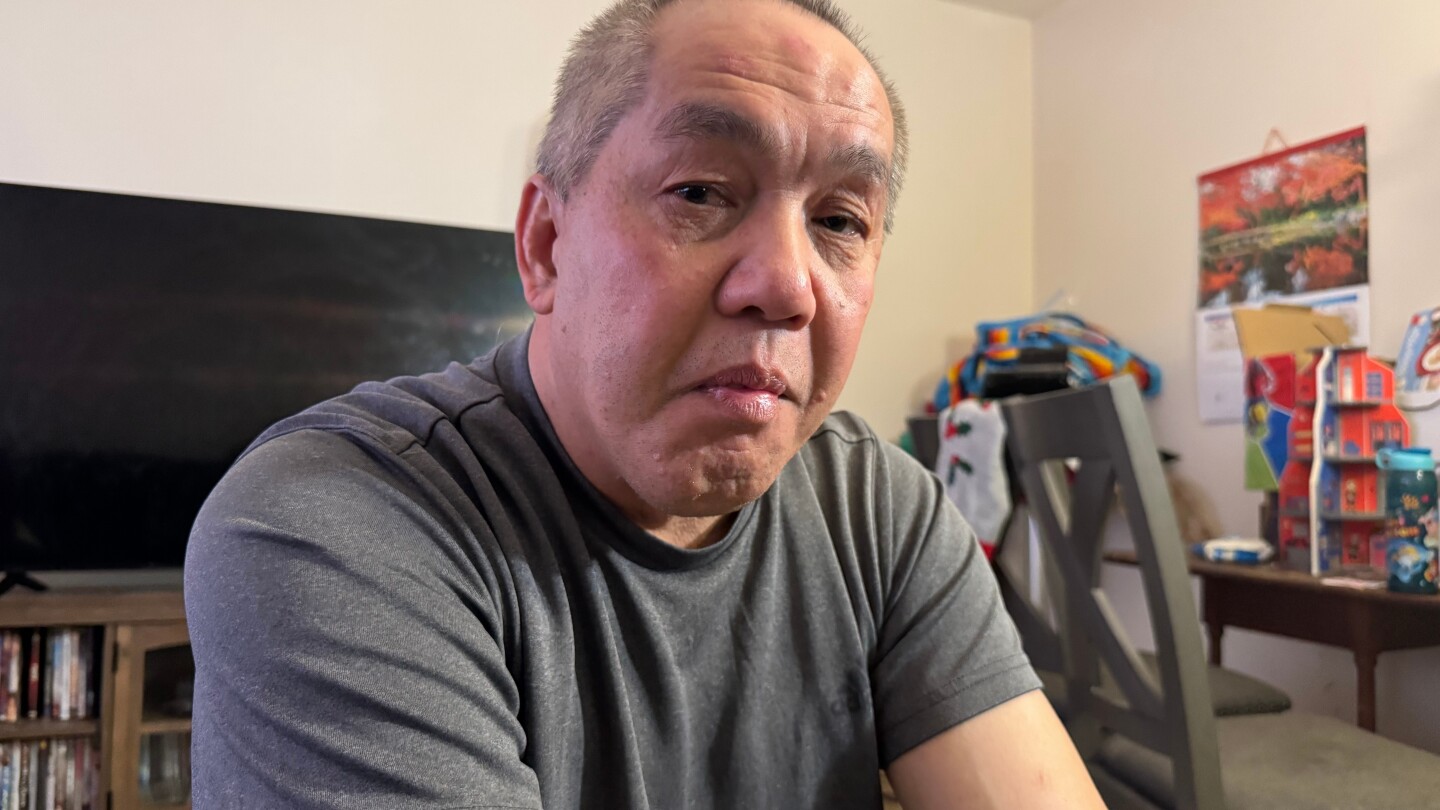
    ChongLy “Scott” Thao, a decades-long U.S. citizen, was awoken from a nap on Sunday afternoon by family members alerting him to armed, masked agents pounding on his door. Despite instructions not to open it, ICE personnel forced entry into the residence, pointed firearms at the family, and detained Thao without allowing him to present identification. Video evidence and family testimony confirm he was escorted outside in handcuffs, clad only in sandals and underwear with a blanket hastily provided for minimal warmth.

    Neighbors and bystanders documented the scene, capturing audible distress from family members—including Thao’s four-year-old grandson—and loud protests against the heavily armed agents. Thao was later transported to an undisclosed location where he was subjected to fingerprinting and photographic identification in frigid conditions before eventually being released without apology or explanation.

    In response, the Department of Homeland Security characterized the operation as a “targeted” effort aimed at apprehending two convicted sex offenders believed to be residing at the address. DHS claimed Thao “matched the description” of the targets and refused identification—an account the family vehemently denies. Public records show no sex offenders residing at Thao’s address, with the nearest registered individual located over two blocks away.

    St. Paul Mayor Kaohly Her, herself Hmong American, condemned ICE’s actions as “unacceptable and un-American,” accusing the agency of overreach and failing to focus on genuine threats to public safety.

    The Thao family’s history adds further context to their outrage. ChongLy Thao’s adopted mother, Choua Thao, was a Hmong nurse who provided medical care to CIA-backed soldiers during the U.S. “Secret War” in Laos. Forced to flee to the U.S. after communist takeover, her service to American interests contrasts sharply with her son’s treatment decades later.

    Thao now plans to file a civil rights lawsuit against DHS, citing lasting trauma and an eroded sense of safety in his own home.

  • Marine Le Pen faces crucial Paris appeals trial over misuse of EU funds

    Marine Le Pen faces crucial Paris appeals trial over misuse of EU funds

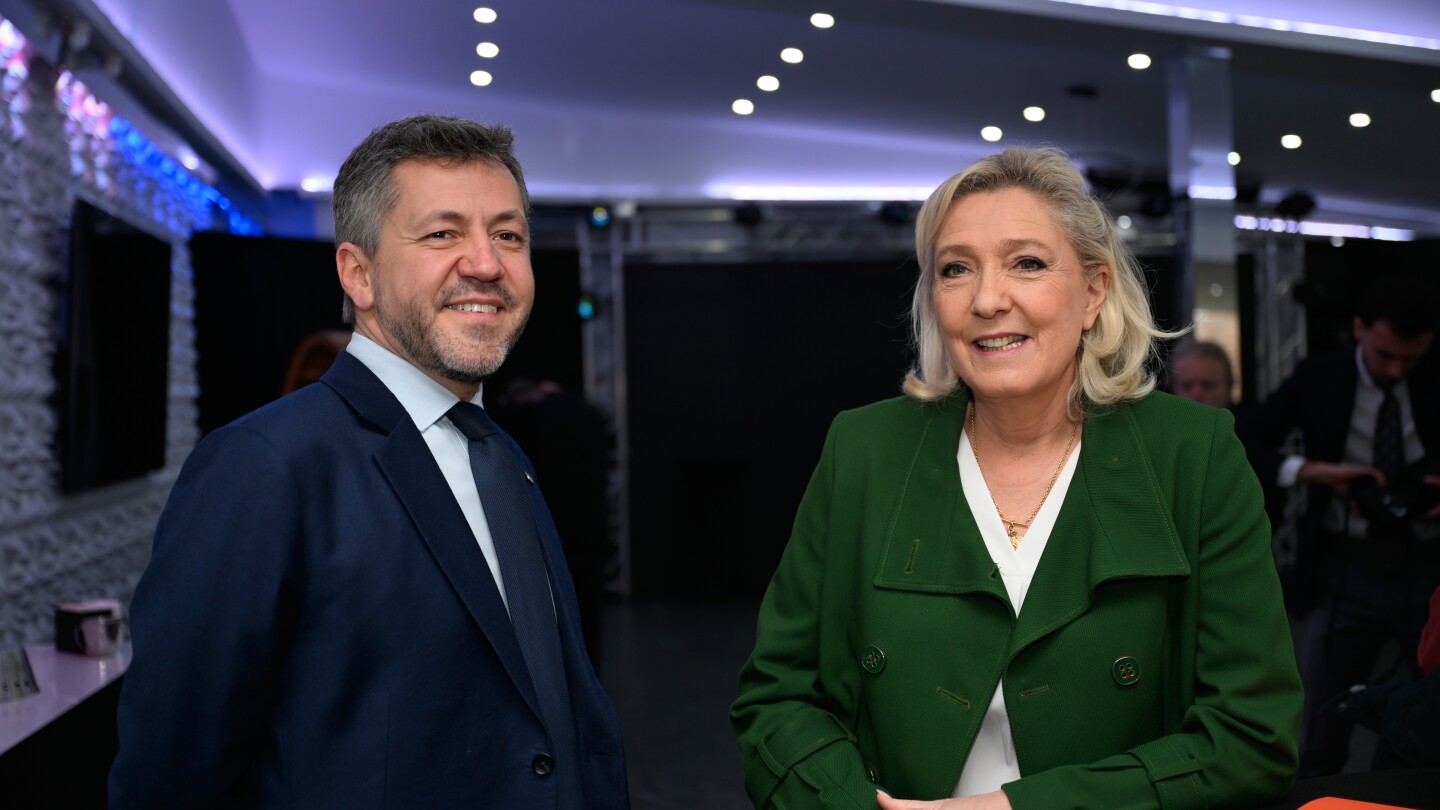
    PARIS — The political trajectory of France’s far-right movement faces a critical juncture as National Rally leader Marine Le Pen appears before an appeals court this week, challenging a conviction that could permanently alter the country’s political landscape. The two-day judicial proceeding, commencing Tuesday, represents Le Pen’s final opportunity to overturn a March ruling that found her guilty of systematically misappropriating European Parliament funds between 2004 and 2016.

    The initial verdict delivered severe penalties including a five-year prohibition from elected office, two years of electronic monitoring house arrest, and an additional two-year suspended sentence. This appeal process reexamines the complex financial case alleging that Le Pen and her party orchestrated a ‘fraudulent system’ to divert €2.9 million in EU parliamentary funds intended for legitimate aides to instead finance party operations.

    Court documents reveal that European funds were channeled to various party functionaries including Le Pen’s personal bodyguard, her executive assistant, a graphic designer, and even her sister Yann who organized party events while receiving EU compensation. The case originated from a 2015 alert raised by then-European Parliament President Martin Schulz regarding potential financial irregularities.

    Le Pen’s defense strategy has evolved throughout the proceedings. During the initial trial, she maintained that all aide assignments were legitimate and adapted to lawmakers’ diverse responsibilities. However, her current appeal suggests the party may have committed unintentional administrative errors rather than deliberate fraud, claiming European officials never provided adequate guidance regarding hiring regulations.

    The judicial outcome carries profound implications for France’s 2027 presidential election. Current polling indicates Le Pen would likely emerge as a frontrunner if eligible to run, building upon her second-place finishes against Emmanuel Macron in both 2017 and 2022. Having spent fifteen years rehabilitating the far-right’s image and distancing it from historical associations with racism and antisemitism, Le Pen has transformed the National Rally into France’s largest single parliamentary bloc following 2024 legislative elections.

    Should the appeal fail, leadership would likely transfer to Le Pen’s designated successor, 30-year-old protégé Jordan Bardella. While Bardella has gained significant popularity among younger voters, questions remain regarding his relative inexperience, scripted public performances, and perceived limitations on economic and international policy expertise.

    The appeals court must weigh multiple considerations including ‘the seriousness of the acts committed’ and ‘the harm caused to citizens’ trust in public life’ noted in the original verdict. A final decision is expected by summer, with possible outcomes ranging from complete exoneration to modified sentencing that might still permit political participation.

    Le Pen and party officials have increasingly characterized the judicial process as politically motivated, comparing it to what they describe as ‘witch hunt’ tactics allegedly employed against former U.S. President Donald Trump. However, French judicial authorities maintain their complete independence, with magistrates enjoying protected status against political interference.