分类: politics

  • Syria accuses SDF of ‘political blackmail’ after Islamic State inmates freed

    Syria accuses SDF of ‘political blackmail’ after Islamic State inmates freed

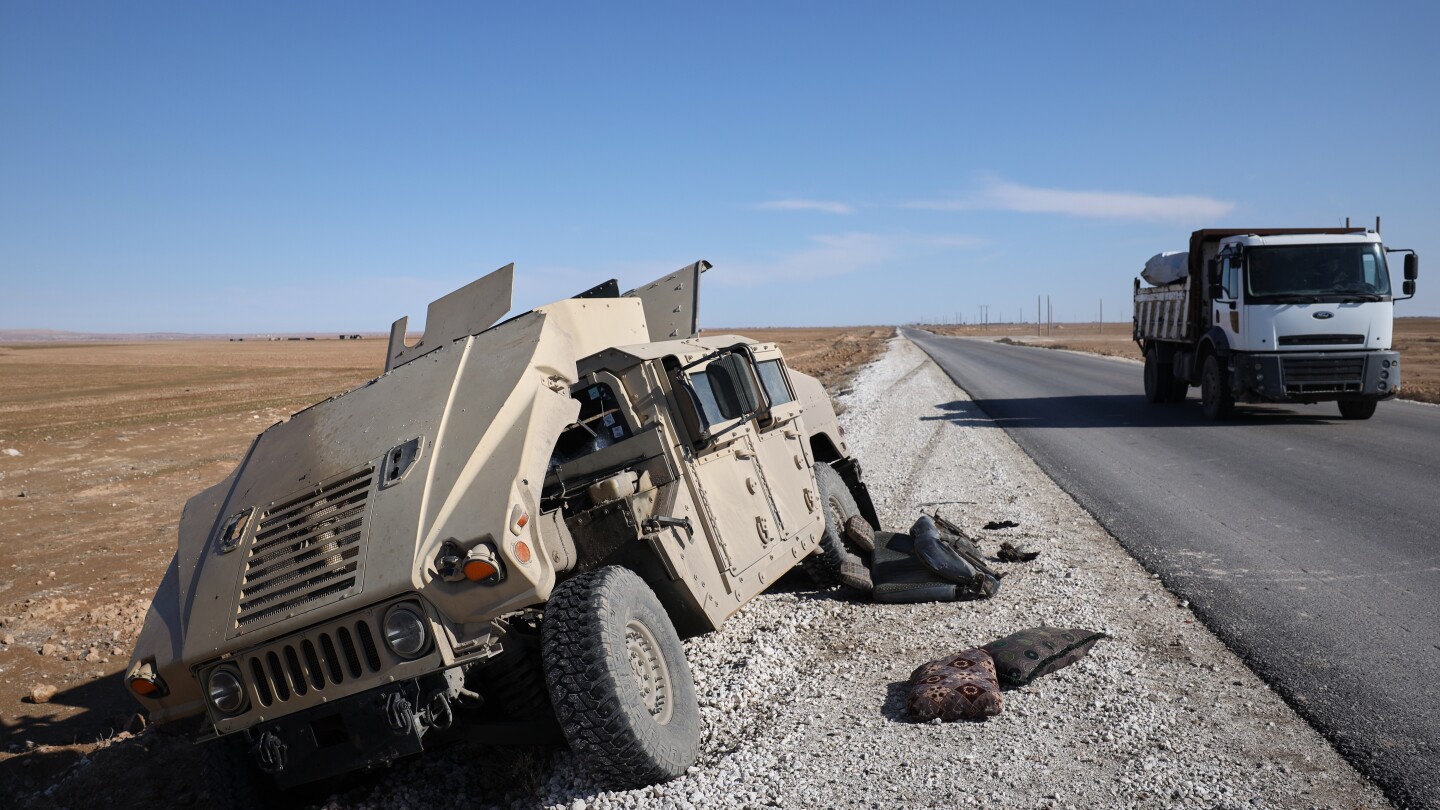
    The Syrian Interior Ministry has leveled serious allegations against the Syrian Democratic Forces (SDF), accusing them of orchestrating the intentional release of Islamic State fighters from al-Shaddadi prison in northeast Syria. Damascus characterized this action as an act of ‘political and security blackmail’ in an official statement released Tuesday.

    According to ministry reports, Syrian government forces successfully recaptured 81 of approximately 120 detainees who escaped during the incident. The ministry revealed that Syrian army units had previously avoided entering the al-Shaddadi facility during recent military operations based on an understanding that the SDF would subsequently transfer control of the prison to Damascus.

    Official accounts indicate that Syrian military commanders engaged mediators and SDF leadership to coordinate the transfer of the detention facility to state internal security forces. The ministry claims the SDF ultimately rejected this request and subsequently issued statements that allegedly ‘sought to mislead international opinion.’

    The Syrian government’s statement contained a stark warning: ‘The Syrian government warns the SDF leadership against taking any reckless steps that would facilitate the escape of ISIS detainees or open prisons for them as a retaliatory measure or as a political pressure tactic.’

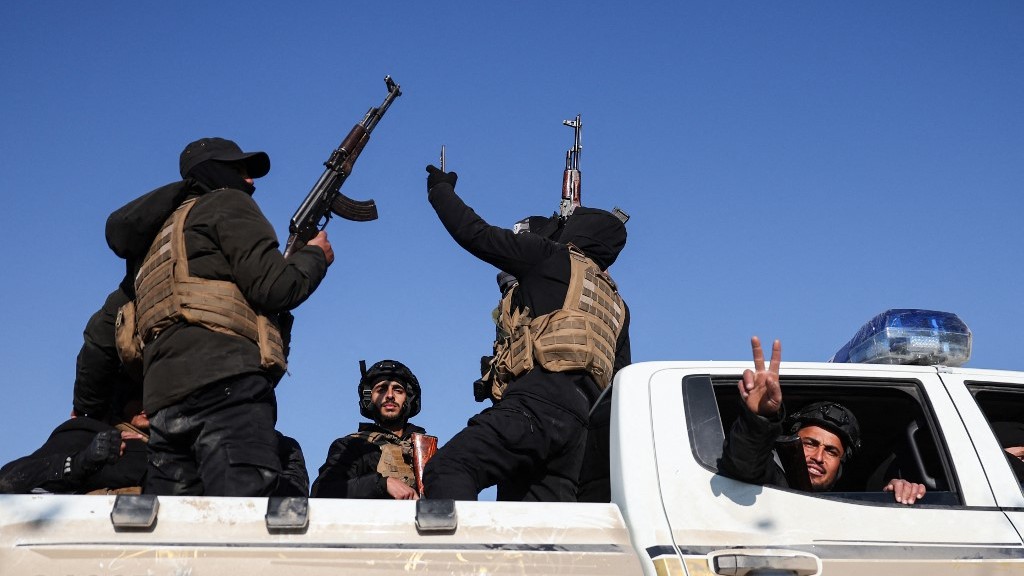
    The SDF, which maintains control over numerous sensitive detention sites despite previous agreements, has vehemently disputed the government’s narrative. The Kurdish-led forces contend that the prison break occurred following an attack by tribal fighters affiliated with the Syrian army, asserting that government forces lost operational control of the facility.

    This escalating dispute emerges amid heightened tensions following recent ceasefire negotiations that included provisions for SDF withdrawal from areas west of the Euphrates River. On Tuesday, SDF commander Fawza Youssef accused President Ahmed al-Sharaa’s government of failing to uphold the terms of the agreement.

    The ongoing conflict highlights the complex security situation in northeastern Syria, where the SDF controls more than a dozen prisons holding approximately 9,000 IS suspects who have remained detained for years without formal judicial proceedings.

    Recent diplomatic efforts, including Monday’s talks between President al-Sharaa and SDF leader Mazloum Abdi, concluded without agreement. Damascus proposed deploying internal security forces to Hasakah, offering Abdi the position of deputy defense minister, appointing a governor, and removing Kurdistan Workers’ Party members from the region.

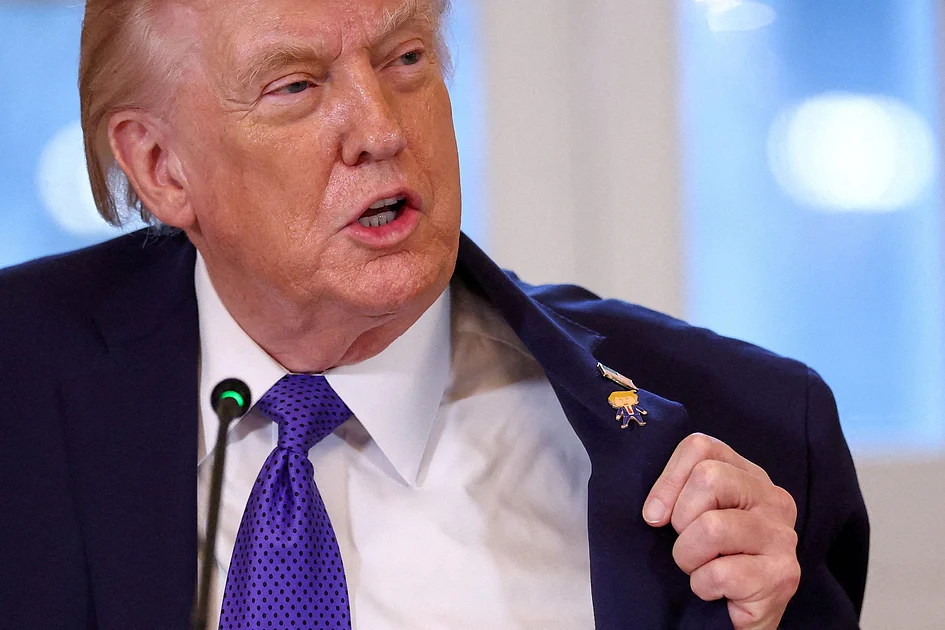
    In a significant diplomatic development, President al-Sharaa subsequently communicated with former U.S. President Donald Trump, with both leaders emphasizing the importance of Syria’s territorial integrity and the protection of Kurdish rights within the country.
  • Togo says it has extradited Burkina Faso’s former junta leader

    Togo says it has extradited Burkina Faso’s former junta leader

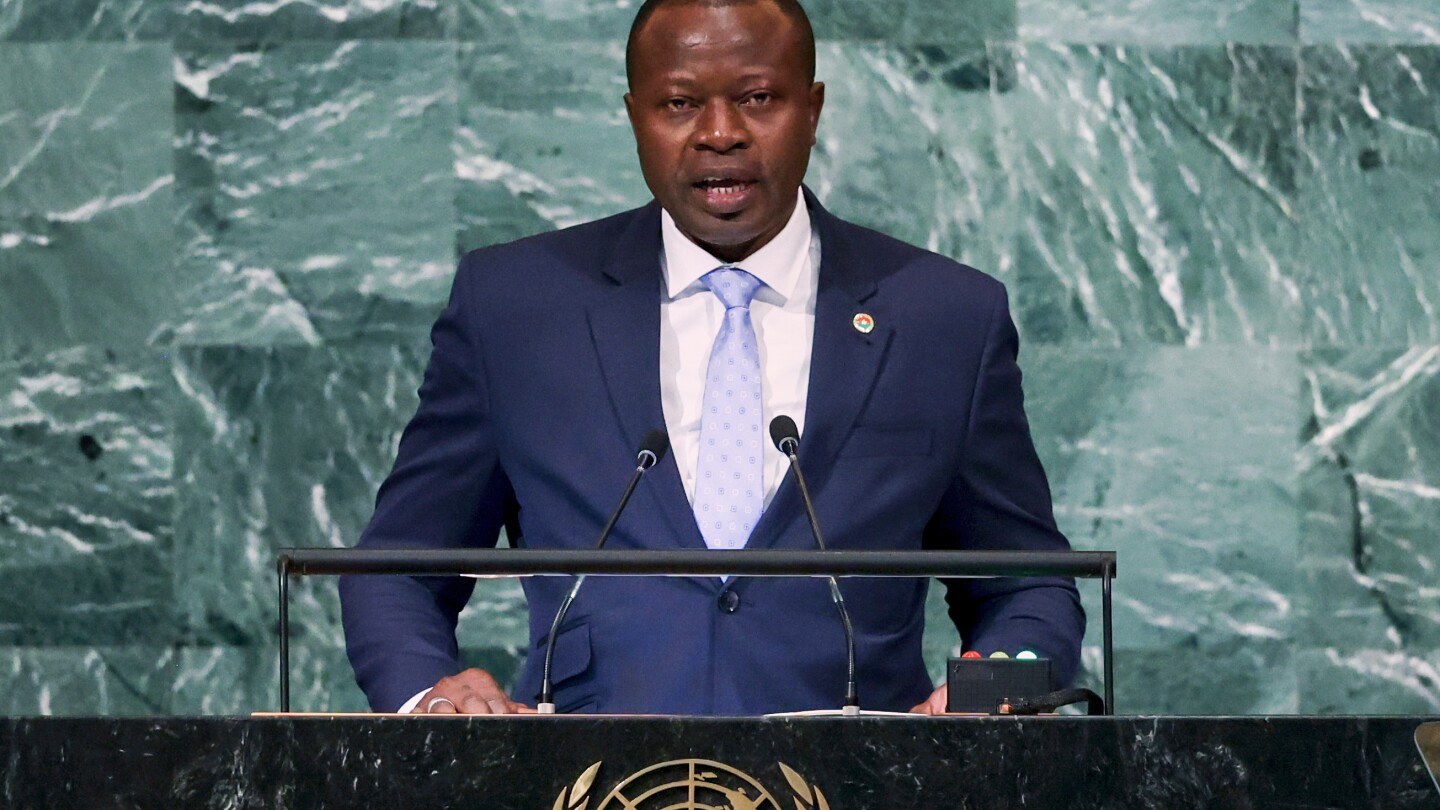
    LAGOS, Nigeria — Togolese judicial authorities have approved the extradition of Burkina Faso’s former military leader Paul-Henri Sandaogo Damiba to face multiple criminal charges in his home country. The decision, announced Tuesday by Togo’s Ministry of Justice, follows a formal request from Burkina Faso’s current military government.

    The Lomé Court of Appeal granted the extradition based on reciprocal assurances from Burkinabè authorities and specific guarantees that Damiba will not face capital punishment. The former junta leader, who had been residing in Togo since his overthrow in September 2022, was apprehended on January 16 amid allegations of his involvement in a recently foiled coup attempt.

    Damiba faces serious charges including criminal misappropriation of public funds and incitement to commit crimes. His brief tenure from January to September 2022 ended when current junta leader Ibrahim Traoré deposed him, marking consecutive military takeovers in the volatile West African nation.

    This development occurs against the backdrop of escalating regional instability. Since 2020, West Africa has witnessed a disturbing pattern of military interventions, with soldiers justifying power seizures by citing deteriorating security conditions. Armed group attacks have proliferated across the Sahel region and increasingly threatened coastal areas.

    Burkina Faso now stands among three West African nations under military rule that have severed ties with the Economic Community of West African States (ECOWAS), further complicating regional diplomacy and security cooperation.

  • UN chief warns of global chaos as US prioritizes power over intl law

    UN chief warns of global chaos as US prioritizes power over intl law

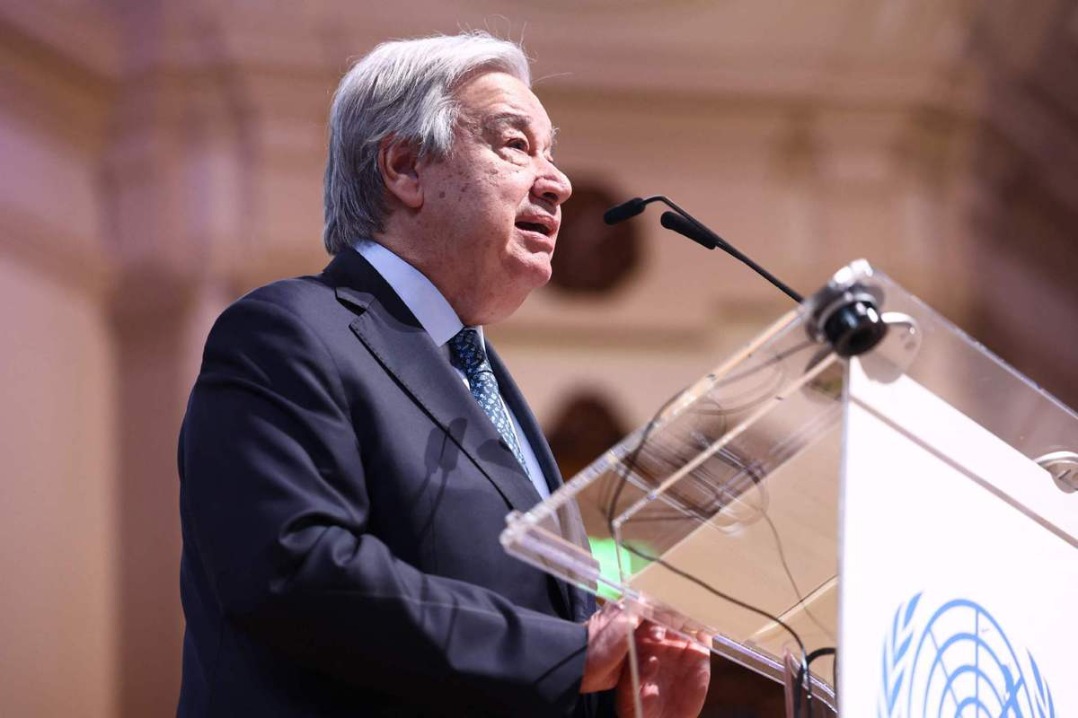
    United Nations Secretary-General Antonio Guterres has delivered a stark warning about the deteriorating global order, directly criticizing United States foreign policy for systematically eroding international legal frameworks. Speaking at the UNA-UK conference in London—the historic venue of the inaugural UN General Assembly—Guterres articulated profound concerns about Washington’s shifting approach to global governance.

    In his address marking the UN’s 80th anniversary, the Secretary-General highlighted a dangerous trend where powerful nations increasingly disregard multilateral institutions in favor of unilateral actions. Guterres specifically referenced recent geopolitical developments, including the controversial US seizure of the Venezuelan president and former President Donald Trump’s persistent assertions regarding Greenland’s annexation, as emblematic of this troubling shift.

    The 76-year-old diplomat, who concludes his term in late 2026, presented a sobering assessment during his BBC interview: “There are those that believe the power of law should be replaced by the law of power.” He acknowledged the UN’s current limitations in compelling major powers to adhere to the organization’s founding charter, particularly the principle of sovereign equality among member states.

    This tension represents a historic nadir in UN-US relations, exacerbated by the previous administration’s frequent questioning of the organization’s relevance. The current global landscape, Guterres argued, demands updated mechanisms for international cooperation, noting that “1945 problem-solving” proves inadequate for addressing 2026’s complex challenges.

    Despite recognizing “brazen violations” of international law, the Secretary-General maintained his call for collective resistance against unilateralism, asserting that confrontation with powerful nations remains essential for creating a better world order. His remarks underscore a pivotal moment in international relations where the very foundations of postwar diplomacy face unprecedented strain.

  • Turkey’s pro-Kurdish party warns Syria violence threatens peace efforts

    Turkey’s pro-Kurdish party warns Syria violence threatens peace efforts

    ANKARA, Turkey — Turkey’s fragile peace initiative with Kurdish militants faces imminent jeopardy following renewed violence in northeastern Syria, according to warnings from the pro-Kurdish Peoples’ Equality and Democracy Party (DEM). The cautionary statement emerged as a recently brokered ceasefire between Syrian authorities and Kurdish-led forces unraveled merely days after its signing.

    DEM Party co-chair Tulay Hatimogullari raised pointed questions about reconciliation prospects during a gathering in the border town of Nusaybin, situated opposite Syria’s predominantly Kurdish Qamishli. “How can we genuinely discuss internal peace and stability,” she challenged, “while Kurds face massacres in Syria and the sentiments of Turkish Kurds remain disregarded?”

    The disputed agreement, finalized Sunday under Turkish mediation, mandated the Syrian Democratic Forces (SDF) relinquish control over most northeastern territories and dismantle military infrastructure. The framework provided for case-by-case integration of SDF fighters into Syrian national security forces. Despite these provisions, combat resumed Monday, prompting Kurdish forces to mobilize resistance efforts.

    Concurrent with political warnings, dozens of DEM supporters demonstrated in Nusaybin, condemning what they characterized as Syrian atrocities against Kurds and criticizing President Recep Tayyip Erdogan’s backing of Damascus. Tensions escalated when protesters removed a Turkish flag from a military observation post, triggering police intervention and official denouncements from presidential aides who labeled the act a deliberate provocation.

    Turkish authorities had initially celebrated the Syrian agreement as a historic breakthrough following intense combat. Parliamentarian Feti Yıldız, engaged in drafting peace proposals with the Kurdistan Workers’ Party (PKK), suggested the accord might positively influence Turkey’s domestic reconciliation process.

    The geopolitical complexity stems from Turkey’s perception of the SDF as intrinsically linked to the PKK, which has waged a four-decade insurgency within Turkish borders. In a significant development last May, the PKK announced disarmament and dissolution following directives from imprisoned leader Abdullah Ocalan. The group conducted symbolic disarmament ceremonies in northern Iraq and withdrew remaining fighters from Turkey.

    However, the SDF has resisted pressure to emulate the PKK’s actions, maintaining that Ocalan’s instructions applied exclusively to Turkey-based militants. President Erdogan issued stern warnings in a Monday address, cautioning against delays or obstructions in implementing the Syrian agreement. “Procrastination and resistance through fabricated excuses will benefit no one,” he declared. “Terrorism’s era in our region has concluded. The ceasefire and integration requirements must be fulfilled without delay.”

    Historical context looms large over current developments, with previous peace initiatives between Turkey and the PKK collapsing—most notably in 2015—generating widespread skepticism regarding the sustainability of present efforts.

  • Russia’s top diplomat says NATO faces a deep crisis over Greenland

    Russia’s top diplomat says NATO faces a deep crisis over Greenland

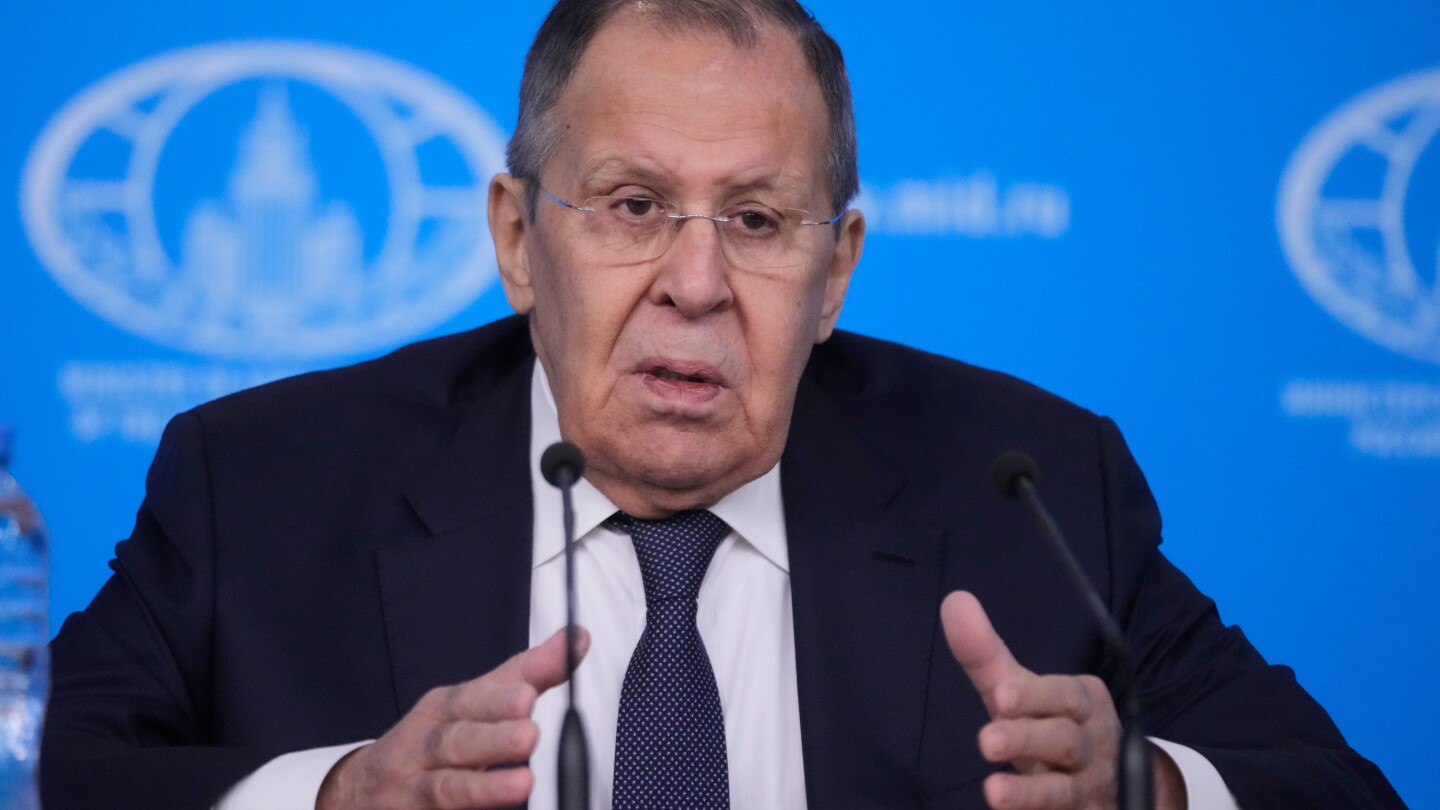
    Russian Foreign Minister Sergey Lavrov declared Tuesday that former U.S. President Donald Trump’s attempt to acquire Greenland signals a “deep crisis” within NATO that threatens the alliance’s fundamental cohesion. Speaking at his annual foreign policy briefing in Moscow, Lavrov characterized the episode as evidence of deteriorating unity among Western nations.

    Lavrov expressed astonishment at the geopolitical implications, noting that “it was hard to imagine before that such a thing could happen” within the military alliance. He suggested the move could theoretically create scenarios where “one NATO member is going to attack another NATO member,” fundamentally undermining the bloc’s security foundations.

    The Russian diplomat framed Trump’s actions as upending the Western-established “rule-based global order” that Moscow has consistently criticized. “Now it’s not the Collective West writing the rules but just one its representative,” Lavrov stated sardonically, adding that “the Euro-Atlantic concept of ensuring security and cooperation has discredited itself.”

    Regarding Greenland’s status, Lavrov described Denmark’s control as “a vestige of the colonial past,” asserting that “Greenland isn’t a natural part of Denmark.” However, he firmly denied Trump’s suggestions that Russia or China pose threats to the Arctic territory, stating “We have no relation to that.”

    Lavrov offered measured support for Trump’s proposed ‘Board of Peace,’ noting the Kremlin is studying the invitation. He praised this initiative as reflecting “the U.S. understanding that even with the foreign policy philosophy it has it considers necessary to rally a group of nations that would cooperate with them.”

    The Foreign Minister particularly commended Trump’s approach to Ukraine negotiations, describing the U.S. as the only Western country that has “expressed understanding of the need to take Russian interests into account.” He criticized European allies for attempting to modify proposals that initially included protections for Russian speakers and the Moscow-affiliated Ukrainian Orthodox Church.

    Lavrov warned that Moscow “won’t allow the luxury of once again letting the Kyiv regime to take a break and rearm,” while expressing pessimism about agreements with European leaders who “drove themselves too deeply into hating Russia.”

    The diplomat also addressed broader tensions, condemning the U.S. capture of Venezuelan leader Nicolás Maduro as “crude military intervention” and criticizing Washington’s rejection of extending New START nuclear arms limits. Despite these tensions, Lavrov expressed openness to continued dialogue with the U.S. based on “mutual respect for national interests,” recalling productive discussions with Secretary of State Marco Rubio in Riyadh.

  • Former security official expelled from Party for serious violations

    Former security official expelled from Party for serious violations

    In a significant demonstration of China’s ongoing anti-corruption campaign, Gao Yichen, a former high-ranking security official, has been expelled from the Communist Party of China following investigations into serious disciplinary and legal violations. The announcement was made on Thursday by the Central Commission for Discipline Inspection and the National Supervisory Commission, China’s top anti-graft bodies.

    Gao previously held dual positions as deputy director of the Office of the Central Leading Group for Preventing and Handling Cult Issues and vice minister of State Security. He also served as deputy director of the State Council’s Office for Preventing and Handling Cult Issues.

    The disciplinary investigation uncovered multiple offenses including collusion between political and business interests, improper benefit exchanges, and severe contamination of the political ecosystem. Notably, Gao continued to exploit his official position for personal gain even after his retirement from public service.

    According to official statements, Gao demonstrated a complete loss of ideological principles and political discernment while actively resisting organizational investigations. His misconduct included accepting unauthorized banquets, facilitating improper job transfers for associates, and receiving gifts and monetary rewards in violation of integrity protocols. He additionally obtained vehicle services from private business owners without compensation.

    More seriously, Gao interfered with judicial processes and leveraged his influence to secure advantages for others in corporate listing approvals, land use rights transfers, and case executions. These actions involved the illegal acceptance of substantial monetary sums and valuable assets.

    The disciplinary authorities determined that Gao’s conduct represented a severe violation of multiple Party disciplines including political, organizational, integrity, and work regulations. His actions constitute serious duty-related offenses and suspected crimes of bribery and influence peddling.

    In addition to his expulsion from the Party, Gao’s illicit gains have been confiscated. His case, which involves suspected criminal activities, has been transferred to prosecutorial authorities for formal legal proceedings.

  • US: Immigration officers broke into Minnesota home, dragged barely clothed man into snow

    US: Immigration officers broke into Minnesota home, dragged barely clothed man into snow

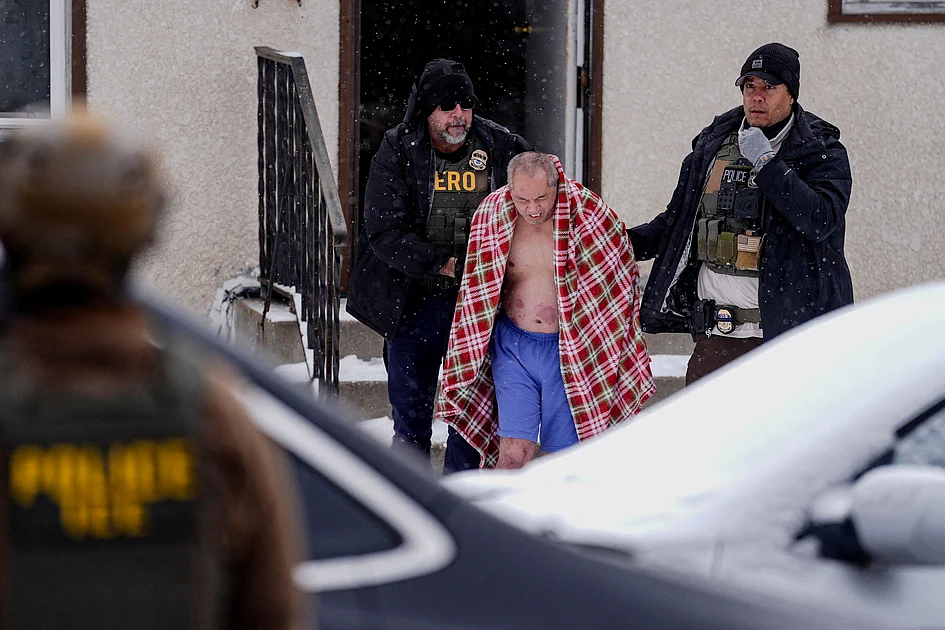
    A controversial immigration enforcement operation in Minnesota has drawn sharp criticism after federal officers forcibly entered a residential property and detained a naturalized U.S. citizen under extreme circumstances. The incident, which occurred on Sunday, involved Immigration and Customs Enforcement (ICE) personnel breaking down the door of ChongLy ‘Scott’ Thao’s home with drawn weapons, handcuffing the minimally clad 56-year-old, and escorting him into subzero temperatures.

    Thao, a Hmong immigrant from Laos who obtained U.S. citizenship in 1991, described the experience as profoundly traumatic. ‘I was praying. I was like, God, please help me; I didn’t do anything wrong,’ he recounted to reporters from his residence, where neighbors were subsequently repairing the damaged entrance. Despite freezing conditions of 14°F (-10°C), officers reportedly denied Thao the opportunity to dress appropriately, forcing him to cover himself with his grandson’s blanket during the detention.

    The Department of Homeland Security justified the operation as targeting two convicted sex offenders with deportation orders who were believed to be at the address. Agency spokeswoman Tricia McLaughlin stated that Thao was detained because he ‘matched the description of the targets’ and refused standard identification procedures, necessitating temporary custody ‘for the safety of the public and law enforcement.’

    However, relatives clarified that one of the wanted individuals had previously resided at the location but had since moved out, describing him as the former spouse of a family member. Photographs of the incident circulated widely on social media, amplifying concerns about potential overreach in federal immigration enforcement practices under the Trump administration’s intensified crackdown, which has deployed approximately 3,000 officers in the Minneapolis region.

    The family’s official statement condemned the operation as ‘unnecessary, degrading, and deeply traumatizing,’ sentiments echoed by immigrant advocacy groups. This event coincides with ongoing legal challenges to the administration’s enforcement methods, including a recent injunction issued by a U.S. District Judge in Minnesota blocking certain aggressive tactics that could inhibit constitutional rights.

    After fingerprinting and photographic identification in a vehicle, Thao was released without explanation or apology. The emotional impact remains profound, with Thao questioning the fundamental promise of American safety that originally motivated his family’s immigration from Laos in 1974 when he was four years old.

  • Trump says Putin has been invited to join Board of Peace

    Trump says Putin has been invited to join Board of Peace

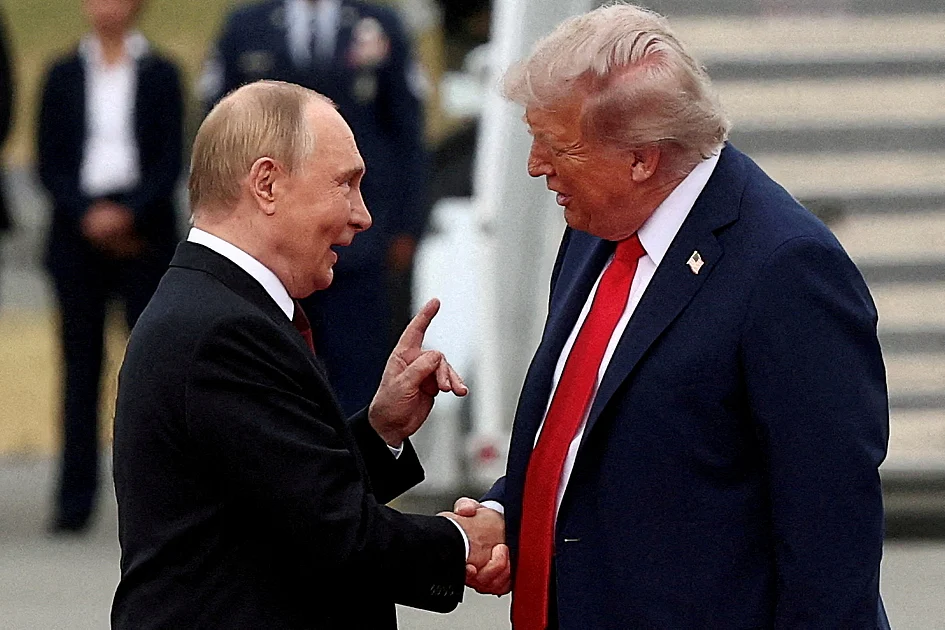
    In a significant diplomatic development, former US President Donald Trump has formally invited Russian President Vladimir Putin to participate in his newly proposed ‘Board of Peace’ initiative. The invitation, confirmed by Trump during a press briefing on Monday evening, marks a notable moment in international relations between the two nations.

    The Board of Peace, initially conceptualized to oversee reconstruction efforts in conflict-devastated Gaza, appears to have evolved into a broader conflict-resolution mechanism. According to charter documents obtained by international media, the initiative requires participating nations to contribute $1 billion for permanent membership privileges.

    While the board’s original mandate focused on Palestinian territory rehabilitation, its charter provisions suggest a more expansive scope addressing global conflicts. This financial requirement establishes the initiative as one of the most exclusive diplomatic platforms ever proposed, potentially creating a tiered system of international engagement based on financial contribution capacity.

    The inclusion of President Putin, despite ongoing geopolitical tensions, signals Trump’s unconventional approach to international diplomacy. The initiative’s structure and funding model represent a departure from traditional multilateral peacekeeping frameworks, potentially reshaping how global conflicts are addressed through financialized diplomatic participation.

    This development occurs amidst complex international relations and raises questions about the balance between financial contributions and diplomatic influence in conflict resolution mechanisms. The Board of Peace could potentially create new paradigms for international cooperation, though its effectiveness and acceptance by the global community remain subjects of ongoing diplomatic discourse.

  • Inside Trump’s $1-billion Board of Peace: Who is invited? Is it still about Gaza?

    Inside Trump’s $1-billion Board of Peace: Who is invited? Is it still about Gaza?

    The Trump administration has formally established a groundbreaking international conflict resolution mechanism requiring member nations to contribute $1 billion for permanent representation. Dubbed the ‘Board of Peace,’ this organization represents a significant shift in diplomatic approach, blending financial commitment with geopolitical influence.

    According to the founding charter obtained by AFP, the board’s mandate extends beyond its initial conception for Gaza reconstruction to address global conflicts wherever they emerge. The preamble defines the organization’s mission as promoting stability, restoring lawful governance, and securing enduring peace in conflict-affected regions through internationally sanctioned peace-building functions.

    President Trump will serve as permanent chairman while simultaneously representing United States interests. The charter grants him sweeping authority, including exclusive power to create or dissolve subsidiary entities, appoint executive board members described as ‘leaders of global stature,’ and adopt binding resolutions. Chairman replacement provisions are exceptionally restrictive, allowing removal only through voluntary resignation or demonstrated incapacity.

    Membership requires presidential invitation and representation at head-of-state level. While standard terms span three years, nations contributing the $1 billion fee within the first year receive permanent membership status. Voting procedures combine majority consensus with ultimate chairman approval, including tie-breaking authority.

    The preliminary membership roster features prominent figures including Secretary of State Marco Rubio, Special Negotiator Steve Witkoff, Jared Kushner, former UK Prime Minister Tony Blair, World Bank President Ajay Banga, and billionaire financier Marc Rowan. National invitations have extended to Russia, Canada, Egypt, Argentina, and numerous European and Asian nations, though formal commitments remain pending.

    The charter becomes operational upon ratification by three founding states, marking a potential transformation in how international conflict resolution is structured and funded.

  • Trump threatens to impose 200% tariff on French wines, champagnes

    Trump threatens to impose 200% tariff on French wines, champagnes

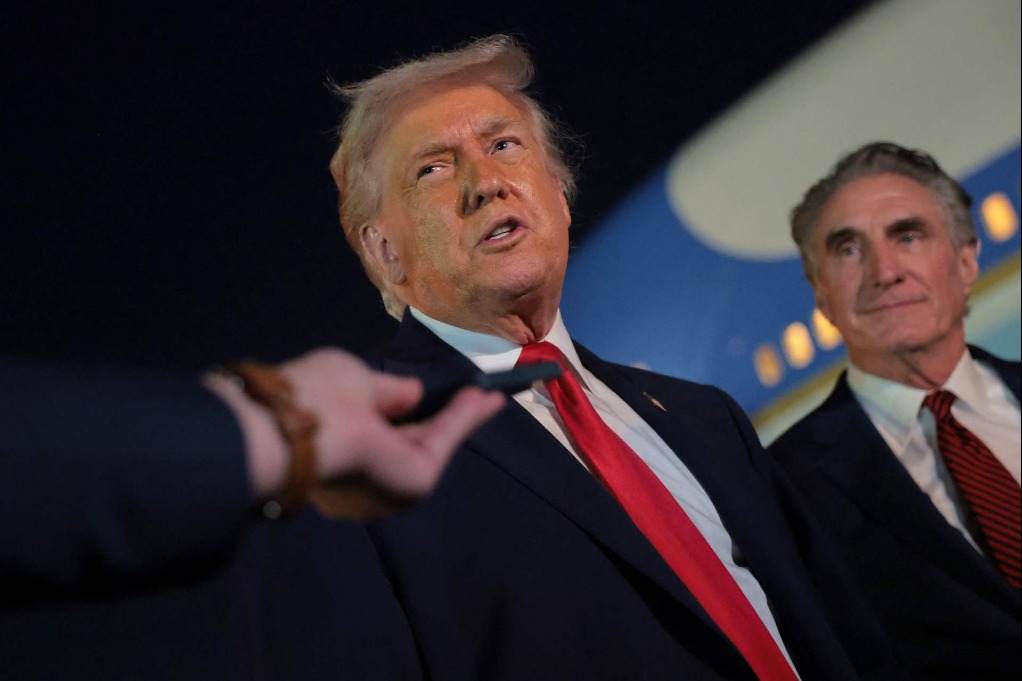
    In a significant escalation of trade tensions with a key European ally, U.S. President Donald Trump has threatened to impose unprecedented 200% tariffs on French wines and champagnes. The declaration came late Monday following French President Emmanuel Macron’s refusal to participate in Trump’s proposed “Board of Peace” initiative.

    Trump made the retaliatory threat in response to a reporter’s question about Macron’s decision, stating: “I’ll put a 200 percent tariff on his wines and champagnes, and he’ll join, but he doesn’t have to join.” The remarks represent a significant departure from traditional diplomatic protocols, linking trade policy directly to participation in presidential initiatives.

    The proposed tariffs would effectively triple the price of French wine and champagne imports to the United States, potentially devastating a sector that exported approximately $2 billion worth of products to the U.S. market annually. France remains the second-largest supplier of wine to American consumers after Italy.

    This development marks another chapter in the complex relationship between Trump and Macron, which has featured both public displays of camaraderie and significant policy disagreements. The “Board of Peace” initiative itself remains undefined in public documents, leaving unclear what specific commitments Trump sought from European allies.

    Trade experts indicate that such a tariff move would likely trigger immediate retaliation from the European Union under its existing trade defense mechanisms. The French wine industry, which employs approximately 500,000 people across production, distribution, and tourism, would face severe disruption from such measures.

    The threat emerges against the backdrop of ongoing transatlantic trade negotiations and follows previous tensions over digital services taxes and agricultural imports. Market analysts are monitoring whether this represents a negotiating tactic or a firm policy direction from the administration.