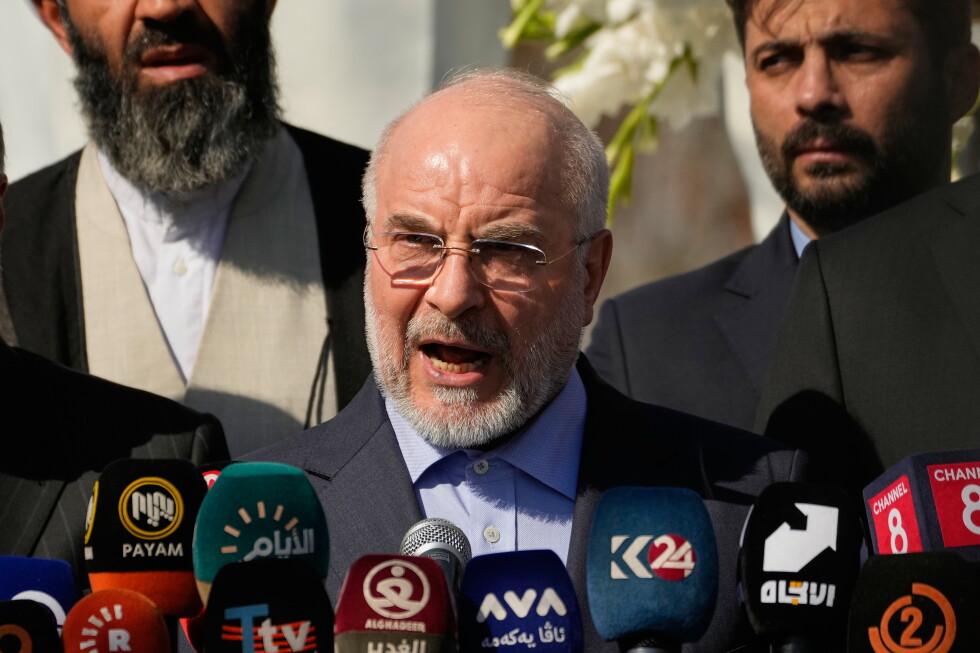
A wave of escalating geopolitical friction rippled across the Middle East on Wednesday, as three interconnected developments deepened uncertainty over regional stability amid already heightened hostilities between Iran and Western-aligned powers. The latest unrest comes weeks after the United States and Israel launched military operations against Iran starting February 28, with no diplomatic breakthrough between Tehran and Washington on the horizon to de-escalate broader tensions. The most acute new clash emerged between Iran and the United Arab Emirates, after Abu Dhabi accused Tehran of launching two ballistic missiles aimed at commercial maritime navigation that ultimately landed in the Persian Gulf on Tuesday. The alleged incident marked the first reported attack targeting UAE territory in several weeks, following a sustained period of frequent missile and drone strikes on Emirati assets by Iranian-aligned forces in the wake of the U.S.-Israel campaign against Iran. Within hours of the accusation, the UAE government announced an immediate suspension of all bilateral trade with Iran, framing the move as a necessary response to regional escalations that threaten both international and regional peace and security. This suspension came less than a week after Abu Dhabi had already accused Iran of launching drone attacks on two state-owned Emirati oil company tankers transiting the critical Strait of Hormuz, one of the world’s most vital oil chokepoints. Iran has forcefully rejected the latest missile accusation, with Foreign Ministry spokesperson Esmail Baghaei condemning the UAE’s claim during his weekly press briefing on Wednesday. Baghaei argued that the Emirati accusation violates core principles of good neighborliness, and undermines ongoing diplomatic efforts to build mutual trust between regional states and prevent further expansion of hostilities across the Middle East. Parallel to the UAE-Iran rift, a diplomatic standoff between France and Iran escalated into reciprocal expulsions of diplomatic personnel this week. On Wednesday, the French Foreign Ministry announced it would expel two Iranian embassy staff based in Paris, a direct response to Iran’s expulsion of two French diplomats from Tehran just two days prior. French Foreign Minister Jean-Noël Barrot accused Iranian authorities of premeditated action, saying Tehran fabricated false claims of foreign interference against the expelled French diplomats to justify their expulsion. Barrot added that Iranian security forces carried out a deliberate assault on the two French diplomatic staff last month, and criticized Tehran for failing to launch a credible investigation into the incident. Iranian state media, meanwhile, reported that the expelled French diplomats had been caught participating in a secret meeting with individuals linked to a major foreign infiltration and interference case in the country. The two Iranian diplomats ordered expelled by Paris are scheduled to leave the French capital in the coming days. Amid these cross-regional tensions, Iran’s top parliamentary speaker and chief nuclear negotiator Mohammad Bagher Qalibaf touched down in Baghdad Wednesday for a scheduled three-day official visit, where he is set to hold talks with senior Iraqi government officials and leaders of Iran-aligned political factions. Iraq has walked a precarious diplomatic tightrope for years, seeking to maintain functional diplomatic and economic ties with both Washington and Tehran, a balancing act that has grown far more complicated amid the latest escalation of open conflict between the U.S. and Iran. Iran-aligned Iraqi militias have claimed and carried out repeated drone attacks targeting U.S. military bases and diplomatic assets across Iraq and neighboring regions, putting enormous political pressure on the Iraqi government to respond. During his first public remarks in Baghdad Wednesday, Qalibaf praised Iran-aligned militias — which he referred to as the “Iraqi resistance” — framing them as a core pillar of Iraq’s national power. “After years of experience in Iraq, the resistance has gone beyond the borders of the two countries and has become an influential force at the regional and global levels,” Qalibaf told reporters. The comments underscore Iran’s long-standing strategy of building influence across the Middle East through allied armed groups and political proxies, including Lebanon’s Hezbollah and Yemen’s Houthi movement, which have played key roles in regional conflicts for decades. The latest round of tensions has fueled widespread international concern that the region could slide back into full-scale open conflict after weeks of relative quiet in attacks on Gulf states. Diplomatic efforts to restart nuclear talks between Iran and the United States remain stalled, with no formal negotiations scheduled in the near term. The Associated Press contributed reporting from correspondents based in Beirut, Tehran, Paris and Baghdad.
分类: politics
-
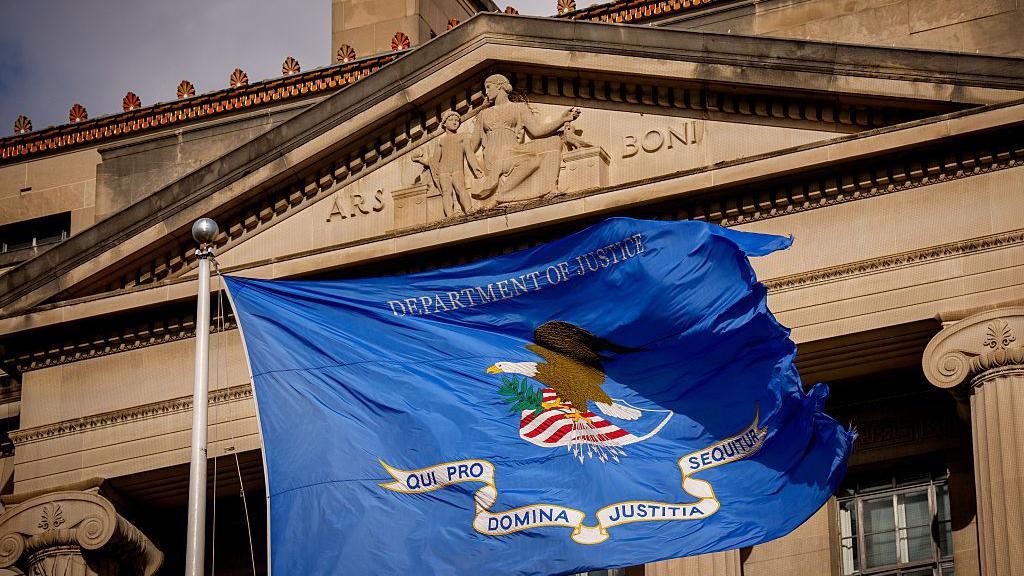
US charges 17 Iranians over ‘massive’ cyber theft campaign
In a major announcement outlining one of the largest documented state-sponsored cyber intrusions in recent history, the U.S. Department of Justice (DoJ) has unsealed charges against 17 Iranian individuals linked to a coordinated, years-long hacking campaign that stole massive volumes of academic data and intellectual property from hundreds of American and global organizations.
According to official DoJ allegations, the hacking operation was run out of Tehran by the Mabna Institute, a front organization founded in 2013 specifically to illicitly access scientific resources outside Iran. From the campaign’s launch in 2013 through at least December 2017, the group systematically targeted digital networks across 144 U.S. universities, 42 U.S. private sector companies, five American federal and state government agencies, 178 international academic institutions, and 11 additional private companies based in Germany, Italy, Switzerland, Sweden, and the United Kingdom.
Prosecutors confirm the hacking ring carried out most of its attacks on behalf of Iran’s Islamic Revolutionary Guard Corps (IRGC), alongside other Iranian government bodies and domestic academic clients. The group specifically targeted the personal and professional accounts of more than 100,000 academics worldwide, successfully breaching approximately 8,000 university professor email accounts to steal research data. Over the course of the campaign, the hackers exfiltrated more than 31 terabytes of stolen information, with the total value of the taken intellectual property estimated at around $3.4 billion.
FBI Assistant Director in Charge James C. Barnacle, Jr. emphasized the severity of the coordinated intrusion, framing it as a direct threat to U.S. national security. “Backed by the IRGC, this operation reflects a broader, organised effort to target US institutions and global partners,” Barnacle said in an official statement released alongside the charges.
U.S. Attorney for the Southern District of New York Jamie McDonald reinforced that warning, noting that malicious cyber operations have now become a core tool of state power for adversarial nations, with far-reaching consequences for both American national security and economic stability.
In a parallel action to the unsealed charges, the DoJ announced a $10 million reward for any information that leads to the identification or location of five of the charged accused hackers, who remain at large. Nine of the 17 defendants facing charges were first indicted in a 2018 seven-count charging document, with eight new defendants added in the updated unsealed case.
The charges mark the latest high-profile U.S. government action cracking down on transnational state-sponsored cybercrime, highlighting the ongoing risk of large-scale intellectual property theft targeting academic and private sector research networks.
-
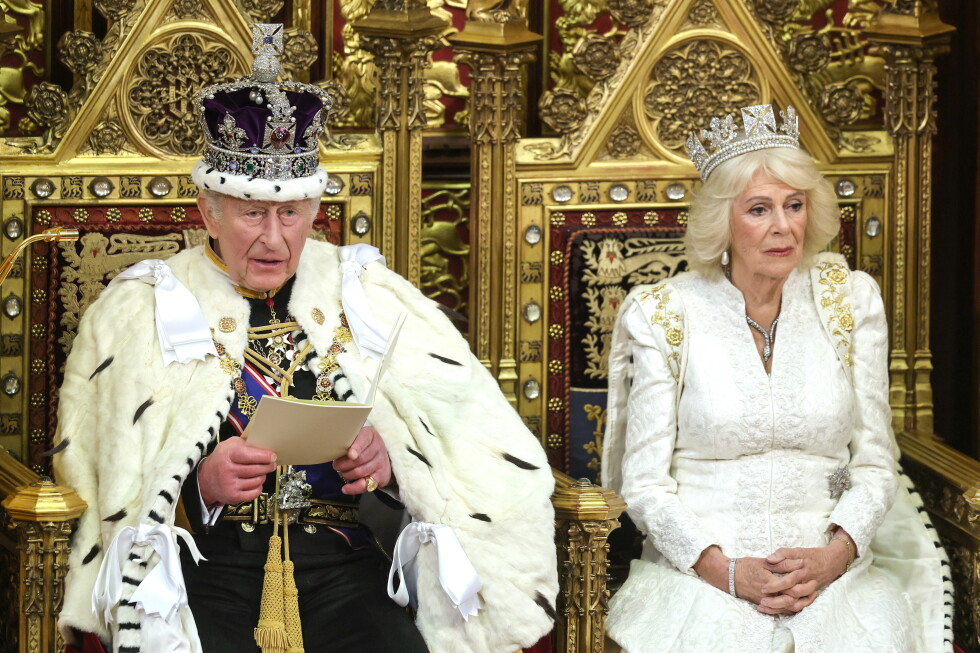
Queen Camilla wished she could share king’s diagnosis during a visit to cancer charity
LONDON – In a candid video marking the 30th anniversary of UK cancer support charity Maggie’s, Queen Camilla has shared the personal struggle of keeping King Charles III’s cancer diagnosis confidential in the days before the news was made public, revealing how the monarch’s openness has already transformed public engagement with cancer testing and support.
King Charles III made a historic break from long-standing British royal tradition on February 5, 2024, when he publicly announced he had begun treatment for an unspecified type of cancer. For generations, the royal household has kept senior members’ private health matters closely guarded from public view, making the king’s choice to share his diagnosis an unprecedented step for the modern monarchy.
Queen Camilla, who has served as president of Maggie’s – a organization that runs 27 specialized cancer support centers across the United Kingdom – since 2008, said she was already aware of her husband’s diagnosis a full week before the public announcement. At that time, she was scheduled to officially open a new Maggie’s center at London’s Royal Free Hospital, and she described the pressure of staying silent during the visit as unexpectedly challenging.
“Nobody could say anything at that time. That was quite difficult,” Camilla shared in her 8-minute conversation with Maggie’s Chief Executive Laura Lee, released to the public on Wednesday. “I almost said something but, you know, I felt that it wasn’t the time to say.”
In the weeks following the king’s announcement, the charity has recorded a surprising uptick in men seeking support: Lee confirmed that male visitor numbers to Maggie’s centers across the country have risen by 12% since the announcement. Medical and public health experts have already credited King Charles’ openness with encouraging thousands of at-risk men to book screening for prostate cancer and other under-tested forms of the disease, a shift that is expected to lead to earlier diagnoses and improved health outcomes for many.
Maggie’s centers, unlike acute medical facilities, focus on providing non-clinical support: the organization offers personalized counseling, evidence-based information, and community space to help people living with cancer manage anxiety, maintain daily routines, and sustain quality of life while undergoing treatment.
Queen Camilla said her husband’s diagnosis has deepened her understanding of the critical work Maggie’s carries out. She also highlighted the king’s steady, pragmatic approach to his treatment, noting that he has continued his royal duties while caring for his health. “Look at my husband, nothing stopped him,” she said. “He just said, ‘This is my way. I’m going to cope with it.’”
Recent official updates on the king’s health confirm that his condition is trending in a positive direction as he continues his ongoing treatment regimen.
-
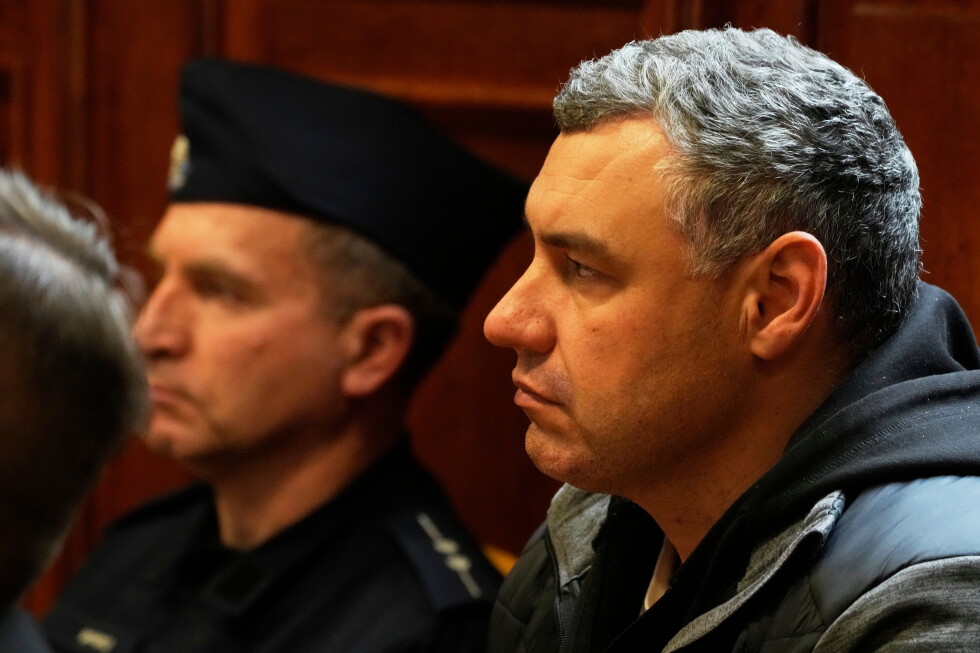
Ukrainian man arrested over 2022 Nord Stream pipeline explosions
In a significant new development in the long-running investigation into the 2022 Baltic Sea Nord Stream pipeline bombings, German federal authorities have confirmed a Ukrainian man accused of involvement in the attack has been taken into custody in Croatia under a European arrest warrant. The suspect, identified by Polish authorities as Volodymyr Zhuravlov (referred to only as Vladimir Z. in German federal prosecutors’ official statement), is a trained scuba diver alleged to be part of the sabotage group that placed explosive devices on both Nord Stream 1 and Nord Stream 2 pipelines near Denmark’s Bornholm Island ahead of the September 26, 2022 blasts.
The undersea explosions occurred at a moment of already extreme geopolitical tension following Russia’s full-scale invasion of Ukraine, compounding stress across the continent as European nations were already moving to cut their reliance on Russian fossil fuels. Per the German federal prosecutor’s charging document, Zhuravlov faces serious allegations including conspiracy to carry out explosive attacks, anti-constitutional sabotage, and deliberate destruction of critical infrastructure. He was apprehended in the coastal Croatian city of Pula, and will be extradited to Germany to appear before an investigative judge at the Federal Court of Justice once the transfer process is finalized.
This arrest marks a second time Zhuravlov has been detained in connection with the case: he was first taken into custody in Poland last year, but a Polish court ultimately rejected Germany’s extradition request, leading to his release. Poland has long maintained strong opposition to the Nord Stream projects, viewing the pipelines as a tool for Russia to gain political and economic influence over Europe, and Polish Prime Minister Donald Tusk stated at the time that extraditing Zhuravlov would not serve Poland’s national interest.
It remains unclear exactly why Zhuravlov chose to leave Poland after his release, despite the active European warrant remaining in effect. His Polish legal representative, Tymoteusz Paprocki, told the Associated Press that Zhuravlov was aware the Polish court’s ruling only applied within Poland’s borders, adding that even the suspect’s wife expressed shock at his detainment in Croatia.
German officials have welcomed the latest arrest as a key step forward in untangling the full details of the attack. “We’re simply glad that the federal prosecutor’s office is making progress in these investigations, because it is important that the bombing of the pipelines be clarified as well,” German Justice Ministry spokesperson Nicholas Limmer told reporters in Berlin.
This arrest comes one month after German federal prosecutors filed formal charges against a second Ukrainian suspect, a former Ukrainian army officer identified only as Serhii K., in connection with the same bombing. Serhii K. was apprehended in August 2025 during a raid on a family vacation bungalow in an Italian village, where he surrendered peacefully to law enforcement. He was extradited to Germany in November 2025, and faces charges including explosives offenses, property damage, disruption of public services, and accessory to war crimes for targeting civilian critical infrastructure.
Investigative records show the group of suspects allegedly used a chartered yacht that departed from the German port of Rostock to carry out the operation, renting the vessel through intermediaries using forged identification documents. The 2022 blasts heavily damaged Nord Stream 1, which had served as Russia’s primary natural gas export route to Germany before Moscow cut off all supplies in August 2022 just weeks before the attack. The explosions also damaged Nord Stream 2, a second pipeline that never entered commercial operation after Germany suspended its certification process in the lead-up to Russia’s full-scale invasion of Ukraine.
The Nord Stream attacks have remained a flashpoint of global geopolitical dispute since they occurred. Russia has repeatedly accused the United States of orchestrating the blasts, a claim that Washington has flatly denied. For years before the attack, the United States and many of its allies openly criticized the Nord Stream projects, warning they would increase European dependence on Russian energy and expand Moscow’s geopolitical leverage across the continent.
-
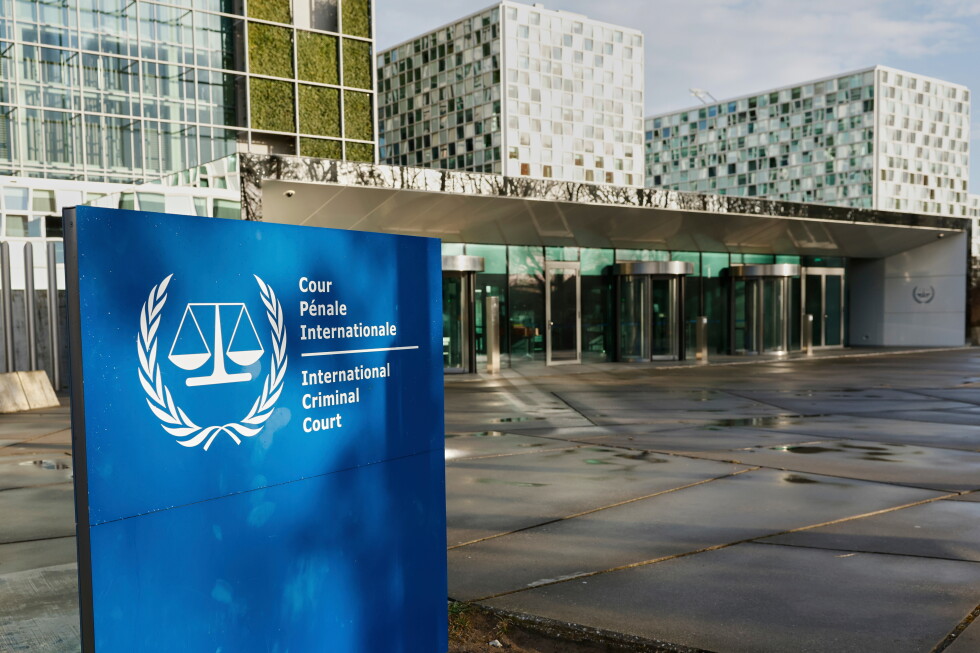
ICC slams US decision to sanction the court’s president and a senior prosecution lawyer
THE HAGUE, NETHERLANDS – In a sharp rebuke of newly imposed United States sanctions targeting its top leadership, the International Criminal Court (ICC) issued a formal condemnation Wednesday, calling the measures a blatant assault on the tribunal’s judicial independence and reaffirming its commitment to pursuing accountability for mass atrocities across the globe. The punitive measures, announced by the US State Department a day earlier, target ICC President Tomoko Akane, a Japanese jurist, and senior ICC trial lawyer Abdoulaye Seye, a Senegalese legal professional, freezing any assets they hold under US jurisdiction and cutting them off from the US financial system.
According to ICC records, the current Trump administration has now imposed sanctions on nine of the court’s 18 sitting judges, both of its deputy prosecutors, its former chief prosecutor, and one additional member of the prosecution team. Washington has long justified its aggressive campaign against the Hague-based court by claiming the ICC has overstepped its governing mandate by launching investigations into and pursuing prosecutions of senior military and political officials from non-member states, including Israel and the United States.
“ When judicial actors are targeted and threatened for upholding the law, the entire international legal order is put in jeopardy,” the ICC said in its official statement. The court stressed it would continue to carry out its core mandate with unwavering independence and impartiality, regardless of external pressure.
US Secretary of State Marco Rubio defended the sanctions in a statement released Tuesday, labeling the ICC a corrupt, irredeemably politicized supranational body that has intentionally abused its authority and acted far outside its agreed-upon jurisdiction. The latest sanctions come just weeks after Rubio unveiled a sweeping, multi-pronged US campaign to neutralize what the administration frames as a threat to American sovereignty from the ICC. Rubio has outlined plans to pressure the court’s 125 member states to exit the institution, impose sanctions on any organization that collaborates with the court, and implement a full travel ban barring all ICC staff from entering the United States.
To date, the administration’s pressure campaign has already yielded tangible results: in recent weeks, both Venezuela and Chad have formally announced their intention to withdraw from the ICC, pushing the total number of countries that have announced departures over the past 12 months to five. Under ICC rules, a nation’s withdrawal takes one year to take full legal effect after it is formally notified.
Beyond the diplomatic and institutional impact, the sanctions impose tangible, daily hardships on targeted ICC officials and their families. In addition to travel bans that bar entry to the United States, the measures cut off access to basic global financial services, even complicating routine daily activities such as grocery shopping for affected individuals. Canadian judge Kimberly Prost, who was sanctioned by the US last year, described the far-reaching disruption to the AP after she was targeted: she lost access to all her personal credit cards, and even her consumer Amazon Alexa device stopped responding to her commands. “Every part of your life becomes restricted,” Prost explained.
Japan, the home country of newly sanctioned ICC President Akane, has joined the international criticism of the US measures. “The announced measures are very unfortunate,” Toshihiro Kitamura, press secretary for Japan’s Ministry of Foreign Affairs, said in a statement released Wednesday. Kitamura noted that Japan has long been a consistent supporter of the ICC’s work to prosecute and punish the gravest international crimes that shock the conscience of the global community, and to uphold the international rule of law. “Japan will remain committed to strengthening the rule of law in the international community, while maintaining open communication with all relevant countries,” he added.
Human rights groups have also roundly condemned the new sanctions, framing them as an attempt to shield officials from accountability for alleged grave crimes. Balkees Jarrah, Middle East and North Africa director at Human Rights Watch, called the sanctions “the latest example of the Trump administration’s utter contempt for international law and a naked attempt to shield American and Israeli officials implicated in serious crimes from justice.”
Last week, Human Rights Watch joined three other advocacy organizations in filing a federal lawsuit against the Trump administration to challenge its broader campaign against the ICC. The legal complaint, lodged in the US District Court for the Southern District of New York, argues that a previous Trump executive order targeting the Hague-based court, paired with the new sanctions against ICC officials, a UN human rights expert, and three Palestinian rights organizations, amount to a “blatantly illegal attack on international justice that must be struck down,” according to a press release announcing the suit.
Associated Press journalists Matthew Lee in Washington, D.C., and Mari Yamaguchi in Tokyo contributed reporting to this article.
-
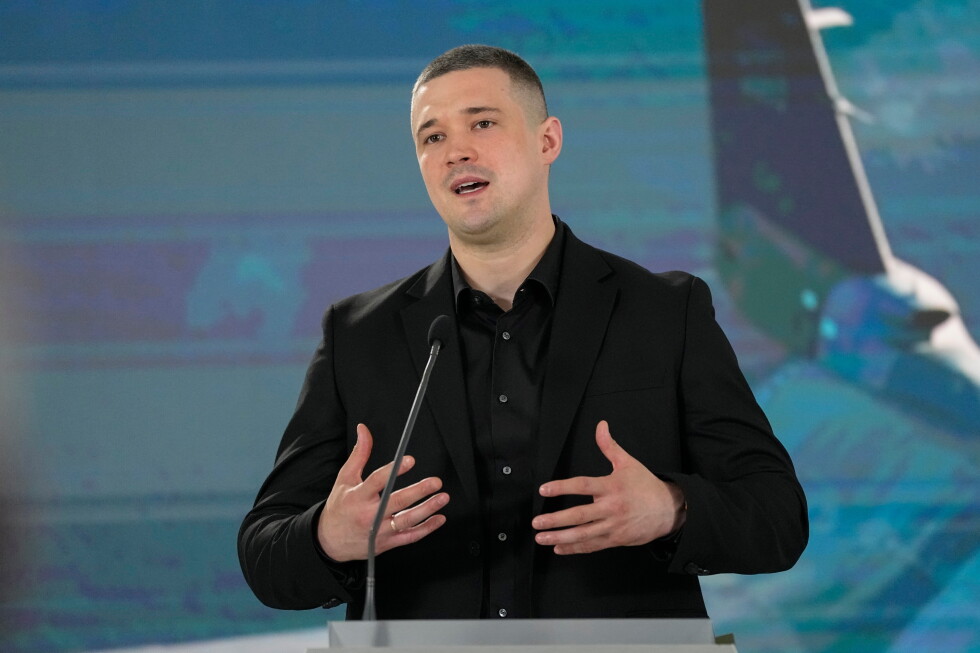
Ousted Ukraine defense minister urges wartime elections, warning of a governance crisis
KYIV, Ukraine — In a surprise and potentially destabilizing move that marks one of the most significant domestic tests for Volodymyr Zelenskyy since Russia launched its full-scale invasion nearly three years ago, ousted Ukrainian Defense Minister Mykhailo Fedorov has publicly called for national elections to proceed despite the ongoing active conflict, warning that the country is currently trapped in a deep-rooted governance crisis.
Fedorov, who until his dismissal in July was counted among Zelenskyy’s closest and longest-serving most loyal political allies, laid out his demands in a pre-recorded video address published to YouTube this Tuesday. The former minister stressed that Ukrainian leadership must move quickly to develop a legitimate, secure and logistically feasible framework to restore the country’s full democratic process, even while the nation remains locked in a prolonged full-scale war with Russia.
“We must find a legal, safe, and realistic mechanism that will allow Ukraine to restore a full democratic process even amid a prolonged war,” Fedorov stated in the address.
As of Tuesday evening, Zelenskyy’s office had not issued any immediate public response to Fedorov’s appeal.
Under current Ukrainian legislation, all national elections are banned during the period of martial law, which has been in continuous effect since February 24, 2022 — the exact day Russia launched its large-scale invasion of Ukrainian territory.
Fedorov went further than his call for elections, alleging that Ukraine is now facing a systemic breakdown in its governing structures. He argued that the current ruling system is primarily focused on self-preservation and actively blocks any meaningful reform. He also publicly decried widespread corruption among government officials, stopping short of naming specific individuals or agencies, and claimed that this graft has directly eroded Ukraine’s capacity to defend itself against Russian forces.
The former defense minister claimed that his own removal from office was tied to the sweeping overhaul he spearheaded of the Defense Ministry’s procurement system — a department that manages billions of dollars in military equipment purchases for Ukraine’s armed forces.
“Corruption in wartime is not merely a financial issue. It is a matter of our capability to survive and win,” Fedorov said. “Every single hryvnia intended for defense must work for defense. Not for a private pocket.”
Fedorov’s video address was released just hours after Ukraine’s Parliament confirmed it had received a formal nomination from Zelenskyy to appoint Yevhenii Khmara as the new permanent defense minister, Parliament speaker Ruslan Stefanchuk announced via his official Facebook page on Tuesday.
Since Fedorov’s sudden ouster in July, large-scale public demonstrations in support of the former minister have drawn significant crowds across Kyiv over the past month. While the protest movement has seen a slight decline in turnout from its initial peak, weekly weekend marches still bring thousands of demonstrators onto the capital’s streets, many carrying handcrafted signs calling on Zelenskyy to reverse Fedorov’s dismissal and reinstate him to the defense minister post.
-
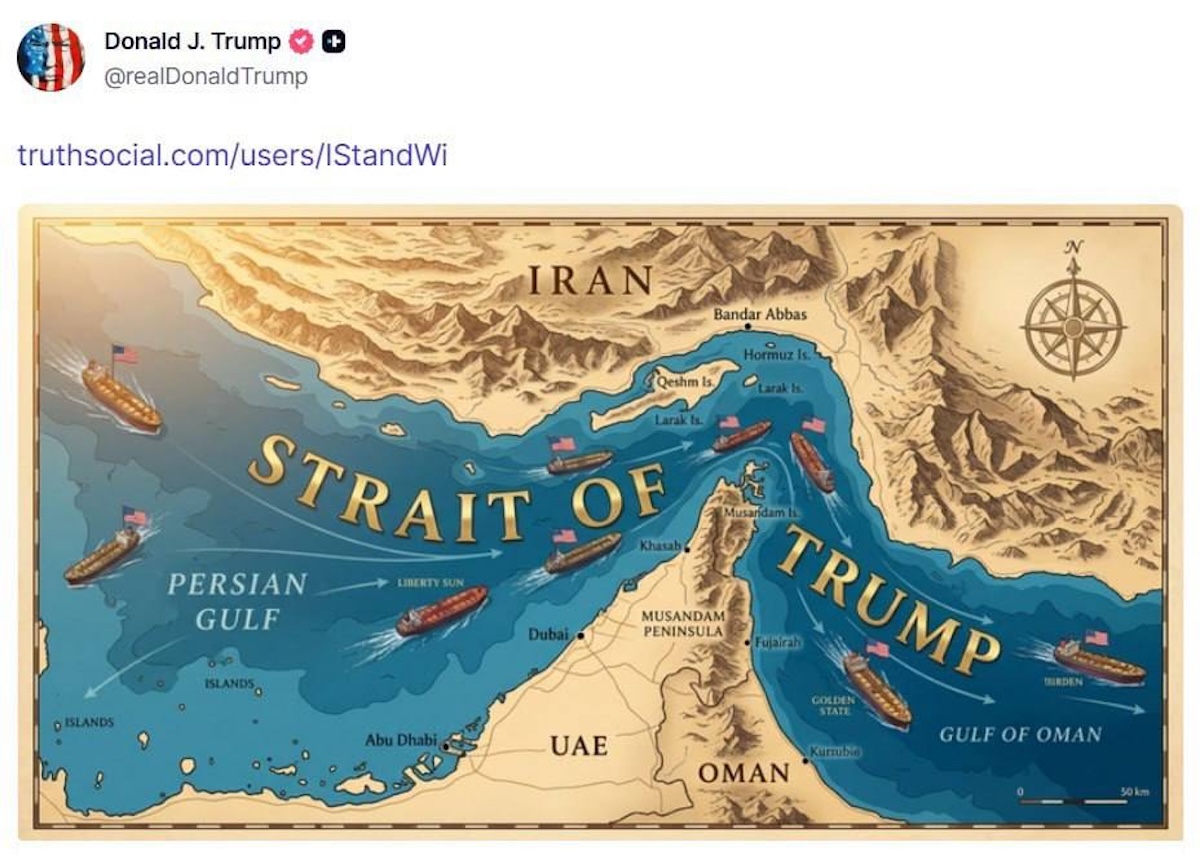
Escalating Trump posts map labeling Hormuz Strait ‘US territory’
Tensions between the United States and Iran have spiked dramatically after former U.S. President Donald Trump published a map on his Truth Social platform claiming the strategically critical Strait of Hormuz as American territory, drawing immediate and harsh condemnation from senior Iranian officials. The provocative post came just days after Trump first openly threatened to claim the key waterway as U.S. territory, amplifying already heightened hostilities between the two nations amid an ongoing six-month conflict.
Kazem Gharibabadi, Iran’s deputy foreign minister, issued a blistering response to Trump’s map in a post on X (formerly Twitter), writing in Arabic: “Just as Trump incorrectly labeled the Persian Gulf, his fantasy of claiming the Strait of Hormuz will be corrected sooner than later — and if he will not correct this delusion, we will do it for this delusional individual.” Gharibabadi attached a screenshot of Trump’s original post, which showed the mislabeled map marking the narrow passage that sits south of Iran, connecting the Persian Gulf to the Gulf of Oman.
The current standoff over the strait traces back to February 28, when the United States under Trump launched joint military strikes with Israel against Iran. In response to the unprovoked attacks, Iran imposed restrictions on commercial shipping traffic through the strait — one of the world’s most vital chokepoints for global fossil fuel trade. The shipping restrictions have sent ripple effects through energy markets worldwide, driving up fuel prices globally. In the United States, the national average price for a gallon of gasoline has now hit an all-time record high for the mid-August period.
Despite mounting domestic economic pressure from rising energy costs, widespread global criticism, and a plummeting presidential approval rating, Trump has refused to backtrack on his actions. In a public address last Friday on New York’s Long Island, the president doubled down, stating: “I’ll never apologize, I did the right thing.” It was during that same speech that he first issued his threat to claim the Strait of Hormuz as U.S. territory, prompting widespread condemnation from political observers both in the U.S. and abroad. Critics have labeled Trump “completely unhinged” and a “sadistic violent menace to the world” and have renewed calls for a second impeachment.
The escalating conflict comes as a 60-day bilateral ceasefire between the warring parties expired on Monday, with neither side indicating meaningful progress toward new negotiations to end the hostilities. Trump has framed the war as an effort to halt Iran’s alleged nuclear weapons development, a claim that contradicts assessments from U.S. intelligence agencies, which have repeatedly confirmed Iran is not pursuing a nuclear weapons program. This is not the first break in U.S.-Iran nuclear policy: during Trump’s first term in office, he famously withdrew the United States from the Joint Comprehensive Plan of Action, the Obama-era multilateral nuclear deal that placed strict verifiable limits on Iran’s nuclear activities.
Senior Iranian military officials have pushed back on U.S. claims of success in the strikes. Major General Mostafa Izadi, deputy commander-in-chief of the Islamic Revolutionary Guard Corps, stated on Tuesday that “the enemy failed to destroy Iran’s defensive capabilities and nuclear industries.”
For his part, Iranian Parliament Speaker Mohammad Bagher Ghalibaf reaffirmed Tuesday that Iran will keep the strait closed to commercial shipping until the U.S. economic blockade and oil embargo on Iran are fully lifted. He issued a stark warning to any actor that continues aggression or territorial threats against Iran, saying any further escalation would result in a “more severe defeat” for the United States and its allies.
-
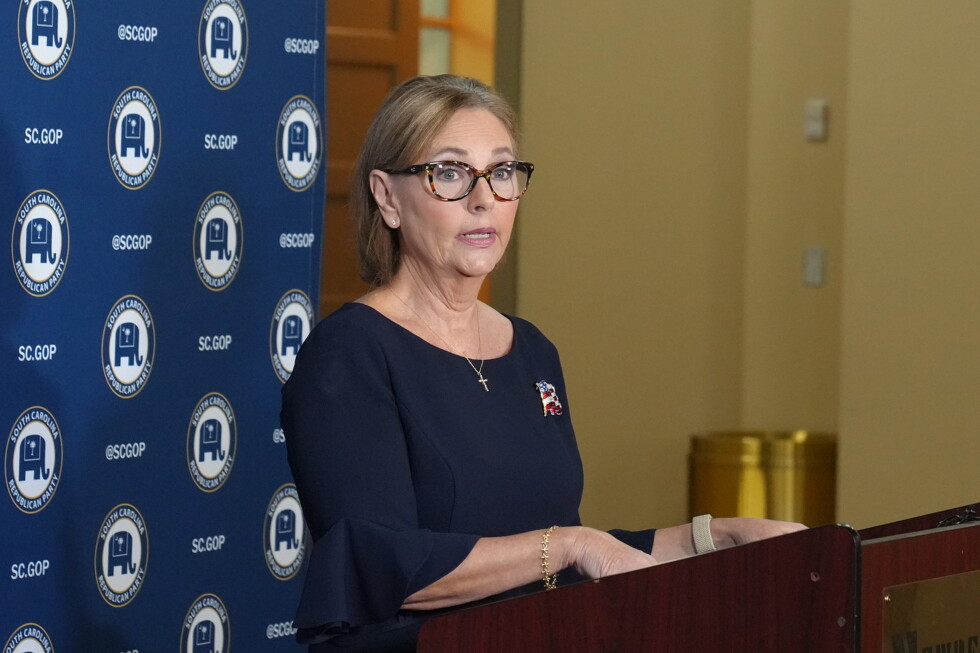
National security question trips up Sen. Darline Graham in South Carolina debate
Ahead of next week’s critical runoff election for South Carolina’s open U.S. Senate seat, candidate Darline Graham has drawn immediate national attention after a striking admission during a Tuesday evening debate, when she openly acknowledged her limited familiarity with core U.S. national security and foreign policy issues.
During the debate, a moderator posed a targeted question asking whether Graham viewed Taiwan and the South China Sea as legitimate national security priorities for the United States, and to explain her reasoning on the matter. Opening her response with a promise of candor, Graham cut through typical political talking points to share an unvarnished assessment of her own expertise. “I’m just going to be honest here. I’m not that informed on national security,” she stated, pausing before adding, “But I do support the military.”
Graham’s path to the Senate ballot is rooted in family tragedy and unexpected opportunity. Her older brother, longtime Senator Lindsey Graham, died unexpectedly on July 11, and South Carolina’s governor appointed her to serve out the final months of his term on an interim basis. Now, she is competing in a special election to win the remaining term in her own right, squaring off against U.S. Representative Ralph Norman in the high-stakes runoff. Both candidates advanced to the runoff after finishing as the top two vote-getters in last week’s statewide primary, and Graham has secured the endorsement of former President Donald Trump, a major force in the state’s Republican politics.
The moment has gained outsized attention in large part because of Darline Graham’s family connection. Her late brother Lindsey Graham built a decades-long reputation in the Senate as a prominent, influential voice on foreign policy and national security issues, a link Darline Graham herself referenced during her response. “My brother was in the Air Force for 33 years so I will do everything I can to support the military. My dad was in the Army. I’m not a polished politician up here, national security is not my thing, not my area of expertise, but I do support the military,” she explained.
Political analysts note that the admission has already reshaped the narrative of the final week of campaigning, with observers debating whether Graham’s frankness will resonate with voters frustrated by traditional political orthodoxy, or whether it will reinforce concerns from opponents that she is unprepared to serve in the Senate.
-
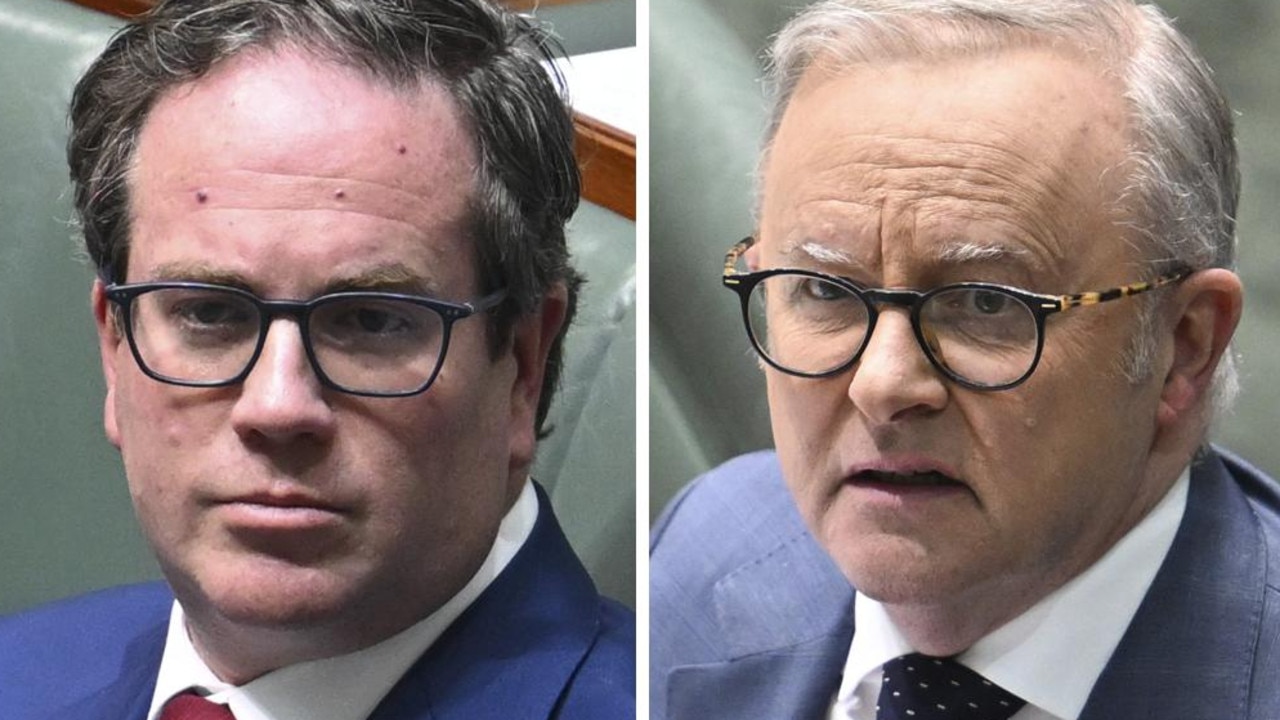
Anthony Albanese forced to step in as Veteran Minister faces fresh fire
Australia’s federal government has been thrown into political turmoil this week, as Prime Minister Anthony Albanese was forced to publicly defend his Veterans Affairs Minister Matt Keogh amid intense opposition pressure triggered by a controversial initial refusal to meet with a leading veteran advocacy group. The standoff centers on a new government policy that caps annual allied health services for veterans at $5,000 — a restriction that was never recommended by the Royal Commission into Defence and Veterans Suicide, and has already drawn fierce condemnation from veteran support organizations across the country.
The conflict began on Monday, when representatives from the Coalition of Veterans’ Voices arrived in Canberra to protest the newly introduced $5,000 annual cap. Keogh’s office initially informed the group that the minister had no available time in his schedule to meet with their delegation. As political backlash grew over the perceived snub to Australia’s ex-service community, Keogh ultimately reversed the decision and held the meeting, but the controversy did not end there.
During parliamentary question time on Tuesday, Keogh publicly acknowledged that he had made a mistake in initially declining to meet the veteran group. Even so, he rejected accusations that he had acted with disrespect toward Australia’s veteran community. By Wednesday, the opposition ramped up its attacks, calling directly for Keogh’s resignation and pressing Albanese to remove him from cabinet. Over the course of question time, Keogh was pressed five separate times on the incident, with Albanese also facing one direct question about the minister’s future.
Opposition veterans affairs spokesman Michael McCormack challenged Keogh’s continued tenure in the role, asking how the minister could retain his position if he failed to uphold core Australian Defence Force values. John Armfield, a former navy diver and spokesman for the advocacy group Fair Care for Veterans, doubled down on the criticism after his meeting with Keogh, stating: “I enlisted under the navy values of courage, honour, honesty and loyalty, yet you fail to display any of these values, minister.”In his response to the criticism, Keogh acknowledged the depth of anger and hurt among veteran advocates. He noted that he had previously heard Armfield’s testimony before the Royal Commission into Defence and Veterans Suicide, which detailed tragic, devastating circumstances facing many veterans and their families. “I can very much understand why he would feel that there has been a breach of faith with him in terms of the upholding of the Australian Defence Force values and his commitment. And, so I understand that,” Keogh told parliament. “I’m sorry that he holds that view about this, and all I can do is I try to do each and every day is to make sure that we’re continuing to the work of improving the system that exists to support our serving personnel and our veteran community and their families, so that they get the service and the support that we all agree that they deserve.”
The political scrutiny intensified when Phillip Thompson, a Queensland Liberal National Party MP and military veteran, pressed Keogh over whether his denial of disrespect toward veterans amounted to calling former fighter pilot Tim Nelson a liar. Keogh responded that he meets regularly with veterans, their families, and active defence personnel, and respects every perspective they share with him. He added that he does not make a practice of repeating private meeting details in parliament on a daily basis.
Opposition Leader Angus Taylor directly called on Albanese to sack Keogh, labeling the minister “incompetent and disrespectful” during question time. In a decisive public show of support, Albanese stepped in to confirm that he retains full confidence in Keogh, noting that engaging with Australia’s uniformed service members is one of the greatest privileges of public office. “They serve in our name and deserve our total respect at all times for what they do,” Albanese said, before launching into criticism of the former Coalition government’s record on veteran support that was cut off by parliament’s presiding officer.
The root of the controversy, the $5,000 annual cap on allied health services for veterans, remains deeply divisive. The Albanese government argues the cap is a necessary reform to reduce waste and eliminate unnecessary, low-value services from the veteran support system. Veteran advocates, however, have slammed the policy as cruel, arguing it will cut off critical care for veterans living with complex physical and mental health injuries stemming from their service.
-

Fractured opposition battles Nigeria’s Tinubu as presidential campaigns begin
West Africa’s most populous nation kicked off official campaigning for its 2025 general election on Wednesday, setting the stage for an unprecedented contest where incumbent President Bola Tinubu seeks a second term against a deeply fragmented opposition bloc, against a backdrop of soaring public frustration over unmet economic and security promises.
The presidential and parliamentary polls are scheduled for January 16, 2025, with state gubernatorial elections to follow three weeks later on February 6. While 18 opposition candidates have qualified to challenge Tinubu’s reelection bid, political analysts broadly agree the race will boil down to a three-way contest, pitting the incumbent against the two top contenders he defeated in the 2023 election: former Vice President Atiku Abubakar of the African Democratic Congress, a veteran candidate who has run for the presidency multiple times, and former Anambra State governor Peter Obi of the Nigeria Democratic Congress, who upended the 2023 race with a groundswell of youth support that upended traditional political dynamics.
Nigeria’s political history has handed incumbents a distinct structural advantage when the opposition vote is split across multiple high-profile candidates, a pattern that played out in Tinubu’s 2023 victory. Back then, he secured the presidency with one of the lowest vote shares for any elected Nigerian leader, a result that laid bare his underlying unpopularity even as he claimed victory.
When Tinubu first took office in 2023, he campaigned on a pledge to build on his predecessor’s work to deliver tangible “democratic dividends” to Nigerian citizens, who had long grappled with deadly insurgent violence, systemic government corruption, and widespread extreme poverty and food insecurity. Two years on, however, critics say the president has failed to deliver on almost all of his core promises, leaving him deeply unpopular among the nation’s majority young electorate.
Tinubu’s signature flagship economic reforms, implemented shortly after his inauguration, triggered a cascade of price hikes that have pushed Nigeria into its worst economic crisis in a generation. Within days of taking office in May 2023, he scrapped a decades-old national fuel subsidy that had kept energy costs affordable for low-income households, and moved to unify the naira’s distorted multiple exchange rates, a policy that ended the currency’s artificial overvaluation and triggered a steep devaluation. While the Tinubu administration argues the reforms stabilized public finances and prevented a potential economic collapse, winning praise from international investors, the policies sent inflation soaring to multi-decade highs, making basic goods and services unaffordable for millions of households.
Security challenges have also worsened during Tinubu’s tenure. Mass kidnappings for ransom and jihadist violence, long concentrated in Nigeria’s far north, have spread to previously peaceful regions of the country, leaving more residents vulnerable to death and displacement and deepening public anger over the government’s failure to keep citizens safe.
The biggest boost to Tinubu’s reelection odds comes from the opposition’s failure to unite behind a single consensus candidate to challenge the incumbent. A planned broad coalition between Atiku, Obi and other major opposition figures formed in 2025 collapsed before it could even launch, leaving anti-incumbent voters split across dozens of candidates.
“Voters are overwhelmingly dissatisfied with the administration’s handling of inflation, insecurity and unemployment but because the anti-incumbent vote is split, the president has the edge,” explained Ikemesit Effiong, a partner at Lagos-based risk advisory firm SBM Intelligence.
Tinubu has also solidified his political advantage through a wave of high-profile defections from opposition ranks, which have left 31 of Nigeria’s 36 state governorships in the hands of his ruling All Progressives Congress (APC). The shift has sparked widespread concerns from civil society groups that Nigeria could be sliding toward a de facto one-party state, claims the national government has repeatedly denied. But analysts note that sitting and former Nigerian governors wield enormous grassroots political influence, and are frequently accused of colluding with local electoral officials to sway results, meaning the wave of defections is likely to further boost Tinubu’s chances on election day.
Even ordinary voters acknowledge the opposition’s disunity has all but sealed the election’s outcome. “No matter how bad things are, Tinubu will still win because [opposition candidates] are not working together,” Juliet Onah, a resident of Nigeria’s capital Abuja, said.