分类: politics

  • Iran weighs nuclear diplomacy with US to cool fears of war

    Iran weighs nuclear diplomacy with US to cool fears of war

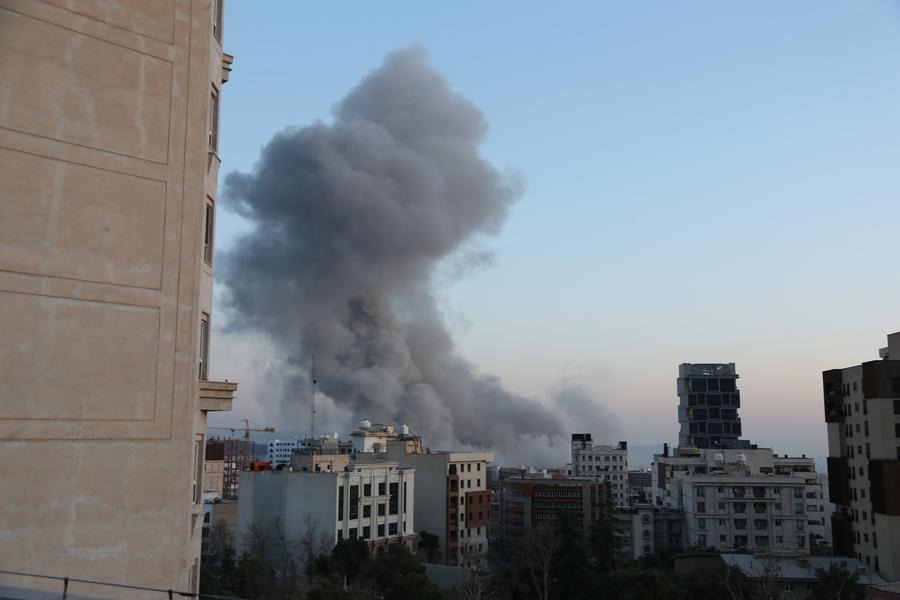
    Diplomatic channels between the United States and Iran show signs of reactivation as both nations demonstrate willingness to resume negotiations concerning Tehran’s nuclear program. According to a foreign ministry official speaking on Monday, Iranian authorities are currently evaluating the conditions for reengaging in dialogue with American representatives. This development emerges against a backdrop of escalating regional tensions, amplified by a substantial US naval presence near Iranian territorial waters following last month’s violent suppression of anti-government protests—the most severe domestic unrest since Iran’s 1979 revolution.

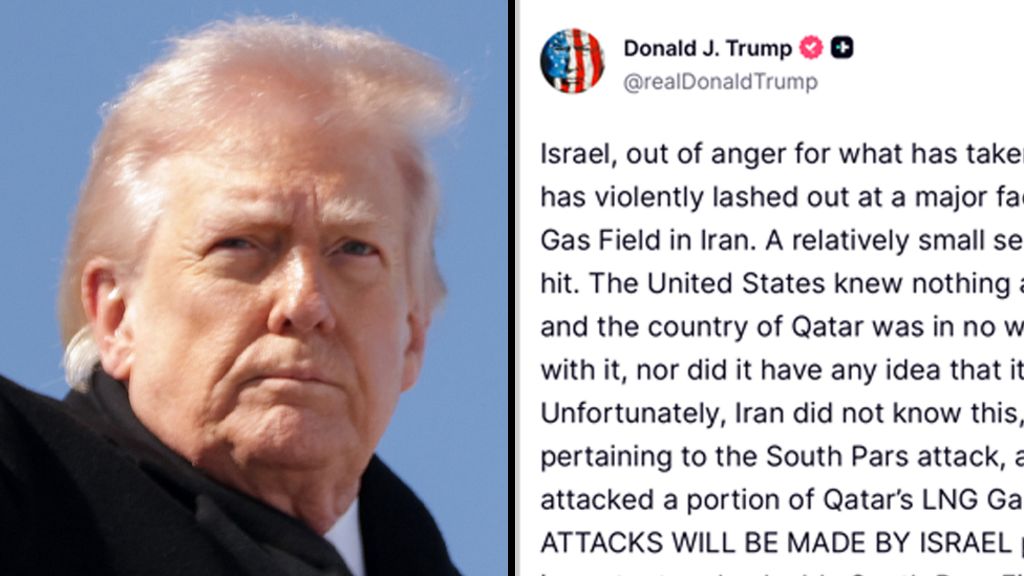
    Multiple sources indicate that US Special Envoy Steve Witkoff and Iranian Foreign Minister Abbas Araghchi may convene in Turkey within coming days, with Turkish officials reportedly facilitating de-escalation efforts. The potential meeting represents a significant diplomatic opening amid heightened military posturing from both sides. President Donald Trump, who previously abstained from direct intervention during Iran’s domestic crackdown, has subsequently intensified pressure on Tehran through both military deployments and demands for nuclear concessions.

    The negotiation framework remains contentious, with Washington historically insisting on three primary conditions: complete cessation of uranium enrichment, limitations on ballistic missile development, and termination of support for regional proxy forces. Iranian officials have consistently rejected these demands as violations of national sovereignty, though sources suggest Tehran might demonstrate flexibility regarding enrichment activities. Specifically, Iranian officials indicate readiness to transfer 400 kilograms of highly enriched uranium abroad and potentially accept zero enrichment under a consortium arrangement, provided the United States removes preconditions and reduces military assets near Iran’s borders.

    Satellite imagery analysis reveals preliminary reconstruction efforts at nuclear facilities in Isfahan and Natanz previously damaged during joint US-Israeli airstrikes in June last year. While new roofing appears on two destroyed structures, no comprehensive rebuilding is evident. The International Atomic Energy Agency continues seeking clarification regarding Iran’s current highly enriched uranium stockpiles, with Western nations expressing concern about potential weapons development—a claim Tehran consistently denies, maintaining its nuclear program serves exclusively peaceful purposes.

    The diplomatic impasse, stalled since May 2023 after five inconclusive negotiation rounds, centers on Iran’s insistence on maintaining domestic enrichment capabilities and retaining existing uranium stockpiles. Iranian sources suggest a potential compromise involving uranium shipment abroad and temporary enrichment pause in exchange for sanctions relief, indicating that ballistic missile programs rather than nuclear activities presently constitute the more significant negotiation obstacle.

  • Steve Bannon boasted about Farage ties in exchange with Epstein

    Steve Bannon boasted about Farage ties in exchange with Epstein

    Newly disclosed court documents reveal a March 2018 exchange between former Trump strategist Steve Bannon and convicted sex offender Jeffrey Epstein, exposing Bannon’s central role in coordinating Europe’s far-right political movements. In messages arranging a Paris meeting, Bannon boasted to Epstein about serving as advisor to Britain’s Nigel Farage alongside other prominent nationalist leaders including Italy’s Matteo Salvini, Germany’s Alternative für Deutschland (AfD), and Hungarian Prime Minister Viktor Orbán.

    The correspondence occurred hours after Bannon addressed France’s Front National party, declaring that ‘history is on our side and will bring us victory.’ Bannon specifically highlighted upcoming European Parliament elections, predicting nationalist parties could surge from 92 to 200 seats to block cryptocurrency legislation and advance their agenda. Epstein responded with ‘Roger that,’ acknowledging the strategic discussion.

    This collaboration developed less than two years after the Brexit referendum, where Farage had been a dominant campaign figure. The messages confirm earlier reports that throughout 2017-2018, Farage and Bannon discussed forming an international alliance of right-wing populists. The documents further reveal Epstein provided Bannon with accommodation on his private island and arranged European dinners during this period of their growing alliance.

    Subsequent messages from November 2018 show Bannon updating Epstein from Britain about being ‘pulled into the Brexit thing this morning with Nigel, Boris [Johnson] and [Jacob] Rees Mogg.’ Epstein advised extended stay in Britain, which Bannon described as a ‘hot mess.’

    The revelations gain contemporary significance with the emergence of a January 2025 photograph showing Bannon smiling alongside Matt Goodwin, Reform UK’s candidate in the critical Gorton and Denton by-election. Goodwin, an academic turned GB News presenter, previously documented attending Farage’s Washington events and private gatherings with Bannon, who declared Britain’s Conservative Party ‘finished’ and predicted Reform UK would lead a political realignment mirroring American populist movements.

  • ‘Unfounded’: UAE categorically denies claims it will oversee Gaza’s civilian administration

    ‘Unfounded’: UAE categorically denies claims it will oversee Gaza’s civilian administration

    The United Arab Emirates has issued a categorical denial of what it describes as “false and unfounded” reports suggesting the nation would assume civilian administration over Gaza. Reem Al Hashimy, Minister of State for International Cooperation, explicitly stated that governance and administrative responsibilities for Gaza remain the exclusive domain of the Palestinian people.

    In her official statement, Minister Al Hashimy emphasized the UAE’s unwavering commitment to enhancing humanitarian assistance for Gaza’s population while simultaneously advancing efforts toward lasting peace between Israelis and Palestinians. This commitment is demonstrated through the UAE’s participation as a founding member of the Board of Peace and its membership on the Gaza Executive Board.

    The diplomatic context dates to January, when UAE President Sheikh Mohamed bin Zayed Al Nahyan accepted a formal invitation from the United States to join the newly established Board of Peace. The Ministry of Foreign Affairs clarified that this decision reflects the UAE’s endorsement of the full implementation of US President Donald Trump’s comprehensive 20-point peace proposal for Gaza.

    Concurrently, Minister Al Hashimy’s appointment to the Gaza Executive Board positions her at the center of coordination efforts between the National Committee for the Administration of Gaza and the broader Board of Peace framework. According to White House documentation, this executive board will function as a support mechanism for the Office of the High Representative and the NCAG, focusing on ensuring effective governance structures and superior service delivery aimed at fostering peace, stability, and economic prosperity for Gaza’s inhabitants.

    The UAE’s diplomatic stance remains consistent with its previously articulated position regarding Palestinian self-determination, with senior officials having previously characterized any annexation attempts as crossing a “red line” while simultaneously expressing reservations about participating in international security forces for Gaza.

  • Former Jiangxi official sentenced to life for bribery

    Former Jiangxi official sentenced to life for bribery

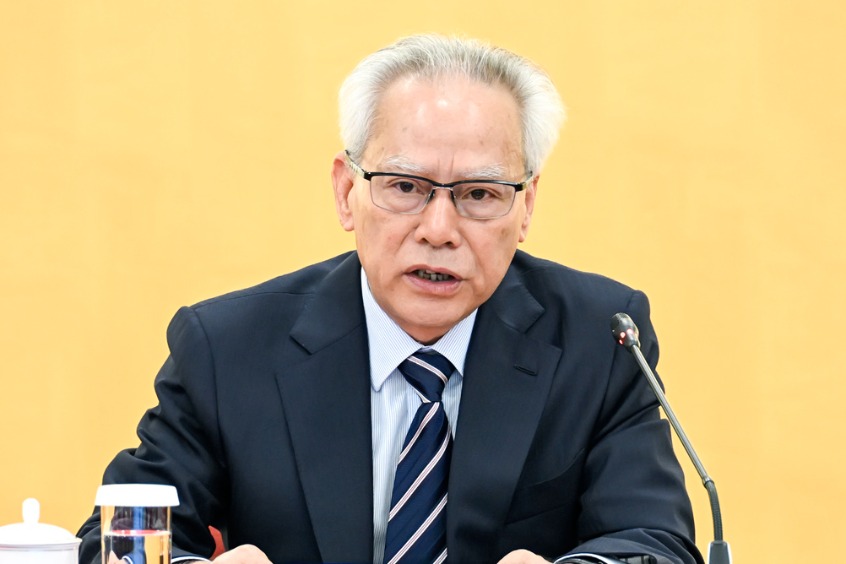
    In a significant judicial ruling demonstrating China’s ongoing anti-corruption campaign, Tang Yijun, former senior official from Jiangxi province, has been sentenced to life imprisonment for extensive bribery offenses. The Xiamen Intermediate People’s Court in Fujian province delivered the verdict on Monday, concluding a high-profile case that has drawn national attention.

    The court established that between 2006 and 2022, Tang systematically exploited his influential positions—including serving as governor of Liaoning province, Party chief of Ningbo city in Zhejiang province, and minister of justice—to provide unlawful advantages to various organizations and individuals. His corrupt activities encompassed multiple sectors, facilitating company listings, orchestrating favorable land repurchase deals, securing bank loans, and manipulating legal case outcomes.

    In exchange for these illicit services, Tang accepted bribes exceeding 137 million yuan (approximately $19.7 million), according to official reports from China Central Television. The court determined that his actions constituted severe bribery crimes involving extraordinary sums of money, resulting in particularly substantial damage to state and public interests.

    Beyond the life imprisonment term, the court imposed additional penalties including permanent deprivation of Tang’s political rights and comprehensive confiscation of all personal assets. All illicit gains and associated proceeds recovered in the investigation will be transferred to the state treasury, with provisions for continued recovery of any outstanding amounts.

    The ruling underscores China’s intensified judicial efforts against corruption at senior governmental levels, reflecting the central government’s commitment to maintaining disciplinary integrity within the Communist Party of China and public institutions.

  • US envoy Witkoff to visit Israel, meet Netanyahu, Israeli officials say

    US envoy Witkoff to visit Israel, meet Netanyahu, Israeli officials say

    In a significant diplomatic development, US President Donald Trump’s senior envoy Steve Witkoff is scheduled to arrive in Israel on Tuesday for high-level meetings with Israeli Prime Minister Benjamin Netanyahu and military leadership. This visit occurs against a backdrop of escalating regional tensions with Iran and coincides with the Trump administration’s ongoing efforts to resolve the Gaza conflict.

    Concurrently, Iran and the United States are actively negotiating terms to resume nuclear discussions, with both nations demonstrating renewed willingness to revive diplomatic channels. This potential breakthrough aims to address longstanding nuclear disagreements and alleviate mounting concerns about potential military confrontation in the region.

    According to Israeli officials, Witkoff’s meetings will serve as preparatory discussions ahead of anticipated US-Iran negotiations. These talks follow weekend consultations between Israeli military chief Eyal Zamir and US General Dan Caine at the Pentagon, indicating coordinated strategic planning between the allies.

    The diplomatic movements unfold amid heightened military preparedness by US forces near Iranian territory. This military posture follows Iran’s violent suppression of anti-government protests last month—the most severe domestic unrest since the country’s 1979 revolution. The convergence of diplomatic initiatives and military posturing creates a complex geopolitical landscape where dialogue and deterrence proceed simultaneously.

    The upcoming discussions represent the most substantial effort in months to address the nuclear standoff through diplomatic means, potentially signaling a shift from the recent cycle of escalation that has raised global concerns about regional stability.

  • China secures first extradition from South Africa

    China secures first extradition from South Africa

    In a landmark demonstration of international judicial cooperation, Chinese authorities have successfully secured their first extradition from South Africa since the bilateral treaty came into effect over two decades ago. The Ministry of Public Security confirmed on Monday that a suspect identified only by the surname Chen has been transferred from South African custody to face charges in China.

    The case centers on allegations of extensive unauthorized currency exchange operations between the Chinese yuan and South African rand, with transactions exceeding 49 million yuan ($6.8 million). According to official statements, the People’s Procuratorate of Chongming District in Shanghai issued an arrest warrant for Chen in June 2020 on charges of illegal business operations.

    The international dimension of the case unfolded in July 2025 when South African law enforcement apprehended Chen based on Chinese warrants. Following established diplomatic channels, Beijing submitted a formal extradition request to Pretoria. After judicial review, a South African court rendered its decision in December 2025, approving the transfer of the suspect to Chinese jurisdiction.

    Ministry officials emphasized that this successful operation represents more than just the transfer of a single individual. It signals a strengthening of bilateral relations in the crucial area of law enforcement collaboration and demonstrates both nations’ commitment to combating transnational financial crimes. The development establishes a significant precedent for future judicial cooperation between China and South Africa, potentially paving the way for more streamlined procedures in cross-border law enforcement initiatives.

    The extradition treaty between the two nations, which took effect in November 2004, had previously remained untested in practical application. This case therefore marks its first operationalization, providing a real-world framework for how future collaborations might unfold in combating international crime networks operating across both jurisdictions.

  • Russia’s Syria interests go well beyond air and naval bases

    Russia’s Syria interests go well beyond air and naval bases

    Syrian President Ahmed al-Sharaa’s recent diplomatic engagement in Moscow signifies a substantial evolution in Russian-Syrian relations that transcends mere military logistics. While the preservation of Russia’s air and naval installations in Syria remains strategically vital—particularly for supporting its Africa Corps operations—the bilateral partnership now encompasses far more ambitious nation-building objectives.

    During high-level discussions with President Vladimir Putin, al-Sharaa articulated a comprehensive vision for Russian collaboration in constructing what he termed the ‘New Syria.’ This initiative mirrors the Soviet Union’s historical nation-building endeavors across the Global South during the Cold War era, representing a postmodern approach to international development and influence projection.

    The Russian strategy advances multiple interconnected interests: preserving and expanding commercial activities amid Western sanctions, demonstrating reconstruction capabilities in conflict-affected regions, and strengthening geopolitical partnerships. This model has already shown promising applications in the Central African Republic and the Alliance of Sahelian States, with potential expansion to the Democratic Republic of the Congo and Sudan.

    Contrary to expectations that Russian influence would diminish following the Assad administration, the strengthened Moscow-Damascus alliance now serves as a strategic blueprint for other nations facing similar geopolitical challenges. This includes post-Maduro Venezuela and potentially Iran, where Russia aims to maintain influence despite Western pressure.

    The Syrian paradigm demonstrates that pragmatic partnerships with Russia can provide nations with increased political flexibility while avoiding excessive dependence on Western patrons. This approach has significant appeal for newly US-aligned states, conflict-affected regions, and geopolitically neutral Global South countries seeking balanced international relationships.

    Additionally, Russia’s constructive role in Muslim-majority Syria enhances its soft power within the international ummah (Muslim community), potentially facilitating broader diplomatic engagement across the Islamic world. While military bases remain operationally important, Russia’s comprehensive strategy ultimately seeks to establish itself as a reliable partner for economic development and post-conflict reconstruction.

  • Texas delivers stark warning to Republicans in critical election year

    Texas delivers stark warning to Republicans in critical election year

    In a seismic political upset that has sent shockwaves through Republican circles, Democratic union leader Taylor Rehmet secured a decisive victory in a Texas state Senate special election on Saturday. Defying historical voting patterns, Rehmet achieved a remarkable 14-point margin triumph over Trump-endorsed conservative activist Leigh Wambsganss.

    The outcome represents an extraordinary 31-point swing from the 2024 presidential results in this district, where Donald Trump previously commanded a 58-41 advantage. This dramatic reversal has triggered alarm among Republican leadership, with Texas Lieutenant Governor Dan Patrick characterizing the defeat as a “wake-up call” for his party.

    Despite substantial financial disparities—Republicans invested $2.5 million through campaigns and affiliated committees compared to Rehmet’s $380,000 primarily from small donations—the Democratic candidate prevailed through a campaign centered on education and affordability concerns. Political analyst Ross Hunt noted that Rehmet’s success stemmed from capturing independent voters and even some Republican supporters.

    The reverberations extended beyond this race, as Democrats simultaneously secured another Texas special election in a Houston-area congressional runoff, narrowing the Republican House majority to 218-214 with three vacancies remaining. These collective results have energized Democratic prospects for the upcoming midterms, while raising fundamental questions about Republican electoral vulnerabilities.

    Though former President Trump attempted to minimize the significance of these outcomes, stating he was “not on the ballot,” the electoral data reveals a concerning pattern for Republicans. According to Downballot research, Democrats have outperformed 2024 benchmarks by nearly 14% in special elections throughout 2025.

    Democratic National Committee Chair Ken Martin declared the results evidence that “no Republican seat is safe,” signaling intensified competition for congressional control in November’s elections that will critically shape the trajectory of the current administration.

  • Judicial oversight campaign tackles improper enforcement against businesses

    Judicial oversight campaign tackles improper enforcement against businesses

    China’s Supreme People’s Procuratorate (SPP) has released groundbreaking data revealing the substantial impact of its nationwide judicial oversight campaign targeting improper enforcement practices against private enterprises. Between March and December 2025, procuratorial authorities addressed over 19,000 cases involving irregular cross-regional law enforcement and profit-driven enforcement actions that had undermined fair market competition.

    The comprehensive initiative, launched in March 2025, specifically targeted prominent judicial problems that infringed upon the legitimate rights of businesses. Prosecutorial bodies handled more than 9,700 criminal litigation supervision cases, focusing on wrongful case filings, procedural irregularities, and prolonged handling of business-related matters that had created an unfavorable legal environment for enterprises.

    Ge Xiaoyan, SPP Deputy Procurator-General, emphasized the principle of equal treatment for all market entities regardless of ownership structure. ‘Businesses are guaranteed equal access to production factors, fair participation in market competition, and equal protection under the law,’ she stated, adding that violations of corporate property rights face consistent accountability standards.

    The campaign achieved significant corrective outcomes, including the withdrawal of criminal cases involving more than 3,000 individuals and non-prosecution decisions for over 3,500 individuals. Authorities particularly focused on illegal cross-regional arrests, jurisdictional overreach, and misuse of criminal procedures in commercial matters.

    In a major financial rectification, supervisory efforts resulted in the return or release of approximately 26 billion yuan ($3.6 billion) in illegally seized, detained, or frozen assets. Additionally, prosecutors supervised lawful changes to coercive measures for more than 820 individuals affected by improper enforcement actions.

    The initiative also addressed systemic inefficiencies by clearing more than 4,300 long-pending cases and correcting over 210 instances where criminal procedures were improperly applied to civil economic disputes, demonstrating China’s commitment to creating a more predictable and fair legal environment for business operations.

  • Iran president orders start of talks with US, local media reports

    Iran president orders start of talks with US, local media reports

    In a significant diplomatic development, newly elected Iranian President Masoud Pezeshkian has formally authorized the commencement of nuclear negotiations with the United States, according to reports from Iran’s Fars News Agency. The announcement, attributed to an unnamed government source, signals a potential thaw in the longstanding tensions between the two nations.

    The directive comes shortly after former US President Donald Trump expressed optimism about reaching a diplomatic agreement to prevent military escalation. While Fars confirmed that discussions would focus on Iran’s nuclear program, specific details regarding timeline, venue, or negotiation framework remain undisclosed.

    Multiple Iranian media outlets, including the government-owned Iran newspaper and reformist-leaning Shargh daily, have corroborated the report, indicating broad institutional support for the initiative. This development occurs against a backdrop of recent regional tensions, including US warnings to Iran regarding naval exercises in the strategically vital Strait of Hormuz.

    The potential resumption of talks represents the first major diplomatic movement since President Pezeshkian assumed office, suggesting a possible shift in Iran’s approach to international relations regarding its nuclear ambitions.