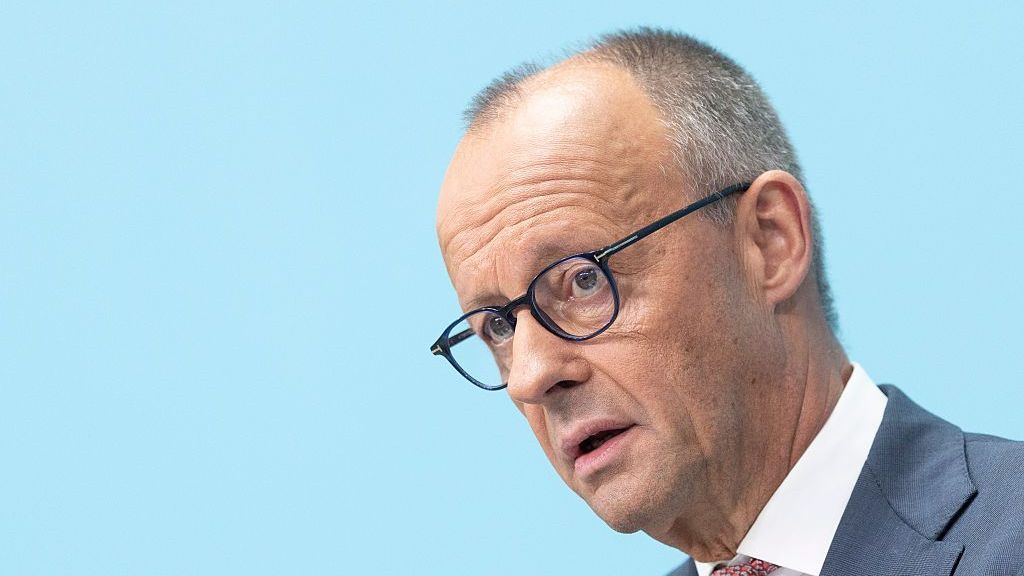
German Chancellor Friedrich Merz is moving to shore up his shaky ruling administration after his Christian Democratic Union (CDU) suffered historic, devastating defeats in two key September state elections, a shakeup that underscores the dramatic realignment of Germany’s political landscape.
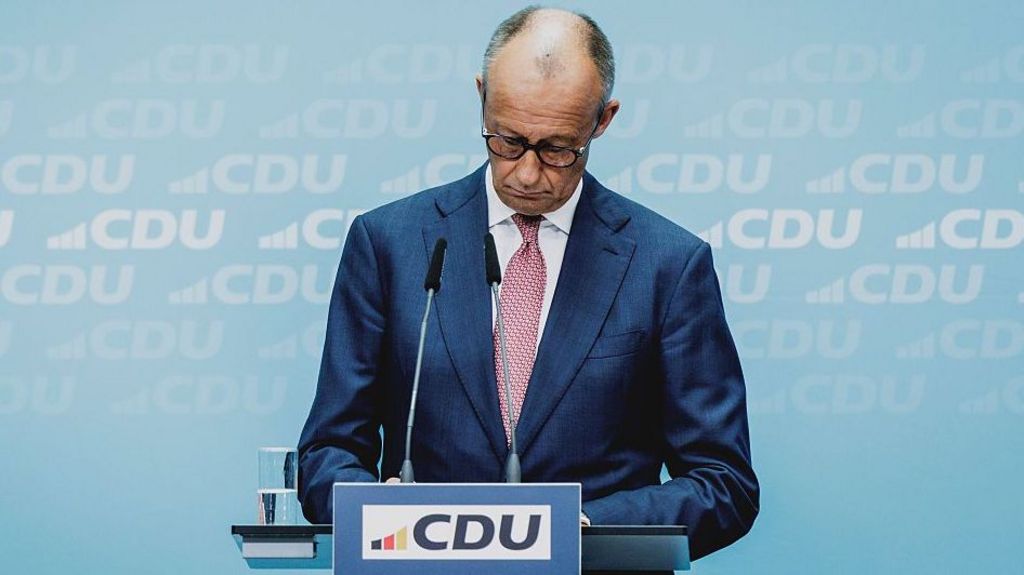
After a weekend of crushing results that exposed deep voter dissatisfaction with the national CDU-SPD coalition, Merz used a Monday press conference to push back against growing speculation about his political future, insisting he would preserve the three-party grand coalition to safeguard Germany’s democratic future amid unprecedented domestic and global challenges. “We are determined to live up to the historic challenges our country is facing,” Merz stated, referencing the governing pact between his center-right CDU and center-left Social Democratic Party (SPD).
The results delivered a seismic blow to Merz’s authority, just 16 months after he took office as chancellor. In the northeastern state of Mecklenburg-Vorpommern, the far-right Alternative for Germany (AfD) secured the largest share of the vote — and the CDU failed to clear the 5% vote threshold required to earn a seat in the state parliament, an unprecedented collapse for the long-dominant national party. In the capital Berlin, the CDU finished second, with the hard-left Die Linke party claiming the top spot at the ballot box. The AfD also posted substantial vote gains in the capital, extending its growing electoral momentum across the country.
Merz did not mince words about the severity of his party’s performance, calling the Mecklenburg-Vorpommern result “a heavy blow” and “a profound turning point” for the CDU. “It is a dramatic, unprecedented result for the CDU in Germany,” he acknowledged. Rejecting claims that his own low personal approval ratings were the sole driver of the electoral backlash, Merz pushed back against growing calls for his resignation or a mid-term “chancellor swap” that has been the subject of growing political speculation. “I know that I as an individual played a role in these state elections,” Merz said, before adding: “But the reasons for the results go far beyond just me. We are witnessing a profound transformation of Germany’s political party system, as is happening in many other countries around the world.” Merz also stressed that there had been no internal discussions about replacing him since the election results were finalized.
The AfD, which has seen its support surge across Germany’s eastern former communist states in recent years, has already predicted Merz’s ouster is imminent. Asked about Merz’s political future earlier Monday, AfD co-leader Alice Weidel told the BBC: “Pretty soon, he’s going to leave.” The latest electoral losses follow another poor showing for the CDU just two weeks prior, when the party saw its vote share cut in half in Saxony-Anhalt, another eastern state where the AfD secured a major victory.
While the AfD won a plurality of votes in Mecklenburg-Vorpommern, it remains far short of the majority needed to form a government on its own, and most mainstream German parties have ruled out entering any governing coalition with the far-right party. German domestic intelligence classifies some branches of the AfD as right-wing extremist, a designation the party strongly rejects. The party’s anti-immigration, “Germany First” and Russia-friendly policy agenda has resonated with many voters in the economically depressed eastern states, turning the region into the party’s electoral stronghold.
In Berlin, the CDU’s second-place finish means Die Linke, which claimed the highest vote share, will have the first opportunity to negotiate a governing coalition in the capital, marking a major ideological shift for one of Germany’s most prominent city governments.