分类: politics

  • NATO chief Mark Rutte’s shows he’s the ‘Trump Whisperer’ after Greenland diplomacy with Trump

    NATO chief Mark Rutte’s shows he’s the ‘Trump Whisperer’ after Greenland diplomacy with Trump

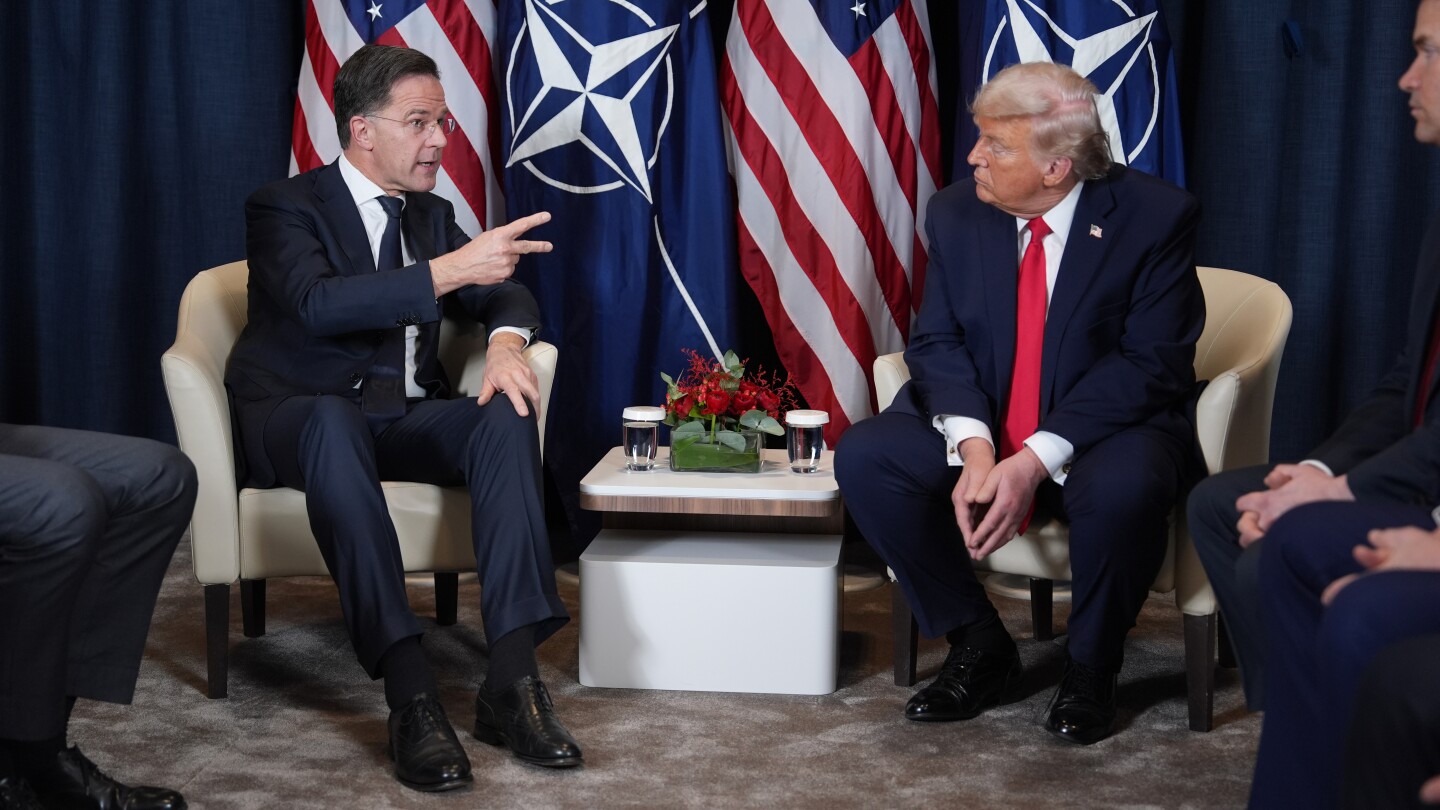
    THE HAGUE, Netherlands — A potentially explosive geopolitical standoff between the United States and European allies over Greenland’s sovereignty was unexpectedly defused through the diplomatic intervention of NATO Secretary-General Mark Rutte, reinforcing his reputation as Washington’s most effective European interlocutor.

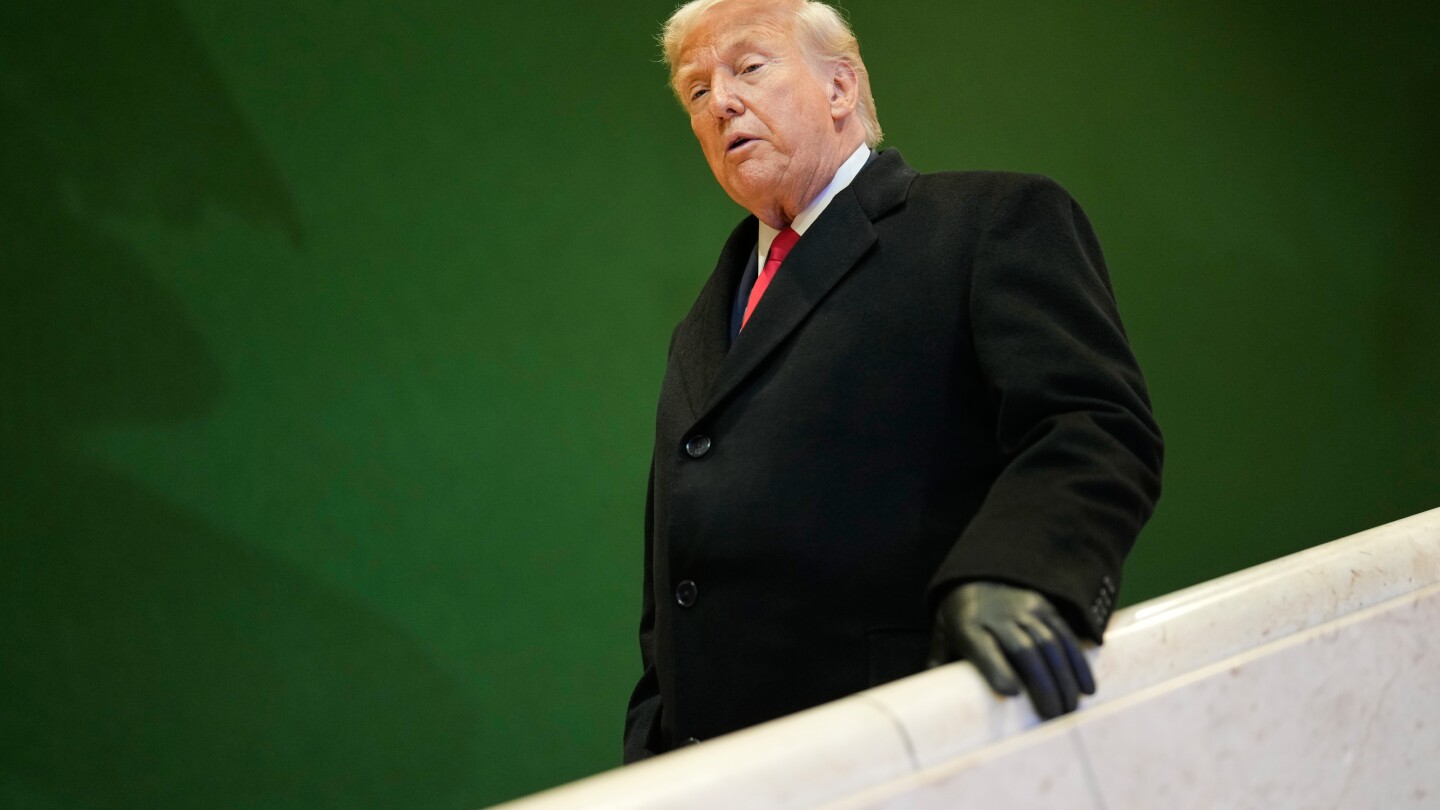
    The crisis emerged when President Donald Trump publicly asserted America’s claim to ‘complete ownership’ of Greenland, threatening punitive tariffs against eight European nations to pressure Denmark over control of the strategically vital Arctic territory. Even after Trump retracted threats of military action during his Davos address, the diplomatic impasse persisted.

    Rutte’s behind-the-scenes diplomacy proved decisive. Through a combination of personal charm and strategic flattery—including effusive text messages addressing Trump as ‘daddy’ and ‘Mr. President, dear Donald’—the Dutch politician engineered a dramatic reversal. Trump subsequently announced a new ‘framework for future Arctic security agreements’ developed in consultation with Rutte at the World Economic Forum.

    Atlantic Council strategist Matthew Kroenig observed: ‘Secretary-General Rutte has emerged as Europe’s most effective diplomat and Trump whisperer. He possesses a unique ability to maintain constructive U.S. engagement with NATO through his distinctive communication style.’

    Rutte’s approach reflects political skills honed during nearly thirteen years as Netherlands’ longest-serving prime minister, where he earned the nickname ‘Teflon Mark’ for surviving numerous scandals through pragmatic coalition-building and perceived indestructible cheerfulness. His resilience was demonstrated when he resigned over a childcare allowance scandal in 2021 only to win subsequent elections with increased support.

    The NATO leadership appointment itself demonstrated Rutte’s exceptional diplomatic capabilities, having secured backing from traditionally skeptical leaders including Hungary’s Viktor Orbán and Turkey’s Recep Tayyip Erdoğan. His consensus-building skills are considered particularly valuable as NATO navigates Trump’s criticisms while coordinating support for Ukraine against Russian aggression.

    Finnish President Alexander Stubb, another leader noted for Trump rapport, publicly endorsed Rutte’s crisis-resolution abilities during the Greenland tensions, telling Davos attendees the solution lay with the Dutch leader—prompting knowing laughter from audience members and panelists alike.
  • After presidential election, Ugandan police detain a key ally of opposition figure Bobi Wine

    After presidential election, Ugandan police detain a key ally of opposition figure Bobi Wine

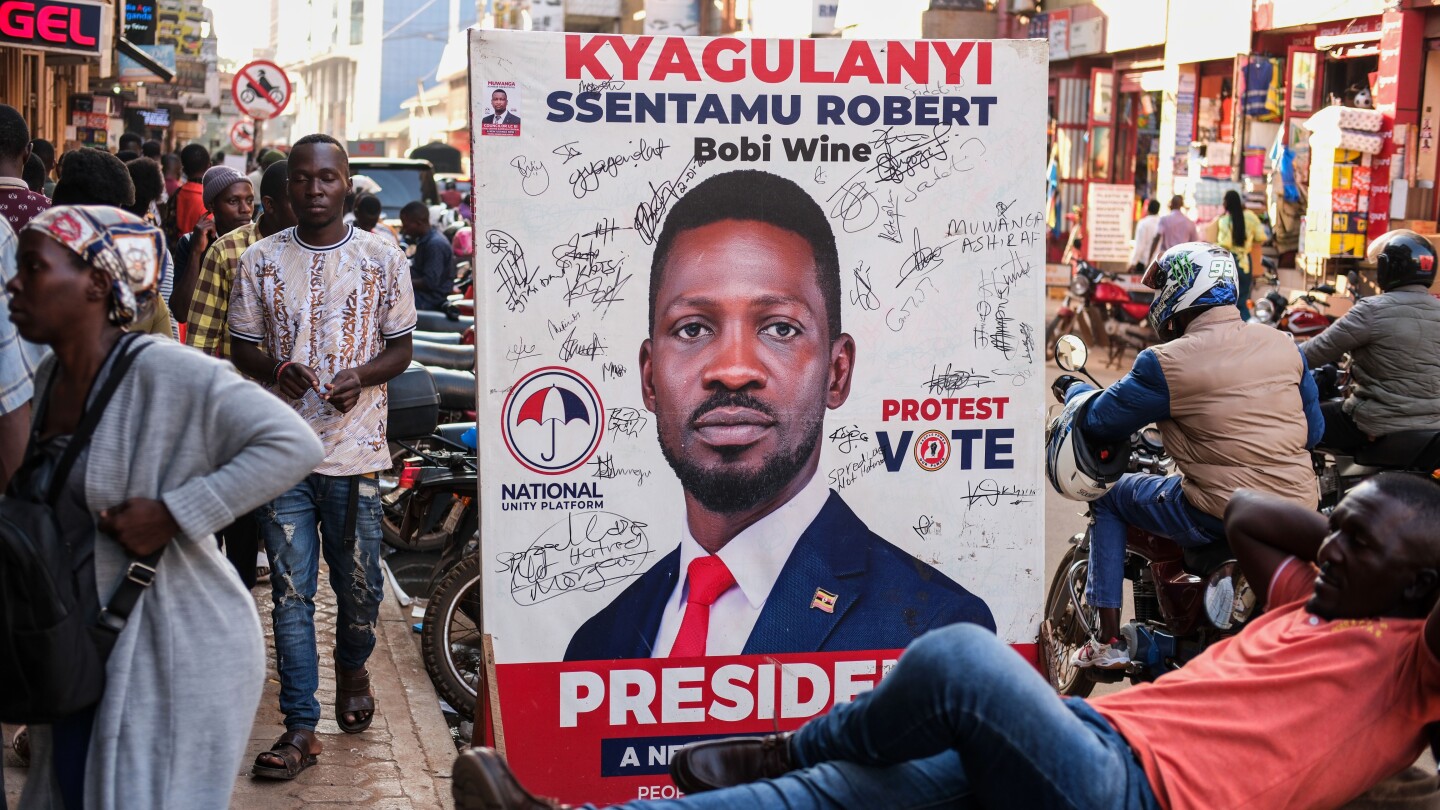
    Ugandan authorities have escalated their crackdown on opposition forces following last week’s contentious presidential election, detaining a senior ally of opposition leader Bobi Wine amid allegations of electoral violence. Muwanga Kivumbi, deputy president of Wine’s National Unity Platform party and a sitting lawmaker, was taken into custody Thursday for his purported involvement in deadly clashes within his Butambala constituency that resulted in seven fatalities.

    The detained parliamentarian, who recently lost his parliamentary seat, stands accused of instigating violence that prompted security forces to open fire on his residence. Kivumbi emotionally addressed the tragedy during victim funerals, maintaining that those killed were innocent casualties of state-sponsored aggression rather than perpetrators.

    President Yoweri Museveni, extending his 35-year rule with a declared 71.6% victory that opposition forces decry as fraudulent, has taken a confrontational stance against dissent. In a nationally televised address, the 81-year-old leader alleged opposition elements attempted to disrupt voting processes, claiming victims in Butambala had assaulted police officers with machetes. Museveni specifically urged religious leaders to intervene with youth he described as vulnerable to political manipulation.

    Despite police spokesman Kituuma Rusoke’s assurance that Bobi Wine (legally named Kyagulanyi Ssentamu) faces no current accusations and remains under state protection, the opposition leader reports being in hiding due to safety concerns. The electoral process itself faced widespread criticism following a multi-day internet blackout and technical failures in biometric voting systems that disproportionately affected opposition strongholds including the capital Kampala.

    International observers note this election continues Uganda’s six-decade absence of peaceful presidential transitions since independence. Museveni’s forthcoming seventh term will extend his leadership toward a half-century, cementing his dominance over a political landscape where no clear successors have emerged within his National Resistance Movement party.

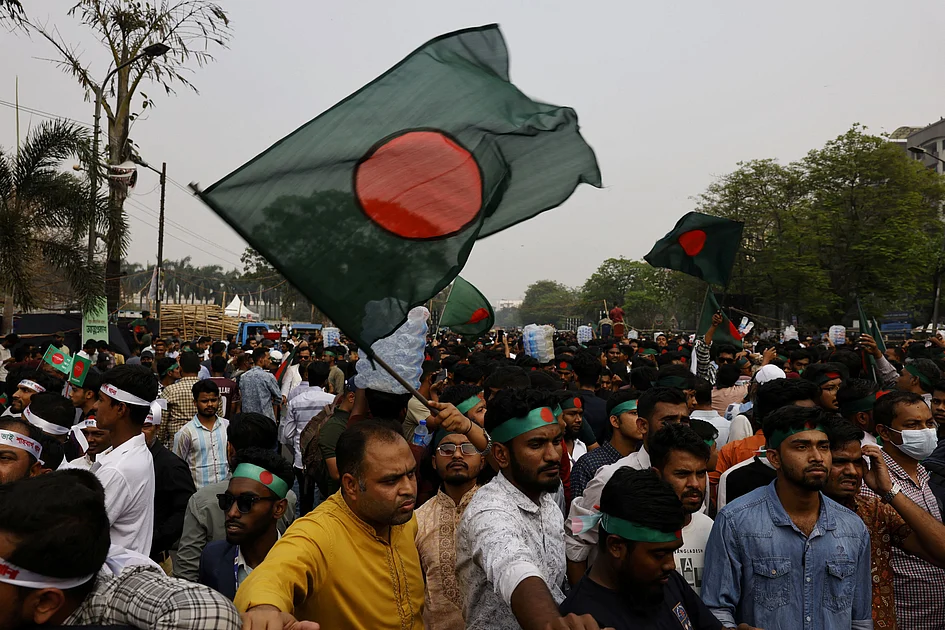
  • Bangladesh launches campaigns for first post-Hasina polls

    Bangladesh launches campaigns for first post-Hasina polls

    Bangladesh has formally commenced campaign activities for its landmark February 12 parliamentary elections, marking the nation’s first electoral process since the 2024 uprising that ended Sheikh Hasina’s prolonged authoritarian rule. The South Asian nation of 170 million people stands at a critical juncture, with these elections poised to reshape both domestic governance and regional power dynamics following extended political instability.

    The electoral atmosphere remains charged with both anticipation and apprehension. Recent security concerns include the murder of a student leader involved in the anti-Hasina protests last month, while authorities have issued warnings about coordinated disinformation campaigns targeting the electoral process. European Union observers have designated these elections as the “most significant democratic exercise of 2026.”

    Political mobilization has reached unprecedented scales, with mass rallies expected to draw hundreds of thousands of supporters. The Bangladesh Nationalist Party (BNP), under the leadership of Tarique Rahman, has initiated its campaign from the northeastern city of Sylhet. Rahman, who returned from 17 years of exile in December, assumed party leadership following the death of his mother, former Prime Minister Khaleda Zia.

    The campaign traditionally begins in Sylhet, home to the centuries-old Sufi shrine of Shah Jalal, despite Jamaat-e-Islami’s ideological opposition to Sufi interpretations of Islam. This Islamist party instead launched its campaign from Dhaka, led by Shafiqur Rahman. The National Citizen Party (NCP), formed by student leaders of the uprising and now allied with Jamaat-e-Islami, similarly commenced its activities in the capital.

    Overseeing the transition is Muhammad Yunus, the 85-year-old Nobel Peace Prize laureate who returned from exile in August 2024 to lead a caretaker government as “chief adviser.” Yunus describes inheriting a “completely broken” political system and has championed constitutional reforms aimed at preventing a return to authoritarianism. A referendum on these reforms will occur concurrently with the elections, proposing strengthened checks and balances among government branches.

    Yunus has expressed particular concern about the impact of disinformation on the electoral process, noting that social media platforms face coordinated attacks spreading false information from both foreign and domestic sources. Meanwhile, regional relations have shifted significantly, with neighboring India providing refuge to the deposed Sheikh Hasina, who received a death sentence in absentia for crimes against humanity during her crackdown on protesters.

  • Panelists: China, US lean toward practical management of risks

    Panelists: China, US lean toward practical management of risks

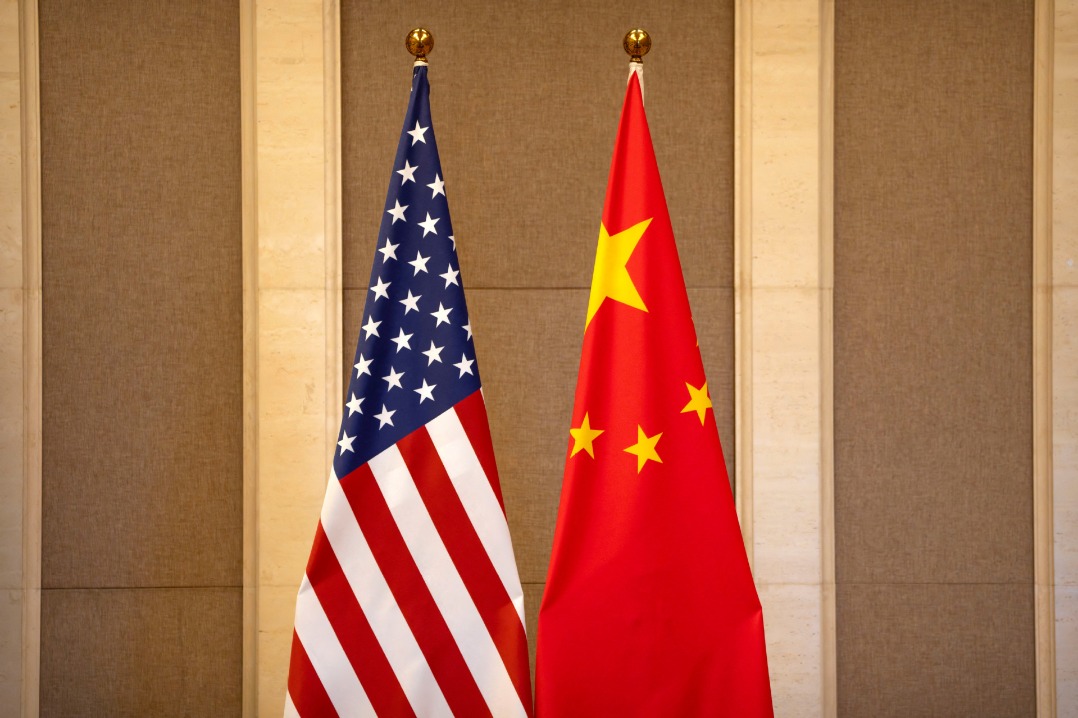
    At the World Economic Forum in Davos, foreign policy experts articulated a significant evolution in US-China relations, noting both nations are transitioning toward pragmatic risk management frameworks despite persistent strategic competition. The panel discussion “US and China: Where Will They Land?” featured prominent analysts who emphasized that bilateral relations in 2026 will be characterized by mutual deterrence and stabilized through enhanced communication channels rather than seeking permanent resolution to fundamental disagreements.

    Harvard Professor Graham Allison, renowned for his work on the “Thucydides Trap,” cautioned against interpreting temporary easing of tensions as permanent settlement. “A landing point, as if we had a permanent place to land, is not likely,” Allison stated, noting that mutual deterrence—where both nations recognize their capacity to inflict significant harm on each other—creates a stabilizing effect on the relationship.

    Allison emphasized the critical importance of establishing multi-level technical communication networks between the two powers, citing the Sullivan-Wang diplomatic channel as a model for preventing misunderstandings from escalating into crises. He also observed that Washington increasingly acknowledges China as a “full-scale economic peer,” representing a more realistic assessment of bilateral dynamics.

    Former Australian Prime Minister Kevin Rudd, now serving as Ambassador to the United States, framed the central challenge as developing practical mechanisms for “managed strategic competition” rather than seeking definitive endpoints. Rudd identified three critical arenas—tariffs, technology, and Taiwan—that will determine the trajectory of US-China relations and their impact on global stability.

    University of Southern California law professor Angela Zhang Huyue expressed measured optimism, citing three factors contributing to potential stability: Washington’s recognition that containment strategies have accelerated rather than hindered China’s technological advancement, clearer understanding of mutual vulnerabilities following economic tensions, and both nations’ shared interest in avoiding instability.

    US Senator Christopher Coons noted bipartisan support for “clear-eyed engagement” with China while highlighting artificial intelligence as the most pressing bilateral issue. He cautioned that military communication channels remain insufficient to prevent accidental escalation.

    Chinese scholar Zhao Hai of the Chinese Academy of Social Sciences challenged the “tech war” narrative, advocating instead for cooperative AI regulation frameworks. “AI is not a zero-sum contest but a shared challenge,” Zhao asserted, warning that technological advances could threaten humanity’s collective security without bilateral governance mechanisms.

  • Son-in-law of Venezuelan opposition candidate freed from jail, wife says

    Son-in-law of Venezuelan opposition candidate freed from jail, wife says

    In a significant development within Venezuela’s ongoing political turmoil, Rafael Tudares—the son-in-law of prominent opposition figure Edmundo González—has been released following over a year of detention. His wife, Mariana González, publicly confirmed his return after what she described as “380 days of unjust and arbitrary detention.”

    Tudares’s release occurs against the backdrop of drastic political shifts, including the U.S. military’s capture of former President Nicolás Maduro, who now faces trial in New York on drug-trafficking allegations. Since Maduro’s removal, an estimated 150 detainees have been freed, though human rights organizations emphasize that hundreds remain imprisoned under questionable legal circumstances.

    Delcy Rodríguez, Maduro’s former vice-president, now serves as acting president and has received endorsement from U.S. President Donald Trump. This support followed her commitment to transfer up to 50 million barrels of Venezuelan oil to the United States. Among the Trump administration’s early demands was the release of political prisoners—a gesture Rodríguez’s administration has slowly begun implementing.

    However, watchdog groups like Foro Penal report that only 151 releases have been verified since the government’s promise to free “an important number” of detainees. Many freed individuals still face unresolved legal charges and are prohibited from public commentary, leaving them in a state of judicial uncertainty.

    Tudares’s initial arrest was emblematic of the crackdown that followed the contentious 2024 presidential election. After opposition frontrunner María Corina Machado was disqualified, Edmundo González emerged as the primary challenger. When official results—unsupported by detailed tallies—declared Maduro the winner, González sought asylum and later exile, fearing government retaliation.

    Just days before Maduro’s January 2025 inauguration, Tudares—a lawyer with no political involvement—was abducted by masked operatives while taking his children to visit their grandmother. For months, his family had no knowledge of his location or the charges against him. He was later sentenced to 30 years for “terrorism and conspiracy” in a proceeding his family decried as unjust.

    Mariana González revealed that intermediaries had repeatedly suggested her husband’s release was contingent on her father renouncing his political cause. She condemned the ordeal, stating, “Being the son-in-law of Edmundo González is not a crime.”

    While celebrating Tudares’s return, González reminded the public that hundreds of families continue to await news of loved ones who remain detained. Vigils are ongoing outside Venezuelan prisons as families hope more releases will follow.

  • EU leaders gather to chart a new course for transatlantic ties after Trump threats over Greenland

    EU leaders gather to chart a new course for transatlantic ties after Trump threats over Greenland

    BRUSSELS — European Union leadership is assembling for an urgent summit on Thursday to redefine transatlantic diplomacy following two weeks of diplomatic turbulence triggered by U.S. President Donald Trump’s volatile statements regarding Greenland. Although Trump recently retracted his threats to forcibly acquire the Danish autonomous territory and impose tariffs on eight European nations, the episode has exposed profound concerns about American reliability.

    The situation underscores deepening transatlantic tensions. European Commission President Ursula von der Leyen openly questioned Trump’s trustworthiness this week, particularly regarding his apparent readiness to abandon a July EU-U.S. trade agreement designed to prevent further tariffs. ‘In politics as in business – a deal is a deal. When friends shake hands, it must mean something,’ von der Leyen told EU lawmakers, emphasizing the importance of diplomatic consistency.

    Danish Prime Minister Mette Frederiksen remains firm that her country’s sovereignty is not negotiable, despite Trump’s sudden reversal. The hastily arranged ‘framework’ agreement that prompted Trump’s change of position remains shrouded in secrecy, fueling ongoing skepticism among European officials.

    Beyond Greenland, EU leaders are formulating a unified response to Trump’s proposed ‘Board of Peace,’ an initiative originally conceived to oversee Gaza ceasefire efforts but since expanded into a more ambitious international platform. Several European nations, including Norway, Slovenia, and Sweden, have declined participation. Trump responded characteristically, threatening French President Emmanuel Macron with ‘200% tariffs on his wines and champagnes’ should France refuse to join.

    While Hungary has accepted the invitation and Germany has offered a noncommittal response, European Council President António Costa acknowledged that the Trump administration presents fundamental challenges to European security, principles, and prosperity. ‘All these three dimensions are being tested in the current moment of transatlantic relations,’ Costa stated ahead of the summit.

    EU leaders have reaffirmed their commitment to international law, territorial integrity, and national sovereignty—principles they uphold in supporting Ukraine against Russian aggression and which Trump threatened regarding Greenland. The European Parliament has temporarily suspended ratification of the EU-US trade agreement in response to Trump’s tariff threats.

    The Greenland episode has galvanized European leaders to reconsider their relationship with their traditionally strongest ally. Polish Prime Minister Donald Tusk, a prominent advocate for strong transatlantic ties, warned that ‘appeasement is always a sign of weakness. Europe cannot afford to be weak — neither against its enemies, nor allies.’

    Von der Leyen revealed that the European Commission is developing plans for substantial economic investments in Greenland to strengthen its economy and infrastructure, alongside crafting a new European security strategy. She emphasized that the EU stands ‘fully prepared to act, if necessary, with unity, urgency and determination’ should tariffs be imposed, characterizing the current juncture as a critical ‘crossroads’ for European foreign policy.

  • The Philippine president is dismissed from hospital and says he’s fine after an abdominal ailment

    The Philippine president is dismissed from hospital and says he’s fine after an abdominal ailment

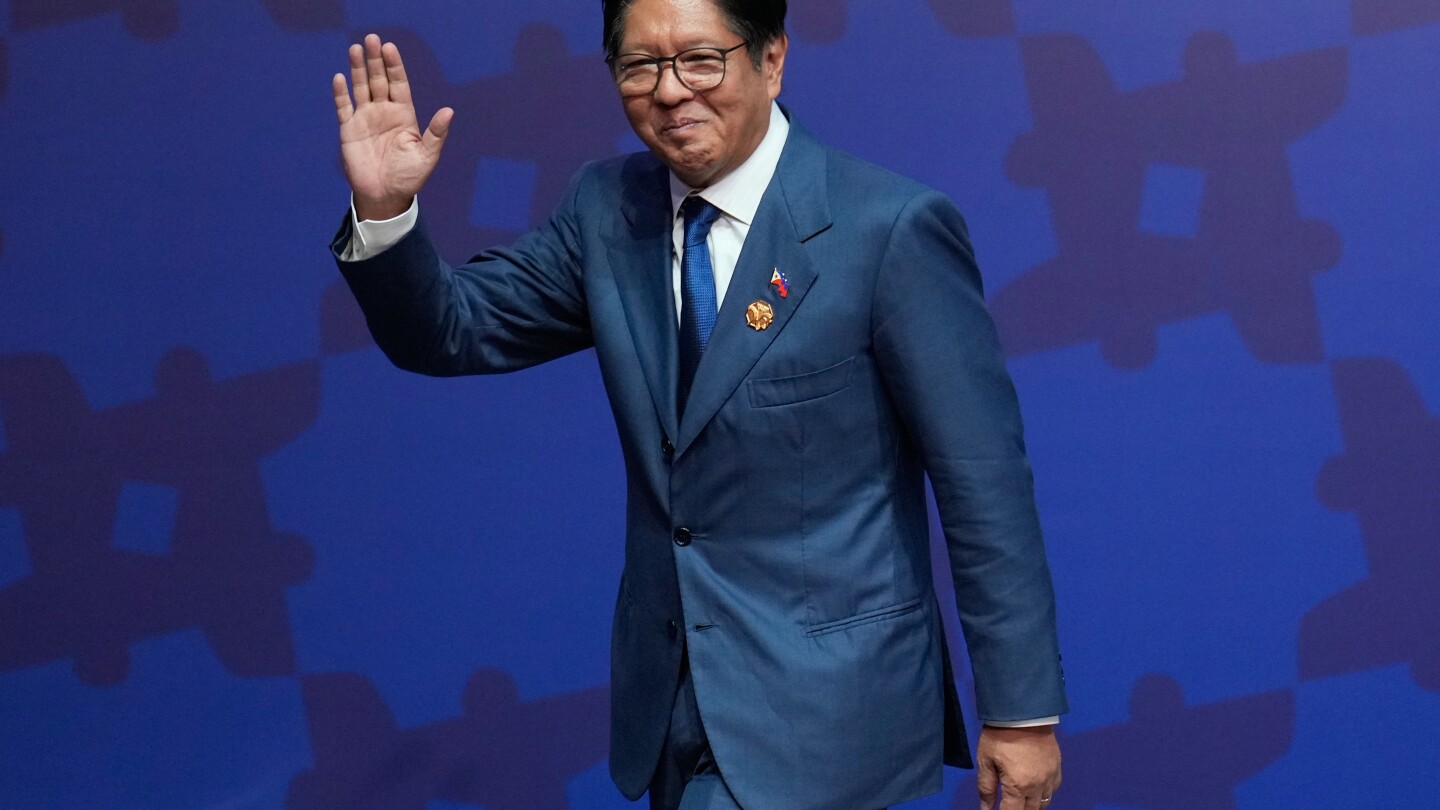
    MANILA, Philippines – Philippine President Ferdinand Marcos Jr. was briefly hospitalized for a stress-induced abdominal condition this week, though the leader quickly returned to official duties while downplaying concerns about his health. The 68-year-old president attributed his medical episode to the pressures of governance and aging in a video statement released Thursday.

    Communications Undersecretary Claire Castro confirmed that Marcos underwent medical observation before being discharged to resume his schedule, including two private meetings. Appearing in good spirits wearing a white office shirt, the president assured the public: “I’m fine. I’m feeling very, very different from the way I was feeling before, but the problem has been fixed.”

    The chief executive disclosed he had been diagnosed with diverticulitis, describing it as “a common complaint amongst, apparently people who are heavily stressed and people who are, I have to admit, growing old.” This inflammatory condition affects small pouches in the digestive tract, typically causing abdominal pain, fever, and digestive disturbances.

    When questioned about political opponents who might capitalize on his health situation, Marcos responded with characteristic humor: “Don’t get too excited yet because it’s not a life-threatening condition.” He further quipped, referencing Mark Twain’s famous line: “Don’t worry. The rumors of my death are highly exaggerated.”

    The hospitalization comes amid mounting challenges for Marcos since assuming office in mid-2022. His administration currently confronts multiple crises including escalating tensions with Beijing over South China Sea claims, natural disasters ranging from destructive earthquakes to severe typhoons, economic instability, strained relations with his vice president, and a widespread corruption scandal involving powerful legislators that has provoked public anger.

  • Guinea-Bissau coup leaders set December election date

    Guinea-Bissau coup leaders set December election date

    Military authorities in Guinea-Bissau have officially scheduled presidential and legislative elections for December 6th, marking a critical development in the nation’s turbulent political landscape. The announcement comes despite mounting international pressure for an accelerated transition to civilian governance following last November’s coup that ousted President Umaro Sissoco Embaló.

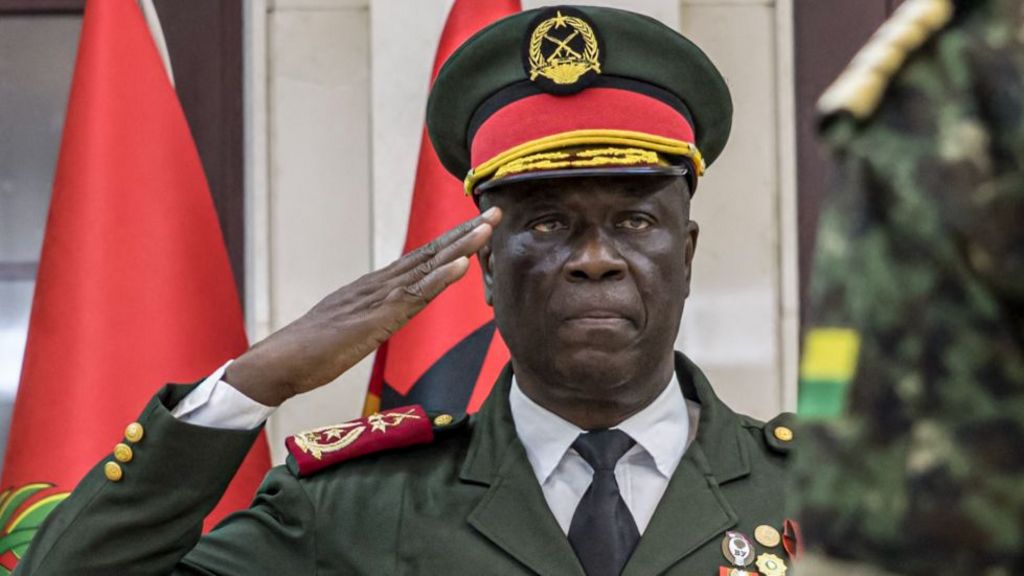
    Transitional President Horta N’Tam formalized the electoral timeline through a presidential decree on Wednesday after extensive consultations with the National Transitional Council, military representatives, government officials, and electoral commission members. N’Tam publicly affirmed that all necessary conditions for conducting free and fair elections had been satisfactorily established.

    The military junta has faced sustained pressure from the Economic Community of West African States (ECOWAS), which previously rejected the junta’s proposed one-year transition framework. The regional bloc had suspended Guinea-Bissau from its decision-making institutions and threatened additional sanctions unless a shorter transitional period was implemented. The international community now awaits ECOWAS’ formal response to the announced December timeline.

    The November 2025 power seizure occurred under controversial circumstances, with military leadership justifying their intervention as necessary to prevent alleged destabilization plots during the tense period preceding official presidential election results. Both incumbent President Embaló and primary opposition candidate Fernando Dias had declared victory simultaneously, creating a political impasse that the military cited as justification for their takeover.

    Notably, the transitional charter explicitly prohibits interim leader N’Tam and his appointed prime minister from seeking presidential office. However, regional observers remain skeptical given recent patterns across West Africa where military leaders have frequently extended transitional periods and consolidated political power. The international community continues monitoring whether Guinea-Bissau will break this regional trend and facilitate genuine democratic restoration through transparent electoral processes.

  • Former head of national forestry and grassland body under investigation

    Former head of national forestry and grassland body under investigation

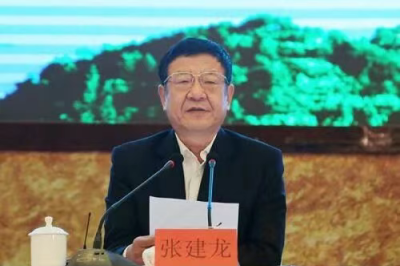
    China’s top anti-graft authorities have launched a formal investigation into Zhang Jianlong, former director of the National Forestry and Grassland Administration, for suspected serious breaches of Communist Party discipline and national laws. The announcement was made public on Thursday by the Central Commission for Discipline Inspection (CCDI) and the National Supervisory Commission.

    The 69-year-old career forestry official, who joined the Communist Party in 1985, rose through the ranks of China’s forestry bureaucracy over several decades. His appointment as deputy head of the former State Forestry Administration came in October 2003, followed by his promotion to leadership of the organization in 2015.

    Following governmental restructuring efforts, Zhang assumed dual roles in 2018 as both a member of the Ministry of Natural Resources’ Party Leadership Group and head of the newly established National Forestry and Grassland Administration. He vacated these positions in May 2020 but subsequently took on responsibilities as a member of the 13th National Committee of the Chinese People’s Political Consultative Conference, where he served as deputy director of the Committee on Agriculture and Rural Affairs.

    The investigation represents the latest development in China’s ongoing anti-corruption campaign, which has remained a cornerstone of President Xi Jinping’s governance strategy. The case demonstrates the continued scrutiny of high-ranking officials even after their retirement from active government service.

  • Trump to meet Zelensky as US envoy says ending war with Russia down to one issue

    Trump to meet Zelensky as US envoy says ending war with Russia down to one issue

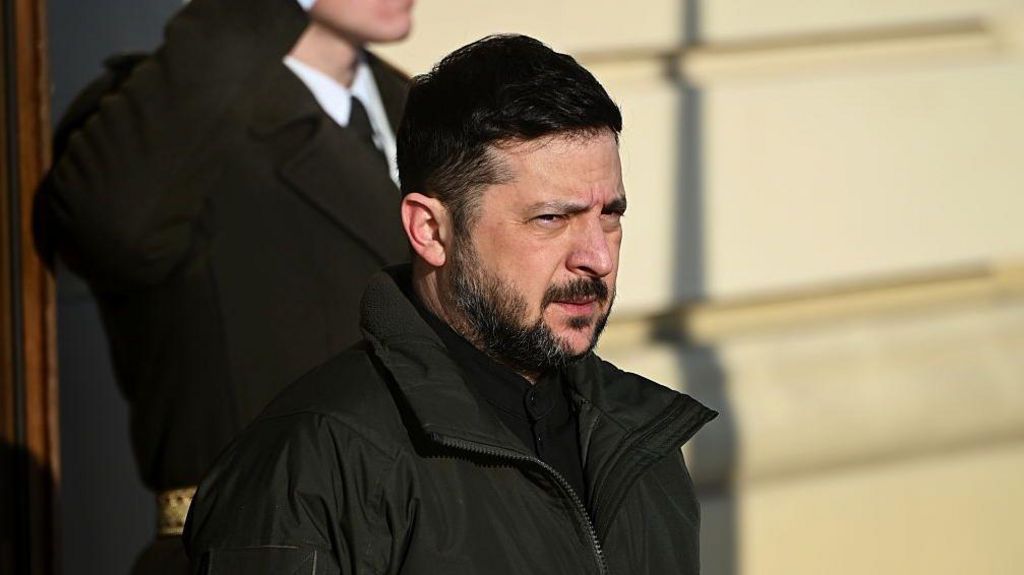
    Ukrainian President Volodymyr Zelensky made an urgent journey to Davos, Switzerland, arriving Thursday for critical negotiations with U.S. President Donald Trump. The high-stakes meeting occurs amid significant diplomatic efforts to broker an end to the ongoing conflict between Ukraine and Russia.

    President Trump’s special envoy, Steve Witkoff, expressed measured optimism about reaching a comprehensive peace agreement, stating the negotiations have been narrowed to a single pivotal issue. While Witkoff refrained from specifying the exact nature of this remaining obstacle, diplomatic sources indicate recent discussions have centered on the future status of Ukraine’s Donbas region. The proposed solution involves establishing a demilitarized free economic zone in exchange for concrete security guarantees for Kyiv.

    “I believe we’ve successfully condensed the complexities down to one core issue,” Witkoff commented before traveling to Moscow for parallel discussions with Russian President Vladimir Putin. “We’ve explored various iterations of this issue, which indicates it is ultimately solvable. If both parties demonstrate genuine willingness to resolve this conflict, we will achieve a settlement.”

    President Trump reinforced this sentiment, asserting that both President Putin and President Zelensky have reached a critical juncture where agreement is possible, adding bluntly that failure to capitalize on this opportunity would be unwise. This meeting follows Trump’s previous assessment that Putin appeared more prepared for compromise than Zelensky.

    Zelensky’s attendance at the World Economic Forum came despite severe domestic challenges. The Ukrainian leader initially canceled his diplomatic travels to address a severe humanitarian crisis in Kyiv following targeted Russian strikes on energy infrastructure. These attacks have left extensive areas of the capital without heating, power, or water during extreme winter conditions, with thousands of residential buildings remaining without heat.

    The negotiations face several substantial hurdles. Zelensky has previously outlined two major sticking points: the future of Donbas and control over the Zaporizhzhia Nuclear Power Plant, which Russian forces seized in March 2022. The Ukrainian president has conditionally offered a troop withdrawal from approximately 25% of the Donetsk region still under Ukrainian control, proposing a 40-kilometer pullback to establish an economic zone contingent on reciprocal Russian action.

    While Kremlin spokesman Dmitry Peskov confirmed continued discussions with American envoys regarding “the Ukrainian issue and related topics,” he declined to endorse Witkoff’s optimistic outlook. Additionally, President Putin has not yet decided on participating in Trump’s proposed Board of Peace concerning Gaza.

    Zelensky had hoped to finalize two significant agreements with Trump at Davos covering security guarantees and economic prosperity, noting only “one mile left” to complete these documents. Although the prospect of formal signings during the Forum remains uncertain, Ukrainian National Security and Defense Council head Rustem Umerov confirmed substantive discussions with U.S. counterparts regarding economic development, post-war reconstruction, and security assurances.