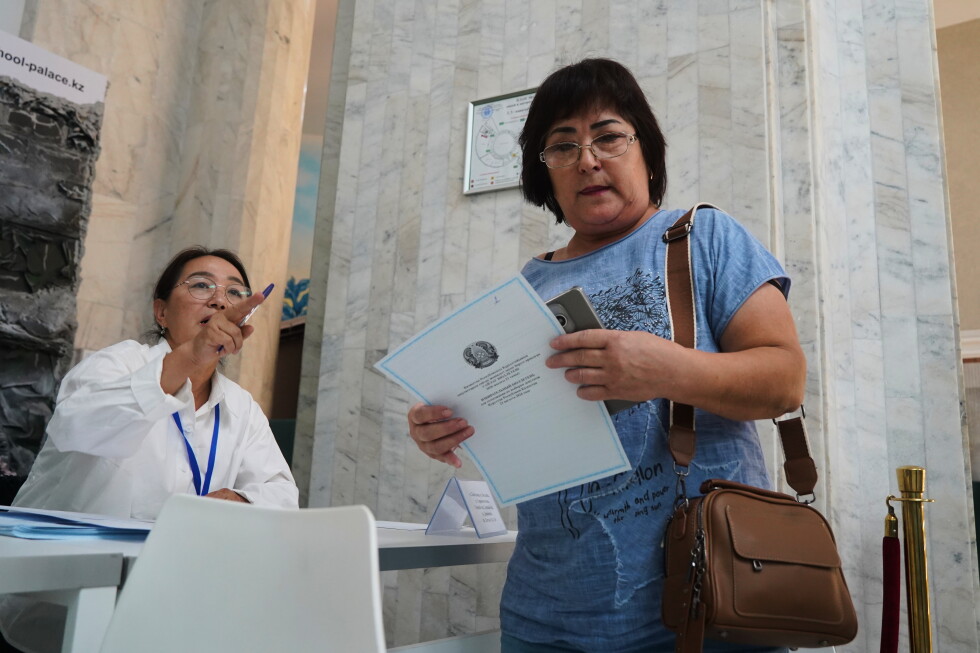
Polling stations opened across Kazakhstan on Sunday for the Central Asian nation’s first parliamentary election to a newly restructured single-chamber legislature, the Kurultai. The vote, widely expected to solidify the grip of 73-year-old President Kassym-Jomart Tokayev on power, comes as the culmination of a sweeping constitutional overhaul initiated by the incumbent leader earlier this year. Political analysts broadly predict that the ruling pro-presidential Adilet party will secure an overwhelming majority in the new legislative body, with a handful of smaller parties aligned with Tokayev also projected to win seats.
分类: politics
-
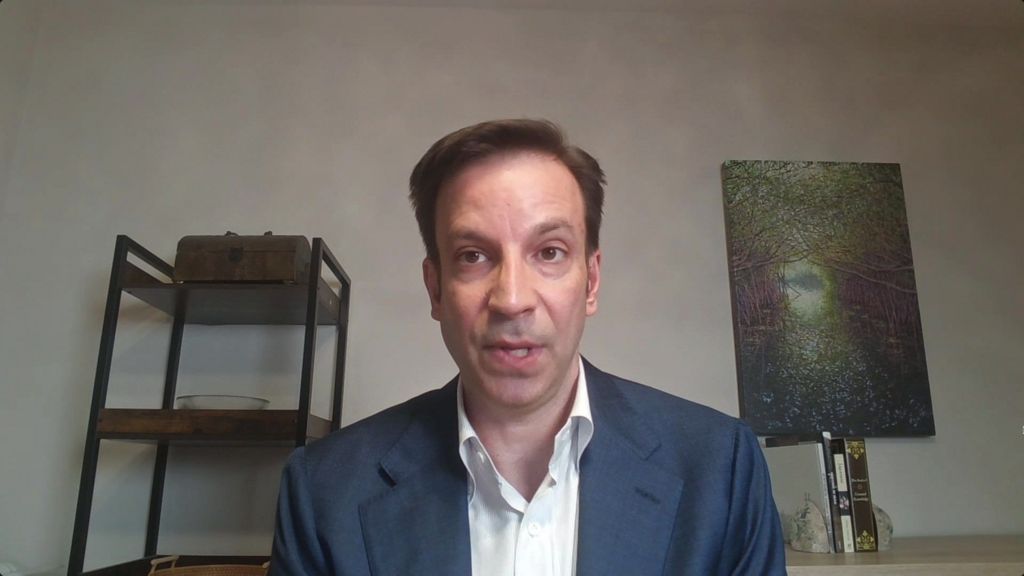
US military newspaper editor voices censorship fears after being fired
The ousted top editor of *Stars and Stripes*, the iconic independent newspaper for U.S. military service members worldwide, has publicly raised alarms about growing censorship within the U.S. Department of Defense (DoD) just one day after the Pentagon fired him for alleged insubordination. In an exclusive interview with the BBC, 21-year veteran editor Erik Slavin revealed he has no right to appeal his sudden dismissal, adding that senior Pentagon officials have grown increasingly unwilling to go on record with reporters at a time when transparent public information about military operations is more critical than ever.
Slavin says his termination stems from a comment he made during a public interview, where he framed potential official censorship of the publication as an unacceptable “red line” for an independent press. He is not alone in being ousted: the newspaper’s Middle East correspondent Lara Korte and publisher Max Lederer have also been removed from their roles. All three dismissals are tied to an interview the editorial team gave to CBS Sunday Morning last month, according to CBS News, the BBC’s U.S. news partner.
Lederer, who had previously announced his retirement earlier this week, noted that his core understanding of the paper’s mission and public value clashed in “fundamental ways” with the Pentagon’s vision for the publication. When reached for comment by the BBC, the Pentagon declined to issue any statement on the sackings.
Founded to serve deployed U.S. troops, *Stars and Stripes* operates with a unique structure: while it receives partial funding from the DoD, longstanding congressional legislation and DoD regulations explicitly guarantee its full editorial independence. The publication reaches an average of 1.4 million readers daily, most accessing its content online, and continues to print print editions for service members stationed in regions with unreliable internet connectivity.
Slavin says he has not received any formal written explanation for his firing, and he remains uncertain whether his dismissal is also connected to his outlet’s groundbreaking independent reporting on the prolonged deployment of the USS Abraham Lincoln. The aircraft carrier has spent a historic 240 consecutive days at sea supporting U.S. operations amid ongoing U.S.-Israeli tensions with Iran, and *Stars and Stripes* reporting revealed that family members of deployed sailors have raised urgent concerns about crew mental health, with multiple incidents of sailors reportedly attempting to jump overboard.
In a post on the social platform X, Korte emphasized the harm of the dismissals to the military community. “It’s a shame for the institution and service members, who swore to defend the Constitution and deserve the right to a free and independent press,” she wrote.
The firings come amid a steady escalation of tensions between the Trump administration and independent U.S. media, with multiple high-profile clashes over press access and editorial freedom in recent months. Slavin pointed out that the Pentagon has not held a single on-the-record press briefing since May, even as reporters have repeatedly pushed back against attempts by officials to interfere with their independent reporting.
Industry leaders have quickly condemned the dismissals. Mark Schoeff Jr., president of the National Press Club, called Slavin’s firing “another brazen attempt by the Pentagon to dictate coverage of the military and should be immediately reversed.”
This latest conflict follows a string of other disputes over press freedom dating back to 2025. In October of this year, dozens of leading U.S. news outlets including the *New York Times*, *Washington Post*, CNN and the BBC rejected a new DoD policy that would have barred reporters from entering Pentagon facilities unless they agreed to only publish information officially authorized by the department. The Trump administration defended the proposed policy as a necessary measure to protect national security.
Earlier in 2025, a U.S. federal judge ordered the Trump administration to restore the Associated Press’ press access to presidential events after the White House blocked the outlet over its refusal to use the administration’s preferred term “Gulf of America” for the body of water historically known as the Gulf of Mexico. Just months before that ruling, the White House broke with decades of bipartisan tradition by seizing direct control of the independent press pool that provides coordinated on-the-ground coverage of the U.S. presidency.
-
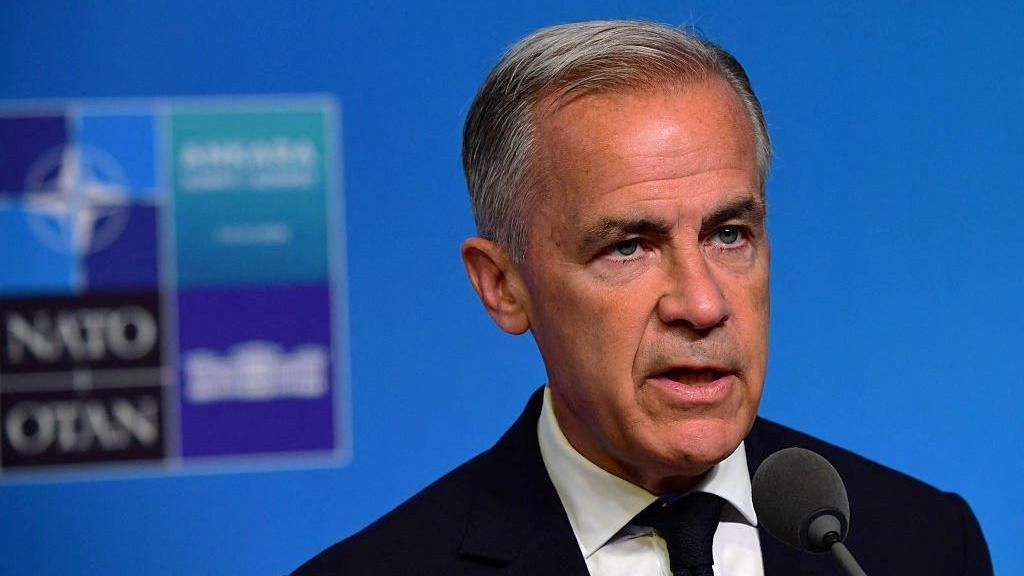
Carney calls Trump’s fresh tariffs a ‘miscalculation’ after trade talks collapse
A high-stakes round of cross-border trade negotiations between Canada and the United States collapsed late Friday, leaving a fresh wave of punitive American tariffs set to take effect and triggering a swift promise of reciprocal retaliation from Canadian Prime Minister Mark Carney.
In a nationally broadcast address to Canadian citizens Saturday morning, Carney slammed the incoming 50% tariffs on a swathe of Canadian goods as a deliberate political miscalculation aimed at sowing division and weakening Canada’s negotiating position. The prime minister confirmed he had walked away from a potential draft deal after US negotiators introduced unacceptable last-minute changes that would have forced Canada to sacrifice its national sovereignty.
“They asked too much and they offered too little,” Carney told the nation, adding that Canada would match every dollar of new US tariffs with equivalent levies on American imports starting September 8. The counter-tariffs will target US steel, dairy products, home appliances and electronics, with full details of the retaliatory measures set to be公布 in the coming days. Carney emphasized that Canada was taking this step reluctantly, solely to defend the country’s economic interests.
The breakdown of talks caps more than 12 months of intermittent negotiations that intensified dramatically in recent weeks, after the White House set a firm deadline for a new agreement or else Canada would face expanded trade barriers. For months, the discussions have been tied to a mandatory review of the existing United States-Mexico-Canada Agreement (USMCA), the trilateral free trade pact that replaced the original NAFTA. Earlier this summer, both Canada and Mexico formally submitted a request to extend the current USMCA for 16 additional years, but US officials rejected the proposal, insisting on major changes to the agreement’s terms.
Earlier in the week, both Canadian and US negotiating teams had publicly expressed optimism that a breakthrough was within reach. But those hopes dissolved Friday night, as each side blamed the other for derailing the process at the eleventh hour. While Carney accused US negotiators of pushing unfair, economically irrational last-minute changes, US representatives hit back, claiming Canada introduced unplanned new demands and walked back from provisions that had already been agreed to earlier in the week.
The new 50% US tariffs will be added to a suite of existing import levies that the US has already imposed on Canadian steel, aluminum, automobiles and lumber. When asked about the impact of the collapsed talks on the future of USMCA, Carney acknowledged the outcome was “certainly not good news” for the regional trade pact.
Tariffs have long been a cornerstone of President Donald Trump’s trade agenda, with the incumbent arguing that import taxes protect American manufacturing jobs and shrink the US trade deficit. But independent economists and trade critics have repeatedly pushed back against this framework, warning that tariffs ultimately raise consumer prices across the US, disrupt cross-border supply chains, and create broad headwinds for the global economy. As of Saturday, Trump had not issued any public comment on the collapsed talks or Carney’s retaliation announcement.
-
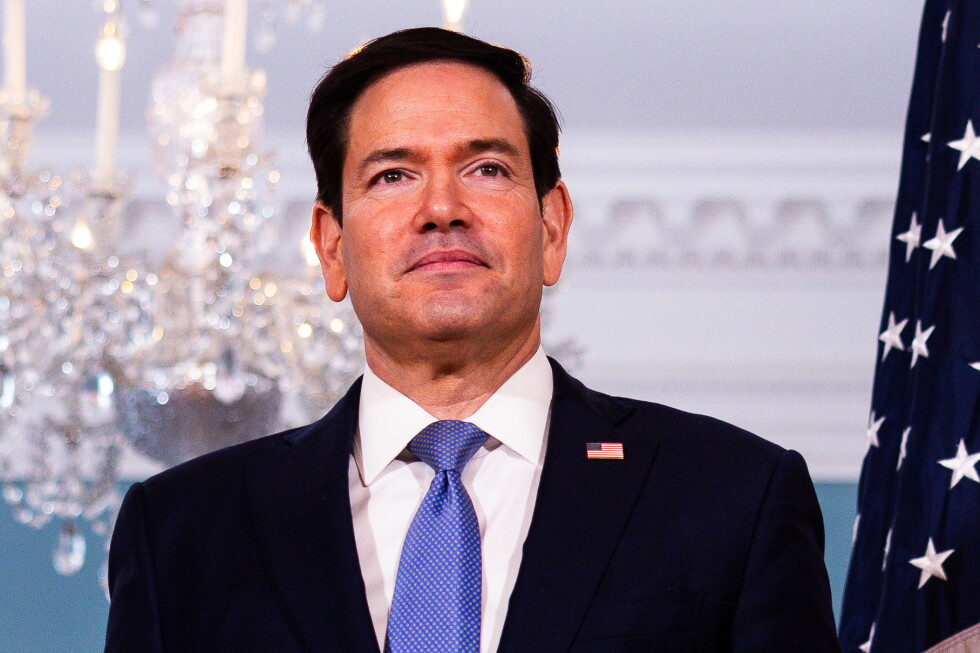
Federal judge vacates Trump policy that suspended processing of immigration visas from 75 countries
A controversial Trump administration immigration policy that froze processing of immigrant visas for applicants from 75 countries — including Afghanistan, Iran, Russia and Somalia — has been struck down by a federal judge in New York, who ruled the measure exceeded executive authority and violated existing U.S. immigration law.
U.S. District Judge Jeannette Vargas, appointed to the bench during the Biden presidency, ruled Friday that the policy was fundamentally unlawful and went far beyond the statutory powers granted to the executive branch. In her ruling, Vargas found that then-Secretary of State Marco Rubio abused his authority by rolling out the policy, which directly conflicted with the terms of the Immigration and Nationality Act by ordering automatic visa refusals for otherwise eligible applicants with no legal grounding.
The judge emphasized that the policy undermined a core structural requirement set by Congress, which reserves final, exclusive authority over individual visa decisions for trained consular officers, not blanket executive orders. “Congress imbued these officers with exclusive authority and discretion to determine if an immigrant is eligible for a visa based upon review of specific and detailed criteria set forth in the statute,” Vargas wrote in her opinion. “The Policy, which categorically prohibits the issuance of immigrant visas based upon the nationality of the applicant, represents a direct abrogation of this statutory scheme.”
The policy was first challenged in court by two nonprofit advocacy groups and 11 individual plaintiffs. Among those plaintiffs were six people whose immediate family members had already been blocked from receiving visas under the rule, while five other foreign-based plaintiffs had submitted approved employment-based immigration petitions that were put on hold.
Anna Gallagher, executive director of the Center for Legal Inclusiveness & Immigration Counseling (CLINIC) — one of the lead plaintiff organizations that supports a national network of immigration legal service providers — celebrated the ruling in a public statement. “We welcome this ruling because, at its heart, this case is about keeping families together,” Gallagher said. She added, “Catholic social teaching calls us to uphold the dignity of every person and recognize the family as the foundation of society. This decision affirms both those values and the rule of law, allowing families to once again move forward toward reunification.”
The now-vacated policy was part of a broader series of restrictive immigration actions rolled out by the Trump administration, which put in place a growing list of travel and visa restrictions targeting majority African, Asian, and Latin American countries. When asked for comment on the ruling Saturday, a State Department spokesperson only reiterated the administration’s original framing of the policy, saying it was designed to “protect the American people by upholding the highest standards of screening and vetting of visa applicants” and declined to comment on ongoing litigation.
When the policy was first introduced, it was framed as an extension of a broader November executive order tightening rules for immigrants deemed at risk of becoming so-called “public charges” — a term referring to new immigrants who may access public assistance programs. At the time, the State Department cited Council of Economic Advisers data claiming more than 30 percent of immigrant households from the 75 named countries used at least one form of public benefit. The policy applied to immigrant visa processing specifically, but a separate confidential cable sent to all U.S. embassies and consulates also mandated heightened scrutiny for non-immigrant visa applicants, requiring them to prove they would not access public benefits during their U.S. stay and mandating additional financial documentation for applicants flagged as high risk.
Friday’s ruling marks the latest in a string of court victories for immigration advocates challenging the Trump administration’s restrictive immigration agenda. Just three months prior, in June, another federal judge struck down a separate Trump-era policy that created new barriers to entry and legal status for immigrants from dozens of countries, impacting asylum claims, work permits, green card applications, and citizenship pathways. In that case, the judge ruled the policy had thrown the lives of thousands of immigrants “into indeterminate legal limbo” and found U.S. Citizenship and Immigration Services had deliberately ignored existing statutory law in implementing the rule.
-
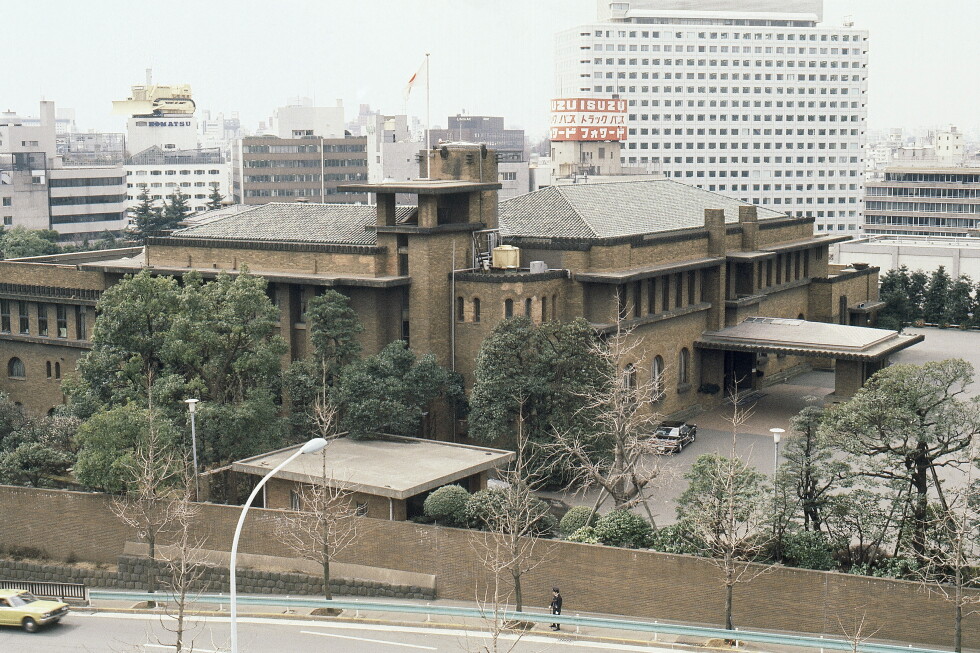
Japan’s leader Takaichi explains why she spends long hours in seclusion at her official residence
TOKYO – Japanese Prime Minister Sanae Takaichi has pushed back against growing media speculation about her seclusion from official and parliamentary circles, defending her decision to base more of her daily work out of Japan’s historic prime ministerial official residence to maximize governmental efficiency.
Takaichi, Japan’s first female prime minister, relocated to the brick-and-stone kotei – the official title for the residence – in December this year. Completed in 1929, the property originally served as Japan’s prime ministerial office before a dedicated modern government building was constructed directly adjacent to it.
In a post on the social platform X, Takaichi outlined that the residence’s proximity to the main prime minister’s office eliminates her daily commute, allowing her to respond instantly to national emergencies when they arise. She has upgraded the residence’s office infrastructure to accommodate both in-person and remote meetings with her staff at any time, even outside standard government working hours, and still brings briefing documents back to her private home for additional review after hours. “To me, the official residence is also a workplace,” Takaichi emphasized.
The prime minister’s working arrangement has not come without controversy, however. Recent comments from Takaichi herself have sparked public backlash over her approach to work-life balance and gender equity. After sharing on X that she regularly gets only zero to three hours of sleep each night, balancing her heavy prime ministerial duties alongside homemaking responsibilities, critics argue she is setting an unhealthy, unrealistic standard for working people across Japan that undermines progress on gender equality.
Takaichi’s approval ratings have already plummeted in recent weeks over a slate of unpopular policy decisions. Most notably, her push to revise Japan’s Imperial House Law to entrench the male-only imperial succession system has drawn widespread condemnation, while she has faced growing pressure for delaying targeted economic relief measures to counter stubbornly rising consumer prices across the country.
Media reports have further fueled scrutiny of the prime minister, claiming she has increasingly avoided parliamentary sessions, holed up in the official residence during nights and weekends, and engages in far less face-to-face communication with fellow lawmakers and senior government officials than any of her predecessors. Rather than holding traditional press briefings with reporters, Takaichi now mostly shares policy updates and public comments directly through her X account.
Even the residence itself carries unusual historical context: it was the site of two violent coup attempts in the 1930s, and longstanding local legend holds the building is haunted by restless ghosts. For Takaichi, though, paranormal activity has not been a problem – instead, common household pests have been her biggest surprise. “I’ve never seen a ghost, but I have often screamed because of my encounters with cockroaches,” she admitted. “I was shocked when a cockroach ran past my feet.”
-
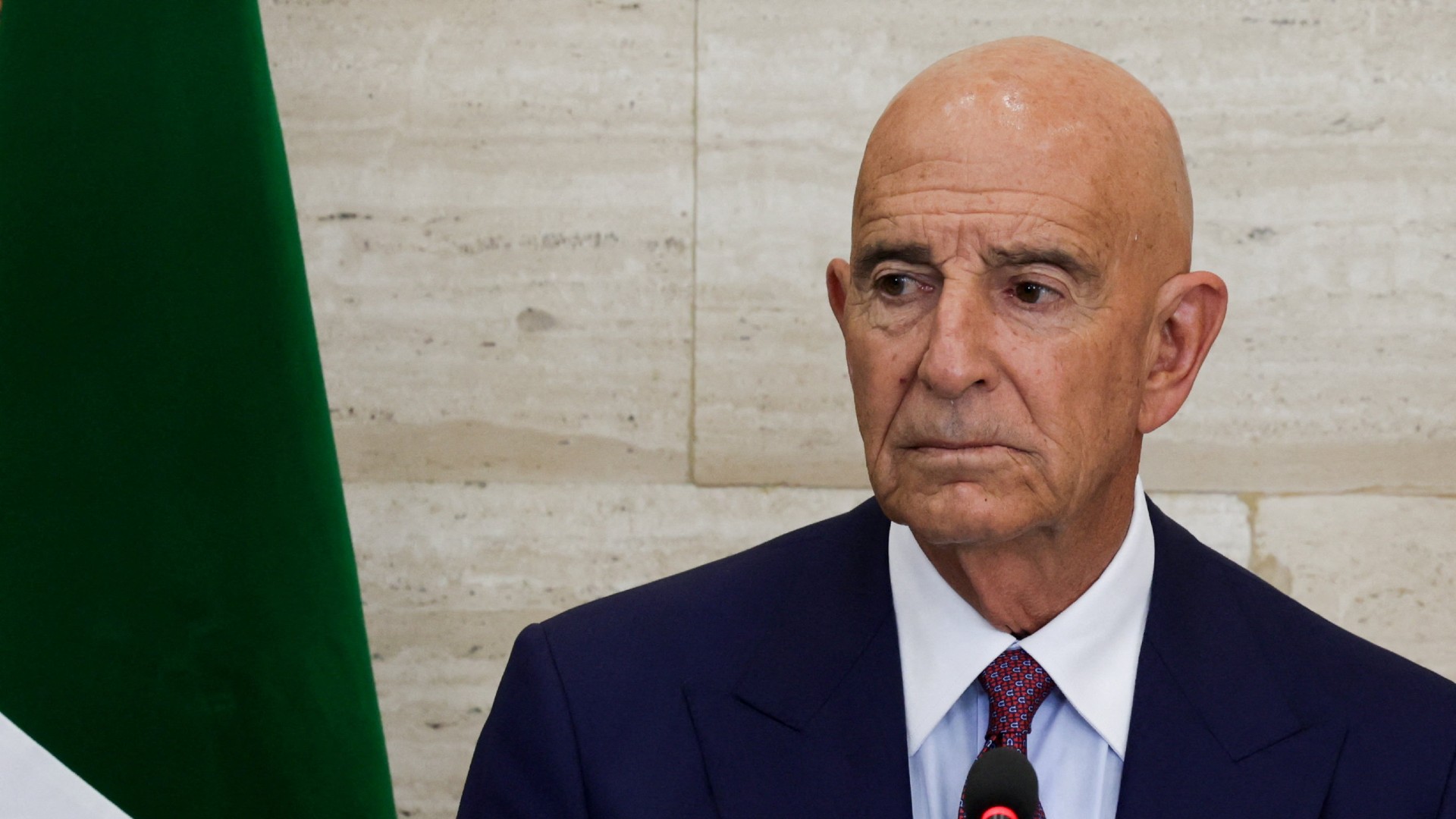
US envoy to Turkey: ‘Israel occupies Golan despite UN resolutions, international order’
A rare public split between a senior U.S. diplomatic representative and existing White House policy has emerged after Tom Barrack, the current U.S. ambassador to Turkey, openly labeled Israel’s long-standing control of Syria’s Golan Heights as an unlawful occupation that directly violates United Nations resolutions and global international law.\n\nBarrack’s comments mark a stark departure from the official stance of the U.S. government under former President Donald Trump, who formally recognized Israeli sovereignty over the contested strategic plateau in 2019 — a move that was immediately rejected by most of the international community.\n\nLocated at the intersection of Israel, Syria, and southern Lebanon, the Golan Heights is a strategically critical highland region that Israel first seized from Syrian control during the 1967 Six-Day Middle East War. Israel unilaterally annexed the territory shortly after its capture, but this territorial claim has never received formal recognition from the broader global community. Binding UN Security Council Resolution 242, adopted shortly after the 1967 conflict, explicitly requires Israel to withdraw from all territories captured during the war, including the Golan Heights, the Gaza Strip, and the West Bank. Today, the Golan is home to approximately 20,000 Israeli settlers and 26,000 original Syrian inhabitants, most of whom are members of the Druze ethnic community who retain their Syrian national identity.\n\nBarrack made the contentious remarks during a wide-ranging interview with broadcaster Mario Nawfal, where he also discussed regional tensions over potential Israeli plans to annex additional Lebanese territory. On that topic, he argued that Israeli leaders recognize the international community would never allow such a move, noting that U.S. public and political support for Israel is gradually softening. ‘Even young Democrats are coming against them,’ he stated, adding that even former President Trump sought to carve out a moderate approach to the conflict. He added that upcoming Israeli national elections will likely reshape the country’s political and policy landscape, making any large-scale territorial annexation of Lebanese land even less feasible.\n\nReturning to the question of the Golan Heights, Barrack reaffirmed his assessment: ‘Now saying that, in the Golan with Syria, they still occupy the Golan against the UN resolutions, against all of the international order, which has said the Golan is Syria’s.’\n\nThe ambassador also addressed rising regional tensions following a recent Israeli air strike on Syria’s Abu al-Duhur air base, noting that the operation carried a significant risk of direct military confrontation between Israel and Turkey. He outlined multiple competing theories to explain what prompted the strike, which he described as ‘serious and worrying.’\n\nThe first theory he cited was unconfirmed Israeli intelligence that Turkish military assets were preparing to deploy to the base, a claim that has not been verified by subsequent checks. A second possibility is that Israeli forces detected unusual troop movements that other regional actors failed to pick up. Barrack called a third explanation the ‘probably most likely’ scenario: Israeli intelligence intercepted conversations indicating Turkey planned to expand its military training operations at the Abu al-Duhur base.\n\nHe also raised a more provocative possibility: that Israel deliberately baited Turkey by launching the strike without any prior notification to Ankara, as a test of Turkey’s response to Israeli military activity in the area. A final theory centers on internal coordination failure within Israel’s security establishment, suggesting the Israel Defense Forces, Mossad, and the prime minister’s office may have operated on conflicting intelligence assessments that led to the unplanned strike.\n\nBarrack warned that the risk of accidental escalation in the already volatile region carries severe consequences. ‘The unintended consequence of a mistake could be really consequential,’ he said, noting that Turkish forces could scramble fighter jets in response to an unannounced incursion with no advance knowledge of Israeli intentions, raising the risk of open conflict between the two military powers.\n\nBarrack also noted that reaching a diplomatic de-escalation of ongoing Israeli incursions into Lebanon remains challenging, as key decision-making power in the region is held by Iran and the Lebanese militant group Hezbollah, with no ongoing negotiations between all relevant parties.
-
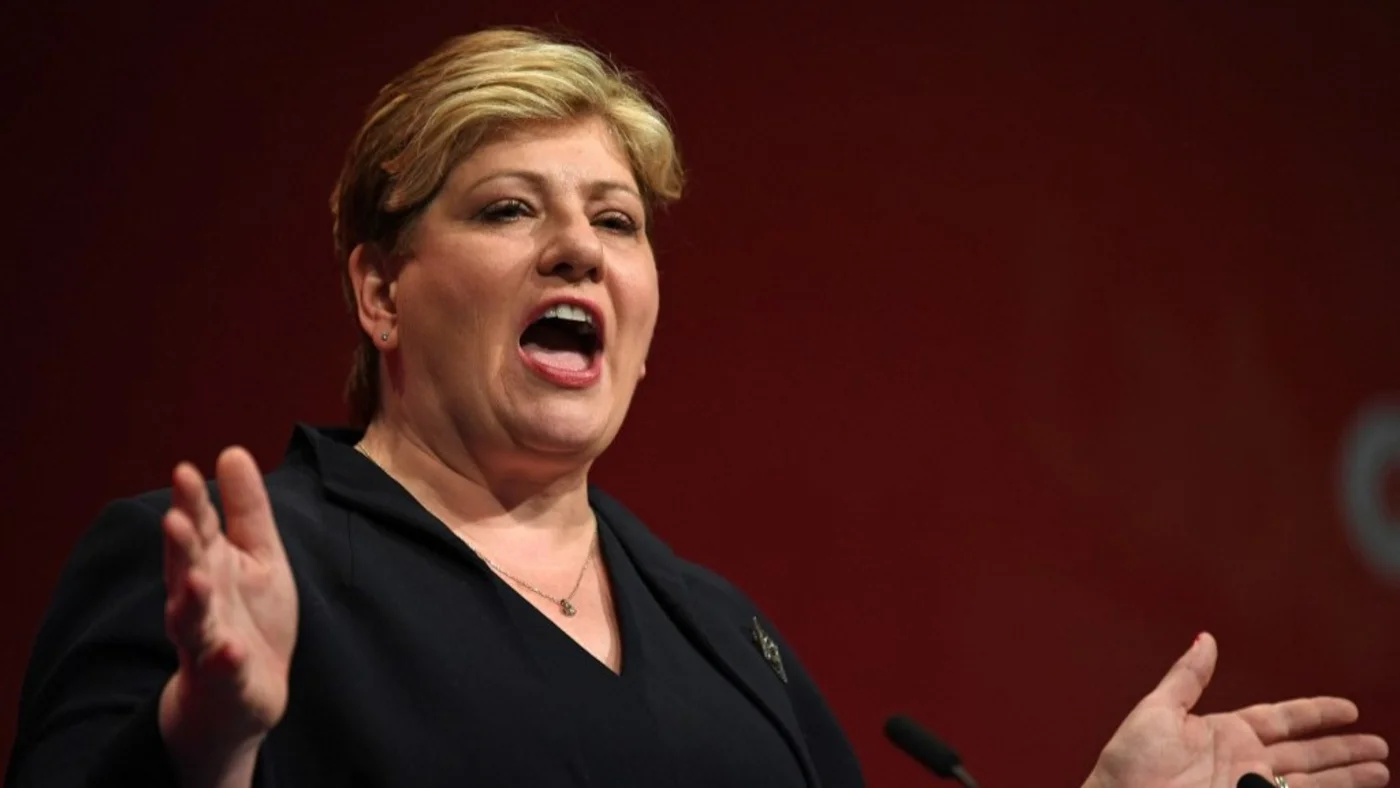
UK MP urges government to ban goods produced in West Bank settlements
Growing tensions over Israeli settlement expansion in the occupied West Bank have triggered renewed pressure on the British government from senior UK lawmakers, who are demanding concrete action to oppose developments that threaten the viability of a two-state solution to the Israeli-Palestinian conflict.
Emily Thornberry, chair of the UK Parliament’s Foreign Affairs Committee, has reiterated her longstanding call for a full ban on imports of goods produced in Israeli settlements built on occupied Palestinian land. Speaking in an interview with Sky News, Thornberry pointed out that it has been one full year since her committee first formally recommended ending the legal sale of settlement-produced goods in the UK, yet the British government has failed to implement any policy change to meet this demand.
Thornberry has long backed a two-state solution, which would see an independent Palestinian state exist alongside Israel in mutually recognized borders. She noted that the international community has reached near-unanimous agreement that the entire West Bank is designated as the territory for a future Palestinian state under this framework. However, she argued, Israel’s current far-right leadership is actively working to eliminate any path to Palestinian statehood by rapidly expanding settlements across the West Bank. The most recent high-stakes plan, known as the E1 project, would effectively bisect the entire West Bank, cutting off geographic connectivity that is essential for a functional independent Palestinian state. Beyond settlement construction, Thornberry added that levels of violence carried out by Israeli settlers against Palestinian communities have reached the highest point ever recorded.
Thornberry’s comments came just as the UK government formally announced this week that it would introduce punitive measures against Israel over the advancement of the E1 settlement scheme, which is located east of Jerusalem. Foreign Secretary Ed Miliband issued a clear warning that the new construction project, for which development tenders were opened this week, represents an existential threat to the two-state solution framework that has guided international policy on the conflict for decades.
Miliband confirmed that he had directly communicated to Israeli Foreign Minister Gideon Sa’ar that the Israeli government must immediately halt all E1 planning, withdraw the recently issued construction tender, and end all expansion of illegal settlements across the West Bank. In a formal statement, Miliband emphasized that the ongoing wave of settler violence against Palestinian communities has had a catastrophic humanitarian impact, adding that settlement expansion and deliberate efforts to create irreversible geographic divisions on the ground undermine regional peace, security, and the entire prospect of a sovereign, viable Palestinian state.
On Tuesday, Israeli authorities formally issued a tender for the construction of 1,234 new residential units in the southern section of the E1 project, marking a major turning point for one of the most controversial settlement schemes in decades. After years of sitting in planning and approval phases, the project is now moving into active land marketing and on-the-ground implementation. The tender covers seven interconnected settlement complexes spanning roughly 12,000 dunams (approximately 3,000 acres) of land between Jerusalem and the large existing settlement of Ma’ale Adumim. The full development plan includes integrated residential zones, industrial areas, tourism sites, and new connecting roads and infrastructure that will permanently link the new settlements to existing Israeli settlement blocs.
Miliband stressed that the United Kingdom will not remain passive while the two-state solution is effectively destroyed. He confirmed that the UK government will lay out a full package of punitive measures in the coming weeks, including targeted sanctions against individuals and entities directly involved in advancing illegal settlement expansion. Minister of State for the Middle East Stephen Doughty joined Miliband in condemning the E1 tender, describing the move as a deliberate, destructive action explicitly designed to kill any hope of a two-state resolution to the conflict.
Weeks ahead of this official announcement, the independent news outlet Middle East Eye exclusively reported that the UK government was preparing to roll out new policies targeting Israeli settlement activity in September, including the long-debated ban on settlement-produced goods and potential sanctions against individuals, organizations, and even sitting Israeli ministers tied to the Israeli settler movement. The outlet also reported that UK officials are considering additional restrictions on arms sales to Israel, a longstanding point of contention between activist groups and successive UK governments.
Currently, the UK does not maintain a full ban on trade with Israeli settlements, though the government formally advises British businesses against engaging in any economic or financial activity within settlement areas. Under existing UK trade agreements with Israel and the Palestinian Authority, goods produced in settlements already do not qualify for preferential tariff treatment, but they remain legal to import and sell across the UK.
-
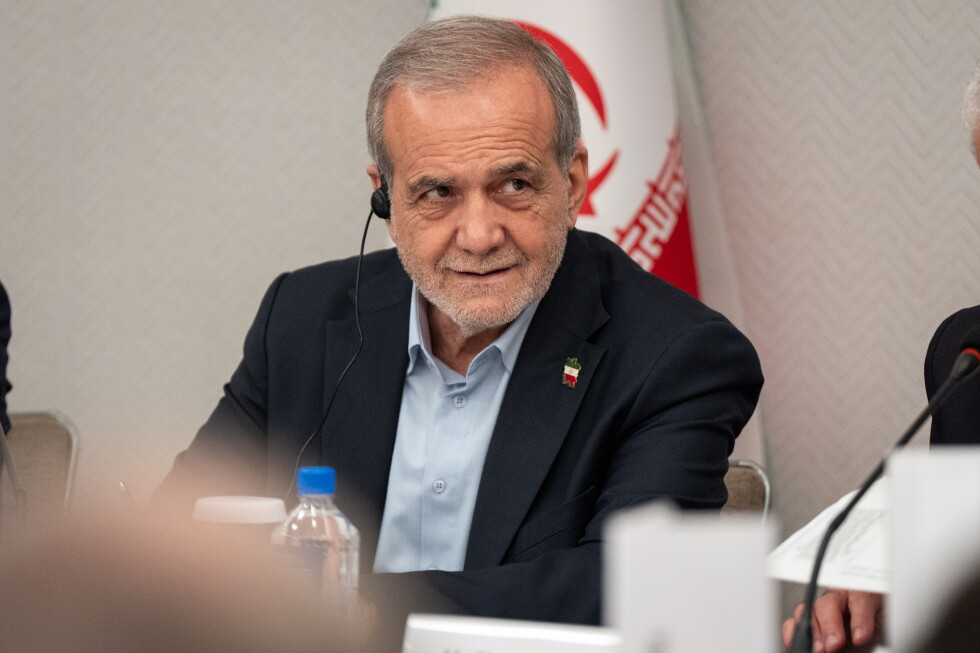
Iran says the world has accepted it has defeated the US, and other Middle East developments
Six months into the open conflict between the U.S.-Israeli coalition and Iran, the strategic Middle East landscape has shifted into a new phase of overlapping diplomatic, economic and territorial tensions, with three major developments unfolding over the weekend.
Iran’s President Masoud Pezeshkian announced Friday that the international community has effectively acknowledged Iran’s victory in the war, according to statements carried by Iran’s official state news agency IRNA. Pezeshkian framed Iran’s sustained control over the Strait of Hormuz and its refusal to capitulate to U.S. negotiating demands as clear markers of its success. “The entire world approved our victory and the U.S. is hated,” Pezeshkian was quoted as saying. The Strait of Hormuz, one of the world’s most critical energy chokepoints through which roughly a fifth of global oil supplies pass, has remained effectively closed to commercial international shipping since the outbreak of the conflict.
Iran’s claim of victory comes as the Trump administration doubles down on its aggressive economic pressure campaign against Tehran, with the White House promising an “economic D-Day” that would bring unprecedented levels of trade isolation and financial sanctions against Iran. The administration’s stated goal for the pressure campaign is to force Iran’s leadership to abandon its nuclear program and fully reopen the Strait of Hormuz to global oil and natural gas tankers. The escalating sanctions have already pushed millions of ordinary Iranian households into hardship, with widespread reports of inability to afford basic food and essential goods.
In a separate development that exposes a rift in official U.S. Middle East policy, Tom Barrack, the U.S. Ambassador to Turkey and special envoy for Syria, publicly contradicted long-stated official U.S. position on the disputed Golan Heights in a Friday interview with Lebanese-Australian entrepreneur Mario Nawfal. Barrack stated that Israel “still occupy the Golan, against the U.N. resolutions” — a framing that directly reverses the 2019 Trump administration policy shift that recognized full Israeli sovereignty over the territory. Israel seized the Golan Heights from Syria during the 1967 Six-Day War and unilaterally annexed the region in 1981, a move that the United Nations has repeatedly ruled null and void under international law, with binding resolutions calling for Israel’s full withdrawal to the pre-1967 armistice line. Only the U.S. and, earlier this month, Colombia, have formally recognized Israeli sovereignty over the territory. Barrack’s remarks drew immediate pushback from hardline conservative U.S. activist Laura Loomer, a close ally of former President Trump, who called for Barrack’s immediate resignation over what she labeled a fundamental misunderstanding of U.S. foreign policy.
Amid the ongoing closure of the Strait of Hormuz, French President Emmanuel Macron is set to hold talks with Saudi Crown Prince Mohammed bin Salman during the crown prince’s two-day visit to Paris starting Sunday, where the two leaders will discuss alternative energy and trade routes to bypass the closed strait. Anonymous senior French presidency officials, speaking on condition of anonymity, confirmed that multiple workarounds are currently under active consideration. These include expanding commercial cargo throughput at Omani ports located outside the Persian Gulf, doubling capacity or expanding existing oil pipelines across Saudi Arabia and neighboring states, and developing new cross-regional rail links to move energy exports to global markets. France and Saudi Arabia have already established a joint task force focused on energy security and logistics connectivity between the Middle East and Europe, which is scheduled to hold its first minister-level meeting on Monday. Officials noted that planning for the alternative route projects is already well advanced, with work focused on identifying high-priority strategic projects, securing project financing, and defining roles for French private sector firms. The Paris visit marks Mohammed bin Salman’s first international trip since he traveled to Washington in November 2025.
-
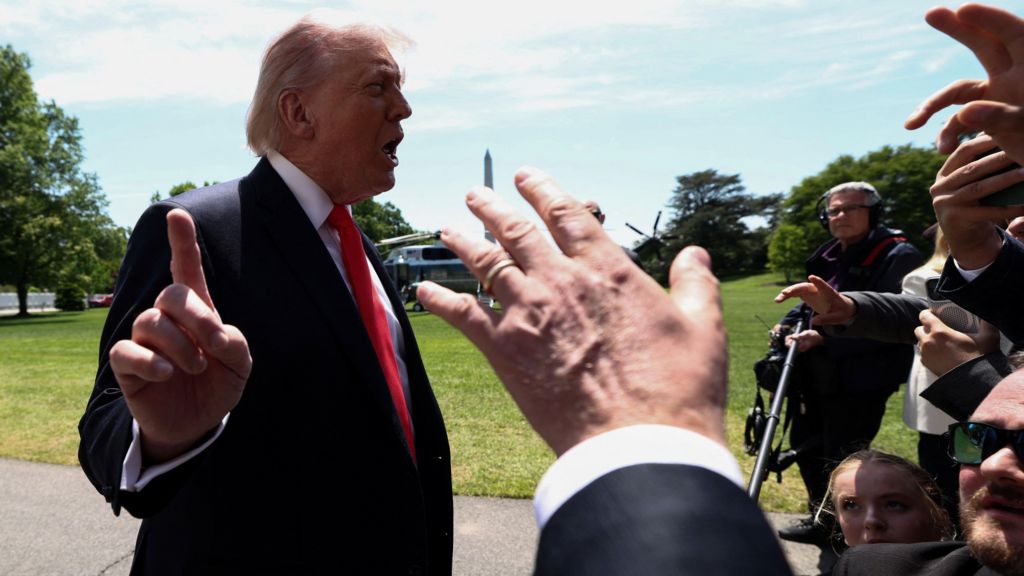
‘Quiet, quiet, quiet!’ – What triggers Trump to shut down reporters?
Moments of tension between sitting presidents and the White House press corps are nothing new in American political history, but few have produced as many dramatic, public confrontations as those involving former President Donald Trump. Time and again, heated exchanges have ended with Trump cutting off questioning, sharply silencing reporters who push him on topics he would prefer to ignore. After one recent heated confrontation where Trump lashed out at a journalist and abruptly ended their question, the BBC has launched a deeper examination into the specific lines of inquiry that consistently spark the former president’s irritation and push him to shut down press access.
Over his time in office and continuing through his post-presidency activities, Trump has repeatedly clashed with reporters, labeling critical coverage as “fake news” and attacking individual journalists personally. The pattern of cutting off questioning tends to emerge most often when reporters press on topics that touch on controversies surrounding Trump: investigations into his 2016 campaign’s ties to Russia, his handling of classified documents after leaving office, ongoing legal challenges related to his business practices, and questions about his role in the January 6 Capitol riot. These topics cut directly to ongoing legal and political threats that Trump has worked to frame as illegitimate political persecution, and he often refuses to engage with any line of questioning that highlights these vulnerabilities.
Political analysts note that Trump’s confrontational approach to the press is not just an impulsive reaction, but a calculated political strategy. By shutting down questions he dislikes and attacking the reporter asking them, Trump reinforces his narrative to his base that mainstream media is inherently biased against him, motivating supporters and turning negative coverage into a fundraising and political opportunity. Even so, the frequent outbursts and refusal to engage with critical questions have raised ongoing concerns among press freedom advocates about the erosion of norms surrounding press access and government transparency in American politics.
-
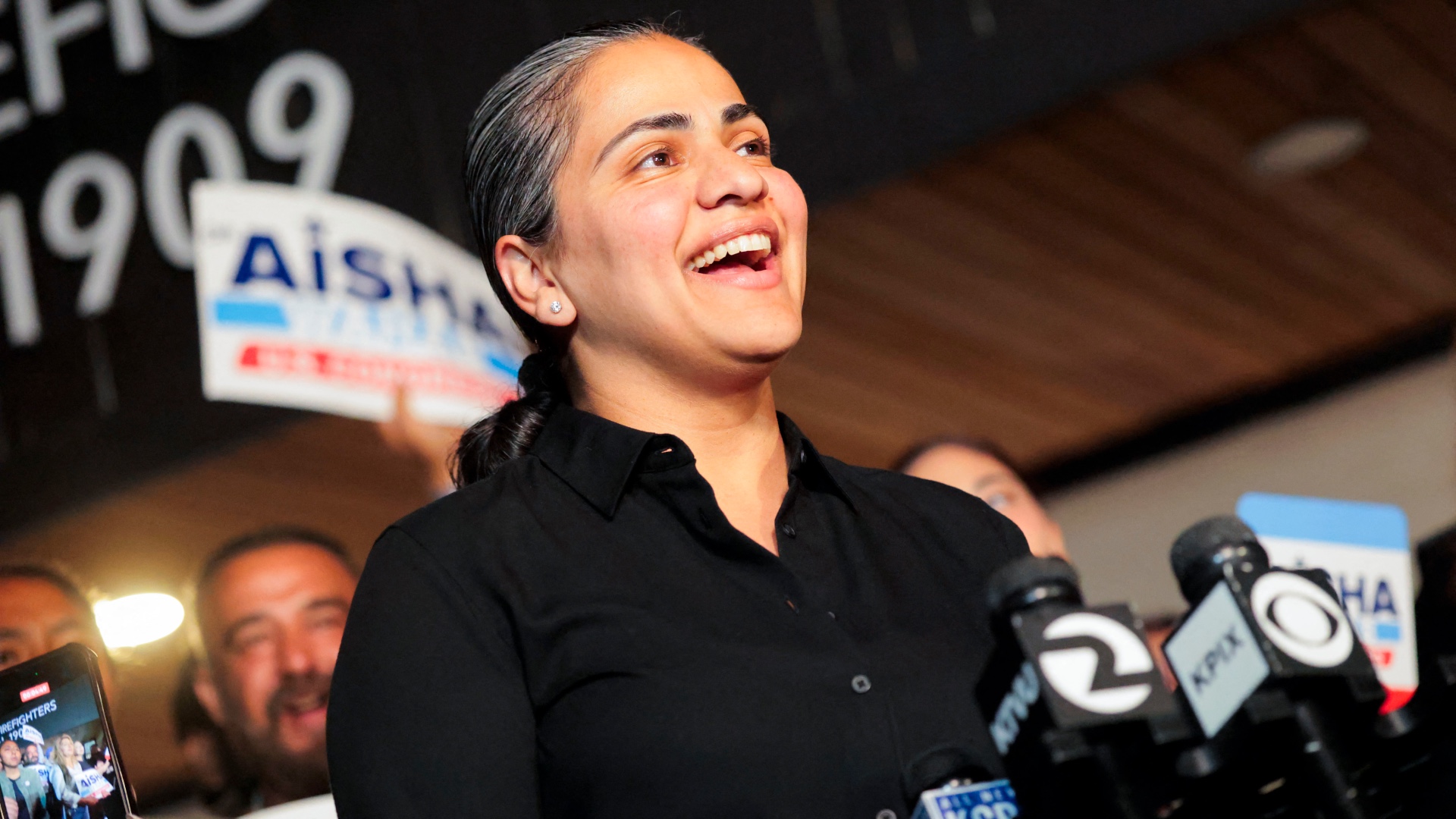
US elections: Aisha Wahab becomes first Afghan-American in Congress
California has made history by electing the first Afghan-American member of the U.S. Congress, after progressive state senator Aisha Wahab overcame a $2.5 million opposition campaign funded by major pro-Israel lobbying group AIPAC to claim victory in a tight congressional runoff.
State election officials declared Wahab the winner of California’s 14th Congressional District runoff on Thursday, 48 hours after polls closed. The Bay Area district, which stretches along the northern edge of San Jose and includes the populous cities of Fremont and Hayward, became an unexpected political battleground after the seat was vacated earlier this year.
The vacancy opened when former Democratic Congressman Eric Swalwell resigned in the wake of public sexual misconduct allegations. His unexpired term runs through January 2025, meaning Wahab will first serve out the remaining months of that term before competing in the November 2024 general election to win a full two-year term of her own in the U.S. House of Representatives.
Wahab, 39, advanced to the runoff alongside her opponent, moderate candidate Melissa Hernandez, after neither candidate hit the required 50% vote threshold in the state’s June nonpartisan primary. Neither candidate centered the Israeli-Palestinian conflict in their platforms; both campaigns focused heavily on local affordability issues that rank as top priorities for Bay Area voters. But the race drew heavy outside spending after AIPAC invested $2.5 million in negative attack ads targeting Wahab, who has publicly stated that Israel is committing genocide in Gaza. The lobbying group threw its full support behind Hernandez, who has repeatedly affirmed that Israel “has a right to defend itself.”
Wahab’s upset victory marks the second high-profile win for a progressive Muslim candidate over massive pro-Israel outside spending in 2024. Just two weeks prior, Michigan’s Abdul el-Sayed, an Egyptian-American progressive, won the state’s Democratic U.S. Senate primary after overcoming a $50 million opposition campaign from pro-Israel advocacy groups that sought to block his nomination.
This historic win adds another milestone to Wahab’s political career. In 2002, she made history as California’s first Afghan and Muslim state senator, and her personal story is deeply rooted in the district she now represents. Born in New York City, Wahab lost both of her parents during childhood and was raised by an Afghan foster family in the 14th District. Speaking to supporters after her victory, she framed the win as a rebuke to corporate and special interest money that increasingly dominates U.S. electoral politics.