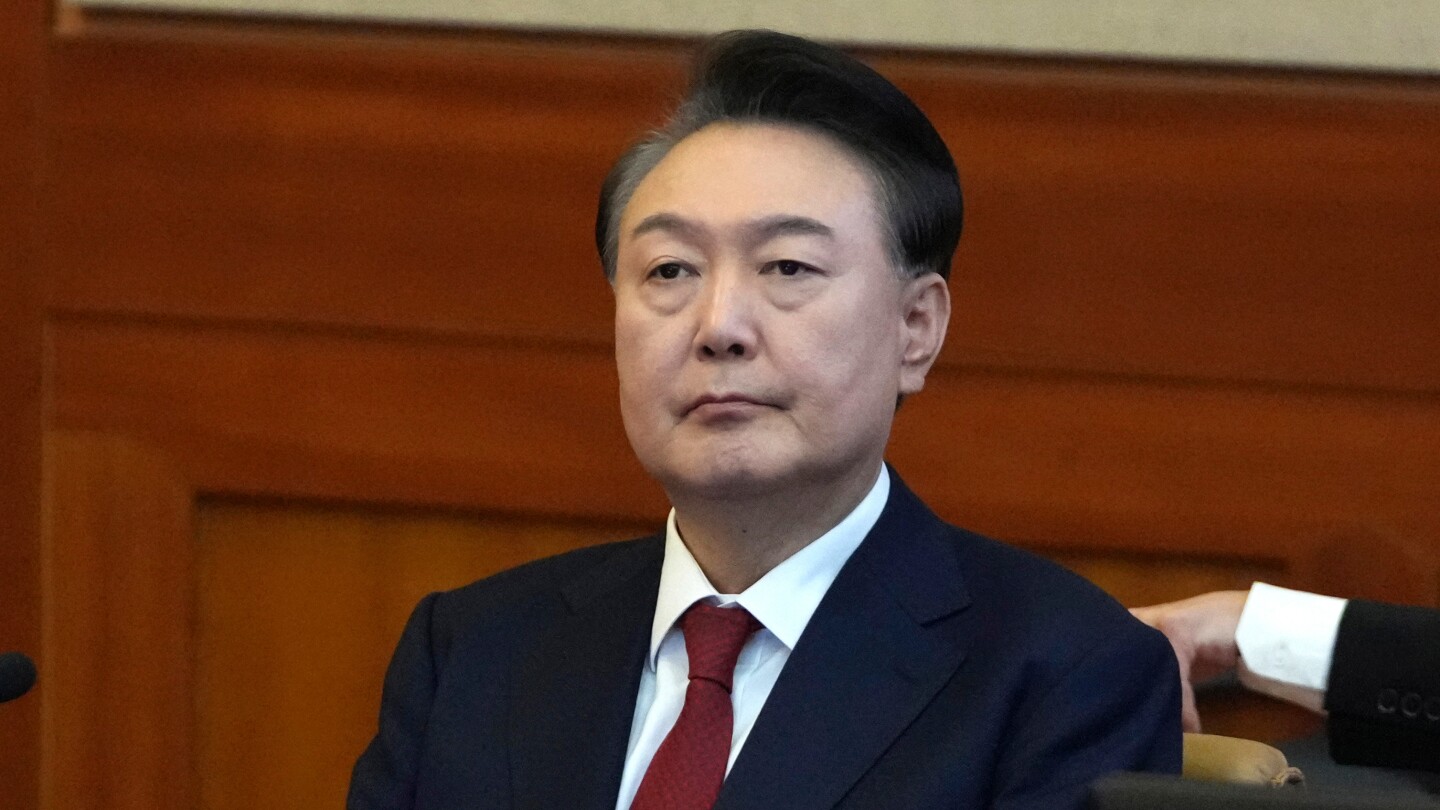
Former South Korean President Yoon Suk Yeol is facing additional criminal charges as prosecutors allege he orchestrated drone flights over North Korea to escalate tensions and justify his controversial declaration of martial law. Yoon, who was impeached and removed from office in December 2024, is already standing trial for charges including masterminding a rebellion. His successor, President Lee Jae Myung, has approved independent investigations into Yoon’s actions, including the martial law declaration and other allegations involving his wife and administration. On Monday, Yoon and two top defense officials were charged with benefitting the enemy and abuse of power related to the alleged drone flights, which occurred two months before martial law was imposed. North Korea accused Seoul of flying drones over Pyongyang in October 2024 to drop propaganda leaflets, a claim initially denied by Yoon’s defense minister but later left unconfirmed by South Korea’s military. Tensions between the two Koreas spiked during this period, though no major military actions were taken. Investigators claim Yoon’s actions aimed to create a pretext for martial law, undermining South Korea’s military interests. Yoon’s defense team has previously denied his involvement in the drone flights. If convicted of rebellion, Yoon could face life imprisonment or the death penalty.
分类: politics
-
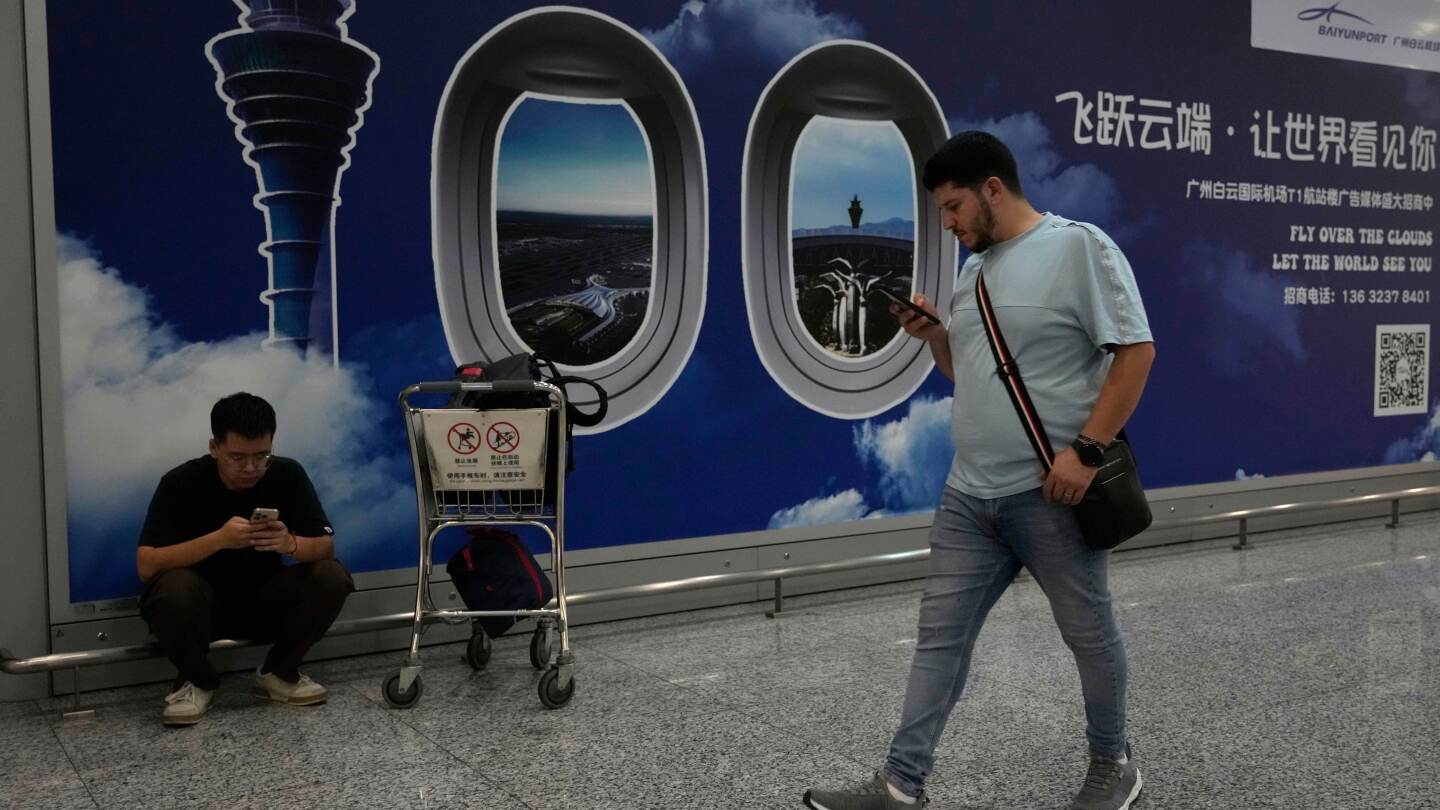
China creates a new visa, competing with the US in wooing global tech talent
In a strategic move to bolster its technological prowess, China has introduced the K-visa program, targeting skilled professionals in science and technology. This initiative comes at a time when the United States is tightening its immigration policies, particularly the H-1B visa program under the Trump administration, making it increasingly difficult for foreign workers to secure employment in the U.S.
-
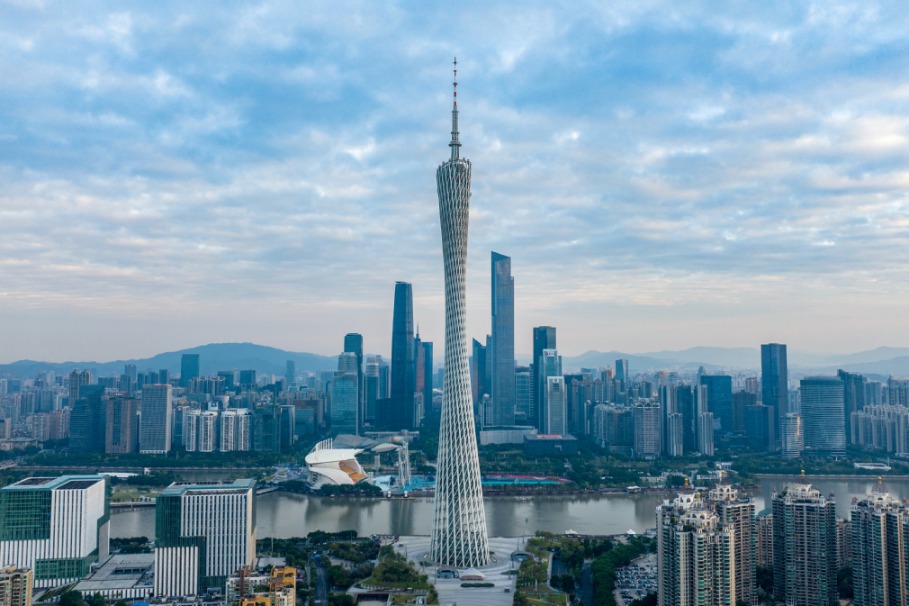
Guangdong urged to drive high-quality development
President Xi Jinping has emphasized the need for Guangdong province to spearhead high-quality development through comprehensive reform and opening-up. During a two-day inspection tour concluding on Saturday, Xi, who also serves as the General Secretary of the Communist Party of China Central Committee and Chairman of the Central Military Commission, highlighted Guangdong’s pivotal role in shaping the nation’s 15th Five-Year Plan (2026-30). This plan, adopted during the fourth plenary session of the 20th CPC Central Committee, outlines China’s developmental trajectory over the next five years. Guangdong, with a GDP of 14.16 trillion yuan ($1.99 trillion) in 2024, has consistently led the nation’s economic rankings for 36 years. Xi urged the province to leverage its strengths in science and technology, foster a modern industrial system, and deepen cooperation with Hong Kong and Macao to advance the Guangdong-Hong Kong-Macao Greater Bay Area (GBA) into a world-class city cluster. The GBA, comprising Hong Kong, Macao, and nine cities in Guangdong’s Pearl River Delta, is seen as a bridgehead for China’s reform and high-level opening-up. Xi’s visit also included a stop in Meizhou, where he inspected efforts to revitalize rural areas and support old revolutionary base areas. Experts noted that Xi’s tour underscores China’s commitment to deepening reform and opening-up, with the GBA playing a crucial role in integrating global industrial chains and driving domestic innovation.
-
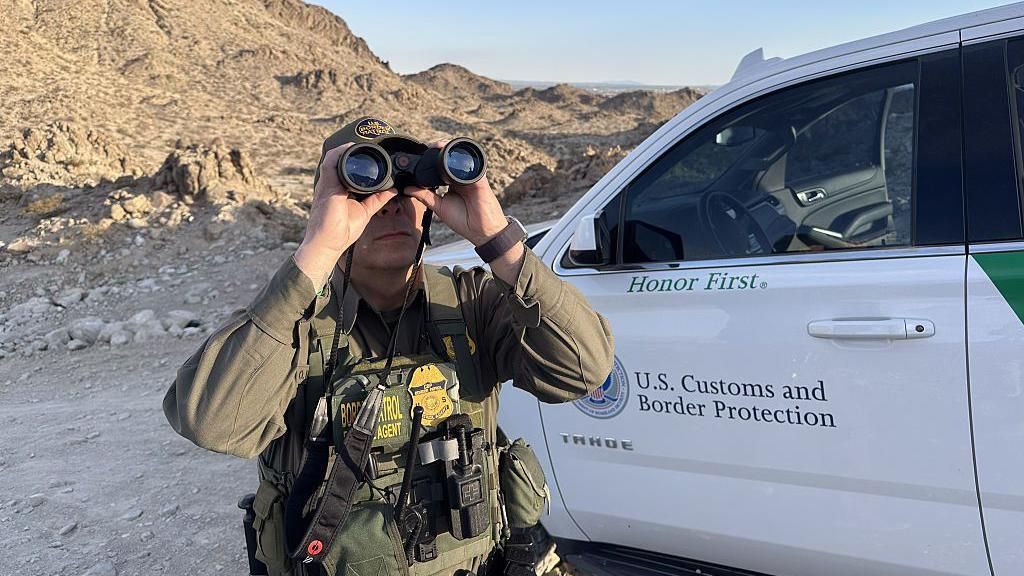
‘Chaos has gone’ – quiet streets on Texas border after Trump crackdown
The Trump administration has significantly intensified enforcement efforts along the entire US-Mexico border, particularly in the El Paso area, leading to a stark reduction in migrant crossings. This shift marks a dramatic change from the chaotic scenes witnessed during the Biden administration, where migrant encampments and overcrowded shelters were commonplace.
-
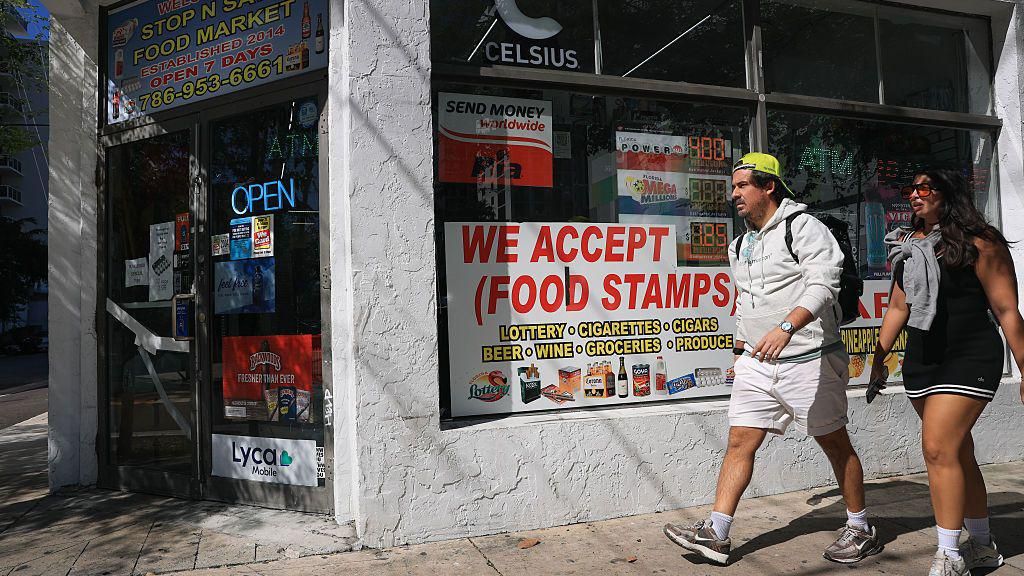
Trump administration tells states to stop paying full food aid benefits
The Trump administration has mandated that U.S. states cease providing full Supplemental Nutrition Assistance Program (SNAP) benefits to low-income families, labeling such payments as ‘unauthorized.’ This directive, issued by the U.S. Department of Agriculture (USDA), which oversees SNAP, follows a Supreme Court decision permitting the administration to withhold a portion of funding pending further legal proceedings. As a result, states are now required to distribute only 65% of the usual benefits. This development affects over 42 million Americans who depend on SNAP, commonly known as food stamps, and comes amidst the longest government shutdown in U.S. history. Previously, some states had utilized emergency funds to supplement recipient benefits, but the USDA’s recent memo insists that states immediately reverse any actions taken to issue full benefits for November 2025. The legal dispute arose after the USDA announced that SNAP benefits would be suspended in November due to funding shortages caused by the shutdown. The White House sought intervention from the Supreme Court after a lower court ruled that full benefits should be disbursed. On Friday, the Supreme Court issued an emergency order, temporarily allowing the administration to withhold $4 billion in SNAP funding. SNAP, which supports approximately one in eight Americans, costs nearly $9 billion monthly.
-
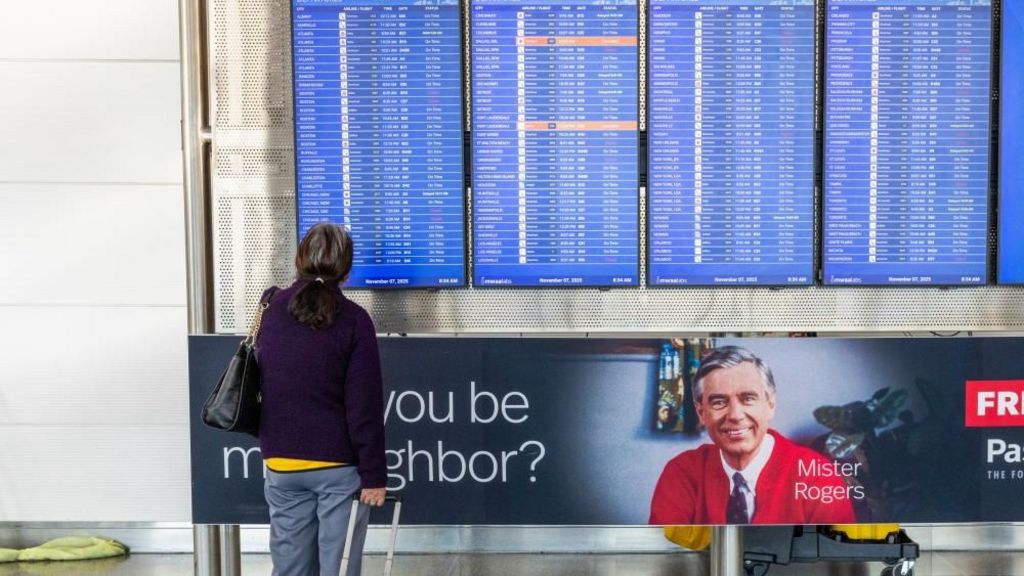
Shutdown could reduce US flights ‘to a trickle’, transport secretary warns
The ongoing US government shutdown has severely disrupted air travel for the third consecutive day, with Transportation Secretary Sean Duffy warning that air traffic could dwindle to a mere trickle if the stalemate persists. According to FlightAware, approximately 1,400 flights to, from, or within the US were canceled, and 2,700 were delayed on Sunday morning. Newark, New Jersey, experienced the longest delays, averaging over two hours.
In a glimmer of hope, US media reports indicate that lawmakers are negotiating a potential compromise to resolve the funding crisis and end the shutdown. The Senate convened for a rare weekend session on Sunday to address the issue. Duffy emphasized the escalating severity of the situation, cautioning that Thanksgiving travel plans could be jeopardized if a resolution is not reached soon.
The Federal Aviation Administration (FAA) announced last week that it would reduce air travel capacity by up to 6% this weekend and 10% by next weekend at 40 of the nation’s busiest airports. While international flights remain unaffected, some airlines may opt to cancel them. The reduction in air traffic allowances stems from air traffic controllers, who are unpaid during the shutdown, reportedly experiencing fatigue and absenteeism.
Defense Secretary Pete Hegseth offered to deploy military air traffic controllers to assist, but Duffy declined, citing their lack of certification for civilian airports. The shutdown, now in its 40th day, has left hundreds of thousands of federal workers unpaid since October 1. Low-income Americans relying on food assistance have also been impacted, with the administration agreeing to cover only half of monthly benefits.
Republicans and Democrats continue to blame each other for the impasse. Democrats insist on including health insurance subsidies in any spending plan, while Republicans seek funding without additional conditions. President Donald Trump recently proposed sending money directly to Americans for health insurance purchases rather than to insurance companies. Republican senators are reportedly crafting a compromise package, with a potential vote on legislation expected on Sunday.
-
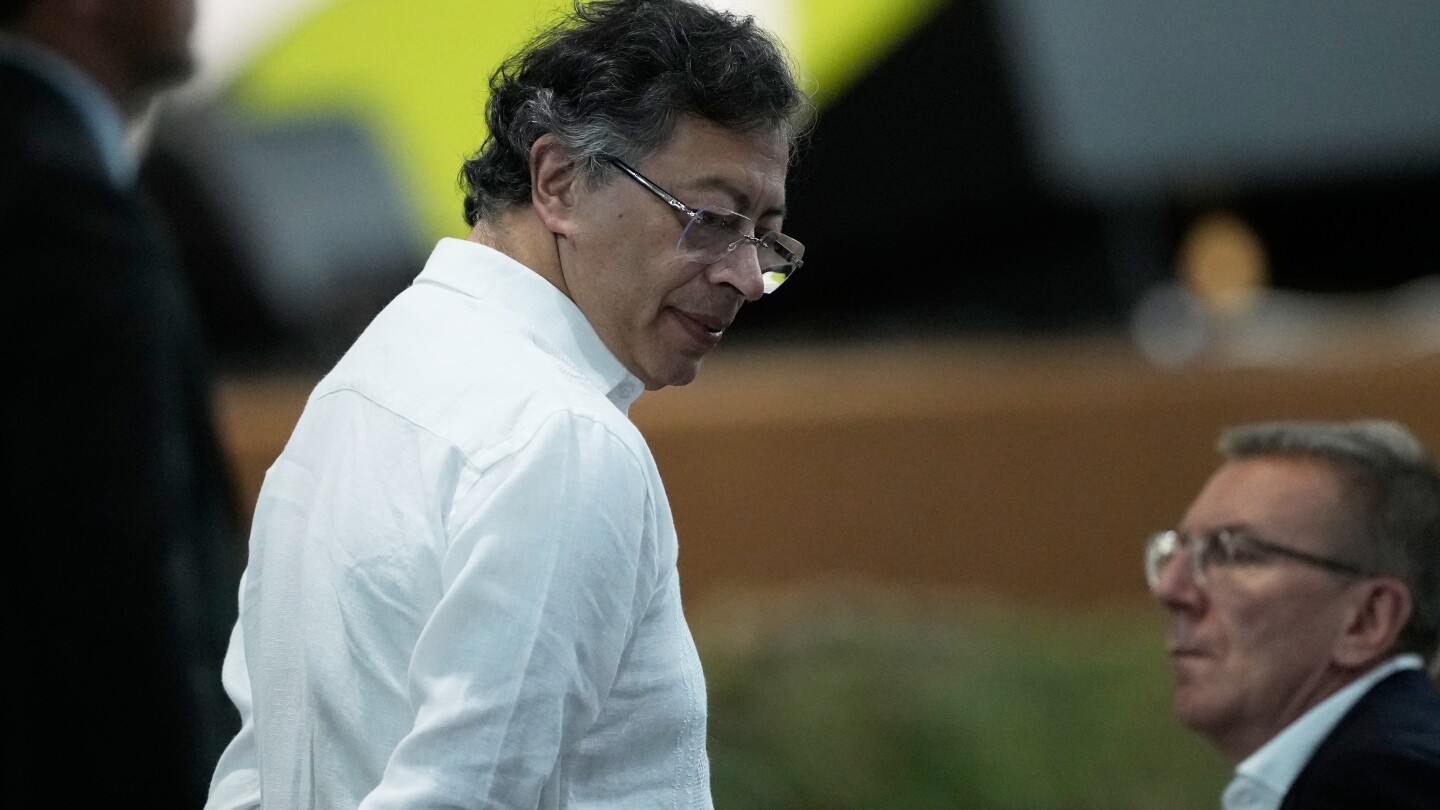
Summit of EU, Latin America and Caribbean nations aims to strengthen ties amid US military operation
BOGOTA, Colombia — A pivotal two-day summit between the Community of Latin American and Caribbean States (CELAC) and the European Union (EU) commenced on Sunday in Colombia, aiming to bolster regional ties amidst escalating tensions over U.S. military operations targeting alleged drug-carrying vessels. However, the summit’s significance has been questioned due to the absence of several high-profile leaders, including European Commission President Ursula von der Leyen and German Chancellor Friedrich Merz. Colombian officials attributed these absences to scheduling conflicts with the ongoing United Nations climate summit, emphasizing the participation of Spanish Prime Minister Pedro Sánchez and Brazilian President Luiz Inácio Lula da Silva as key attendees. The summit, hosted in Santa Marta, is expected to focus on renewable energy, food security, financing, and technological cooperation, with the signing of the Declaration of Santa Marta as a primary objective. However, the U.S. military operations in the Caribbean Sea and Eastern Pacific, which have resulted in over 60 fatalities since September, are likely to dominate discussions. Colombian President Gustavo Petro, a vocal critic of the operations, has condemned the deaths as “extrajudicial executions” and highlighted the involvement of Colombian citizens among the victims. The summit represents a critical opportunity for regional leaders to address the contentious issue of U.S. military deployment, particularly as the United States is not a participant in the event. Brazilian President Lula’s unexpected attendance underscores the summit’s importance, with Brazil’s Foreign Ministry noting that discussions on U.S. military actions in Venezuela and the Caribbean are inevitable. Lula has urged Latin American nations to prevent conflict in Venezuela, drawing parallels to past U.S. involvement in regional peace efforts. The summit’s outcomes remain uncertain, but it serves as a platform for frank dialogue on pressing regional and global challenges.
-

Will NYC mayor-elect Zohran Mamdani who lives in 1BHK move to ancient mansion?
Zohran Mamdani, the newly elected mayor of New York City, may soon trade his modest one-bedroom apartment in Astoria, Queens, for the grandeur of Gracie Mansion, the city’s official mayoral residence. Currently residing in a $2,300-a-month rent-stabilized apartment, Mamdani has expressed concerns about the space’s limitations, particularly after recent plumbing issues. His current home, a 1929 low-rise building, lacks the security and amenities that come with Gracie Mansion, a 226-year-old, 11,000-square-foot estate on the Upper East Side.
-
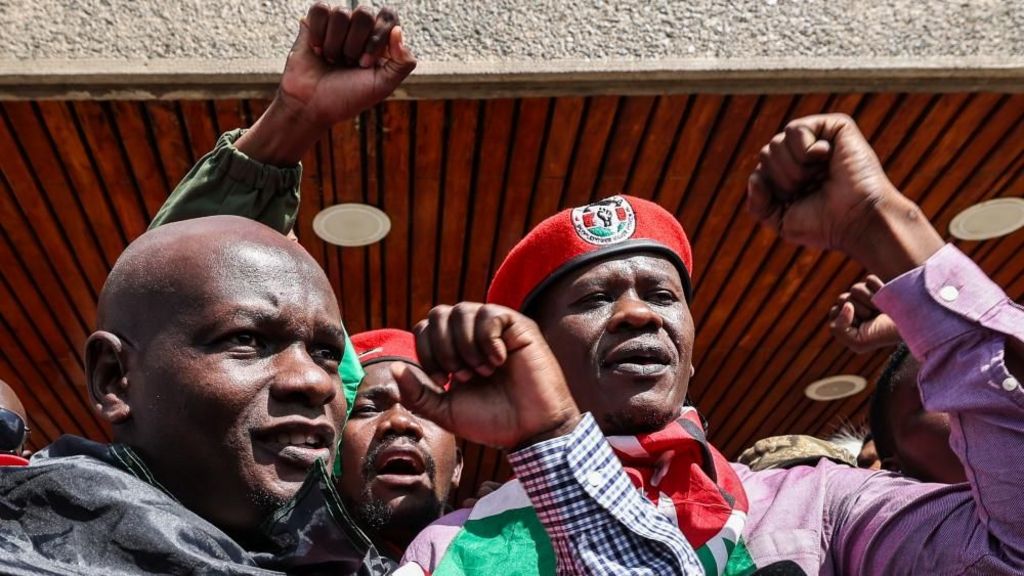
Uganda president admits Kenyan activists were arrested and held in ‘the fridge’
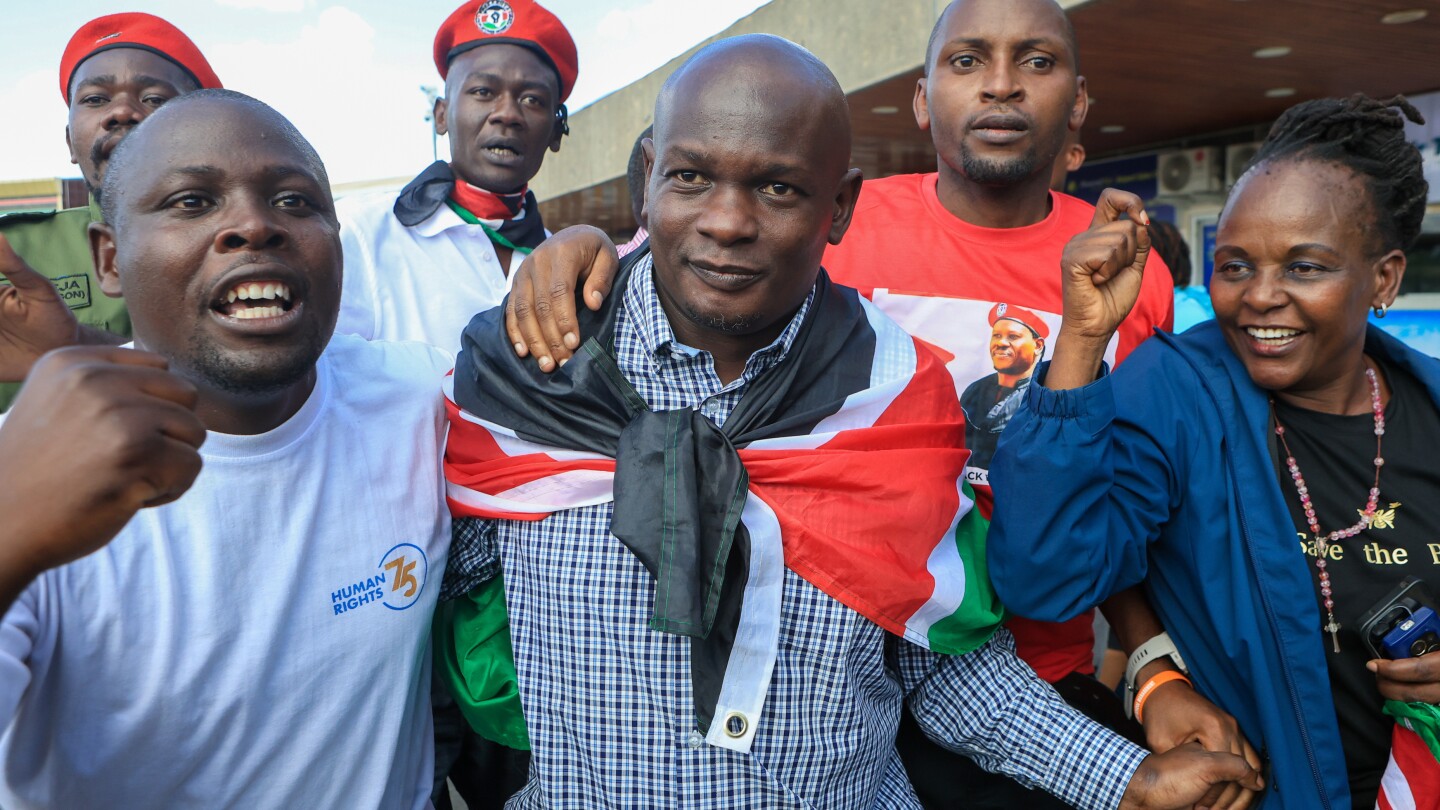
Ugandan President Yoweri Museveni has publicly acknowledged the arrest of two Kenyan activists, Bob Njagi and Nicholas Oyoo, who were missing for five weeks. The activists were reportedly abducted by masked uniformed men after attending a political event in support of Ugandan opposition leader Bobi Wine. Their release was confirmed on Saturday, following weeks of denial by Ugandan authorities. Museveni, in a live interview, referred to the duo as ‘experts in riots’ and claimed they were ‘put in the fridge for some days.’ He attributed their release to pressure from ‘some Kenyan leaders.’ The activists were greeted by supporters upon their return to Nairobi, where Njagi recounted the harrowing 38-day ordeal, stating they feared for their lives. Kenya’s Foreign Minister, Musalia Mudavadi, highlighted the role of sustained diplomatic efforts in securing their freedom. Activist groups, including Vocal Africa, the Law Society of Kenya, and Amnesty International, praised the release as a step toward safeguarding human rights in the East African Community. This incident underscores ongoing concerns about the suppression of dissent in the region, with similar cases of enforced disappearances and detentions reported in recent years. Bobi Wine, Museveni’s political rival, accused the Ugandan government of targeting the activists for their association with him. The case has reignited debates about the collaboration of East African governments in curbing opposition voices.
-
Kenyan activists released from Ugandan detention after Museveni confirms arrest
Two Kenyan activists, Bob Njagi and Nicholas Oyoo, have been released from detention in Uganda after being held for over a month. The arrests occurred on October 1, shortly after the activists attended a rally organized by Bobi Wine, President Yoweri Museveni’s most prominent political challenger. Museveni accused the duo of collaborating with the opposition to destabilize his government ahead of the January general election. Initially, the Ugandan government denied any involvement in the arrests. However, after weeks of diplomatic negotiations led by Kenya’s Foreign Affairs Minister Musalia Mudavadi, the activists were released to the Kenyan ambassador. The pair returned to Kenya on Saturday, alleging they were detained in a military facility under “inhumane conditions” guarded by Ugandan special forces. Museveni, who has been in power since 1986 and is seeking a seventh term, warned that any attempts to protest in Uganda would “end up badly,” referencing the deadly November 2020 protests following Bobi Wine’s arrest. He also stated that Kenyan officials had requested the activists’ release or prosecution. Museveni’s critics accuse him of authoritarianism, citing his suppression of opposition voices within and outside his National Resistance Movement party.