分类: politics

  • Iran-US talks expected Thursday despite fears of strikes

    Iran-US talks expected Thursday despite fears of strikes

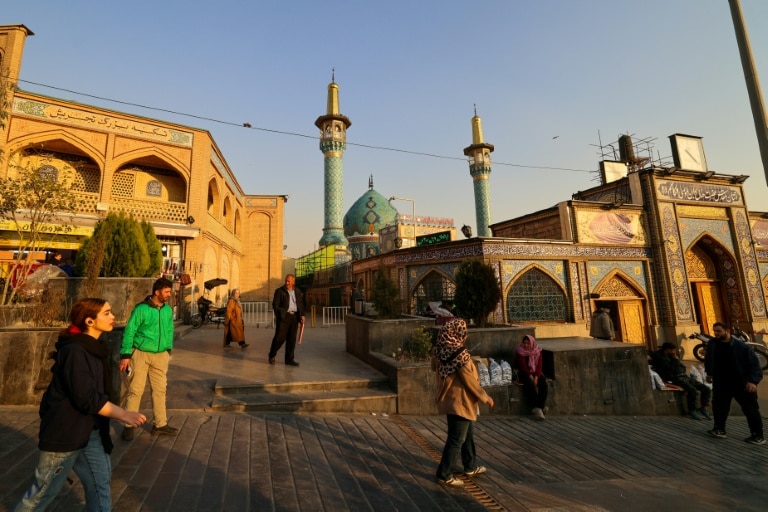
    Diplomatic efforts between Iran and the United States are set to resume on Thursday in Geneva, offering a potential pathway to de-escalate rising military tensions in the Middle East. The negotiations, mediated by Oman, occur against a backdrop of intensified U.S. military presence and domestic unrest within Iran.

    Iranian Foreign Minister Abbas Araghchi expressed cautious optimism in a recent CBS News interview, noting that draft proposals for a nuclear agreement are being prepared. “There is a good chance to have a diplomatic solution,” Araghchi stated, while simultaneously asserting Iran’s right to self-defense should military conflict arise. He emphasized Tehran’s sovereign right to pursue uranium enrichment for civilian purposes—a persistent point of contention with Western nations.

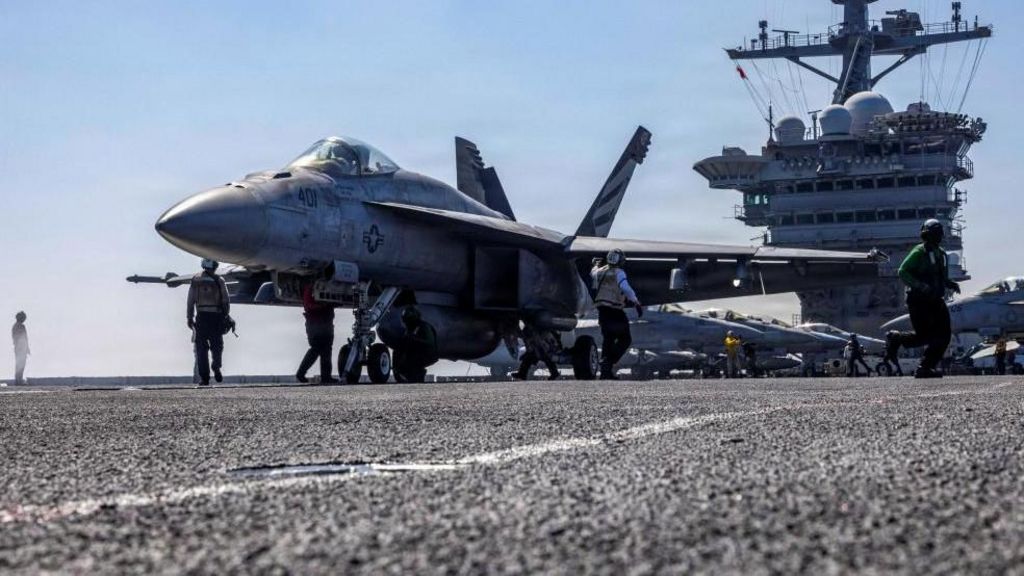
    The U.S. has significantly bolstered its military footprint in the region, deploying two aircraft carriers along with additional jets and naval assets. President Donald Trump’s chief Middle East negotiator, Steve Witkoff, publicly questioned why Iran had not yet “capitulated” to American demands, underscoring the administration’s maximum pressure campaign.

    Domestically, Iran faces substantial challenges. Widespread protests over economic conditions have evolved into broader anti-government demonstrations, met with a severe crackdown that human rights groups report has resulted in thousands of fatalities. Competing student rallies—both supporting and condemning the government—highlight the deep societal divisions.

    The geopolitical stakes extend beyond bilateral relations. Iraqi-based Kurdish-Iranian factions recently announced a coalition aimed at overthrowing Iran’s Islamic system, further complicating regional stability. Multiple countries, including Sweden and Australia, have advised their citizens to leave Iran due to security concerns.

    Despite these tensions, Omani Foreign Minister Badr Albusaidi confirmed the talks would proceed with “a positive push to go the extra mile,” reflecting a shared, albeit fragile, commitment to dialogue. The outcome of Thursday’s meeting could determine whether diplomacy prevails or the region edges closer to open conflict.
  • France to summon US ambassador over comments on slain far-right activist

    France to summon US ambassador over comments on slain far-right activist

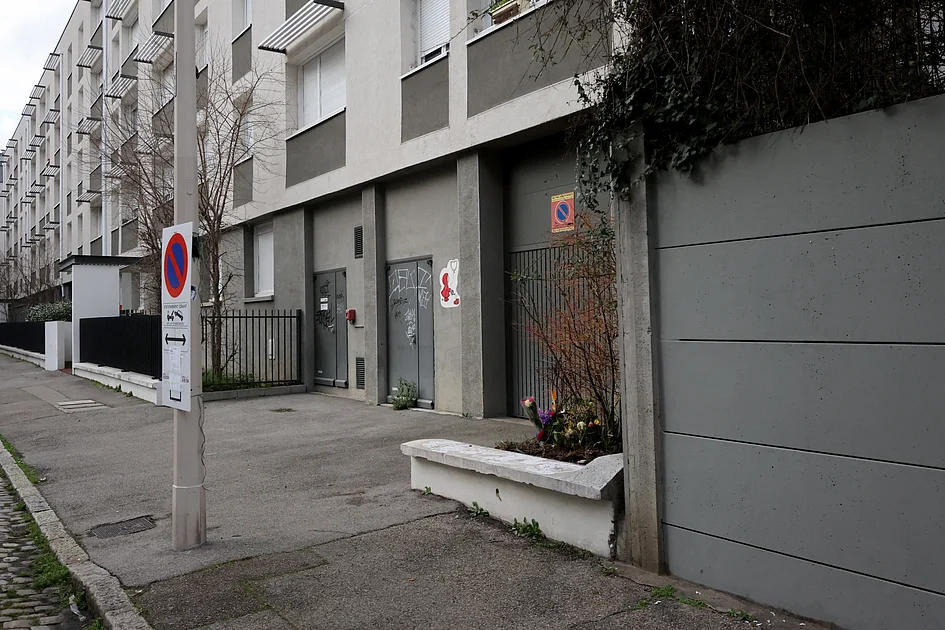
    France has announced it will formally summon the United States ambassador following controversial remarks by the Trump administration regarding the killing of a far-right activist in France. The diplomatic move comes as tensions escalate between the two nations over what Paris considers inappropriate interference in its domestic affairs.

    French Foreign Minister Jean-Noel Barrot confirmed the summons during a Sunday media appearance, stating that the U.S. Embassy’s commentary on the tragic incident involving radical far-right activist Quentin Deranque warranted a formal diplomatic response. Barrot emphasized that France ‘rejects any attempt to use this tragedy for political purposes’ and considers the matter one that exclusively concerns the French national community.

    The controversy stems from statements issued by President Donald Trump’s administration that condemned ‘violent radical leftism’ for its alleged role in Deranque’s fatal beating. The U.S. administration called for those responsible to be ‘brought to justice,’ a position that French authorities view as undue interference in an ongoing judicial investigation.

    This diplomatic friction occurs against a backdrop of existing trade tensions between the two nations, including recent threats of 200% tariffs on certain French goods by the Trump administration. The summoning of the American ambassador represents a significant escalation in diplomatic rhetoric and underscores the delicate nature of Franco-American relations during this period.

    The incident highlights the complex challenges facing international diplomacy when domestic tragedies become subjects of foreign political commentary, particularly when involving sensitive issues of political violence and ideological extremism.

  • Philippines braces for possible protests amid ex president Duterte’s ICC hearings

    Philippines braces for possible protests amid ex president Duterte’s ICC hearings

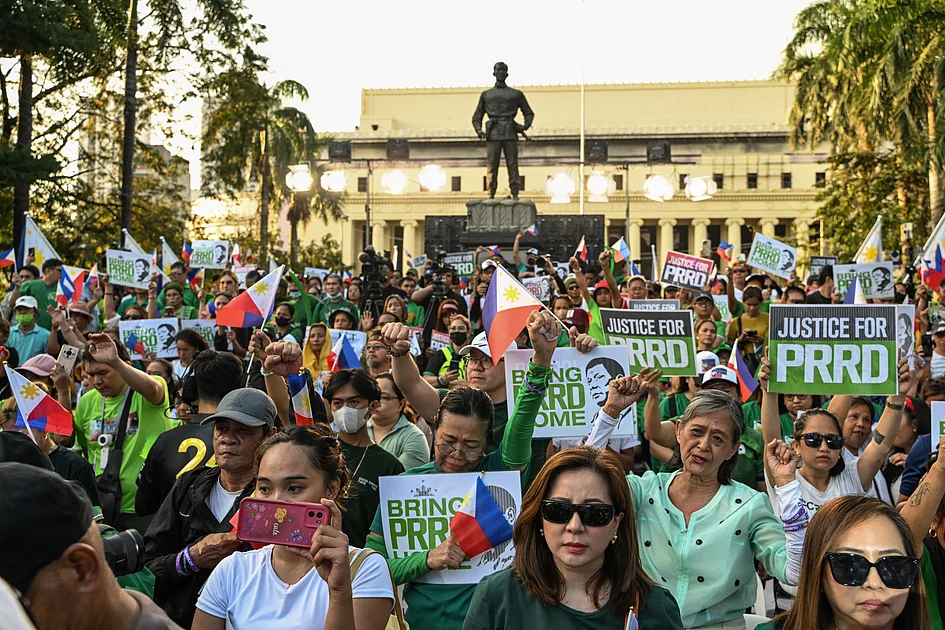
    The Philippine National Police (PNP) has elevated its alert status nationwide in anticipation of potential demonstrations surrounding former President Rodrigo Duterte’s inaugural International Criminal Court (ICC) proceedings. Police General Jose Melencio Nartatez, PNP Chief, confirmed Sunday that security forces are maintaining vigilant surveillance regarding possible mass gatherings connected to the high-profile case.

    Authorities have implemented comprehensive security protocols to safeguard public order during any organized activities. “Our personnel will be present to protect citizens’ rights and ensure peaceful conditions regardless of group affiliations,” Nartatez stated, emphasizing the commitment to balanced law enforcement.

    The ICC hearings, scheduled for February 23-24 and 26-27, will address the confirmation of criminal charges against the former leader. Duterte remains in ICC custody since March 2025, facing allegations of crimes against humanity stemming from his controversial anti-drug initiative during both his presidential term and earlier tenure as Davao City mayor.

    Notably, the ICC Pre-Trial Chamber I has approved Duterte’s request to be absent from the confirmation proceedings. The former president has consistently rejected the court’s jurisdiction over his case, describing himself as “old, tired and frail” while acknowledging the possibility of dying in detention.

    The legal journey began with an initial ICC complaint filed in June 2017. Duterte subsequently initiated the Philippines’ withdrawal from the Rome Statute in March 2018, which took full effect in March 2019. However, the ICC maintains jurisdiction over alleged offenses occurring between November 1, 2011, and March 16, 2019—the period when the Philippines remained a state party to the international court.

  • ‘No thanks’: Greenland, Denmark reject Trump’s hospital ship offer

    ‘No thanks’: Greenland, Denmark reject Trump’s hospital ship offer

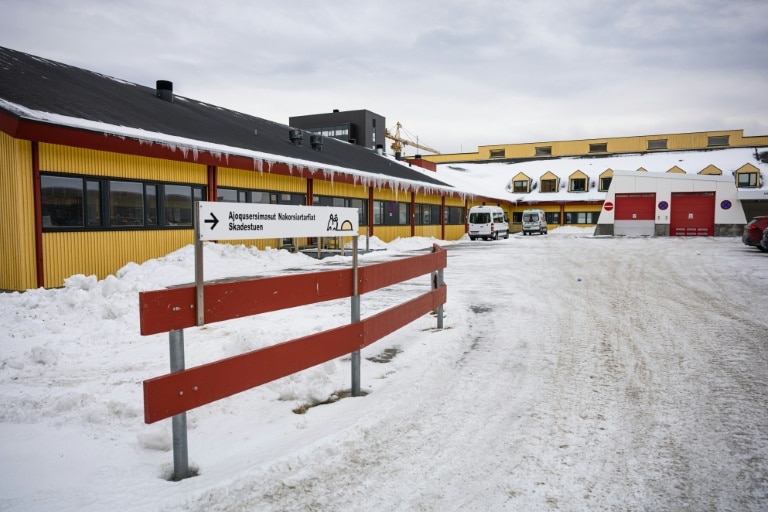
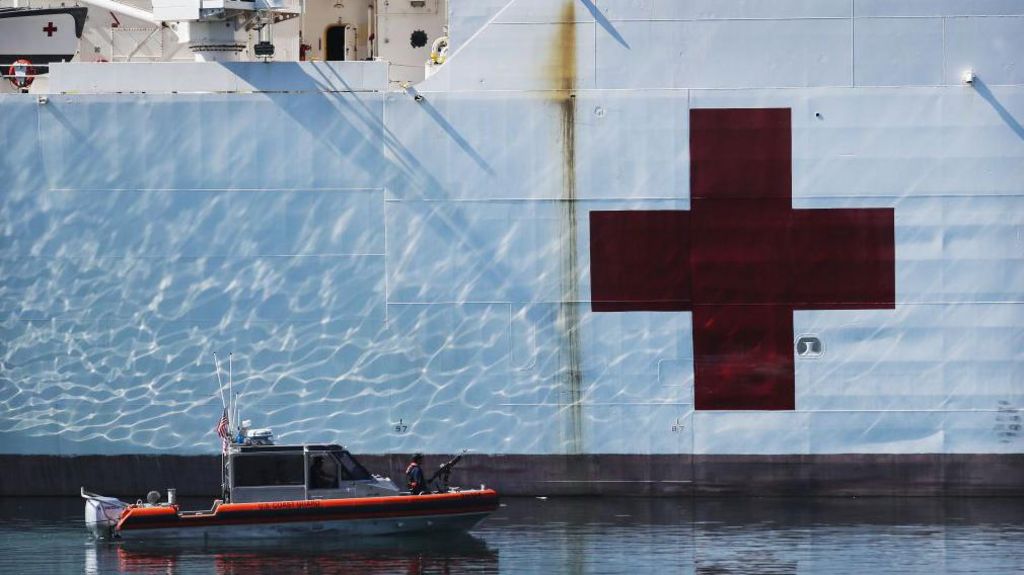
    In a diplomatic rebuff, the governments of Denmark and its autonomous territory, Greenland, have formally declined an offer from former U.S. President Donald Trump to dispatch a U.S. naval hospital ship to the Arctic island. The proposal, which Trump announced on his Truth Social platform alongside an AI-generated image of the USNS Mercy, was met with a firm and public rejection.

    Greenlandic Prime Minister Kim Kielsen, leading the autonomous government, articulated the refusal on social media, stating, ‘That will be ‘no thanks’ from us.’ He emphasized the territory’s commitment to its existing, fully public healthcare system, noting, ‘We have a public health system where care is free for citizens. This is not the case in the United States, where going to the doctor costs money.’ This sentiment was echoed by Danish Defence Minister Troels Lund Poulsen, who confirmed to national media that Greenlandic citizens receive all necessary medical care either locally or through specialized treatment in Denmark, negating any requirement for external assistance.

    The offer emerged concurrently with a real medical evacuation, where Danish forces airlifted a sailor from a U.S. submarine off the coast of Nuuk. However, officials were quick to clarify that this incident was routine and unrelated to the political proposal. The rejection also underscores a broader geopolitical context. Trump has repeatedly expressed a strategic interest in Greenland, previously suggesting its purchase for national security reasons. This latest episode, described by Danish officials as part of a ‘new normal’ in international politics, reflects ongoing tensions and the complex diplomatic relationship between the U.S. and its Arctic allies.

    Further highlighting the contrast between the two nations’ systems, Danish Prime Minister Mette Frederiksen expressed pride in Denmark’s model of free and equal healthcare access. The rejection was supported by Aaja Chemnitz, Greenland’s representative in the Danish Parliament, who acknowledged challenges within Greenland’s health system but asserted they are best addressed through its existing partnership with Denmark, a nation she contrasted with the U.S. due to its own well-documented healthcare struggles.

  • Trump curious why Iran has not ‘capitulated’, US envoy Witkoff says

    Trump curious why Iran has not ‘capitulated’, US envoy Witkoff says

    Amid escalating tensions in the Middle East, U.S. President Donald Trump has expressed bewilderment at Iran’s refusal to capitulate despite significant American military deployments near its borders. Presidential envoy Steve Witkoff revealed to Fox News that Trump remains “curious” about Tehran’s resilience after Washington threatened limited military strikes should nuclear negotiations collapse.

    The geopolitical standoff unfolds against a backdrop of renewed civil unrest within Iran, where verified footage shows anti-government demonstrations erupting at multiple universities—the largest since January’s deadly crackdown that reportedly claimed thousands of lives. At Sharif University of Technology, protesters raised pre-revolutionary flags while chanting monarchist slogans, clashing with government supporters who burned U.S. and Israeli flags.

    Despite these tensions, diplomatic channels remain active. Iranian Foreign Minister Abbas Araghchi stated negotiations continue on a “win-win” framework, with Tehran preparing a draft agreement for presentation to U.S. officials. Indirect talks mediated by Oman in Geneva on February 17 showed reported progress, with another round scheduled for the coming days.

    The U.S. military buildup includes the advanced USS Gerald R. Ford carrier group and USS Abraham Lincoln strike force—a show of force that Trump suggested might culminate in action within “10 days” if diplomacy fails. This deployment represents the largest concentration of naval power near Iranian waters in recent years.

    Human rights organizations report staggering casualty figures from January’s unrest, with Hrana documenting over 7,000 deaths—a figure Iranian authorities contest, claiming most casualties were security personnel caught in riot violence. The administration’s mixed approach of military pressure and diplomatic engagement reflects the complex calculus surrounding Iran’s nuclear ambitions and internal stability.

  • Iran’s leader ‘entrusts’ security chief to run country in case of war, assassination

    Iran’s leader ‘entrusts’ security chief to run country in case of war, assassination

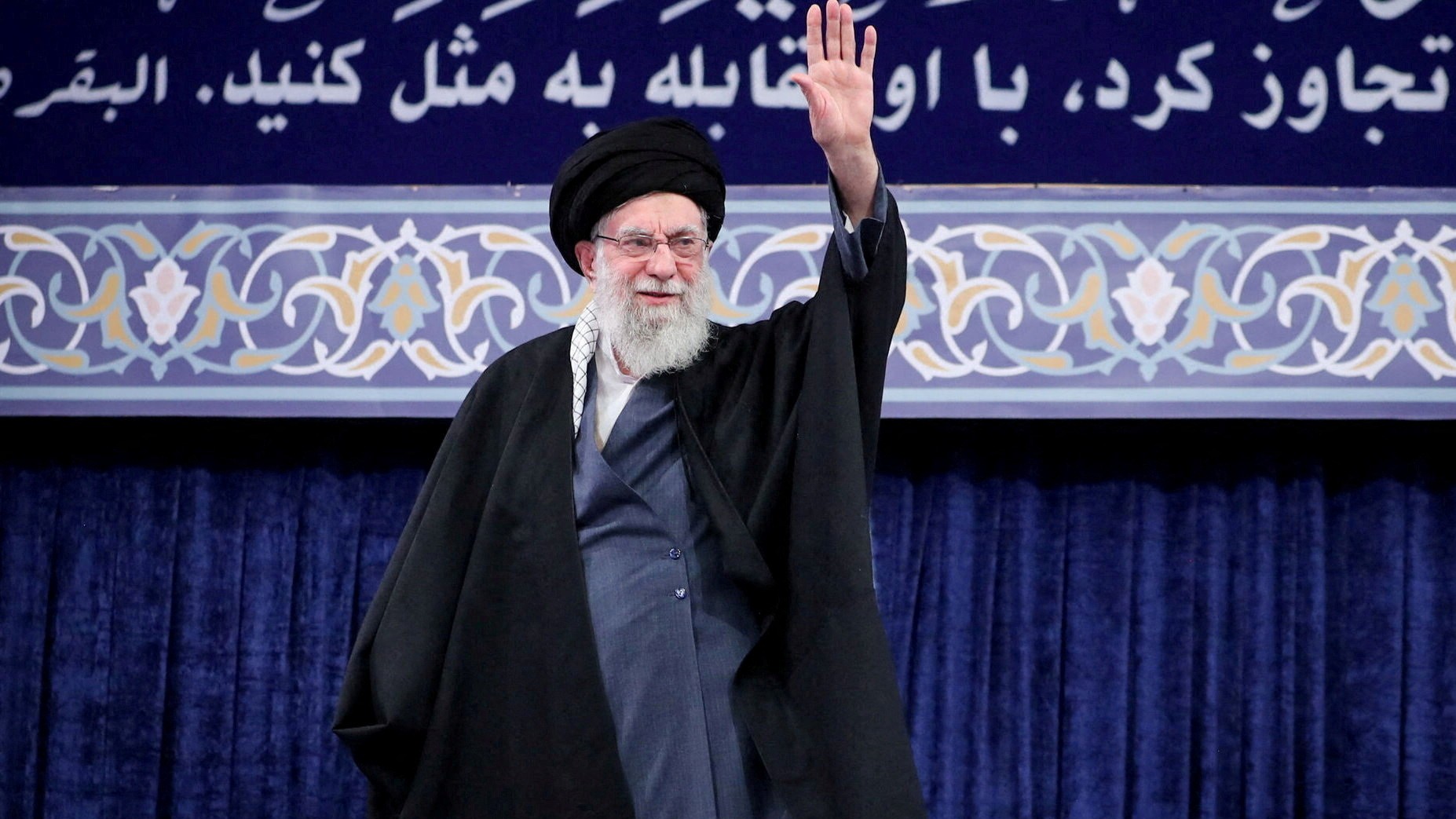
    In a significant revelation about Iran’s contingency planning, Supreme Leader Ayatollah Ali Khamenei has implemented comprehensive directives to ensure governmental continuity should the nation face external attacks or leadership decapitation. According to intelligence obtained by The New York Times, these measures include a sophisticated four-tier succession framework for both military and civilian leadership positions.

    The strategic blueprint designates Ali Larijani, Secretary of Iran’s Supreme National Security Council, as a pivotal figure in maintaining national stability. While Larijani cannot assume the Supreme Leadership due to religious qualifications (requiring senior Shia clerical status), he emerges as the central operational authority should upper echelons be compromised. The network of potential successors also includes Parliament Speaker Mohammad-Bagher Ghalibaf and former President Hassan Rouhani.

    The reporting further illuminates the intricate power dynamics within Iran’s governance structure. Notably, during recent tensions, when U.S. regional envoy Steve Witkoff attempted communication with Foreign Minister Abbas Araghchi following President Trump’s threats, the request was ultimately redirected to Larijani for authorization—bypassing both the foreign minister and President Masoud Pezeshkian. This incident underscores Larijani’s elevated authority in security and foreign policy matters.

    These developments occur against a backdrop of intensified U.S.-Iran hostilities, despite ongoing diplomatic engagements. Recent discreet talks, reportedly facilitated through Omani channels in Cologny, represent efforts to avert military confrontation. Khamenei’s public defiance toward U.S. threats emphasizes Iran’s preparedness for any scenario, with these newly revealed succession plans serving as a concrete manifestation of this strategic posture.

  • EU ‘expects’ US to honour trade deal as Trump hikes tariffs

    EU ‘expects’ US to honour trade deal as Trump hikes tariffs

    The European Commission has issued a firm appeal to the United States government, urging adherence to previously established trade agreements following President Donald Trump’s abrupt imposition of new global tariffs. This development emerges just one day after a significant Supreme Court ruling that deemed substantial portions of Trump’s international tariff strategy unlawful.

    Commission officials emphasized the fundamental principle that “a deal is a deal,” highlighting the European Union’s position as America’s largest trading partner. The statement explicitly called for Washington to honor commitments outlined in the Joint Statement, mirroring the EU’s consistent compliance with its obligations.

    The controversy stems from Trump’s decision to temporarily elevate global import duties to 15% on Saturday—a move that injected fresh uncertainty into international markets. This action directly contradicts the EU-US agreement established last year, which specifically capped tariffs on most European goods at a maximum of 15%.

    European officials have expressed particular concern about the unpredictable application of tariffs, warning that such practices inherently disrupt global markets and undermine confidence throughout international supply chains. The Commission has formally requested comprehensive clarification regarding Washington’s intended course of action following the Supreme Court’s ruling on the International Emergency Economic Powers Act (IEEPA).

    Behind the scenes, diplomatic channels remain active with EU Trade Commissioner Maros Sefcovic maintaining communication with US Trade Representative Jamieson Greer and Commerce Secretary Howard Lutnick. While American officials have publicly affirmed their commitment to existing trade deals, European Central Bank President Christine Lagarde acknowledged uncertainty regarding the practical consequences of the judicial decision.

    The political ramifications are already materializing, with the European Parliament’s trade committee postponing its scheduled approval of the EU-US deal pending further legal assessment and explicit commitments from American authorities. Bernd Lange, the committee’s head, characterized the situation as “pure tariff chaos” from the US administration, emphasizing the need for clarity and legal certainty before proceeding.

    Financial analysts at ING bank suggest that Trump’s new tariffs might represent strategic “smoke and mirrors” to create negotiating leverage, potentially enabling alternative tariff justifications based on unfair trade practices or agreement violations. This development marks a substantial judicial rebuke to the administration from a court that has typically supported presidential authority, representing a significant setback to Trump’s signature economic policy that has profoundly disrupted global trade norms.

  • Greenland says ‘no thanks’ to Trump US hospital boat

    Greenland says ‘no thanks’ to Trump US hospital boat

    Greenland’s Prime Minister Jens-Frederik Nielsen has issued a diplomatic rebuke to former U.S. President Donald Trump following his unexpected announcement about deploying a U.S. hospital ship to the Arctic territory. The exchange marks the latest development in Trump’s longstanding interest in Greenland, which he previously attempted to purchase during his presidency.

    Trump took to his Truth Social platform to declare he was dispatching ‘a great hospital boat to Greenland to take care of the many people who are sick, and not being taken care of there,’ accompanied by an illustration of the USNS Mercy, one of two hospital ships operated by the U.S. Navy. The post provided no specifics regarding the timing or motivation behind this decision.

    In a firm response, Prime Minister Nielsen declined the offer, stating unequivocally that ‘it’s going to be a no thanks from us.’ He emphasized Greenland’s robust public healthcare system, noting that ‘we have a public healthcare system where treatment is free for citizens,’ drawing an implicit contrast with the United States’ healthcare model. Nielsen further urged more conventional diplomatic channels, suggesting Trump should ‘talk to us instead of just making more or less random outbursts on social media.’

    The unusual exchange occurs against the backdrop of continued U.S. interest in Greenland’s strategic position. Trump previously attempted to purchase the vast Arctic island during his presidency, though he conceded in January that he would not pursue acquisition by force. Subsequently, he announced a ‘framework for a future deal’ regarding U.S.-Greenland relations, though details remain unspecified despite claims from U.S. Vice President JD Vance that European countries were ‘willing to make a lot of accommodations.’

    The timing of Trump’s hospital ship announcement raised questions as it followed closely after Denmark’s Joint Arctic Command reported evacuating a crew member requiring urgent medical attention from a U.S. submarine near Nuuk, though any connection between the events remains unconfirmed.

  • Armed man killed after entering secure perimeter of Trump’s residence, Secret Service says

    Armed man killed after entering secure perimeter of Trump’s residence, Secret Service says

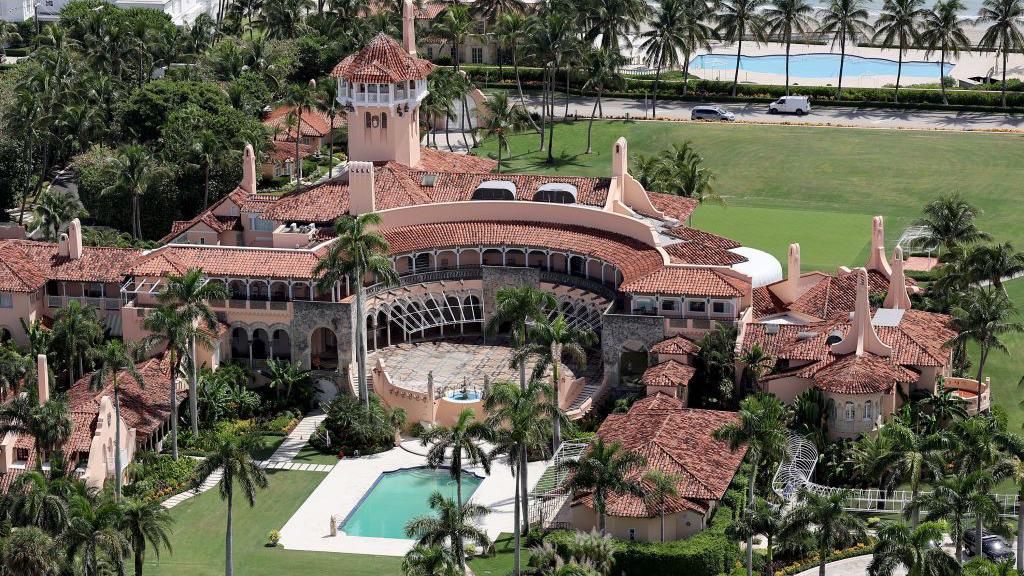
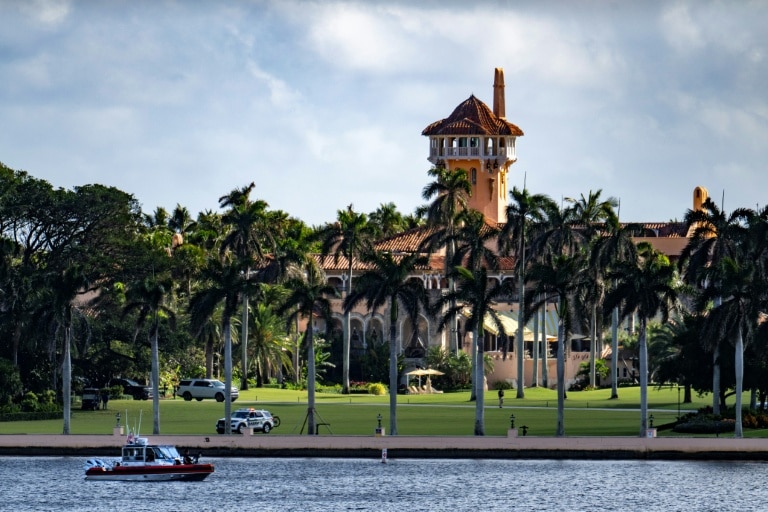
    A dramatic security incident unfolded at former President Donald Trump’s Mar-a-Lago estate in Florida early Sunday morning, resulting in the fatal shooting of an armed intruder by law enforcement personnel. According to official statements from the U.S. Secret Service and Palm Beach County Sheriff’s Office, the unidentified white male in his early twenties breached the property’s secure perimeter while carrying a shotgun and a fuel container.

    The confrontation occurred approximately at 01:30 Eastern Time (06:30 GMT) while President Trump was confirmed to be in Washington DC. Secret Service agents stationed at the north gate observed the individual unlawfully entering the restricted area while armed. Agency spokesman Anthony Guglielmi detailed via social media that the suspect was immediately challenged by security personnel.

    Palm Beach County Sheriff Ric Bradshaw provided additional context during a press briefing, explaining that the suspect ignored repeated commands to drop his weapons. ‘The only words we said to him was ‘drop the items’ which means the gas can and the shotgun,’ Bradshaw stated. ‘At which time he put down the gas can, raised the shotgun to a shooting position.’ This threatening gesture prompted Secret Service agents and sheriff’s deputies to open fire, neutralizing what they perceived as an immediate threat.

    All responding officers were equipped with body cameras according to official reports, and no law enforcement personnel sustained injuries during the encounter. Authorities have not yet determined whether the suspect’s firearm was loaded, noting that this detail will form part of an ongoing investigation with FBI assistance.

    The security apparatus at Mar-a-Lago employs layered protection measures, featuring an outer perimeter maintained by local Palm Beach sheriffs and an inner security cordon operated by the Secret Service. All visitors undergo rigorous screening procedures including canine units and metal detector sweeps.

    This incident represents the latest in a series of security threats against the former president. In July 2024, Trump survived an assassination attempt during a Pennsylvania rally where he sustained an ear injury. That previous attack resulted in one bystander fatality and two additional injuries, with the 20-year-old shooter being immediately neutralized by security forces. More recently, earlier this month, a 59-year-old individual received a life sentence for attempting to assassinate the president after being discovered with a rifle near Trump International Golf Club in West Palm Beach.

  • US Secret Service kills man trying to access Trump Florida estate

    US Secret Service kills man trying to access Trump Florida estate

    In a pre-dawn security incident on Sunday, U.S. Secret Service agents and local law enforcement fatally shot an armed intruder attempting to breach the perimeter of former President Donald Trump’s Mar-a-Lago estate in Palm Beach, Florida. The confrontation occurred approximately at 1:30 AM local time (0630 GMT) while Trump was absent from the property, currently residing in Washington.

    According to official statements from the Secret Service and Palm Beach County Sheriff Ric Bradshaw, the male suspect—believed to be in his early twenties—was detected near the north gate of the compound armed with a shotgun and a fuel container. Security personnel immediately issued commands for the individual to disarm. Although the suspect complied by placing the fuel canister on the ground, he subsequently raised the shotgun into a firing position, prompting lethal response from two Secret Service agents and one sheriff’s deputy.

    The individual was pronounced deceased at the scene. No law enforcement officers or protected persons were harmed during the exchange. The identity of the suspect remains undisclosed pending notification of next of kin.

    This event marks the latest in a concerning pattern of security threats against Trump, who has been the target of multiple assassination attempts and plots. Notably, in September 2024, Ryan Routh received a life sentence for orchestrating an assassination attempt at a Florida golf course. That incident followed the July 2024 Pennsylvania rally shooting where attacker Matthew Crooks grazed Trump’s ear before being neutralized by security.

    The Secret Service, tasked with protecting current and former presidents, their families, and major political figures, has initiated a full investigation into the breach. The White House has not yet issued an official statement regarding the incident, which occurs against a backdrop of heightened political tensions and violence across the United States.