During his keynote address at the World Economic Forum in Davos, President Donald Trump articulated a nuanced position regarding U.S. territorial ambitions while simultaneously assuring a peaceful approach. The BBC’s Chief Economics Editor, Faisal Islam, who was present in the audience, reported that the President explicitly ruled out the use of military force to acquire Greenland. However, Trump proceeded to deliver a comprehensive and lengthy justification for why the vast Arctic territory would be a strategic and valuable asset for the United States. His speech wove together themes of economic opportunity, national security, and historical precedent, arguing that American stewardship could unlock the island’s potential. The delivery, observed firsthand, blended Trump’s characteristic transactional diplomacy with a pledge of non-coercion, creating a complex narrative that left the international audience processing the blend of reassurance and expansionist rhetoric.
分类: politics
-

PLA drone training near China’s Dongsha island lawful: spokesperson
Chinese authorities have firmly defended recent military drone training exercises conducted near Dongsha Island in the South China Sea, characterizing them as legitimate operations within China’s sovereign territory. The response came through Peng Qing’en, spokesperson for China’s Taiwan Affairs Office, who addressed concerns raised by Taiwan’s defense department regarding the PLA Southern Theater Command’s activities.
In official statements delivered Wednesday, Peng dismissed Taiwan’s characterization of the drone operations as “highly provocative and irresponsible,” instead asserting China’s unquestionable legal right to conduct military exercises in what he described as indisputably Chinese waters. The spokesperson further escalated rhetoric by labeling Taiwan’s Democratic Progressive Party (DPP) authorities as “absolute troublemakers” for their stance on the matter.
The diplomatic exchange represents the latest chapter in ongoing tensions across the Taiwan Strait, with Beijing maintaining its consistent position regarding Taiwan’s status as an inalienable part of Chinese territory. Peng emphasized that regardless of statements or actions from DPP authorities, they cannot alter what China views as established historical and legal facts concerning Taiwan’s relationship to mainland China.
Additionally, the spokesperson addressed recent coast guard patrols in waters near Dongsha Island, defending them as justified measures to maintain navigation order and protect fishermen’s safety from both sides of the strait. Peng issued a stern warning that any provocative actions by Taiwanese authorities in these waters would bear full consequences, underscoring Beijing’s determination to safeguard its territorial claims through both military and law enforcement presence.
-

China’s top political advisor stresses boosting new five-year plan off to a good start
In a pivotal economic symposium convened in Beijing, China’s senior political leader Wang Huning has issued a comprehensive directive for the nation’s strategic planning apparatus to ensure a robust commencement of the 15th Five-Year Plan (2026-2030). The high-level gathering, attended by numerous national policy advisors and economic specialists, focused on aligning China’s developmental trajectory with the guiding principles established during recent key Party assemblies.
Wang, who serves on the Standing Committee of the Political Bureau of the Communist Party of China Central Committee and chairs the National Committee of the Chinese People’s Political Consultative Conference (CPPCC), emphasized the critical need for translating theoretical frameworks into practical economic policies. The symposium served as a platform for addressing fundamental theoretical and practical challenges anticipated during the forthcoming five-year developmental cycle.
Eleven distinguished political consultants and one prominent economic analyst delivered presentations covering multifaceted aspects of China’s economic modernization. Key discussion points included the strategic integration of technological innovation with industrial advancement, synergistic stimulation of consumer markets and investment flows, and the systematic construction of a contemporary industrial ecosystem.
Vice-Chairman Wang Yong of the CPPCC National Committee presided over the proceedings, which underscored the consultative body’s intensified commitment to conducting field investigations and research missions. These efforts are specifically designed to generate premium policy recommendations that will underpin China’s economic and social development objectives throughout the critical initial phase of the 2026-2030 planning period.
-

Around 4,000 cyberattack incidents originating from Taiwan investigated in 2025
Chinese authorities disclosed on Wednesday that approximately 4,000 cyberattack incidents originating from Taiwan were investigated throughout 2025, marking a significant 25% increase compared to previous years. The announcement came from State Council Taiwan Affairs Office spokesman Peng Qing’en during a regular press briefing in Beijing.
According to official statements, these coordinated cyber operations primarily targeted mainland China’s critical infrastructure sectors including transportation networks, financial systems, technological enterprises, and energy facilities. The attacks were allegedly orchestrated by Taiwan’s military intelligence agencies and specialized cyber units operating under the direction of the Democratic Progressive Party administration.
Peng asserted that these activities were designed to both steal sensitive information and disseminate unlawful content across mainland digital platforms. The spokesman further condemned what he characterized as a pattern of deliberate provocation from Taiwanese authorities, accusing them of fabricating narratives about mainland cyber aggression to divert attention from domestic governance challenges and rising public dissatisfaction.
These revelations follow previous cybersecurity disclosures involving Taiwanese military organizations, including units identified as ‘psychological warfare’ divisions and the group known as ‘Anonymous 64.’ The mainland’s cybersecurity infrastructure has reportedly been enhanced to detect and neutralize these cross-strait digital threats, though specific technical countermeasures were not detailed in the public announcement.
The increased cyber hostilities occur amid ongoing political tensions between Beijing and Taipei, with cybersecurity emerging as a new frontier in cross-strait relations. Chinese officials emphasized their commitment to safeguarding national digital sovereignty while calling for peaceful resolution of differences through established diplomatic channels.
-

US Congress targets Clintons in Epstein contempt fight
The U.S. House Oversight Committee has initiated a significant political confrontation by advancing contempt proceedings against former President Bill Clinton and former Secretary of State Hillary Clinton. The Republican-majority committee voted Wednesday to pursue charges after the Clintons declined to comply with subpoenas for in-person testimony regarding their connections to convicted sex offender Jeffrey Epstein.
The committee’s action represents an escalation in the long-running investigation into how authorities handled previous Epstein investigations. The contempt resolutions now proceed to the full House of Representatives, where Republican leadership must decide whether to formally cite the Clintons for defiance of congressional authority and refer them to the Justice Department for potential criminal prosecution.
This development highlights how the Epstein scandal continues to reverberate through Washington’s power structures, implicating prominent figures across the political spectrum. The investigation has become intensely polarized, with Democrats characterizing it as a politically motivated effort to target President Trump’s opponents while ignoring Trump’s own documented associations with Epstein.
Committee Chairman James Comer rejected what he termed a ‘ridiculous offer’ from Bill Clinton’s representatives that would have limited questioning to a single lawmaker in New York without producing an official transcript. The Clintons maintain that the subpoenas lack legitimate legislative purpose and have instead provided sworn written statements detailing their limited interactions with Epstein.
In their submitted declarations, Bill Clinton acknowledged using Epstein’s aircraft for humanitarian work in the early 2000s but denied visiting his private island. Hillary Clinton stated she had no meaningful interactions with Epstein whatsoever. The controversy has exposed divisions within the Democratic Party regarding how to respond to Republican investigative tactics while maintaining consistency with previous positions on accountability for Epstein’s crimes.
The proceedings occur against the backdrop of ongoing criticism regarding the Trump administration’s delayed release of Epstein-related case files, which Democrats have characterized as a cover-up. Neither Trump nor the Clintons have been accused of criminal wrongdoing related to Epstein, but the investigation continues to expose the deep political fractures surrounding one of the most notorious criminal cases in recent memory.
-

Israel’s Netanyahu accepts invitation to join Trump’s Board of Peace
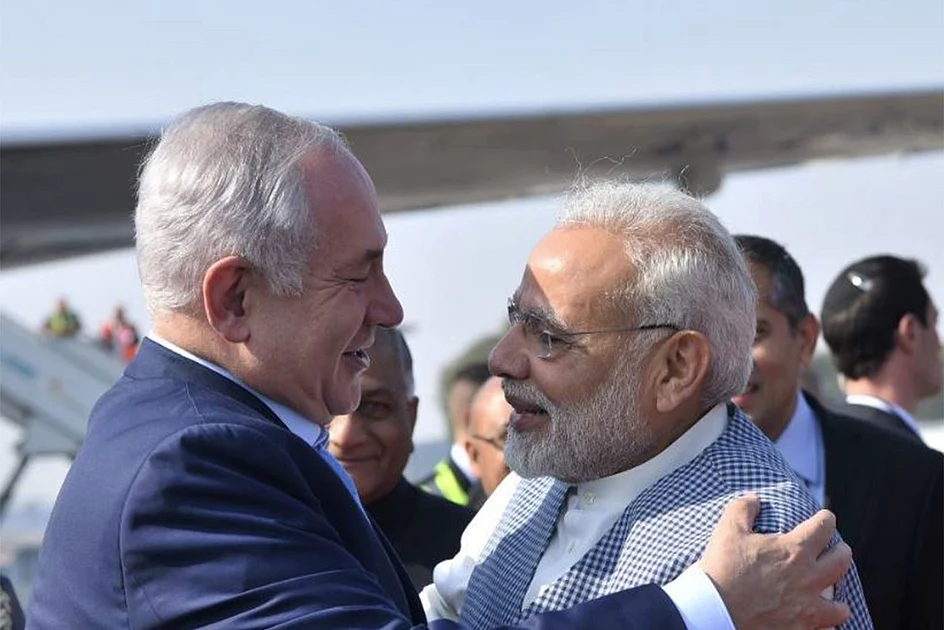
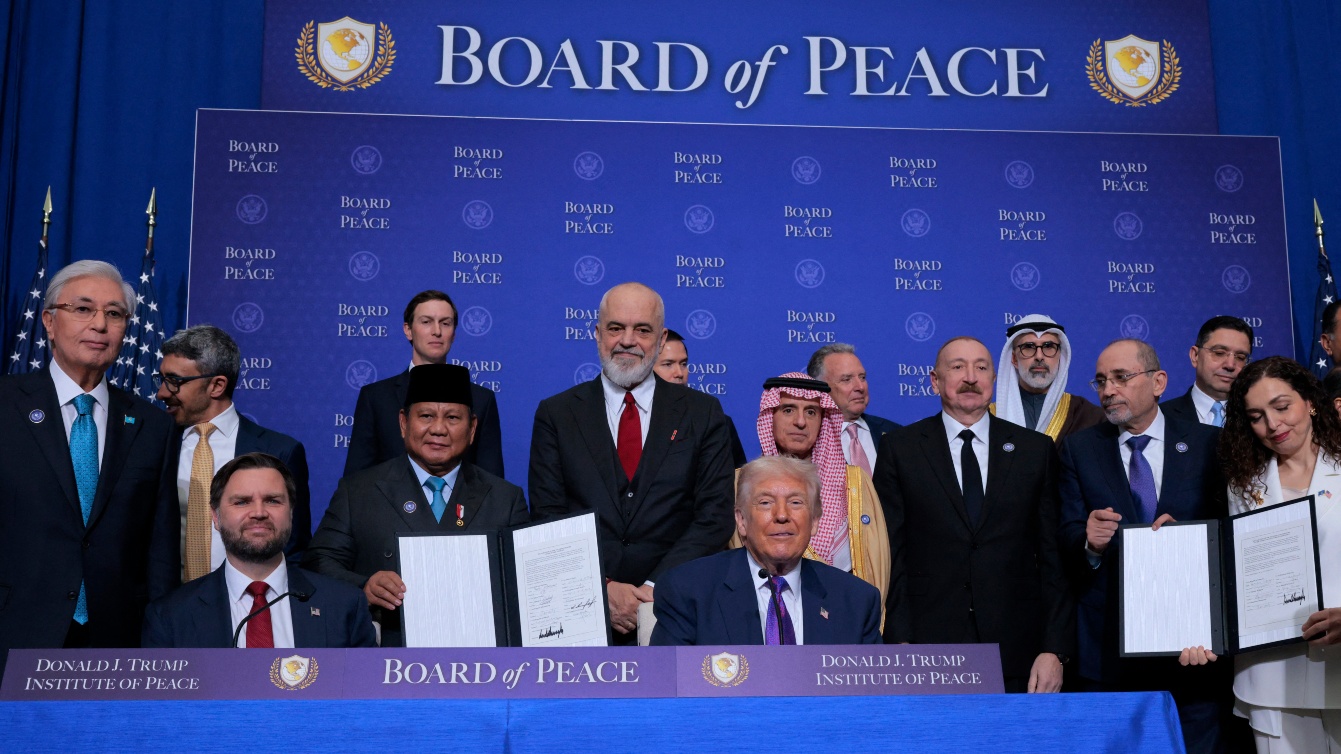
In a significant diplomatic development, Israeli Prime Minister Benjamin Netanyahu has formally accepted an invitation from former U.S. President Donald Trump to participate in a newly established international mediation body dubbed the “Board of Peace.” The announcement was made through an official statement posted on the Prime Minister’s social media account on Wednesday, January 21, 2026.
The primary and immediate objective of this initiative is to broker a sustainable cessation of hostilities in the Gaza Strip. The framework, however, is designed with broader ambitions. Should initial efforts in Gaza prove successful, the board intends to expand its mandate to address and mediate other protracted international conflicts around the globe.
This move marks a notable re-entry of Donald Trump into the arena of international diplomacy and underscores the continuing strategic partnership between the Israeli government and the former U.S. president. The establishment of the board represents an unconventional approach to peacemaking, operating outside traditional diplomatic channels. The involvement of a high-profile leader like Netanyahu lends considerable geopolitical weight to the initiative, though its structure, specific membership, and operational methodology remain to be fully detailed. The international community is observing these developments closely, assessing the potential implications for one of the world’s most enduring and complex conflicts.
-

Marine Le Pen admits ‘mistake’ in EU embezzlement trial as she fights to save political career
PARIS — French far-right leader Marine Le Pen confronted potentially career-altering allegations during a high-stakes appeals trial this week, where she admitted to procedural errors while vehemently denying systematic fraud in the European Parliament funds case that threatens her 2027 presidential aspirations.
The 57-year-old political figure is challenging a March 2025 conviction that found her guilty of misappropriating EU legislative funds between 2004 and 2016. The original ruling imposed a five-year ban from elected office, two years of electronic monitoring house arrest, and an additional two-year suspended sentence for violating the 27-nation bloc’s financial regulations.
Before a three-judge appellate panel, Le Pen acknowledged that some parliamentary aides compensated through EU channels had occasionally performed work for her National Front party (now renamed National Rally). “The mistake lies here: there were certainly some aides who must have worked either marginally, more substantially, or entirely for the benefit of the party,” she testified, maintaining this represented isolated incidents rather than organized misconduct.
The Paris court’s initial determination described an elaborate “fraudulent system” that allegedly diverted €2.9 million ($3.4 million) in EU funds, characterizing the scheme as “a democratic bypass” that created unfair competitive advantages. Prosecutors argue Le Pen personally authorized hiring contracts while aware of their improper nature.
During intense judicial questioning, Le Pen remained composed while rejecting the existence of any coordinated scheme to fund party operations with European money. “I wouldn’t say we did everything perfectly. Some criticism can be made about us,” she conceded, while insisting her party “acted in complete good faith.”
The five-week appellate proceedings, which commenced last week, could dramatically reshape France’s political landscape. The court’s decision, expected before summer, will determine whether Le Pen can pursue the presidency or must transfer her political ambitions to protégé Jordan Bardella, the 30-year-old she has designated as potential successor.
Judge Michèle Agi challenged Le Pen’s claims of ignorance regarding contractual obligations, noting her dual roles as European Parliament member and party president made her directly responsible for approvals. “You are a lawyer, you know the law — inevitably, a signature, a contract are notions that have a meaning for you,” Agi asserted.
Le Pen countered that European Parliament authorities failed to provide adequate guidance about hiring violations, while defending unusual arrangements including her personal bodyguard’s parliamentary aide contract as responding to “exceptional” security needs.
-

EU parliament refers Mercosur trade deal to bloc’s top court
In a dramatic legislative showdown, the European Parliament has cast the landmark EU-Mercosur trade agreement into legal uncertainty following a contentious vote. Lawmakers in Strasbourg narrowly approved (334-324) referring the freshly inked pact to the Court of Justice of the European Union (CJEU) for constitutional assessment.
The decision triggered jubilant celebrations among hundreds of farmers who had gathered with tractors outside the parliamentary building. Their prolonged opposition to the deal, particularly from French agricultural groups, found validation in the vote outcome. “We’ve been on this for months and months, for years,” exclaimed Quentin Le Guillous, head of a French young farmers’ group, capturing the emotional triumph felt by protestors.
This judicial referral represents a significant setback for the European Commission, which had championed the agreement as a historic achievement. Commission President Ursula von der Leyen had vigorously promoted the pact just hours before the vote, emphasizing its strategic importance. The deal, negotiated over 25 years, would create one of the world’s largest free trade areas, eliminating tariffs on over 90% of bilateral trade between the EU and Mercosur nations (Brazil, Argentina, Uruguay, and Paraguay).
The legal challenge centers on two critical questions: whether partial application before full ratification violates EU procedures, and whether the agreement improperly restricts Brussels’ regulatory powers on environmental and food safety standards. The Commission maintains that parliamentary concerns are “not justified,” with trade spokesman Olof Gill asserting that all raised issues had been comprehensively addressed during negotiations.
Geopolitical tensions underscore the agreement’s significance, with the EU seeking reliable partnerships amid Trump-era tariff policies and growing Chinese competition. Germany, Spain, and Nordic countries strongly support the pact for its export benefits in automotive, wine, and cheese sectors. Conversely, France, Poland, Austria, Ireland, and Hungary oppose it due to agricultural sector vulnerabilities.
The judicial process may substantially delay or potentially derail implementation, though the Commission retains authority to provisionally apply the agreement pending the court’s ruling—a move that would likely ignite further political controversy.
-

Mainland denounces Taiwan-US trade deal as ‘sellout pact’
Chinese officials have issued a stern condemnation of the recently signed trade agreement between Taiwan and the United States, characterizing it as an unequal pact that undermines Taiwan’s economic sovereignty and industrial foundation. During a press briefing on Wednesday, Peng Qing’en, spokesperson for China’s State Council Taiwan Affairs Office, articulated Beijing’s firm opposition to what he termed a “sellout pact” negotiated under duress.
The controversial agreement, which reduces US tariff rates on Taiwanese imports to 15 percent, requires substantial reciprocal commitments from Taiwan. According to official statements, Taiwan has pledged approximately $500 billion in combined investments and credit guarantees directed toward American semiconductor and artificial intelligence sectors. This arrangement includes the potential transfer of up to 40 percent of Taiwan’s semiconductor production capacity to the United States.
Peng asserted that negotiations occurred under significant economic pressure from Washington, which allegedly utilized tariff leverage to extract concessions that could fundamentally weaken Taiwan’s industrial competitiveness. The spokesperson criticized Taiwan’s Democratic Progressive Party administration for presenting what he described as “unilateral concessions” as mutually beneficial cooperation, labeling the arrangement a “complete capitulation” to American economic demands.
The financial scale of Taiwan’s commitment represents approximately 80 percent of the island’s foreign exchange reserves, equivalent to a per capita contribution of NT$680,000 (approximately $21,489) from each Taiwanese citizen. Peng warned that such substantial resource diversion could transform Taiwan from a technological hub into an economically hollowed-out territory, jeopardizing both industrial stability and economic security.
Beijing’s response emphasized that the agreement demonstrates the inherent risks of pursuing independence policies and relying on external powers rather than embracing cross-strait cooperation. Officials suggested that without the support of mainland China, Taiwan remains vulnerable to economic pressure from foreign interests.
-

Germany arrests woman accused of supplying war-related information to Russian agent
BERLIN — German federal prosecutors have taken into custody a dual German-Ukrainian citizen suspected of conducting espionage operations on behalf of Russian intelligence services. The individual, identified under German privacy regulations as Ilona W., was apprehended in Berlin following an extensive investigation into her activities.
According to official statements, Ilona W. established contact with a known Russian intelligence operative stationed at the Russian Embassy in Berlin as early as November 2023. Prosecutors allege she systematically provided sensitive information regarding Ukraine’s military capabilities, including detailed intelligence on defense industry locations, experimental drone testing protocols, and scheduled weapon deliveries to Ukrainian forces.
The suspect reportedly leveraged her personal connections with former German Defense Ministry personnel to acquire classified information. Additionally, she facilitated her Russian contact’s access to high-level political events in Berlin using fabricated identities, enabling the intelligence officer to establish networks and gather information for Russian interests.
Concurrent with the arrest, German authorities executed search warrants at multiple locations, including the primary suspect’s residence and properties belonging to two additional individuals under investigation. Defense Ministry spokesperson Mitko Müller confirmed the investigation involves two former military employees—one recently retired officer and a civilian employee who departed over fifteen years ago. Both are suspected of unlawfully sharing information with Ilona W., though investigators are determining whether they were aware the intelligence would ultimately reach foreign agents.
The case emerges amid heightened security concerns across Europe regarding Russian espionage activities, particularly those related to the ongoing conflict in Ukraine. German authorities have intensified counter-intelligence operations to prevent sensitive military information from reaching hostile foreign entities.