分类: politics

  • State of the Union offers Trump a chance to make the case for his foreign policy approach

    State of the Union offers Trump a chance to make the case for his foreign policy approach

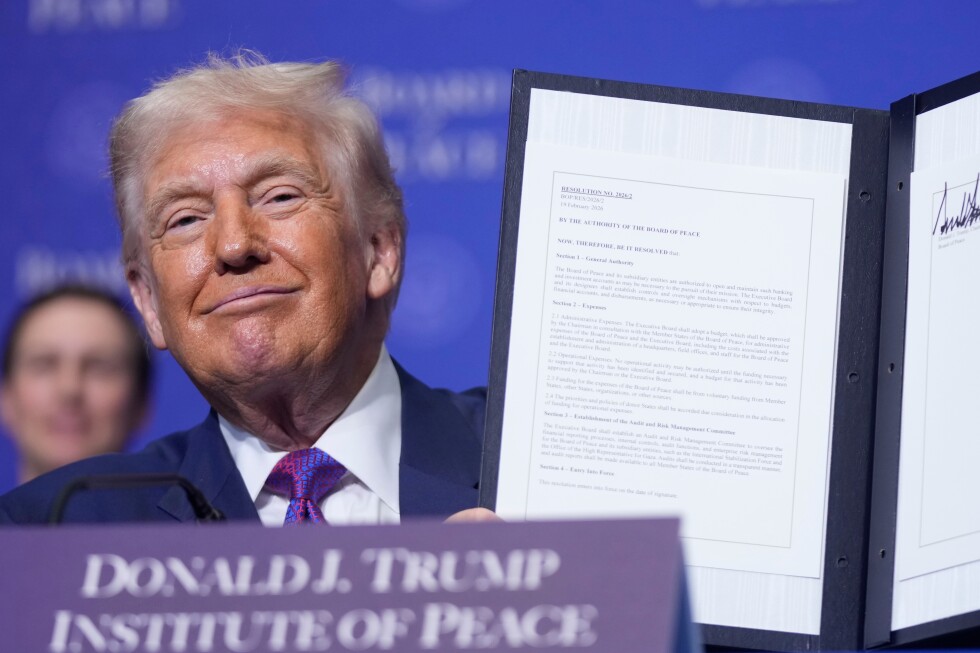
    WASHINGTON — As President Donald Trump prepares to deliver his pivotal State of the Union address, he faces the dual challenge of addressing growing domestic economic concerns while defending his administration’s foreign policy achievements against mounting public skepticism.

    The President intends to highlight several international accomplishments, including brokering a fragile Gaza ceasefire, orchestrating the capture of Venezuelan autocrat Nicolás Maduro, and pressuring NATO allies to increase defense spending. However, these foreign policy wins come at a time when recent AP-NORC polls reveal 61% of Americans disapprove of Trump’s handling of international relations, with 56% believing he has overextended military intervention abroad.

    The address occurs against a backdrop of significant political tension, including public criticism from former allies like ex-Rep. Marjorie Taylor Greene, who recently accused Trump of prioritizing “rich donor class and foreign policy” over America First principles.

    Key foreign policy challenges expected to feature prominently include:

    Iran Nuclear Standoff: The administration appears perplexed by Iran’s resistance to mounting military pressure, with Trump warning of “bad things” happening if no nuclear agreement is reached. Special envoys are scheduled for renewed talks in Geneva amid significant U.S. military buildup in the region.

    Ukraine Conflict: On the four-year anniversary of Russia’s invasion, Trump struggles to deliver on his campaign promise to end the war “in one day.” Negotiations remain deadlocked over territorial concessions and control of the Zaporizhzhia nuclear facility, with Trump pressuring President Zelenskyy to accept a deal before the U.S. midterm elections.

    Venezuela Strategy: The capture of Maduro has opened opportunities for U.S. energy investments, with the administration seeking $100 billion to revitalize Venezuela’s oil infrastructure while advancing what Trump calls the “Donroe Doctrine”—an aggressive regional strategy targeting drug trafficking and asserting U.S. primacy.

    Trade Policy Uncertainty: Following a Supreme Court ruling against his tariff authorities, Trump has threatened even higher global tariffs, creating market uncertainty that former Biden administration official Bharat Ramamurti warns could paralyze business investment decisions.
  • Supreme Court ruling against Trump’s tariffs is unlikely to mean an end to trade policy chaos

    Supreme Court ruling against Trump’s tariffs is unlikely to mean an end to trade policy chaos

    In a landmark decision, the U.S. Supreme Court has delivered a severe judicial reprimand to President Donald Trump’s expansive tariff regime, fundamentally challenging his authority to unilaterally impose import taxes. The ruling specifically invalidates tariffs justified under the 1977 International Emergency Economic Powers Act (IEEPA), which the administration had primarily deployed to address persistent trade deficits.

    Despite this judicial setback, economic uncertainty continues to grip American businesses as the administration explores alternative legal mechanisms to reconstruct its trade barriers. Treasury Secretary Scott Bessent confidently asserted that tariff revenues would remain unaffected both presently and in future projections.

    President Trump’s immediate response to the judicial defeat has been characteristically volatile. Within days of the ruling, he announced intentions to implement a 10% global tariff under Section 122 of the Trade Act of 1974, subsequently escalating this figure to 15%. This previously unused provision permits temporary tariffs for up to 150 days without congressional approval, though any extension would require legislative consent—a politically challenging prospect during an election season.

    Legal experts immediately questioned the validity of applying Section 122 to address trade deficits, with National Taxpayers Union’s Bryan Riley noting the provision was designed for fundamentally different international payment crises from a bygone monetary era.

    The administration simultaneously signaled potential recourse to Section 301 authorities, a more legally robust tool previously deployed against Chinese trade practices. U.S. Trade Representative Jamieson Greer confirmed the initiation of multiple Section 301 investigations following the Supreme Court defeat.

    Internationally, the decision has created diplomatic complications, particularly with trading partners who had negotiated agreements under the threat of now-invalid IEEPA tariffs. European Union officials have delayed ratification of their trade pact with the United States, seeking clarification on whether new tariffs would compound existing obligations. Despite these tensions, trade analysts generally expect partners to honor existing agreements, fearing potentially unlimited Section 301 tariffs for non-compliance.

    The ruling additionally creates a massive administrative challenge regarding approximately $133 billion in previously collected tariffs. The Supreme Court delegated the complex refund question to lower courts and Customs and Border Protection, setting the stage for a protracted claims process that could overwhelm administrative systems and potentially require congressional intervention to streamline.

  • China puts Japanese companies on export control lists as tensions rise

    China puts Japanese companies on export control lists as tensions rise

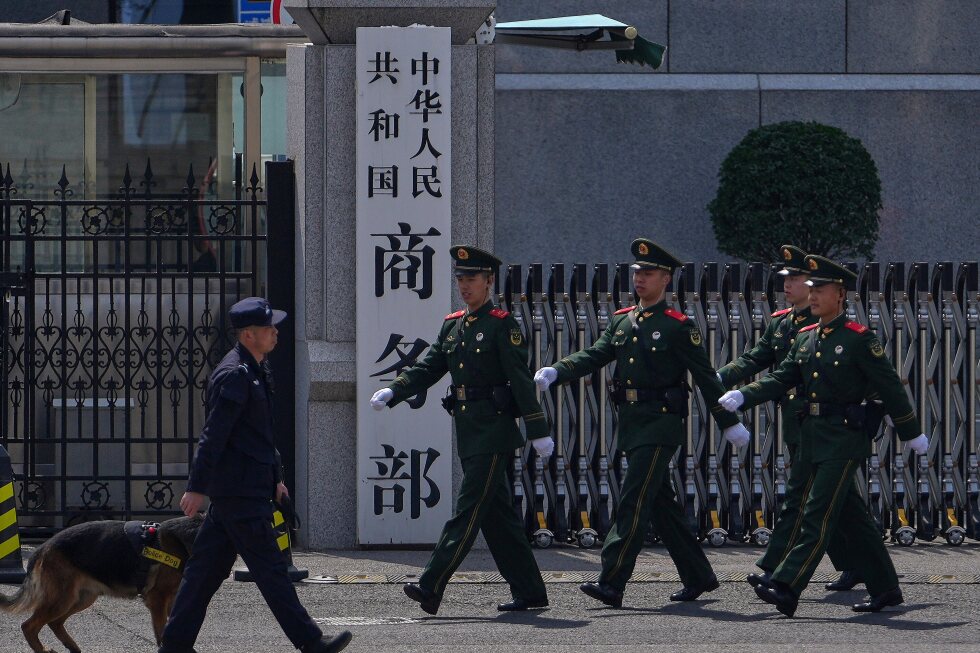
    China’s Commerce Ministry announced sweeping export control measures targeting 40 Japanese companies on Tuesday, escalating economic tensions following controversial remarks by Japan’s Prime Minister regarding Taiwan. The measures divide affected companies into two distinct categories: 20 entities face complete bans on receiving dual-use technologies from Chinese suppliers, while another 20 require enhanced licensing procedures for such transactions.

    The comprehensive restrictions specifically prohibit Chinese exporters from selling dual-use goods—items with both civilian and military applications—to prominent Japanese industrial leaders. The blacklist includes multiple subsidiaries of Mitsubishi Heavy Industries engaged in shipbuilding, aircraft engine production, and maritime machinery manufacturing, alongside divisions of Kawasaki Heavy Industries and technology giant Fujitsu.

    A secondary watchlist mandates that Chinese exporters submit detailed export license applications, comprehensive risk assessment reports, and written guarantees that dual-use items won’t be diverted to military purposes. This list features Subaru Corporation, Mitsubishi Materials Corporation, and the prestigious Institute of Science Tokyo among others.

    Chinese authorities characterized these measures as targeted responses to Japan’s perceived remilitarization ambitions and nuclear proliferation concerns. The Ministry emphasized that these actions represent “legitimate, reasonable, and legal” safeguards that won’t impact normal Sino-Japanese economic relations. Officials reassured that compliant Japanese businesses need not worry about disruptions to legitimate trade activities.

    The diplomatic friction stems from November comments by Japanese Prime Minister Sanae Takaichi, who suggested potential military intervention should China attempt to annex Taiwan. Beijing considers Taiwan a breakaway province and maintains the right to use force for reunification, consistently opposing any international recognition of Taiwanese sovereignty.

    The export controls arrive shortly after Takaichi’s party secured a decisive parliamentary victory, enabling further implementation of conservative policies regarding national security and immigration. This development marks the latest chapter in increasingly complex Sino-Japanese relations, where economic interdependence coexists with deepening geopolitical tensions.

  • Labor’s Julian Hill calls on Pauline Hanson to ‘sack the d–khead’ over Muslim explosives claim

    Labor’s Julian Hill calls on Pauline Hanson to ‘sack the d–khead’ over Muslim explosives claim

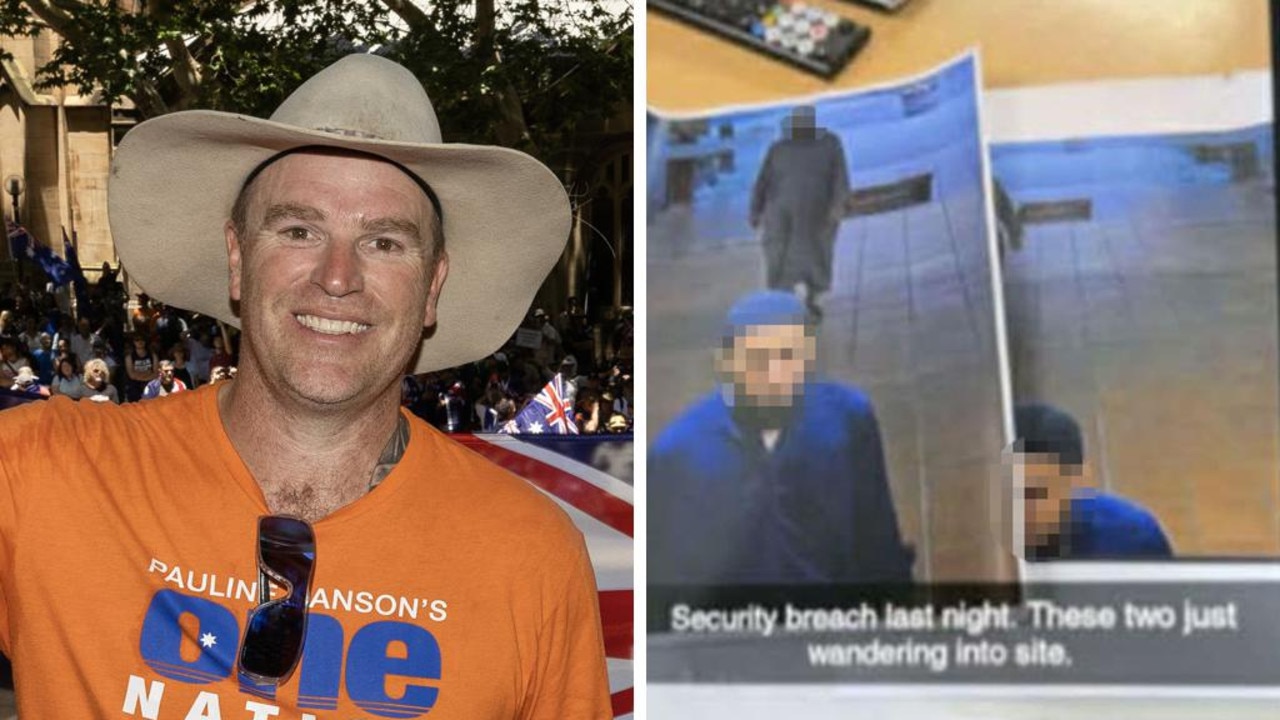
    A political firestorm has erupted in Australia’s Hunter Valley region following inflammatory social media posts by One Nation candidate Stuart Bonds, prompting forceful condemnation from government officials. The controversy centers on Bonds’ publication of security footage showing two Muslim men visiting the Bengalla mine site near Muswellbrook, accompanied by text falsely alleging they were “looking for explosives.”

    Hunter Valley police authorities took the unusual step of publicly refuting the claims, issuing an official statement clarifying that the men had visited the mine hoping to meet former colleagues and had voluntarily spoken with police after becoming aware of the social media allegations. The police confirmation directly contradicted the sensational claims made by the political candidate.

    Labor’s Assistant Multicultural Affairs Minister Julian Hill launched a scathing attack on One Nation leadership, demanding Pauline Hanson immediately dismiss Bonds from his candidacy. In a fiery social media post, Hill characterized the candidate as a “d–khead” and condemned what he described as “disgusting slurs about Muslim Australians” that risk inflaming community tensions.

    Hunter MP Dan Repacholi separately denounced the incident as “racist, low-life bulls–t,” emphasizing that the spreading of dangerous misinformation had genuine consequences for community safety and social cohesion. Repacholi reported that constituents had contacted his office expressing feelings of being unsafe and targeted based on their appearance due to the tone of public commentary.

    Despite the police clarification and political backlash, Bonds’ original post remained publicly accessible as of Tuesday afternoon. The candidate defended his actions in subsequent statements, claiming he was “not concerned about being called racist for looking out for my community” and insisting his concerns were unrelated to the men’s race but rather their clothing and behavior.

    The incident occurs against the political backdrop of One Nation’s significant electoral performance in the Hunter region, where Bonds secured 41% of the two-party preferred vote in the previous election cycle, though he trailed Repacholi by approximately 30,000 votes in the primary count.

  • Canada PM to push trade, rebuild fractured ties in India trip

    Canada PM to push trade, rebuild fractured ties in India trip

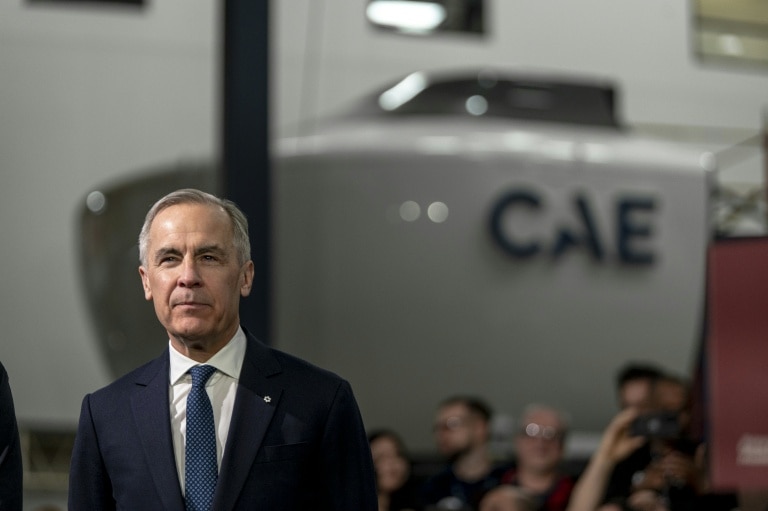
    Prime Minister Mark Carney of Canada has initiated a strategic diplomatic tour across Asia-Pacific nations, commencing with India, as part of a broader effort to strengthen international trade partnerships and reduce economic dependence on the United States. The tour, which includes subsequent visits to Australia and Japan, reflects Canada’s proactive approach to navigating global geopolitical shifts and safeguarding its economic interests.

    Carney’s administration has explicitly acknowledged the decline of the US-led international order and emphasizes that Canada cannot rely on a return to previous norms, regardless of future US leadership changes. This perspective has driven Ottawa to prioritize rebuilding relationships with key Asian economies, including recent diplomatic re-engagement with China after years of strained relations.

    The current visit to India holds particular significance as both nations work to mend ties that deteriorated significantly in 2024. Prime Minister Carney aims to more than double bilateral trade with India, targeting CA$70 billion by 2030, building on the foundation of recently launched free trade agreement negotiations.

    This diplomatic outreach occurs against the backdrop of ongoing trade tensions with the United States, where President Trump’s imposition of tariffs on various Canadian exports—including autos, aluminum, lumber, and steel—has created economic uncertainty. While the full impact of these measures has been partially mitigated by continued adherence to existing North American trade agreements, Trump’s repeated threats of annexation and assertions that the US doesn’t require Canadian products have heightened concerns in Ottawa.

    The itinerary includes high-level meetings in Sydney and Canberra with Australian Prime Minister Anthony Albanese, focusing on economic security, critical minerals, and defense cooperation. The tour concludes in Japan with discussions between Carney and Prime Minister Sanae Takaichi before the Canadian leader’s scheduled return on March 7.

  • China warns of retaliation as Trump unveils new tariff plan

    China warns of retaliation as Trump unveils new tariff plan

    A fresh chapter in US-China trade relations has opened with Beijing issuing a stern warning of potential retaliatory measures. This development follows former President Donald Trump’s signaling of new Section 301 investigations targeting critical Chinese sectors, including electric vehicle batteries, rare earth minerals, and advanced AI chips.

    The geopolitical friction intensified after the US Supreme Court’s February 20 ruling that the International Emergency Economic Powers Act (IEEPA) does not grant presidential authority to impose such duties. In response, China’s Ministry of Commerce spokesperson articulated Beijing’s consistent opposition to unilateral tariff increases, emphasizing that trade wars ultimately yield no victors.

    While conducting a comprehensive assessment of the judicial decision, Chinese officials highlighted that US unilateral measures—including reciprocal and fentanyl-related tariffs—not only violate international trade norms but also contravene domestic American law. The spokesperson underscored that cooperative engagement benefits both nations, whereas confrontation proves mutually detrimental.

    In the ruling’s aftermath, Trump executed a strategic pivot by invoking Section 122 of the Trade Act of 1974. This move authorized a temporary 10% global tariff for 150 days, subsequently increased to 15%, citing balance-of-payments concerns. Concurrently, the administration directed officials to initiate new Section 301 investigations under separate legal frameworks.

    Analysts identify three primary legal instruments remaining at the administration’s disposal: Section 122 for rapid response measures, Section 232 for national security-based restrictions, and Section 301 for addressing perceived unfair trade practices. The strategic framing of tariffs under national security justifications—particularly targeting EV batteries, rare earths, and AI chips—aims to establish a more durable legal foundation resistant to judicial challenges.

    The immediate effect reduces Chinese exporters’ tariff burden from 20% to 15%, though they continue facing average duties of approximately 25% since the 2018 trade war inception. Other Asian exporters including Malaysia, Cambodia, and Indonesia may benefit from lowered rates compared to their previous tariff levels.

    Supply chain realignment continues accelerating, with companies like Learning Resources Inc. relocating production from China to Vietnam and India despite significant operational costs. This trend may intensify if additional Section 301 investigations materialize, potentially reshaping regional manufacturing landscapes.

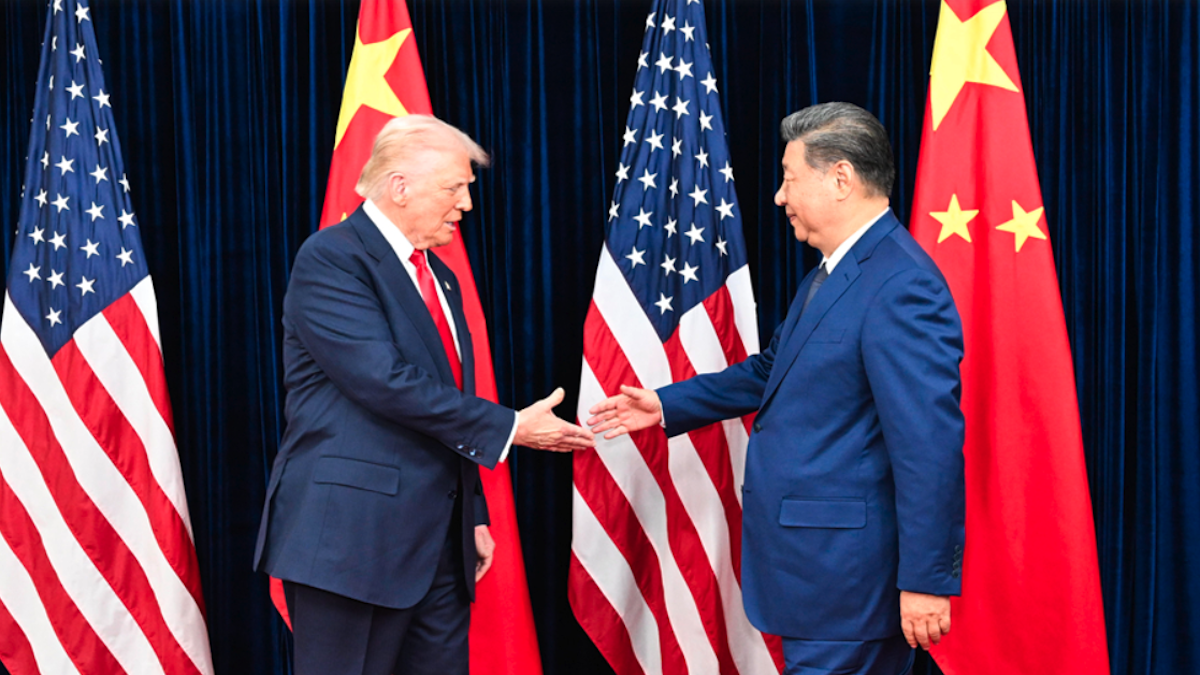
    With Trump scheduled to meet President Xi Jinping in April, the diplomatic engagement occurs against a complex backdrop of legal maneuvering, economic posturing, and strategic competition that will define the next phase of US-China trade relations.

  • Ousted South Korean President Yoon appeals life sentence for martial law decree

    Ousted South Korean President Yoon appeals life sentence for martial law decree

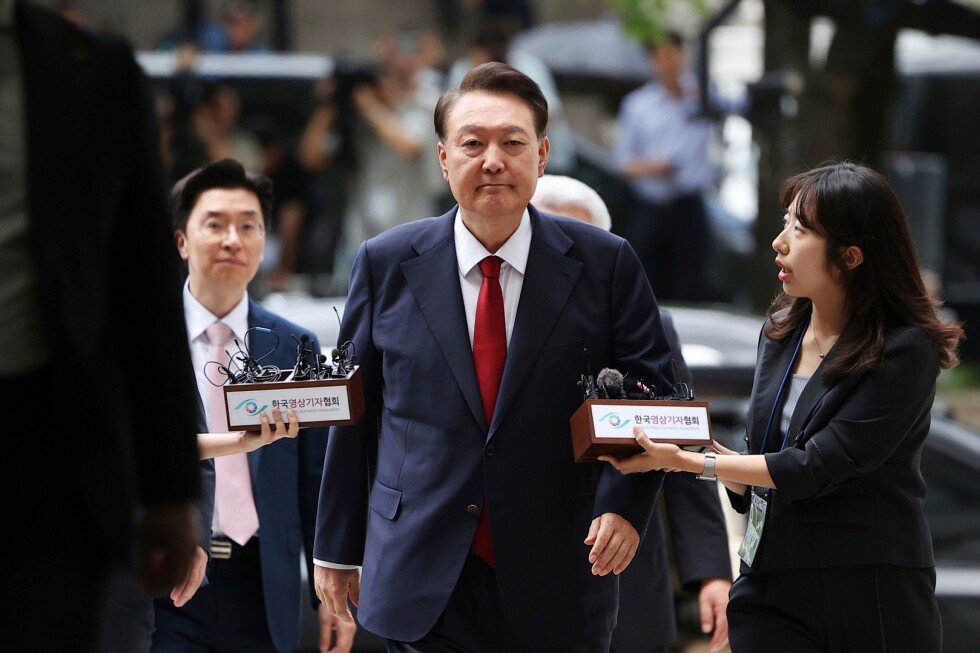
    SEOUL — Imprisoned former South Korean President Yoon Suk Yeol has formally appealed his life imprisonment conviction for rebellion stemming from his controversial imposition of martial law in December 2024. His legal representatives announced the appeal on Tuesday, challenging what they characterize as judicial errors and misinterpretations of law in last week’s ruling by the Seoul Central District Court.

    The conservative ex-leader, who currently faces eight separate criminal trials related to his attempted power consolidation, maintained defiant rhetoric following his conviction. He denounced the court’s decision as fundamentally illogical and politically motivated, asserting that his actions were executed exclusively for national security interests. Through his attorneys, Yoon accused the presiding judge of exhibiting overt bias against him.

    Yoon’s brief martial law declaration on December 3, 2024, lasted approximately six hours before legislators breached military and police barricades at the National Assembly to overturn the measure. This episode triggered South Korea’s most severe political crisis in decades, causing governmental paralysis, diplomatic disruptions, and significant financial market volatility.

    The former president was suspended from office on December 14, 2024, following impeachment by the liberal-controlled legislature, with the Constitutional Court formally removing him from power in April 2025. His subsequent July re-arrest initiated multiple judicial proceedings, with the rebellion charge carrying the most severe penalties.

    Prosecutors had originally sought capital punishment, arguing Yoon’s actions represented an unprecedented threat to South Korea’s democratic institutions. The court determined he had orchestrated an unlawful attempt to seize legislative control, arrest political opponents, and establish prolonged authoritarian rule.

    The case will now advance to a specialized panel at Seoul High Court, established under December legislation specifically addressing cases involving rebellion, treason, and foreign subversion. This marks the first life sentence for a former South Korean president since military dictator Chun Doo-hwan’s 1996 conviction, later commuted to life imprisonment.

  • DNC’s secret 2024 report finds Gaza war stance was ‘net-negative’ for Harris campaign

    DNC’s secret 2024 report finds Gaza war stance was ‘net-negative’ for Harris campaign

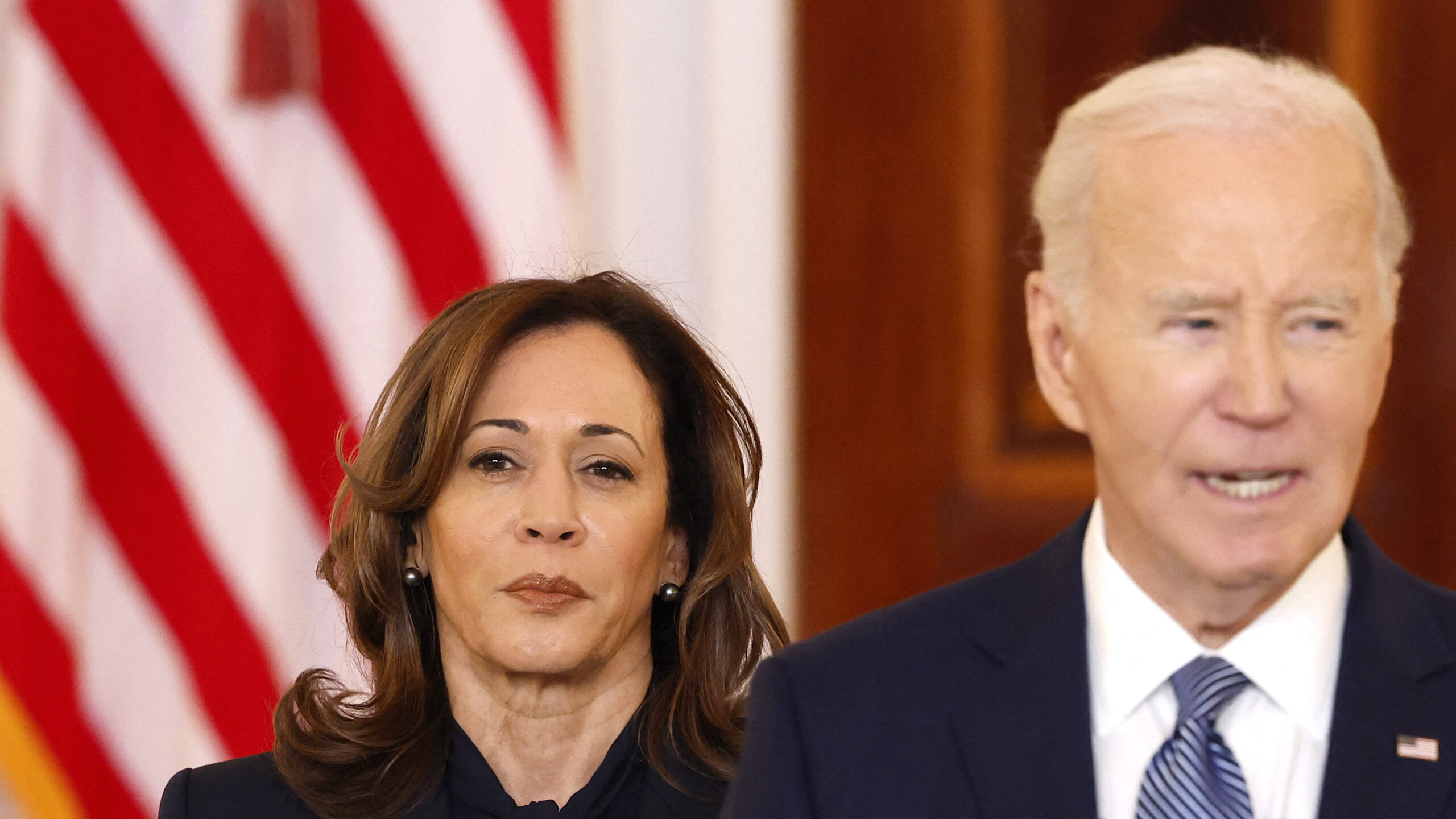
    A confidential internal review conducted by the Democratic National Committee (DNC) has identified the Biden-Harris administration’s stance on Israel’s military operations in Gaza as a significant factor in the party’s 2024 presidential election defeat, according to verified reports. The still-secret autopsy, whose contents remain undisclosed by party leadership, concludes that unwavering support for Israel during the conflict eroded support among young voters and progressive segments of the electorate.

    Axios reports that DNC officials conducting the post-election analysis held private discussions with the IMEU Policy Project, where aides acknowledged their internal data showed the administration’s Gaza policy represented a ‘net-negative’ in electoral terms. Multiple senior aides confirmed the assessment that the position damaged the party’s standing with crucial voting blocs.

    The findings have ignited substantial controversy within Democratic ranks, validating concerns raised by pro-Palestinian activists during the campaign. The revelation has exposed deepening fissures between the party’s progressive wing and centrist establishment, with many activists expressing frustration that their warnings were previously dismissed as electorally insignificant.

    The ongoing conflict, which international organizations have classified as genocide and which has resulted in over 72,000 Palestinian casualties, persisted throughout the administration’s term. Vice President Harris attempted a balanced approach during her campaign—reaffirming support for Israel while advocating for ceasefires and expressing concern for Palestinian civilians—but this positioning failed to satisfy many young voters and grassroots organizers.

    The decision to keep the report confidential has intensified scrutiny and criticism from both activists and social media commentators, who argue the party is avoiding accountability for a policy they believe cost critical support in swing states. The internal assessment suggests the Gaza conflict transcended foreign policy considerations to become a substantial electoral liability that contributed to Donald Trump’s victory.

  • Contrary to US policy, ambassador Huckabee says West Bank’s Area C ‘is Israel’

    Contrary to US policy, ambassador Huckabee says West Bank’s Area C ‘is Israel’

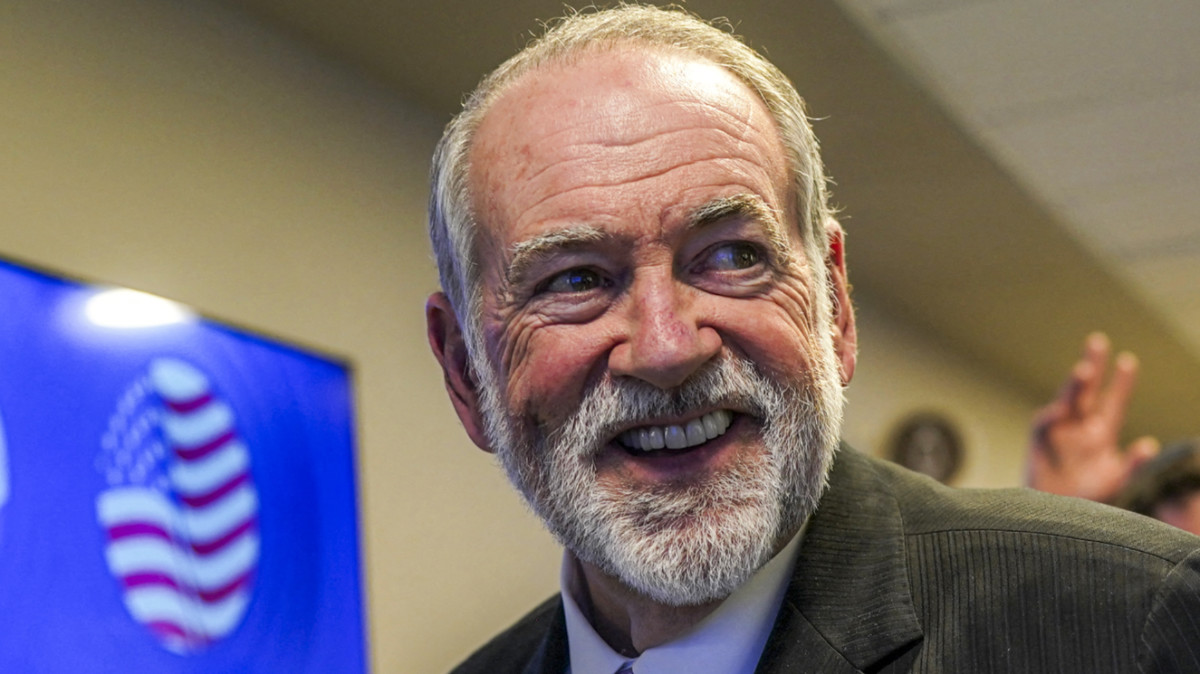
    In a striking departure from established US foreign policy, American Ambassador to Israel Mike Huckabee declared during a Friday interview with commentator Tucker Carlson that Area C of the occupied West Bank constitutes sovereign Israeli territory. The ambassador further escalated controversy by expressing openness to Israeli expansion across multiple Middle Eastern nations, including Syria, Jordan, Saudi Arabia, Iraq, and Egypt.

    These remarks triggered immediate condemnation from Arab and Muslim allies, who characterized Huckabee’s statements as “dangerous and inflammatory” rhetoric that undermines regional stability. The ambassador’s position directly contradicts longstanding US policy, which refuses recognition of Israeli sovereignty over any portion of the occupied West Bank.

    The West Bank’s division into Areas A, B, and C originated from the 1990s Oslo Peace Accords, which established the Palestinian Authority. While Areas A and B were designated for varying degrees of Palestinian control, Area C—representing approximately 60% of the West Bank—was intended to remain under Israeli military jurisdiction pending final status negotiations.

    Over the past two decades, Israeli settlement expansion within Area C has dramatically accelerated, with nearly 400,000 settlers now residing in the territory. Palestinian communities face systematic restrictions, including home demolitions, resource confiscation, and limited water access. UN data indicates over 70% of Area C Palestinian communities lack connection to water networks, relying on costly tankered deliveries.

    Khaled Elgindy of the Quincy Institute for Responsible Statecraft noted that Huckabee’s comments merely vocalize existing realities, stating that Israel has effectively achieved de facto annexation without formal declaration. This assessment gained further credibility when Israel’s cabinet recently assumed control over Area C’s land registry, invalidating Palestinian Authority documentation efforts.

    Simultaneously, Israel has intensified administrative control over Palestinian-governed Areas A and B, approving measures that undermine Palestinian Authority jurisdiction. Recent settlement expansions near Jerusalem further demonstrate Israel’s consolidation of control across the occupied territories, despite international condemnation of these actions as violations of international law.

  • India blocks Middle East Eye journalist’s X account

    India blocks Middle East Eye journalist’s X account

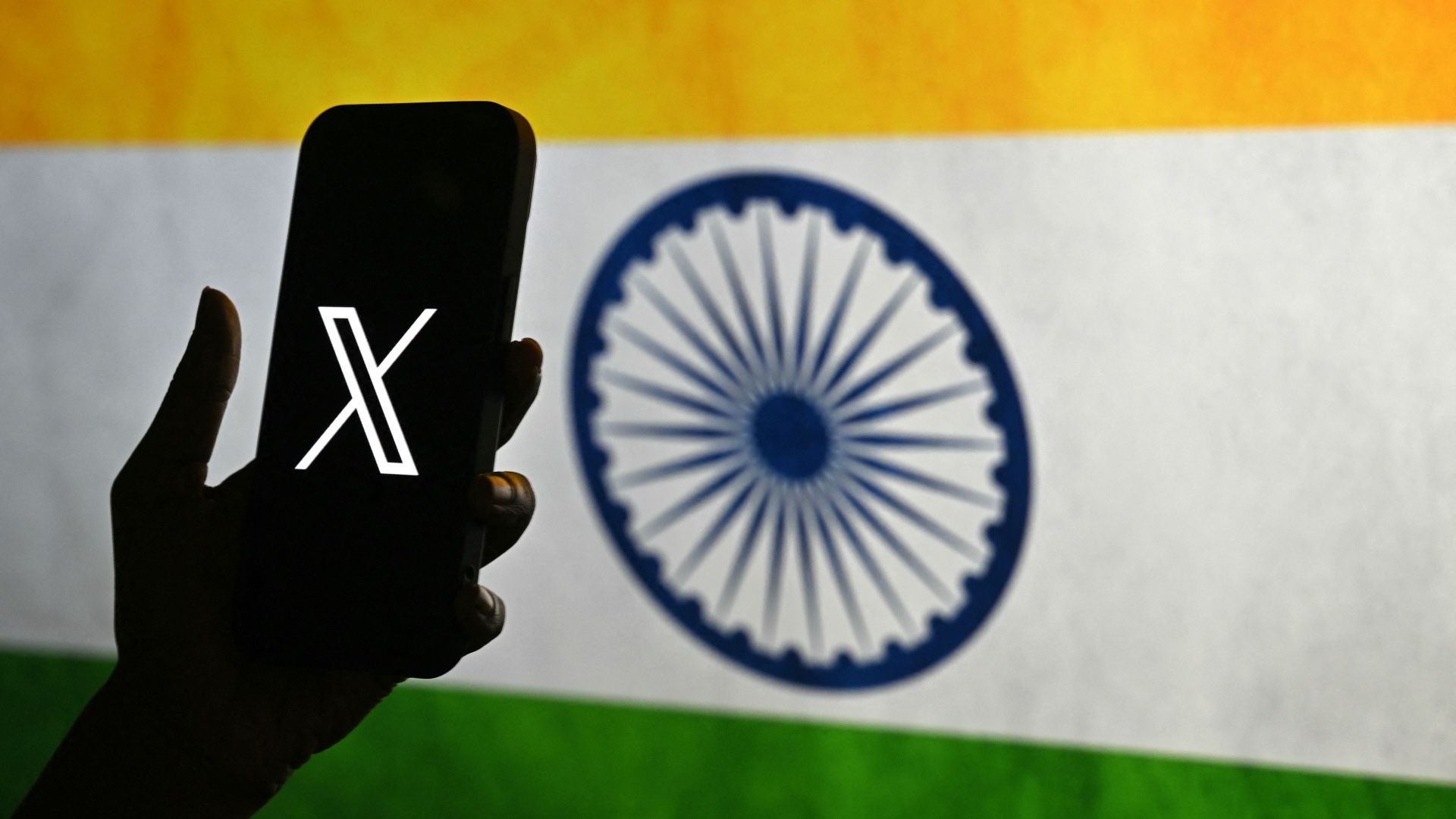
    The Indian government has formally blocked the X (formerly Twitter) account of Azad Essa, a US-based South African journalist serving as a senior reporter for Middle East Eye (MEE). The action was communicated via an official email from X Support on February 20th, citing a legal directive from India’s Ministry of Information and Broadcasting under Section 69A of the Information Technology Act, 2000.

    The notification stated that while X is legally compelled to restrict access to Essa’s content within India, his account remains accessible internationally. The platform advised the journalist to seek legal recourse through Indian courts to challenge the blocking order, though it emphasized it could not provide legal counsel.

    Essa, whose reporting extensively covers India-Israel relations, stated he received no specific explanation for the ban. He characterized the move as emblematic of deteriorating press freedoms in India and accused X of complicity in suppressing journalism while publicly championing free speech.

    This incident occurs against a backdrop of escalating tensions between X and the Indian government. Six months prior, the platform expressed concerns about censorship after temporarily blocking Reuters accounts following government requests—a move later denied by Indian authorities. In March 2025, X initiated legal proceedings against the Indian government over proposed policies that would expand officials’ authority to issue content removal requests. By May, these tensions culminated in approximately 8,000 takedown requests from Indian authorities during heightened India-Pakistan tensions.

    The journalist’s blocking coincides with deepening India-Israel relations. Prime Minister Narendra Modi is reportedly planning an upcoming visit to Israel to strengthen bilateral ties, with Israeli Prime Minister Benjamin Netanyahu describing the cooperation as part of a strategic “hexagon of alliances” countering radical elements in the Middle East.

    Essa, author of “Hostile Homelands: The New Alliance Between India and Israel,” reported experiencing sustained harassment from India’s right-wing factions over his coverage of India-Israel relations and Kashmir. He documented coordinated disinformation campaigns and personal threats aimed at discrediting his work.