分类: politics

  • Trump drops tariffs threat over Greenland after Nato talks

    Trump drops tariffs threat over Greenland after Nato talks

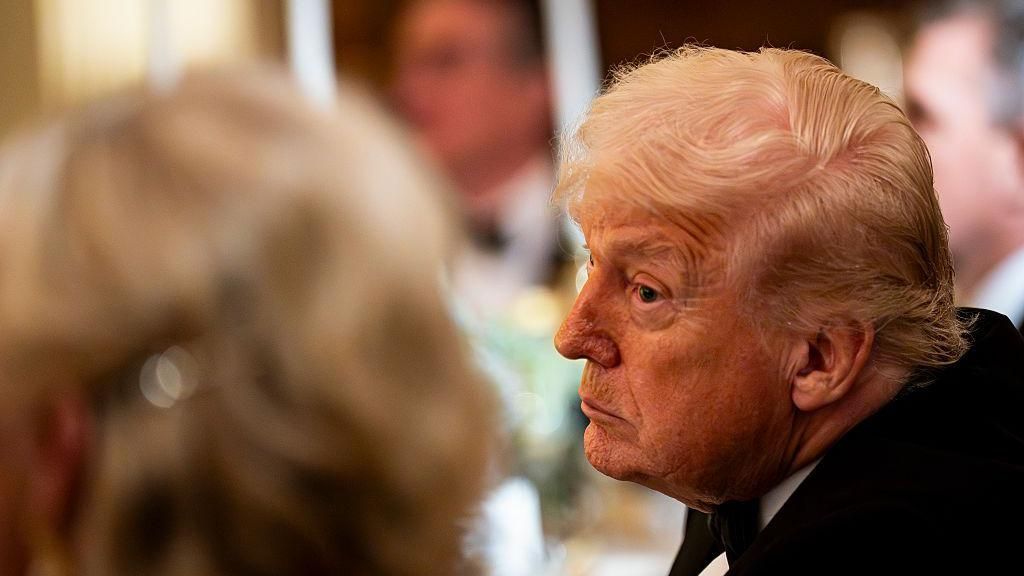
    In a significant diplomatic shift, former President Donald Trump has withdrawn his threat to impose sweeping tariffs on European NATO members following what he described as a “very productive meeting” with NATO Secretary General Mark Rutte at the World Economic Forum in Davos. The tariffs, which were initially slated to begin February 1st, were intended as leverage to force negotiations for the United States to acquire Greenland.

    The abrupt reversal came after Trump’s high-profile speech at Davos, where he insisted Greenland was vital for U.S. national security but pledged not to use military force to obtain it. Instead, he announced a new framework for negotiations focused on securing American strategic interests in the Arctic territory, which is currently an autonomous Danish territory.

    According to Trump’s statements on Truth Social and in subsequent media interviews, the proposed arrangement would grant the U.S. permanent control over specific land parcels in Greenland for military installations and resource extraction. Trump emphasized the deal would last “forever” and specifically address mineral rights and the planned ‘Golden Dome’ missile defense system—a comprehensive shield against long-range missiles.

    Danish Foreign Minister Lars Løkke Rasmussen expressed cautious optimism, stating the day had “ended on a better note than it began” and indicating willingness to discuss American security concerns while respecting Denmark’s sovereignty. NATO spokeswoman Allison Hart confirmed the alliance’s commitment to ensuring Russia and China gain no economic or military foothold in Greenland through forthcoming trilateral negotiations between the U.S., Denmark, and Greenland’s autonomous government.

    The development follows Trump’s confrontational rhetoric at Davos, where he criticized French President Emmanuel Macron for what he called decades of France “screwing” the U.S. and admonished Canadian officials for their perceived ingratitude toward American protection. The resolution suggests a pragmatic compromise emerged behind the scenes, moving from Trump’s initial demand for outright purchase to a negotiated agreement on strategic access, though many details about the potential deal’s structure remain undisclosed.

  • Trump at Davos: Won’t use force to take Greenland, must still have ownership of it

    Trump at Davos: Won’t use force to take Greenland, must still have ownership of it

    In a remarkable address at the World Economic Forum in Davos, former U.S. President Donald Trump made headlines by explicitly ruling out military action to acquire Greenland while simultaneously asserting American ownership rights over the autonomous Danish territory. The controversial statements came during his high-profile appearance before global leaders on January 21, 2026.

    Trump’s declaration marked a significant diplomatic moment as he addressed longstanding speculation about his administration’s territorial ambitions. “We probably won’t obtain anything unless I opt to employ excessive strength and force, where we would be, frankly, unstoppable,” Trump stated before adding, “but I will refrain from doing so.”

    The former president characterized his position as a major concession, suggesting that many had anticipated more aggressive actions. “That’s likely the most substantial statement I’ve made today, because many assumed I would resort to force,” he told the assembled international delegates. Trump repeatedly emphasized his opposition to military intervention, stating unequivocally: “I don’t have to use force. I don’t want to use force. I won’t use force.”

    Despite disavowing military action, Trump maintained that the United States must ultimately secure ownership of the strategically valuable Arctic territory. This position continues a pattern of interest Trump demonstrated during his presidency, when he publicly floated the idea of purchasing Greenland from Denmark in 2019, an offer that was promptly rejected by the Danish government and widely criticized internationally.

    The latest remarks come amid renewed geopolitical competition in the Arctic region, where melting ice caps are opening new shipping routes and access to valuable natural resources. Greenland’s significance has grown substantially due to its strategic location and mineral wealth, making it a focal point for global powers including China, Russia, and the United States.

  • US seizes second Chinese-owned, Venezuela-linked oil tanker

    US seizes second Chinese-owned, Venezuela-linked oil tanker

    In a continued escalation of its military campaign targeting Venezuela’s petroleum resources, United States forces have intercepted and seized a seventh oil tanker in the Caribbean Sea. The operation against the Liberian-flagged MV Sagitta occurred Tuesday morning without incident, according to US Southern Command (SOUTHCOM).

    This seizure represents the latest development in President Donald Trump’s quarantine initiative against sanctioned vessels transporting Venezuelan oil. The Sagitta, owned and managed by a Chinese company, becomes at least the second Chinese-operated tanker apprehended since the US administration announced its blockade policy last month.

    SOUTHCOM officials defended the action, stating: “The apprehension of another tanker operating in defiance of President Trump’s established quarantine demonstrates our resolve to ensure that the only oil leaving Venezuela will be oil that is coordinated properly and lawfully.”

    The US Department of Justice has previously indicted Venezuelan President Nicolás Maduro on multiple charges including conspiracy to commit narco-terrorism, conspiracy to import cocaine into the United States, and weapons-related violations. Maduro has pleaded not guilty to all charges and declared himself a “prisoner of war.”

    International response to these actions has grown increasingly critical, with regional and world leaders condemning the seizures as acts of piracy. Legal experts contend that the blockade, sanctions, and military operations—which have reportedly resulted in over 120 casualties—violate international law. These operations have included strikes on vessels allegedly transporting drugs, bombing campaigns, invasion attempts, and the attempted kidnapping of President Maduro and his wife, Cilia Flores.

  • Pakistan accepts invitation to join Trump’s Board of Peace in support of Gaza peace plan

    Pakistan accepts invitation to join Trump’s Board of Peace in support of Gaza peace plan

    Pakistan has formally accepted an invitation from former US President Donald Trump to participate in a newly proposed international peace initiative focused on resolving the Gaza conflict. The country’s foreign ministry confirmed its participation in the so-called “Board of Peace” on Wednesday, joining several Arab nations in supporting this diplomatic effort.

    Deputy Prime Minister and Foreign Minister Ishaq Dar announced the decision through an official statement on social media platform X, emphasizing Pakistan’s commitment to the Gaza Peace Plan framework established under UN Security Council Resolution 2803. The South Asian nation’s endorsement specifically backs key elements including a permanent ceasefire arrangement, comprehensive humanitarian assistance delivery, reconstruction efforts for the devastated Gaza Strip, and establishing a clear timeline for Palestinian statehood with East Jerusalem as its designated capital.

    The diplomatic coalition continues to expand with the United Arab Emirates, Bahrain, Morocco, and Egypt all confirming their participation in the US-proposed peace body. This collective engagement represents a significant multilateral approach to addressing one of the world’s most intractable conflicts, with both regional powers and international players converging on a structured peace process.

    The development marks a notable moment in Middle Eastern diplomacy, particularly given Pakistan’s historical stance on Palestinian self-determination and its strategic relationships throughout the Muslim world. The involvement of multiple Arab states alongside Pakistan suggests a broadening consensus around the proposed framework, though details regarding the board’s operational mechanisms, meeting schedule, and specific mandate remain undisclosed.

  • How an Islamist party is gaining ground in Bangladesh, worrying moderates

    How an Islamist party is gaining ground in Bangladesh, worrying moderates

    In a remarkable political transformation, Bangladesh’s historically marginalized Jamaat-e-Islami party is experiencing unprecedented resurgence ahead of February’s parliamentary elections. The Islamist organization, previously banned from electoral politics for over a decade due to its opposition to Bangladeshi independence and conflicts with the secular constitution, has strategically repositioned itself as a viable alternative to established political forces.

    The party’s rehabilitation follows the youth-led uprising that ousted Prime Minister Sheikh Hasina in August 2024, which resulted in approximately 1,400 casualties according to UN estimates. Capitalizing on public disillusionment with traditional parties, Jamaat has emphasized anti-corruption initiatives and welfare programs including medical camps and flood relief operations.

    A December opinion poll by the International Republican Institute revealed Jamaat as Bangladesh’s most ‘liked’ political entity, projecting a highly competitive race with the Bangladesh Nationalist Party. This surge in popularity stems from strategic alliances with groups like the Gen-Z National Citizen Party and outreach to minority communities, including the unprecedented nomination of a Hindu candidate.

    Despite public assurances of women’s rights, the party faces scrutiny for fielding no female candidates for 300 parliamentary seats. Party chief Shafiqur Rahman suggests women might gain representation through 50 proportionally allocated seats post-election, but women’s rights activists dismiss these promises as electoral ploys.

    The political shift has raised concerns among religious minorities and moderates, with reports of increased attacks on Hindu and Sufi sites since Hasina’s departure. Minority community leaders express unprecedented fears about their security under potential Islamist governance, though Jamaat officials deny involvement in religious violence and call for investigations.

    Jamaat has formed a broad network of alliances with other Islamist parties, planning to contest 179 seats while distributing 74 to allies. The party employed international agencies to assess voter sentiment and recruited prominent figures including Mir Ahmad bin Quasem, son of an executed Jamaat leader.

    Analysts note the party’s evolution from a ‘stigmatized force’ to a ‘pragmatic contender’ reflects public anger over abuses during Hasina’s administration. While some speculate about potential foreign policy shifts toward Pakistan, party leadership maintains they will pursue balanced international relations rather than leaning toward any particular nation.

  • Congressional committee votes to hold Clintons in contempt over Epstein subpoena

    Congressional committee votes to hold Clintons in contempt over Epstein subpoena

    In a significant escalation of political tensions, the House Oversight Committee has formally moved to hold former President Bill Clinton and former Secretary of State Hillary Clinton in contempt of Congress. The Wednesday vote, which garnered bipartisan support with several Democrats joining Republicans, centers on the Clintons’ refusal to comply with subpoenas issued as part of the committee’s investigation into convicted sex offender Jeffrey Epstein.

    The committee’s contempt measure now advances to the full House of Representatives for consideration. Should it secure approval there, the matter would be referred to the Department of Justice for potential enforcement action, raising unprecedented legal questions about compelling testimony from former first families.

    This investigation seeks testimony regarding the Clintons’ associations with Epstein, who was convicted of sex crimes. Photographic evidence places Bill Clinton in the financier’s company during the 1990s and early 2000s. Notably, no survivors of Epstein’s abuse have accused the former president of wrongdoing, and he has consistently denied any awareness of Epstein’s criminal activities during their acquaintance.

    Legal representatives for the Clintons have vigorously challenged the subpoenas, characterizing them as ‘unenforceable’ while maintaining their clients have cooperated by providing all ‘limited information’ available to them concerning Epstein. The development marks a new chapter in the long-standing political scrutiny of the Clinton family and tests the boundaries of congressional oversight powers.

  • Journalists in Jammu and Kashmir asked to sign pledge vowing to keep peace

    Journalists in Jammu and Kashmir asked to sign pledge vowing to keep peace

    In a significant development for press freedom in the contested region, Jammu and Kashmir police have compelled multiple journalists to sign a formal commitment vowing not to “disturb peace” through their reporting. This move has sparked immediate concerns among media watchdogs and press freedom advocates.

    According to verified reports, at least three journalists received official summons to police stations in Srinagar, the capital of the federally administered territory. While two journalists confirmed receiving these directives, one assistant editor from the respected Indian Express newspaper notably refused to sign the document despite repeated police summons between January 15-19.

    The situation emerges against the backdrop of India’s 2019 revocation of Jammu and Kashmir’s constitutional autonomy, which was followed by numerous restrictions in the Muslim-majority region. These developments include established guidelines governing how media outlets cover the ongoing insurgency and related security matters.

    The Press Club of Kashmir confirmed in an official statement that multiple members had received either formal summons or informal advisories from authorities requesting they cease reporting on police investigations into religious institutions’ funding and management structures.

    Kunal Majumder, Asia-Pacific coordinator for the Committee to Protect Journalists, characterized these actions as “part of a pattern of intimidation against the media in Jammu and Kashmir,” emphasizing that using police powers to summon journalists over legitimate reporting represents a concerning trend for democratic principles.

    The Srinagar police spokesperson has not yet responded to requests for commentary regarding these developments. Meanwhile, the Indian Express has publicly affirmed its commitment to “uphold and protect the rights and dignity of its journalists” in response to these pressures.

  • Peru’s interim president faces calls for removal over unregistered meetings with Chinese businessmen

    Peru’s interim president faces calls for removal over unregistered meetings with Chinese businessmen

    Peru’s interim President José Jerí appeared before a congressional oversight committee Wednesday to address allegations surrounding undisclosed meetings with Chinese business figures, encounters that have sparked both criminal investigations and mounting demands for his removal from office.

    The political firestorm represents the latest development in Peru’s protracted governmental instability, marking the seventh presidential administration since 2016. The controversy emerges as the nation prepares for general elections amid growing public discontent over escalating violent crime rates.

    Jerí, who assumed power in October following the abrupt impeachment of President Dina Boluarte, faces scrutiny for violating legal protocols requiring Peruvian leaders to formally document all official meetings. The president acknowledged meeting with businessman Yang Zhihua—whom he refers to as ‘Johnny’—first at a restaurant in late December and subsequently at a wholesale store in early January. Jerí characterized these encounters as informal occasions for dining on Chinese cuisine and purchasing candy.

    Surveillance footage from December 26 showed the president arriving at the restaurant with his head concealed beneath a hood while carrying a bag, triggering opposition allegations of potential misconduct. Yang, despite operating both establishments, secured a 2023 concession to develop a hydroelectric facility in the Andes—a project yet to be realized.

    Further complicating matters, Jerí admitted interactions with Ji Wu Xiaodong, another Chinese businessman who accessed the presidential palace on three separate occasions. Notably, Ji Wu was under house arrest and travel restrictions during these visits due to ongoing investigations into his alleged connections to criminal organizations involved in illegal Amazon rainforest logging.

    The interim president defended these meetings as coordination efforts for Peruvian-Chinese Friendship Day (February 1), emphasizing China’s decade-long position as Peru’s primary trading partner. Jerí described Ji Wu as merely ‘serving food’ during their restaurant meeting and claimed his silence during palace visits resulted from limited Spanish proficiency. However, official records indicate Ji Wu maintains registered credentials as a Chinese-to-Spanish translator with Peru’s foreign ministry.

    Peru’s Attorney General’s office has initiated a preliminary investigation into Jerí for suspected influence peddling and illegal lobbying offenses. While the prosecution confirmed the investigation remains confidential, the president has formally communicated his willingness to cooperate with authorities, offering to provide necessary statements and clarifications.

  • Middle Eastern leaders including Netanyahu and Sisi line up to join Trump ‘Board of Peace’

    Middle Eastern leaders including Netanyahu and Sisi line up to join Trump ‘Board of Peace’

    A significant diplomatic schism is forming within the international community regarding U.S. President Donald Trump’s newly proposed ‘Board of Peace’ initiative. While several Middle Eastern and regional powers have confirmed participation, key European nations are expressing reservations or outright refusing to join the controversial body.

    Egyptian President Abdel Fattah el-Sisi and Turkish President Recep Tayyip Erdogan both confirmed their nations’ involvement on Wednesday, with Turkey’s Foreign Minister Hakan Fidan representing the country at Thursday’s signing ceremony during the World Economic Forum in Davos. This follows Israeli Prime Minister Benjamin Netanyahu’s earlier acceptance of membership.

    The initiative, which would feature Trump as lifetime chairman, requires a $1 billion fee from participating nations for permanent membership, though Turkish officials confirmed the first three years would be fee-exempt. Approximately 50 countries have received invitations, with about 35 reportedly agreeing to join according to sources close to Trump.

    Notable participants include Hungary, United Arab Emirates, Pakistan, Bahrain, Armenia, Morocco, Argentina, Kazakhstan, Uzbekistan, and Belarus. Egypt’s foreign ministry stated its agreement came “after completing the relevant legal and constitutional procedures,” while expressing appreciation for “Trump’s leadership and his commitment to ending the war in Gaza.”

    However, the initiative faces substantial opposition from European powers. France declared it could not give a “favourable response” at this stage, while Norway outright refused participation, citing the board “raises a certain number of questions.” Ukrainian President Volodymyr Zelensky stated he “does not imagine” participating alongside Russia, calling it inconceivable given ongoing conflicts.

    The United Kingdom expressed apprehension about Russia’s potential involvement, noting concern over inviting Russian President Vladimir Putin who “has proven time and again that he is not seriously committed to peace.” Germany confirmed Chancellor Friedrich Merz would not attend the signing ceremony, departing Davos prior to the event.

    The diplomatic tensions coincide with ongoing strains between Europe and the U.S. regarding Trump’s repeated threats to annex Greenland, though he stated at Davos he would not use force in pursuing negotiations for its acquisition.

  • ICE activity increases in Maine as anxiety grows in immigrant communities

    ICE activity increases in Maine as anxiety grows in immigrant communities

    PORTLAND, Maine — The Trump administration has expanded its immigration enforcement operations to Maine through a controversial initiative dubbed ‘Operation Catch of the Day,’ drawing significant opposition from local governments and communities. Despite Maine’s relatively small population of undocumented residents, the state hosts substantial African refugee communities in Portland and Lewiston that have become primary targets of this enforcement surge.

    The Department of Homeland Security’s operation follows similar pattern-based initiatives in other states, including ‘Metro Surge’ in Minnesota and ‘Midway Blitz’ in Chicago. The deployment has triggered widespread anxiety within immigrant communities, prompting organized resistance from civic leaders, educational institutions, and local businesses.

    Governor Janet Mills and Democratic officials have mounted substantial opposition, including the state’s refusal to provide undercover license plates to Immigration and Customs Enforcement agents. Secretary of State Shenna Bellows, a longstanding Trump critic, explicitly denied federal requests for confidential vehicle identification, citing concerns about potential misuse following similar controversies in Illinois.

    Community response has been immediate and multifaceted. Portland residents have established neighborhood alert networks to monitor ICE movements, while local businesses have displayed signage prohibiting ICE agents from their premises. The Portland Public School district, where more than half of students identify as non-white, has developed contingency plans for online learning and implemented temporary security ‘lockouts’ due to immigration enforcement activities.

    City Council Member Pious Ali, originally from Ghana, reported approximately 25% absenteeism among immigrant students and described how fear has permeated essential workforce sectors. ‘Immigrants work in our hospitals, schools, and hotels—they are part of the economic engine of our community,’ Ali emphasized, criticizing the administration’s approach for generating unnecessary trauma.

    Homeland Security officials confirmed approximately 1,400 enforcement targets in Maine, with initial arrests including individuals convicted of aggravated assault, false imprisonment, and child endangerment. However, local leaders including Portland Mayor Mark Dion have challenged the operation’s proportionality, stating ‘There is no evidence of unchecked criminal activity in our community requiring a disproportionate presence of federal agents.’

    The political confrontation extends beyond immediate enforcement concerns. Bellows previously attempted to remove Trump from Maine’s presidential ballot under the 14th Amendment’s insurrection clause and recently refused to share state voter rolls with federal authorities. Republican leaders argue that withholding undercover plates compromises public safety, while federal prosecutor Andrew Benson—a Trump appointee—has urged demonstrators to maintain peaceful conduct amid growing tensions.