分类: politics

  • ‘Trump Always Chickens Out’: What is TACO trade and why is it back?

    ‘Trump Always Chickens Out’: What is TACO trade and why is it back?

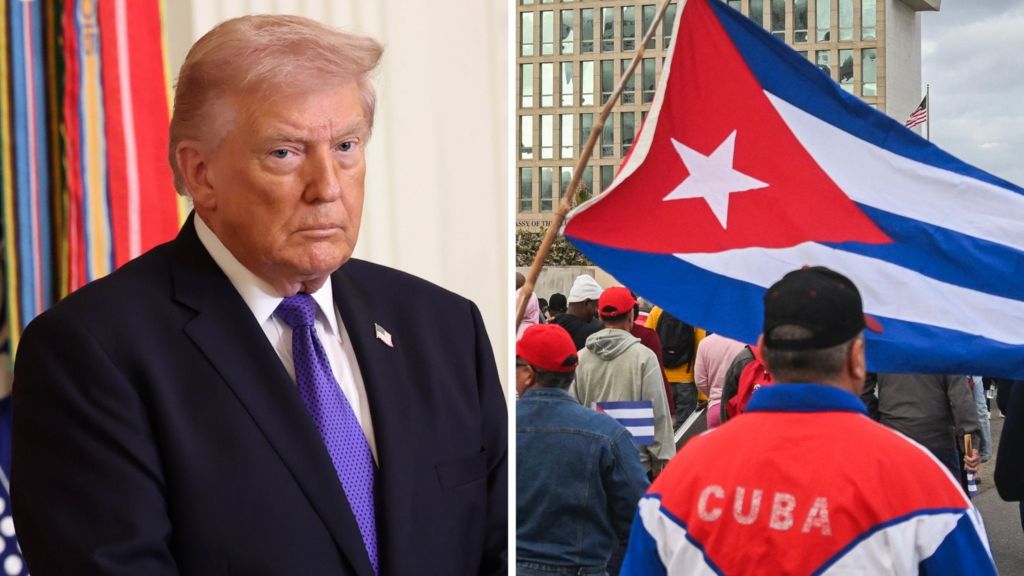
    Financial markets experienced significant volatility this week as President Donald Trump’s threats of imposing tariffs on multiple European nations—including Germany, France, Britain, and Denmark—triggered widespread uncertainty. The market turbulence stemmed from these countries’ resistance to Trump’s controversial proposition to acquire Greenland, Denmark’s autonomous territory.

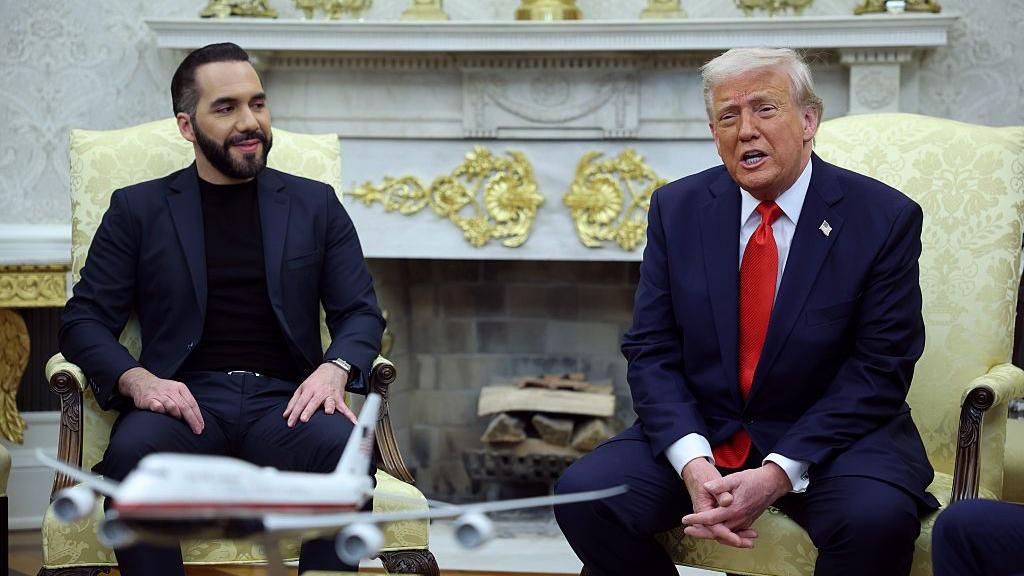
    The situation took an unexpected turn on Wednesday when the President abruptly retracted both his tariff threats and ambitions to forcibly seize the Arctic island from the NATO ally. This reversal catalyzed what analysts have termed the ‘TACO trade’—an acronym for ‘Trump Always Chickens Out’—prompting one of the most substantial market rallies witnessed in recent months.

    According to Fawad Razaqzada, market analyst at Forex.com, this pattern has become characteristic of Trump’s approach to international negotiations. The terminology originated among Wall Street analysts in May 2025, describing the President’s tendency to establish aggressive tariff deadlines in April only to substantially moderate them as deadlines approached.

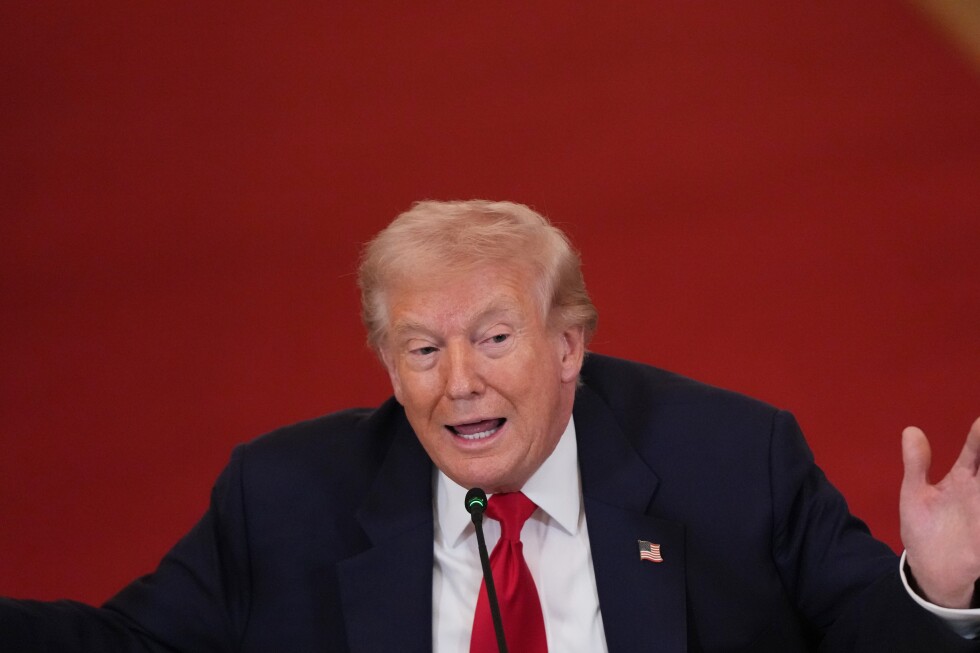
    The TACO phenomenon resurfaced dramatically during the Davos summit, where Trump initially delivered an uncompromising reaffirmation of his claims over Greenland, which he described as a ‘big piece of ice.’ However, he subsequently surprised attendees by declaring, ‘I won’t use force,’ acknowledging this concession as ‘probably the biggest statement I made.’ Hours later, he announced via Truth Social that he had negotiated a ‘future deal’ regarding the Danish territory and would lift sanction threats against eight European nations.

    California’s Democratic Governor Gavin Newsom promptly characterized this reversal as another TACO moment, drawing parallels to Trump’s relaxation of ‘Liberation Day’ tariffs the previous April. Some analysts suggest this pattern reflects the ‘art of the deal’ strategy Trump outlined in his 1987 book, involving extreme initial demands to secure unexpected concessions.

    The uncertainty surrounding this negotiation technique continues to concern U.S. allies, particularly given Trump’s statement regarding Greenland: ‘You can say yes, and we will be very appreciative. Or you can say no and we will remember’—a comment compared by New York Times commentator Bret Stephens to dialogue from mafia classic ‘The Godfather.’

  • Trump threatens Canada with 100% tariffs over its new trade deal with China

    Trump threatens Canada with 100% tariffs over its new trade deal with China

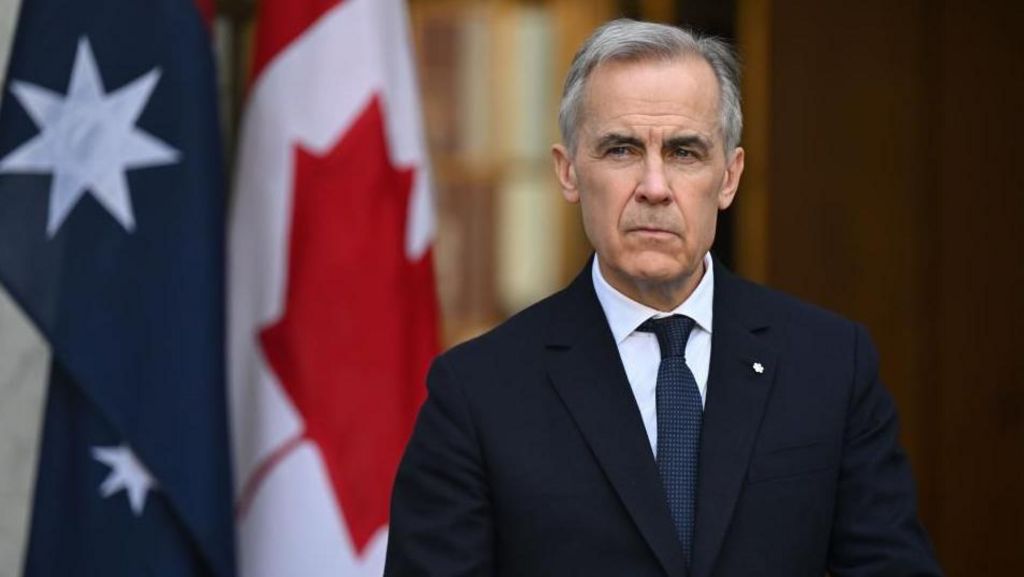
    In a significant escalation of diplomatic tensions, former President Donald Trump issued a stark warning to Canada through social media on Saturday, threatening to impose 100% tariffs on Canadian imports should the nation proceed with its recently negotiated trade agreement with China. Trump asserted that Prime Minister Mark Carney would be “sorely mistaken” if he believed Canada could serve as a transit point for Chinese goods entering the United States.

    The threat emerges amidst already strained relations between the two NATO allies, further complicated by Trump’s persistent interest in acquiring Greenland and his controversial remarks suggesting Canadian absorption into the United States. Trump’s provocative language extended to referring to Carney as “Governor Carney”—a derogatory nickname previously used for former Prime Minister Justin Trudeau—highlighting the deterioration in their diplomatic relationship.

    This development occurs against the backdrop of Canada’s strategic move to lower tariffs on Chinese electric vehicles in exchange for reduced import taxes on Canadian agricultural products. Ironically, Trump had initially characterized this agreement as a positive step for Canada. The former president subsequently revoked Carney’s invitation to participate in his proposed “Board of Peace,” an initiative aimed at addressing global conflicts.

    The ongoing trade friction between the nations continues despite the protective framework provided by the Canada-U.S.-Mexico Agreement, which is scheduled for review this year. The situation represents a critical juncture in North American relations with potential implications for global trade dynamics and international diplomacy.

  • China places highest-ranking general under investigation

    China places highest-ranking general under investigation

    In a significant development within China’s military leadership, the Ministry of National Defense has announced formal investigations against two of the nation’s highest-ranking generals for serious legal and disciplinary violations. The probe targets General Zhang Youxia, Vice-Chairman of the Central Military Commission and long considered President Xi Jinping’s closest military ally, alongside General Liu Zhenli, another senior military officer.

    The defense ministry’s statement provided no specific details regarding the allegations, though the phrase ‘violations of discipline and law’ typically serves as official terminology for corruption cases within China’s political context. The investigation marks a dramatic fall from grace for General Zhang, a 75-year-old veteran with combat experience who had remained in service beyond standard retirement age—previously interpreted as a sign of particular trust from President Xi.

    This development continues President Xi’s extensive anti-corruption campaign that has swept through multiple government sectors since he assumed power, with recent focus intensifying on military leadership. Just three months earlier, nine senior generals were removed in one of the largest military purges in decades.

    The timing of the announcement follows weeks of speculation after both generals were conspicuously absent from a major Party event in December. With these investigations, the Central Military Commission’s membership has now been reduced from seven to just two officials: President Xi himself and Zhang Shengmin, who oversees military disciplinary matters.

    Analysts note that while anti-corruption efforts receive public support for promoting governance integrity, critics argue these campaigns frequently serve as tools for political consolidation. President Xi has consistently described corruption as the ‘biggest threat’ to Communist Party rule and maintains that the anti-graft battle remains ‘grave and complex.’

    The investigation of General Zhang carries particular symbolism given his status as the son of one of China’s revolutionary founding generals and his position on the 24-member Politburo, the Party’s elite decision-making body.

  • Defiant protests over child’s detention by ICE amid US immigration crackdown

    Defiant protests over child’s detention by ICE amid US immigration crackdown

    Minneapolis became the epicenter of national outrage as thousands defied subzero temperatures to protest U.S. immigration enforcement tactics, particularly the controversial detention of a five-year-old asylum seeker. The coordinated demonstrations saw businesses shuttering doors in solidarity while faith leaders faced arrests at airport protests.

    The catalyst for this upheaval emerged from the traumatic apprehension of Liam Conejo Ramos, a preschooler from Ecuador, and his father Adrian Conejo Arias. Federal agents detained both asylum seekers Tuesday in their driveway, with school officials alleging the child was used as ‘bait’ to lure others from their home. This incident occurred amid broader Immigration and Customs Enforcement (ICE) operations that have deployed thousands of agents to the Democratic-led city.

    Contrasting narratives quickly developed. Vice President JD Vance contended during a Minneapolis visit that agents protected Ramos after his father ‘ran’ from officers, asking rhetorically: ‘Are they supposed to let a five-year-old child freeze to death?’ Meanwhile, ICE commander Marcos Charles asserted officers attempted family reunification before detaining both ‘pending their immigration proceedings.’

    The response has been multifaceted: Columbia Heights Public Schools revealed at least four children from their district faced detention this month. Methodist clergy organized civil disobedience resulting in 100 arrests at Minneapolis-St. Paul airport. UN human rights chief Volker Turk condemned the ‘harmful treatment of migrants and refugees,’ while former Vice President Kamala Harris expressed outrage at detaining ‘just a baby.’

    Legal challenges are underway as Minnesota seeks a temporary restraining order against ICE operations, with a federal hearing scheduled for Monday. The situation remains tense following the January 7 homicide of U.S. citizen Renee Good by federal agents during earlier operations, though the involved officer faces neither suspension nor charges.

  • How the old and new U.S. defense strategies differ on traditional priorities

    How the old and new U.S. defense strategies differ on traditional priorities

    The Trump administration has unveiled a fundamentally reconfigured National Defense Strategy that marks a dramatic departure from the 2022 framework established under President Biden. This comprehensive analysis examines the strategic recalibration across key global regions.

    In the Western Hemisphere, the 2026 doctrine adopts an assertive stance, vowing to ‘actively and fearlessly defend America’s interests’ while guaranteeing military and commercial access to critical territories including the Panama Canal, Gulf of America, and Greenland. The strategy explicitly commits to providing ‘credible military options against narco-terrorists’ while emphasizing conditional cooperation with neighbors from Canada through Central and South America.

    Regarding European security, the document characterizes Russia as a ‘persistent but manageable threat’ while noting NATO’s overwhelming economic and demographic advantages. The strategy contends that European NATO members, having committed to raising defense spending to 5% of GDP under Trump’s leadership, are now positioned to assume ‘primary responsibility for Europe’s conventional defense’ with more limited U.S. support. This includes taking the lead in supporting Ukraine’s defense efforts.

    The Indo-Pacific region receives heightened priority, with the strategy framing Chinese dominance as an existential economic threat that could ‘effectively veto Americans’ access to the world’s economic center of gravity.’ The document outlines a more focused objective than previous strategies: simply to prevent Chinese regional domination rather than pursuing regime change or existential struggle, aiming for a ‘decent peace’ acceptable to both nations.

    On the Korean Peninsula, the strategy designates South Korea as capable of taking ‘primary responsibility for deterring North Korea’ given its powerful military, robust defense industry, and mandatory conscription, requiring only ‘critical but more limited U.S. support.’

    In the Middle East, the Department of War will empower regional allies to counter Iran and its proxies, emphasizing strong support for Israel’s self-defense, deepened cooperation with Gulf partners, and enhanced integration between Israel and Gulf states through the Abraham Accords framework. The strategy maintains America’s right to take ‘focused, decisive action’ to defend U.S. interests when necessary.

  • Bangladesh’s fugitive ex-PM alleges elections will not be free

    Bangladesh’s fugitive ex-PM alleges elections will not be free

    In a dramatic audio address broadcast from undisclosed locations in India, Bangladesh’s deposed Prime Minister Sheikh Hasina has launched scathing criticisms against the upcoming February elections, declaring them fundamentally compromised. The 78-year-old leader, now living in exile since her August 2024 ousting following massive student-led protests, broke her prolonged public silence to challenge the legitimacy of the electoral process.

    Hasina’s forceful condemnation came during a panel discussion titled ‘Bangladesh at the Crossroads’ hosted in New Delhi, where she asserted that genuine democracy remains elusive under the current transitional government. Her message reached over 100,000 online viewers simultaneously, creating immediate political reverberations across South Asia.

    The former leader, who previously governed Bangladesh for fifteen consecutive years, faces a death sentence imposed in absentia by a Dhaka court last November. The conviction centered on charges of crimes against humanity, including incitement to violence and systematic failure to prevent atrocities during her administration.

    Current interim leader Muhammad Yunus, the Nobel Peace Prize laureate recalled from exile to helm the caretaker government, maintains that the February 12 vote will establish new benchmarks for electoral integrity. Official statements from Yunus’ office emphasize the administration’s commitment to transparent and credible elections.

    However, Hasina specifically targeted Yunus in her address, describing his influence as an oppressive shadow over Bangladeshi democracy. Her Awami League party, once the nation’s dominant political force, now operates under official prohibition with its activities criminalized.

    The escalating tension between these rival visions for Bangladesh’s future complicates already delicate diplomatic relations between India and Bangladesh. New Delhi’s decision to provide sanctuary to the deposed leader has generated sustained friction since the transfer of power.

  • The Fujian Coast Guard conducts regular law enforcement patrol in the waters near Jinmen

    The Fujian Coast Guard conducts regular law enforcement patrol in the waters near Jinmen

    The Fujian Coast Guard has executed routine law enforcement operations in maritime territories adjacent to Jinmen, demonstrating China’s ongoing commitment to maintaining maritime security and sovereignty. These patrols, conducted as part of standardized procedures, represent the consistent implementation of China’s maritime governance policies.

    The operations follow established protocols for monitoring and regulating activities within China’s jurisdictional waters. The patrols serve multiple purposes including maritime safety oversight, illegal activity prevention, and border security maintenance. Such exercises reflect the continuous efforts by Chinese authorities to ensure stability and lawful order in regional waters.

    These maneuvers occur within the framework of China’s domestic laws and international maritime regulations. The Coast Guard’s presence in these waters constitutes normal practice for sovereign states exercising their legitimate rights to patrol territorial waters and exclusive economic zones. The operations align with China’s broader strategy of maintaining peaceful and regulated maritime environments through professional law enforcement capabilities.

    The timing of these patrols corresponds with increased regional attention to maritime security matters, though officials emphasize their routine nature. China maintains that such activities represent standard procedure rather than exceptional measures, consistent with how coastal nations worldwide administer their maritime territories.

  • Ukraine says deadly Russian strikes threaten US-backed peace talks

    Ukraine says deadly Russian strikes threaten US-backed peace talks

    Ukraine has accused Russia of deliberately sabotaging U.S.-mediated peace negotiations through a series of deadly military strikes occurring simultaneously with diplomatic talks in Abu Dhabi. The attacks resulted in one fatality and 27 injuries across Kyiv and Kharkiv, while thousands endured sub-zero temperatures without heating due to damaged energy infrastructure.

    Ukrainian Foreign Minister Andriy Sybiga condemned the coordinated assault, stating President Vladimir Putin’s missiles ‘hit not only our people, but also the negotiation table’ as delegations convened to advance the American-led peace process. The talks marked the first direct contact between Ukrainian and Russian officials since last summer’s Istanbul meetings, with discussions focusing on parameters for ending the conflict.

    The core dispute remains the status of Donbas territory, with Moscow demanding complete Ukrainian withdrawal from the eastern region—a condition Kyiv has repeatedly rejected. The Kremlin reaffirmed this position hours after U.S. envoy Steve Witkoff and Jared Kushner met with Putin in Moscow, emphasizing territorial control as ‘a very important condition’ for any settlement.

    Energy infrastructure suffered severe damage, with Ukraine’s largest provider DTEK reporting 88,000 families temporarily without power in Kyiv alone. The northern Chernigiv region experienced even more extensive blackouts affecting ‘hundreds of thousands’ after strikes critical energy facilities. President Volodymyr Zelensky had previously declared a state of emergency in the energy sector following systematic Russian targeting of heating and electricity supplies.

    While diplomatic efforts have intensified, including Zelensky’s meeting with Donald Trump at the World Economic Forum where they discussed post-war security guarantees, the fundamental territorial impasse appears unresolved. Trump previously pressured Ukraine to accept terms viewed as capitulation, remarking both parties would be ‘stupid’ if they failed to reach an agreement.

  • Russia, US, Ukraine to talk in UAE

    Russia, US, Ukraine to talk in UAE

    In a significant diplomatic development, Russia, the United States, and Ukraine have agreed to convene security discussions in the United Arab Emirates, marking the first tripartite dialogue since the inception of Moscow’s military campaign in Ukraine nearly four years ago. The confirmation came from Yuri Ushakov, foreign policy aide to Russian President Vladimir Putin, who disclosed that the Russian delegation would be led by General Igor Kostyukov, director of the GRU military intelligence agency, acting upon Putin’s direct instructions.

    The negotiating teams will feature prominent representatives from each nation. The US contingent will be headed by President Donald Trump’s special envoy, Steve Witkoff, while Ukraine’s delegation will be orchestrated by Rustem Umerov, Secretary of the National Security and Defense Council. Although specific details remain guarded, Ukrainian President Volodymyr Zelensky indicated that this inaugural trilateral meeting would span two days in Abu Dhabi.

    This breakthrough follows extensive late-night discussions at the Kremlin between Putin, Witkoff, and Trump’s son-in-law Jared Kushner, which concluded in the early hours of Friday. Ushakov, who participated in these marathon talks, emphasized that any enduring settlement must address territorial disputes—a clear reference to Moscow’s insistence on Ukrainian withdrawal from Russian-controlled eastern regions. He characterized the US-Russia dialogue as mutually beneficial, noting Washington’s optimism that continued communication could facilitate conflict resolution.

    Concurrently, at the World Economic Forum in Davos, President Zelensky underscored that genuine progress would necessitate reciprocal concessions from both combatants, not unilateral sacrifices from Kyiv alone. He acknowledged the ‘difficult situation’ confronting both nations and the unresolved status of occupied territories, despite nearly finalized peace proposals. Zelensky’s private meeting with Trump on the forum’s sidelines was described by the US president as productive, with Trump noting ‘everyone’s making concessions’ to achieve peace.

    Envoys report substantial advancements in the prolonged negotiations, with Witkoff revealing that discussions have narrowed to a single pivotal issue, suggesting a potentially solvable deadlock. However, NATO Secretary-General Mark Rutte urged sustained focus on Ukraine, cautioning that while peace talks are promising, successful conclusion remains distant. The US has engaged in separate consultations with Russian, Ukrainian, and European leaders on various draft frameworks, though no formal agreement has been realized despite Trump’s repeated commitments to broker a resolution.

  • Minnesota gears up for more protests against ICE

    Minnesota gears up for more protests against ICE

    Minnesota braces for intensified demonstrations as a powerful coalition of labor unions, progressive advocacy groups, and religious leaders calls for statewide work and school walkouts on Friday. The planned protests target U.S. Immigration and Customs Enforcement operations that have sparked widespread community outrage following recent confrontations.

    The movement gained momentum after the January 7th fatal shooting of Renee Good by an ICE officer during an enforcement operation. Since this incident, the Twin Cities of Minneapolis and St. Paul have experienced continuous daily protests, with federal officers frequently clashing with activists who monitor their movements through digital tracking and street surveillance.

    At the heart of the controversy lies the detention of at least four children from Columbia Heights, including five-year-old Liam Conejo Ramos. According to school district superintendent Zena Stenvik, masked and armed ICE officers have apprehended students ranging from elementary to high school age, creating what she describes as “trauma taking a toll on our children.”

    The case of Liam and his father, Adrian Alexander Conejo Arias, has become particularly contentious. Though both were in the country legally as asylum applicants according to family attorney Marc Prokosch, they were transported to a family detention facility in Dilley, Texas. Witnesses describe how masked agents took the father from their driveway after returning from preschool, then allegedly attempted to use the child as bait to lure the mother from their home.

    Vice-President JD Vance presented a contrasting narrative during his Minneapolis visit, stating immigration officers were pursuing Liam’s father who abandoned his child, leaving officers no choice but to take custody. “What are they supposed to do? Are they supposed to let a five-year-old child freeze to death?” Vance challenged during a news conference.

    However, multiple witnesses including school board chair Mary Granlund assert that school officials and neighbors offered to take custody of the child but were denied by ICE agents, despite having legal authorization to assume guardianship in parental absence.

    The Department of Homeland Security maintains that Liam’s father was in the country illegally but has not provided detailed evidence supporting this claim. As tensions escalate, community organizations continue mobilizing residents to pressure ICE to cease operations in Minnesota neighborhoods and school zones.