分类: politics

  • In surprise move, Spain to grant legal status to thousands of immigrants lacking permission

    In surprise move, Spain to grant legal status to thousands of immigrants lacking permission

    In a landmark policy shift, Spain’s government has unveiled plans to grant legal residency and work rights to an estimated 500,000-800,000 undocumented immigrants currently living within its borders. The extraordinary measure, announced by Migration Minister Elma Saiz following Tuesday’s cabinet meeting, represents a direct challenge to the increasingly restrictive immigration policies adopted by the United States and many European nations.

    The reform will be implemented through an expedited decree, bypassing parliamentary gridlock that had stalled similar legislation. To qualify, immigrants must have arrived in Spain before December 31, 2025, provide evidence of at least five months’ residence, and demonstrate a clean criminal record. Successful applicants will receive legal residency status for up to one year alongside official work authorization.

    Minister Saiz hailed the decision as “historic,” noting that the initiative primarily benefits Latin American and African migrants who form the backbone of Spain’s agricultural, tourism, and service sectors. Their contributions have become increasingly vital to the nation’s expanding economy, yet many have remained trapped in societal shadows without legal protections.

    The policy emerged from a last-minute political agreement between the ruling Socialist Party and the left-wing Podemos party, securing parliamentary support for Prime Minister Pedro Sánchez’s administration. The move surprised observers but was immediately celebrated by migrant rights organizations and Catholic associations that had collected 700,000 signatures supporting similar measures.

    With applications expected to open by April, Spain solidifies its status as an outlier in global migration policy. While other nations tighten borders and asylum rules—often inspired by the Trump administration’s approach—Spain’s leadership continues to champion immigration’s economic benefits, having already welcomed millions of legal migrants from South America and Africa in recent years.

  • US-China ties in 2026: scholars see window for stability amid fragility

    US-China ties in 2026: scholars see window for stability amid fragility

    Academic experts specializing in international affairs have presented a nuanced assessment of Sino-American relations for the coming year, identifying both stabilizing factors and underlying vulnerabilities in the bilateral relationship. The analysis emerged during a recent virtual symposium organized by the Institute for China-America Studies, where scholars examined the geopolitical landscape following significant developments throughout 2025.

    David Kang, who holds the Maria Crutcher professorship in international relations at the University of Southern California, expressed measured optimism, noting that the current state of affairs has surpassed earlier expectations. This cautiously positive outlook follows a year that witnessed five substantial trade negotiation rounds and a consequential summit in Busan, South Korea, which resulted in a temporary suspension of tariff escalations.

    The Trump administration’s recently published National Security Strategy provided additional context for the discussion. The document notably emphasized economic engagement across Asia while refraining from characterizing China as an existential national security threat—a significant departure from conventional Washington foreign policy rhetoric.

    Robert Sutter, professor of practice at George Washington University’s Elliott School of International Affairs, highlighted President Trump’s distinctive approach to China relations, describing it as fundamentally “transactional” rather than ideologically driven. This methodology leverages access to the enormous American consumer market as diplomatic capital to negotiate bilateral agreements more favorable to United States interests.

    However, Professor Kang offered a more circumspect perspective regarding American influence in Asia, suggesting that regional trends continue to move in concerning directions. He characterized the public displays of diplomatic engagement from Asian allies as “performative flattery” that masks deeper efforts to establish regional networks as protection against potential American policy volatility.

    The Taiwan question emerged as a critical flashpoint in the discussions. The United States’ approval of an unprecedented $11 billion arms package to Taiwan in late 2025—the largest single authorization to date—contrasted with the National Security Strategy’s reaffirmation of established policy without explicit endorsement of the One-China principle.

    Bucknell University Professor Zhu Zhiqun described the arms sales as a “problematic approach” that contributes to relationship fragility. He characterized the current bilateral dynamic as a “negative equilibrium” sustained not by mutual benefit or shared values but by reciprocal capacity for economic harm through mechanisms including tariff impositions, technology controls, and commodity restrictions.

    Despite these challenges, Liu Yawei, senior China advisor at the Carter Center, projected optimism for 2026, suggesting that stability on the Taiwan issue could produce stabilizing effects across the entire US-China relationship, ultimately benefiting the international community at large.

  • Journalists invited to cover the 2026 two sessions

    Journalists invited to cover the 2026 two sessions

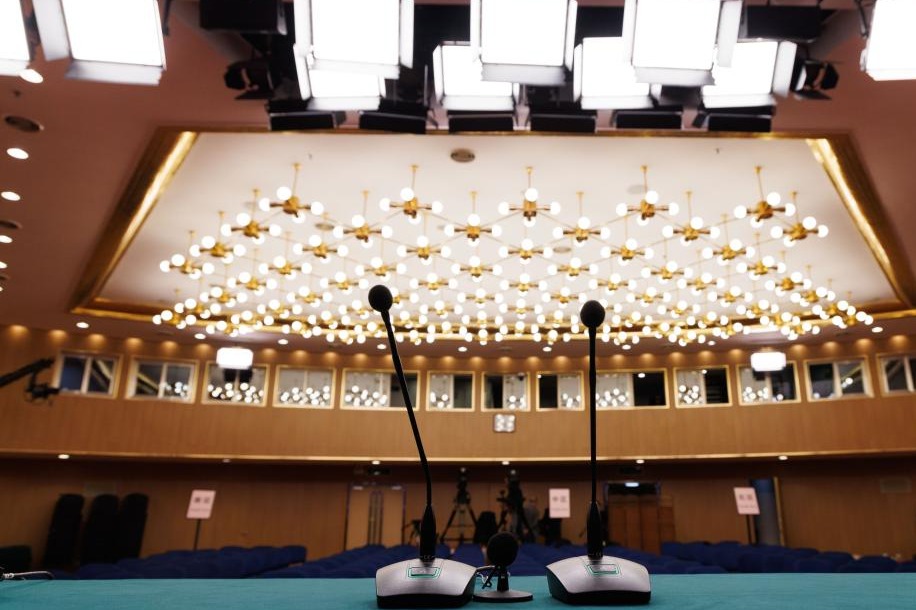
    China has officially commenced media accreditation procedures for the upcoming 2026 ‘Two Sessions,’ the nation’s most significant annual political gathering. According to a joint announcement from the National People’s Congress Committee and the Chinese People’s Political Consultative Conference National Committee, the media center in Beijing will become operational on February 27th in preparation for the events.

    The political calendar confirms the Fourth Session of the 14th Chinese People’s Political Consultative Conference (CPPCC) National Committee will convene on March 4th, followed by the Fourth Session of the 14th National People’s Congress (NPC) commencing on March 5th. Official statements emphasize that journalistic coverage will incorporate diverse methodologies, with particular priority given to on-site reporting.

    International media representatives currently stationed in China must submit their accreditation requests directly to the press center. Correspondents based overseas may apply through Chinese diplomatic missions in their host countries or via visa agencies authorized by China’s Ministry of Foreign Affairs. Journalists from Hong Kong and Macao special administrative regions should process applications through the central government’s liaison offices in their respective territories, while Taiwanese reporters must coordinate through the State Council’s Taiwan Affairs Office.

    The application portal will remain accessible until February 3rd, with comprehensive information available through official channels at www.npc.gov.cn and www.cppcc.gov.cn. These parallel sessions represent China’s paramount political event, convening national legislators and political advisors to examine government and judicial performance reviews, deliberate critical socioeconomic policies, and formulate legislative amendments concerning national development and citizen welfare.

  • From Pax Silica to water security: What was discussed at US-UAE economic policy dialogue

    From Pax Silica to water security: What was discussed at US-UAE economic policy dialogue

    In a significant demonstration of strengthened bilateral relations, the United States and United Arab Emirates convened their eleventh Economic Policy Dialogue in Abu Dhabi on January 15, 2026. The high-level meeting, co-chaired by Saeed Mubarak Al Hajeri, UAE Minister of State, and Jacob Helberg, US Under-Secretary of State for Economic Affairs, yielded substantial advancements across multiple strategic sectors.

    The dialogue reaffirmed the UAE’s position as America’s premier trade partner in the Gulf region—a distinction maintained for nearly two decades—while highlighting the substantial US trade surplus with the Emirates. Central to discussions was the UAE’s reaffirmed commitment to channel $1.4 trillion into the US economy over the coming decade, cementing its status as Washington’s most significant regional economic ally.

    Trade metrics revealed impressive growth, with total non-oil commerce surpassing $38 billion by 2024. Preliminary 2025 data indicated continued expansion, with first-half bilateral trade reaching $19.3 billion—a 3.4% year-on-year increase—particularly benefiting American energy, aviation, and technology industries.

    Strategic technological collaboration featured prominently, with both nations endorsing the US-UAE AI Acceleration Partnership established during President Trump’s May 2025 visit. This framework enables US companies to export advanced AI semiconductors to approved Emirati entities while implementing enhanced security protocols. The partnership has already catalyzed substantial Emirati investment into American AI infrastructure, research centers, and cloud architecture.

    Attention focused on the developing five-gigawatt AI campus in the UAE, poised to become the world’s largest such facility outside the United States. Both parties explored additional cooperation in quantum computing, genomics, and space exploration through a proposed Science and Technology Agreement.

    Supply chain security emerged as a critical priority, with officials discussing operationalization of the US-led Pax Silica Declaration—which the UAE formally joined on January 14, 2026. This initiative aims to establish secure, innovation-driven supply chains for AI-era technologies. Both nations also reiterated support for the India-Middle East-Europe Economic Corridor (IMEC), emphasizing port and rail capacity enhancements.

    The dialogue extended to financial cooperation, including counter-illicit finance measures, sanctions coordination, and the anticipated 2026 launch of the UAE-US Treasury Engagement Framework. UAE representatives welcomed the US Treasury’s Known Investor pilot program for CFIUS processes.

    Environmental sustainability gained prominence as Al Hajeri announced UAE’s co-hosting of the 2026 UN Water Conference with Senegal. Both delegations expressed commitment to exploring cooperation among I2U2 nations (India, Israel, UAE, US) in energy security, critical minerals, and water security.

    The comprehensive discussions spanned investment, trade, intellectual property, tourism, digital economy, emerging technologies, energy, transportation, and infrastructure, demonstrating the multifaceted nature of the US-UAE economic partnership and their shared commitment to global economic stability.

  • Days after a disputed election, Uganda’s army is on the hunt for opposition leader Bobi Wine

    Days after a disputed election, Uganda’s army is on the hunt for opposition leader Bobi Wine

    KAMPALA, Uganda — A dramatic political cat-and-mouse game unfolds in Uganda as opposition leader Bobi Wine continues to evade military capture for over a week, exposing deepening tensions within the nation’s political landscape. The 43-year-old musician-turned-politician, whose real name is Kyagulanyi Ssentamu, has been hiding since the disputed January 15 presidential election that returned President Yoweri Museveni to a seventh term.

    In a recently circulated video recorded from an undisclosed location, Wine appeared in his family graveyard in central Uganda, openly mocking Army Chief Gen. Muhoozi Kainerugaba—the president’s son and presumed successor—for failing to locate him. ‘The whole army is looking for one person. It’s now coming to 10 days but they have failed to find me,’ Wine declared in the footage shared on social media platform X. ‘That means they are not as strong as they tell you.’

    The election itself was marred by technical failures and government restrictions, including an internet shutdown and malfunctioning biometric voter identification systems intended to prevent ballot manipulation. Official results gave Museveni 71.6% of the vote, a outcome Wine has vehemently rejected.

    The confrontation escalated dramatically when Ugandan soldiers raided Wine’s residence the day after the election, only to find the opposition leader had already gone underground. The situation intensified further on January 23 when soldiers conducted another raid on Wine’s home on the outskirts of Kampala, resulting in his wife Barbara Kyagulanyi being hospitalized with anxiety and bruises. She described to journalists how masked soldiers broke doors and windows, physically assaulting her while demanding information about her husband’s whereabouts.

    Gen. Kainerugaba, who has developed a reputation for posting inflammatory tweets that he frequently later deletes, has taken responsibility for the raid but denies any mistreatment of Wine’s wife. The army chief has publicly labeled Wine a coward, ‘baboon,’ and ‘terrorist,’ claiming the opposition leader is wanted for criminal offenses—though government spokespersons simultaneously assert Wine is not actually wanted and may return home freely.

    The very public feud between Wine and the president’s son has raised concerns among Ugandans about potential unrest. Wine commands substantial support among urban youth frustrated with government corruption, limited economic opportunities, and four decades of uninterrupted rule under Museveni. The 81-year-old leader, a long-time U.S. ally, has accused the opposition of attempting to incite violence during the electoral process.

    As the standoff continues, Wine urges his followers to ‘do whatever is possible without breaking the law’ to demonstrate government vulnerabilities, highlighting what he characterizes as ‘family rule’ where ‘the ruling family is always above the law.’ The situation remains fluid, with many fearing that any escalation could trigger broader civil unrest in a nation that has historically been a haven for refugees fleeing violence elsewhere in the region.

  • Experts say Carney speech marks reassessment of global rules

    Experts say Carney speech marks reassessment of global rules

    Canadian Prime Minister Mark Carney’s landmark address at the World Economic Forum in Davos has ignited expert analysis regarding the fundamental restructuring of global governance systems. Speaking on January 20, 2026, Carney declared the postwar international order effectively terminated, emphasizing that middle-power nations must adapt to an increasingly fragmented and coercive global landscape.

    According to Ronald Stagg, History Professor at Toronto Metropolitan University, Carney’s reference to the ‘old order’ pertains to the framework of international relationships established following World War II. “This system operated on principles of mutual respect among nations and relied heavily on multilateral institutions like the United Nations for conflict resolution,” Stagg explained. However, he noted that this order “never truly existed in its idealized form,” as powerful nations only participated when it served their interests.

    The critical shift, experts suggest, lies in the reemergence of overtly coercive tactics by major powers. Stagg identified the United States as Carney’s primary subject of criticism, citing Washington’s withdrawal from international organizations, consistent UN criticism, and poor treatment of allied nations. “We’re witnessing the return of Great Power politics where force prevails over diplomacy,” Stagg observed.

    Adam Chapnick, Defense Professor at the Royal Military College of Canada, elaborated that the postwar system functioned through rules-based mechanisms with consequences for violations. “The current reality demonstrates eroded constraints on power,” Chapnick stated. “Without universal frameworks, dominant nations increasingly utilize military and economic superiority to advance self-interests without systemic considerations.”

    Carney’s proposed solution involves middle-power nations forming strategic coalitions based on shared objectives rather than negotiating individually with major powers. This approach received substantial support at Davos but triggered immediate backlash from Washington. President Donald Trump subsequently rescinded Carney’s invitation to join a proposed ‘Board of Peace’ addressing Gaza and publicly criticized Canada’s perceived ingratitude toward American protection.

    Stagg characterized Trump’s worldview as fundamentally transactional, noting potential complications for upcoming United States-Mexico-Canada Agreement reviews. This diplomatic friction underscores Carney’s central thesis: in today’s geopolitical environment, survival priorities must supersede secondary objectives, though not eliminate them entirely.

  • Trump says Iran wants talks as US aircraft carrier deploys

    Trump says Iran wants talks as US aircraft carrier deploys

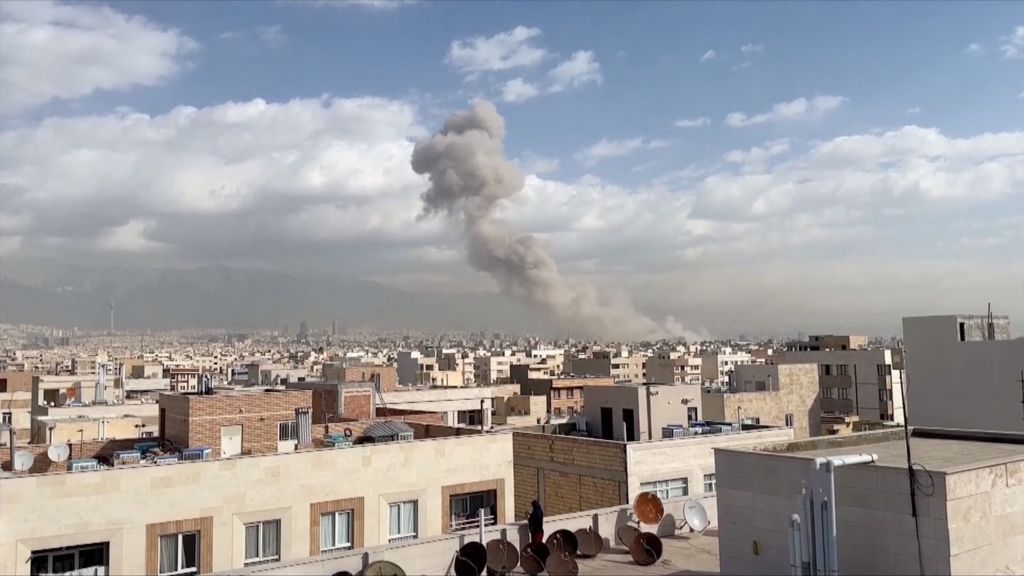
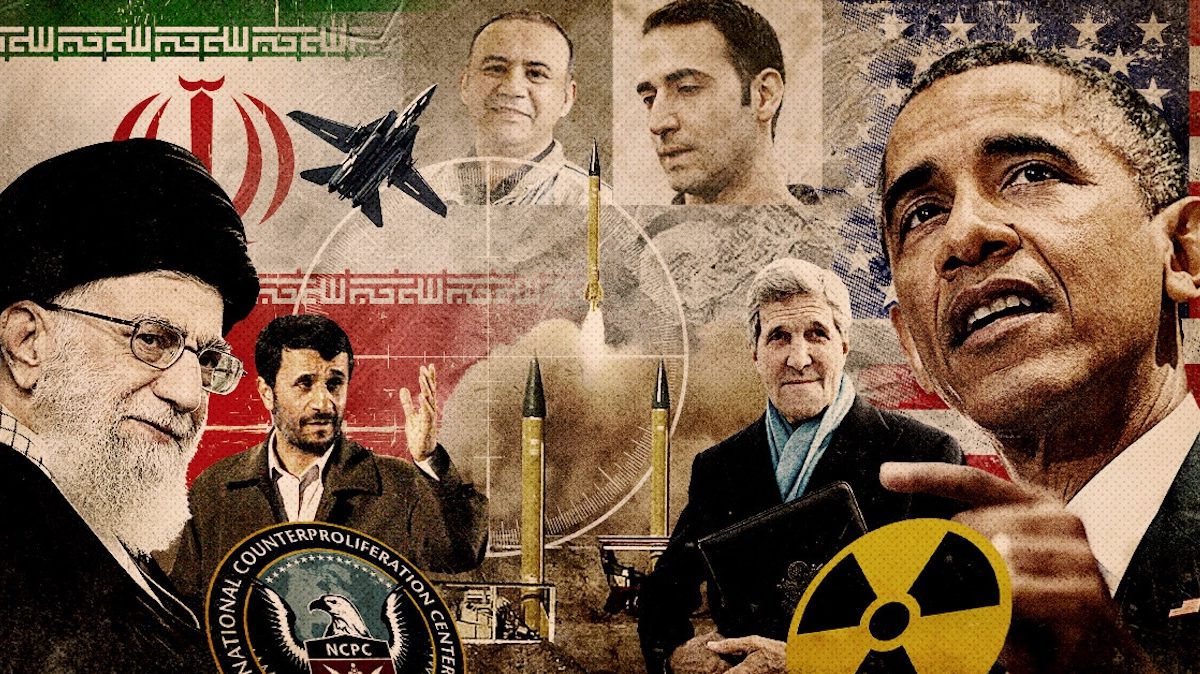
    Amid escalating geopolitical tensions, a US naval strike group spearheaded by the USS Abraham Lincoln has been deployed to Middle Eastern waters, according to US Central Command. The deployment coincides with Iran’s explicit threats to retaliate against any military aggression, creating a volatile standoff between the two nations.

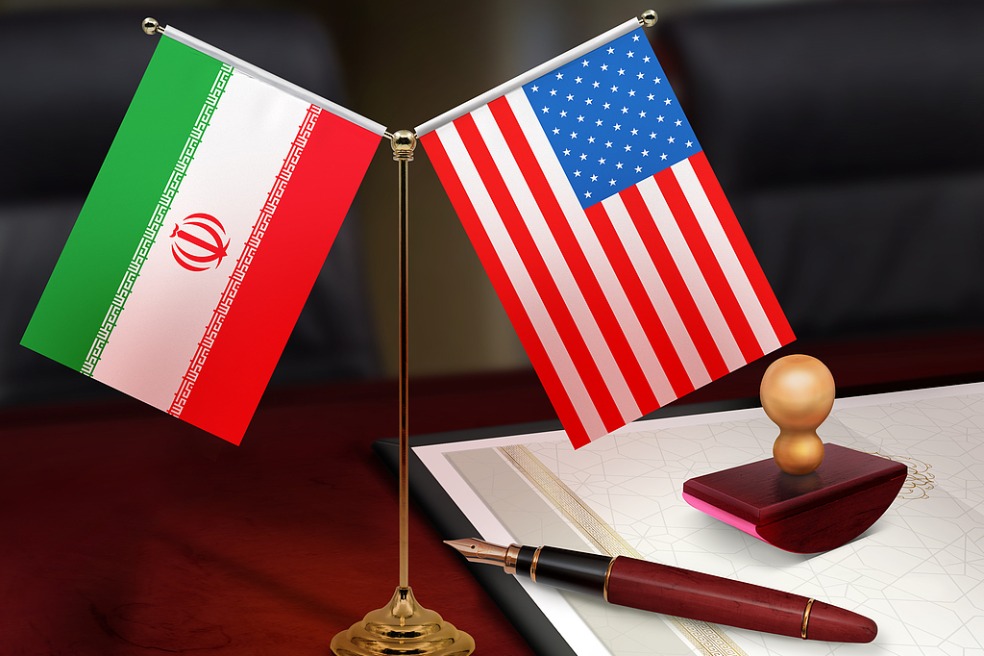
    President Donald Trump presented contradictory statements regarding US intentions, simultaneously highlighting military capabilities while asserting his belief that Iranian leadership desires diplomatic negotiations. “We have a big armada next to Iran. Bigger than Venezuela,” Trump told Axios, referencing recent US military actions. However, he added, “They want to make a deal. I know so. They called on numerous occasions. They want to talk.”

    The current crisis stems from Iran’s severe crackdown on domestic protests, which rights groups describe as the deadliest suppression of dissent in the country’s history. According to the US-based Human Rights Activists News Agency (HRANA), verified casualties include 6,126 fatalities—among them 5,777 protesters, 86 minors, and 263 security personnel and bystanders—with an additional 17,091 potential deaths under investigation. The organization reported at least 41,880 arrests, noting that security agencies continue tactics of “mass arrests, intimidation, and control of the narrative.”

    Intelligence assessments cited by The New York Times indicate the Iranian government’s hold on power may be at its weakest point since the 1979 Islamic Revolution. Senator Lindsey Graham reinforced this perspective, stating that the ultimate US objective is regime change: “They may stop killing them today, but if they’re in charge next month, they’ll kill them then.”

    Iranian officials have responded with measured rhetoric while simultaneously issuing military warnings. Revolutionary Guards spokesman Mohammad Ali Naini cautioned that any entry of US vessels into Iranian territorial waters would trigger targeting procedures. Conservative media outlets echoed these threats, with Javan newspaper declaring Iran’s readiness to seize the strategic Strait of Hormuz in response to aggression.

    The information landscape remains severely compromised by an almost three-week internet blackout imposed by Iranian authorities, which watchdogs argue aims to obscure the full extent of government repression. Activists have additionally reported raids on hospitals to arrest injured protesters, though Iran’s health ministry denies these allegations.

  • S Korea says no official notice on Trump’s tariff hike plan, trade minister to visit US

    S Korea says no official notice on Trump’s tariff hike plan, trade minister to visit US

    South Korean officials have stated they have received no formal communication from Washington regarding President Donald Trump’s announced plan to increase tariffs on select South Korean goods from 15% to 25%. The presidential office in Seoul confirmed this lack of official notification on Tuesday, following Trump’s Monday declaration.

    In response to the potential economic measure, South Korea is mobilizing its diplomatic and trade resources. An interagency meeting is scheduled to convene later today to coordinate the government’s approach. Furthermore, Trade Minister Kim Jung-kwan, currently concluding an official visit to Canada, will extend his travel itinerary to include the United States for urgent discussions with US Commerce Secretary Howard Lutnick.

    President Trump justified the proposed tariff escalation by accusing the South Korean legislature of failing to enact a previously agreed bilateral trade pact. This development threatens to destabilize recent trade accommodations between the two nations.

    According to reports from Yonhap News Agency, a foundation for this agreement was established during the October summit in Gyeongju. A resulting joint fact sheet outlined a compromise: The United States would reduce tariffs on South Korean products, including automobiles, contingent upon South Korea committing to $350 billion in investments within the US. A subsequent memorandum, signed on November 14, detailed that these tariff reductions would be applied retroactively from the first day of the month in which the relevant implementation legislation was submitted to South Korea’s National Assembly.

    The ruling Democratic Party did submit the required special bill on US investment on November 26. Honoring the agreement, the US retroactively lowered tariffs on South Korean automobiles to 15% effective December 4. The announced tariff hike appears to reverse this recent progress, creating fresh uncertainty in US-South Korea trade relations.

  • China to introduce policy documents to address the impact of AI and promote employment: ministry

    China to introduce policy documents to address the impact of AI and promote employment: ministry

    The Chinese government is formulating comprehensive policy measures to mitigate artificial intelligence’s disruptive impact on employment markets while harnessing technological advancements for economic growth. According to announcements from the Ministry of Human Resources and Social Security, these forthcoming documents will establish frameworks for workforce adaptation during the AI transition period.

    The strategic initiative addresses growing concerns about automation’s potential to displace workers across multiple sectors. Rather than resisting technological progress, the policy approach emphasizes creating synergies between AI development and employment stability. The ministry’s announcement indicates China will pursue balanced development where technological innovation complements rather than replaces human workers.

    Key components of the policy package include retraining programs for vulnerable occupations, incentives for companies that combine AI implementation with workforce expansion, and social protection measures for workers during transition periods. The government is particularly focused on developing new employment opportunities that emerge alongside AI technologies, ensuring that productivity gains benefit both businesses and employees.

    This proactive stance reflects China’s broader strategy of managing technological disruption through policy intervention. The ministry emphasized that while AI presents challenges, it also creates new categories of jobs and industries that will require strategic preparation and workforce development. The policy documents will provide guidelines for educational institutions, private enterprises, and local governments to collaboratively address the employment implications of AI adoption.

    The timing of this announcement coincides with accelerated AI integration across China’s manufacturing, service, and technology sectors, making workforce planning an urgent governmental priority.

  • Experts say Washington’s tariff threat to Ottawa driven by politics, not trade

    Experts say Washington’s tariff threat to Ottawa driven by politics, not trade

    A sudden reversal in US diplomatic posture toward Canada—from applauding trade engagements to threatening comprehensive tariffs—reveals deeper political motivations rather than substantive trade concerns, according to policy analysts. This shift occurred mere days after the US administration commended Canadian Prime Minister Mark Carney’s negotiations with China, only to abruptly warn of imposing 100% punitive tariffs on all Canadian imports should the agreement proceed.

    Professor Jiang Wenran, founding director of the China Institute at the University of Alberta, attributed the contradictory stance to personal pique and strategic coercion. He identified Carney’s address at the World Economic Forum in Davos as the immediate catalyst. There, Carney criticized international “coercion” and cautioned against middle powers falling prey to “American hegemony”—a speech met with a standing ovation that reportedly overshadowed US President Donald Trump’s poorly received appearance.

    Jiang elaborated that beyond personal dynamics, the tariff threat constitutes a strategic instrument to reinforce US dominance in North America. From Washington’s perspective, Sino-Canadian trade talks represent a direct challenge to US economic strategy. The threat aims not only to realign Canadian policy but also to deter other US allies from pursuing independent trade agreements.

    In response, Carney clarified that Canada does not intend to pursue a full free-trade agreement with China, ensuring ongoing negotiations comply with existing US-Mexico-Canada Agreement (USMCA) provisions. This approach seeks to avoid activating the pact’s “poison pill” clause while advancing pragmatic trade objectives.

    Domestically, the US threat has intensified debate within Canada. One faction emphasizes the catastrophic economic repercussions of losing access to the US market, which absorbs 75% of Canadian exports, and advocates accommodation. Another interprets US pressure as validation of the need to accelerate trade diversification and reduce dependency.

    Ottawa’s response has combined restraint with quiet resistance, emphasizing domestic resilience through initiatives like the “Buy Canadian” campaign while broadening international trade ties. This reflects a cautious balancing act—pursuing economic benefits from diversification while mitigating legal and political risks from the US.

    Ron Stagg, a history professor at Toronto Metropolitan University, noted that the tariff threat appears driven more by political signaling than clear trade mechanics. The US administration framed its warning around preventing Canada from becoming a “back-door for Chinese imports,” yet Stagg highlighted that Chinese electric vehicles entering Canada would remain subject to US duties if re-exported, minimizing any tangible threat.

    The situation underscores the complex interplay of personal diplomacy, strategic posturing, and economic policy shaping North American relations.