分类: politics

  • Guinea releases 16 soldiers and police officers from Sierra Leone after border dispute

    Guinea releases 16 soldiers and police officers from Sierra Leone after border dispute

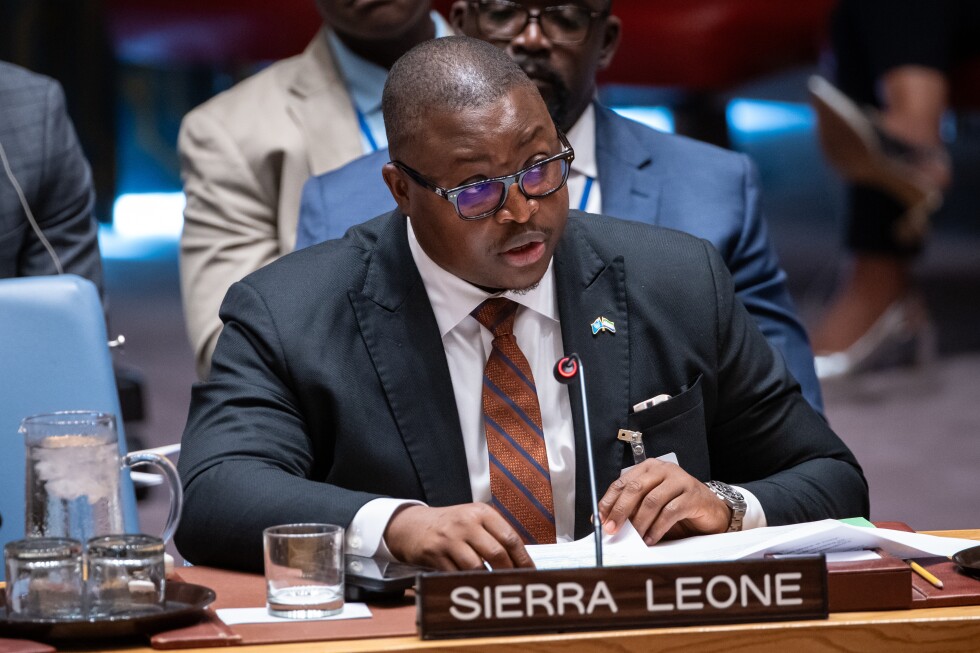
    CONAKRY, Guinea – In a significant diplomatic development, Guinean authorities have released sixteen Sierra Leonean security personnel who were detained earlier this week amid ongoing border tensions between the two West African nations. The release occurred on Friday following high-level diplomatic negotiations between the neighboring countries.

    Sierra Leone’s Ministry of Information confirmed the safe return of all security officers through an official Facebook statement, noting that their release followed a diplomatic mission to Conakry led by Sierra Leone’s Foreign Minister Alhaji Timothy Kabba.

    The detention incident originated on Monday in the border town of Kalieyereh, located within Sierra Leone’s Falaba District. According to official reports from Sierra Leone, the security team—comprising both military and police personnel—was engaged in constructing border infrastructure, including brick-making activities for a planned border post and accommodation facility.

    Guinean military authorities provided a different perspective, stating in an official release that the Sierra Leonean team had allegedly crossed approximately 1.6 kilometers into Guinean territory without authorization. The Guinean statement further claimed the security personnel had established a temporary encampment and raised Sierra Leone’s national flag within disputed border areas.

    This incident represents the latest chapter in a complex border dispute spanning more than two decades. The territorial tensions originated during Sierra Leone’s civil war (1991-2002), when Sierra Leone invited Guinean forces to assist in securing its eastern borders. Despite the conflict’s conclusion in 2002, Guinean troops maintained a presence in contested areas, creating ongoing diplomatic friction.

    The resolution of this particular incident through diplomatic channels contrasts with a similar event last year when Guinean military forces entered a mineral-rich border region within Sierra Leone, raising concerns among regional observers about potential escalation.
  • Iran universities emerge as new battleground for anti-government protests

    Iran universities emerge as new battleground for anti-government protests

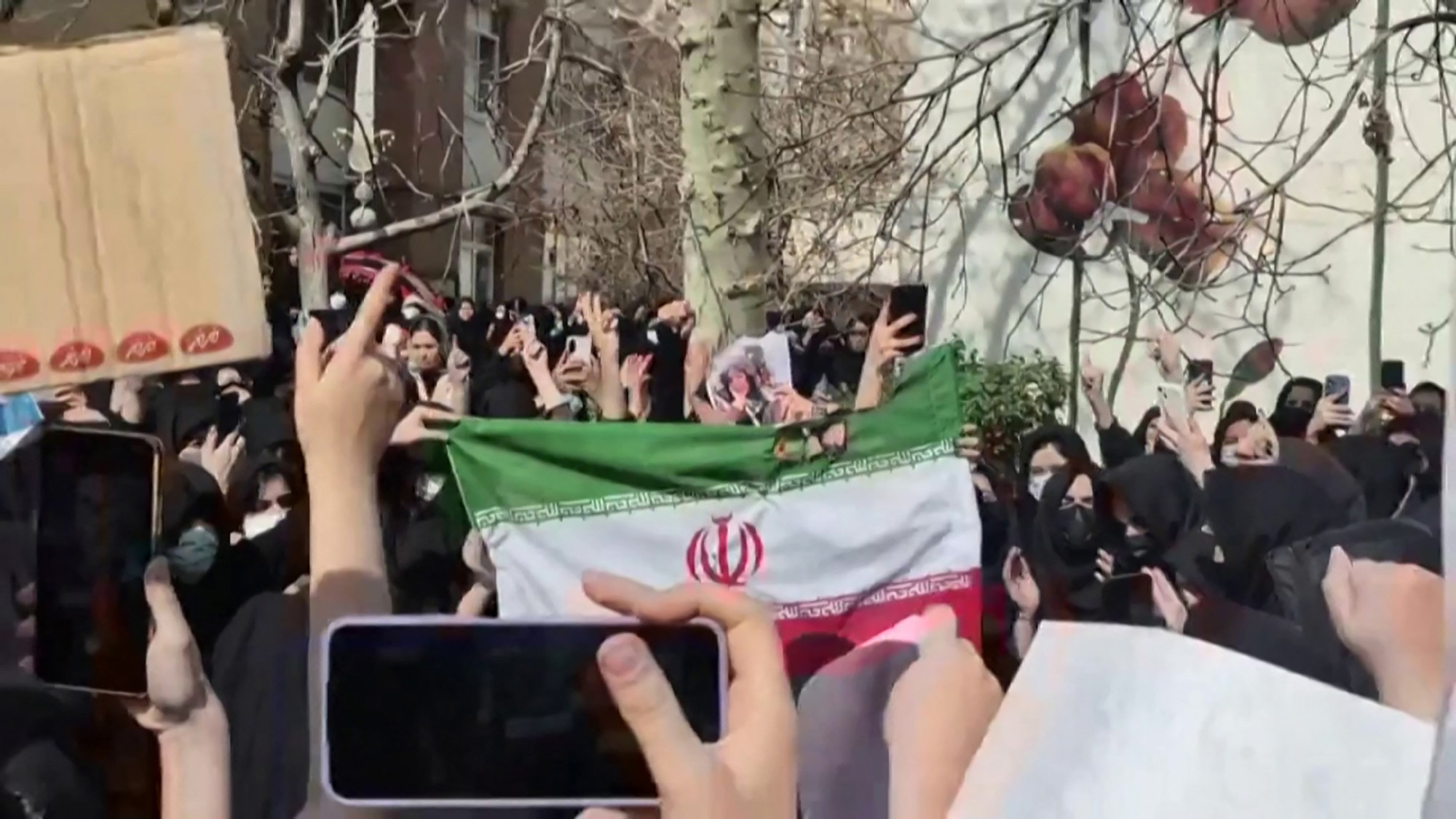
    Iranian authorities have abruptly reversed their decision to reopen universities for physical instruction, ordering a return to online learning merely five days after campuses welcomed students back. This swift reversal follows renewed waves of student-led protests and violent confrontations with state-affiliated paramilitary forces at multiple academic institutions across the country.

    The brief resumption of in-person classes witnessed significant turmoil, including clashes between student demonstrators and members of the Basij militia at prominent universities such as Sharif, Khajeh Nasir, and Elmo Sanat in Tehran. At Al-Zahra University, protesters tore down the official post-revolution flag while chanting anti-government slogans targeting both current Supreme Leader Ali Khamenei and the republic’s founder, Ayatollah Khomeini.

    These demonstrations largely served as memorial gatherings marking the 40th day since security forces killed numerous protesters during nationwide unrest in late December and January. A 21-year-old Tehran University student, speaking anonymously, expressed collective grief and anger over the fatalities, stating campus spaces provide one of the few remaining avenues for dissent amid widespread suppression.

    Official government figures claim 3,117 deaths during the recent protest wave, though external human rights organizations, including the US-based Human Rights Activists News Agency, estimate the actual toll exceeds 6,480 individuals. Middle East Eye could not independently verify these figures due to severe information restrictions within Iran.

    The current protest cycle initially erupted in response to drastic currency devaluation but rapidly evolved into broader anti-establishment movements. Authorities had previously shifted universities to online platforms in early January, ostensibly due to weather conditions—a move widely interpreted as an attempt to neutralize Iran’s historically potent student activism.

    Academic professionals note that universities have consistently served as critical hubs for political criticism throughout modern Iranian history, particularly when formal opposition channels are suppressed. This pattern dates to the Pahlavi era, continued through the 1980-1983 Cultural Revolution that purged dissident academics, and persists today through the Basij’s campus monitoring units.

    Despite decreased protest visibility following administrative crackdowns and student suspensions, those interviewed maintain that underlying tensions remain unresolved and anticipate further demonstrations in the future.

  • Pentagon to cut ties with Columbia, Yale, Brown and others Hegseth accuses of ‘wokeness’

    Pentagon to cut ties with Columbia, Yale, Brown and others Hegseth accuses of ‘wokeness’

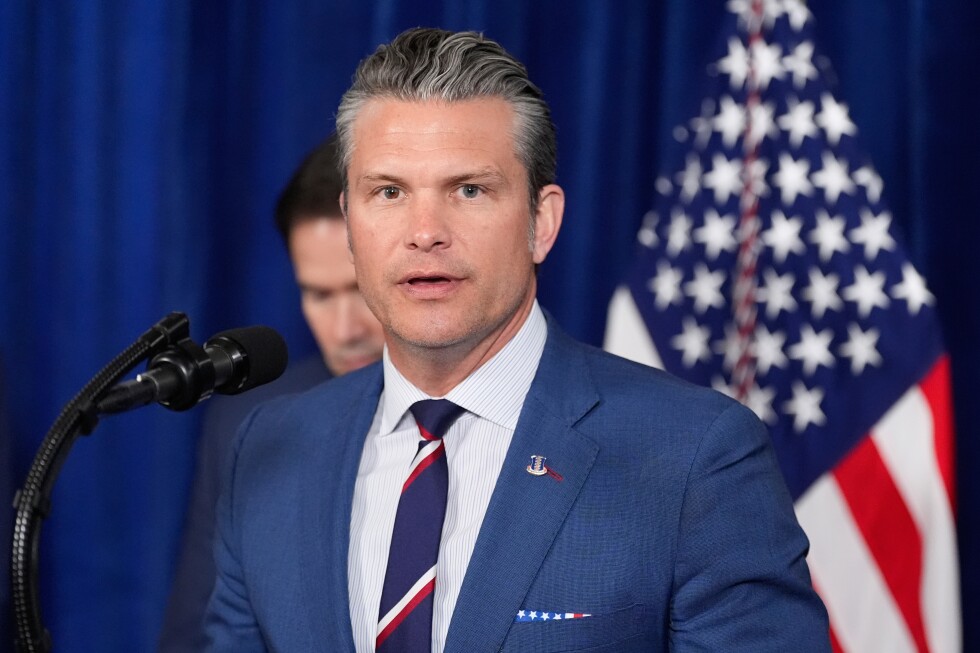
    In a significant policy shift, the Pentagon has announced it will prohibit military personnel from attending several prestigious universities beginning next academic year. Defense Secretary Pete Hegseth unveiled the controversial measure in a social media address, characterizing institutions including Columbia, Yale, Brown, and MIT as “factories of anti-American resentment” and “breeding grounds of toxic indoctrination.”

    The decision extends a previous disengagement from Harvard University, with Hegseth alleging these elite institutions have exploited taxpayer funding while fostering military disdain. “They’ve replaced the study of victory and pragmatic realism with the promotion of wokeness and weakness,” he stated without presenting substantiating evidence.

    The policy implications remain partially unclear regarding scope and implementation. Despite Hegseth’s call for “complete and immediate cancellation of all Department of War attendance,” specific affected programs require clarification. Notably, these universities remained listed in Pentagon databases for Tuition Assistance programs as of Friday, covering full tuition for active-duty personnel.

    The move represents an escalation of tensions between the administration and Ivy League institutions, which have been frequent targets of political criticism regarding campus culture. While some universities had recently reached accommodations with the White House to restore federal funding, Harvard has pursued legal action alleging governmental retaliation for ideological differences.

    The policy particularly impacts professional military education opportunities, potentially affecting graduate-level programs, fellowships, and specialized degrees like Harvard’s master’s in public administration for military members. The announcement signals deepening ideological divisions affecting military-educational partnerships that have historically provided advanced training for military officers through both war colleges and civilian institutions.

  • Labour Together: How McSweeney’s shadowy think tank went to ‘war’ against journalists

    Labour Together: How McSweeney’s shadowy think tank went to ‘war’ against journalists

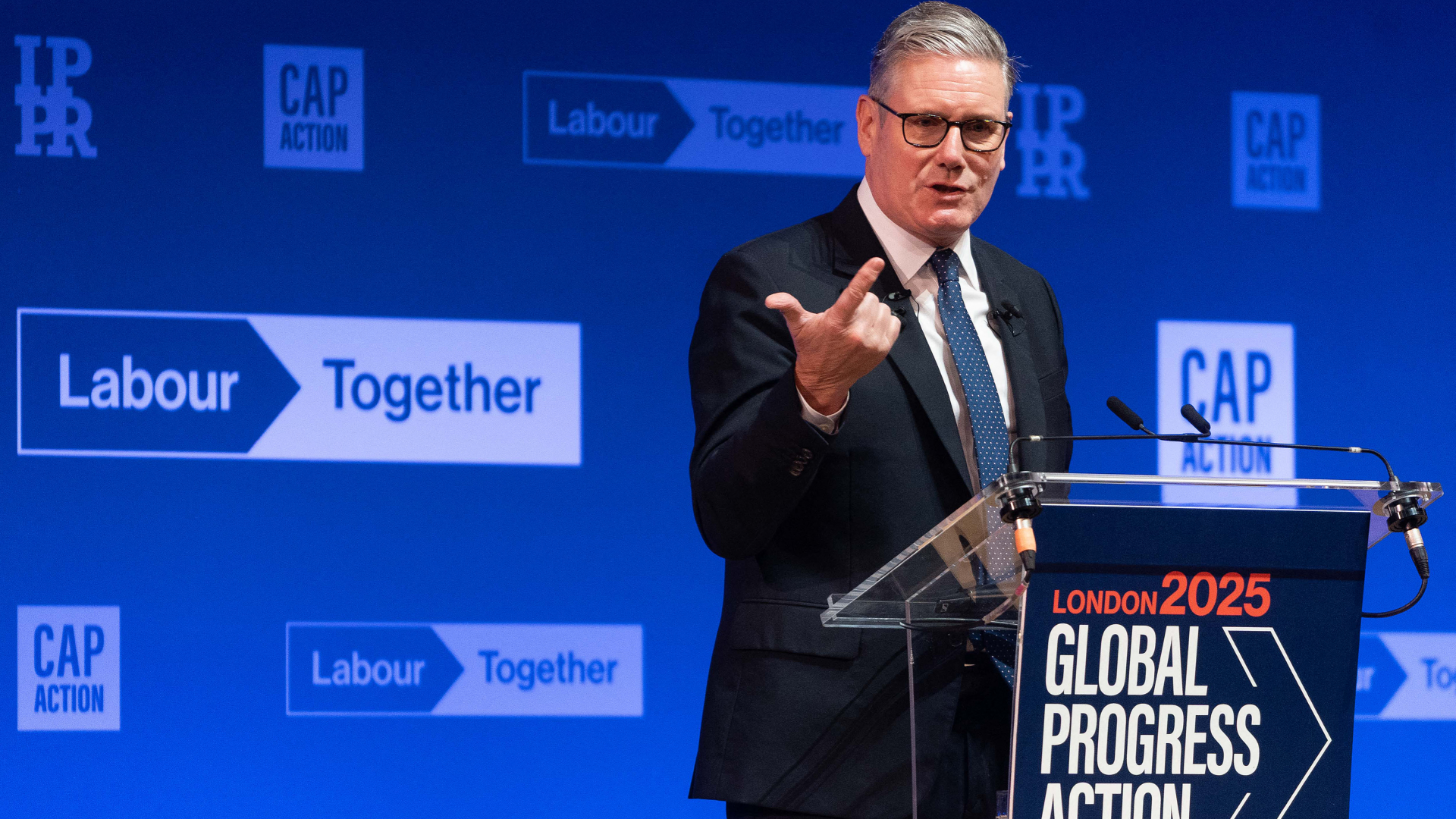
    A significant political scandal has erupted in the United Kingdom following the resignation of Cabinet Office minister Josh Simons, revealing concerning tactics employed by those close to government to suppress press freedom. The controversy centers on Simons’ alleged authorization of a £36,000 payment to American public affairs firm APCO to investigate journalists from The Sunday Times and other outlets who were examining undeclared donations funding the think tank he previously headed, Labour Together.

    The situation has drawn sharp criticism from civil liberties organizations, journalism advocates, and politicians across the spectrum. Julie Posetti, chair of the Centre for Journalism and Democracy at City St George’s, characterized these actions as representing “a threat to media freedom in the UK.” Nik Williams of Index on Censorship described the surveillance attempts as “deeply alarming” and inappropriate for any democracy.

    Labour Together, which played a crucial role in Keir Starmer’s successful campaign to lead the Labour Party, has faced previous scrutiny. During Morgan McSweeney’s leadership (2017-2020), the think tank was fined £14,250 by the Electoral Commission for failing to declare over £700,000 in political donations. Their funders included pro-Israel donor Trevor Chinn and hedge fund manager Martin Taylor, whose contributions were instrumental in Starmer’s electoral success.

    The current scandal emerged following a November 2023 Times investigation by journalists Gabriel Pogrund and Harry Yorke, based on research by investigative journalist Paul Holden. In response, Labour Together allegedly commissioned APCO to produce a report—codenamed “Operation Cannon”—that included personal details about the journalists’ faith, relationships, and upbringing. The firm reportedly used software to track down Holden’s address and partner’s identity, information that had been previously kept private.

    Simons subsequently attempted to report Holden to the National Cybersecurity Centre in January 2024, though the agency declined to investigate. Despite this, Simons continued briefing media outlets with smears about Holden, including false claims of connections to Russian intelligence networks.

    The implications extend beyond individual journalists to broader democratic concerns. Multiple sources have warned of a “chilling effect” on press freedom and a concerning pattern of anti-democratic behavior. Labour MP Clive Lewis described the situation as “structural rather than a few bad apples,” noting that the reduction in internal party democracy and opposition to transparency made current government behavior a “logical inevitability.

    The scandal has prompted calls for independent investigation from two dozen Labour MPs and the National Union of Journalists, which has demanded “stronger legislation to prevent corporate actors from targeting journalists and their sources.” While Simons and McSweeney have both resigned, neither faced disciplinary action, and key figures involved with Labour Together remain in government positions, including Prime Minister Keir Starmer.

    Baroness Sally Morgan, current chair of Labour Together, acknowledged that “the scope of the work carried out by APCO was indefensible” and stated that the board had not been shown the contract or the resulting report. She cited governance changes implemented since September 2024, including establishing an Audit & Risk committee and a whistleblower policy.

    The affair raises serious questions about the integrity of political funding, press freedom protections, and the democratic safeguards within UK governance structures as the new administration continues to face scrutiny over its commitment to transparency and accountability.

  • The Green Party has been accused of sectarianism. This is why that’s wrong

    The Green Party has been accused of sectarianism. This is why that’s wrong

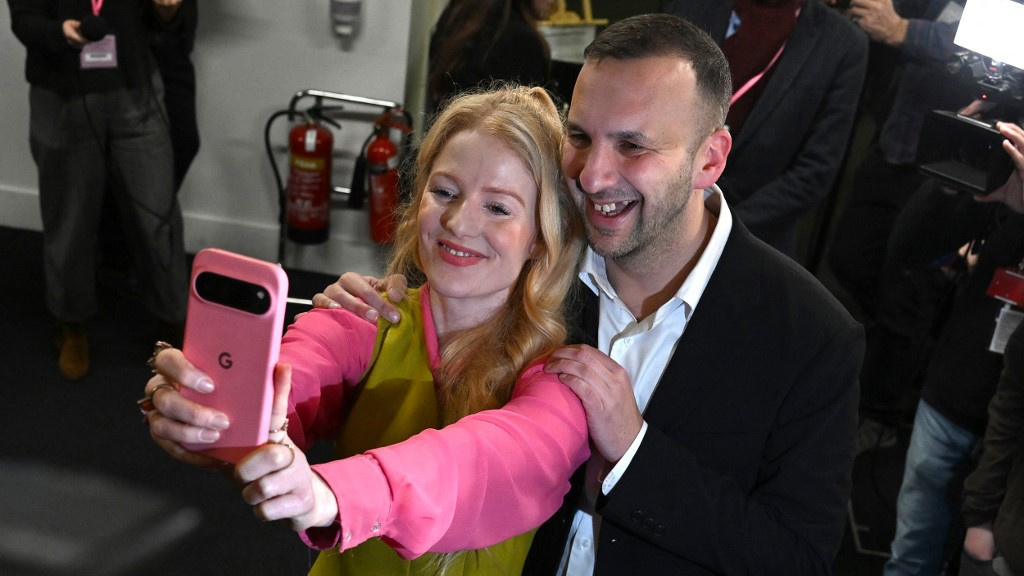
    A contentious political dispute has erupted in British politics following the Gorton and Denton by-election, where Green Party candidate Hannah Spencer secured a surprising victory. The outcome has triggered allegations of ‘sectarian politics’ from both the governing Labour Party and Reform UK, creating a fierce debate about Muslim voting patterns and democratic integrity.

    Prime Minister Keir Starmer, whose Labour candidate finished third, accused the Greens of embracing ‘divisive, sectarian politics’ associated with veteran firebrand George Galloway. Meanwhile, Reform’s defeated candidate Matt Goodwin declared Britain facing existential threat from ‘dangerous Muslim sectarianism,’ claiming the country has ‘only one general election left to save Britain.’

    The controversy centers on allegations of ‘family voting’ – the illegal practice of voters colluding or directing others at polling stations. Reform leader Nigel Farage specifically linked these claims to Muslim communities, calling the situation ‘deeply concerning’ for democratic integrity in predominantly Muslim areas. The party subsequently reported numerous alleged cases to the Electoral Commission and Greater Manchester Police.

    However, these allegations face substantial challenges. Manchester City Council’s acting returning officer stated that polling station staff were trained to detect undue influence and reported ‘no such issues’ during voting hours. The official expressed disappointment that election observer group Democracy Volunteers, which is funded by a Conservative peer, waited until after polls closed to raise their concerns despite having opportunity to report them in real time.

    The Green Party’s victory emerges against a complex backdrop of shifting political allegiances. Labour insiders acknowledge the party’s struggle with Muslim voters, particularly regarding the Gaza conflict. Meanwhile, Green MP Hannah Spencer emphasized her diverse constituency’s concerns about local issues like rent controls and bill reductions rather than sectarian interests.

    Political analysts note the term ‘sectarianism’ has evolved from its historical association with Northern Irish conflicts to become a weaponized term in discussions about British Muslim political participation. The controversy reflects deeper tensions within Britain’s multicultural democracy and raises questions about how political establishments respond to changing voter patterns.

    Evidence from the constituency suggests Muslim voters are not voting as a monolithic bloc, with support divided between Labour and Green candidates based on various factors including local issues and international concerns. The Greens have consistently opposed British cooperation with Israel during the Gaza conflict, a position that resonates across multiple communities rather than exclusively among Muslim voters.

    The discourse surrounding this by-election outcome highlights ongoing challenges in British political discourse regarding representation, democratic participation, and the characterization of minority voting patterns.

  • Internal Fatah rifts surface after senior leader backs Hamas

    Internal Fatah rifts surface after senior leader backs Hamas

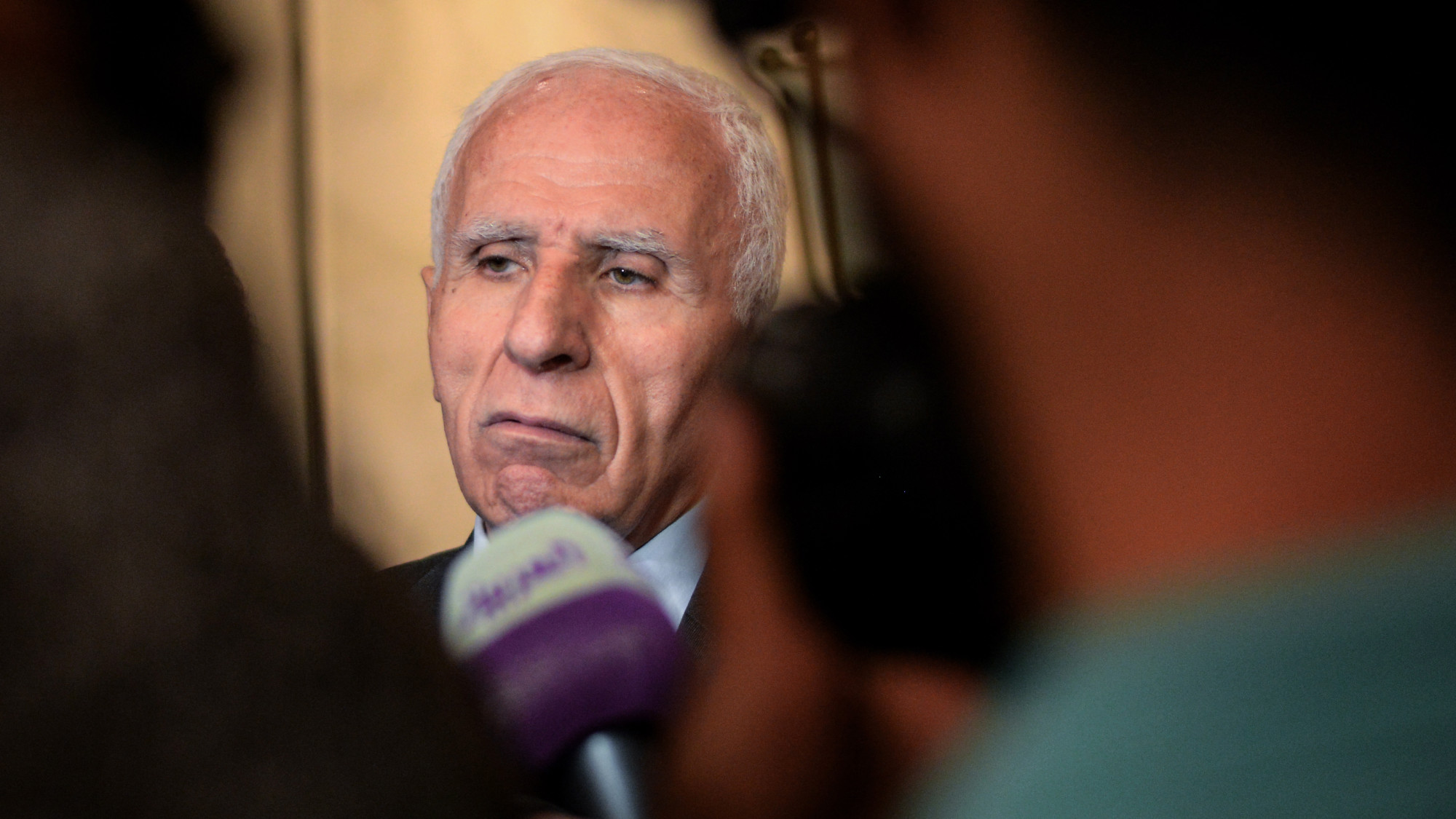
    A political storm has erupted within Fatah following surprising statements by senior official Azzam al-Ahmad that appear to endorse Hamas, revealing profound internal divisions within the Palestinian movement. The veteran leader, who serves as secretary-general of the Palestine Liberation Organization’s executive committee, broke from his historically critical stance toward Hamas during an interview with Egyptian outlet Shorouk News.

    In his controversial remarks, al-Ahmad explicitly refused to characterize Hamas as a terrorist organization, stating, ‘Everything being said about disarming Hamas and labelling it a terrorist organisation is unacceptable to us. Hamas is not a terrorist organisation.’ He further emphasized that ‘Hamas is part of the Palestinian national movement’ and revealed ongoing dialogue to facilitate the group’s formal entry into the PLO framework.

    The comments triggered immediate backlash within Fatah ranks, with social media platforms flooded with demands for al-Ahmad’s dismissal. However, some members defended the statements as personal views rather than official party position. This controversy emerges amid mounting international pressure for Hamas to disarm following Israel’s devastating military campaign in Gaza.

    Political analysts interpret al-Ahmad’s shift as indicative of deeper strategic recalculations within Fatah. Researcher Mohammed al-Qeeq identifies two competing factions: one advocating Palestinian unity despite limited regional support, and another resisting reconciliation to protect entrenched interests. Analyst Adel Shadeed suggests a significant segment of Fatah now believes that continued opposition to Hamas ultimately weakens their own movement more than their rivals.

    The timing appears significant, coinciding with President Mahmoud Abbas’s call to prepare for Palestinian National Council elections in November. According to analyst Suleiman Bisharat, these statements represent Fatah’s attempt to counter its political marginalization both internationally and regionally. The movement appears to be adopting a unifying discourse to rehabilitate its political trajectory, though Bisharat characterizes this approach as reactive rather than strategically systematic.

    Hamas official Bassem Naim welcomed the ‘positive and constructive’ remarks but emphasized the need for actionable programs to address Palestinian divisions. Historically, Fatah has never formally designated Hamas as a terrorist organization, though the relationship has been framed within contexts of rivalry and accusations of pursuing foreign agendas.

    The controversy highlights Fatah’s delicate balancing act—attempting to demonstrate its continued relevance in shaping Palestinian politics while maintaining plausible deniability through individual statements that can be disavowed if necessary, a pattern established through previous episodes with other Fatah leaders.

  • Canada’s Alberta projects deficit of nearly C$9.4bn, citing low oil prices

    Canada’s Alberta projects deficit of nearly C$9.4bn, citing low oil prices

    The Canadian province of Alberta, renowned for its vast oil reserves, has announced a staggering C$9.4 billion budget deficit, attributing the shortfall to a dual crisis of plummeting oil revenues and unprecedented population growth. Finance Minister Nate Horner presented the grim economic outlook, describing the fiscal reality as “a tough pill to swallow” that will compel the province to violate its own fiscal restraint legislation.

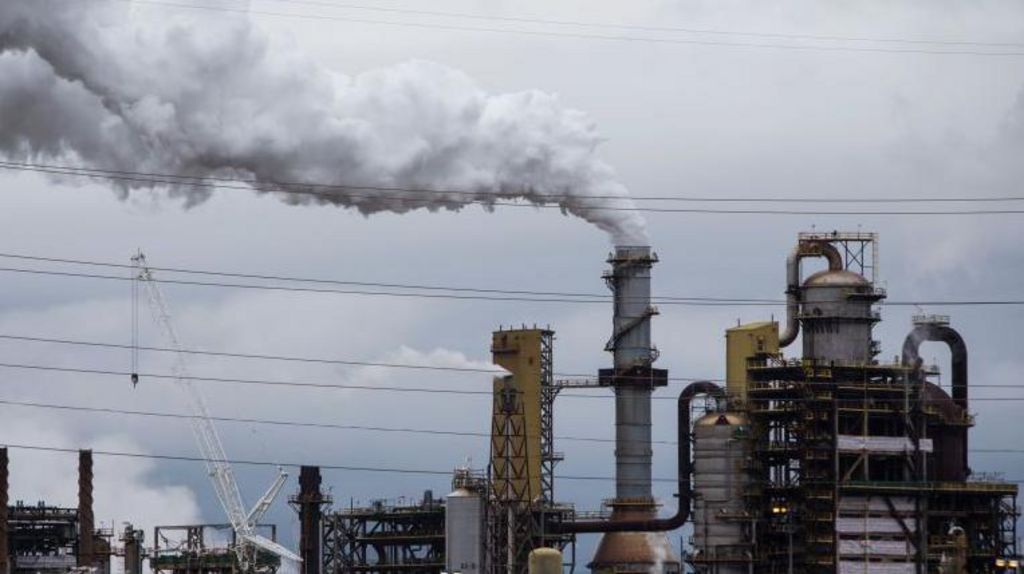
    Alberta’s economic framework remains intrinsically linked to the volatile oil market, with the province housing the world’s third-largest oil reserves. The government projects West Texas Intermediate crude will average just $60.50 per barrel in the coming year, significantly below the $74-$77 per barrel required for budgetary equilibrium. This marks a substantial decline from the $74.34 average recorded two years prior.

    Simultaneously, Alberta has experienced record population expansion, growing faster than any other Canadian province despite recent immigration tightening at the federal level. While Minister Horner declined to quantify the exact impact of demographic changes on the deficit, he acknowledged the influx has created substantial pressure on public services and housing infrastructure.

    The fiscal crisis has triggered significant political developments. Premier Danielle Smith announced plans for multiple referendum questions, including controversial measures that would restrict access to healthcare and education services for certain newcomers through fee structures. These proposals have faced sharp criticism from opposition leaders who accuse the government of immigrant scapegoating to divert attention from fiscal mismanagement.

    Adding to the political complexity, separatist movements are gathering signatures to force a referendum on Alberta’s potential secession from Canada. While support for independence remains limited, proponents aim to place the question before voters alongside the immigration measures on October 19th. The provincial government maintains its immigration proposals aim to assert greater autonomy over demographic policy, currently controlled by federal authorities in Ottawa.

    Notably, Alberta remains Canada’s only province without a sales tax, though Minister Horner suggested this longstanding tax advantage might require reconsideration given the current fiscal challenges, signaling potential fundamental shifts in the province’s economic policy approach.

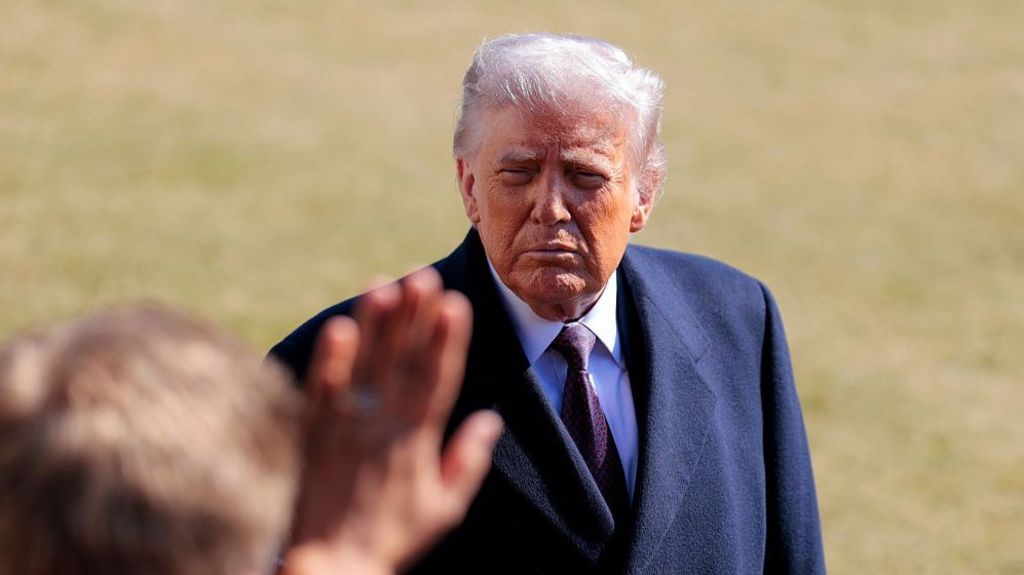
  • Trump ‘not thrilled’ with Iran after latest talks on nuclear programme

    Trump ‘not thrilled’ with Iran after latest talks on nuclear programme

    International diplomatic efforts face heightened uncertainty as U.S. President Donald Trump expressed profound dissatisfaction with Iran’s position in nuclear negotiations. In his first public comments following inconclusive talks in Geneva, Trump stated he was “not happy” with Tehran’s unwillingness to meet American demands, though he emphasized his preference to avoid military confrontation.

    The diplomatic stalemate has triggered global security concerns, with multiple nations issuing urgent travel advisories for the region. The United Kingdom has temporarily withdrawn staff from its Tehran embassy and updated travel guidance against non-essential travel to Israel. China, India, and Canada have advised their citizens to depart Iran immediately, while Germany and France reinforced existing travel warnings.

    The U.S. Embassy in Israel has authorized voluntary departure for non-emergency personnel and families, recommending they “consider leaving while commercial flights are available.” This precaution follows similar security measures implemented at the U.S. embassy in Beirut.

    Despite the tensions, Omani Foreign Minister Badr Albusaidi, who mediated the indirect talks, reported “significant progress” had been achieved. Iranian Foreign Minister Abbas Araghchi acknowledged “good progress” while noting persistent disagreements on certain issues. Technical discussions are scheduled to resume in Vienna next week.

    The military backdrop remains ominous. Trump has ordered the largest U.S. military buildup in the Middle East since the 2003 Iraq invasion, deploying two aircraft carriers, additional warships, and advanced aircraft. The President previously established a ten-day deadline for determining whether diplomacy or military action would prevail.

    International Atomic Energy Agency concerns compound the situation, with inspectors reportedly denied access to Iranian uranium enrichment sites since U.S. airstrikes destroyed three nuclear facilities in June. Iran maintains its nuclear program serves peaceful purposes, though it has enriched uranium to near-weapons-grade levels.

    U.S. Secretary of State Marco Rubio is scheduled to visit Israel Monday to discuss regional priorities, including the Iran situation, as the international community watches for signs of resolution or escalation.

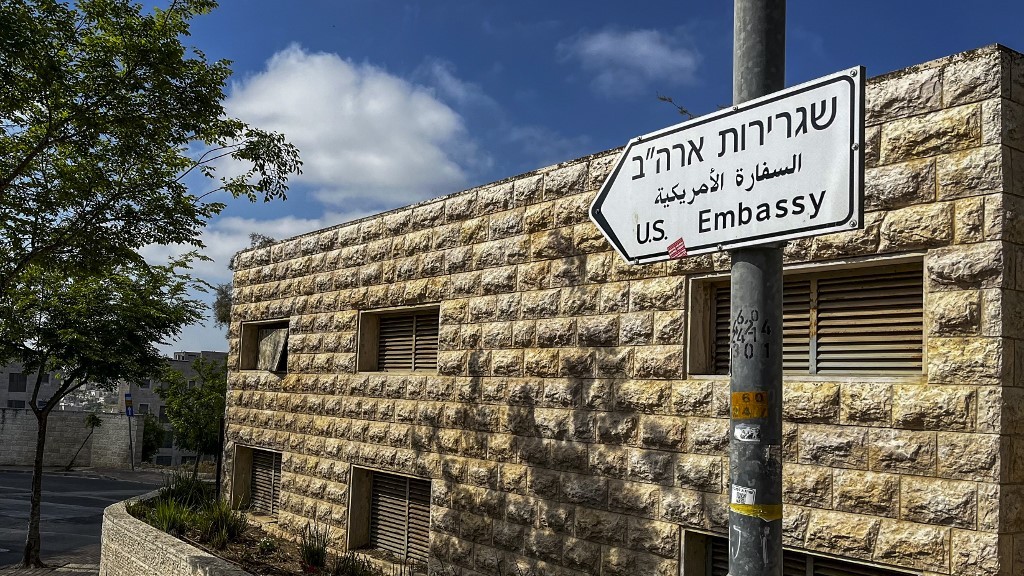
  • US allows non-essential staff to evacuate from Jerusalem embassy

    US allows non-essential staff to evacuate from Jerusalem embassy

    The United States Department of State has authorized the voluntary departure of non-emergency personnel and family members from its diplomatic mission in Israel, citing heightened security concerns. This decision, announced on the embassy’s official website on February 27, 2026, advises individuals to consider leaving while commercial flight options remain available.

    The authorization coincides with a significant regional military buildup ordered by President Donald Trump, fueling anticipation of potential retaliatory strikes against Israel following recent attacks targeting Iranian interests. The security precaution has already impacted air travel, with Netherlands-based carrier KLM announcing cancellation of all flights to Tel Aviv beginning March 1, attributing the decision to operational and commercial challenges.

    Amid these rising tensions, diplomatic efforts continue behind the scenes. Iranian Foreign Minister Abbas Araghchi met with U.S. envoys Steve Witkoff and Jared Kushner in Geneva for a third round of negotiations concerning Iran’s nuclear program. According to Financial Times reports, Tehran has presented potential investment opportunities in its oil, gas, and critical minerals sectors specifically designed to appeal to President Trump’s deal-making preferences. A source familiar with the discussions described these proposals as ‘a major economic bonanza’ directly targeted at the American administration.

    Both nations have agreed to resume high-level negotiations following consultations within their respective capitals, with technical discussions scheduled to occur in Vienna next week.

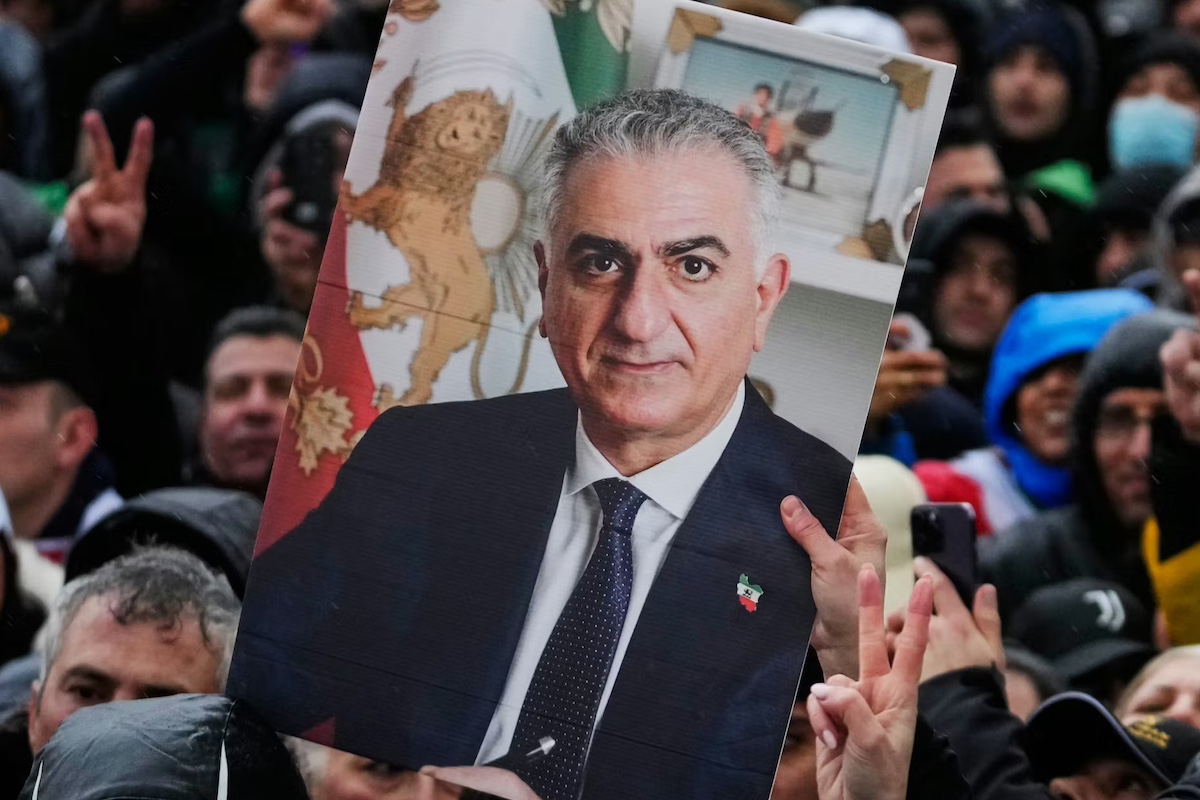
  • The crown prince waiting for Iran’s Islamic Republic to fall

    The crown prince waiting for Iran’s Islamic Republic to fall

    As U.S. and Iranian diplomats engage in critical negotiations in Geneva to de-escalate mounting military tensions, exiled opposition groups are positioning themselves for potential political opportunities. The Islamic Republic confronts its most severe governance crisis since the 1979 revolution, compounded by President Trump’s threats of military action should Iran refuse concessions on its nuclear program. Simultaneously, anti-regime protests persist despite government crackdowns that have reportedly claimed over 20,000 lives.

    Amid this turbulence, discussions about Iran’s political future have intensified. The emergence of monarchist sentiments, particularly surrounding exiled Crown Prince Reza Pahlavi, has gained visibility through well-organized diaspora groups. Organizations like the U.S.-based National Union for Democracy in Iran (NUFDI) have launched detailed proposals including the ‘Iran Prosperity Project’ and an ‘Emergency Phase Booklet’ outlining transitional governance frameworks.

    These documents propose granting Pahlavi substantial authority as ‘leader of the national uprising’ during a transition period, with veto power over transitional government institutions. However, the plans notably omit addressing federalist demands from ethnic minorities and maintain a centralized power structure pending a future referendum on constitutional monarchy versus democratic republic.

    Critics highlight concerning parallels with the 1979 revolution, where democratic promises gave way to authoritarian control. Pahlavi’s avoidance of addressing his father’s autocratic legacy, combined with his supporters’ aggressive responses to critics—exemplified by the harassment of journalist Christiane Amanpour after her pointed interview—raise questions about the movement’s commitment to pluralism.

    While some protests have featured pro-monarchy chants, other demonstrators explicitly reject both clerical rule and monarchy in favor of egalitarian democracy. The actual support for monarchical restoration within Iran remains uncertain due to polling challenges, though one 2024 survey suggested approximately 30% might consider Pahlavi as their first choice in free elections.

    The path forward remains profoundly uncertain, with any potential regime change likely to involve violent turmoil. The monarchist movement’s behavior increasingly prompts scrutiny regarding its capacity to deliver the tolerant, liberal Iran it promises.