The United States government has formally commenced preliminary actions that could lead to the reopening of its diplomatic mission in Venezuela, marking a significant shift in bilateral relations. In official correspondence dispatched to congressional committees on Monday, the State Department outlined its strategy to deploy a contingent of temporary diplomatic personnel to Caracas. These officials will operate from an interim facility while assessments and necessary upgrades are conducted on the main embassy compound, which was closed in March 2019 amid escalating political tensions. The department characterized this move as a carefully calibrated, phased approach to potentially restoring full embassy operations. This development follows recent U.S. military actions that resulted in the ouster of former President Nicolás Maduro, creating new geopolitical dynamics in South America. The notification to lawmakers underscores the administration’s commitment to congressional oversight while exploring diplomatic re-engagement with the strategically important nation.
分类: politics
-

Former Chengdu official Bao Hui under investigation
Chinese anti-corruption authorities have launched a formal investigation into Bao Hui, former director of the Chengdu Municipal People’s Congress Standing Committee, for suspected serious violations of discipline and law. The announcement was made on Monday by the Communist Party of China Central Commission for Discipline Inspection and the National Supervisory Commission.
Bao Hui, 62, a native of Yunnan province, has held numerous significant positions throughout her four-decade political career. She joined the Communist Party in 1983 and began her professional journey in 1984, initially spending over ten years at Southwest Jiaotong University before transitioning to government roles.
Her political trajectory included serving as head of Chengdu’s united front work department and publicity department. From September 2012 to 2018, Bao held the dual positions of mayor and Party chief of Dazhou in Sichuan province. She subsequently advanced to deputy director of the Standing Committee of the Sichuan provincial people’s congress.
In January 2022, Bao assumed her most recent leadership roles as secretary of the Party Leadership Group and director of the Standing Committee of the Chengdu Municipal People’s Congress. She maintained these positions until March 2025, shortly before the investigation was made public. The disciplinary review and supervisory investigation represent the latest development in China’s ongoing anti-corruption campaign, which has consistently targeted high-ranking officials across various government levels.
-

Trump says Iran ‘wants to make a deal’ as US aircraft carrier in Middle East
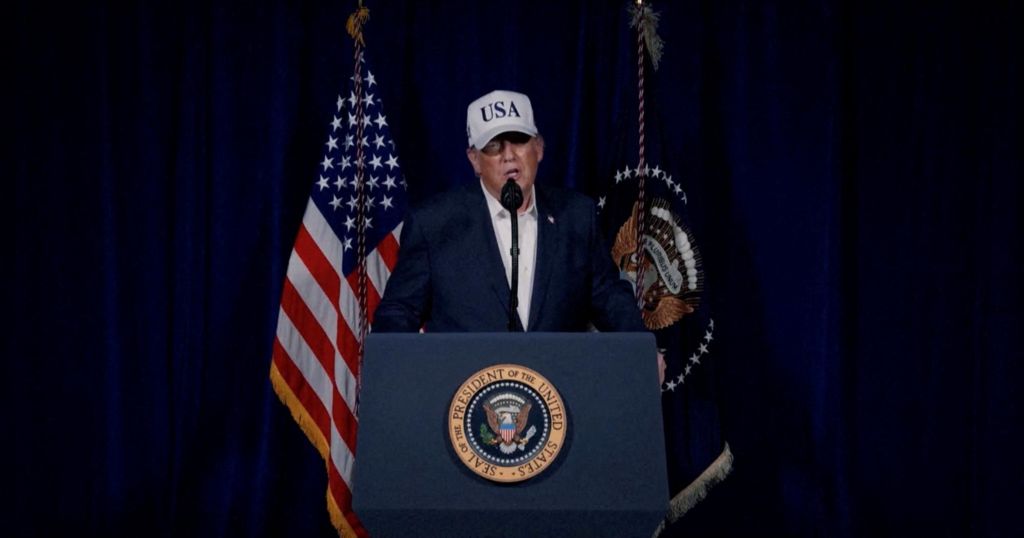
Tensions escalate in the Middle East as the USS Abraham Lincoln carrier strike group positions itself in regional waters, creating a backdrop for complex diplomatic maneuvers between the United States and Iran. President Donald Trump delivered contradictory statements regarding potential intervention, simultaneously highlighting military capabilities while expressing confidence in Tehran’s desire for negotiations.
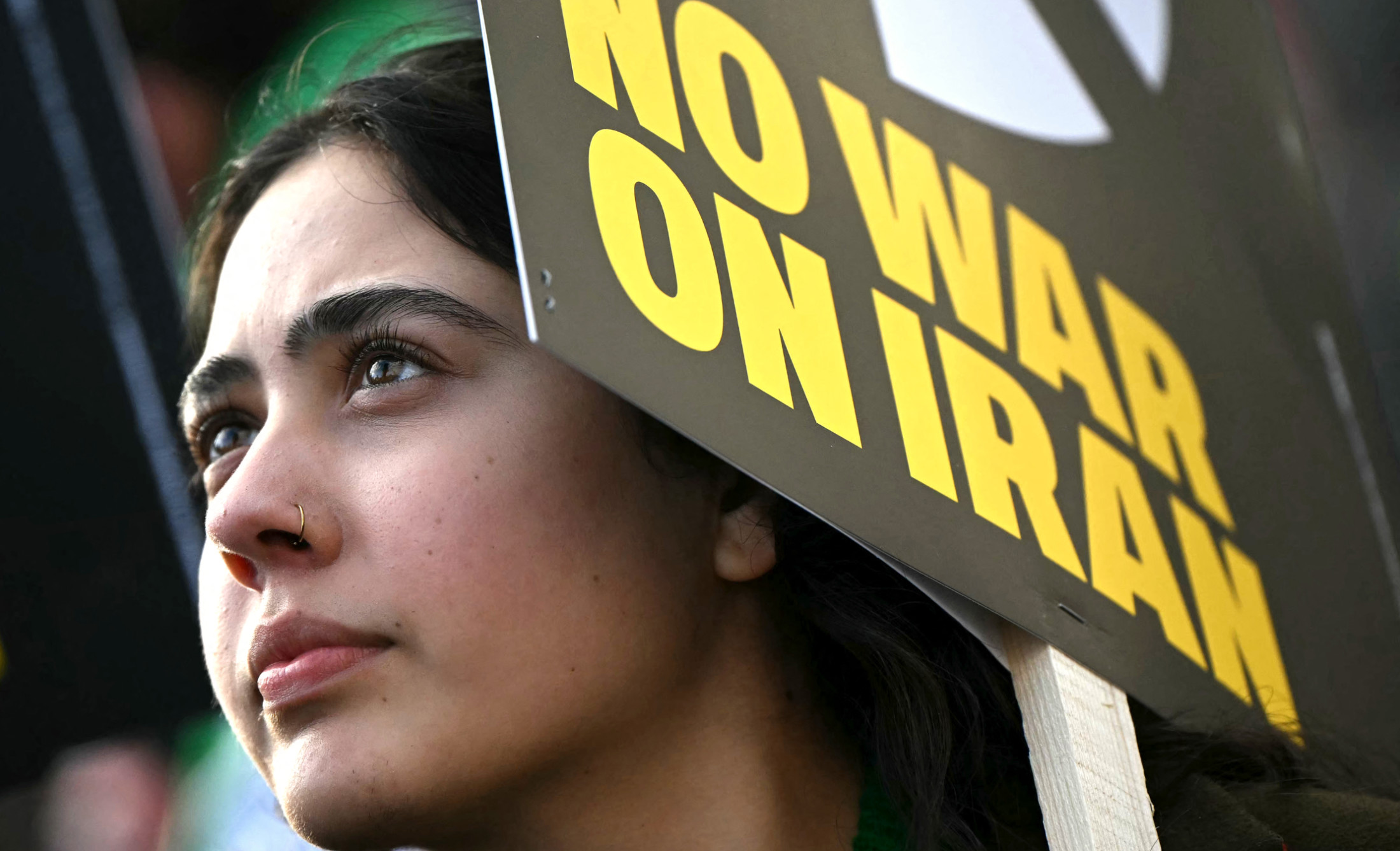
The geopolitical standoff follows Iran’s severe crackdown on domestic protests, accompanied by a nationwide internet blackout that humanitarian organizations report has complicated accurate casualty assessment. According to Human Rights Activists News Agency (HRANA), verified fatalities exceed 6,100 individuals, with thousands more potentially killed and over 41,000 arrests documented.
Trump’s remarks to Axios revealed the administration’s dual-track approach, noting ‘We have a big armada next to Iran’ while asserting Iranian officials had made numerous overtures for dialogue. This comes weeks after similar military posturing preceded US intervention in Venezuela that resulted in President Nicolas Maduro’s capture.
Analysts suggest the White House is considering multiple options ranging from targeted strikes against military installations to comprehensive regime-change operations. Senator Lindsey Graham reinforced this perspective, stating unequivocally that ‘the goal is to end the regime’ during discussions with the president.
Iranian officials have responded with measured rhetoric alongside military warnings. Revolutionary Guards spokesman Mohammad Ali Naini cautioned that any incursion into Iranian territorial waters would prompt immediate retaliation, while conservative media outlets threatened closure of the strategically vital Strait of Hormuz.
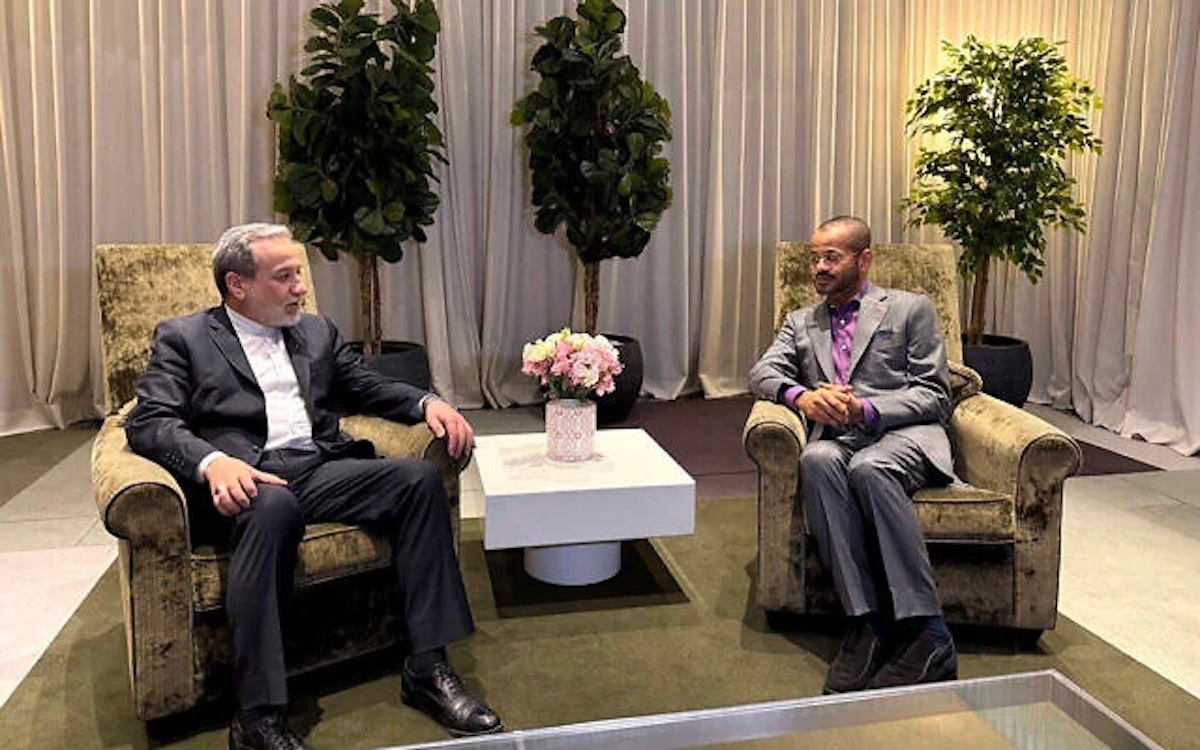
The New York Times reported intelligence assessments indicating the Iranian government’s stability has reached its most vulnerable point since the 1979 revolution. Despite this apparent weakness, communication channels reportedly remain open between Iranian Foreign Minister Abbas Araghchi and US envoy Steve Witkoff, suggesting behind-the-scenes diplomacy continues even as public posturing intensifies.
-

How Britain could be embroiled in US attack on Iran
Amid escalating geopolitical tensions, the United Kingdom has deployed a squadron of Typhoon fighter jets to Qatar’s Al Udeid airbase, raising questions about potential British involvement in a possible US-led offensive against Iran. This military movement occurs as the Trump administration reportedly considers precision strikes against Iranian officials linked to the suppression of recent anti-government protests.
While the UK Ministry of Defence characterizes the deployment as enhancing defensive capabilities and regional stability through the newly formed joint RAF-Qatari No. 12 Squadron, analysts note these advanced aircraft are capable of intercepting Iranian Shahed-136 drones. The deployment follows Iran’s previous rocket attack on the same base in response to US actions against Iranian nuclear facilities.
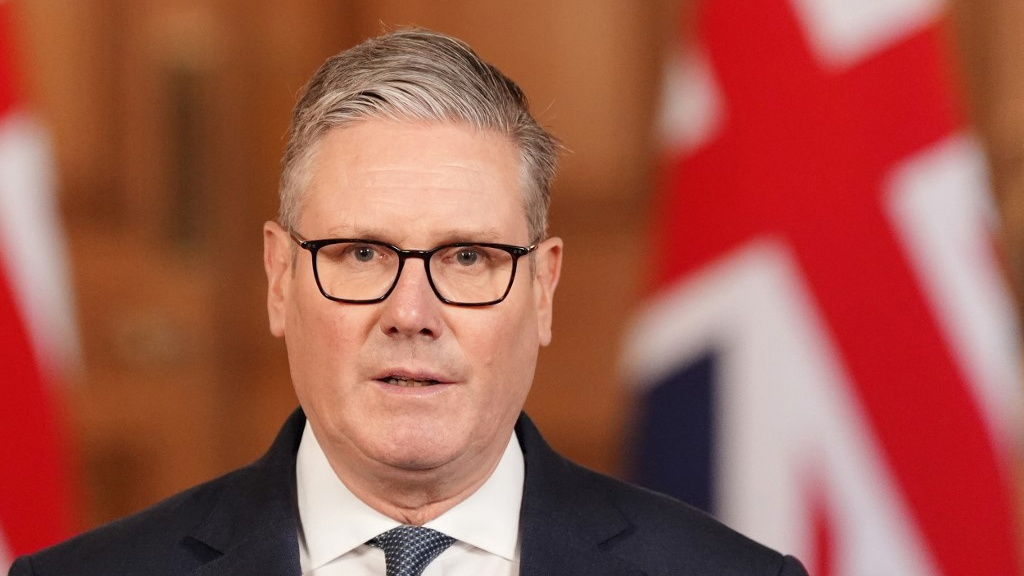
Prime Minister Keir Starmer’s government maintains strategic ambiguity regarding potential cooperation with US military operations. Despite the Labour administration’s desire to strengthen UK-US relations, it has distanced itself from Trump administration policies on multiple occasions, including refusing participation in the Gaza ‘Board of Peace’ and maintaining neutrality during previous Israel-Iran conflicts.
The strategic significance of British military assets extends beyond Qatar, encompassing naval facilities in Bahrain, air bases in the UAE, Oman, and Cyprus, and most critically, the joint UK-US base on Diego Garcia. This Indian Ocean installation places US bomber aircraft within striking distance of Iran while avoiding contested Gulf airspace, though any American deployment from this territory requires explicit British authorization.
Recent UK actions include imposing fresh sanctions targeting Iran’s finance, energy, and transportation sectors, alongside individual sanctions against Iranian businessman Ali Ansari, whose £150 million portfolio has been frozen over alleged IRGC financing connections. The British government has simultaneously evacuated its Tehran embassy staff and heightened security precautions throughout the region.
As the US reinforces regional military presence with additional warplanes, air defense systems, and the Abraham Lincoln aircraft carrier, diplomatic attention remains focused on Washington’s next moves and potential allied responses.
-

US suggests Hamas disarmament would come with amnesty deal
The United States has proposed a potential amnesty arrangement for Palestinian combatants as part of a broader initiative to disarm Hamas in Gaza, according to statements made by American officials on Tuesday. An anonymous U.S. official disclosed to Reuters that both Israeli and American strategies assume weapon surrender would be accompanied by clemency provisions for fighters.
“We are listening to many of their people talk about disarming. We believe they will comply,” the official stated, emphasizing that disarmament would constitute a fundamental component of any negotiated settlement. “Failure to relinquish weapons would constitute a violation of the agreement. We envision disarmament proceeding alongside appropriate amnesty measures, and we have developed a robust program to facilitate this process.”
This development coincides with France’s urgent call for implementing the second phase of the Gaza ceasefire framework following the recovery of the final Israeli hostage’s remains from the Palestinian territory. Pascal Confavreux, spokesperson for the French Ministry of Foreign Affairs, expressed “immense relief” at the resolution of the hostage situation while emphasizing the critical need for transitional measures.
“Commencing the second phase of the Gaza peace plan must now facilitate the transition from ceasefire to durable peace, ensure massive humanitarian aid delivery, and reestablish credible political prospects for a two-state solution with mutual security,” Confavreux articulated via social media platform X.
The truce, originally brokered by U.S. President Donald Trump in October, aimed to terminate over two years of severe conflict that resulted in more than 71,660 Palestinian fatalities and the near-total destruction of 90% of Gaza’s infrastructure. Despite the ceasefire, monitoring groups have documented over 1,300 violations attributed to Israeli forces since its inception.
Phase two of the Trump administration’s peace blueprint requires the disarmament of Hamas, progressive withdrawal of Israeli military units from occupied portions of the Gaza Strip, and the introduction of international peacekeeping forces. Hamas officials have countered that Israel must fully adhere to the ceasefire terms, particularly regarding unimpeded aid access and complete territorial withdrawal.
Recent tensions escalated when Israel announced the discovery of the last captive’s body near Gaza City following intensive military operations involving artillery shelling and bulldozing activities. Local reports from the Wafa news agency detailed extensive ground operations in eastern Gaza City, including the desecration of multiple graves during search operations for 24-year-old policeman Ran Gvili.
The Israeli military’s operations have resulted in dozens of casualties from heavy artillery and drone strikes since Sunday. In a concurrent development, the Al-Aqsa Martyrs hospital in central Gaza received nine Palestinian detainees released through Red Cross mediation on Monday evening.
Post-ceasefire violence has claimed at least 486 Palestinian lives with over 1,341 wounded, while Israeli authorities maintain strict limitations on humanitarian assistance, continuing bans on essential shelter and heating supplies.
-

Ex-Nigeria oil minister stands trial in UK on bribery charges
A landmark corruption trial unfolding at London’s Southwark Crown Court has exposed extensive bribery allegations against Nigeria’s former petroleum minister, Diezani Alison-Madueke. The 65-year-old official, who held one of Nigeria’s most powerful ministerial positions from 2010 to 2015, stands accused of accepting lavish bribes from energy executives seeking lucrative government contracts.
Prosecutor Alexandra Healy KC presented evidence alleging that Alison-Madueke received a comprehensive package of corrupt benefits valued at millions of pounds. These included exclusive access to luxury London properties, chauffeur-driven vehicles, private jet travel, and approximately £100,000 in cash payments. The court heard that energy company executives allegedly funded £4.6 million in property renovations, high-end shopping sprees at Harrods, and full domestic staff including housekeepers, nannies, and gardeners.
The prosecution contends that these benefits were systematically provided by contractors seeking favorable treatment from the state-owned Nigerian National Petroleum Corporation and its subsidiaries. Healy emphasized the global significance of the case, noting that while the bribes concerned Nigerian oil contracts, the luxury lifestyle they funded occurred primarily in the United Kingdom.
Alison-Madueke has pleaded not guilty to five counts of bribery acceptance and one count of conspiracy to commit bribery. She appears alongside two co-defendants: oil executive Olatimbo Ayinde, facing separate bribery charges, and her brother Doye Agama, a former archbishop charged with conspiracy. Both co-defendants also deny the allegations.
The trial, expected to continue for approximately twelve weeks, highlights the persistent issue of corruption in Nigeria’s oil sector—Africa’s largest petroleum industry. Despite Nigeria’s membership in OPEC and its substantial oil wealth, the case underscores how systemic corruption has prevented broader population from benefiting from the nation’s natural resource wealth.
-

Nigeria president ‘in great shape’ after falling at Turkey reception
Nigerian President Bola Tinubu experienced a stumble during an official welcome ceremony in Ankara, Turkey, while being received by his counterpart Recep Tayyip Erdogan. The incident occurred as the 73-year-old leader was walking past a line of soldiers and dignitaries, captured on the Turkish president’s official X account footage.
The video shows President Tinubu momentarily losing his balance and falling to the ground before the scene cuts to an aerial view. Within 45 seconds, attendants assisted the Nigerian leader, and he subsequently appeared unharmed alongside President Erdogan. According to presidential aide Sunday Dare, Tinubu proceeded with scheduled bilateral meetings without interruption following the incident.
This marks the second public stumble for President Tinubu within approximately 18 months, following a similar occurrence in June 2024. On that previous occasion, the president humorously addressed the incident by suggesting observers might have mistaken his fall for a popular dance move. His office had then characterized it as a “mild misstep.”
The current visit to Turkey represents a diplomatic effort to strengthen bilateral relations between the two nations. In response to circulating social media clips of the stumble, Dare issued a statement on X emphasizing that “President Tinubu [is] in great shape as state visit proceeds smoothly” and confirming the continuation of all planned diplomatic engagements.
Tinubu, who assumed office in 2023 following electoral victory, has previously received sympathy from across the political spectrum for such incidents, with opposition figure Atiku Abubakar previously describing a similar event as “unfortunate” and senator Shehu Sani noting it demonstrated the president’s shared humanity.
-

Carney denies walking back Davos speech in phone call with Trump
Canadian Prime Minister Mark Carney has publicly reaffirmed the substance of his critical Davos speech addressing global power dynamics, despite claims from Trump administration officials that he had retracted his statements. The diplomatic friction emerged after U.S. Treasury Secretary Scott Bessent asserted that Carney had “aggressively walked back” his remarks during a phone conversation with President Donald Trump.
In a Tuesday press briefing in Ottawa, Carney provided his account of the Monday phone exchange, clarifying that it was Trump who initiated the call. The Prime Minister characterized their discussion as a “very good conversation” covering multiple bilateral issues including Ukraine, Venezuela, Arctic security matters, and Canada’s recent trade arrangement with China.
The controversy stems from Carney’s World Economic Forum address, where he indirectly criticized Trump’s approach to international relations, suggesting it had caused a “rupture” in the postwar global order. Trump responded during his own Davos appearance with a stark reminder of Canada’s economic dependence on the United States.
Carney explained that his speech articulated Canada’s recognition of shifting U.S. trade policy and the nation’s adaptive response. He maintained that the President understood Canada’s position despite the subsequent tension.
The dispute escalated when Bessent used a Fox News interview to criticize Canada’s trade agreement with China, questioning Carney’s judgment and emphasizing the disproportionate importance of north-south trade relations over east-west alternatives. The Treasury Secretary suggested Carney should prioritize Canadian interests over “globalist agendas.”
This exchange occurred against the backdrop of Trump’s threat to impose 100% tariffs on Canadian goods if China uses Canada to circumvent U.S. tariffs. The recently announced Canada-China agreement will reduce Canadian canola oil tariffs from 85% to 15% by March, while Canada will apply most-favored-nation rates of 6.1% to limited Chinese electric vehicle imports, down from 100%.
Carney denied pursuing a comprehensive free-trade deal with China, stating Canada has “never” considered such an arrangement. He characterized Trump’s tariff threats as negotiation tactics ahead of the upcoming USMCA review, noting that “the president is a strong negotiator” and such comments should be viewed within broader negotiation context.
-

US sued over deadly missile strikes on alleged drug boats
The United States government faces a landmark wrongful death lawsuit following a series of lethal military strikes targeting vessels allegedly involved in drug trafficking. The legal action, initiated by bereaved families from Trinidad and Tobago, represents the first judicial challenge to the Trump administration’s controversial maritime operations in the Caribbean and eastern Pacific waters.
Filed in Massachusetts federal court, the litigation stems from an October 14 incident that claimed six lives, including those of Chad Joseph (26) and Rishi Samaroo (41). While President Trump characterized the deceased as ‘six male narcoterrorists’ transporting narcotics from Venezuela, the plaintiffs contend the victims were civilian laborers returning from fishing and agricultural work. Notably, no substantiating evidence regarding drug cartel connections or terrorist designations has been publicly disclosed by Washington.
The complaint leverages the Death on the High Seas Act and Alien Tort Statute, alleging these ‘premeditated and intentional killings’ constitute unlawful extrajudicial executions without legal justification. Represented by the American Civil Liberties Union and Center for Constitutional Rights, plaintiffs Lenore Burnley (Joseph’s mother) and Sallycar Korasingh (Samaroo’s sister) seek punitive damages through jury determination.
Legal director Baher Azmy condemned the operations as ‘lawless killings in cold blood; killings for sport and killings for theater,’ emphasizing that the suit aims to establish accountability for potential war crimes. The case follows a separate December petition to the Inter-American Commission on Human Rights by relatives of Colombian national Alejandro Carranza Medina, similarly killed in September strikes despite family assertions he was engaged in legitimate fishing activities.
This developing legal confrontation highlights escalating tensions between counter-narcotics operational protocols and international human rights standards, with implications for extraterritorial use of lethal force and governmental accountability mechanisms.
-

Spain plans to give half a million undocumented migrants legal status
In a historic move that sets Spain apart from its European neighbors, the socialist-led coalition government has unveiled a sweeping migrant regularization program expected to grant legal status to approximately half a million undocumented immigrants. The initiative, announced by Minister of Inclusion, Social Security and Migration Elma Saiz, represents the first large-scale regularization effort in two decades.
Under the program’s provisions, foreign nationals without criminal records who can demonstrate residence in Spain prior to December 31, 2025, for a minimum of five months will qualify for initial one-year residence permits, renewable upon expiration. The application window will open in April and remain accessible through June 2026.
The decision comes amid staggering statistics from conservative think-tank Funcas, revealing an eight-fold surge in Spain’s undocumented migrant population—from 107,409 in 2017 to 837,938 in 2025. Primary countries of origin include Colombia, Peru, and Honduras, with significant migration flows from Latin American nations.
Prime Minister Pedro Sánchez’s administration emphasizes the economic rationale behind the measure, characterizing immigrants as catalysts for ‘wealth, development and prosperity.’ Spain’s economy has notably outperformed major EU counterparts, projecting nearly 3% growth for 2025 alongside unemployment rates dipping below 10% for the first time since 2008—achievements partly attributed to migrant contributions to the social security system.
The policy emerged through negotiations with far-left Podemos party, long-time advocates for migrant rights under the slogan ‘regularisation is rights.’ Former minister Irene Montero celebrated the move as a triumph against racism, though the government bypassed parliamentary procedures by implementing the measure via royal decree.
Conservative opposition parties have voiced strong objections. People’s Party leader Alberto Núñez Feijóo warned of potential strain on public services and increased migration pull factors, while far-right Vox spokeswoman Pepa Millán condemned the initiative as an attack on national identity, pledging to challenge it before the Supreme Court.