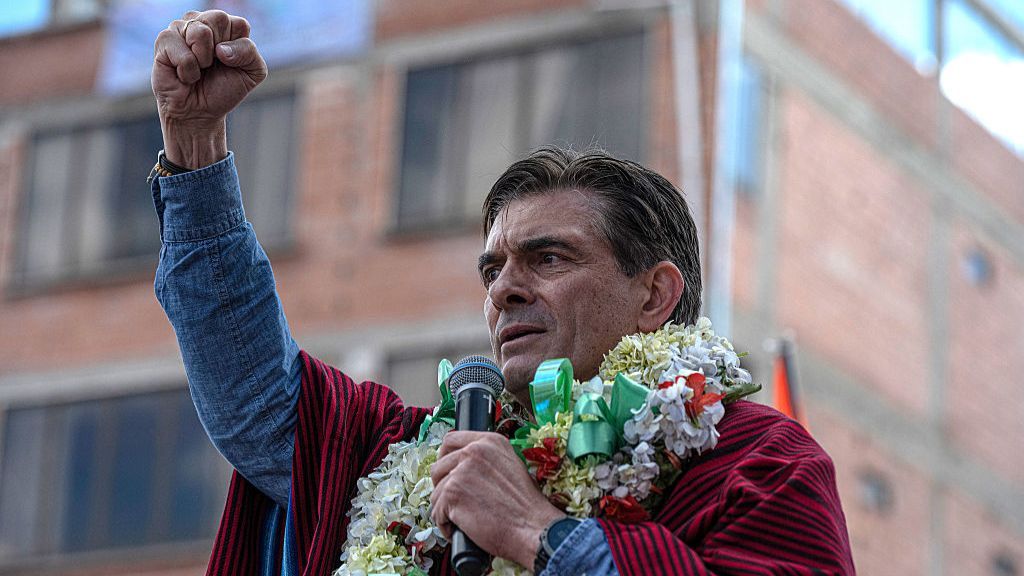
Bolivia has ushered in a new political era with the election of centrist senator Rodrigo Paz as its next president, marking the end of nearly 20 years of dominance by the Movement for Socialism (Mas) party. In a decisive run-off election, Paz, representing the Christian Democratic Party, secured 54.6% of the vote, defeating right-wing candidate Jorge ‘Tuto’ Quiroga. The election outcome reflects widespread voter dissatisfaction with Bolivia’s severe economic crisis and internal divisions within Mas, which has governed since 2006. Paz campaigned on a platform of ‘capitalism for all,’ pledging to address fuel shortages, attract international investment, and stimulate private-sector growth. His victory speech emphasized a commitment to economic reform and social programs aimed at alleviating poverty. Paz’s moderate stance appealed to undecided and disillusioned left-leaning voters, who sought change but were reluctant to support Quiroga. Quiroga conceded defeat, and Paz’s supporters celebrated in the streets of La Paz, expressing hope for a new direction. Bolivia faces significant challenges, including fuel shortages, a dollar deficit, and soaring inflation, exacerbated by plummeting natural gas exports. Paz has pledged to ease credit access for small businesses, reduce taxes and import tariffs, combat corruption, and decentralize government. However, his plan to cut unsustainable fuel subsidies may prove contentious. Internationally, Paz’s election could signal a thaw in Bolivia’s strained relations with the United States, which have lacked formal diplomatic ties since 2008. The U.S. State Department expressed optimism about partnering with Paz to restore economic stability and strengthen security. Paz may also recalibrate Bolivia’s alliances, potentially distancing the country from Venezuela and Cuba while maintaining trade ties with China, a key partner for Bolivia’s mineral and lithium exports. Paz’s running mate, Edman Lara, a former police captain known for his anti-corruption stance, helped attract working-class voters. The election result underscores a national desire for change, but Paz inherits a deeply divided country and a challenging economic landscape. He will take office on November 8, 2025, with the formidable task of restoring economic credibility and uniting Bolivia after years of political turmoil.
分类: politics
-

Rodrigo Paz wins presidential runoff, becoming Bolivia’s first conservative leader in decades
In a historic turn of events, centrist senator Rodrigo Paz has emerged as Bolivia’s next president, according to preliminary results announced on Monday. This victory signals a dramatic political transformation for the nation, ending nearly two decades of dominance by the Movement Toward Socialism (MAS) party and ushering in a new era amid the country’s most severe economic crisis in decades. Paz secured 54.5% of the vote, defeating his rival, former right-wing President Jorge “Tuto” Quiroga, who garnered 45.5%. Óscar Hassenteufel, president of the Supreme Electoral Tribunal, declared the outcome irreversible. Paz’s campaign, bolstered by his running mate, ex-police captain Edman Lara, resonated deeply with working-class and rural voters frustrated by skyrocketing inflation and acute dollar shortages that have disrupted food and fuel supplies. Despite widespread disillusionment with MAS, many Bolivians remained wary of Quiroga’s abrupt shift away from the party’s social protections toward an IMF-backed economic model. Paz’s victory sets Bolivia on an uncertain path as he seeks to implement sweeping reforms, including ending the fixed exchange rate, phasing out fuel subsidies, and reducing public investment. While his Christian Democratic Party holds a slight majority in Congress, Paz will need to navigate compromises to enact his ambitious agenda. His supporters celebrated in the streets of La Paz, hailing the election as a turning point for the nation. Quiroga conceded gracefully, urging calm and unity. The U.S. State Department extended congratulations, signaling a potential thaw in bilateral relations strained since Morales expelled the U.S. ambassador in 2008. However, Paz inherits a dire economic situation, with inflation at a 32-year high and severe fuel shortages. He has pledged to avoid IMF intervention, instead focusing on anti-corruption measures and restoring confidence in Bolivia’s currency. Despite criticism of his vague fiscal plans, Paz’s message of gradual free-market reforms and his appeal to diverse voter groups have positioned him as a unifying figure in a deeply divided nation.
-
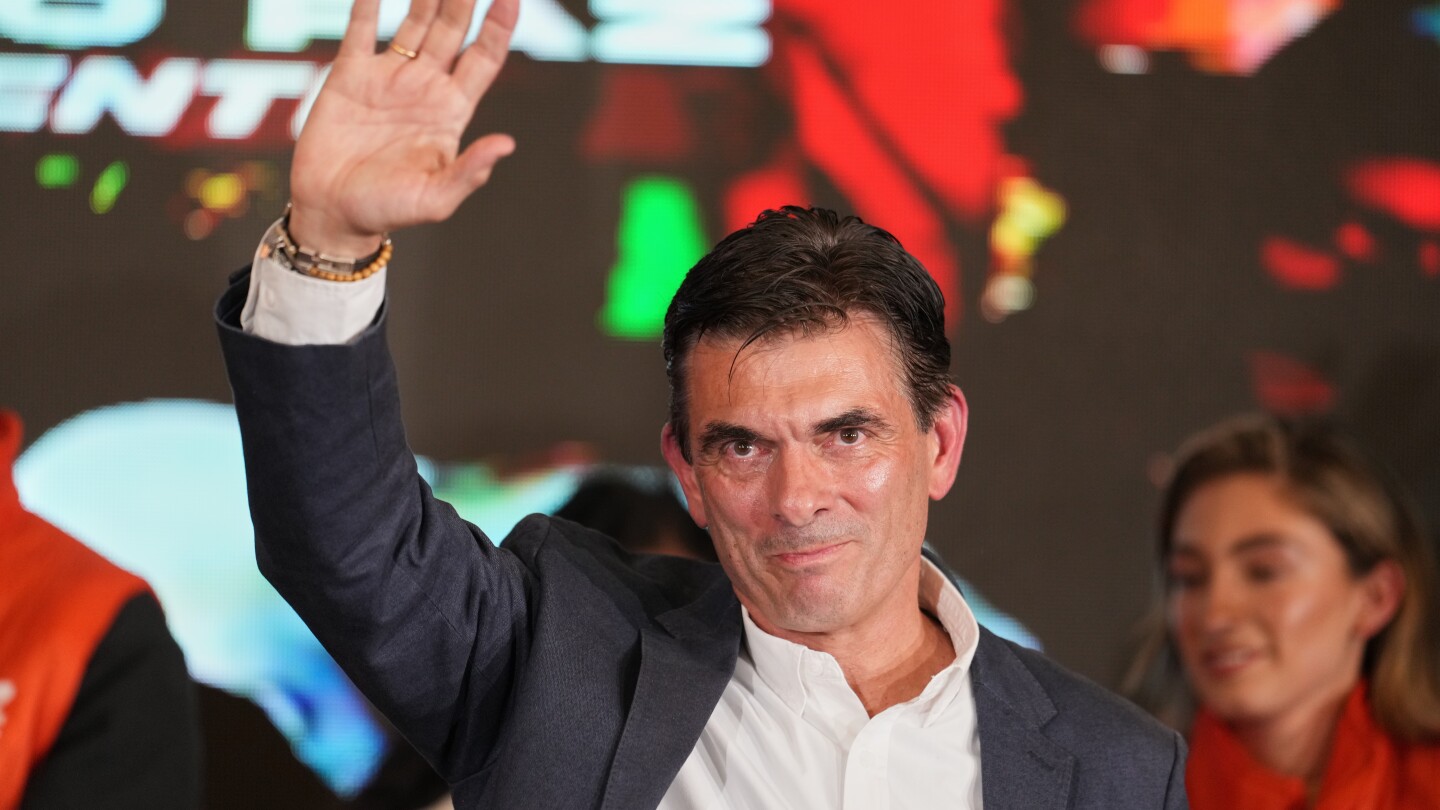
What to know about Rodrigo Paz, the centrist who shot from obscurity to Bolivia’s presidency
In a stunning political upset, centrist candidate Rodrigo Paz emerged victorious in Bolivia’s presidential runoff on Sunday, marking the first time in two decades that a conservative leader has claimed the presidency. The 58-year-old senator, previously a relatively obscure figure, defeated his prominent right-wing rival, former President Jorge “Tuto” Quiroga, to become Bolivia’s next head of state, set to assume office on November 8. Paz’s triumph comes amid a severe economic crisis, with the country grappling with fuel shortages, a scarcity of U.S. dollars, and the collapse of the statist economic model established under the Movement Toward Socialism (MAS) party, led by former President Evo Morales. Paz campaigned on a platform of gradual economic reforms, contrasting with Quiroga’s more aggressive fiscal shock proposals, and promised to address inequality and unemployment. His victory signals a potential shift in Bolivia’s political and economic trajectory, as well as a reset in relations with the United States, which Paz has emphasized as crucial for Bolivia’s future. His running mate, ex-police Captain Edman Lara, played a pivotal role in the campaign, amplifying Paz’s anti-corruption message and resonating with working-class and Indigenous voters. Despite his plans to eliminate fuel subsidies and devalue the Bolivian currency, Paz’s populist tone and promises of cash handouts for the poor helped secure broad support across the nation.
-

UK military to get powers to shoot down drones near bases
The United Kingdom is set to grant its military personnel enhanced powers to shoot down drones that pose a threat to military installations. Defence Secretary John Healey will announce the initiative in a speech on Monday, emphasizing the need for quicker and more decisive responses to aerial threats. This move follows a series of mysterious drone sightings at four British airbases utilized by US forces last year, as well as numerous disruptions across European airspace in recent months. While the new authority initially applies solely to military sites, there is potential for its extension to civilian locations, including airports. The proposed ‘kinetic option,’ first reported by the Daily Telegraph, will empower British troops and Ministry of Defence (MoD) police to neutralize drones endangering UK military bases. Current protocols require soldiers to divert drones or disrupt their GPS signals using counter-drone equipment, with shooting down drones permitted only in extreme cases. RAF Lakenheath, RAF Mildenhall, RAF Feltwell, and RAF Fairford all reported drone incursions in November 2023, prompting the deployment of 60 RAF personnel to assist the US Air Force in its investigation. The strategic importance of these airbases was underscored by the recent deployment of F-22A fighter jets to RAF Lakenheath following US airstrikes on Iranian nuclear sites in June. The UK’s decision aligns with broader European efforts to address drone threats. Earlier this month, EU leaders convened in Denmark to discuss a multi-layered ‘drone wall’ aimed at detecting, tracking, and destroying Russian drones. Recent incidents, including 20 Russian drones crossing into Poland in September and Russian MiG-31 jets entering Estonian airspace, have heightened concerns. Drone sightings have also forced temporary closures of airports in Germany, Denmark, and Norway. While Russia has denied involvement in these incursions, the UK’s new measures reflect a proactive approach to safeguarding national security.
-
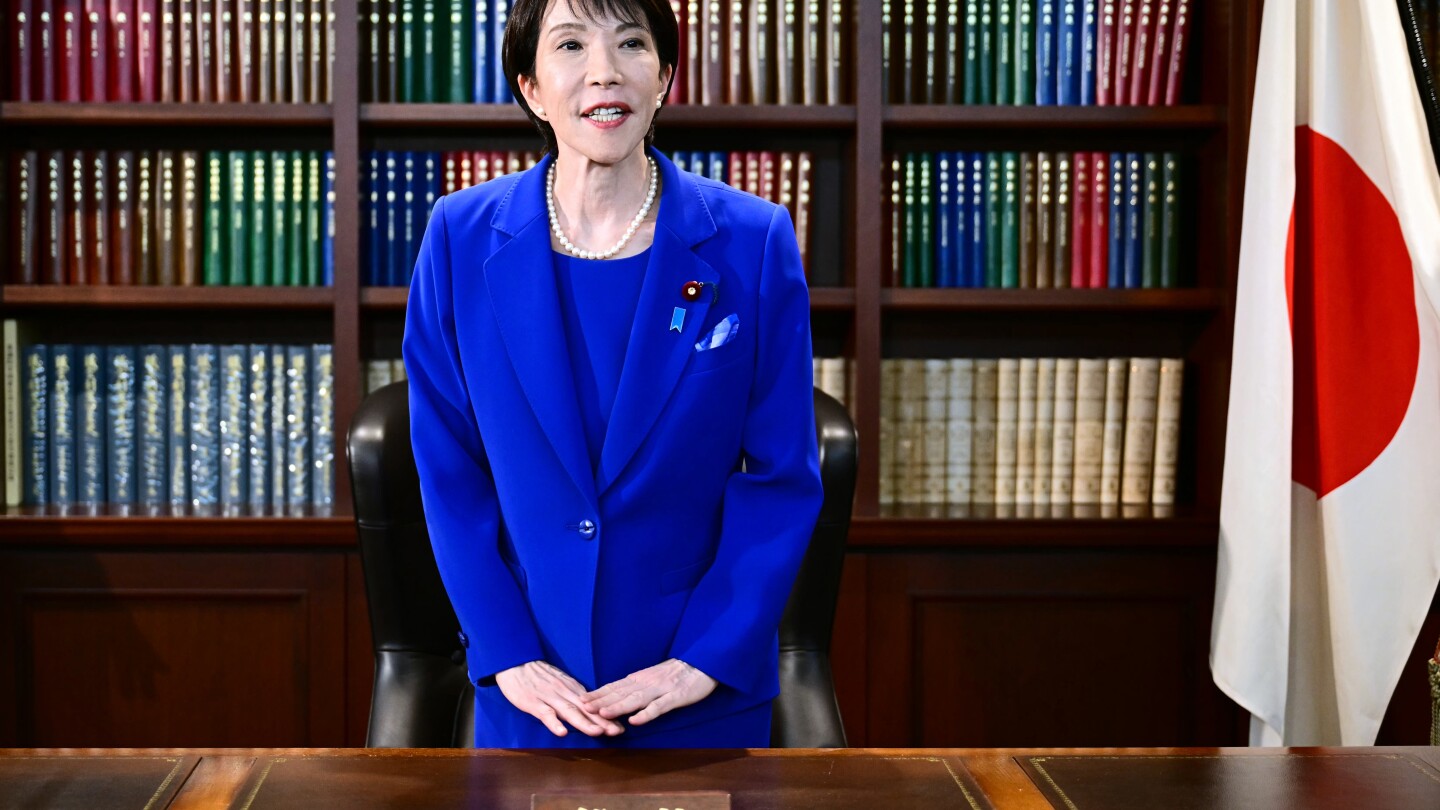
Ultraconservative Sanae Takaichi on track to become Japan’s first female prime minister
Japan is on the brink of a historic political milestone as Sanae Takaichi, leader of the Liberal Democratic Party (LDP), is set to become the nation’s first female prime minister. This follows a tumultuous period of political instability after the LDP’s coalition with the Komeito party dissolved in July, leading to a three-month leadership vacuum. Takaichi, 64, is expected to replace Prime Minister Shigeru Ishiba in a parliamentary vote on Tuesday, marking a significant shift in Japan’s political landscape. However, her path to power has been fraught with challenges. The Komeito party, a moderate centrist group, severed ties with the LDP after 26 years, citing concerns over Takaichi’s ultraconservative policies and the LDP’s handling of slush fund scandals. To secure the necessary votes, Takaichi forged a fragile alliance with the Japan Innovation Party (JIP), a conservative faction based in Osaka. While this coalition offers a short-term solution, its long-term stability remains uncertain. Takaichi’s premiership, if confirmed, will face immediate tests, including diplomatic engagements with U.S. President Donald Trump and regional summits. Domestically, she must address rising prices and implement economic measures to appease a frustrated public. Despite her historic achievement, Takaichi’s leadership is met with skepticism, particularly among women. Critics argue that her ultraconservative stance on issues like male-only imperial succession, same-sex marriage, and separate last names for married couples undermines gender equality. Political commentators also question her ability to navigate Japan’s complex political environment, given her coalition’s minority status and the need for opposition support to pass legislation. Takaichi’s policies, which focus on short-term economic fixes and military expansion, have drawn criticism for lacking a long-term vision to address Japan’s demographic challenges. As she prepares to take office, Takaichi faces a delicate balancing act between maintaining conservative support and fostering stability in a deeply divided political landscape.
-
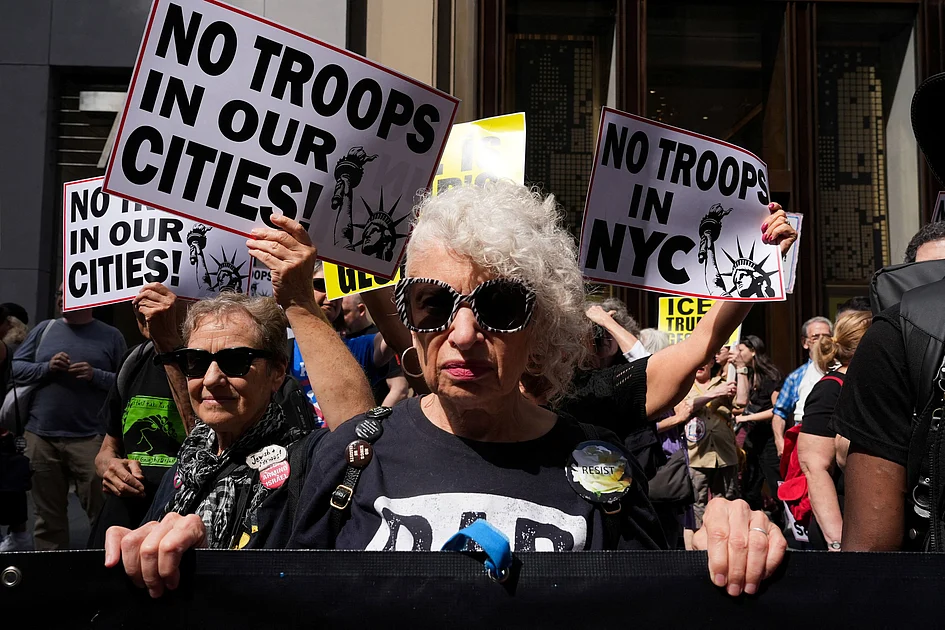
Trump threatens to send military troops to San Francisco
Former President Donald Trump has reignited controversy by threatening to deploy military troops to San Francisco, a move that aligns with his broader strategy of involving the U.S. military in Democratic-controlled cities. In a recent interview with Fox News, Trump declared, ‘Next we’re going to go to San Francisco,’ emphasizing his belief that the city ‘wants us’ to restore its former glory. This statement follows his previous deployments of the National Guard to Los Angeles, Washington, and Memphis, often against the wishes of local leaders. Judges have already halted similar deployments in Chicago and Portland, highlighting the contentious nature of these actions. Trump has consistently exaggerated crime and unrest in U.S. cities to justify military interventions, a tactic that has drawn sharp criticism from Democratic officials. California Governor Gavin Newsom, a frequent Trump adversary, has vocally opposed these deployments, particularly the one to Los Angeles in June, which followed protests over immigration raids. The situation in San Francisco is further complicated by the city’s symbolic significance in Republican rhetoric, often portrayed as a failing urban center under Democratic governance. Marc Benioff, CEO of Salesforce, initially supported military intervention in San Francisco but faced public backlash, forcing him to apologize. This episode underscores the deep political divisions surrounding Trump’s militaristic approach to urban governance.
-
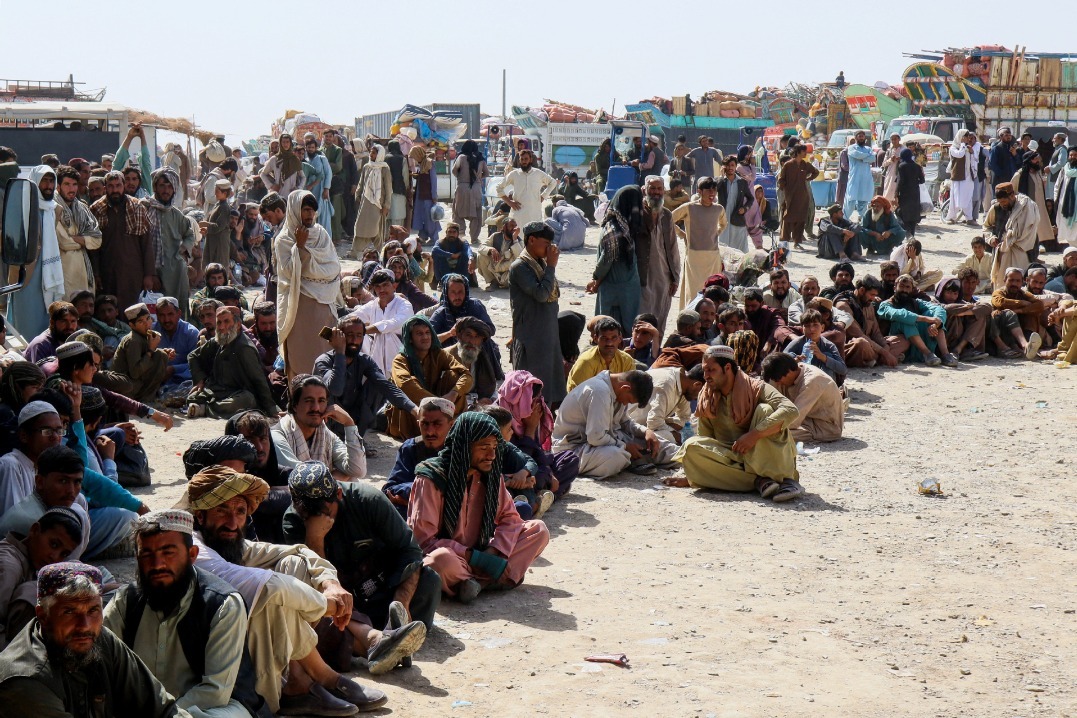
Pakistan, Afghanistan confirm ceasefire agreement
In a significant diplomatic breakthrough, Pakistan and Afghanistan have formalized a ceasefire agreement aimed at halting cross-border hostilities and fostering mutual respect for territorial sovereignty. The accord, confirmed by officials from both nations on Sunday, marks a pivotal step toward de-escalating long-standing tensions along their shared border. Pakistani Defense Minister Khawaja Asif announced on social media that attacks originating from Afghanistan into Pakistan would cease immediately. Further discussions on the implementation of the ceasefire and enhanced security collaboration are scheduled for October 25 in Istanbul, Türkiye, where delegations from both countries will convene. Afghan government spokesman Zabihullah Mujahid echoed the sentiment, revealing that the bilateral agreement was finalized following negotiations in Doha, Qatar. The pact underscores a shared commitment to peace, mutual respect, and the strengthening of neighborly ties. Both nations have pledged to resolve disputes through dialogue, refraining from targeting each other’s security forces, civilians, or critical infrastructure. This agreement is seen as a cornerstone for regional stability and a potential catalyst for broader diplomatic engagement.
-
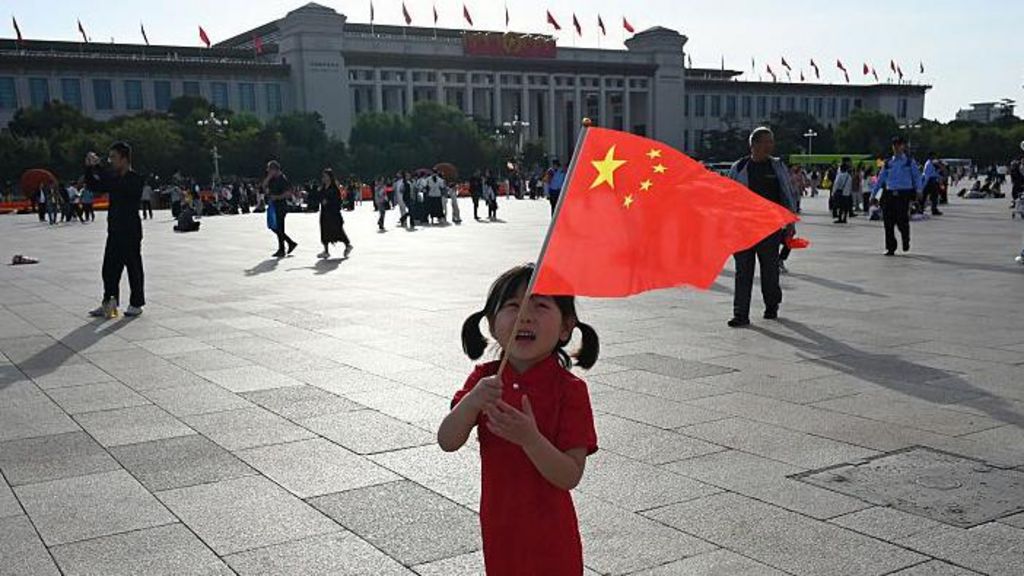
China will soon have a new Five Year Plan. Here’s how they have changed the world so far
This week, Beijing hosts a pivotal gathering of China’s top leaders, as the Central Committee of the Chinese Communist Party convenes for its annual Plenum. The discussions will lay the groundwork for the next Five-Year Plan (2026-2030), a strategic blueprint guiding the world’s second-largest economy. While the full plan will be unveiled next year, key insights are expected to emerge shortly after the meetings. Neil Thomas of the Asia Society Policy Institute notes, ‘China’s policy-making operates on planning cycles, unlike the election-driven frameworks of the West. Five-Year Plans articulate national goals, signal leadership direction, and mobilize state resources toward predefined outcomes.’ Historically, these plans have had profound global repercussions, reshaping economies and industries worldwide. The 1978 ‘reform and opening up’ policy under Deng Xiaoping marked a turning point, transforming China into an economic powerhouse and altering global trade dynamics. Subsequent plans have focused on strategic emerging industries, such as green technology and high-tech innovation, positioning China as a leader in renewables, electric vehicles, and rare earth supply chains. Recent shifts emphasize ‘high-quality development’ and ‘new quality productive forces,’ aiming for technological self-sufficiency and reduced reliance on Western innovation. As China seeks to dominate sectors like AI and chip-making, its policies continue to influence global economic and geopolitical landscapes.
-

After ‘No Kings’ protests, where does Democratic resistance go next?
In an unprecedented display of dissent, millions of Americans took to the streets this weekend in the ‘No Kings’ protests, voicing their opposition to President Donald Trump’s policies and his expansive use of presidential authority. The demonstrations, which spanned major cities like New York, Chicago, Washington D.C., and Los Angeles, as well as hundreds of smaller towns, marked a significant moment of unity among Democrats, liberals, and even some anti-Trump Republicans. Despite warnings from Congressional Republicans that the protests would be ‘anti-American,’ the rallies remained peaceful, with no arrests reported in New York City and families participating in Washington D.C. Senator Chris Murphy of Connecticut addressed the crowd in the nation’s capital, declaring, ‘Americans are saying loudly and proudly that we are a free people, we are not a people that can be ruled.’ The White House, however, dismissed the protests with derision, with Deputy Press Secretary Abigail Jackson responding, ‘Who cares.’ Trump further mocked the demonstrators by sharing AI-generated videos on his Truth Social platform, including one where he appeared to dump waste on protesters from a jet. While Republicans downplayed the significance of the marches, the scale of the turnout, coupled with Trump’s negative approval ratings, suggests a potential opportunity for Democrats to rebound from recent electoral setbacks. However, the party remains divided and faces challenges in mounting an effective opposition, particularly as they no longer control either chamber of Congress. The protests highlighted widespread frustration with Trump’s immigration enforcement, tariff policies, government cuts, foreign policy, and deployment of the National Guard in U.S. cities. Some attendees also expressed discontent with Democratic leaders, urging them to take a more combative stance. The ongoing government shutdown, now entering its fourth week, has further complicated the political landscape, with Democrats refusing to approve a short-term spending extension without addressing health-insurance subsidies for low-income Americans. As the shutdown continues, federal workers face financial hardship, and low-income food support funding is expected to run out. The November elections, including key gubernatorial races in Virginia and New Jersey, will serve as a barometer for whether the anti-Trump sentiment seen at the protests can translate into electoral success for Democrats. However, internal party divisions and contentious primary battles could hinder their efforts to regain power. While the immediate focus of the protests was to unite against Trump, the long-term challenge for Democrats will be to present a cohesive and effective alternative to his administration.
-
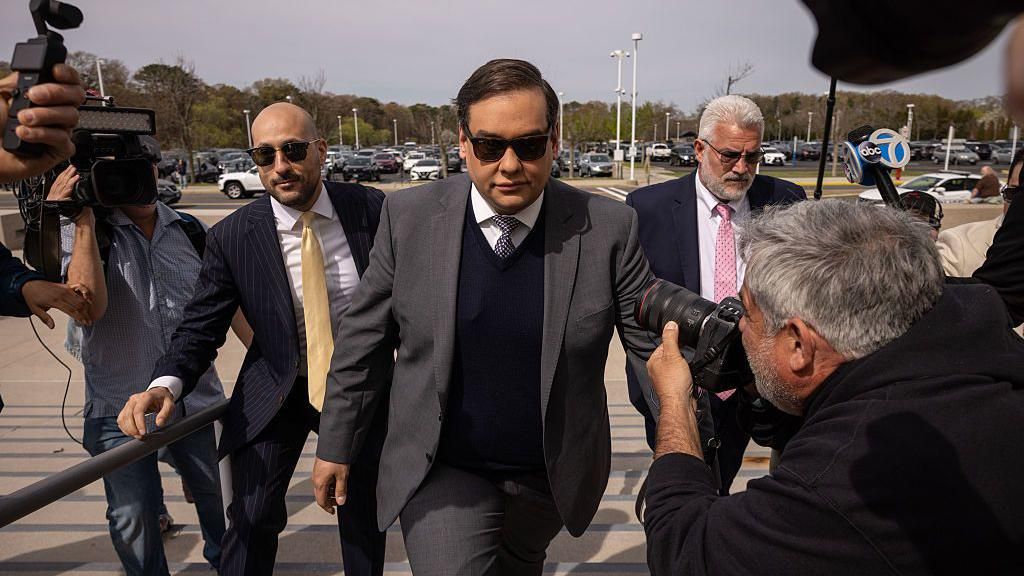
George Santos wants to use his newfound freedom to reform prisons
George Santos, the former Republican U.S. Representative from New York, has vowed to dedicate his life to prison reform following his release from federal prison. Santos was granted clemency by President Donald Trump, who commuted his seven-year sentence for wire fraud and identity theft. Santos, who was expelled from Congress in 2023 after an ethics scandal, described his prison experience as “dehumanising” and “humbling” in an interview with The Washington Post. He admitted to stealing the identities of 11 individuals, including family members, and was released on Friday night. During his 84-day incarceration, Santos authored several columns for The South Shore Press, detailing the dire conditions of the prison system. He highlighted issues such as rotting facilities, broken air conditioning, and thick black mold in the ceiling, describing the environment as unfit for long-term habitation. Santos revealed that he spoke with President Trump on Saturday, expressing his commitment to prison reform and offering his assistance to the administration. However, the specifics of his involvement remain unclear, and his lawyer has not yet commented on his plans. Santos also told CNN that he has no immediate plans to return to politics, stating, “I’m all politicked out.” The Bureau of Prisons declined to respond to media inquiries due to the ongoing government shutdown, and FCI Fairton, the New Jersey prison where Santos was held, has not addressed his allegations of poor conditions.