分类: politics

  • Iran meets UN nuclear watchdog in Geneva ahead of a second round of US talks

    Iran meets UN nuclear watchdog in Geneva ahead of a second round of US talks

    GENEVA — In a significant diplomatic development, Iran’s top foreign policy official engaged in direct discussions with the United Nations’ nuclear watchdog chief on Monday, setting the stage for crucial negotiations with the United States regarding Tehran’s controversial nuclear program.

    Iranian Foreign Minister Abbas Araghchi convened with Rafael Grossi, Director-General of the International Atomic Energy Agency (IAEA), marking a notable thaw in relations following months of suspended cooperation. The meeting occurred alongside planned discussions with Omani Foreign Minister Badr al-Busaidi, whose nation is facilitating the indirect U.S.-Iran talks in Geneva.

    Through a social media statement, Araghchi conveyed Tehran’s position: “I am in Geneva with real ideas to achieve a fair and equitable deal. What is not on the table: submission before threats.”

    The diplomatic movement follows signals from Iranian Deputy Foreign Minister Majid Takht-Ravanchi, who indicated Sunday that Tehran might consider compromises on nuclear activities in exchange for relief from international sanctions. “The ball is in America’s court. They have to prove they want to have a deal with us,” Takht-Ravanchi told the BBC. “If we see sincerity on their part, I am sure we will be on a road to have an agreement.”

    These developments occur against a complex backdrop of military posturing and failed previous negotiations. The United States has maintained significant military assets in the region, including the recent deployment of the USS Gerald R. Ford aircraft carrier. Previous talks collapsed following Israel’s military actions against Iran last year, which included U.S. airstrikes on Iranian nuclear facilities.

    A critical concern remains Iran’s nuclear advancements. IAEA reports indicate Tehran has accumulated uranium enriched to 60% purity—technologically proximate to weapons-grade levels. Agency experts estimate this stockpile could potentially yield up to ten nuclear devices if weaponization occurred, though no evidence suggests Iran has crossed that threshold.

    The current negotiations represent the second round of indirect discussions hosted by Oman, with the initial meeting occurring on February 6. Simultaneously, Geneva is hosting separate U.S.-brokered talks between Russian and Ukrainian officials, creating a rare convergence of major diplomatic initiatives in the Swiss city.

    Israeli Prime Minister Benjamin Netanyahu recently visited Washington to advocate for stringent agreement terms that would address Iran’s ballistic missile capabilities and support for regional proxy groups. The Trump administration maintains its position that Iran must completely halt uranium enrichment, a demand Tehran consistently rejects while insisting its nuclear program serves purely peaceful purposes.

  • Myanmar expels East Timor’s top diplomat over a criminal complaint alleging military abuses

    Myanmar expels East Timor’s top diplomat over a criminal complaint alleging military abuses

    In a significant escalation of diplomatic tensions within Southeast Asia, Myanmar’s military government has formally ordered the expulsion of East Timor’s senior diplomat from the country. The directive, announced through state media on Monday, comes as a direct response to East Timor’s judicial authorities accepting a criminal complaint filed against Myanmar’s armed forces leadership.

    The Myanmar Foreign Ministry’s statement, published in the state-run Myanma Alinn newspaper, revealed that Charge d’Affaires Elisio do Rosario de Sousa has been instructed to depart Myanmar by February 20th. This drastic measure follows East Timor’s judicial appointment of a senior prosecutor to examine allegations of war crimes and crimes against humanity against senior members of Myanmar’s military establishment, including Commander-in-Chief Senior General Min Aung Hlaing.

    The complaint, initiated by the Chin Human Rights Organization (CHRO), documents extensive human rights violations allegedly committed particularly in Myanmar’s northwestern Chin state. Evidence presented includes accounts of gang rape, the massacre of ten individuals including a journalist, deaths of Christian religious figures, and airstrikes targeting hospitals and religious buildings.

    This confrontation marks an unprecedented development within the Association of Southeast Asian Nations (ASEAN), representing the first instance where one member state has pursued legal action against another through domestic courts. East Timor, which gained independence from Indonesia in 2002 and became ASEAN’s newest member in October 2023, maintains legal provisions allowing its judicial system to investigate serious international crimes regardless of where they were committed or the nationalities involved.

    The current diplomatic rupture continues a pattern of deteriorating relations between the two nations. In August 2023, Myanmar initially expelled East Timor’s charge d’affaires following President José Ramos-Horta’s meetings with Myanmar’s shadow National Unity Government. The Nobel Prize laureate has consistently criticized Myanmar’s military rulers and expressed support for opposition groups since the army seized power from Aung San Suu Kyi’s elected government in February 2021.

    International human rights organizations and UN investigators have widely accused Myanmar’s military of systematic rights violations following the 2021 coup, which triggered massive resistance that has evolved into widespread armed conflict. Many nations have subsequently downgraded diplomatic relations with Myanmar, maintaining only junior-level diplomatic representation.

  • Rubio meets Orbán in Budapest as US and Hungary are to sign a civilian nuclear pact

    Rubio meets Orbán in Budapest as US and Hungary are to sign a civilian nuclear pact

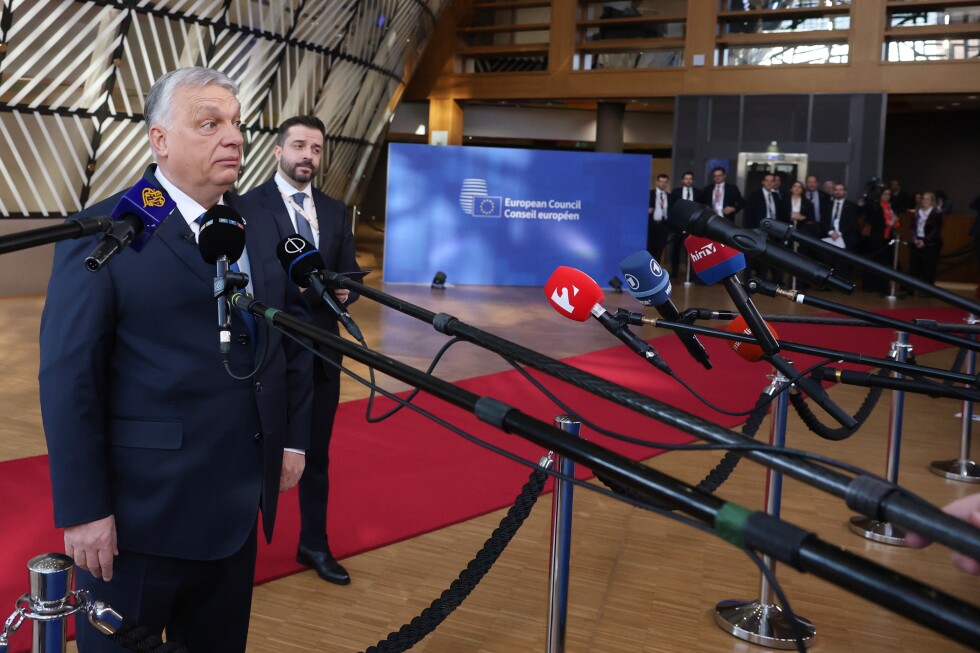
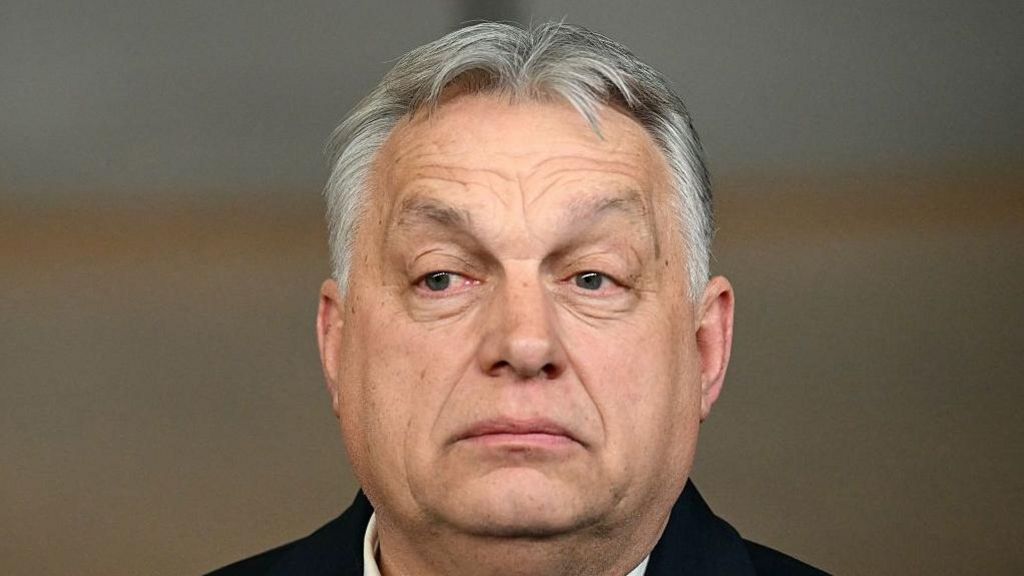
    BUDAPEST, Hungary – U.S. Secretary of State Marco Rubio convened with Hungarian Prime Minister Viktor Orbán in Budapest on Monday, culminating in the signing of a landmark civilian-nuclear cooperation agreement endorsed by President Donald Trump. This diplomatic engagement occurs precisely two months before Hungary’s pivotal April 12 parliamentary elections, where Orbán’s Fidesz party confronts its most formidable electoral challenge since returning to power in 2010.

    The Budapest meeting followed Rubio’s diplomatic tour through Central Europe, including stops in Slovakia and attendance at the Munich Security Conference. Both Hungary and Slovakia, governed by Euroskeptic populists who oppose Ukrainian military support and align with Trump’s policies, represent strategic partners for U.S. energy diplomacy in the region.

    Orbán, widely regarded as Vladimir Putin’s most reliable EU ally, has maintained cordial Kremlin relations throughout Russia’s Ukraine offensive while simultaneously cultivating favor with Trump’s political movement. This balancing act has positioned Hungary as an ideological model for conservative nationalists despite concerns about democratic backsliding and the nation’s status as one of the EU’s least prosperous members.

    Trump’s explicit endorsement of Orbán earlier this month praised the Hungarian leader as a “truly strong and powerful Leader” and “a true friend, fighter, and WINNER” on his Truth Social platform. This political affinity stems from Orbán’s stringent immigration policies, including border fencing implemented during the 2015 refugee crisis, and his government’s conservative social agenda targeting LGBTQ+ rights through bans on Pride celebrations, same-sex adoption, and legal gender recognition.

    Notably, Hungary secured exemptions from U.S. sanctions on Russian energy following Orbán’s White House meeting with Trump in November, allowing continued reliance on Kremlin energy supplies despite EU diversification efforts. With polls indicating a tight electoral race, Orbán’s administration has actively courted a potential Trump visit to Hungary before the April elections, hoping a high-profile endorsement might secure his political survival.

  • Trump’s new world order has become real and Europe is having to adjust fast

    Trump’s new world order has become real and Europe is having to adjust fast

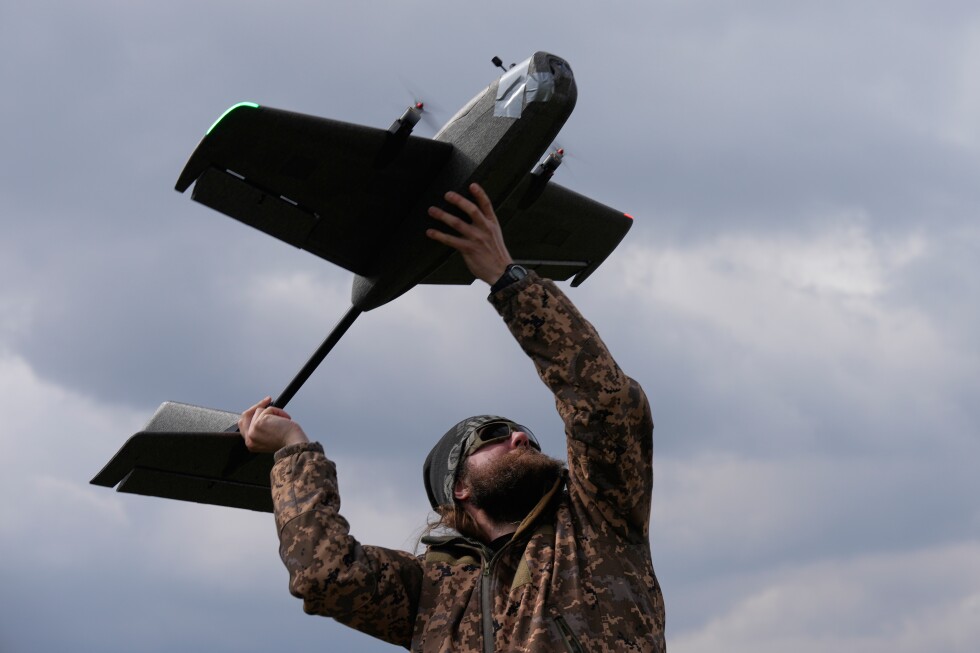
    The elegant boulevards of Munich, traditionally adorned with luxury boutiques and high-performance automobiles, now showcase a strikingly different exhibition: sleek black-and-white posters heralding next-generation drones and proclaiming ‘Europe’s Security Under Construction.’ This bold military display represents a profound psychological shift for Germany, where such overt defense promotion would have been unthinkable merely years ago.

    Bavaria has rapidly emerged as Germany’s premier defense technology corridor, specializing in artificial intelligence, unmanned aerial systems, and aerospace innovation. This transformation reflects a continent grappling with unprecedented geopolitical pressures—sandwiched between an expansionist Russia and economically assertive China to the east, while confronting an increasingly unpredictable United States to the west.

    Recent Eurobarometer data reveals 68% of Europeans perceive their nations as under threat, prompting Germany’s Federal Office of Civil Protection and Disaster Assistance to issue its first Cold War-era warning about potential conflict. Concurrently, Germany has ascended to become Ukraine’s primary military benefactor following the cessation of American direct aid.

    The central question dominating the Munich Security Conference—the world’s premier annual defense gathering—was whether traditional alliances through NATO and the EU remain sufficient, or whether Europe must diversify into ad-hoc coalitions with like-minded nations including Australia, South Korea, and Japan.

    NATO Secretary General Mark Rutte highlighted Germany’s remarkable defense commitment, noting its €150 billion expenditure by 2029 will surpass combined British and French military budgets. While acknowledging American appreciation for this investment, Rutte observed that Donald Trump represents merely the latest in a succession of U.S. presidents demanding greater European security self-sufficiency, albeit with notably more confrontational rhetoric.

    The conference’s most anticipated address came from U.S. Secretary of State Marco Rubio, whose appearance generated palpable anxiety among European leadership. Transatlantic relations have deteriorated to their lowest point in eight decades, exacerbated by Trump’s threats against Danish sovereignty over Greenland, punitive tariffs on European exports, and temporary intelligence withdrawal from Ukrainian forces.

    Rubio’s delivery surprised attendees with historically grounded kinship language, asserting that America desires ‘Europe to be strong’ and acknowledging intertwined destinies. European officials visibly relaxed during his address, relieved by the absence of threats that characterized previous administration appearances.

    However, careful analysis revealed Rubio’s unwavering commitment to Trump administration priorities: climate action skepticism, multilateralism opposition, migration restrictions, and advancement of Christian Western civilization. His conditional partnership offer demanded European alignment with American values without compromise.

    European Commission President Ursula von der Leyen responded with sober realism, noting ‘some lines have been crossed that cannot be uncrossed’ and describing Europeans as having endured ‘shock therapy.’ This sentiment echoes across the continent, where defense experts like RUSI Director-General Rachel Ellehuus identify emerging divisions between northern nations increasing military spending and southern countries resisting budget hikes.

    U.S. Undersecretary of Defense Elbridge Colby delivered blunt messaging in Brussels: Europe no longer represents America’s priority, with focus shifting to the Indo-Pacific. While reaffirming NATO’s mutual defense clause, Colby announced reduced American capabilities in Europe and advocated for a ‘NATO 3.0’ with Europe as partner rather than dependent.

    In response, European leaders are pursuing à la carte coalitions beyond traditional structures. The UK-France led ‘Coalition of the Willing’ for Ukrainian sovereignty includes Turkey, New Zealand, and Australia. Canada increasingly collaborates with Nordic and Baltic nations, while Japan and South Korea are embraced as ‘like-minded family’ members.

    French President Emmanuel Macron’s concept of ‘strategic autonomy’ expands beyond defense to encompass energy security, supply chains, and technological independence. Even von der Leyen acknowledged that if EU competitiveness improvements proceed too slowly, smaller member state groups may advance independently.

    Despite this momentum, the conference underscored Europe’s continued dependence on American security infrastructure—from nuclear deterrence to intelligence architectures—and its technological lag behind the U.S. The ongoing Franco-German dispute over the Future Combat Air System exemplifies challenges in European defense cooperation.

    Ultimately, Munich revealed a continent undergoing fundamental strategic reorientation. These changes extend beyond short-term Trump administration adaptation toward lasting structural transformation. As global politics increasingly dance to the tune of great power competition, even traditionally deliberate Europe recognizes the imperative to evolve its security paradigm.

  • Brazil’s Lula gets image boost at Rio Carnival, but also faces legal risks

    Brazil’s Lula gets image boost at Rio Carnival, but also faces legal risks

    RIO DE JANEIRO — A spectacular Carnival parade honoring Brazilian President Luiz Inácio Lula da Silva at Rio’s Sambadrome has ignited political controversy and potential legal ramifications six months before the October elections. The event, organized by top samba school Academicos de Niteroi, celebrated Lula’s journey from childhood poverty to becoming one of Latin America’s most influential leaders through elaborate floats, costumes, and musical tributes.

    The president, accompanied by Vice President Geraldo Alckmin and their wives, attended the celebration despite warnings from legal analysts about potential electoral violations. The parade’s central theme focused on Brazil’s northeast region—Lula’s birthplace—with organizers insisting the tribute was cultural rather than political. Tiago Martins, the parade’s chief organizer, stated they presented their vision to Lula months in advance and denied any campaign intentions in the school’s lyrics or displays.

    Political adversaries have condemned the event as premature campaigning, filing complaints with Brazil’s electoral court. Critics argue that samba schools receiving public funding should not engage in political tributes, especially during an election year. Lawmaker Kim Kataguiri led efforts to block the parade, asserting that public money should not fund “electoral campaigns disguised as tributes.”

    While Brazil’s top electoral court rejected preemptive censorship attempts, judges reserved the right to review potential violations after the event. Political analysts note that the tribute carries significant risks for Lula, potentially alienating moderate and evangelical voters who oppose mixing Carnival with politics. The event also occurs as leadership of the electoral court prepares to transition to Supreme Court Justice Kássio Nunes, appointed by Lula’s rival Jair Bolsonaro.

    Recent polls indicate a tightly contested race between Lula and his primary opponent, Senator Flávio Bolsonaro, making any electoral violations potentially consequential through fines or loss of campaign resources.

  • Board of Peace members have pledged more than $5 billion for Gaza, Trump says

    Board of Peace members have pledged more than $5 billion for Gaza, Trump says

    In a significant development for Middle East peace efforts, U.S. President Donald Trump has revealed that member states of the newly established Board of Peace will pledge more than $5 billion toward Gaza’s reconstruction and humanitarian aid. The announcement came through the president’s Truth Social platform on Sunday, February 15, 2026.

    The substantial financial commitment will be formally unveiled during the group’s inaugural official meeting scheduled for Thursday at the recently renamed Donald J. Trump Institute of Peace. Beyond monetary support, participating nations have committed thousands of personnel to serve in a UN-authorized stabilization force and local police operations within the Palestinian territory.

    The Board of Peace, created through a United Nations Security Council resolution as part of the Trump administration’s comprehensive plan to end the Israel-Hamas conflict, has attracted delegations from more than 20 countries, including multiple heads of state. The ceasefire agreement between Israel and Hamas, which officially took effect in October of the previous year, has faced ongoing challenges with both parties repeatedly accusing each other of violations.

    According to Gaza’s Health Ministry, Palestinian casualties have exceeded 590 since the ceasefire began, while Israel reports the loss of four soldiers to militant activities during the same period. The board’s composition reveals interesting geopolitical dynamics, with strong participation from regional powers including Turkey, Egypt, Saudi Arabia, Qatar, and the UAE, alongside emerging nations such as Indonesia. Traditional Western allies of the United States have demonstrated more cautious engagement with the initiative.

  • Israel PM Netanyahu says all enriched uranium ‘has to leave Iran’

    Israel PM Netanyahu says all enriched uranium ‘has to leave Iran’

    Israeli Prime Minister Benjamin Netanyahu has articulated a stringent set of demands for any prospective nuclear agreement between the United States and Iran, emphasizing that the complete removal of all enriched uranium from Iranian territory is non-negotiable. Speaking at a conference for major American Jewish organizations in Jerusalem on Sunday, Netanyahu outlined a tripartite framework essential for Israeli endorsement of any deal.

    The Prime Minister’s first condition mandates the expulsion of Iran’s entire stockpile of enriched uranium. His second requirement calls for the comprehensive dismantlement of Tehran’s uranium enrichment infrastructure, including all related equipment and facilities. Thirdly, Netanyahu insisted that any final accord must conclusively address Iran’s ballistic missile program, a persistent point of contention in previous negotiations.

    These declarations coincide with Iranian Foreign Minister Abbas Araghchi’s departure for Switzerland, where a second round of renewed nuclear talks with U.S. officials is scheduled this week. The negotiations, which resumed on February 6th in Muscat following a prolonged hiatus, occur against a backdrop of heightened regional tensions. Previous diplomatic efforts collapsed in June 2025 when Israel initiated an unprecedented bombing campaign against Iranian nuclear sites, triggering a 12-day conflict.

    Adding complexity to the current talks is the considerable uncertainty surrounding Iran’s nuclear inventory. International Atomic Energy Agency inspectors last documented Tehran’s stockpile of over 400 kilograms of 60-percent enriched uranium in June, prior to the Israeli and American military strikes on Iranian nuclear facilities.

    Netanyahu revealed that he presented these identical conditions to U.S. President Donald Trump during their discussions earlier this month. Beyond the three core demands, the Israeli leader emphasized the necessity of ‘real, substantive inspections’ without lead-time notifications to ensure verifiable compliance with any agreement.

    The renewed diplomatic engagement unfolds amid continued military posturing, with Washington having previously threatened Tehran with military action and deployed an aircraft carrier group to the region following Iran’s lethal suppression of anti-government protests last month.

  • Iran’s FM heads to Geneva for 2nd round of US nuclear talks

    Iran’s FM heads to Geneva for 2nd round of US nuclear talks

    Iranian Foreign Minister Seyed Abbas Araghchi departed Tehran on Sunday heading for Geneva to participate in a pivotal second round of indirect nuclear discussions with the United States. The diplomatic mission, which includes specialized delegation members, will commence on Tuesday under Omani mediation and diplomatic facilitation.

    The Foreign Ministry confirmed that Minister Araghchi’s itinerary includes separate high-level meetings with Swiss Foreign Minister Ignazio Cassis, Omani Foreign Minister Sayyid Badr bin Hamad Al Busaidi, and International Atomic Energy Agency Director General Rafael Grossi. These parallel diplomatic engagements signal the multifaceted approach Tehran is pursuing in its nuclear negotiations.

    This upcoming dialogue follows initial talks held on February 6 in Muscat, Oman, where delegations from both nations, led by Araghchi and US President’s Special Envoy Steve Witkoff, established preliminary groundwork. The relocation to Geneva, a traditional hub for international diplomacy, indicates progression to more substantive negotiation phases.

    Iranian Deputy Foreign Minister for Political Affairs Majid Takht Ravanchi characterized the initial discussions as having progressed ‘more or less in a positive direction’ during a BBC interview. He emphasized Tehran’s optimistic approach toward the Geneva round while simultaneously placing responsibility on Washington to demonstrate genuine commitment to reaching a viable agreement. Ravanchi noted that authentic American ‘sincerity’ could potentially break the current deadlock and facilitate a diplomatic breakthrough.

  • North Korea opens new housing district for families of Ukraine war dead

    North Korea opens new housing district for families of Ukraine war dead

    In a significant display of state recognition, North Korea has officially inaugurated a dedicated residential complex in Pyongyang for families of military personnel who perished while supporting Russian operations in Ukraine. The development, named Saeppyol Street, was personally inspected by Supreme Leader Kim Jong Un, who was accompanied during the tour by his daughter Kim Ju Ae—a figure gaining notable visibility in recent state activities.

    During the visit, Kim Jong Un characterized the deceased soldiers as ‘young martyrs’ who had made the ultimate sacrifice for their nation, vowing that their devotion would be met with state gratitude. This project represents the latest in a series of propagandistic measures by the North Korean regime, which has also erected memorial walls and established museums to glorify its combatants in the Ukraine conflict.

    Analysts interpret these actions as strategic efforts to reinforce domestic solidarity and mitigate possible public dissatisfaction regarding the human cost of foreign military engagements. Intelligence estimates from South Korea’s National Intelligence Service indicate substantial North Korean casualties, with approximately 6,000 troops killed or wounded, though specific fatality figures remain undisclosed.

    Beyond the symbolic gestures, North Korean forces are reportedly gaining valuable battlefield experience and receiving technical assistance from Russia—benefits that could enhance Pyongyang’s military capabilities. The housing project’s completion coincides with preparations for an upcoming ruling party congress, where Kim is anticipated to outline major policy directives for the next five years and further consolidate his authority.

  • Israel approves registration of West Bank land as ‘state property’

    Israel approves registration of West Bank land as ‘state property’

    The Israeli government has formally endorsed a controversial measure to designate vast territories within the occupied West Bank as state property, a decision critics argue constitutes de facto annexation of Palestinian lands. The proposal, jointly advanced by Finance Minister Bezalel Smotrich, Justice Minister Yariv Levin, and Defense Minister Israel Katz, received official approval on Sunday.

    This legislative action effectively enables Israeli authorities to legally appropriate unregistered or purportedly abandoned Palestinian land by reclassifying it under state ownership. The move follows Israel’s 1968 suspension of a Jordanian-administered land registration system, which had prevented Palestinian residents from formally documenting property ownership since Israel’s occupation began in 1967.

    Minister Katz characterized the decision as “an essential security and governance measure designed to ensure control, enforcement and full freedom of action for the state of Israel in the area.” Smotrich explicitly stated the government’s intention to “continue the settlement revolution to control all our lands,” adding that the measures “fundamentally change the legal and civic reality” and effectively “bury the idea of a Palestinian state.”

    The Palestinian presidency, through the Wafa news agency, condemned the action as a “dangerous escalation” equivalent to annexation, arguing it violates multiple UN Security Council resolutions including Resolution 2334 which condemns Israeli settlements as illegal. Hamas denounced the measure as attempted land theft and “Judaization” by an illegitimate occupying power.

    Regional powers including Jordan, Qatar and Turkey joined in condemning the decision, which follows recent measures facilitating Jewish Israeli ownership of Palestinian land. Critics warn these developments accelerate settlement expansion and fundamentally undermine the 1993 Oslo Accords by expanding Israel’s civil control into areas previously under Palestinian Authority jurisdiction.