分类: politics

  • Sacred code: US, China and the rise of algorithmical theology

    Sacred code: US, China and the rise of algorithmical theology

    The recent agreement between the United States and China regarding the ownership of TikTok marks a significant milestone in the ongoing struggle over technological sovereignty. Under the terms of the deal, China retains a 20% stake in the platform and maintains control over its algorithm, a critical component of TikTok’s success. While American shareholders will oversee the algorithm’s usage, they will not own it outright. This arrangement underscores the ideological and strategic importance of algorithms in the digital age, as China views them as sacred and untouchable assets that traditional intellectual property rights (IPR) cannot adequately protect.

    For China, the deal represents a partial victory. By retaining a minority stake, China ensures its continued presence in the U.S. market, a foothold that would have otherwise been lost entirely. The compromise highlights the broader ‘techno-theological’ disputes between the two nations, reminiscent of past conflicts such as the 2009 Google-China standoff. In that instance, China demanded access to Google’s source code, a condition the tech giant refused, leading to its exit from the Chinese market. Similar demands were made to other U.S. platforms like Facebook and Twitter, which also failed to gain entry.

    TikTok’s case is unique due to its pivotal role in American politics, particularly its influence on the electoral process. With over 170 million followers on TikTok, President Donald Trump’s campaign would have been significantly impacted by a shutdown. This political leverage likely influenced the U.S. decision to accept the compromise, despite concerns over the platform’s potential risks.

    The TikTok deal draws parallels to the Vatican’s agreement with China on the appointment of bishops, where the Pope retains control over the core doctrine while China manages its implementation domestically. Both agreements reflect a pragmatic approach to maintaining limited access in a highly controlled environment.

    This deal also raises questions about the future of IPR and technological sovereignty. As algorithms become the cornerstone of modern innovation, their protection and control will remain a contentious issue. China’s insistence on retaining control over TikTok’s algorithm signals its broader strategy of state-directed technological development, challenging the Western model of IPR-based innovation.

    The TikTok compromise is a testament to the evolving dynamics of U.S.-China relations, where ideological and technological disputes are increasingly resolved through pragmatic, albeit uneasy, agreements.
  • UAE President congratulates Takaichi, first female PM of Japan

    UAE President congratulates Takaichi, first female PM of Japan

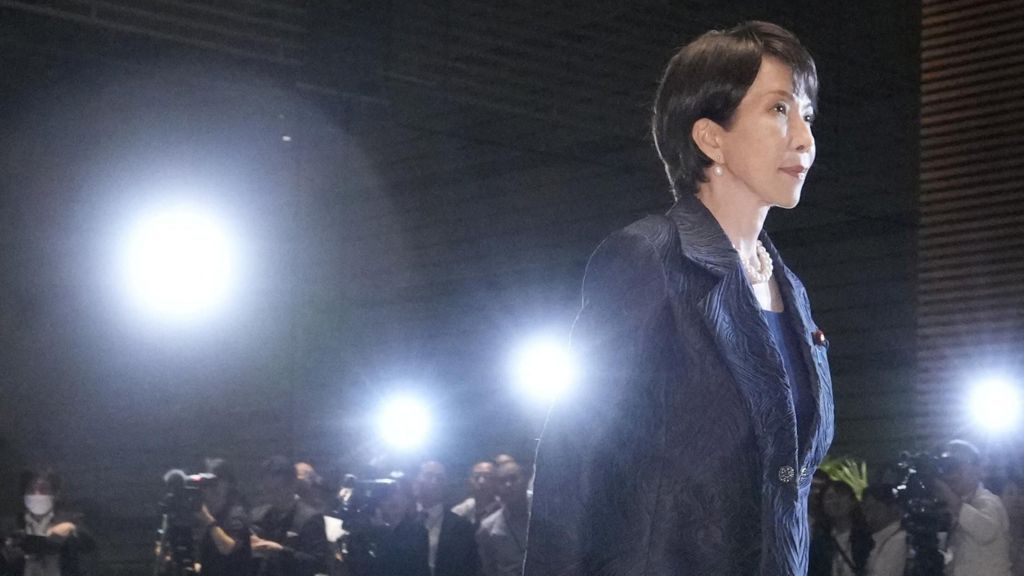
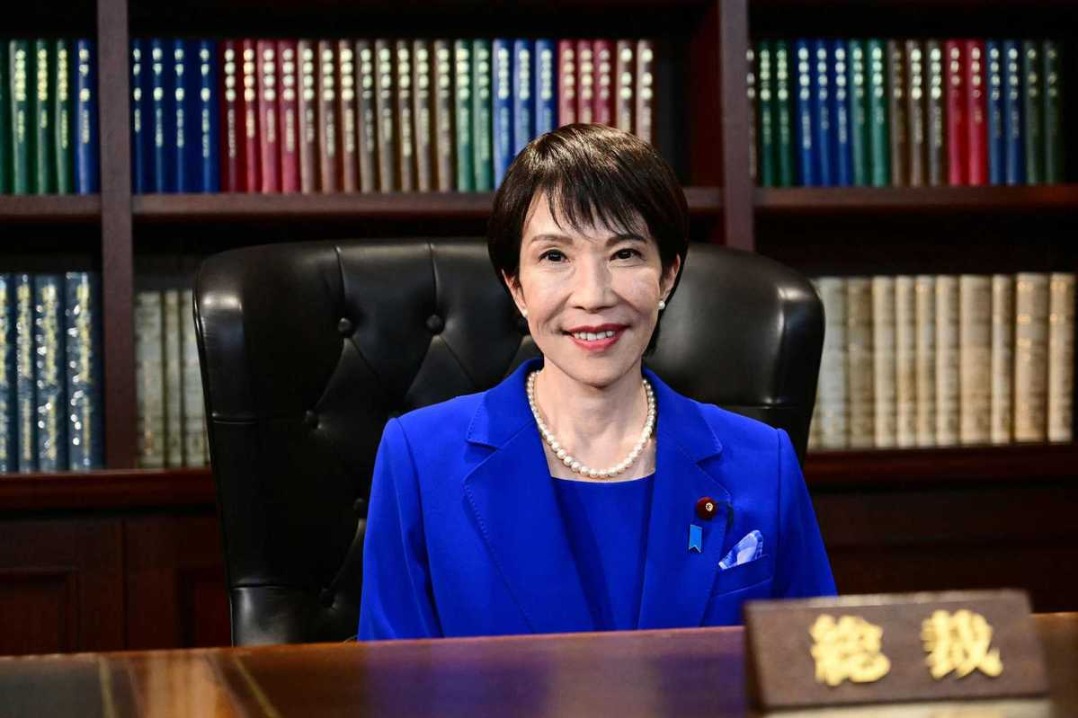
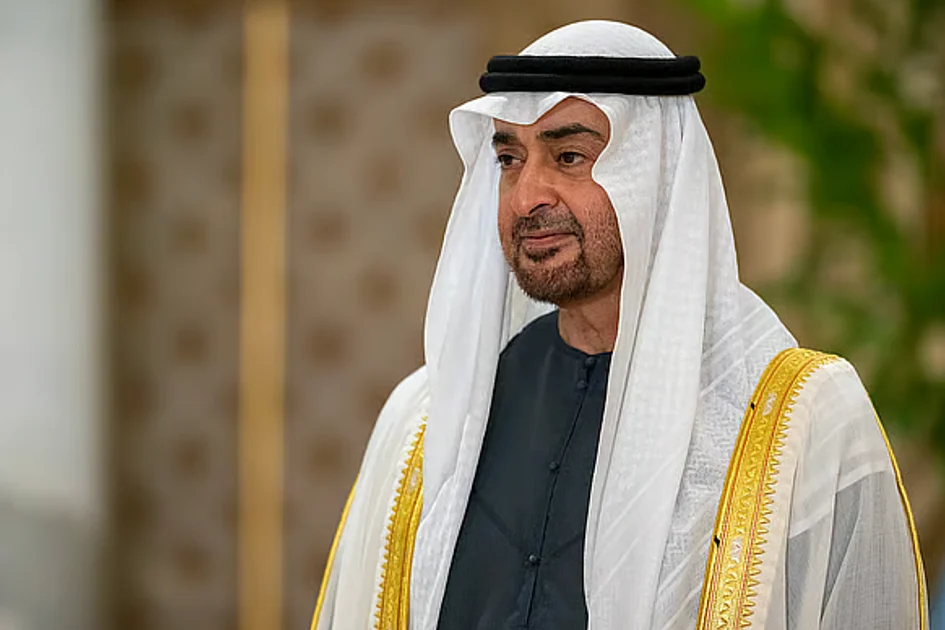
    In a historic moment for Japan, Sanae Takaichi has been elected as the nation’s first female Prime Minister. UAE President Sheikh Mohamed bin Zayed Al Nahyan extended his heartfelt congratulations to Takaichi, expressing his wishes for her success in steering Japan towards greater progress and development. The President also emphasized his eagerness to strengthen the already robust UAE-Japan relationship, highlighting the importance of their Comprehensive Strategic Partnership in fostering mutual growth and prosperity for both nations. Takaichi, the leader of Japan’s ruling Liberal Democratic Party, secured 237 votes in the lower house, surpassing the majority required in the 465-seat chamber. Her inauguration marks a significant milestone in Japan’s political landscape, reflecting a progressive shift in leadership. The UAE’s gesture underscores the importance of international diplomacy and the shared commitment to advancing bilateral ties.

  • Japan’s Sanae Takaichi elected as first female prime minister

    Japan’s Sanae Takaichi elected as first female prime minister

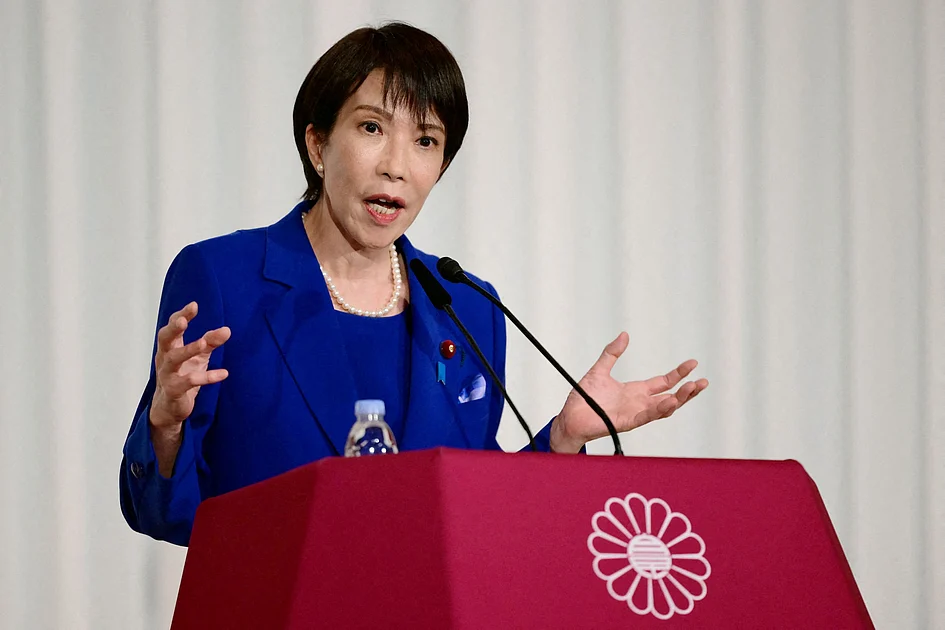
    In a historic moment for Japan, Sanae Takaichi, leader of the ruling Liberal Democratic Party (LDP), has been elected as the nation’s first female prime minister. The landmark decision came after Takaichi secured 237 votes in the lower house election on Tuesday, surpassing the majority required in the 465-seat chamber. Her victory paves the way for her official inauguration later in the day, marking a significant milestone in Japan’s political landscape. Takaichi is expected to gain approval from the upper house, albeit less influential, and will be sworn in as Japan’s 104th prime minister. She succeeds Shigeru Ishiba, who resigned last month following electoral setbacks. Takaichi’s ascension is seen as a transformative step for gender equality in a country where women have historically been underrepresented in leadership roles. Her election also signals a potential shift in Japan’s political dynamics, as she takes the helm during a period of economic and social challenges.

  • Japan’s first female leader: A historic moment with caveats

    Japan’s first female leader: A historic moment with caveats

    Sanae Takaichi’s ascension to the role of Japan’s first female prime minister marks a historic milestone in a nation long dominated by male leadership. For many young girls, her rise symbolizes a potential shift in societal norms, yet critics argue that her conservative policies may reinforce rather than challenge the patriarchal system. Takaichi, often compared to Britain’s Margaret Thatcher, has consistently opposed progressive measures such as same-sex marriage, separate surnames for married couples, and female succession in the imperial family. Her leadership is seen by some as a strategic move by the ruling Liberal Democratic Party (LDP) to appeal to its conservative base. Despite her historic achievement, Takaichi’s policies align closely with traditional gender roles, raising questions about her commitment to advancing women’s rights. Japan’s gender gap remains stark, ranking 118th globally in gender equality, with women holding only 15.7% of parliamentary seats. While some view her rise as a pivotal moment for women’s empowerment, others caution against celebrating her leadership without scrutinizing her policies. As Takaichi navigates economic challenges and prepares to host President Trump, gender equality appears unlikely to top her agenda.

  • Takaichi elected Japan’s first female PM

    Takaichi elected Japan’s first female PM

    In a landmark moment for Japan, Sanae Takaichi was elected as the nation’s first female prime minister on Tuesday, October 21, 2025. Takaichi, the president of the ruling Liberal Democratic Party (LDP), secured 237 votes in the Lower House, defeating Yoshihiko Noda, leader of the Constitutional Democratic Party of Japan, who received 149 votes. This decisive victory in the first round of the election eliminated the need for a runoff, marking a significant shift in Japan’s political landscape. Takaichi’s election as the 104th prime minister of Japan is a historic milestone, breaking the long-standing gender barrier in the country’s highest office. Her leadership comes at a critical time, as Japan faces economic challenges and seeks to strengthen its global influence. Takaichi’s rise to power is expected to inspire greater gender equality in Japanese politics and society.

  • Madagascar’s Gen Z protesters angry at coup leader’s choice of PM

    Madagascar’s Gen Z protesters angry at coup leader’s choice of PM

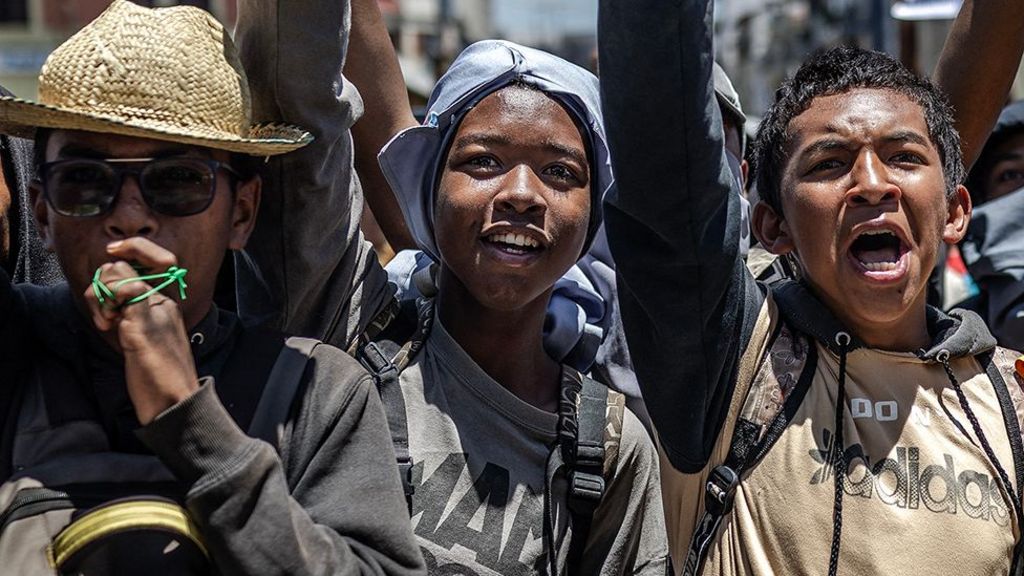
    The recent political upheaval in Madagascar, marked by the ousting of President Andry Rajoelina, has been spearheaded by the country’s Gen Z movement. However, the group has expressed dissatisfaction with the new administration’s leadership choices. Colonel Michael Randrianirina, who led a military coup last week, was sworn in as the head of state on October 17. Shortly after, he appointed businessman Herintsalama Rajaonarivelo as prime minister. This decision has been met with criticism from Gen Z Mada, the youth-led movement, which claims the appointment was made without transparency or consultation. The group argues that Rajaonarivelo’s ties to the previous government undermine the structural changes they seek. Protests, initially sparked by frequent water and power outages, have evolved into a broader demand for political reform. Rajoelina’s attempts at dialogue failed to quell the unrest, leading to his eventual disappearance and reports of him fleeing the country. Randrianirina, in his inaugural address, acknowledged the youth’s role in the revolution but faces ongoing scrutiny from Gen Z Mada, which vows to monitor the new administration’s actions closely. The movement has warned against the continuation of past failures in governance, signaling potential further resistance if their demands are not addressed.

  • Watch: A ‘big moment’ for France as Sarkozy jailed

    Watch: A ‘big moment’ for France as Sarkozy jailed

    In a landmark judicial decision that has sent shockwaves through France, former President Nicolas Sarkozy has been sentenced to serve time in prison. This unprecedented event marks a significant moment in French political history, as Sarkozy becomes the first former head of state in modern France to face incarceration. According to the BBC’s Paris Correspondent Hugh Scofield, Sarkozy will be housed in a modest cell, underscoring the gravity of the situation. The verdict stems from a long-standing legal battle involving charges of corruption and influence peddling, which Sarkozy has consistently denied. This development not only tarnishes the legacy of a once-influential leader but also raises questions about the integrity of political figures in France. The case has drawn widespread attention, both domestically and internationally, as it highlights the judiciary’s increasing willingness to hold high-ranking officials accountable. Sarkozy’s imprisonment is seen as a pivotal moment in the fight against political corruption, signaling a new era of transparency and accountability in French governance.

  • Slovak PM Fico’s attacker sentenced to 21 years in prison

    Slovak PM Fico’s attacker sentenced to 21 years in prison

    In a landmark ruling, Juraj Cintula, the 72-year-old pensioner who shot and severely injured Slovakian Prime Minister Robert Fico in May 2024, has been sentenced to 21 years in prison on terrorism charges. The attack occurred during Fico’s visit to Handlova, a town approximately 180 kilometers from Bratislava. Cintula fired five shots at close range, targeting the prime minister as he extended his hand in what he believed was a friendly gesture. Footage from the scene captured the chilling moment when Cintula raised his weapon and fired before being swiftly subdued by Fico’s security team. Fico sustained life-threatening abdominal injuries and was airlifted to a nearby hospital for emergency surgery. In court, Cintula denied intent to kill, claiming he aimed away from vital organs to merely injure Fico and halt policies he deemed detrimental to Slovakia. Despite his defense, Judge Igor Kralik emphasized that the attack was a direct assault on the prime minister, not an ordinary citizen. Cintula’s lawyer sought to downgrade the charge to attacking a public official, which carries a lesser penalty, but the request was denied. The defense has indicated plans to appeal the verdict. The incident has further polarized Slovakia’s political landscape, with Fico accusing the opposition of inciting hatred, even as his own rhetoric remains deeply divisive.

  • Belize agrees to host migrants seeking asylum in US

    Belize agrees to host migrants seeking asylum in US

    Belize, a small Central American nation, has entered into a landmark agreement with the United States to serve as a ‘safe third country’ for migrants seeking asylum in the US. The deal, which awaits approval from the Belize Senate, would allow migrants deported from the US to apply for asylum in Belize rather than returning to their countries of origin. Prime Minister John Antonio Briceño described the arrangement as akin to a ‘job program,’ emphasizing that qualified individuals could contribute meaningfully to Belize’s economy. The US State Department hailed the agreement as a critical step in curbing illegal immigration and addressing abuses of the asylum system. However, the deal has drawn sharp criticism from human rights organizations, which warn that migrants could face harm in third countries. Belize’s Foreign Ministry assured that the agreement includes stringent security measures to safeguard national sovereignty and allows Belize full discretion in approving or rejecting transfers. Opposition leader Tracy Taegar Panton expressed concerns about the potential financial and security implications for Belize. This agreement mirrors similar deals with other Central American nations, including Paraguay, Panama, Costa Rica, El Salvador, and Honduras. The move aligns with President Donald Trump’s broader immigration policies, which have intensified since his re-election, including a recent Supreme Court ruling enabling deportations to non-home countries without risk assessments.

  • White House begins demolishing part of East Wing to build Trump’s ballroom

    White House begins demolishing part of East Wing to build Trump’s ballroom

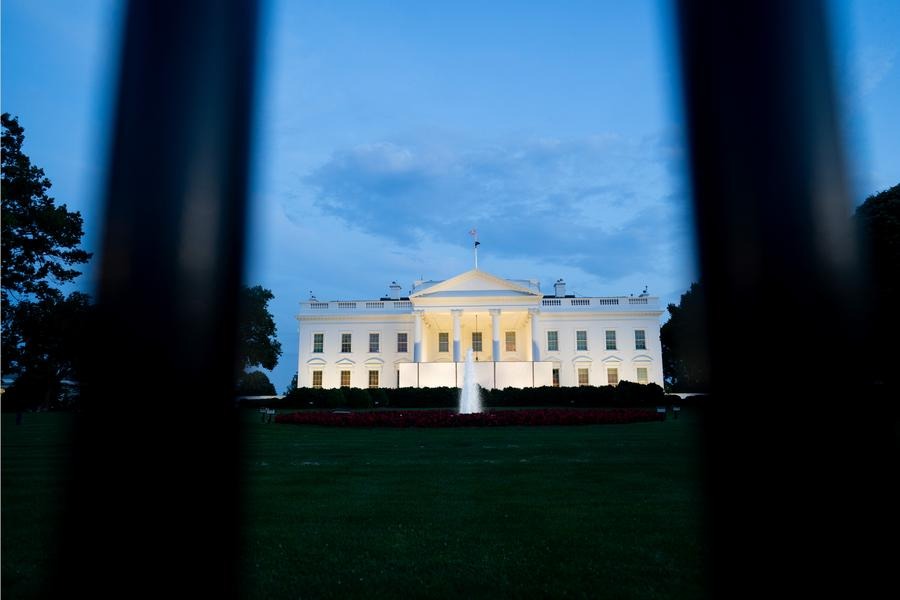
    The White House has initiated the demolition of a section of its historic East Wing to pave the way for a new ballroom, a project personally championed by former President Donald Trump. The announcement was made by Trump himself on his Truth Social platform, where he expressed pride in finally realizing a long-held presidential aspiration. “I am pleased to announce that ground has been broken on the White House grounds to build the new, big, beautiful White House Ballroom,” Trump stated, emphasizing that the project is being privately funded. He added, “For more than 150 years, every President has dreamt about having a Ballroom at the White House to accommodate people for grand parties, State Visits, etc. I am honored to be the first President to finally get this much-needed project underway.

    The project, estimated to cost $250 million, has sparked significant controversy, particularly among Democrats. California Governor Gavin Newsom criticized Trump’s priorities, posting on X that the former president is focused on “bulldozing the White House” rather than addressing pressing national issues. The East Wing, constructed in 1902, has undergone numerous renovations over the years, including the addition of a second story in 1942. Despite assurances from Trump that the construction would not interfere with the existing structure, the project has raised concerns about the preservation of the White House’s historical integrity.

    The ballroom is envisioned as a grand space for hosting state visits, parties, and other significant events, fulfilling a long-standing presidential ambition. However, the project’s high cost and the decision to demolish part of the East Wing have drawn widespread criticism, highlighting the ongoing political divide over Trump’s legacy and priorities.