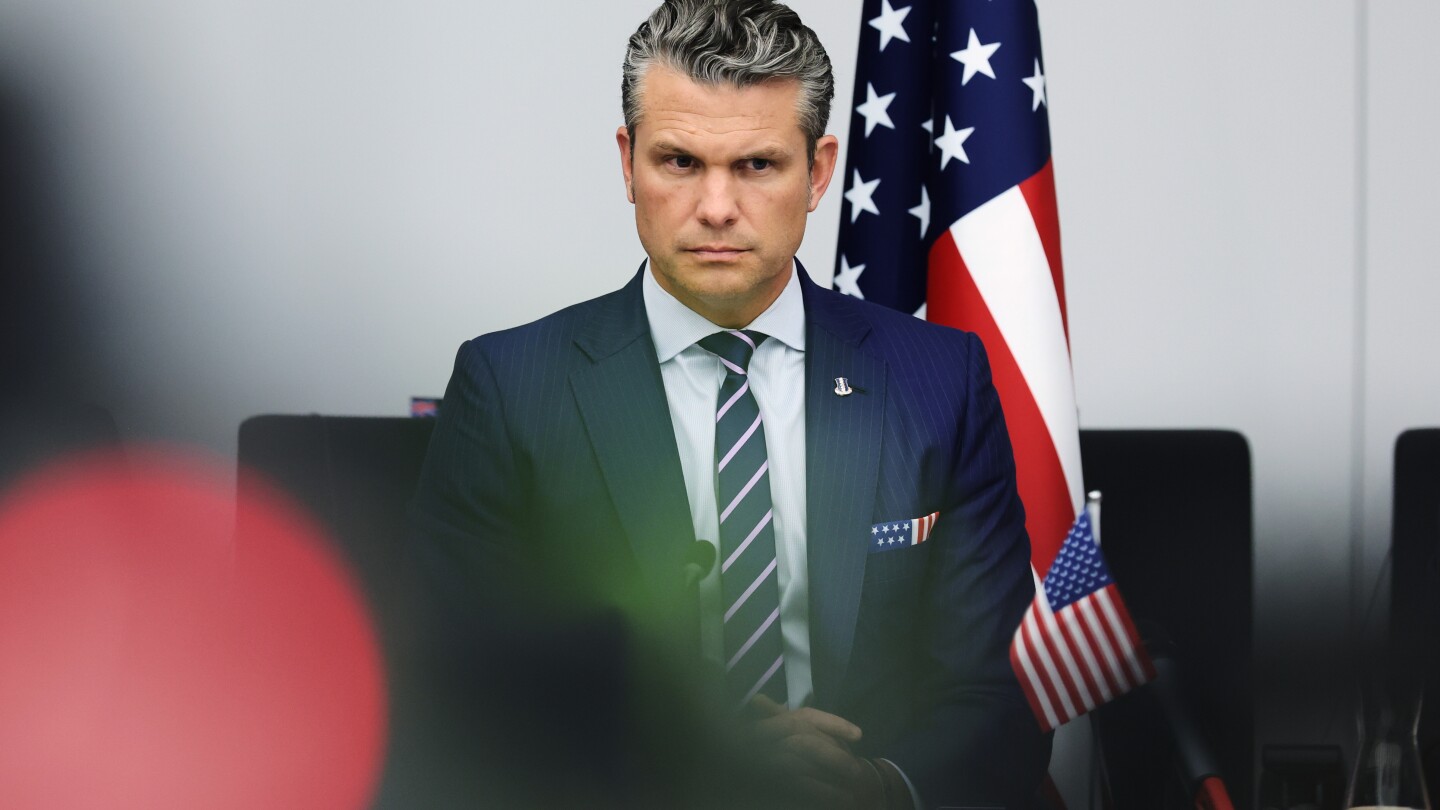
The U.S. military has intensified its crackdown on drug trafficking with its eighth strike targeting an alleged drug-carrying vessel in the eastern Pacific Ocean, resulting in two fatalities, Defense Secretary Pete Hegseth announced on Wednesday. This marks a significant expansion of the Trump administration’s campaign against South American drug cartels, shifting focus from the Caribbean to Colombia, a major cocaine producer. Hegseth emphasized the administration’s resolve, drawing parallels between the war on drug cartels and the post-9/11 war on terrorism. “Just as Al Qaeda waged war on our homeland, these cartels are waging war on our border and our people,” he stated, vowing no refuge or forgiveness for the cartels. The strike brings the total death toll from these operations to at least 34 since last month. The Trump administration has justified these actions by classifying drug cartels as unlawful combatants, invoking the same legal authority used in the war on terrorism. Despite the aggressive measures, the administration has refrained from prosecuting occupants of the targeted vessels, instead repatriating survivors to their home countries. The U.S. military has also bolstered its presence in the Caribbean and off Venezuela’s coast, fueling speculation about potential moves against Venezuelan President Nicolás Maduro, who faces narcoterrorism charges in the U.S. While fentanyl from Mexico remains the primary driver of U.S. overdose deaths, Colombia’s cocaine, smuggled largely through the eastern Pacific, remains a critical focus of the administration’s efforts.
分类: politics
-
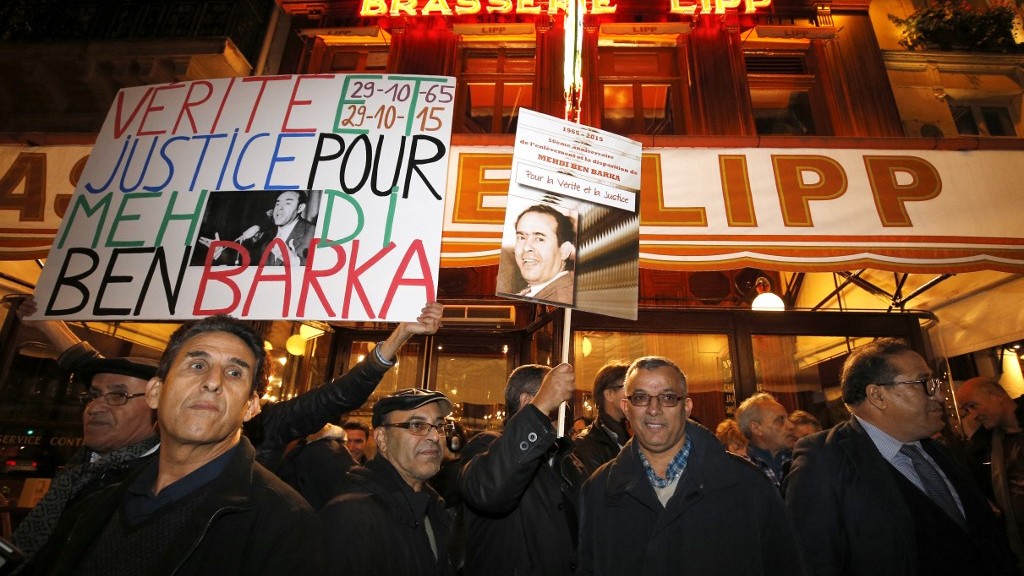
Israel’s involvement in death of Moroccan opposition leader revealed
A groundbreaking new book titled *L’Affaire Ben Barka. La fin des secrets* (“The Ben Barka Affair: The End of Secrets”) has unveiled Israel’s covert involvement in the 1965 assassination of Mehdi Ben Barka, a prominent Moroccan opposition leader. Ben Barka, the exiled head of the left-wing National Union of Popular Forces (UNFP), was abducted in Paris on October 29, 1965, and his body was never recovered. While the Moroccan state had long been suspected due to Ben Barka’s opposition to King Hassan II, the book reveals the extent of Israel’s Mossad spy agency’s role in the operation. Authored by journalists Stephen Smith and Ronen Bergman, the book draws on previously classified documents to detail the collaboration between Mossad and Moroccan security forces. The operation was reportedly overseen by Ahmed Dlimi, deputy director of Moroccan security, and Rafi Eitan, a key Israeli intelligence figure. Mossad operatives allegedly procured tools and corrosive materials in Paris, including sodium hydroxide, to dispose of Ben Barka’s body. After his abduction, Ben Barka was held south of Paris and later interrogated and drowned by Dlimi, who documented the killing to confirm its completion. The book also highlights the covert ties between Morocco and Israel, which have persisted since the 1960s and were formalized in 2020 with U.S. recognition of Moroccan sovereignty over Western Sahara. This alliance has fueled trade and defense cooperation, including the transfer of F-35 jet components used in Israel’s Gaza operations, sparking widespread anger in Morocco over Israel’s actions in Gaza.
-
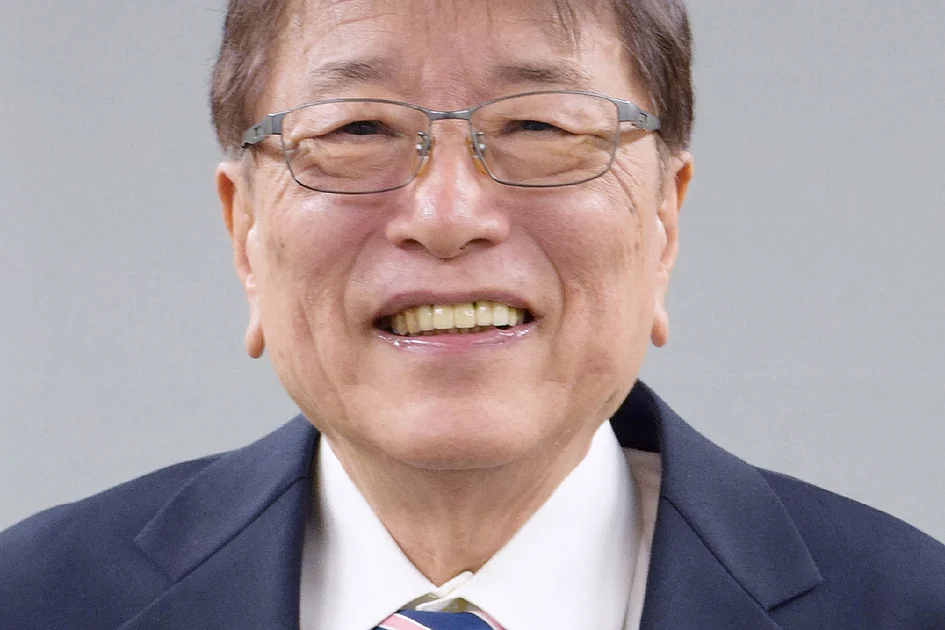
‘Stealth husband’ of Japan’s new PM vows quiet support
In a unique approach to spousal support, Taku Yamamoto, the husband of Japan’s newly appointed Prime Minister Sanae Takaichi, has vowed to remain a ‘stealth husband,’ offering quiet support while staying out of the public eye. Yamamoto, a 73-year-old former lawmaker from the ruling Liberal Democratic Party (LDP), emphasized the cultural preference for partners to avoid the spotlight in Japan, unlike in Western countries. This stance comes as Takaichi, Japan’s first female Prime Minister, assumes her role with a vision to lead the nation. Yamamoto, who has been married to Takaichi twice—first in 2004, then again in 2021 after a brief divorce—expressed his commitment to ensuring his presence does not hinder her political ambitions. The couple’s relationship has been marked by their shared political journey, including Yamamoto’s support during Takaichi’s unsuccessful bid for the LDP leadership in 2021. Despite facing health challenges, including a stroke and prostate cancer, Yamamoto continues to support Takaichi, even taking on household responsibilities like cooking. Takaichi, known for her conservative views and admiration for Margaret Thatcher, has faced criticism for her stance on gender issues, including her opposition to revising Japan’s 19th-century law requiring married couples to share the same surname. The couple’s unique dynamic, blending personal and political lives, offers a glimpse into the challenges and complexities of leadership in Japan’s political landscape.
-
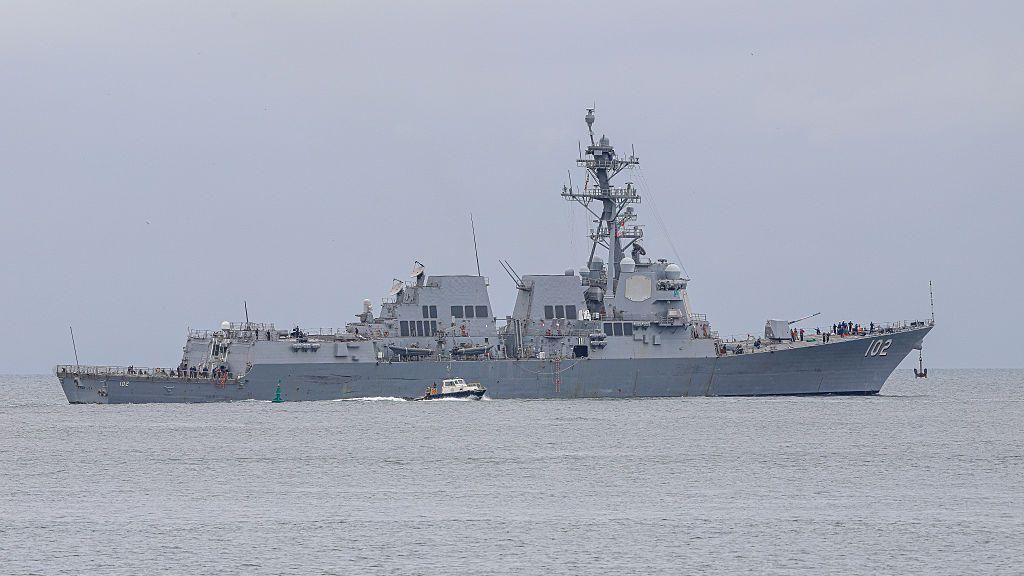
US strikes alleged drug boat in the Pacific – report
The United States has significantly escalated its counter-narcotics efforts in Latin America and the Caribbean, deploying substantial air and naval assets, as well as troops, to combat drug trafficking in the region. According to CBS, US forces recently targeted another vessel suspected of carrying drugs, this time in the Pacific Ocean. Two US officials reported that two or three individuals aboard the vessel were likely killed in the strike. If confirmed, this would mark the eighth such operation since September 2, and the first in the Caribbean. The BBC has reached out to the White House, Pentagon, and State Department for comments. A leaked memo to US lawmakers revealed that the Trump administration has classified its actions as part of a ‘non-international armed conflict’ against drug-trafficking organizations, several of which have been designated as terrorist groups by the US government. Since the operations began, at least 34 people have been killed, including in a recent strike on a semi-submersible submarine in the Caribbean. Two survivors from that incident were repatriated to Colombia and Ecuador, with Ecuador releasing one individual due to lack of evidence. The other remains hospitalized. President Donald Trump has defended the strikes as essential measures against drug trafficking, while also escalating tensions with Colombian President Gustavo Petro, whom he accused of promoting drug production. Trump announced the cessation of US subsidies to Colombia, a long-standing ally. The Pacific coastlines of Colombia and Ecuador are key transit points for cocaine bound for the US, with the Caribbean also seeing a rise in drug trafficking activity. Despite the deployment of 10,000 US troops and numerous military assets to the region, details about the identities of those killed and their alleged affiliations remain scarce.
-
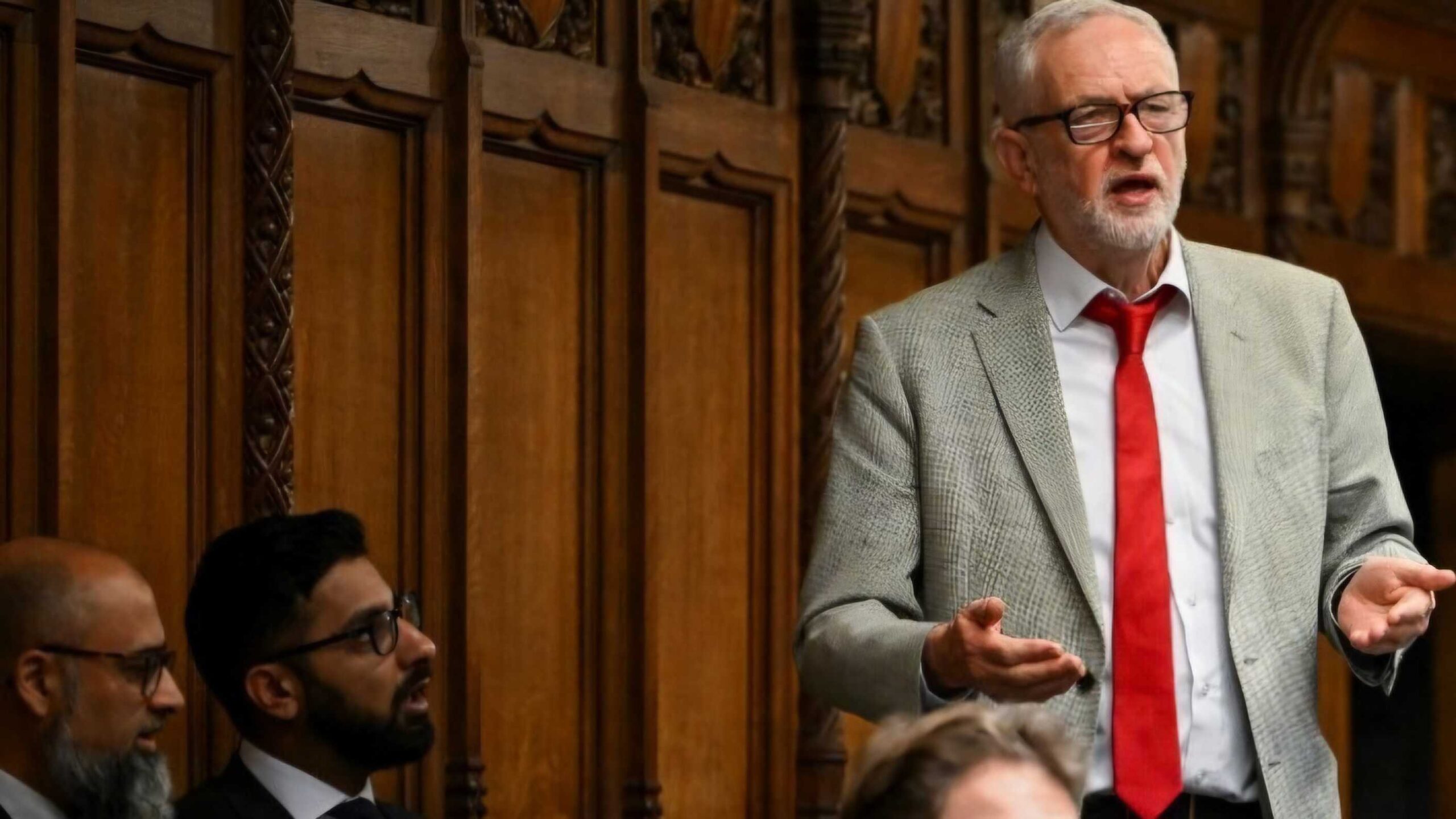
Corbyn demands Lisa Nandy retract ‘misleading’ Maccabi Tel Aviv smears against MPs
Former Labour leader and independent MP Jeremy Corbyn has accused Culture Secretary Lisa Nandy of making “grossly misleading” statements in parliament regarding the ban on Maccabi Tel Aviv fans from a November match against Aston Villa. Corbyn’s letter, revealed by the Guardian, highlights police intelligence that contradicts Nandy’s claims, asserting that the ban was primarily due to the risk of violence posed by Maccabi fans, not their Israeli or Jewish identity. Labour ministers have called for the ban’s reversal, labeling it antisemitic. Police intelligence, supported by Dutch authorities, indicated that Maccabi fans had previously attacked random Muslims in Amsterdam, raising concerns about potential violence in Birmingham. West Midlands Police also noted local Jewish support for the ban, fearing reprisals from residents. Nandy defended the ban in parliament, emphasizing the safety of Maccabi fans due to their Israeli and Jewish identity. Corbyn, however, insisted the ban was not about religion but about public safety, urging Nandy to retract her comments. Independent MPs, including Ayoub Khan and Iqbal Mohamed, criticized the conflation of antisemitism with the ban, highlighting the fans’ violent history. Maccabi Tel Aviv later announced it would not sell tickets to its fans for the Birmingham match, following a history of violence and hate speech in European cities, including a recent ban in Amsterdam.
-
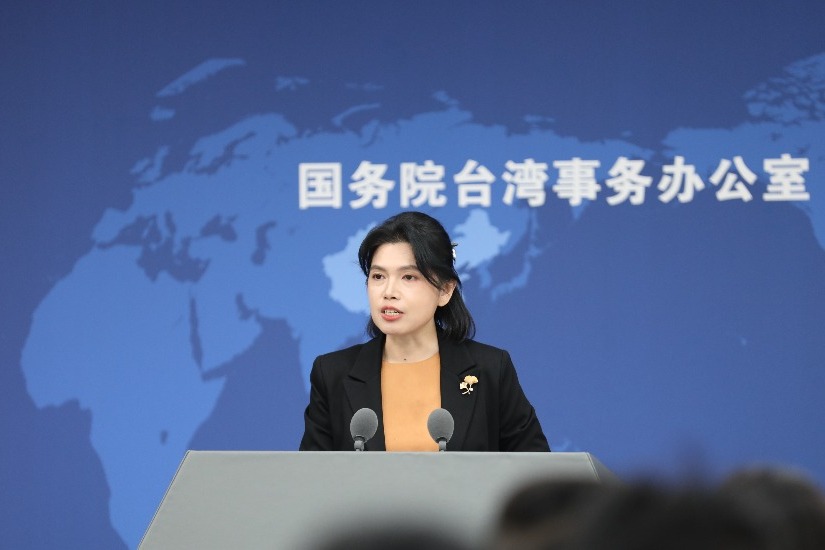
Mainland spokesperson calls for cross-Strait joint efforts to resist external challenges
A spokesperson from the Chinese mainland has emphasized the need for enhanced cooperation across the Taiwan Strait in advanced technological sectors, particularly artificial intelligence (AI), while criticizing Taiwan’s Democratic Progressive Party (DPP) for prioritizing political gains over the island’s industrial competitiveness. Zhu Fenglian, spokesperson for the State Council Taiwan Affairs Office, made these remarks during a press briefing on Wednesday, addressing concerns over the challenges faced by Taiwan Semiconductor Manufacturing Company (TSMC) in the United States. Zhu highlighted the rapid development of the mainland’s high-tech industries, which she said offers a robust foundation and vast opportunities for cross-Strait collaboration. She pointed out that Taiwan’s semiconductor industry, a key competitive sector, could benefit significantly from such cooperation. However, Zhu accused the DPP authorities of leveraging the industry as a political bargaining chip, aligning it with U.S. interests at the expense of Taiwan’s economic autonomy. She called for unified efforts between the mainland and Taiwan to deepen integrated development and jointly counter external risks and challenges.
-

‘We have always been Chinese’ — Taiwan youth speaks out
In a heartfelt address during the 80th anniversary commemoration of Taiwan’s retrocession, Lin Ching-mao, a young resident of Changhua, Taiwan, voiced strong opposition to the ‘de-Sinicization’ movements on the island. Lin emphasized that historical evidence unequivocally supports the notion that ‘Taiwan people have always been Chinese.’ This statement comes amidst ongoing debates about Taiwan’s identity and its historical ties to mainland China. Lin’s speech highlighted the shared history and cultural bonds that link Taiwan to China, underscoring the importance of unity and mutual understanding. The event served as a platform for reaffirming the enduring connection between Taiwan and the broader Chinese nation, despite the complexities of contemporary political discourse.
-
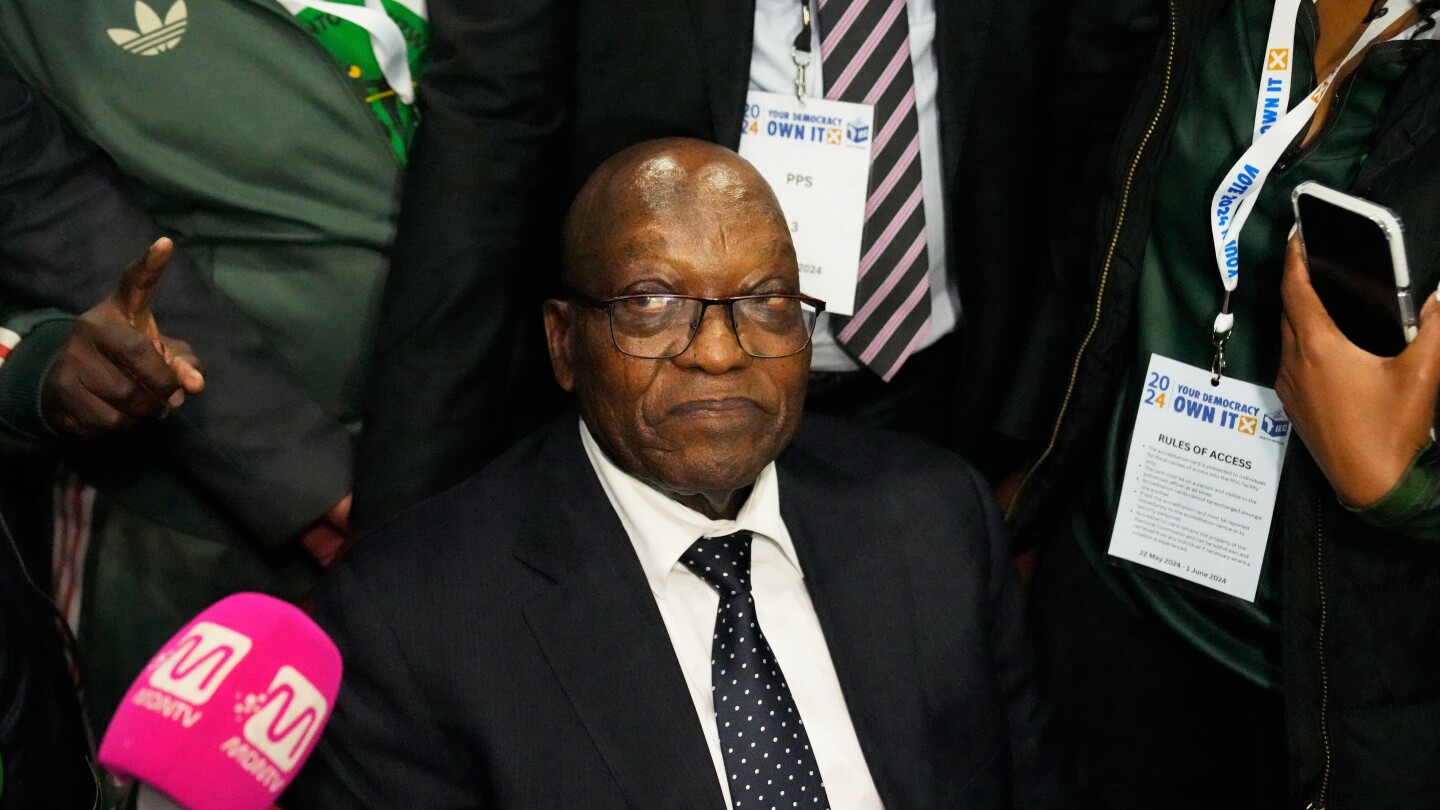
Judge orders former South African President Zuma to repay $1.6 million in legal fees
In a significant legal ruling, the Pretoria High Court has mandated former South African President Jacob Zuma to reimburse the Office of the State Attorney 28.9 million rand (approximately $1.6 million) for legal fees accrued during his private litigations. The court, presided over by Judge Anthony Millar, has given Zuma a 60-day ultimatum to settle the debt, warning that failure to comply could result in the seizure of his assets, including his presidential pension. This decision underscores the judiciary’s firm stance on holding public officials accountable for misusing state resources. Zuma, who led South Africa from 2009 to 2018, has been entangled in numerous legal battles, primarily concerning corruption allegations and the misuse of public funds. Initially, the state covered his legal expenses, but subsequent rulings by the Gauteng High Court in December 2018 and the Supreme Court of Appeal in April 2021 clarified that such expenditures must be repaid by the individual. Court documents reveal that interest on approximately 18.9 million rand (about $1 million) will accrue from January 25, 2024, until the debt is settled. Zuma’s legal woes are compounded by his 2021 imprisonment for contempt of court and ongoing charges related to a controversial arms deal from 1999. Additionally, his expulsion from the African National Congress in 2024 and the formation of his new political party, uMkhonto weSizwe Party (MKP), have further complicated his political legacy. Following the court’s decision, the MKP announced that Zuma will address the nation on Thursday, though details remain scarce.
-
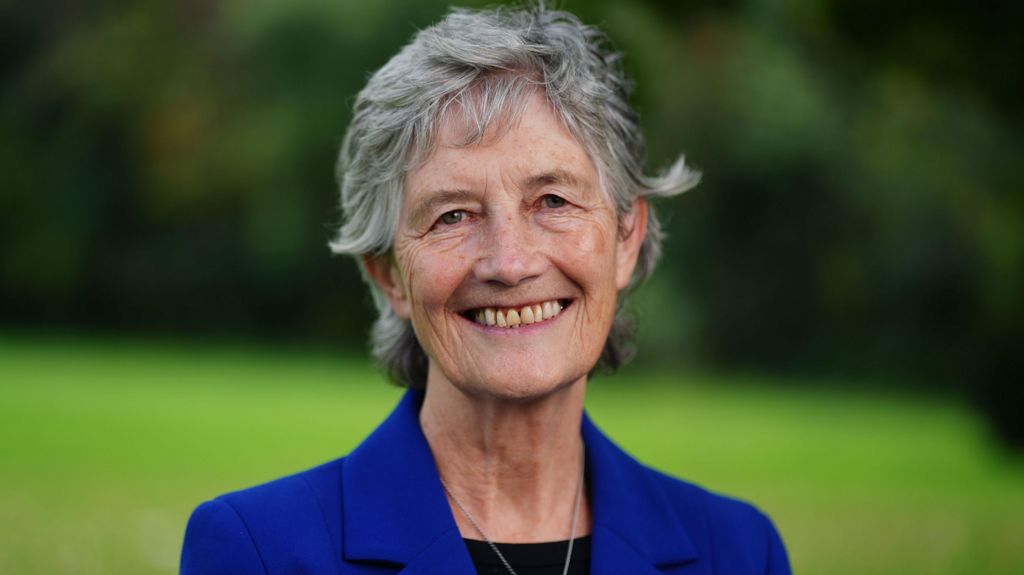
‘Disgraceful’ deep-fake AI video condemned by presidential candidate
Catherine Connolly, an independent candidate in Ireland’s presidential election, has formally lodged a complaint with the Electoral Commission regarding a malicious deepfake video circulating online. The AI-generated video, which surfaced on Tuesday night, falsely depicted Connolly announcing her withdrawal from the upcoming election scheduled for Friday. Connolly, a member of the Irish parliament (TD) for Galway West since 2016, condemned the video as a ‘disgraceful attempt to mislead voters and undermine democracy.’ She reaffirmed her candidacy, stating, ‘I am absolutely still in the race to become Ireland’s 10th president.’ Connolly urged the public not to share the video but to report it, emphasizing that the best response to such disinformation is to vote. Her campaign team has flagged the video to social media platforms, demanding its immediate removal and clear labeling as fake. Connolly, a former deputy speaker in the Dáil and ex-member of the Irish Labour Party, has garnered support from several left-leaning parties and independent figures in her presidential bid. This incident highlights the growing threat of AI-generated deepfakes in electoral processes and the need for robust measures to combat digital misinformation.
-
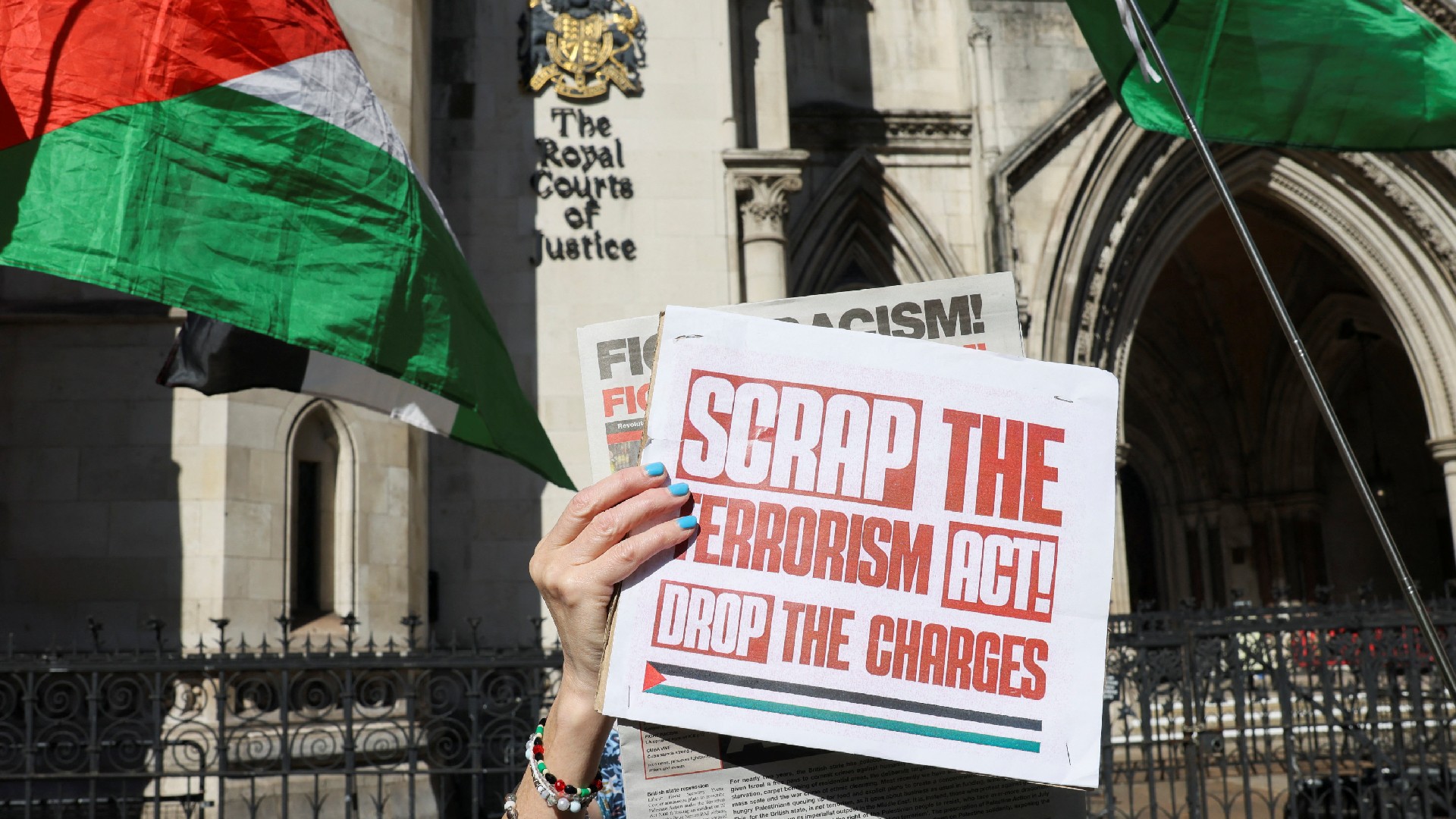
‘We’re in a new world’: Lawyers warn Palestine Action defendants could be denied fair trial
Legal experts have raised significant concerns over the UK government’s plans to prosecute individuals under terrorism charges for supporting the proscribed group Palestine Action, warning that the current trial framework could undermine defendants’ right to a fair trial. Since the Labour government banned Palestine Action in July, over 2,100 people have been arrested at demonstrations opposing the proscription, with 170 now facing charges under the Terrorism Act for holding placards expressing support for the group. Judges have outlined a trial plan that would see defendants tried in groups of five during two-and-a-half-hour hearings, with two sessions per day starting in March 2024. If all arrested individuals are charged, this could result in at least 400 trials. Solicitor Laura O’Brien highlighted the impracticality of this approach, noting that most defendants lack legal representation due to inaccessible legal aid, making it nearly impossible to adequately present their cases within the allotted time. District Judge Michael Snow defended the schedule, asserting that the time is sufficient, but defendants and their legal representatives argue that the rushed process risks prejudicing outcomes. A successful legal challenge by Palestine Action co-founder Huda Ammori could overturn many prosecutions, as the Court of Appeal recently granted her additional grounds to challenge the ban. Critics, including former government lawyer Tim Crosland, argue that the charges under Section 13 of the Terrorism Act require a nuanced examination of context, which the current trial framework does not allow. The unprecedented volume of cases has also strained the judicial system, with Middle East Eye reporting a fourfold increase in Section 13 charges since July compared to the entire post-9/11 period. The scheduling of trials has further created disparities, with defendants in May potentially benefiting from binding legal precedents set by earlier cases, while those in March will not. Solicitor Katie McFadden warned that the court may adopt a deterrent approach, potentially imposing custodial sentences of up to six months on defendants, most of whom are pensioners. The streamlined trial process, intended to save court time, may instead lead to delays and adjournments, further complicating the judicial process.