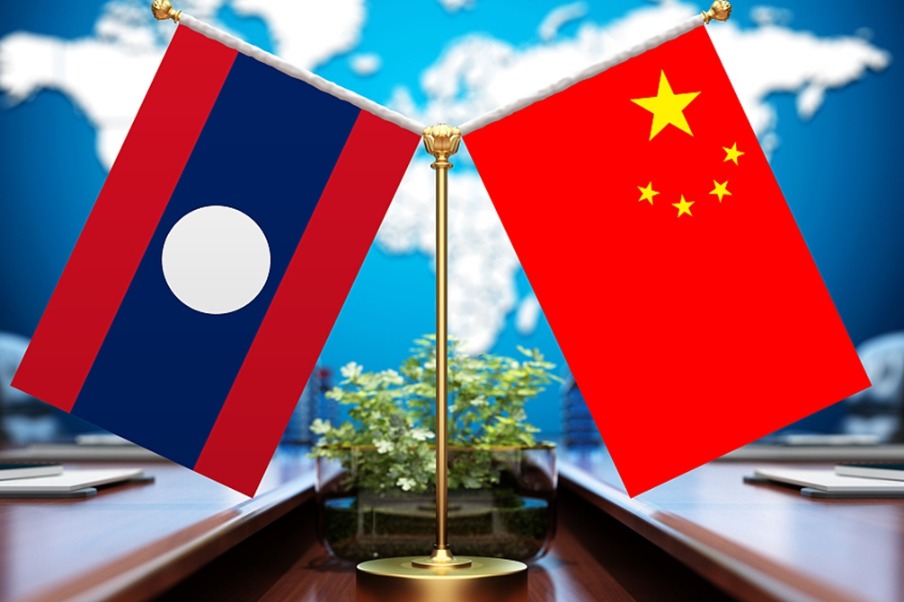
Chinese President Xi Jinping, serving concurrently as General Secretary of the Communist Party of China Central Committee, formally congratulated Thongloun Sisoulith on Monday following his successful re-election as President of the Lao People’s Democratic Republic. The message underscores the continuing diplomatic engagement between the two neighboring socialist states. This exchange occurs within the framework of longstanding bilateral relations characterized by mutual political support and cooperative partnerships across multiple sectors. The congratulatory gesture aligns with diplomatic protocols observed among allied nations and reflects China’s sustained interest in maintaining stable political ties with Laos. The communication represents another chapter in the ongoing dialogue between the two Asian nations, both of which maintain single-party political systems and share ideological common ground. The reaffirmation of leadership in Laos ensures continuity in the countries’ joint initiatives and regional cooperation efforts.
分类: politics
-
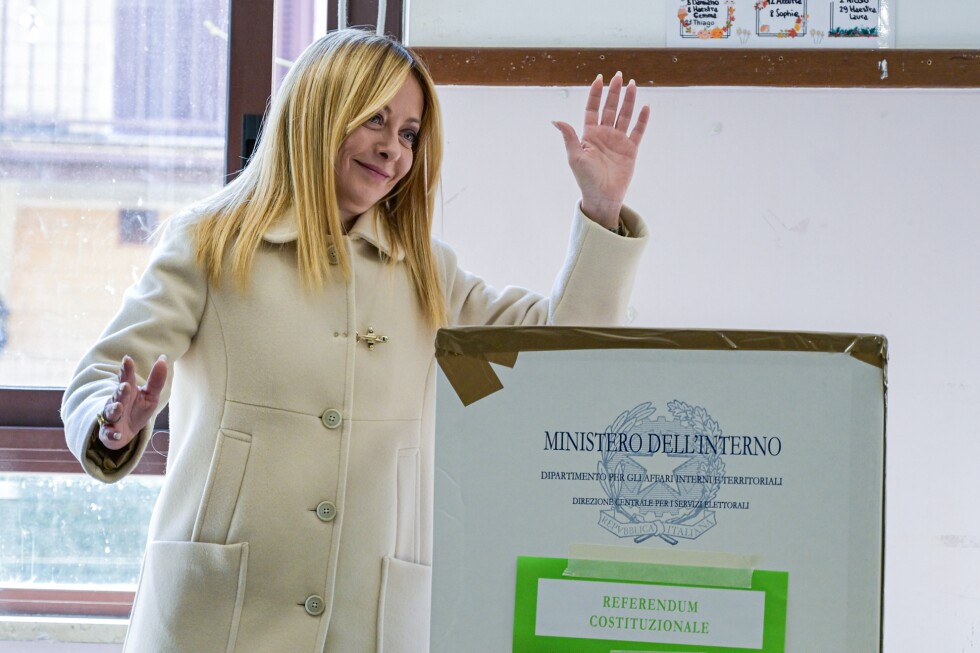
Italian voters reject judicial reform in a setback for Premier Giorgia Meloni
Italian voters have overwhelmingly rejected a controversial judicial reform championed by conservative Prime Minister Giorgia Meloni, dealing a significant political blow to the right-wing coalition just one year before national elections.
According to near-final data from Italy’s Interior Ministry, the opposition ‘No’ campaign secured approximately 54% of votes, decisively defeating the government-backed ‘Yes’ side which garnered about 46%. The two-day referendum witnessed unexpectedly high voter participation at nearly 59%, reflecting the intensely polarized nature of the political debate surrounding the proposed reforms.
The judicial overhaul, which had been subject to extensive national discussion, proposed fundamental changes to Italy’s justice system. Central to the reform package was the complete separation of career tracks for judges and prosecutors, eliminating the traditional practice of professionals switching between these roles. Additionally, the legislation sought to restructure the High Judicial Council—the governing body responsible for judicial appointments and disciplinary actions—by dividing it into three distinct chambers and modifying its selection process from internal elections to a lottery system among eligible magistrates.
The referendum outcome has exposed deepening fractures within Meloni’s governing coalition while energizing the center-left opposition. This electoral defeat poses substantial challenges to the Prime Minister’s domestic authority and international standing, potentially complicating her alignment with U.S. President Donald Trump and his administration’s contentious policies toward Iran.
-
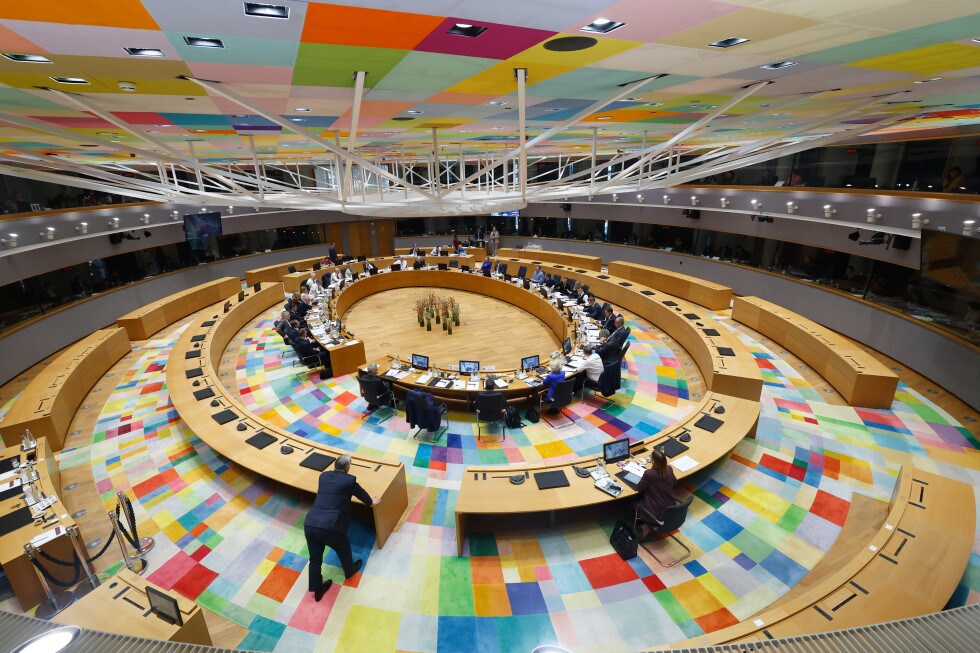
Orbán’s top opponent says Hungary’s alleged Russian backchannel ‘treason’ to be investigated
BUDAPEST — Hungary’s political landscape has been rocked by explosive allegations that Prime Minister Viktor Orbán’s government systematically provided Moscow with confidential intelligence from European Union Council meetings, prompting calls for treason investigations from opposition leaders.
Péter Magyar, the leading opposition figure and frontrunner in upcoming parliamentary elections, declared the alleged backchannel between Budapest and Moscow constitutes “treason against Hungarian and European interests.” In a social media statement, Magyar specifically implicated Foreign Minister Péter Szijjártó in what he characterized as collusion with Russian officials.
“Should these allegations be substantiated, this would represent high treason carrying potential life imprisonment,” Magyar asserted. “A future TISZA government will initiate immediate investigation into this matter upon taking office.”
The allegations, originally reported by The Washington Post citing multiple European security officials, suggest Orbán’s administration has consistently granted Russia access to sensitive EU deliberations. According to these sources, Szijjártó regularly contacted Russian Foreign Minister Sergei Lavrov during breaks in EU meetings—including last Thursday’s summit of bloc leaders—to provide real-time updates on discussions and potential resolutions.
One security official stated that “every single EU meeting for years has essentially featured Moscow’s invisible presence at the negotiation table” due to these communications. The report notes Szijjártó has made 16 official visits to Moscow since Russia’s full-scale invasion of Ukraine in 2022, including a recent March 4 meeting with President Vladimir Putin.
In response, Orbán ordered an investigation into what he termed illegal “wiretapping” of his foreign minister rather than addressing the espionage allegations directly. “The surveillance of a government member represents a serious attack on Hungary’s sovereignty,” Orbán declared.
The European Commission has formally requested clarification from Budapest, with spokesperson Anitta Hipper emphasizing that “trust between member states and institutions remains fundamental to EU operations. We anticipate the Hungarian government’s prompt transparency regarding these serious claims.”
These developments occur amidst severely strained relations between Hungary and fellow EU members, particularly following Orbán’s withdrawal from a €90 billion Ukrainian loan agreement earlier this month. Polish Prime Minister Donald Tusk, a frequent Orbán critic, noted the allegations “should surprise nobody” given longstanding suspicions about Budapest-Moscow coordination.
The political firestorm emerges just three weeks before parliamentary elections that could unseat Orbán’s nationalist Fidesz party after 14 years in power, with the opposition TISZA party currently leading in polls.
-
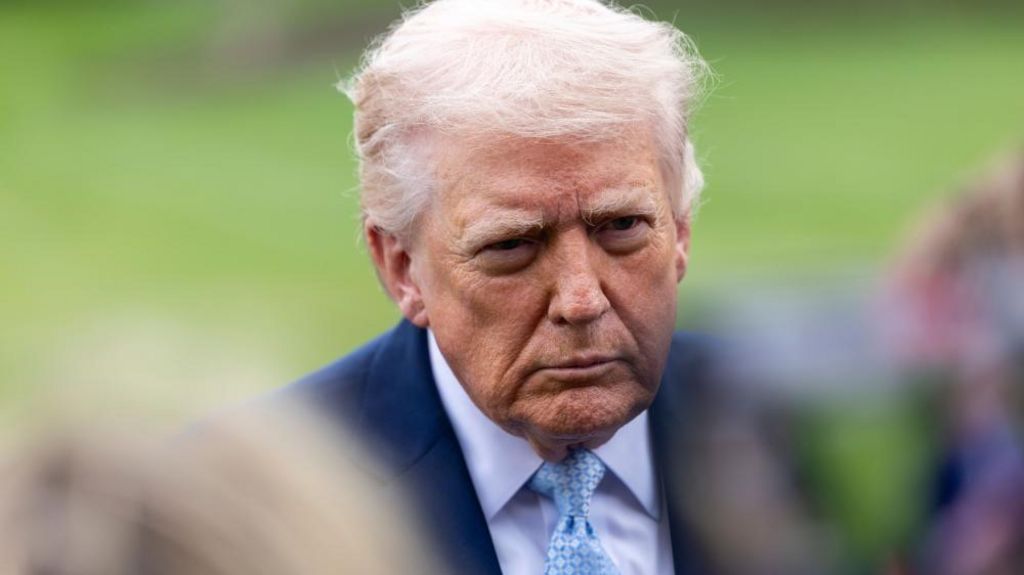
Trump says ‘good’ talks ongoing with Iran – but offers few details
In a surprising diplomatic shift, U.S. President Donald Trump declared a five-day cessation of hostilities against Iranian energy infrastructure, claiming both nations are engaged in productive negotiations—a statement immediately contradicted by Iranian officials. The announcement, made via Truth Social just hours before Monday’s market opening, temporarily halts Operation Epic Fury’s campaign against power plants and energy facilities that Trump had previously threatened to “obliterate” if Iran refused to reopen the Strait of Hormuz.
The president told reporters in Palm Beach that both countries seek to reach an agreement, emphasizing America’s “great relationship” with potential Middle Eastern partners without identifying specific nations. He revealed that special envoy Steve Witkoff and senior advisor Jared Kushner participated in discussions, though provided no details regarding Iranian counterparts or negotiation agendas. Potential topics include strait access, ballistic missile programs, uranium enrichment, or ceasefire terms—previously dismissed by Trump as unlikely.
This conciliatory stance contrasts sharply with the administration’s recent assertions that Iranian leadership had been decimated. At a White House event last Friday, Trump remarked that it’s “hard to find leaders in Iran to talk to because they keep getting killed,” yet told CNBC that remaining Iranian representatives are “behaving differently”—a characterization interpreted by some as implying regime change.
Tehran’s denial of any diplomatic contact complicates the White House narrative. Fars News Agency, affiliated with Iran’s Islamic Revolutionary Guard Corps, quoted anonymous sources portraying Trump’s move as capitulation to Iranian threats of regional retaliatory strikes. Historical precedent suggests caution: last summer’s Operation Midnight Hammer saw negotiations proceed until U.S. bombs struck nuclear facilities.
Despite ambiguous evidence of actual diplomacy, Trump’s announcement immediately impacted global markets. U.S. stock futures rallied while oil prices dropped significantly, transforming anticipated economic turmoil into cautious optimism. The timing—just before market opening—raised questions about whether the declaration aimed to calm financial nerves rather than reflect genuine breakthrough.
The five-day pause temporarily alleviates fears of escalated conflict, though fundamental questions persist regarding Strait of Hormuz access, continued airstrikes by U.S. and Israeli forces, and the authenticity of diplomatic engagement. This development either represents genuine de-escalation or a strategic maneuver by a president seeking respite from previously established red lines.
-
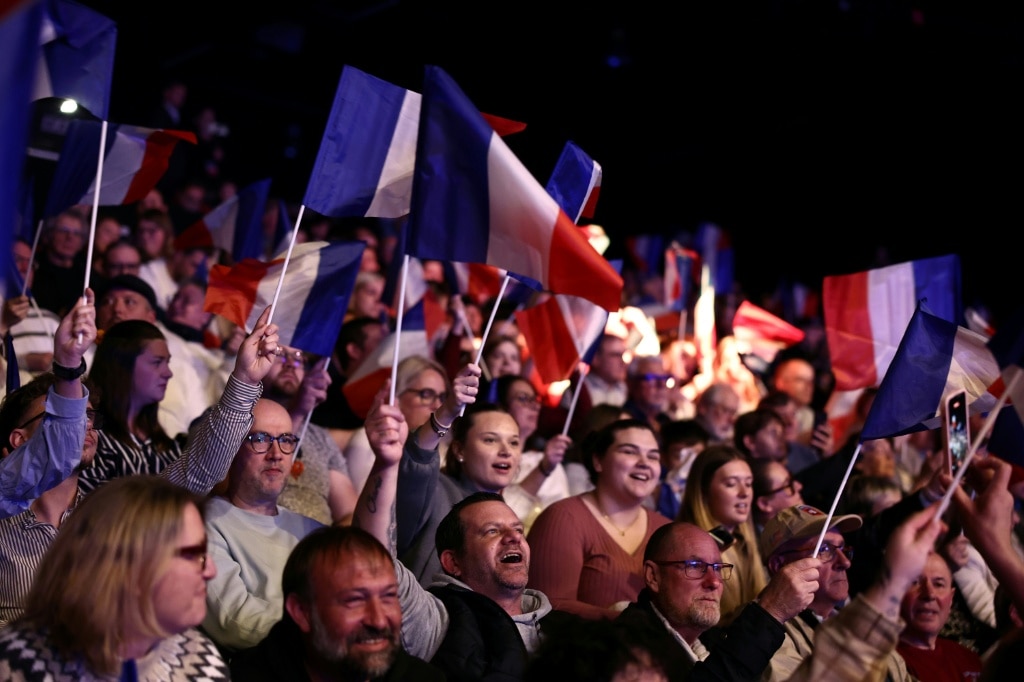
Far-right French president no certainty despite rise of extremes
France’s recent municipal elections have delivered a complex political landscape, revealing both the growing appeal of extremist factions and significant structural limitations facing Marine Le Pen’s far-right National Rally (RN). While extremist parties strengthened their local presence, mainstream parties maintained control of major urban centers including Paris and Marseille, suggesting the 2027 presidential election remains highly contested despite current polling favoring far-right candidates.
The RN achieved modest victories in smaller municipalities but failed to capture any major urban center, exposing what political scientists describe as a ‘glass ceiling’ in large cities. Party leader Jordan Bardella, 30, struggled to secure traditional right-wing support in runoff votes, though the party claimed symbolic victory when a far-right ally won Nice, France’s fifth-largest city.
Meanwhile, the hard-left France Unbowed (LFI) party led by Jean-Luc Melenchon scored significant gains in economically depressed areas including Roubaix near the Belgian border and the working-class Paris suburb of Saint Denis. However, the mainstream left has actively distanced itself from LFI amid allegations of antisemitism and involvement in political violence.
Analysts note deepening strategic divisions within both left and right coalitions. The Socialist Party faces internal conflict between those advocating broad left-wing unity and those rejecting collaboration with LFI. On the right, fragmentation persists regarding coalition strategies and candidate selection.
Former Prime Minister Édouard Philippe strengthened his presidential prospects by retaining his mayoral position in Le Havre, emerging as a potential unifying figure for the center-right. Political observers suggest Philippe could potentially reach a second-round runoff and secure victory despite early polling advantages for far-right candidates.
Experts emphasize that while the risk of National Rally victory remains real, the 2027 election outcome is far from predetermined. The party faces multiple challenges including weak local roots, organizational deficiencies, and ongoing legal troubles that could prevent Le Pen from running if courts uphold a graft conviction.
As Mujtaba Rahman, Europe director at Eurasia Group, noted: ‘French town hall elections yielded no big breakthrough for the far right and no clear trend nationwide,’ indicating that presidential elections may be ‘more open’ than current polls suggest.
-
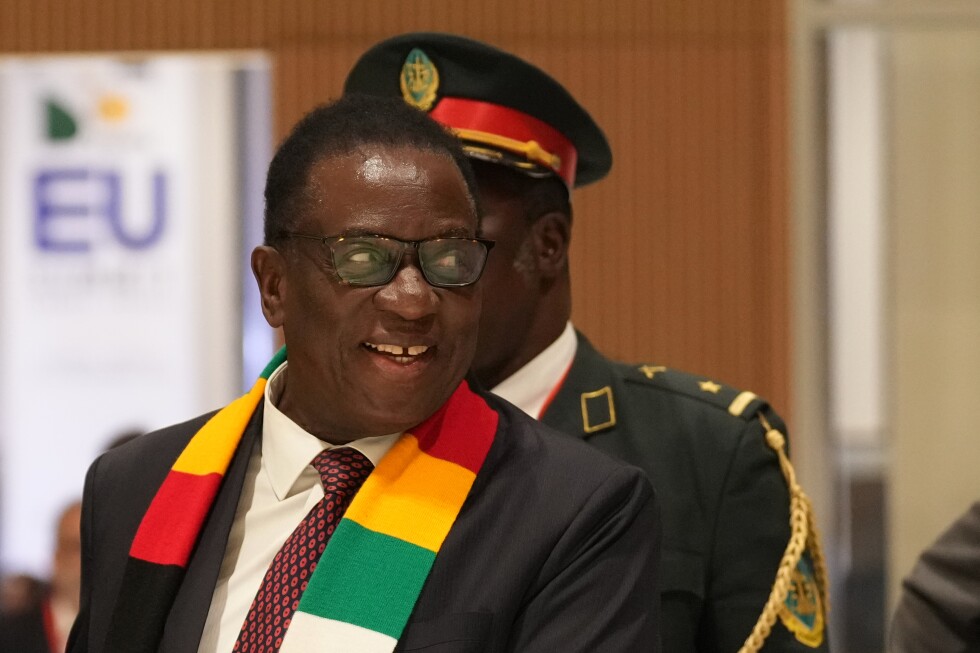
Zimbabwe detains top opponent of changes extending president’s rule
Zimbabwean authorities have escalated their suppression of political dissent by detaining prominent opposition figure Tendai Biti, the leading critic of proposed constitutional amendments that would significantly extend President Emmerson Mnangagwa’s rule. The former finance minister was apprehended on Saturday in Mutare alongside Morgan Ncube, programs director of the Constitutional Defenders Forum, on charges of organizing an unauthorized public gathering without police notification.
This represents the most high-profile detention yet in a systematic campaign against opponents of constitutional reforms that would fundamentally alter Zimbabwe’s political landscape. The proposed changes would postpone national elections until 2030, extend both presidential and parliamentary terms from five to seven years, and transfer presidential election authority from the electorate to Parliament.
President Mnangagwa, who assumed power following the 2017 military coup that ousted longtime leader Robert Mugabe, has publicly committed to stepping down when his second term concludes in 2028. However, he has notably refrained from opposing his ruling ZANU-PF party’s concerted push for constitutional revisions that would effectively prolong his tenure.
The government’s crackdown has intensified in recent months, with police routinely banning opposition gatherings and arresting critics. The pattern of suppression extends beyond detentions, as evidenced by the recent hospitalization of law professor Lovemore Madhuku after a severe beating by unidentified assailants he identified as police officers. Additionally, the offices of SAPES Trust, a think tank scheduled to host amendment opponents, were mysteriously set ablaze last year preceding the event.
Despite government claims that the two-term presidential limit remains intact under the proposed amendments, critics argue that any extension of presidential terms requires mandatory public referendum approval. Justice Minister Ziyambi Ziyambi maintains that Parliament possesses adequate authority to enact the changes without popular consultation.
International human rights organizations, including Amnesty International, have condemned the escalating pattern of repression against peaceful dissent in Zimbabwe. The developments occur against the backdrop of Mnangagwa’s controversial re-election in 2023, which international observers widely criticized for alleged electoral irregularities and suppression of opposition activities.
-
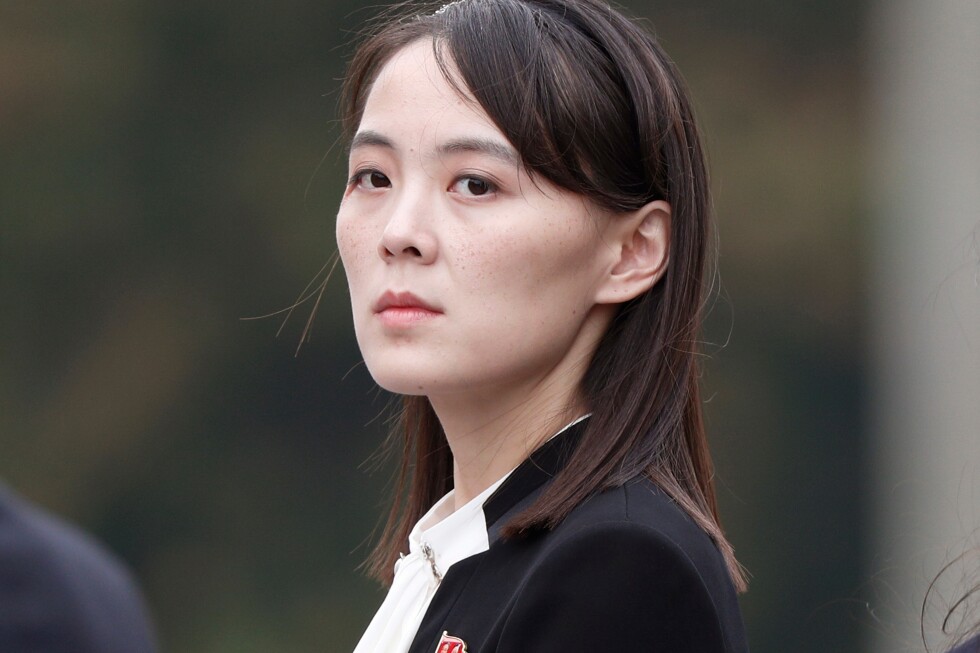
North Korea says summit with Japan is off unless Tokyo drops ‘its anachronistic’ ways
In a significant diplomatic development, Kim Yo Jong, the influential sister of North Korean leader Kim Jong Un and senior government official, has explicitly rejected the possibility of a bilateral summit with Japanese Prime Minister Sanae Takaichi under current conditions. The statement, disseminated through state media channels on Monday, represents a calculated response to Takaichi’s recent announcement that she had expressed “a very strong desire” to meet Kim Jong Un during her Washington summit with former U.S. President Donald Trump.
Kim Yo Jong articulated that such high-level engagement would remain unattainable unless Japan demonstrates willingness to abandon what she characterized as “anachronistic practice and habit.” While not explicitly detailing these objections, historical context suggests they pertain to Japan’s persistent demands regarding North Korea’s nuclear weapons program and the unresolved abduction cases of Japanese citizens during the 1970s and 1980s.
The North Korean official notably framed her rejection as a “personal position” rather than an official government declaration, leaving diplomatic avenues technically open while simultaneously applying pressure for Japanese concessions. This strategic ambiguity reflects Pyongyang’s broader geopolitical objectives, which analysts interpret as attempts to create divisions within the U.S.-Japan-South Korea alliance framework.
The historical backdrop reveals complex dynamics between the nations. During the 2002 summit between then-Japanese Prime Minister Junichiro Koizumi and Kim Jong Il, North Korea acknowledged kidnapping 13 Japanese citizens, permitting five to return home. Japan maintains that additional abductees may remain in North Korea alive.
Prospects for renewed diplomacy appear constrained by multiple factors, including North Korea’s continued refusal to engage in denuclearization talks with the United States and South Korea since 2019. While former President Trump has expressed openness to resuming dialogue with Kim Jong Un, the North Korean leadership has consistently demanded that Washington abandon its “delusional obsession with denuclearization” as a precondition for negotiations.
-
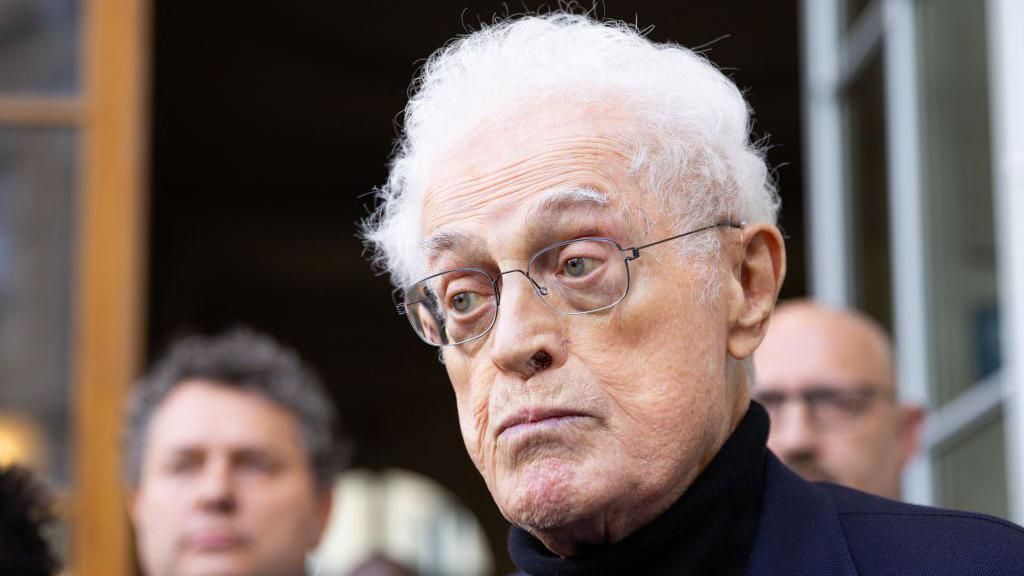
France’s former Socialist Prime Minister Lionel Jospin dies at 88
Lionel Jospin, the former French Socialist Prime Minister whose political career was marked by both significant legislative achievements and a stunning electoral defeat, has passed away at age 88. His death on Monday prompted an outpouring of tributes from across France’s political spectrum, recognizing his profound impact on the nation’s modern history.
Jospin’s political journey was characterized by remarkable contradictions. Serving as Prime Minister from 1997 to 2002 under conservative President Jacques Chirac during France’s unique ‘cohabitation’ period, he implemented groundbreaking social reforms while simultaneously pursuing economic policies that alienated his left-wing base. His government introduced the transformative 35-hour working week that remains French law despite ongoing business criticism, and he championed the PACS civil partnership for same-sex couples, laying crucial groundwork for eventual marriage equality.
However, Jospin’s political legacy remains inextricably linked to the seismic upset of the 2002 presidential election. His first-round elimination, finishing narrowly behind far-right leader Jean-Marie Le Pen amid a fragmented left-wing field, sent shockwaves through French politics and prompted his immediate retirement from public life. The humiliation was particularly striking given his consistently high approval ratings during his premiership.
Born in 1937 in Meudon, Paris, to a prominent Socialist activist family, Jospin’s background was steeped in political consciousness. His Protestant upbringing, which he abandoned in adolescence, was frequently cited as influencing his characteristically austere demeanor. After education in Paris’s elite institutions including the prestigious ENA administration school, Jospin’s early political affiliations proved controversial when revealed decades later—he had been recruited by the Trotskyist Communist Internationalist Organisation (OCI) in the 1960s, a fact he concealed until 2001.
His mainstream political ascent began when he joined François Mitterrand’s reorganized Socialist Party in the 1970s. Mitterrand became his political mentor, appointing him party secretary in 1981 and later Education Minister in 1988. Though their relationship eventually cooled due to Jospin’s criticism of Mitterrand’s governing style, this patronage established him as a central figure in French socialism.
Jospin is survived by his wife, philosopher Sylviane Agacinski. Current President Emmanuel Macron praised him as embodying “a lofty idea of the Republic,” while former President François Hollande recognized him as “one of France’s greatest leaders.” Despite his controversial decisions and dramatic exit from politics, Jospin is remembered as an intellectually rigorous and fundamentally honest statesman who left an indelible mark on France’s social fabric.
-
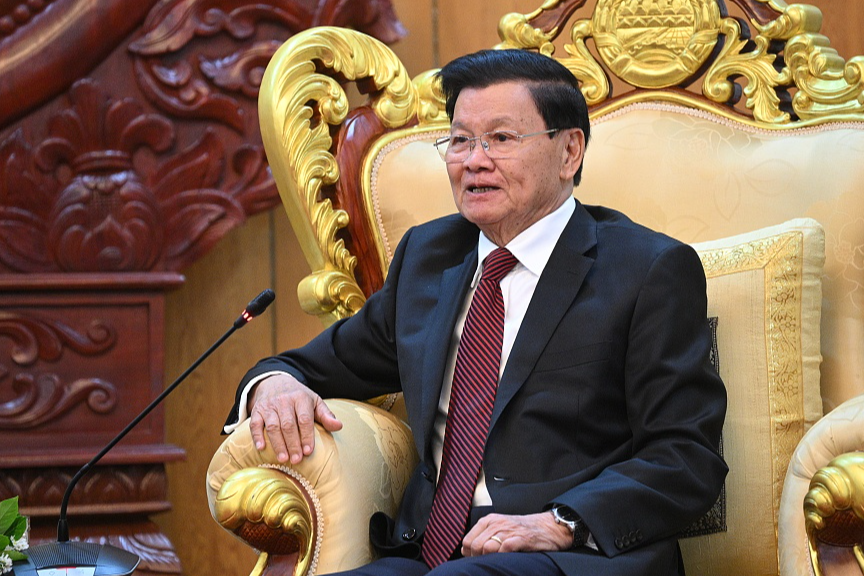
Lao National Assembly elects Thongloun Sisoulith as president
VIENTIANE – Laos has ushered in a significant political transition with the formal election of Thongloun Sisoulith as the nation’s new president. The appointment occurred during the inaugural session of the 10th Lao National Assembly on Monday, marking a pivotal moment in the country’s governance structure.
Thongloun Sisoulith, who concurrently serves as the General Secretary of the Central Committee of the Lao People’s Revolutionary Party, assumes the presidency following a comprehensive legislative process. The election demonstrates the continued political consolidation within Laos’s single-party system, where party leadership and state governance remain closely intertwined.
The transition represents both continuity and potential evolution in Lao political leadership. Observers note that President Sisoulith’s administration may build upon existing policies while potentially introducing new approaches to economic development and international relations, particularly within the ASEAN region and with global partners including China and Vietnam.
This leadership change occurs as Laos faces several critical challenges, including economic recovery post-pandemic, infrastructure development, and managing its strategic position between larger regional powers. The new administration will likely prioritize addressing debt management issues while pursuing sustainable development goals.
The National Assembly session, which facilitated this democratic process within Laos’s political framework, underscores the institutional mechanisms governing leadership transitions in the Southeast Asian nation. The election process adhered to constitutional protocols, with assembly members exercising their legislative authority to confirm the appointment.
-
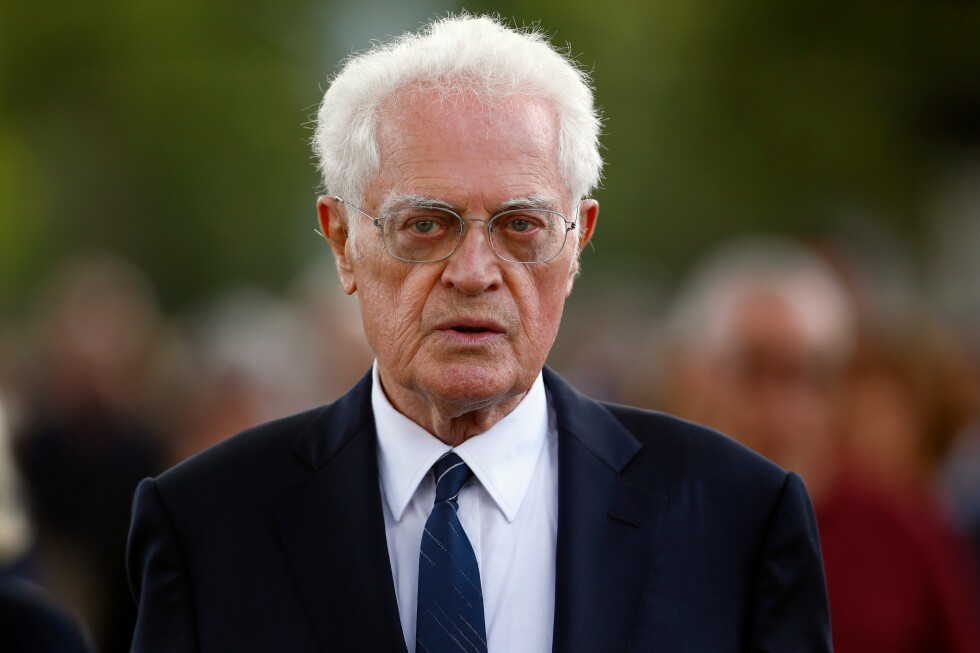
French ex-Prime Minister Lionel Jospin, architect of the 35-hour week, dies at 88
Lionel Jospin, the former French Prime Minister whose political career encompassed both transformative social reforms and a dramatic electoral defeat, has passed away at age 88. His death was confirmed by current Prime Minister Sébastien Lecornu via social media, following an initial report from Agence France-Presse citing family sources.
Jospin’s political legacy remains defined by his 1997-2002 tenure as Prime Minister during France’s unique ‘cohabitation’ government, where he led a left-wing administration under conservative President Jacques Chirac. During this period, he implemented groundbreaking legislation including the 35-hour work week, civil unions for both LGBTQ+ and heterosexual couples, and the parity law mandating equal gender representation in electoral candidates.
A former economics professor with distinctive white curls and thick-rimmed glasses, Jospin brought intellectual rigor and moral integrity to French politics. His leadership helped restore the Socialist Party’s credibility following corruption scandals that had devastated the party in the early 1990s. Unlike many contemporaries, Jospin maintained an untainted reputation throughout his career.
His political journey ended abruptly with the shocking 2002 presidential election, where he finished third behind far-right leader Jean-Marie Le Pen by approximately 200,000 votes. This defeat, which sent Le Pen into the runoff against Chirac, prompted Jospin’s immediate withdrawal from public life.
Born July 12, 1937, Jospin’s worldview was shaped by his Protestant upbringing and childhood experiences in Nazi-occupied Paris, where he developed what he described as ‘a certain horror of talkativeness.’ A graduate of the prestigious École Nationale d’Administration, he initially associated with Trotskyist groups before joining the Socialist Party, maintaining throughout his career his signature philosophy: ‘Yes to the market economy, no to a market society.’