
In a significant development, Khalil al-Hayya, the leader of Hamas’s Gaza branch, announced that the movement has reached a consensus with various Palestinian factions, including Fatah, on the structure for post-war governance in Gaza. Speaking to Al Jazeera on Sunday, Hayya revealed that Hamas has endorsed a proposal to form a committee comprising national figures without political affiliations to oversee Gaza’s administration. This committee would assume full control, including security responsibilities, and Hamas has pledged not to interfere in its operations, urging its swift establishment. The committee’s mandate would conclude upon the organization of general elections or the formation of a unified Palestinian government, with Hamas advocating for elections as a means to reunite the Palestinian people under a single leadership. However, Fatah, Hamas’s primary political adversary, has disputed the agreement, insisting that the committee should be led by a minister from the Palestinian Authority. Hayya also disclosed that Palestinian factions have consented to the deployment of an international force to secure Gaza’s borders, monitor the ceasefire, and prevent violations. He welcomed the participation of Arab and Muslim forces in this mission but emphasized that their role would be restricted to border security and ceasefire oversight, with no internal operations in Gaza. Additionally, Hayya called for a UN resolution to support the international force’s deployment and announced the establishment of an international body dedicated to reconstruction efforts, tasked with securing funding and supervising rebuilding projects. On the contentious issue of arms, Hayya reiterated that Hamas’s weapons are tied to the Israeli occupation, and they would be surrendered to the Palestinian state once the occupation ends. He acknowledged ongoing discussions with Palestinian factions and intermediaries on this matter. Regarding the ceasefire with Israel, Hayya noted that US officials’ statements suggest the war has concluded. However, he highlighted that Israel has repeatedly violated the ceasefire, resulting in over 93 deaths and continued restrictions on aid and the closure of the Rafah crossing. Israel has justified these actions by citing Hamas’s delayed return of Israeli captives’ bodies. Hayya explained that locating these bodies has been challenging due to extensive bombardment and the deaths of those who buried them, leaving 13 captives still buried in Gaza.
分类: politics
-
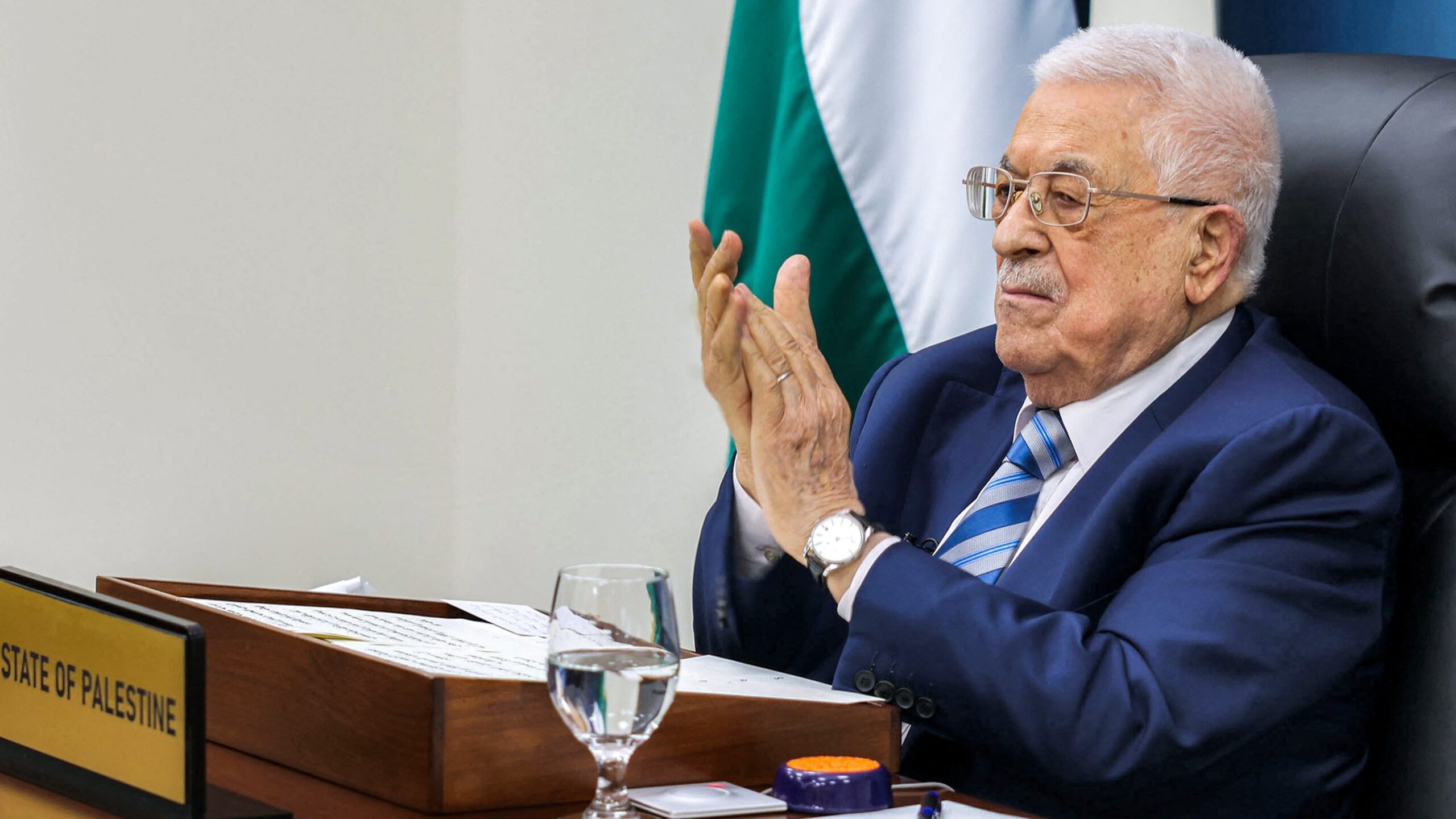
Palestine’s Abbas names deputy al-Sheikh as successor if presidency is vacated
In a significant political move, Palestinian Authority (PA) President Mahmoud Abbas issued a decree on Sunday designating his vice president, Hussein al-Sheikh, as the acting president in the event of a vacancy. The decree outlines that if the president dies or becomes incapacitated, the vice president will assume the role for up to 90 days, during which elections for a new president must be conducted. Should exceptional circumstances prevent elections within this period, the Palestinian Central Council may extend the interim term once. This decision has ignited fierce criticism from opponents, who argue it violates constitutional norms. Under Palestinian law, the speaker of parliament—last elected from Hamas in 2006—is next in line for succession. However, the new decree places the vice president—a recently established position—next in line, bypassing the non-functioning parliament. Hamas spokesperson Hazem Qassem condemned the move, labeling it a unilateral alteration of the political system that exploits the situation for specific factions. He asserted that the decree distorts the political system and complicates prospects for reform. Qassem emphasized Hamas’s commitment to reforming the political system within a framework of national consensus and achieving true Palestinian unity to address the challenges facing the Palestinian cause. Sheikh, a close ally of Abbas, was appointed vice president of the state of Palestine and the executive committee of the Palestine Liberation Organization (PLO) in April—positions newly created at the time. His appointment was criticized by Hamas as an entrenchment of monopoly and exclusion. Sheikh, who previously coordinated security matters with Israeli occupation forces, maintains close ties with Israeli military leaders and American diplomats but enjoys limited support among Palestinians. A 2022 survey by the Palestinian Center for Policy and Survey Research revealed that Sheikh would have garnered only three percent of the vote in a presidential election. His reputation has been further tarnished by allegations of sexual harassment in 2012, with reports of $100,000 paid as hush money to withdraw the claim. Sheikh has consistently refused to address these allegations.
-
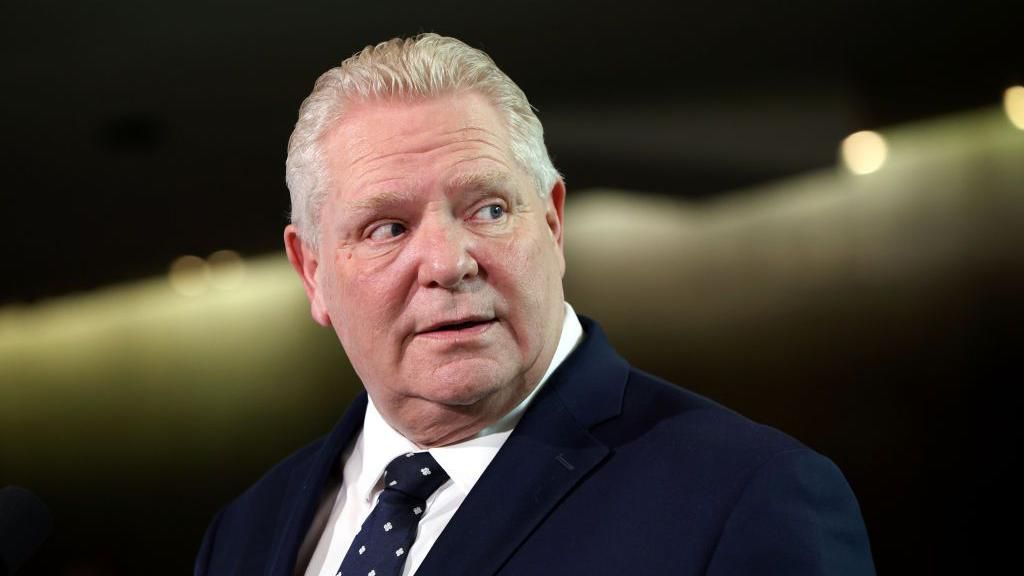
‘We achieved our goal’: Ford stands firm on Reagan anti-tariff ad
Ontario Premier Doug Ford has reaffirmed his stance on a controversial anti-tariff advertisement aired in the United States, which featured former President Ronald Reagan and drew sharp criticism from President Donald Trump. Ford declared that the ad, which has reportedly garnered one billion views, successfully sparked a global conversation about tariffs. The advertisement, funded by the Ontario government, included excerpts from Reagan’s 1987 radio address, emphasizing that tariffs ‘hurt every American.’
President Trump responded by suspending trade talks with Canada and announcing an additional 10% tariff on Canadian goods, though specifics on its implementation remain unclear. Trump dismissed the ad as ‘fraudulent’ and accused Canada of attempting to influence an upcoming US Supreme Court case regarding the legality of his tariffs on multiple countries, including Canada, Mexico, and China.
Canadian Prime Minister Mark Carney, who is currently attending the ASEAN summit in Asia alongside Trump, revealed that the two nations were nearing a trade agreement before the ad disrupted negotiations. Carney refrained from directly criticizing Ford but emphasized that trade negotiations fall under federal jurisdiction.
Ford, however, remained defiant, stating that the ad was ‘the most successful in the history of North America’ and that he would not back down in the face of Trump’s attacks. The premier also disclosed that Carney and his chief of staff had reviewed the ad prior to its release. Support for Ford has emerged from various Canadian politicians, including Brampton Mayor Patrick Brown and British Columbia Premier David Eby, who plans to launch his own anti-tariff campaign targeting US lumber tariffs.
The escalating tensions highlight the fragile state of US-Canada trade relations, with the US already imposing a 35% tariff on Canadian goods, though most are exempt under existing agreements. Specific sectors, such as steel, aluminum, and automobiles, face even higher tariffs. As the dispute unfolds, the international community watches closely, with the ad serving as a focal point in the broader debate over trade policies and their global implications.
-
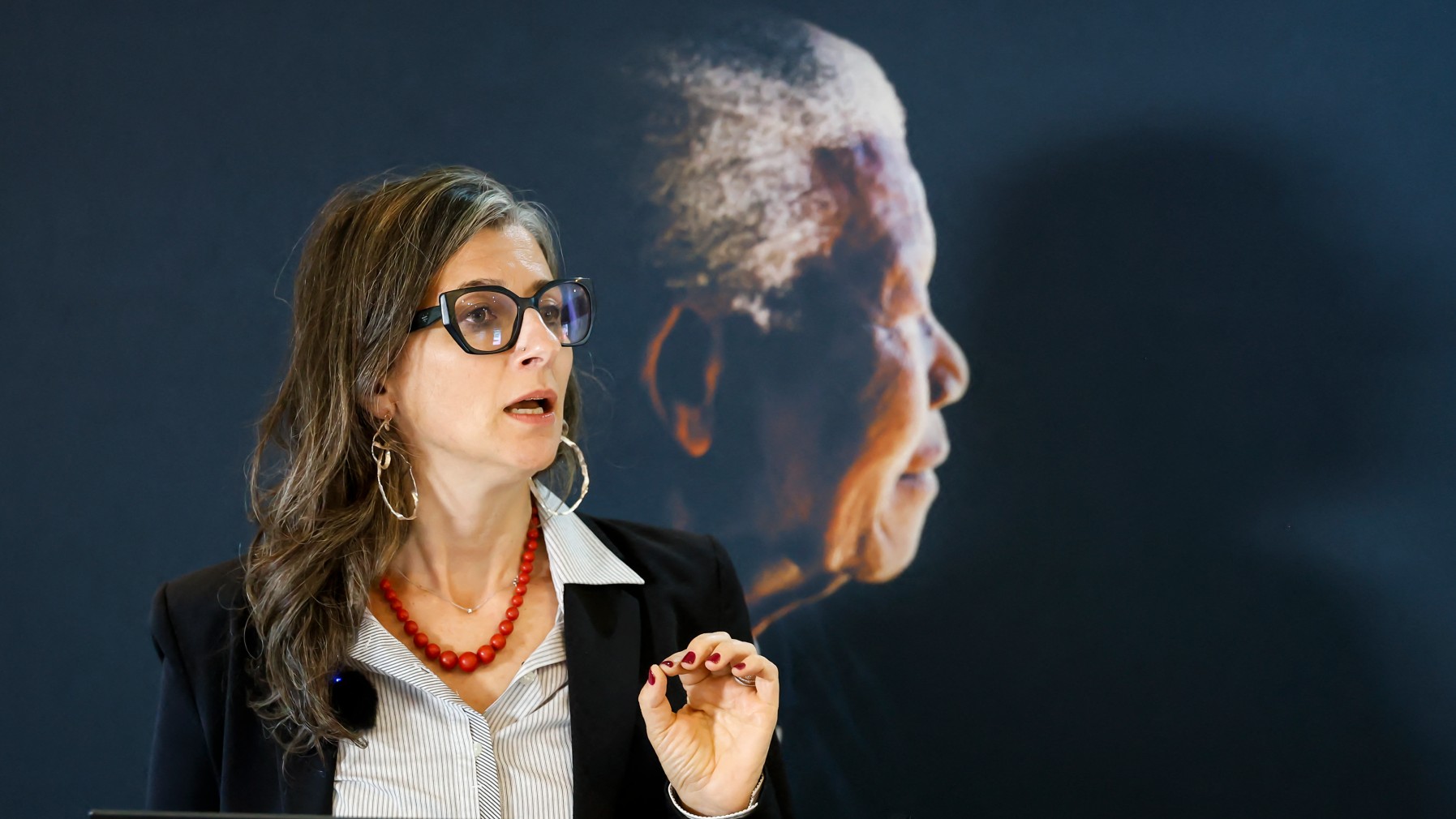
Francesca Albanese to deliver ‘symbolic’ UN speech from South Africa after Trump sanctions
Francesca Albanese, the United Nations Special Rapporteur on Palestine, is set to present her latest report on the Gaza genocide from Cape Town, South Africa, rather than the UN General Assembly headquarters in New York. This unprecedented move comes as a direct consequence of US sanctions imposed against her earlier this year, which have barred her from entering the United States and frozen her assets there. The sanctions, issued by the Trump administration in July, followed Albanese’s critical report on June 30, which implicated over 60 companies, including major US tech firms like Google, Amazon, and Microsoft, in supporting Israel’s economy of occupation and genocide. Her new report, titled ‘Gaza Genocide: A Collective Crime,’ examines the complicity of 63 states in enabling Israel’s actions in Gaza. Albanese will deliver her speech at the Desmond and Leah Tutu Legacy Foundation in Cape Town, a location she described as symbolic. During her recent Nelson Mandela Lecture in Johannesburg, she condemned the sanctions and praised South Africa for its role in challenging colonial and imperial power structures. Albanese also highlighted the efforts of The Hague Group, an alliance of global south states co-chaired by South Africa and Colombia, in holding Israel accountable for breaches of international law. She emphasized the importance of enforcing international law, stating that ‘law is only as strong as the will of states to enforce it.’
-
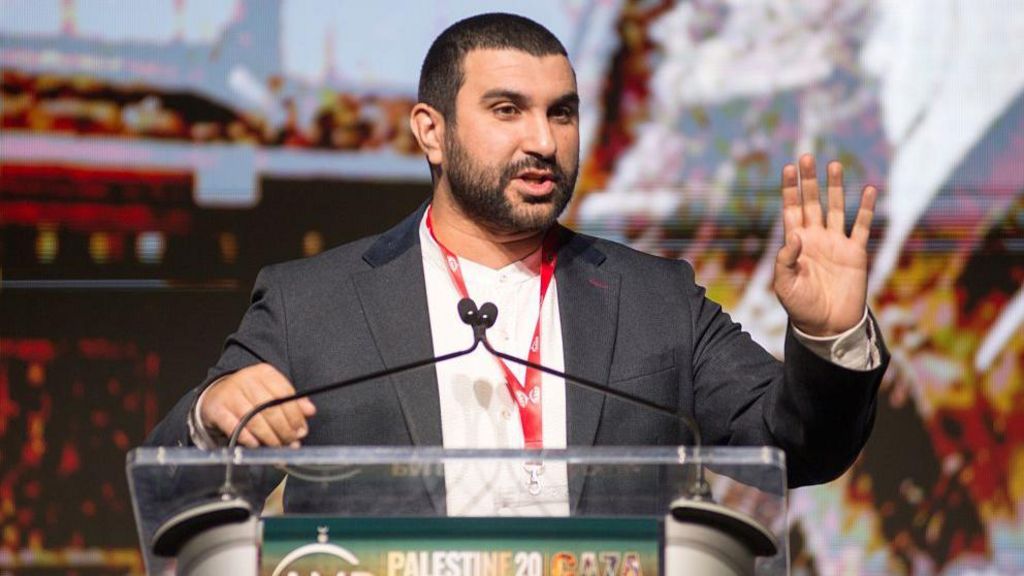
British journalist Sami Hamdi detained by US authorities
British journalist and media commentator Sami Hamdi, known for his vocal criticism of Israel, was detained by U.S. Immigration and Customs Enforcement (ICE) over the weekend. Hamdi, who was on a speaking tour in the U.S., had his visa revoked and is currently in ICE custody pending removal from the country. The Department of Homeland Security (DHS) and the State Department allege that Hamdi supports terrorism and poses a threat to national security. However, the Council on American-Islamic Relations (CAIR) contends that Hamdi is being politically targeted for his views, violating his free speech rights. CAIR has called for his immediate release, stating that his detention is unjust and influenced by anti-Muslim sentiment. Hamdi’s arrest follows accusations from far-right activist Laura Loomer, who claimed he supports terrorist organizations. This incident is part of a broader pattern of visa revocations targeting critics of Israel’s actions in Gaza, including the recent case of pro-Palestinian activist Mahmoud Khalil.
-
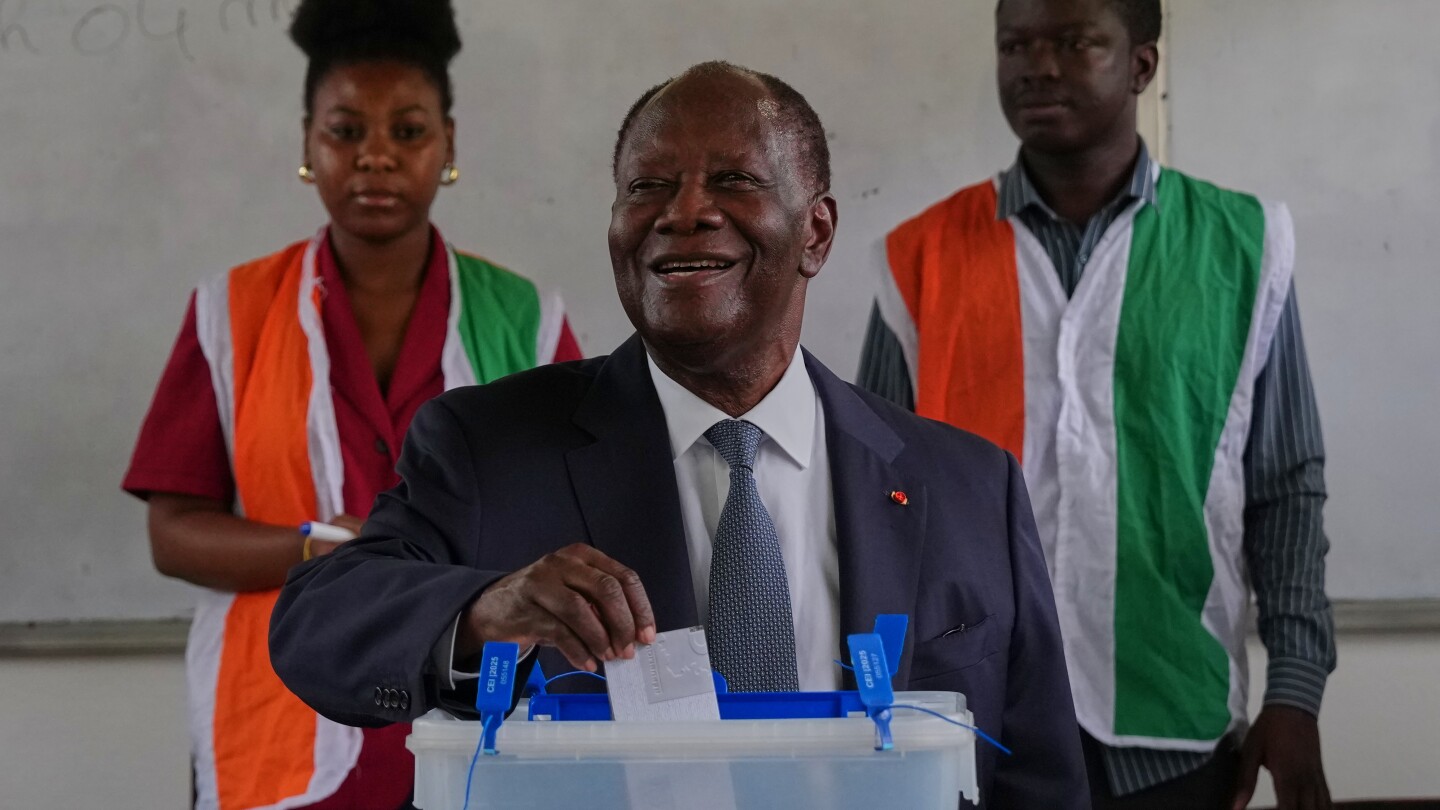
Ivory Coast President Alassane Ouattara reelected to fourth term, early results show
Ivory Coast’s President Alassane Ouattara has been reelected for a fourth term, according to provisional results announced on Monday. The 83-year-old leader, who first assumed office in 2011, secured an overwhelming 89.7% of the vote in an election marked by low voter turnout and subdued activity in the economic hub of Abidjan. Jean-Louis Billon, a former commerce minister, trailed far behind with 3% of the vote, while Simone Gbagbo, a former first lady, garnered 2.4%. Final results are expected by early November, though they may be announced sooner. Approximately 8.5 million people were registered to vote, with turnout hovering around 50%. Billon had already congratulated Ouattara on Sunday evening based on early results. Ouattara’s initial rise to power in 2010 followed a contentious election against his predecessor, Laurent Gbagbo, which sparked deadly unrest claiming at least 3,000 lives. Backed by U.N. and French forces, Ouattara eventually took control. Since then, his supporters have lauded him for revitalizing the conflict-ravaged economy of the world’s largest cocoa producer, while critics accuse him of consolidating power. The 2023 election saw a weakened opposition, as major candidates like Tidjane Thiam and Laurent Gbagbo were excluded from the race. Analysts, including Mucahid Durmaz of Verisk Maplecroft, attribute Ouattara’s victory to his dominance over state institutions and his pivotal role in post-civil war reconstruction. Ouattara’s reelection has reignited debates about constitutional manipulation and democratic erosion in West Africa. His tenure has been marked by economic growth, with a 6% annual rate driven by cocoa exports, yet 37.5% of the population remains in poverty, and youth unemployment persists. Additionally, Ouattara has faced tensions with Sahelian nations like Niger, Mali, and Burkina Faso over his alleged support for France, which regional juntas blame for worsening security.
-
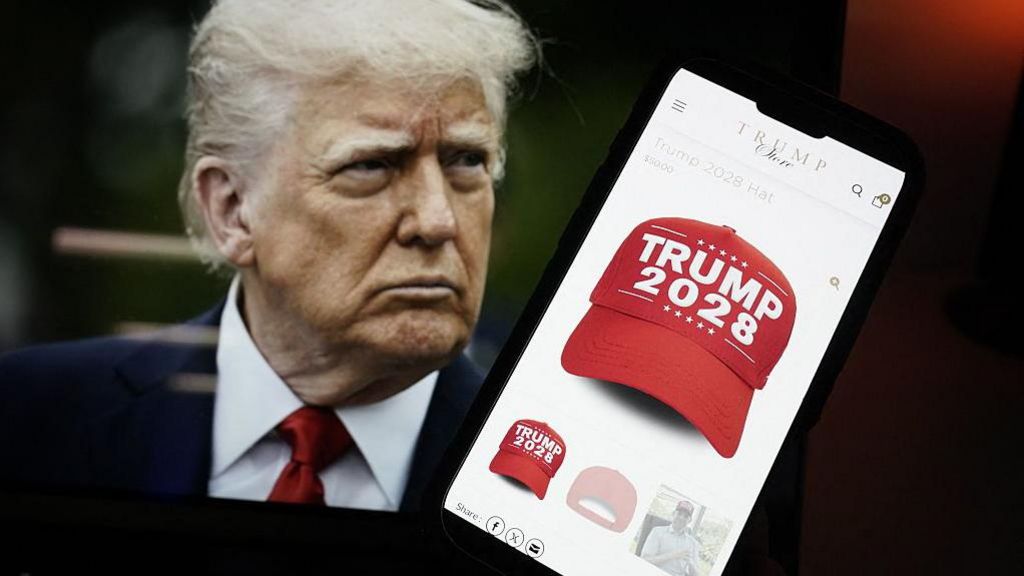
Can Trump serve a third term as US president?
Former President Donald Trump has reignited discussions about the possibility of a third presidential term, despite constitutional limitations. Trump, who has not ruled out the idea, has already begun selling ‘Trump 2028’ caps through his organization, signaling his interest in the 2028 election. The U.S. Constitution, however, explicitly limits presidents to two terms, a rule established by the 22nd Amendment in 1951. Trump’s supporters, including former strategist Steve Bannon, have suggested potential loopholes, such as running as a vice-presidential candidate and then succeeding to the presidency. Trump himself has remained ambiguous, stating he ‘hasn’t really thought about it’ but acknowledging his strong poll numbers. Critics, including Democrats and some Republicans, have expressed deep concerns, labeling the idea as an attempt to undermine democracy. Legal experts argue that there are no credible legal avenues for a third term, and any attempt to change the Constitution would face significant political and legal hurdles. The debate continues as Trump’s merchandise and rhetoric keep the possibility in the public eye.
-
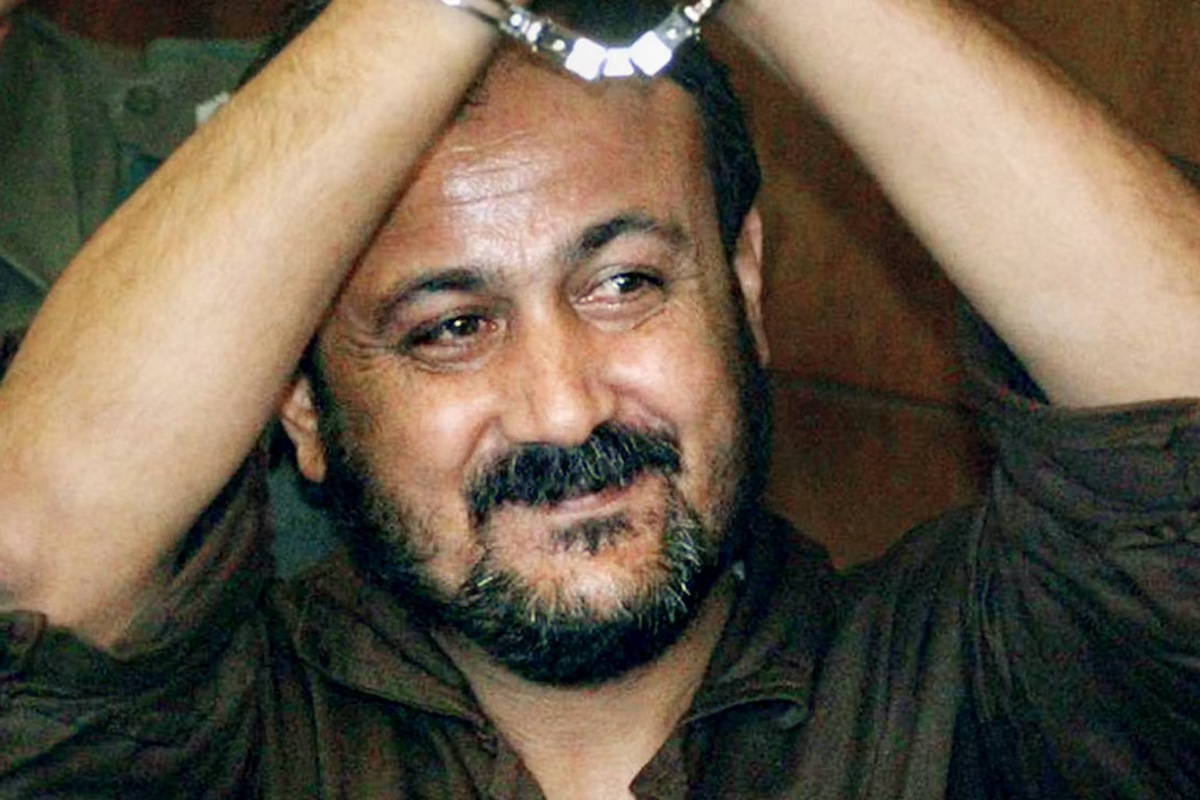
Most unifying Palestinian leader still in an Israeli Jail
As the future of Gaza remains uncertain, the Palestinian Authority (PA) faces a critical juncture in its ability to govern effectively and advance the two-state solution. Under the leadership of Mahmoud Abbas, the PA has struggled to gain legitimacy and unity among Palestinians. Abbas, an 89-year-old leader widely criticized for his ineffectiveness, has seen his influence wane, prompting calls for a more dynamic and unifying figure to take the helm. Among the potential successors, Marwan Barghouti, currently imprisoned in Israel since 2002, emerges as a compelling candidate capable of revitalizing the PA and fostering peace. Barghouti, a former member of the Palestinian Legislative Council, is widely respected across the political spectrum and is seen as a unifying force. His popularity among Palestinians, coupled with his experience in cross-border negotiations with Israeli peace advocates, positions him as a potential leader who could bridge divides and implement the Oslo Accords. Recent polls indicate that Barghouti would overwhelmingly win a presidential election, garnering 50% of the vote compared to Hamas leader Khaled Mashal’s 35% and Abbas’s 11%. Despite his imprisonment, Barghouti’s release is increasingly viewed as essential to achieving a lasting ceasefire in Gaza and advancing the two-state solution. His supporters, including his family, have appealed to international leaders, including U.S. President Donald Trump, to secure his freedom. Barghouti’s potential leadership is seen as a catalyst for reforming the PA and uniting Palestinian factions, making him a pivotal figure in the quest for peace in the region.
-
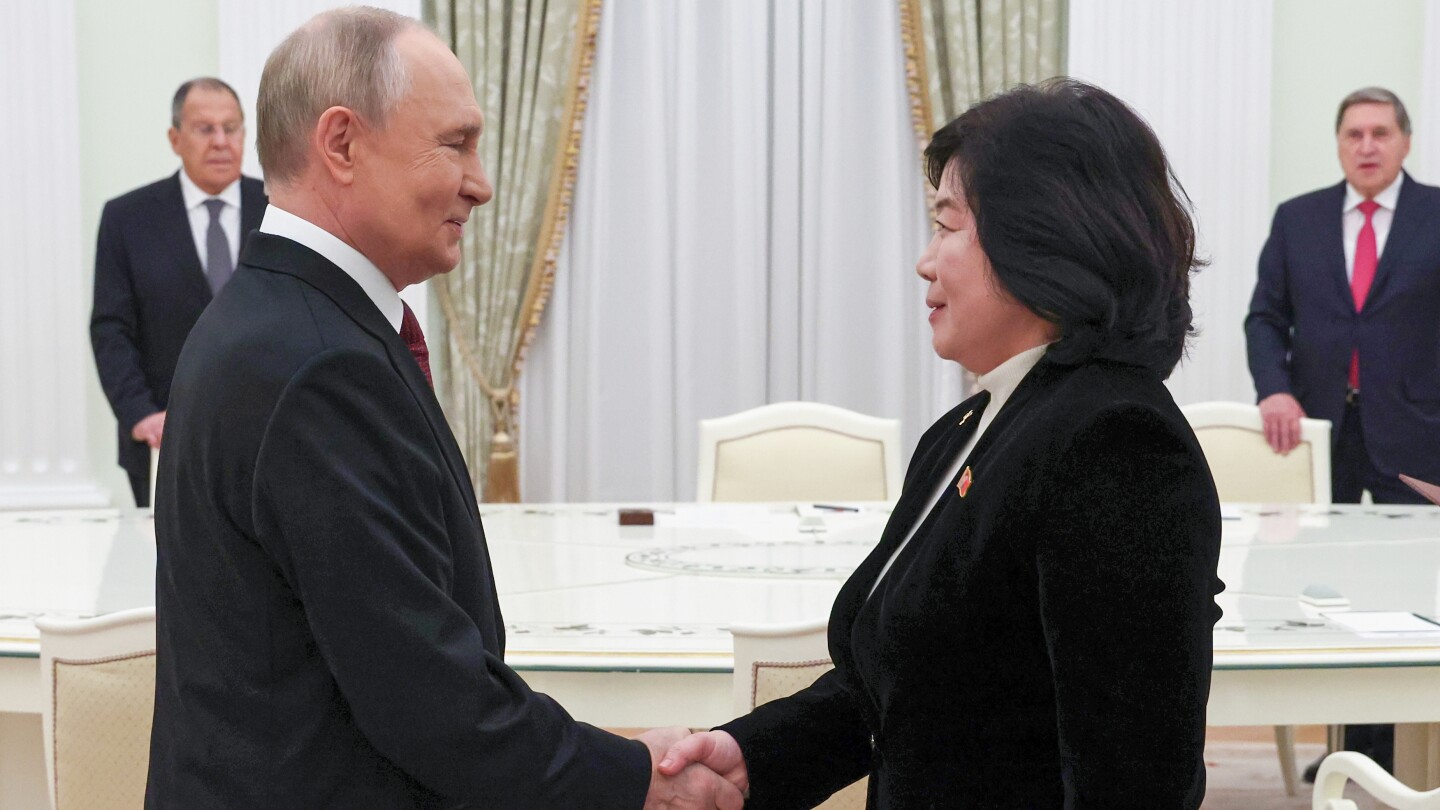
North Korea’s top diplomat meets with Putin on a visit to Russia
In a significant diplomatic move, North Korea’s Foreign Minister Chon Son Hui met with Russian President Vladimir Putin at the Kremlin on Monday, marking another step in the deepening alliance between the two nations. This high-level engagement followed a September meeting between Putin and North Korean leader Kim Jong Un in Beijing, where both leaders attended a military parade commemorating the 80th anniversary of World War II’s end. During the Kremlin talks, Putin expressed his warm regards to Kim, recalling their cordial discussions in China. Earlier in the day, Chon held discussions with Russian Foreign Minister Sergey Lavrov, who praised North Korean troops for their collaboration with Russian forces in the Kursk region following a Ukrainian incursion. Lavrov emphasized that such joint efforts would fortify the historical and strategic bonds between the two countries. Chon highlighted the “considerable progress” in bilateral relations and reaffirmed Pyongyang’s steadfast support for Russia’s policies aimed at safeguarding state sovereignty, territorial integrity, and international justice. According to South Korean intelligence, North Korea has dispatched approximately 15,000 troops and significant military supplies, including artillery and ballistic missiles, to support Russia’s operations in Ukraine. Additionally, Kim has committed to sending thousands of military construction workers and deminers to the Kursk region, further solidifying the military and economic cooperation between Moscow and Pyongyang.
-
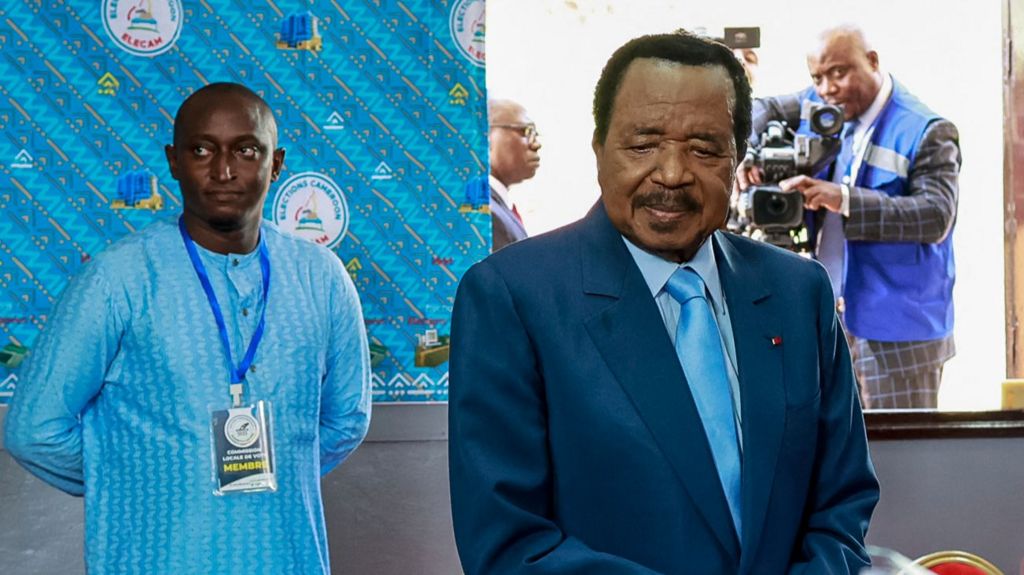
Cameroon’s 92-year-old president wins controversial eighth term
Cameroon’s 92-year-old President Paul Biya has been declared the winner of a highly contentious presidential election, securing an unprecedented eighth term in office. The Constitutional Council announced that Biya, the world’s oldest head of state, garnered 53.7% of the vote, while opposition leader Issa Tchiroma Bakary trailed with 35.2%. The election, held on October 12, has been overshadowed by widespread violence and allegations of electoral fraud. Tchiroma Bakary, a former ally of Biya, had earlier claimed victory, but his assertions were dismissed by the ruling Cameroon People’s Democratic Movement (CPDM). In the days following the election, deadly clashes erupted between Bakary’s supporters and security forces in cities like Douala and Garoua, resulting in multiple fatalities. Protesters accused the CPDM of orchestrating a plan to “steal the victory” from the opposition. The unrest has paralyzed the capital, Yaoundé, with schools and businesses shuttered and civil servants staying home. Voter turnout stood at 58%, and at least 10 petitions alleging electoral malpractice were rejected by the Constitutional Council. Biya, who has been in power since 1982, has yet to address the nation publicly, but his party has celebrated his re-election as a sign of “greatness and hope.” Critics, however, point to his prolonged absences, advanced age, and the country’s economic and social challenges, including a 40% youth unemployment rate and a decade-long separatist insurgency in the English-speaking regions. Analysts warn that Cameroon risks descending into political turmoil if the election results are perceived as illegitimate. Murithi Mutiga, Africa Program Director at the International Crisis Group, urged Biya to initiate national mediation to prevent further escalation.