分类: politics

  • EU diplomats to meet Board of Peace director over Gaza’s future

    EU diplomats to meet Board of Peace director over Gaza’s future

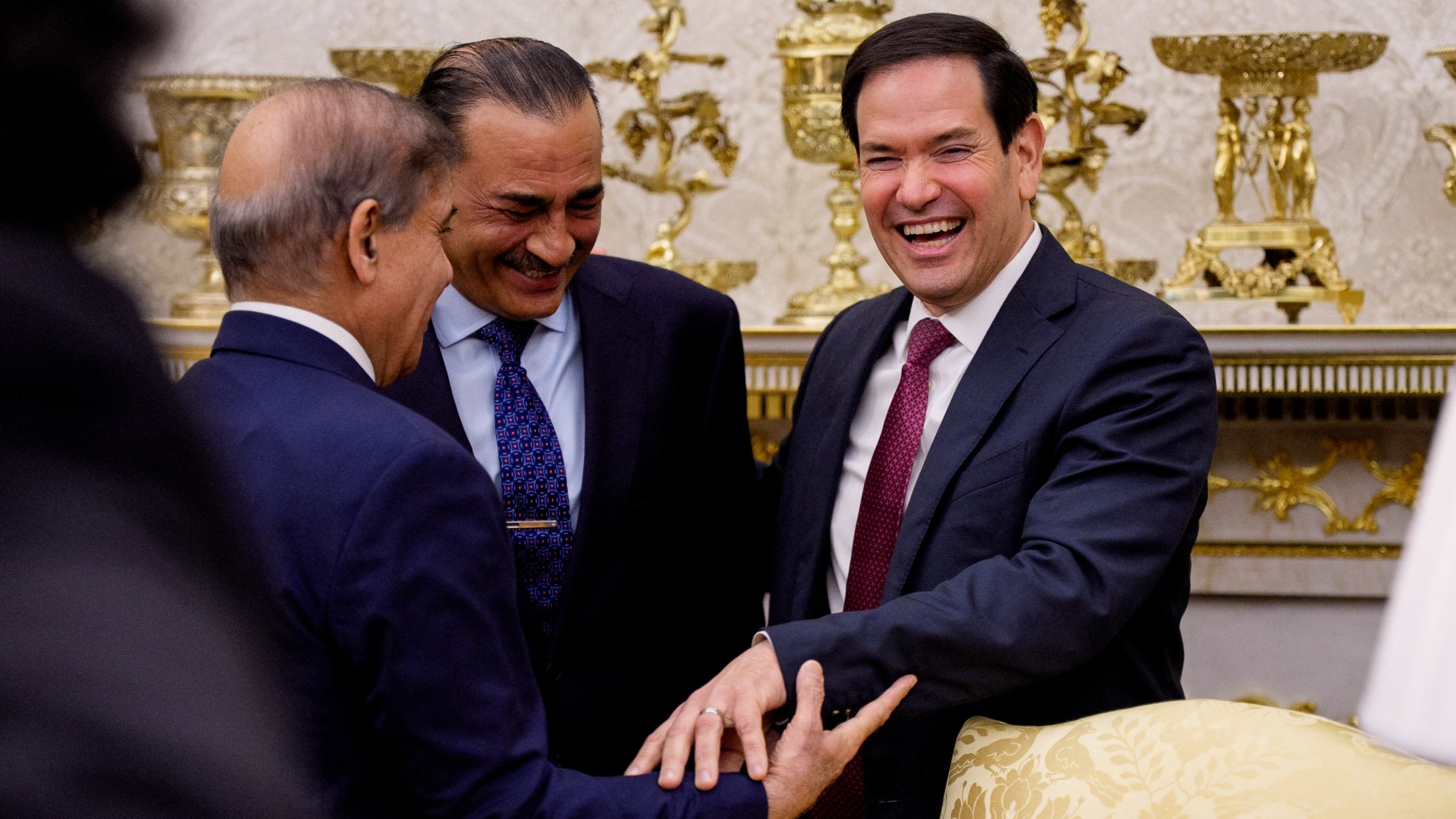
    European Union foreign ministers convened in Brussels on Monday for crucial discussions with Nikolay Mladenov, Director of the U.S.-backed Board of Peace, highlighting deep divisions within the bloc regarding cooperation with President Donald Trump’s initiative for Gaza’s stabilization and reconstruction. The meeting with Mladenov—a former Bulgarian politician and UN diplomat appointed by Trump—comes amid escalating tensions over the EU’s appropriate role in Middle East peacemaking.

    The gathering, attended by EU foreign policy chief Kaja Kallas and ministers from across the 27-nation union, also addressed ongoing concerns about the war in Ukraine and potential new sanctions against Russia. The EU’s substantial geopolitical and economic interests in the Mediterranean region position it as a critical stakeholder, with the bloc currently maintaining oversight operations at the Rafah border crossing and serving as the primary donor to the Palestinian Authority.

    Internal divisions have emerged sharply across European capitals regarding collaboration with the Trump-led board. While EU members Hungary and Bulgaria hold full membership, and candidate countries Turkey, Kosovo, and Albania participate fully, twelve additional EU nations dispatched observers to the Washington inaugural meeting: Austria, Croatia, Cyprus, Czech Republic, Finland, Germany, Greece, Italy, Netherlands, Poland, Romania, and Slovakia.

    Notable absences included French President Emmanuel Macron, European Commission President Ursula von der Leyen, and Pope Leo XIV, who declined invitations. However, von der Leyen’s decision to send European Commissioner for the Mediterranean Dubravka Šuica as an observer without consulting the European Council sparked institutional controversy. French Foreign Minister Jean-Noël Barrot publicly criticized this move as a violation of EU regulations, stating on social media platform X that the Commission ‘must scrupulously respect European law and institutional balance in all circumstances.’

    In response, von der Leyen’s spokesperson Paula Pinho defended the Commission’s prerogative to accept invitations independently, emphasizing that while the executive branch isn’t formally joining the board, it seeks to influence Gaza’s reconstruction and peacekeeping efforts beyond its financial contributions.

    The Trump administration’s expansive vision for the Board of Peace encompasses everything from transforming Gaza into a futuristic metropolis to challenging the UN Security Council’s traditional conflict-resolution role. However, these ambitions face practical constraints given the limited progress achieved thus far in implementing the ceasefire’s fundamental objectives.

  • More than 200 political prisoners in Venezuela launch hunger strike

    More than 200 political prisoners in Venezuela launch hunger strike

    Over 200 political detainees at Venezuela’s Rodeo I prison initiated a hunger strike this weekend, protesting their exclusion from a newly enacted amnesty law. The demonstration, which began Friday night, highlights ongoing tensions within the country’s penal system despite recent political reforms.

    The protest emerged just days after Venezuela’s congress approved the amnesty legislation on Thursday, a measure promoted by interim leader Delcy Rodriguez following pressure from Washington. The law specifically excludes cases involving military personnel and terrorism charges—precisely the categories encompassing most inmates at Rodeo I prison, located approximately 40 kilometers east of Caracas.

    Relatives of detainees confirmed that 214 individuals, including both Venezuelan and foreign nationals, are participating in the hunger strike. Among those excluded is Argentine police officer Nahuel Agustin Gallo, who faces terrorism allegations. The prisoners’ chants of ‘Freedom!’ and ‘Release us all!’ echoed outside the facility throughout the weekend.

    In a significant development, the International Committee of the Red Cross (ICRC) conducted its first-ever visit to Rodeo I prison on Sunday. Filippo Gatti, ICRC’s health coordinator for Venezuela, described the access as ‘a first step’ toward improved conditions.

    Meanwhile, the amnesty legislation has generated mixed reactions. While opposition figures criticize its selective application, the government reports that over 1,500 political prisoners have already applied for amnesty. Approximately 23 detainees were released from Rodeo I on Sunday, including police commissioner Armando Fusil, who described the solidarity among prisoners as ‘a beautiful brotherhood.’

    The political context remains charged following the January 3rd operation where US commandos captured former president Nicolas Maduro and his wife. Currently in US custody awaiting trial on drug trafficking charges, Maduro has pleaded not guilty and declared himself a prisoner of war. His removal from power after nearly thirteen years of leftist rule marked a dramatic shift in Venezuela’s political landscape.

  • A Hong Kong court uphold the convictions of about a dozen activists in national security case

    A Hong Kong court uphold the convictions of about a dozen activists in national security case

    Hong Kong’s Court of Appeal has delivered a definitive ruling in the city’s most significant national security case, rejecting all appeals from pro-democracy activists convicted for their involvement in an unofficial primary election. The decision solidifies the legal consequences for 47 activists charged in 2021 with conspiracy to commit subversion under Beijing’s national security legislation.

    In a sweeping judgment Monday, the court dismissed appeals from eleven activists challenging their convictions, including former legislators Leung Kwok-hung, Lam Cheuk-ting, Raymond Chan, and Helena Wong. All sentence appeals were similarly rejected, maintaining prison terms ranging from four to ten years imposed earlier this year. The mass prosecution has effectively dismantled Hong Kong’s once-vibrant pro-democracy movement that peaked during the 2019 anti-government protests.

    The case stemmed from an unofficial primary election organized by democracy advocates seeking to coordinate candidates for the 2020 legislative elections. Prosecutors successfully argued that the activists’ strategy to secure a legislative majority—aimed at pressuring for police accountability reforms and democratic leadership elections—constituted an attempt to paralyze government operations and force resignations.

    Judges in their 2024 verdict determined that the activists’ plans would have undermined governmental authority and precipitated constitutional crisis. While foreign governments and human rights organizations have condemned the sentences as politically motivated, both Beijing and Hong Kong authorities maintain that the national security law was essential for preserving stability.

    Among the original defendants, Lawrence Lau, a pro-democracy former district councilor, saw his acquittal upheld despite prosecution appeals. Nearly twenty activists from the case have been released over the past year after completing their sentences, including former district councilors Jimmy Sham and Lester Shum.

    The courtroom proceedings revealed emotional scenes as incarcerated activists waved to family members and supporters, some of whom had waited outside the courthouse since Saturday to secure seating. Retiree Margaret Chan, who attended to show support for those she considers innocent, expressed relief that some activists had already served their terms, noting ‘They have survived it.’

  • South Korea protests ‘Victory’ banner hung from Russian embassy

    South Korea protests ‘Victory’ banner hung from Russian embassy

    South Korea has issued a formal diplomatic protest against Russia following the display of a contentious banner on the exterior wall of the Russian Embassy in Seoul. The banner, featuring the phrase \”Victory will be ours\” in Russian colors, appeared over the weekend coinciding with the four-year anniversary of Russia’s invasion of Ukraine.\n\nThe South Korean Foreign Ministry characterized the display as inappropriate given Seoul’s consistent position that \”Russia’s invasion of Ukraine is an illegal act.\” Officials confirmed they had communicated their objections to Russian representatives regarding both the banner and recent public statements made by Russian Ambassador Georgy Zinoviev.\n\nThe diplomatic friction intensifies amid reports that North Korea has dispatched thousands of troops to support Russian forces in Ukraine. South Korean intelligence estimates approximately 2,000 North Korean soldiers have been killed in combat operations. Ambassador Zinoviev had previously praised North Korean contributions to Russian military efforts in the Kursk region, comments that drew sharp criticism from Seoul.\n\nSouth Korea considers the growing military cooperation between Moscow and Pyongyang a \”serious threat to our national security,\\” particularly given the technically unresolved state of war between the Koreas since the 1950-53 conflict ended with an armistice rather than a permanent peace treaty. Analysts suggest North Korea receives financial assistance, military technology, and essential supplies in exchange for its troop deployments.\n\nNeither the Russian nor Ukrainian embassies in Seoul provided immediate commentary on the developing situation as diplomatic tensions continue to escalate.

  • What’s behind Israel’s ‘special relationship’ with India?

    What’s behind Israel’s ‘special relationship’ with India?

    Indian Prime Minister Narendra Modi’s upcoming two-day visit to Israel marks a significant moment in the deepening strategic partnership between the two nations. The visit, described by Israeli Prime Minister Benjamin Netanyahu as highlighting a “special relationship,” comes at a critical juncture in Middle Eastern geopolitics, with escalating tensions with Iran and ongoing conflict in Gaza.

    The relationship between India and Israel has evolved substantially since Netanyahu’s landmark 2017 visit to India, which established the countries as strategic partners in water and agriculture. Modi’s current visit represents a continuation of this growing alliance, particularly in defense and technology sectors.

    Over the past decade, India has emerged as the largest purchaser of Israeli weapons systems, with defense purchases increasing by 175% between 2015-2019. The partnership extends beyond mere transactions to include co-production agreements and technology transfer, supporting Modi’s “Make in India” initiative for military modernization and indigenous manufacturing.

    The timing of the visit is strategically significant for both leaders. Netanyahu faces elections in nine months and benefits from demonstrating strong international alliances, while Modi reinforces his global stature and strategic outreach to the Global South. The visit includes addressing the Israeli Knesset—an honor reserved for special guests—and meetings focused on technology innovation in Jerusalem.

    Notably absent from the itinerary are visits to occupied Palestinian territories, reflecting India’s policy under Modi to “de-hyphenate” Israel and Palestine relations, despite India’s official commitment to a two-state solution.

    The countries recently signed a Bilateral Investment Agreement aimed at protecting mutual investments and advancing broader economic integration. Discussions during the visit are expected to focus on expanding cooperation in intelligence, weapons development, anti-ballistic missile systems, and emerging technologies including artificial intelligence and quantum computing.

    Netanyahu has articulated a vision of forming a “hexagon” of alliances involving India, Arab nations, African countries, Mediterranean states, and Asian partners, seen as an effort to create a pro-Western, anti-Iran economic and strategic bloc building on the India-Middle East-Europe Economic Corridor.

    While the visit has been celebrated in mainstream Indian media, it has also prompted concerns and protests from Palestinian advocates within India, met with government crackdowns. The opposition Indian National Congress has criticized the lack of transparency surrounding the visit rather than the substance of the relationship itself.

  • Kim Jong Un re-appointed leader of North Korea’s ruling party

    Kim Jong Un re-appointed leader of North Korea’s ruling party

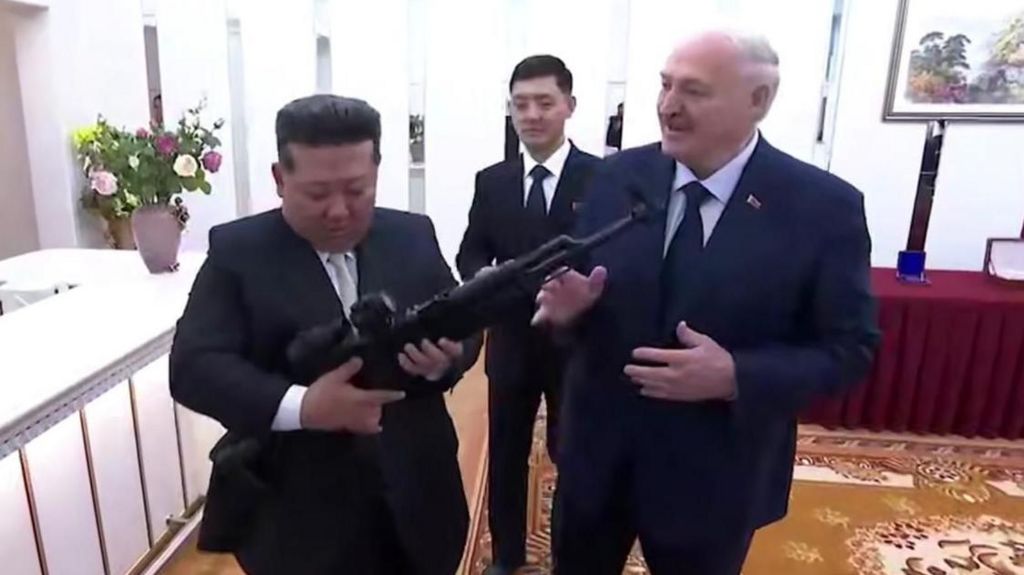
    North Korea’s ruling Workers’ Party has unanimously reconfirmed Kim Jong Un as its General Secretary during the ongoing Ninth Party Congress, reinforcing his position at the helm of the authoritarian regime. The assembly, which commenced on February 19th and occurs quinquennially, brings together approximately 5,000 party delegates in a highly orchestrated display of political consolidation.

    In his inaugural address, Chairman Kim emphasized dual national priorities: enhancing economic conditions and elevating living standards for citizens, while simultaneously advancing the country’s military capabilities. State media outlet KCNA reported significant improvements in national ‘war deterrence’ capacities, centering around nuclear development. However, the opaque nature of the regime makes independent verification of these claims virtually impossible.

    The congress provides rare insight into North Korea’s political machinery, revealing substantial reshuffling within the presidium—the executive committee. Over half of its 39 members have been replaced since the previous convention in 2021, indicating possible strategic realignments or internal consolidation of power.

    Anticipating potential announcements regarding the nuclear program, the regime recently showcased new nuclear-capable rocket launchers. These developments unfold against a backdrop of persistent international sanctions aimed at curbing Pyongyang’s weapons proliferation.

    Attention also focuses on Kim Jong Un’s daughter, Ju Ae, whose repeated appearances at high-profile events—including military inspections and diplomatic functions—fuel speculation about her potential role as a political successor, as suggested by South Korean intelligence.

  • UAE supports Kuwait’s sovereignty over its maritime areas

    UAE supports Kuwait’s sovereignty over its maritime areas

    The United Arab Emirates has issued a strong statement affirming its complete solidarity with Kuwait regarding sovereignty over maritime territories, expressing profound concern over recent actions taken by Iraq at the United Nations. On February 22, 2026, the UAE Ministry of Foreign Affairs declared its unwavering support for Kuwait’s sovereignty amid a developing diplomatic situation involving coordinates and maps deposited by Iraq with the UN that potentially affect Kuwait’s rights over its maritime areas and territorial waters.

    The UAE specifically highlighted concerns regarding the status of the Al-Qudra Shoals and Al-Ayij Shoals, areas of significant strategic importance. In its official statement, the Emirati government called upon Iraq to consider the fraternal and historical relationship between the two neighboring nations, urging resolution through responsible dialogue consistent with international law.

    The Ministry emphasized the importance of addressing such matters through established diplomatic channels and in accordance with the United Nations Convention on the Law of the Sea (1982). The statement further stressed the necessity of honoring existing bilateral understandings, agreements, and memoranda of understanding between Iraq and Kuwait.

    This declaration positions the UAE firmly alongside Kuwait against any perceived encroachment on its sovereignty or national interests. The Emirati government’s intervention underscores the broader regional implications of the dispute, calling for resolution mechanisms that enhance security and stability throughout the Gulf region. The statement represents a significant show of Gulf Cooperation Council (GCC) unity in addressing territorial and maritime sovereignty issues.

  • Oman FM confirms US-Iran talks in Geneva on Thursday

    Oman FM confirms US-Iran talks in Geneva on Thursday

    Omani Foreign Minister Badr Albusaidi has officially confirmed the resumption of high-stakes diplomatic negotiations between the United States and Iran, scheduled to convene in Geneva this Thursday. The announcement comes amid ongoing regional tensions and represents a significant development in international nuclear diplomacy.

    Albusaidi, whose nation has played a pivotal mediating role in facilitating dialogue between the longstanding adversaries, characterized the upcoming talks as possessing “a positive push to go the extra mile towards finalising the deal.” This statement suggests both parties are approaching the negotiations with renewed commitment to reaching a comprehensive agreement.

    The Geneva meeting marks the latest chapter in complex diplomatic efforts to address Iran’s nuclear program and the corresponding sanctions regime imposed by the United States. Oman’s continued involvement as an intermediary highlights its unique diplomatic position and trusted status with both Western and Iranian leadership.

    This development follows recent statements from Iranian officials expressing optimism about finding diplomatic solutions to the ongoing standoff with the United States. The timing of these talks suggests a potential window of opportunity for diplomatic breakthrough, though significant challenges remain regarding verification mechanisms, sanctions relief, and regional security concerns.

    The international community will be closely monitoring these negotiations, recognizing their profound implications for Middle Eastern stability, non-proliferation efforts, and global energy markets. The outcome could potentially reshape regional alliances and security dynamics beyond the immediate nuclear considerations.

  • US reverses TSA PreCheck shutdown, will keep programme operational

    US reverses TSA PreCheck shutdown, will keep programme operational

    In a significant policy reversal, the Trump administration announced Sunday that the Transportation Security Administration’s PreCheck program would continue operations despite the ongoing partial shutdown of the Department of Homeland Security. The decision came just hours after officials had declared the expedited screening program would be temporarily suspended.

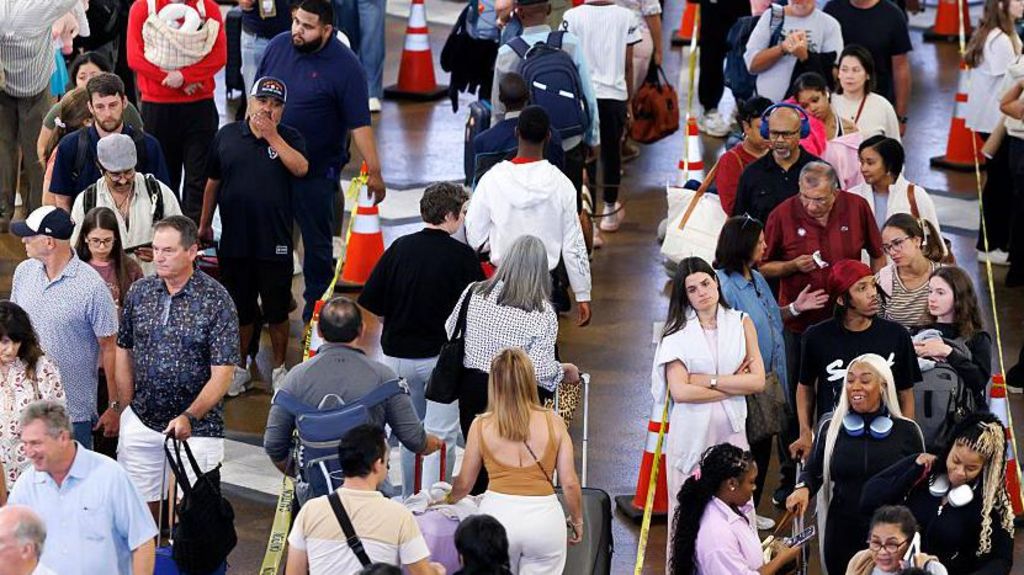
    The initial announcement from Homeland Security Department officials indicated PreCheck would halt operations at 6:00 AM EST, triggering widespread concern among travel industry stakeholders and airlines. This timing coincided with the beginning of the busy spring break travel season, during which more than 20 million actively enrolled PreCheck members rely on expedited security processing at U.S. airports.

    According to the department’s earlier statement, the suspension would have been prompted by the current government shutdown, marking a departure from last year’s approach when DHS maintained PreCheck operations during a 43-day funding lapse. The current partial shutdown began earlier this month following failed negotiations between Republicans and Democrats on immigration enforcement reforms.

    By mid-morning Sunday, TSA officials clarified that the program “remains operational with no change for the traveling public,” adding that the agency would evaluate staffing constraints on a case-by-case basis and adjust operations accordingly. However, the agency did confirm the suspension of courtesy escorts, including those typically provided to members of Congress.

    The initial suspension announcement drew sharp criticism from industry leaders. Airlines for America CEO Chris Sununu expressed deep concern about the potential suspension of both PreCheck and Global Entry programs, noting the “extremely short notice to travelers” created particular difficulties during a period of record air travel volume.

    The status of Global Entry, which expedites customs and immigration clearance for pre-approved international travelers, remains uncertain following the administration’s reversal on PreCheck. The shutdown has already affected other DHS operations, including the Federal Emergency Management Agency’s deployment of aid workers to disaster-affected areas, which was suspended Thursday due to funding constraints.

  • Kim reelected to top post of North Korea’s ruling party as it hails his nuclear buildup

    Kim reelected to top post of North Korea’s ruling party as it hails his nuclear buildup

    SEOUL, South Korea — North Korean leader Kim Jong Un has been reaffirmed as the General Secretary of the ruling Workers’ Party during the ongoing party congress, with state media attributing his reelection to significant advancements in the nation’s nuclear capabilities and enhanced geopolitical positioning. The Korean Central News Agency (KCNA) reported Monday that delegates demonstrated “unshakable will and unanimous desire” in reinstating Kim to the premier party position during Sunday’s proceedings.

    The quadrennial political gathering, which commenced last Thursday, serves as a platform for Kim to articulate his strategic military and economic objectives for the forthcoming five-year period. Analysts anticipate the congress will yield announcements regarding the modernization of conventional armed forces and their integration with nuclear assets, alongside continued emphasis on economic self-sufficiency through mass mobilization campaigns.

    This political consolidation occurs against the backdrop of Pyongyang’s increasingly assertive foreign policy stance, characterized by expanded nuclear arsenals and strengthened military cooperation with Russia through collaborative engagements in Ukraine. These developments have substantially intensified tensions with Washington and Seoul, effectively halting meaningful diplomatic engagement since the unsuccessful 2019 summit between Kim and former U.S. President Donald Trump.

    Notably, the congress adopted revisions to party regulations, though specific details remain undisclosed. Regional experts had projected these amendments might formalize North Korea’s hardened position toward South Korea, potentially redefining inter-Korean relations as between two hostile nations—a significant departure from historical reunification aspirations. Kim’s government has consistently rejected denuclearization prerequisites for negotiations, while simultaneously expanding arms exports to Russia and revitalizing post-pandemic trade with China.