
A group of 55 Israeli ministers and members of parliament, including prominent figures such as Finance Minister Bezalel Smotrich and National Security Minister Itamar Ben Gvir, have formally requested President Isaac Herzog to pardon Jewish Israeli prisoners convicted of murdering Palestinians. The lawmakers specifically urged the release of 25 such individuals, as reported by Israeli news outlet Ynet. This appeal comes amidst a backdrop of recent prisoner exchanges between Israel and Hamas, which saw the release of thousands of Palestinian detainees. The letter, signed by members of the ruling Likud party and other ministers, emphasized that their support for the pardons does not condone the actions of the convicted individuals. It highlighted the perceived injustice of Jewish prisoners remaining incarcerated while Palestinian prisoners, including those involved in violent crimes, are set free. The signatories called on President Herzog to act swiftly to rectify this imbalance. Under Israeli law, the president holds the authority to grant pardons, and there have been increasing calls for such actions since the Gaza ceasefire began on October 11. Among the prisoners under consideration for sentence commutation is Ami Popper, who has been serving time since 1990 for the murder of seven Palestinian workers. Other high-profile cases include Yosef Haim Ben-David, convicted of the 2014 murder of Palestinian teenager Mohammed Abu Khdeir, and Amiram Ben-Uliel, sentenced for the 2015 arson attack that killed three members of the Dawabsheh family. The debate over these pardons has sparked significant public discourse in Israel, with some arguing that there is no moral justification for keeping these individuals imprisoned, while others emphasize the gravity of their crimes.
分类: politics
-
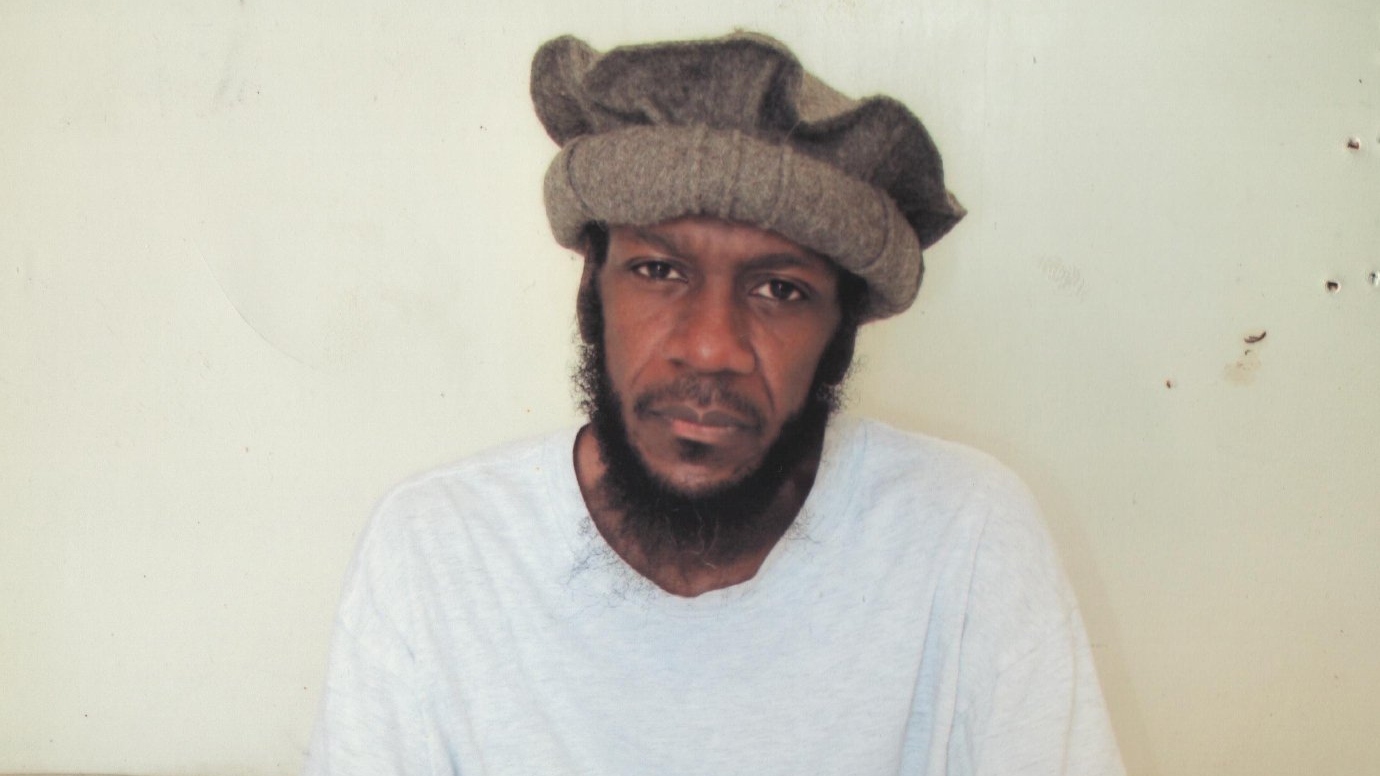
UK judges clarify limits on intelligence agencies’ complicity in foreign torture
In a landmark ruling, senior British judges have delineated the legal boundaries of the UK’s intelligence agencies’ cooperation with foreign partners accused of torture. The Investigatory Powers Tribunal (IPT), led by Lord Justice Singh and Lord Boyd of Duncansby, examined the involvement of MI5, MI6, GCHQ, and the Ministry of Defence in the alleged torture of two men detained by the CIA between 2002 and 2006. The tribunal concluded that while the agencies acted within their legal powers, they must not actively encourage or facilitate torture. The case was brought by Mustafa al-Hawsawi and Abd al-Rahim al-Nashiri, two Saudi nationals detained at Guantanamo Bay, who accused British agencies of complicity in their mistreatment at CIA ‘black sites’ across several countries. The IPT acknowledged the men’s ‘brutal interrogation’ but found no evidence of British agencies exceeding their authority. The ruling clarified that while receiving information obtained through torture is not unlawful, actively participating in such practices is prohibited. The judgment reinforces the UK’s commitment to the prohibition of torture, describing it as a ‘constitutional principle’ of common law. Human rights advocates argue that the ruling exposes a narrow legal distinction that risks moral complicity. However, the government and intelligence agencies view the decision as judicial confirmation of the legality of information sharing with allies, provided British officials do not actively participate in abuse. Both Hawsawi and Nashiri remain imprisoned at Guantanamo Bay, where they face trial before US military commissions. Their treatment has been condemned by international bodies, including the European Court of Human Rights, which found multiple states complicit in their abuse through hosting CIA detention sites.
-
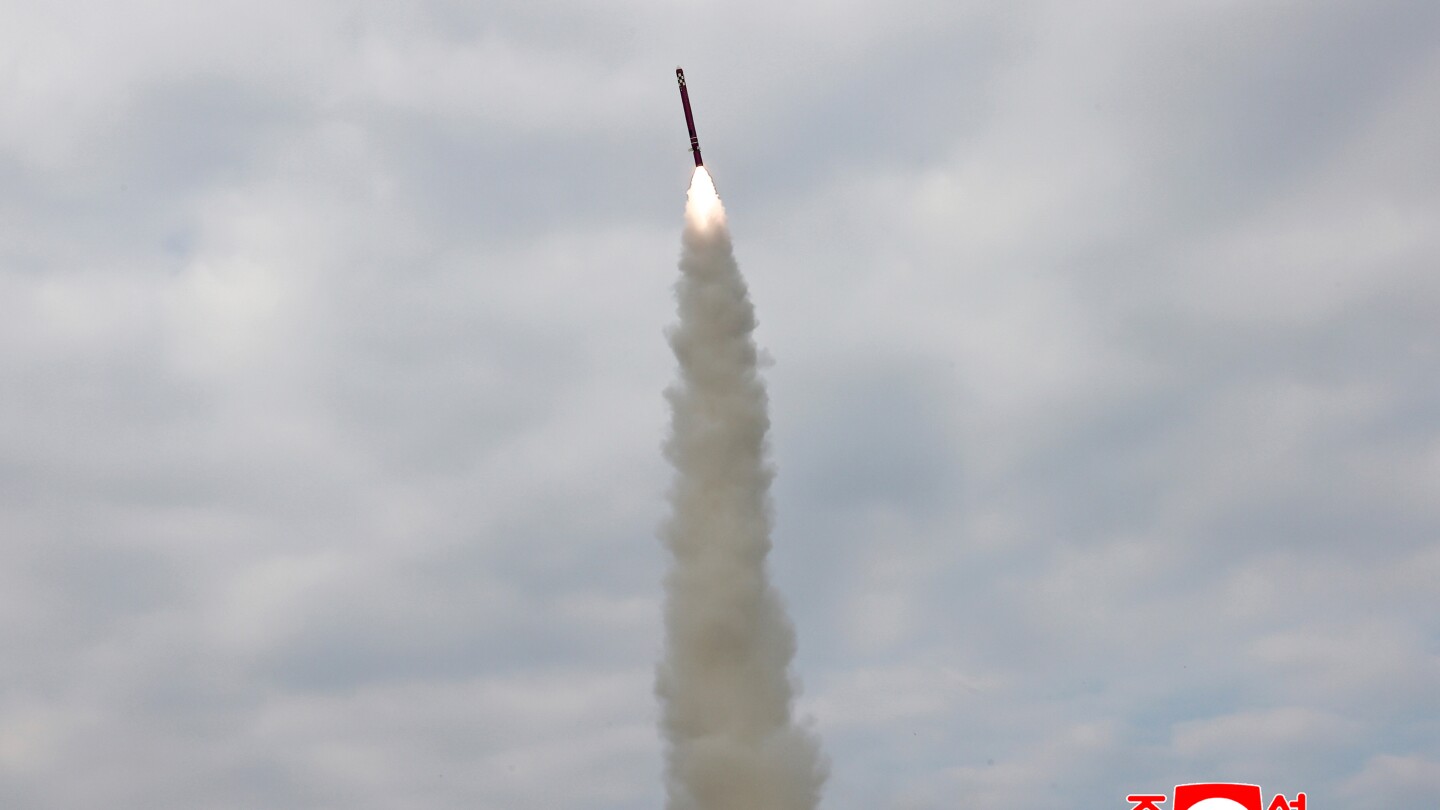
North Korea says it test-fired cruise missiles ahead of Trump’s visit to South Korea
North Korea announced on Wednesday that it had successfully launched sea-to-surface cruise missiles into its western waters, showcasing its advancing military capabilities. The tests, conducted on Tuesday, were reported by the Korean Central News Agency (KCNA) as a significant achievement, with the missiles accurately hitting their targets after flying for over two hours. The agency emphasized that these weapons would enhance the operational range of North Korea’s nuclear-armed forces. The timing of the announcement coincided with U.S. President Donald Trump’s visit to South Korea for the Asia-Pacific Economic Cooperation (APEC) summit in Gyeongju, where he was scheduled to meet with South Korean President Lee Jae Myung. Senior military official Pak Jong Chon oversaw the tests and inspected training exercises aboard North Korea’s newly developed destroyers, Choe Hyon and Kang Kon, which leader Kim Jong Un has identified as critical assets in strengthening the navy. This latest display of military prowess follows North Korea’s recent short-range ballistic missile tests, which included a hypersonic system aimed at bolstering its nuclear deterrent. While Trump has expressed interest in meeting with Kim during his visit, South Korean officials have downplayed the likelihood of such an encounter. North Korea has remained steadfast in its refusal to engage in talks with Washington and Seoul since the collapse of Kim’s nuclear diplomacy with Trump in 2019. Kim has since shifted his foreign policy focus toward Russia, supporting President Vladimir Putin’s efforts in Ukraine and positioning North Korea as part of a united front against the U.S.-led West. Last month, Kim reiterated his stance that he would not return to negotiations unless the United States abandons its demand for North Korea’s denuclearization.
-
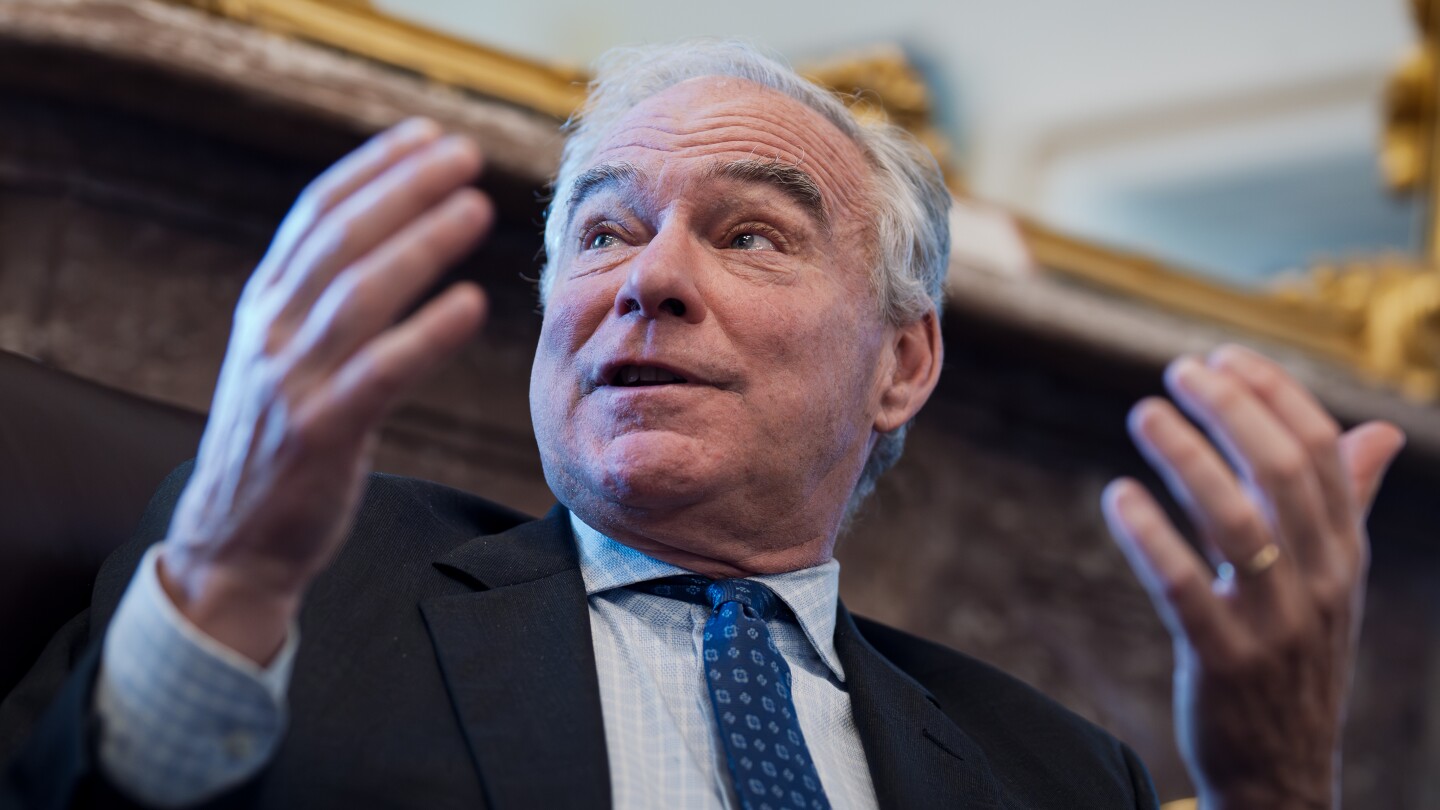
Democrats force a Senate vote to block Trump’s tariffs on Brazil
The U.S. Senate convened on Tuesday evening to vote on legislation aimed at nullifying President Donald Trump’s tariffs on Brazil, targeting key imports such as oil, coffee, and orange juice. The resolution, introduced by Democratic Senator Tim Kaine of Virginia, seeks to terminate the national emergencies declared by Trump to justify these tariffs. Kaine also plans to introduce similar resolutions addressing tariffs on Canada and other nations later this week. Despite the effort, the legislation faces significant hurdles. The Republican-controlled House has implemented rules that could block the resolution from reaching a vote, and Trump is expected to veto it if it passes Congress. Nevertheless, Kaine emphasized that the vote serves as a symbolic pushback against Trump’s trade policies, forcing a Senate discussion on the economic repercussions of tariffs. ‘This is about how much we will let a president get away with,’ Kaine stated, questioning whether his colleagues would challenge Trump’s authority. Trump imposed 50% tariffs on Brazil, citing the country’s policies and the criminal prosecution of former President Jair Bolsonaro. Last year, the U.S. recorded a $6.8 billion trade surplus with Brazil, according to the Census Bureau. Senate Democratic leader Chuck Schumer criticized the tariffs, stating that everyday Americans are paying the price for Trump’s ‘reckless’ trade policies. Republicans, too, have expressed growing discomfort with Trump’s aggressive trade stance, particularly amid economic uncertainty. The Congressional Budget Office recently warned that Trump’s tariff policies could exacerbate joblessness, inflation, and slow economic growth. In April, four Republicans joined Democrats to block tariffs on Canada, though the bill never advanced in the House. Kaine invoked a decades-old law to force the vote, allowing Congress to challenge a president’s emergency powers. Vice President JD Vance urged Republicans to support Trump’s trade negotiations, arguing that tariffs provide leverage for American workers and farmers. Meanwhile, the Supreme Court is set to review a case challenging Trump’s tariff authority, with lower courts already deeming many of his tariffs illegal. Some Republicans, like Senator Kevin Cramer, are awaiting the court’s decision before taking a stance. Others, including Senator Mitch McConnell and Senator Rand Paul, have openly criticized Trump’s use of emergency powers to justify tariffs, calling it an abuse of authority. Kaine also plans to introduce a resolution limiting Trump’s ability to conduct military strikes in Venezuela, aiming to pressure Republicans on contentious issues.
-
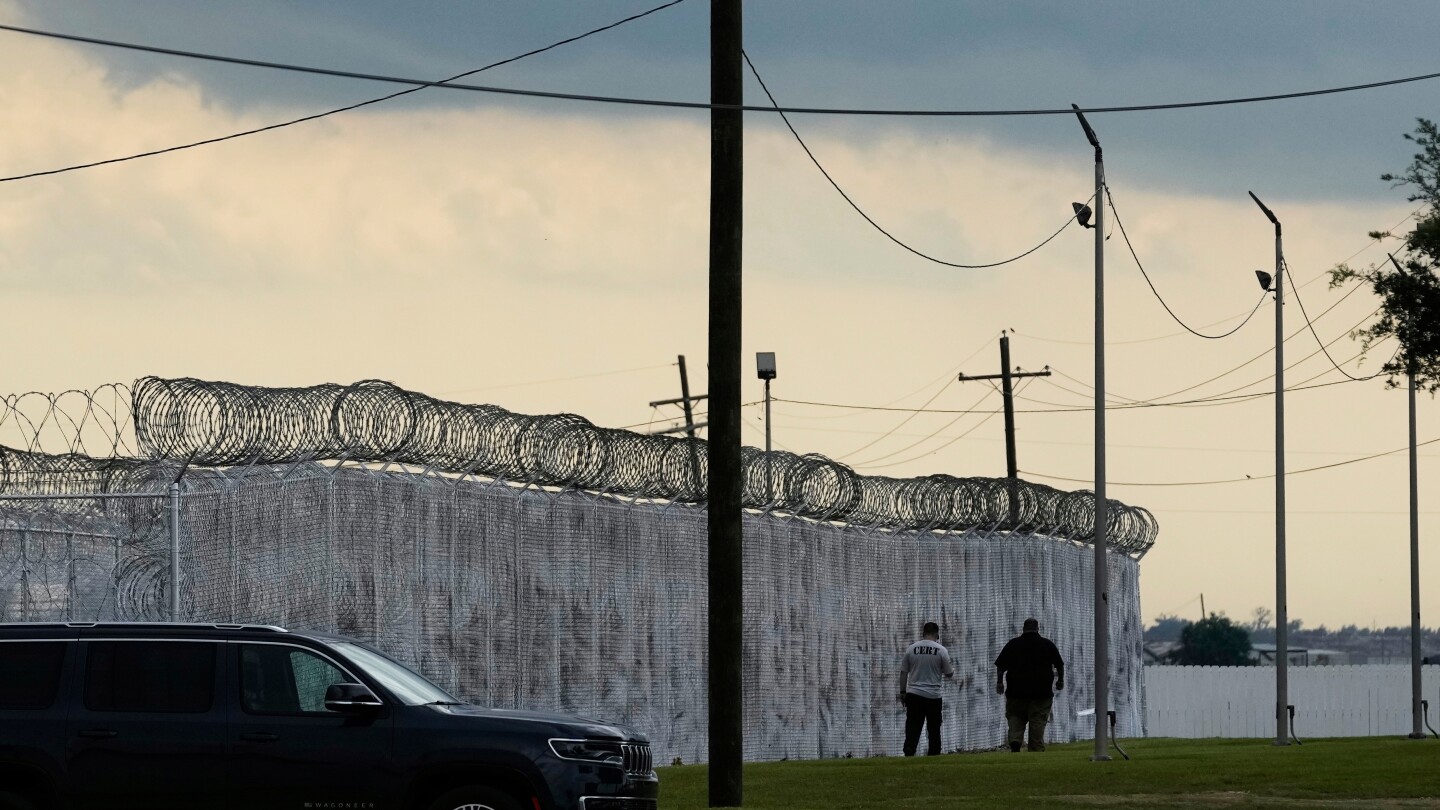
Man deported to Laos despite court ordering blocking his removal, attorneys say
In a controversial move, U.S. Immigration and Customs Enforcement (ICE) deported Chanthila “Shawn” Souvannarath, a 44-year-old Alabama resident, to Laos despite a federal court order halting his removal. Souvannarath, who claims U.S. citizenship, was born in a Thai refugee camp but has lived in the U.S. since infancy, holding lawful permanent resident status. U.S. District Judge Shelly Dick had issued a temporary restraining order last week, citing Souvannarath’s “substantial claim of U.S. citizenship” and the irreparable harm deportation would cause. However, ICE proceeded with the deportation, leaving his family devastated. Souvannarath’s wife, Beatrice, confirmed his arrival in Laos via a WhatsApp message. The ACLU of Louisiana, representing Souvannarath, condemned the action as a blatant violation of the court order, accusing the administration of prioritizing mass deportation over legal and constitutional obligations. This incident underscores ongoing tensions between the Trump administration and the judiciary over immigration enforcement, including previous cases of U.S. citizens being wrongfully deported.
-
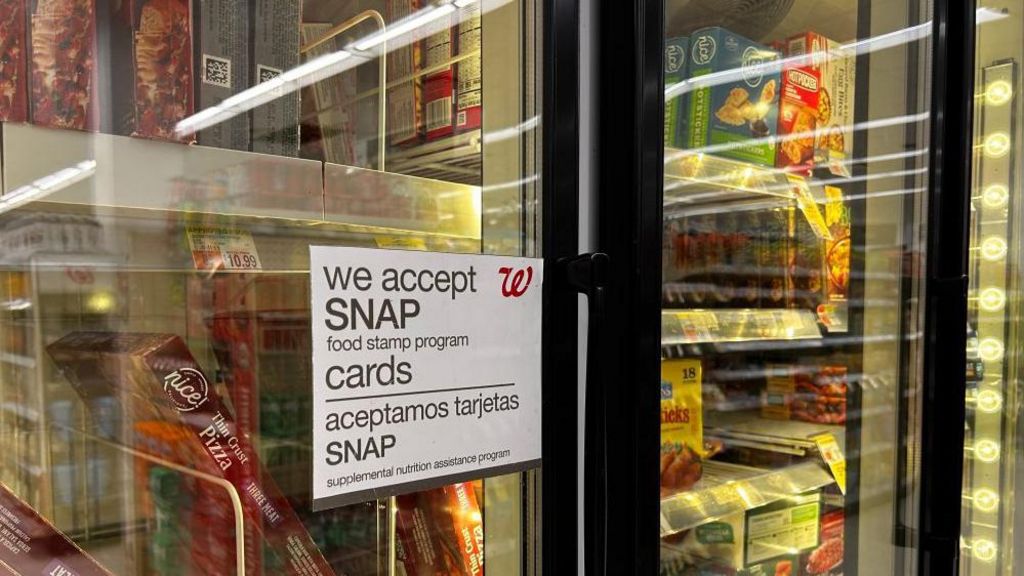
Half of US states sue Trump administration over halting food stamps
A coalition of 25 U.S. states and the District of Columbia has filed a lawsuit against the Trump administration over its decision to halt funding for the Supplemental Nutrition Assistance Program (SNAP), commonly known as food stamps. The program, which supports over 40 million low-income Americans, faces a potential funding crisis as the U.S. Department of Agriculture (USDA) refuses to tap into a $6 billion emergency contingency fund. The USDA argues the reserve may be needed for emergencies like natural disasters, but the lawsuit contends this move is unlawful and would leave millions unable to afford groceries. This marks the first time in SNAP’s history that funds would not be distributed. The lawsuit, led by Democratic attorneys general, warns that cutting SNAP benefits would lead to food insecurity, hunger, and malnutrition, particularly harming children. States involved include California, New York, and Illinois, among others. California Governor Gavin Newsom criticized the decision, calling it ‘cruel’ and accusing President Trump of lacking humanity. The USDA, in response, blamed Democrats for the funding shortfall, urging them to prioritize reopening the government. Even if the contingency fund is used, it would only cover 60% of one month’s benefits, according to the Center on Budget and Policy Priorities. Some states, like Massachusetts, lack the resources to cover the shortfall, while others, including California, are deploying the National Guard to assist with food distribution. The ongoing federal government shutdown, now in its 28th day, has exacerbated the crisis, making it the second-longest in U.S. history.
-
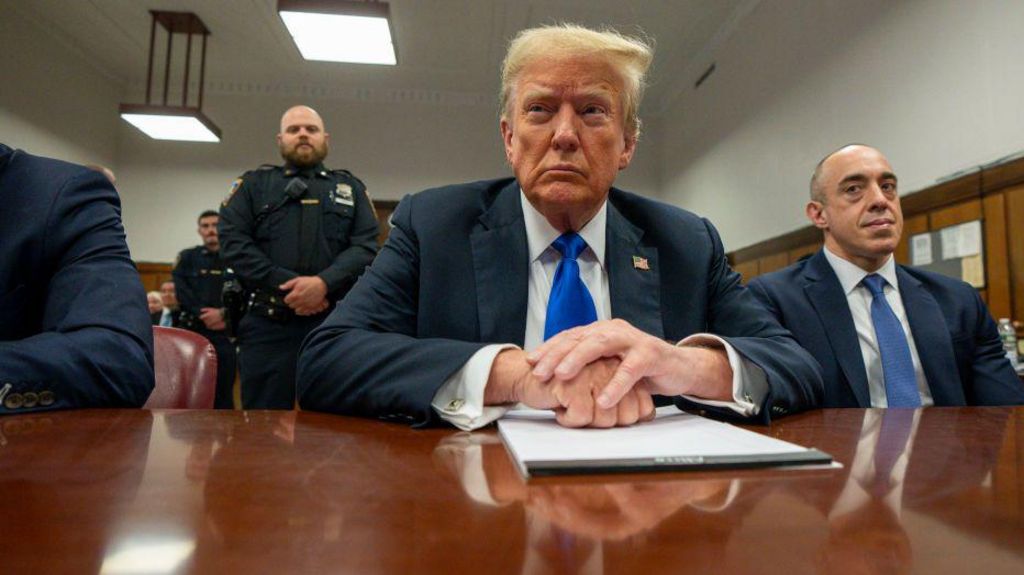
Trump appeals against conviction in hush-money case
Former US President Donald Trump has launched an appeal to overturn his May 2024 criminal conviction in the high-profile hush-money case, asserting that presidential immunity shields him from prosecution. Trump was unanimously found guilty by a New York jury on 34 felony counts of falsifying business records. Despite the conviction, a New York judge granted him an unconditional discharge in December, citing his imminent return to the White House, meaning he faced no jail time or fines. Trump’s legal team has labeled the case as “the most politically charged prosecution in our nation’s history” and argued that it should never have reached the courtroom. The Manhattan District Attorney’s office, which prosecuted Trump, has yet to comment on the appeal. The case stems from allegations that Trump directed his former lawyer, Michael Cohen, to pay $130,000 to adult film star Stormy Daniels to silence her claims of a past sexual encounter before the 2016 election. While the payment itself was not illegal, prosecutors claimed Trump fraudulently recorded reimbursements to Cohen as legal expenses to conceal the transaction’s true purpose. The trial coincided with Trump’s re-election campaign, with prosecutors arguing that the cover-up constituted election interference by withholding critical information from voters. Trump has consistently denied all charges. Following the conviction, the US Supreme Court ruled in June 2024 that presidents enjoy broad immunity from criminal prosecution for “official acts” during their tenure. Trump’s lawyers have since argued that this immunity should apply to the hush-money case and that certain evidence should have been excluded as it pertained to his first presidency. Justice Juan Merchan, who presided over the case, rejected this argument, but Trump’s team has long signaled their intent to appeal. The case will now proceed to the New York Appellate Division, First Department, which previously dismissed a $500 million civil fraud penalty against Trump in a separate case brought by New York Attorney General Letitia James. While the appellate judges upheld the fraud finding, they deemed the financial penalties unjustified.
-
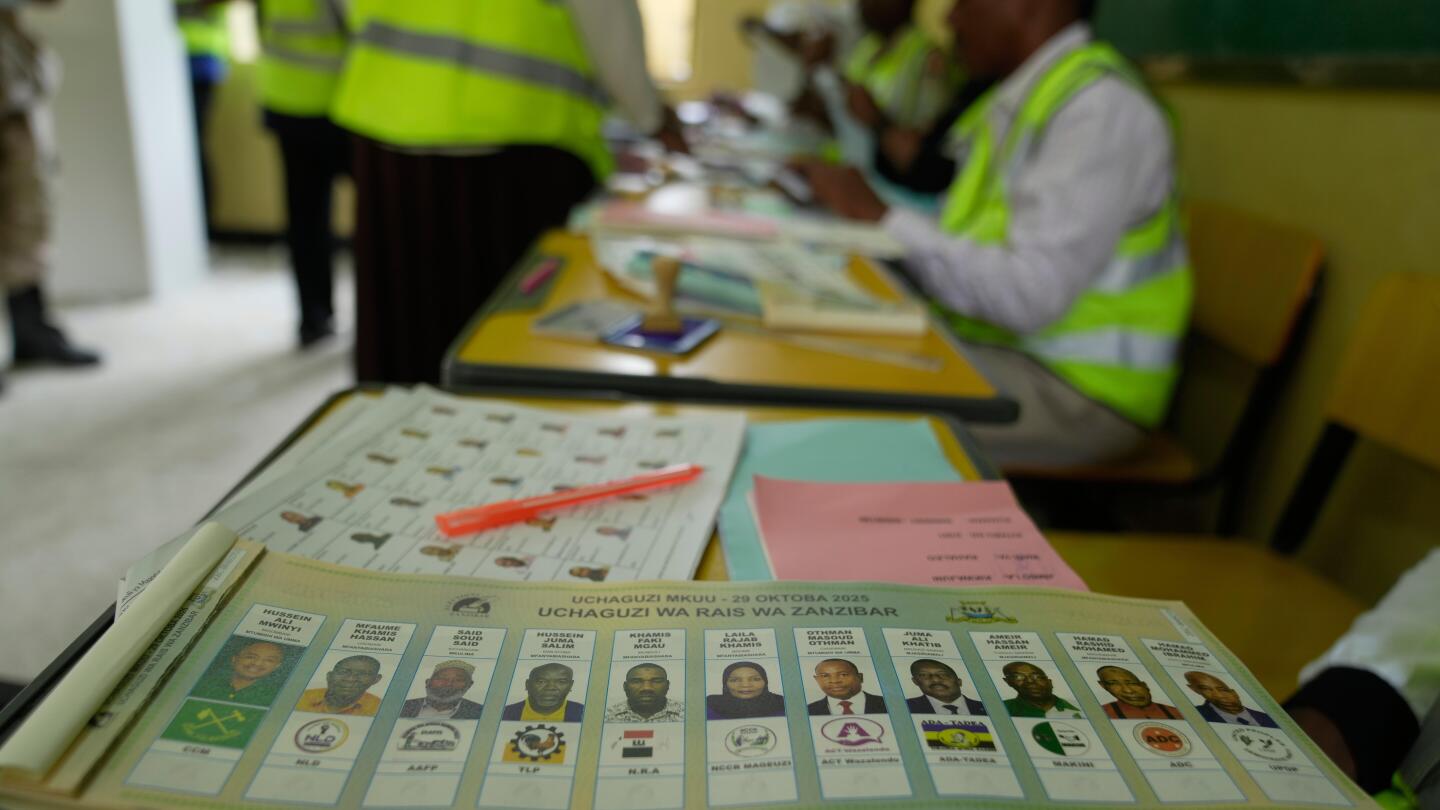
Tanzanians head to polls amid human rights concerns and weakened opposition
Tanzanians are set to cast their votes on Wednesday in a pivotal election that sees incumbent President Samia Suluhu Hassan facing off against candidates from smaller opposition parties. The absence of her primary rivals, barred from participating, has cast a shadow over the electoral process. A victory for Hassan would prolong the dominance of her party, Chama cha Mapinduzi (CCM), which has governed Tanzania since 1961. However, the election is marred by allegations of repression, with Amnesty International highlighting enforced disappearances, arbitrary arrests, and extrajudicial killings as key concerns. These actions, allegedly perpetrated by security forces, have raised questions about the election’s legitimacy. Hassan’s main opponent, Tundu Lissu of the Chadema party, is currently detained on treason charges, while the ACT-Wazalendo party’s presidential candidate was also disqualified. Hassan, seeking her first full term after completing her predecessor’s tenure, has campaigned on a platform of economic expansion in agriculture and livestock, encapsulated in her ‘Four Rs’ vision: reconciliation, reforms, rebuilding, and resilience. Despite a record 37 million registered voters, analysts predict low turnout due to widespread apathy and the perception of a foregone conclusion. The U.S. Senate Foreign Relations Committee has criticized the pre-election environment, warning that it undermines Tanzania’s democratic principles. Amnesty International analyst Roland Ebole noted that while Hassan initially showed promise with progressive measures, her administration has since reverted to repressive tactics. Simon Mkina, a Tanzanian newspaper founder, warned that the election could threaten the nation’s democratic foundations, potentially leading to international condemnation and domestic unrest. Chadema has called for protests on election day, signaling potential upheaval in the aftermath of the vote.
-
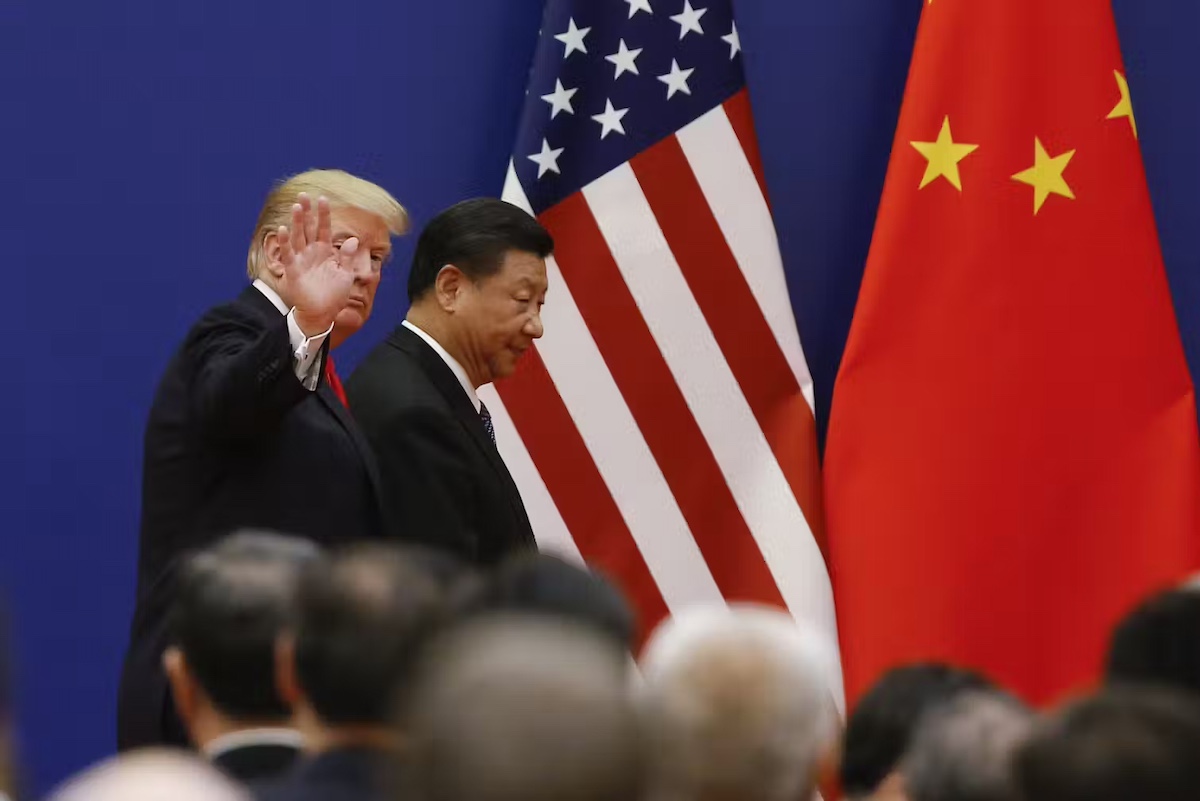
Xi-Trump summit: What’s changed since their last meeting
As Presidents Xi Jinping and Donald Trump prepare for their anticipated meeting on October 30, 2025, the agenda remains strikingly similar to their last encounter in 2019. Trade, Taiwan, and China-Russia relations continue to dominate discussions, with Trump seeking China’s assistance in brokering peace with Russia. However, the geopolitical landscape has evolved significantly since their previous meeting, prompting a closer examination of these critical issues.
**Taiwan: A Shifting US Stance**
One of the most notable changes since 2019 is the softening of the US position on Taiwan. During Trump’s first term, figures like Secretary of State Mike Pompeo advocated a hawkish approach, emphasizing support for Taiwan’s autonomy without endorsing outright independence. However, under the Biden administration, events such as the spy balloon incident and Nancy Pelosi’s controversial visit to Taiwan strained US-China relations, escalating tensions across the Taiwan Strait.
In Trump’s second term, Secretary of State Marco Rubio, traditionally a hardliner on Taiwan, appears to be moderating his stance. This shift is partly attributed to Trump’s potential desire for a compromise with China regarding Taiwan. Earlier this year, the Trump administration denied Taiwan President William Lai Ching-te a stopover in New York and canceled a $400 million arms deal with Taiwan, signaling a possible concession to Beijing.
**Trade: A Complex Tariff Landscape**
The trade dynamics between the US and China have also undergone significant changes. In 2019, the two nations were negotiating a ‘phase one’ trade agreement, which ultimately failed to materialize into a broader deal. The COVID-19 pandemic further disrupted global trade and supply chains, complicating negotiations.
Today, tariffs are universally applied, and Trump’s insistence on their enforcement has weakened his leverage in pressuring China. For instance, the UK, once a key ally in restricting Chinese tech giant Huawei, now faces a 10% tariff from the US, reducing its willingness to align with Trump’s anti-China strategies. Additionally, China’s increasing integration into global supply chains, particularly in sectors like rare earth materials, has made it harder for the US to exert economic pressure.
**China-Russia Relations: A Delicate Balance**
China’s approach to Russia has remained consistent since Trump’s first term, with Beijing prioritizing its economic and strategic interests over US concerns. Despite Russia’s invasions of Crimea in 2014 and Ukraine in 2022, China has maintained a cautious stance, abstaining from UN condemnations and refraining from recognizing Russia’s territorial claims. Beijing views Russia as a vital market for Chinese goods and a source of dual-use technology, benefiting from Russia’s isolation and dependence on Chinese exports.
As the Xi-Trump meeting approaches, these three issues—Taiwan, trade, and China-Russia relations—will undoubtedly shape the discussions. While the core topics remain unchanged, the evolving geopolitical context adds new layers of complexity to the negotiations.
-
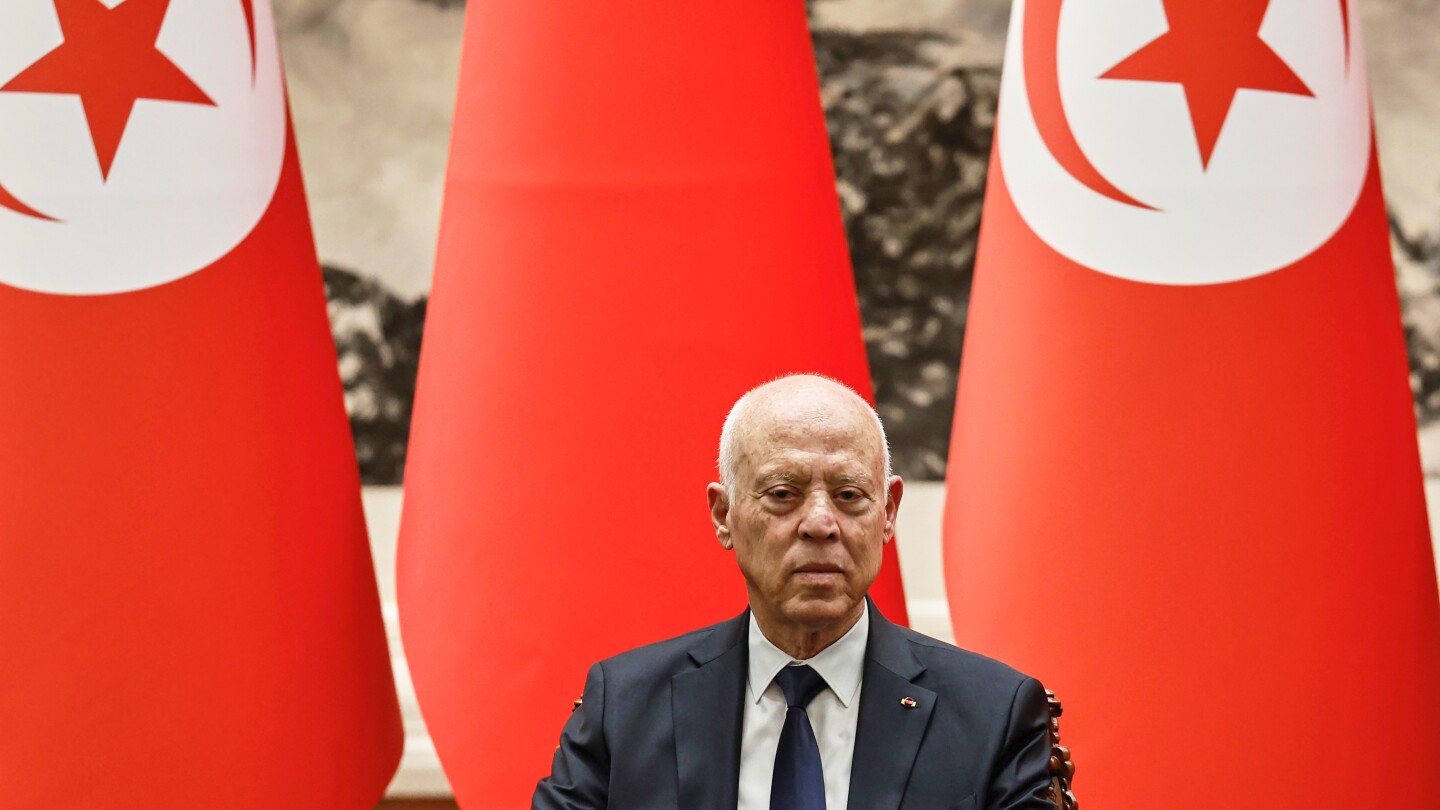
Tunisian court suspends prominent human rights groups as crackdown progresses
In a significant development, a Tunisian court has mandated the suspension of the Tunisian Forum for Economic and Social Rights (FTDES), one of the country’s most prominent human rights organizations, for a period of one month. This decision follows a similar suspension imposed on the Tunisian Association for Democratic Women (ATFD), a leading feminist group, just days prior. The move underscores the escalating pressures faced by civil society organizations under President Kais Saied’s administration, which has been accused of systematically undermining post–Arab Spring democratic freedoms. FTDES spokesperson Romdhan Ben Amor criticized the suspension, describing it as a diversionary tactic to shift focus from pressing national issues, including ongoing environmental protests in Gabes. He further asserted that the organization was targeted for its advocacy on migration and its involvement in high-profile cases related to state security. Ben Amor emphasized FTDES’s commitment to financial transparency and announced plans to appeal the suspension. Critics argue that these measures are part of a broader strategy to stifle the independence of civil society, particularly since Saied’s 2021 consolidation of power. The president has frequently framed foreign funding as a national threat, accusing NGOs of serving foreign interests and destabilizing the country. FTDES is among numerous organizations subjected to rigorous financial and tax audits in recent months, as authorities intensify scrutiny over their operations and funding sources.