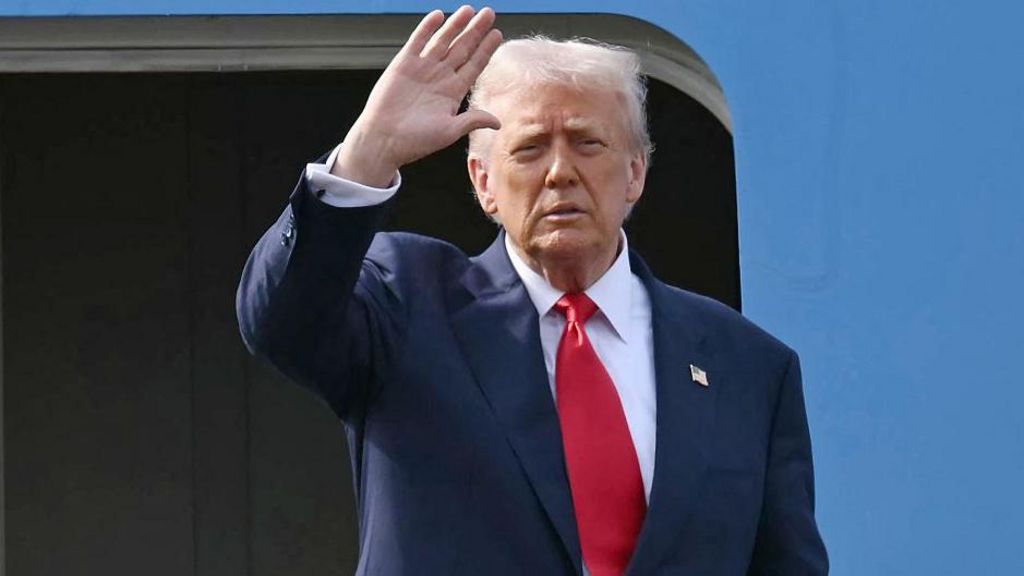
President Donald Trump has intensified his call for Senate Republicans to eliminate the filibuster rule, aiming to resolve the prolonged government shutdown, now in its 30th day. The filibuster, a longstanding Senate procedure, mandates a 60-vote supermajority for most legislative actions. With Republicans holding a 53-47 majority, abolishing the rule would enable them to pass a funding bill without Democratic backing. Trump took to social media, urging his party to deploy the ‘Nuclear Option’ and immediately discard the filibuster. The shutdown, initiated on October 1, has disrupted essential services for millions, with over 40 million low-income households at risk of losing access to the Supplemental Nutrition Assistance Program (SNAP). Federal workers have missed paychecks, and concerns are mounting over potential flight delays as air traffic controllers and airport staff continue working without pay. Senate Majority Leader John Thune has previously opposed altering the filibuster, citing its role as a safeguard for minority rights. Despite Trump’s push, most senators have left Washington for the weekend, with no clear progress toward reopening the government. The ‘nuclear option’ remains uncertain, as many Republicans fear its long-term consequences if Democrats regain control. The shutdown ensued after Democrats rejected a stopgap funding measure unless Republicans extended healthcare subsidies for low-income Americans, a demand Republicans dismissed as unrelated policy leverage.
分类: politics
-
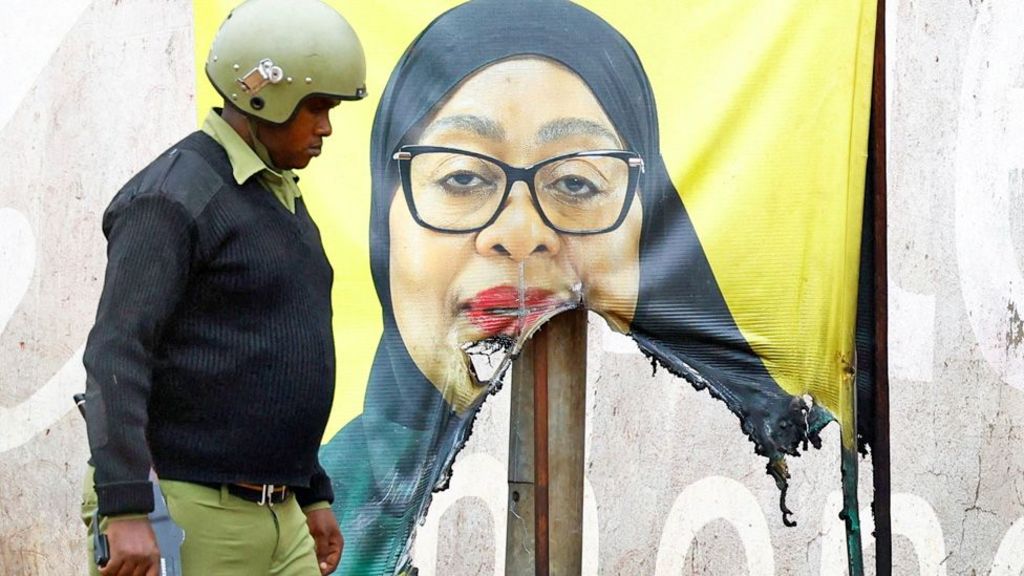
Election protesters defy army chief in third day of Tanzania unrest
Tanzania is witnessing a wave of unrest as protests continue for the third consecutive day, despite stern warnings from the country’s military leadership. Demonstrators, primarily young citizens, have flooded the streets of major cities, decrying the recent presidential election as unfair. The exclusion of key opposition figures from contesting against President Samia Suluhu Hassan has fueled widespread discontent. The government has imposed an internet blackout, making it challenging to verify reports of casualties, while a curfew has been extended to curb the escalating violence. The United Nations has expressed grave concern, urging Tanzanian security forces to avoid excessive force. UN human rights spokesperson Seif Magango cited credible sources indicating at least 10 fatalities. Amnesty International has also raised alarms, though communication disruptions have hindered their ability to confirm these reports. Hospitals are withholding information from journalists and human rights groups, further obscuring the true scale of the crisis. The government has downplayed the violence, emphasizing its control over the situation. Meanwhile, the electoral commission has announced results from over half of the country’s 100 constituencies, with President Samia, representing the long-ruling Chama Cha Mapinduzi (CCM) party, expected to secure victory. The CCM has governed Tanzania since its independence in 1961. On the semi-autonomous archipelago of Zanzibar, incumbent President Hussein Mwinyi of the CCM has reportedly won nearly 80% of the vote, though opposition leaders have alleged massive fraud. The protests have disrupted daily life, with tourists stranded at airports due to flight delays. Critics accuse the government of undermining democracy, citing the imprisonment of main opposition leader Tundu Lissu on treason charges and the disqualification of another prominent contender, Luhaga Mpina, on legal technicalities. Samia, Tanzania’s first female president, assumed office in 2021 following the death of her predecessor, John Magufuli. While initially praised for easing political repression, her administration has faced growing criticism for narrowing the political space and targeting critics through arrests and abductions. The situation remains tense as the nation awaits official election results, expected on Saturday.
-
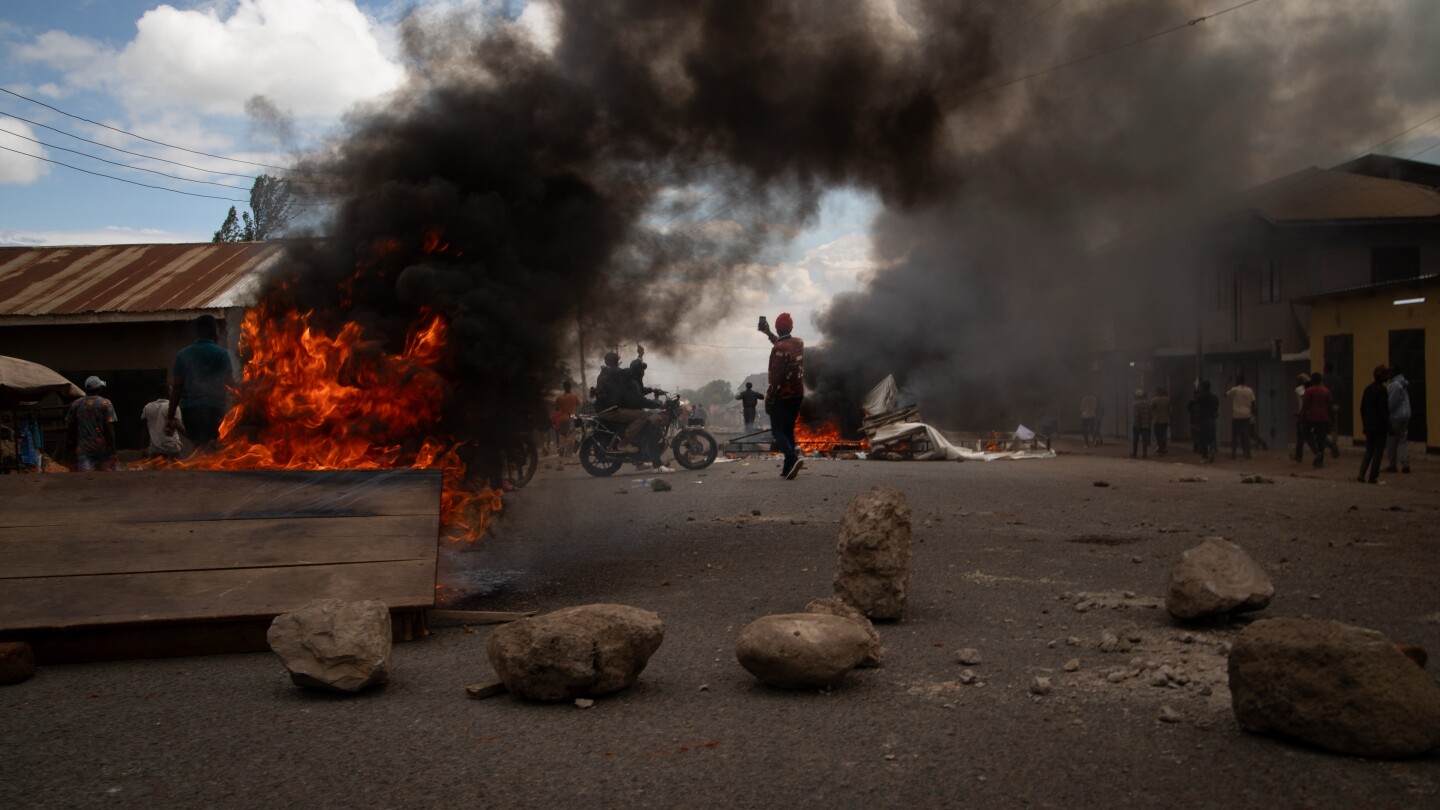
What to know about a disputed election in Tanzania, where single-party rule is being challenged
KAMPALA, Uganda — Tanzania is experiencing widespread protests as electoral authorities tally votes in a highly contested presidential election. Rights groups, opposition leaders, and observers have criticized the election, citing a climate of fear and suppression in the lead-up to the vote. Since Wednesday’s election, the military has been deployed alongside police to quell riots in major cities, a rare sight in a country known for its peaceful reputation and popular tourist destinations like pristine beaches and safari parks. The unrest stems from President Samia Suluhu Hassan’s bid for a second term, which critics describe as a ‘coronation’ rather than a fair contest. Hassan, Tanzania’s first female president, faced minimal opposition after her two main rivals were barred from running. Her administration has been accused of authoritarian tactics, including silencing dissent through arrests, intimidation, and internet restrictions. Opposition leader Tundu Lissu of the Chadema party has been jailed for months on treason charges, while ACT-Wazalendo’s Luhaga Mpina was disqualified from the race. The ruling Chama cha Mapinduzi (CCM) party, which has held power since Tanzania’s independence in 1961, is accused of using administrative, legal, and extra-legal means to maintain its dominance. Reports of enforced disappearances, arbitrary arrests, and extrajudicial killings have further fueled public outrage. Internet access has been intermittently shut down since the election, raising concerns about transparency. Tanzania’s political landscape contrasts sharply with neighboring countries like Uganda, Kenya, Mozambique, and Madagascar, where youth-led movements and opposition figures have challenged long-standing regimes. Despite regional trends, Tanzania remains an outlier, with CCM deeply entrenched in the state apparatus. Hassan’s rise to power followed the sudden death of her predecessor, John Pombe Magufuli, in 2021, maintaining CCM’s reputation for orderly transitions. However, her administration’s crackdown on dissent has drawn international criticism, with organizations like Amnesty International and the International Crisis Group highlighting the erosion of democratic freedoms. As Tanzania awaits official election results, the nation’s political stability hangs in the balance, with opposition leaders vowing to challenge CCM’s grip on power.
-
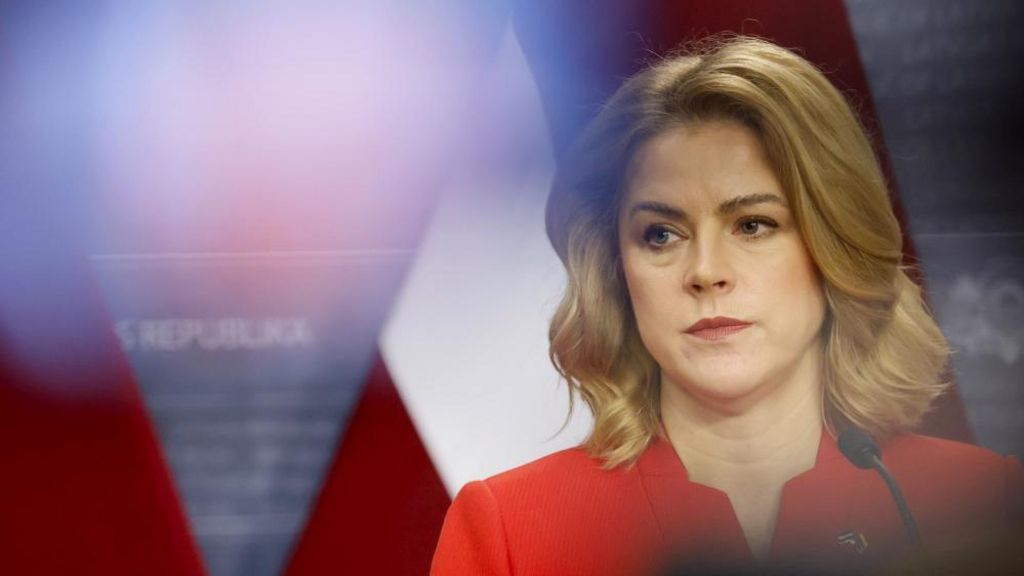
Latvian MPs vote to pull out of treaty on protecting women from violence
In a controversial decision, Latvian lawmakers have voted to withdraw from the Istanbul Convention, an international treaty aimed at combating violence against women, including domestic abuse. The vote, which followed a 13-hour parliamentary debate, saw 56 MPs in favor and 32 against. This move, sponsored by opposition parties and supported by the Union of Greens and Farmers—a coalition partner—has drawn widespread criticism both domestically and internationally. Latvia becomes the first EU country to take steps toward exiting the treaty, which it ratified only last year. The decision has been met with protests in Riga, where thousands gathered to voice their opposition. Prime Minister Evika Silina, who addressed the protesters earlier this week, called the vote a setback, vowing to continue the fight against violence. The treaty, adopted in 2011, requires governments to enact laws and provide support services to eradicate gender-based violence. Critics, particularly ultra-conservative groups, argue that the convention’s focus on gender equality undermines traditional family values and promotes ‘gender ideology.’ Latvia’s ombudswoman, Karina Palkova, and women’s rights organizations have urged against politicizing the treaty, emphasizing its role in safeguarding women’s rights. The vote has prompted a petition signed by 22,000 Latvians, urging the government to reconsider. President Edgars Rinkevics now holds the final decision, stating he will evaluate the matter based on constitutional and legal considerations, rather than ideological or political ones. The withdrawal has been condemned by international bodies, including the Council of Europe, which described it as a ‘deeply worrying step backwards’ for women’s rights.
-
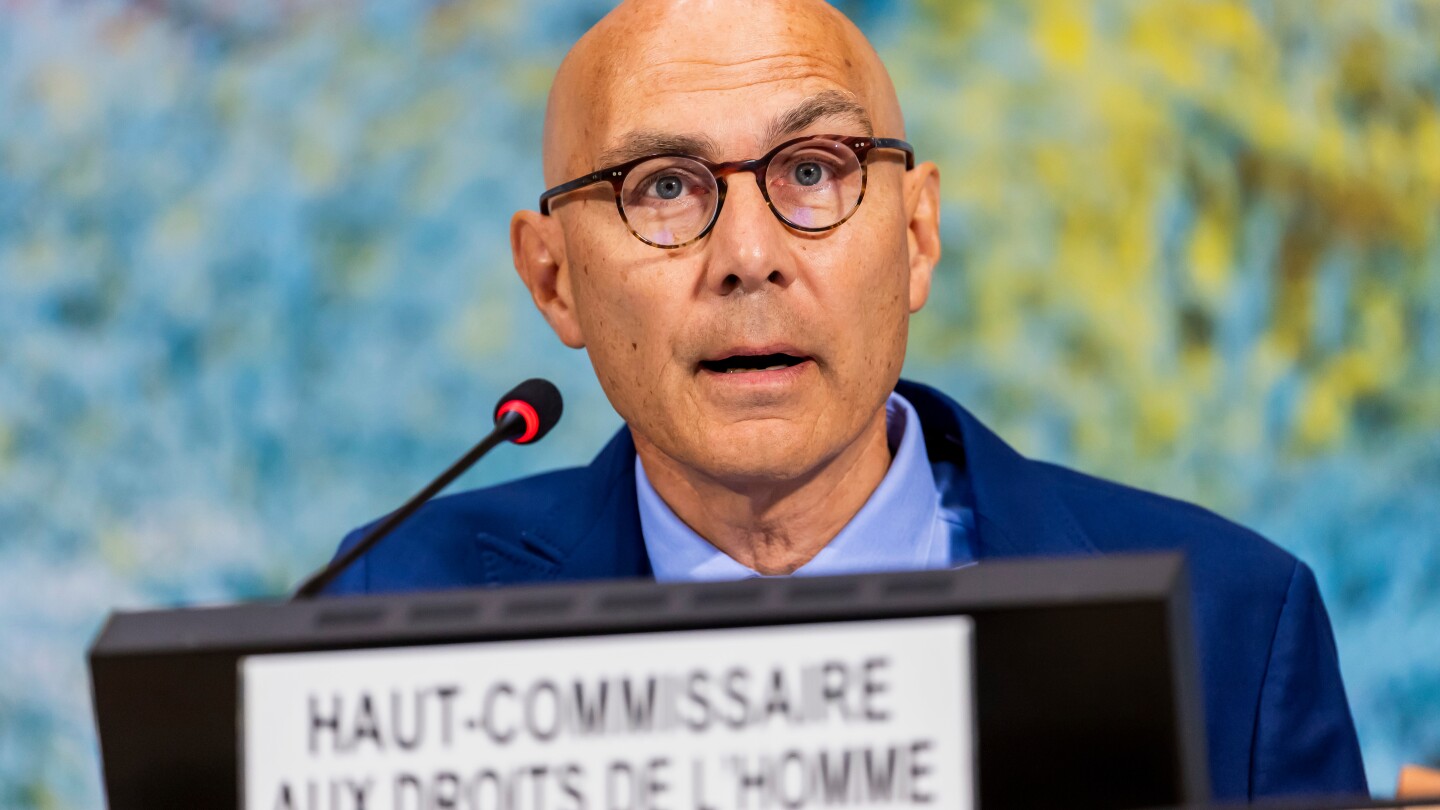
UN human rights chief says US strikes on alleged drug boats are ‘unacceptable’
In a significant development, the United Nations has issued a stern condemnation of U.S. military strikes targeting boats suspected of transporting illegal drugs in the Caribbean Sea and eastern Pacific Ocean. Volker Türk, the U.N. High Commissioner for Human Rights, labeled these actions as “unacceptable” and called for an immediate cessation of the strikes. Speaking through his spokeswoman, Ravina Shamdasani, Türk emphasized the need for a thorough investigation into the operations, marking the first such rebuke from a U.N. body. Shamdasani stated that the attacks, which have resulted in a rising human toll, violate international human rights law and constitute extrajudicial killings. The U.S. has justified the strikes as part of a broader campaign to combat drug trafficking, a stance that has sparked controversy among regional nations. Since the campaign’s inception in early September, 14 strikes have been carried out, resulting in at least 61 fatalities. Shamdasani underscored that the fight against drug trafficking is a law enforcement issue, governed by strict limits on the use of lethal force, which is permissible only as a last resort against an imminent threat to life. She argued that the strikes, conducted outside the context of armed conflict, amount to violations of the right to life.
-
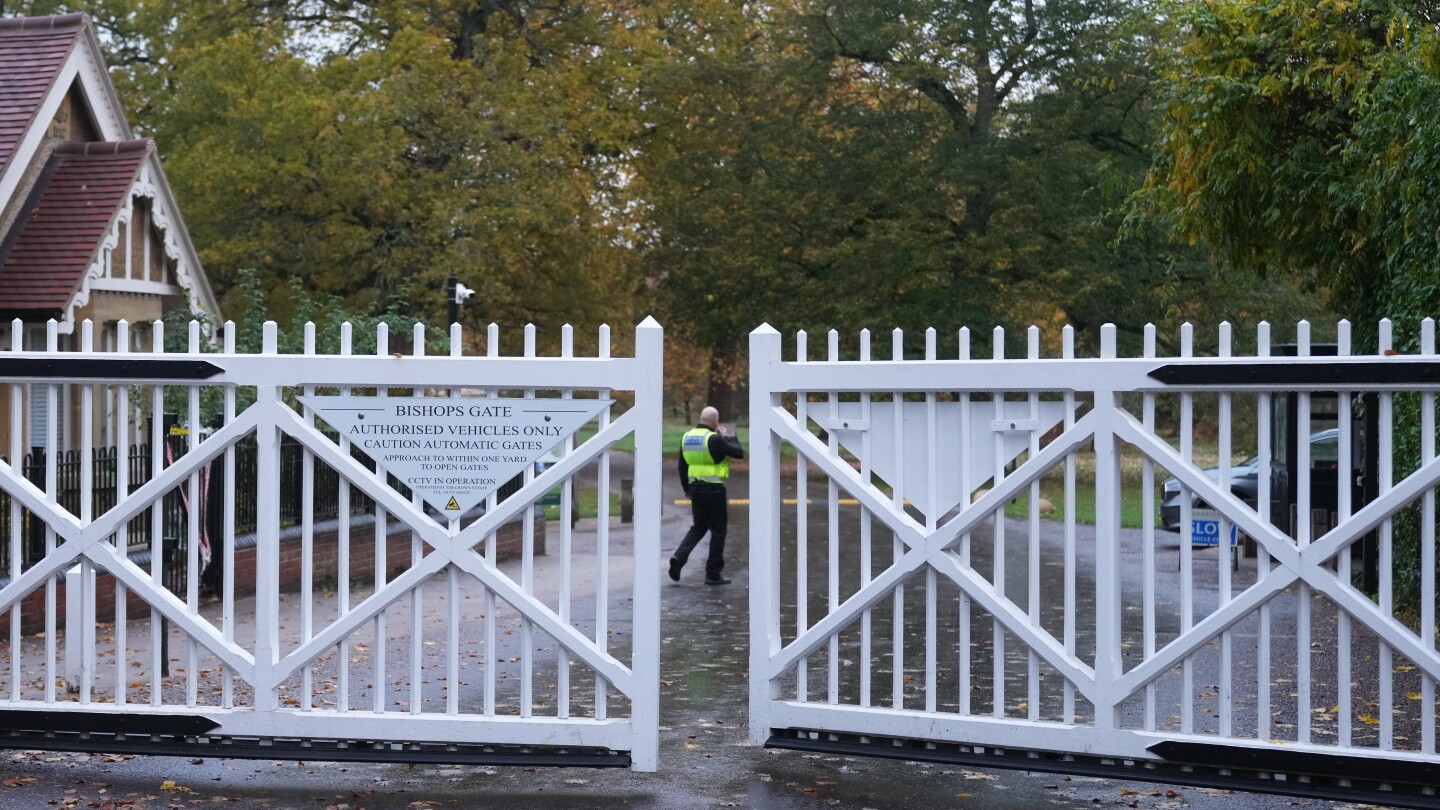
Giuffre family welcomes Andrew’s fall from royal status but says he faces more questions
In a historic move, King Charles III has stripped his brother, Prince Andrew, of his princely title and residence, signaling a decisive step to protect the monarchy from the escalating scandal surrounding Andrew’s ties to convicted sex offender Jeffrey Epstein. The decision, announced on Friday, marks the first time in over a century that a British prince has been stripped of his title, underscoring the gravity of the situation. Andrew, now to be known as Andrew Mountbatten Windsor, will vacate the 30-room Royal Lodge near Windsor Castle and relocate to a more secluded property on the Sandringham Estate, funded by the king. The move comes as pressure mounts on Andrew to address questions from both British politicians and U.S. authorities regarding his finances and his relationship with Epstein. Virginia Roberts Giuffre’s family, who accused Andrew of sexual abuse, praised the king’s decision, calling it a victory for justice. Giuffre, who died by suicide in April, alleged she was exploited by Andrew and other powerful men as part of Epstein’s sex-trafficking ring. Despite Andrew’s repeated denials, the palace emphasized that the censures were necessary to uphold the monarchy’s integrity and expressed sympathy for victims of abuse. The British government welcomed the decision, with trade minister Chris Bryant stating that it reflects the public’s sentiment. Andrew’s removal of his Duke of York title earlier this month and the subsequent stripping of his princely status mark a dramatic fall from grace for the disgraced royal, who continues to face legal and public scrutiny.
-
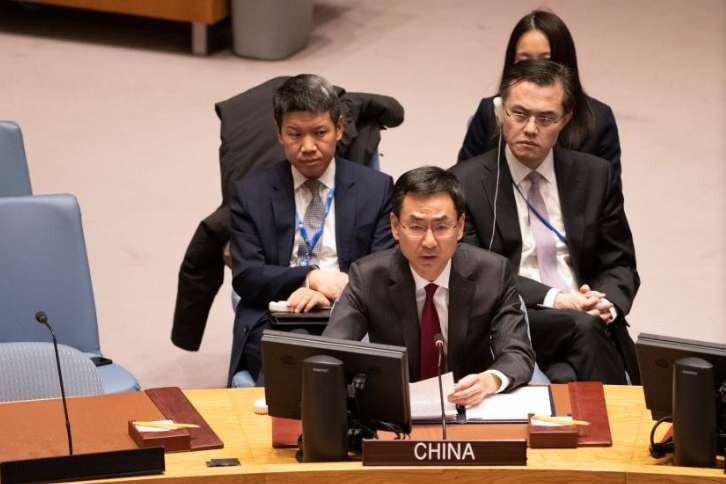
More states welcomed to mediation group
During International Law Week at the United Nations headquarters in New York, a side event was held to introduce the newly established International Organization for Mediation (IOMed). Geng Shuang, China’s deputy permanent representative to the UN, emphasized the importance of raising awareness about the organization and encouraging broader participation among member states. Initiated three years ago by China and like-minded countries, the IOMed aims to promote the peaceful resolution of international disputes and foster global cooperation. The Convention on the Establishment of the IOMed was signed in May, entered into force in August, and began operations in Hong Kong in October. As the initiator and host country, China co-hosted the event to present the IOMed as a new intergovernmental legal organization. Geng highlighted that the IOMed aligns with the UN Charter’s principles and China’s Global Governance Initiative, offering a complementary mechanism to existing dispute resolution methods. The organization focuses on autonomy, flexibility, and efficiency in mediation, aiming to support developing countries through capacity-building initiatives. Sun Jin, deputy secretary-general of the IOMed, described the organization as an ‘open, inclusive, affordable, and efficient’ platform designed to enhance global mediation efforts. Representatives from Pakistan and Nicaragua praised the IOMed for its principled and impartial approach to resolving disputes, emphasizing its potential to strengthen international law and global economic governance.
-
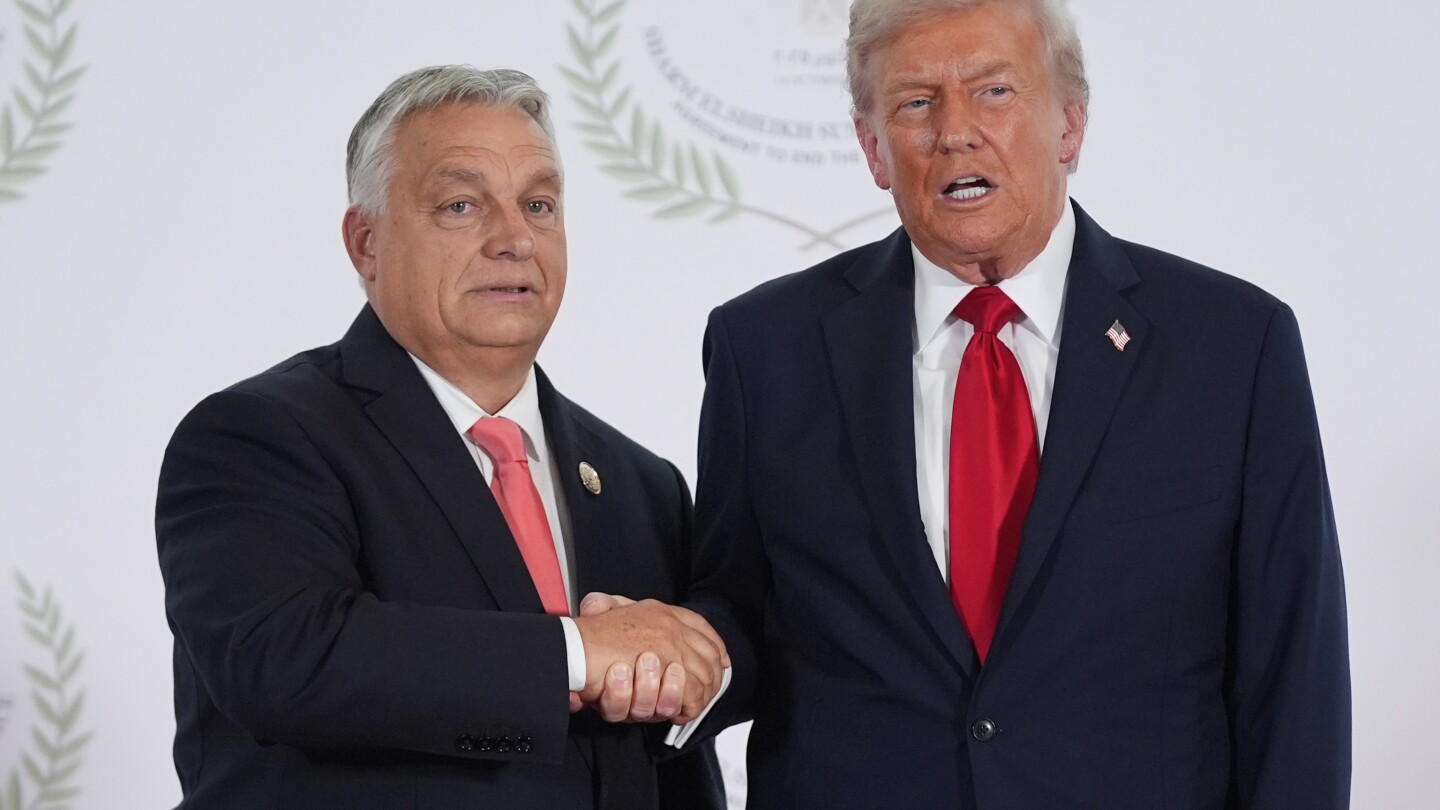
Orbán to press Trump for Hungary’s exemption from new US sanctions on Russian oil
Hungarian Prime Minister Viktor Orbán announced on Friday his intention to lobby U.S. President Donald Trump for exemptions from Washington’s newly imposed sanctions targeting Russian oil during their upcoming meeting next week. The Trump administration recently introduced sanctions against major Russian state-affiliated oil companies, Rosneft and Lukoil, potentially affecting foreign buyers, including those in India, China, and Central Europe, with secondary sanctions. While most European Union nations have significantly reduced or ceased imports of Russian fossil fuels following Moscow’s full-scale invasion of Ukraine in February 2022, Hungary and Slovakia have continued pipeline deliveries, with Hungary even increasing its reliance on Russian oil. Orbán, a staunch Trump ally, is set to visit Washington for his first bilateral meeting with the president since Trump’s return to office in January. The Hungarian leader has consistently argued that landlocked Hungary lacks viable alternatives to Russian crude and that replacing these supplies could precipitate an economic collapse, a claim contested by critics. Orbán emphasized the need for the U.S. to understand Hungary’s unique situation to secure exemptions from the sanctions. Widely regarded as Russian President Vladimir Putin’s closest ally in the EU, Orbán has maintained warm relations with the Kremlin despite the ongoing conflict and has adopted a confrontational stance toward Ukraine, portraying it as a significant threat to Hungary’s security and economy. Orbán also stated that both the U.S. administration and Moscow are seeking an end to the war, but Ukraine and the EU remain the primary obstacles to peace. A planned meeting between Trump and Putin in Budapest was recently canceled after Russian officials opposed an immediate ceasefire. Orbán will be accompanied by a large delegation of ministers, economic officials, and security advisers to Washington, aiming for a comprehensive review of U.S.-Hungarian relations and the finalization of an economic cooperation package, including new American investments in Hungary. However, Orbán stressed that any deal hinges on securing Hungary’s continued access to Russian energy.
-
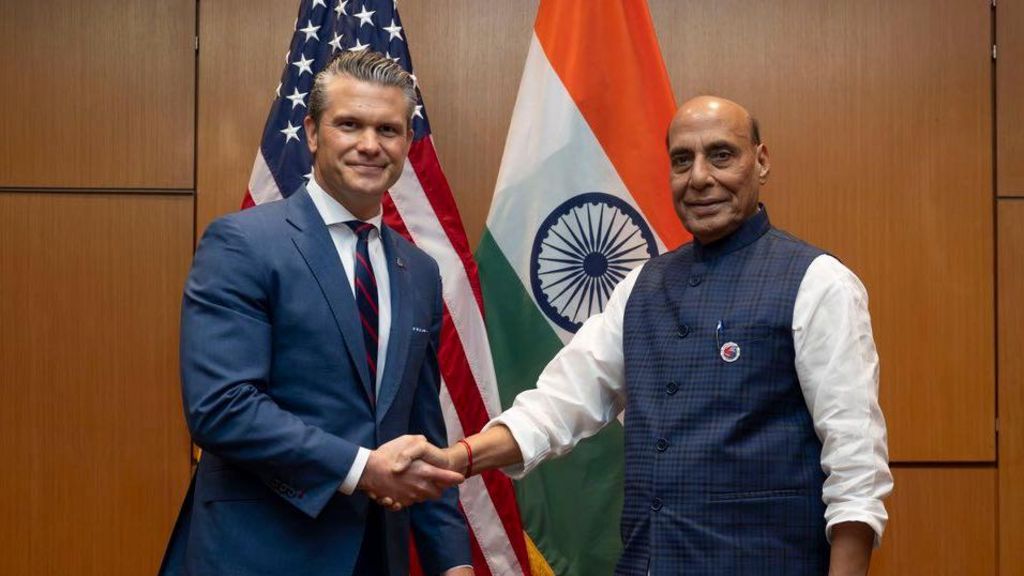
India-US sign 10-year defence pact amid tariff turmoil
India and the United States have inked a pivotal 10-year framework agreement to bolster defense cooperation, marking a significant step in their strategic partnership. The agreement was formalized following a high-level meeting between US Defense Secretary Pete Hegseth and Indian Defense Minister Rajnath Singh in Kuala Lumpur. The pact aims to enhance coordination, information sharing, and technological collaboration, while also advancing regional stability and deterrence, as highlighted by Hegseth in a post on X (formerly Twitter).
This development comes at a critical juncture, as the two nations navigate strained relations exacerbated by former US President Donald Trump’s imposition of 50% tariffs on Indian goods, including a 25% penalty for India’s purchases of Russian oil and arms. The agreement is expected to provide a comprehensive policy framework for the India-US defense relationship, signaling a growing strategic alignment.
Rajnath Singh emphasized the importance of the pact in a post on X, stating, ‘This agreement underscores our deepening strategic convergence and heralds a new decade of partnership. Defense will remain a cornerstone of our bilateral relations, crucial for ensuring a free, open, and rules-based Indo-Pacific region.’
According to Pramit Pal Chaudhuri of the Eurasia Group, the agreement was initially slated for completion in July-August but faced delays due to India’s displeasure over Trump’s comments regarding his role in resolving the conflict with Pakistan. Chaudhuri noted that the pact builds on previous agreements, facilitating greater interoperability between the two militaries, enhanced technology access for India, and closer collaboration between their defense sectors.
Despite India’s historical reliance on Russian arms, its defense imports from Russia have been declining as New Delhi seeks to diversify its sources and bolster domestic production. Recent months have seen India signal its willingness to increase energy and defense purchases from the US, potentially easing trade tensions.
The two nations are currently engaged in high-stakes trade negotiations, aiming to finalize a long-awaited deal by November. This defense pact underscores the evolving dynamics of the India-US relationship, with defense cooperation emerging as a key pillar of their strategic partnership.
-
Russia’s new nuclear weapons – real threat or Putin bluster?
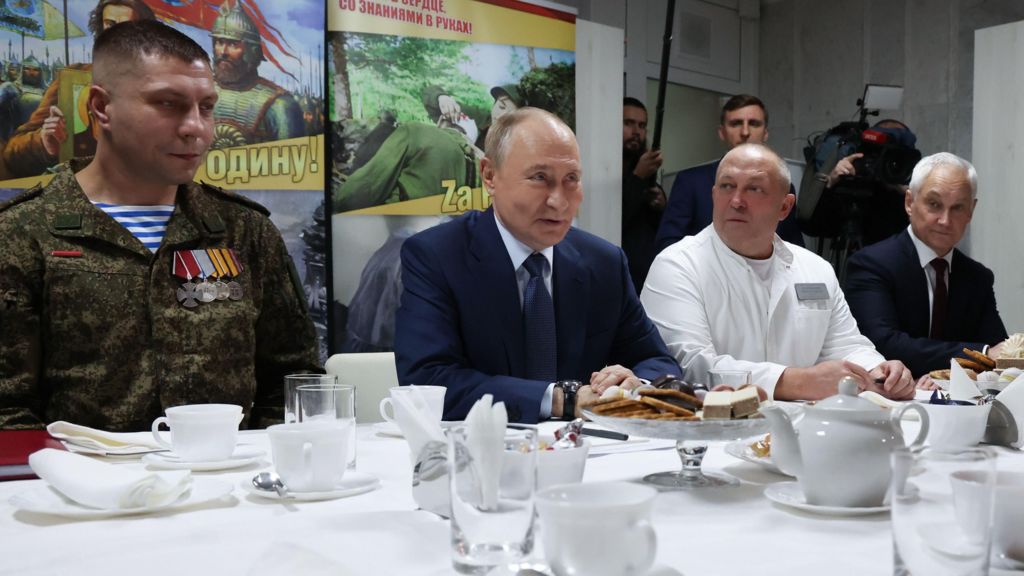
Russian President Vladimir Putin made headlines this week by unveiling two advanced nuclear weapons during a meeting with Ukraine war veterans. The Poseidon, a nuclear-powered underwater drone, and the Burevestnik, an ‘unlimited-range’ nuclear-powered cruise missile, were both described by Putin as unparalleled in the world. The Poseidon, first revealed in 2018, is said to travel at speeds of 200 km/h with an unpredictable route, making it nearly impossible to intercept. The Burevestnik, meanwhile, is so new that its classification remains unclear, according to Putin. These announcements come amidst a backdrop of stalled diplomatic efforts between the US and Russia. President Donald Trump, who had previously attempted to broker peace between Russia and Ukraine, recently canceled a summit with Putin and imposed sanctions on Russian oil producers. Analysts suggest that Putin’s weapon showcases are less about military utility and more about projecting strength and capturing Trump’s attention. Mark Galeotti, a Russia expert, noted that these ‘Armageddon weapons’ are too destructive for practical use and are likely intended to reinforce Russia’s image as a formidable power. The timing of these announcements coincides with Russia’s struggles in the Ukraine conflict, where its conventional forces have faced significant challenges. David Heathcote of McKenzie Intelligence Services argued that the weapon tests reflect Russia’s conventional military weaknesses. Meanwhile, Trump’s decision to resume US nuclear testing after a 33-year hiatus appears to be a direct response to Russia’s actions. The Kremlin, however, dismissed the notion that its tests were provocative, with Putin’s spokesman Dmitry Peskov stating they were not nuclear tests. As tensions simmer, the global community watches closely, wary of the implications of this renewed nuclear posturing.