分类: politics

  • US embassy in Israel will provide consular services to settlers in occupied West Bank

    US embassy in Israel will provide consular services to settlers in occupied West Bank

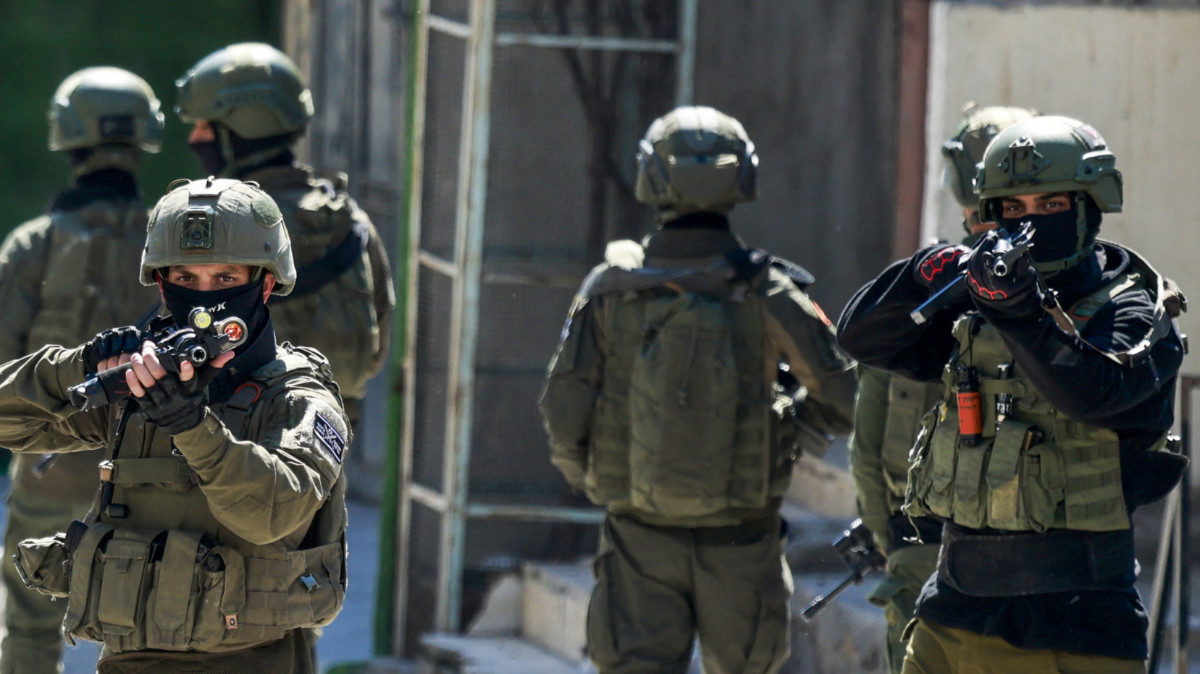
    In a significant policy development, the US State Department has announced it will begin providing on-site consular services to Israeli settlers residing in West Bank settlements for the first time. The US Embassy in Jerusalem confirmed that consular officers would offer routine passport services in Efrat, an Israeli settlement south of Bethlehem in the occupied West Bank, on February 27.

    The embassy further revealed plans to expand these services to additional Israeli cities, the West Bank city of Ramallah, and the settlement of Beitar Illit near Bethlehem. This move represents a notable departure from previous US diplomatic practice, marking the first public offering of consular services directly to settlers in territory considered illegal under international law.

    The announcement follows controversial remarks by US Ambassador to Israel Mike Huckabee during an interview with Tucker Carlson. Ambassador Huckabee stated he would be “fine” with Israeli control extending across much of the Middle East, including Syria, Jordan, Saudi Arabia, Iraq, and Egypt. More significantly, he asserted that Area C of the occupied West Bank constitutes part of Israel, directly contradicting longstanding US policy that recognizes no Israeli sovereignty over these territories.

    This diplomatic shift coincides with increased Israeli efforts to consolidate control over the West Bank. The Israeli government recently approved plans to extend its civilian authority into Areas A and B, directly challenging Palestinian Authority control established under the Oslo Accords. These agreements originally designated Area A under full PA control, Area B under shared control, and Area C under Israeli military occupation pending final status negotiations.

    Approximately 400,000 Israeli settlers currently reside in Area C, which comprises about 60% of the West Bank, enjoying services and political representation denied to Palestinians. Analysts view the US consular services expansion as potentially signaling acceptance of de facto Israeli annexation, despite official US statements supporting a two-state solution and refusing recognition of Palestinian statehood absent a final agreement.

  • Rubio flies into the Caribbean for talks with leaders unsettled by Trump policies

    Rubio flies into the Caribbean for talks with leaders unsettled by Trump policies

    U.S. Secretary of State Marco Rubio arrived in St. Kitts and Nevis on Wednesday for high-stakes discussions with Caribbean Community (CARICOM) leaders, marking a pivotal moment in regional diplomacy. The visit follows a series of aggressive Trump administration policies that have created widespread uncertainty among Caribbean nations.

    The diplomatic mission comes precisely one month after President Trump ordered the military capture of Venezuela’s former leader Nicolás Maduro, whom Trump hailed during his State of the Union address as “an absolutely colossal victory for United States security.” This operation forms part of a broader strategy that includes intensified anti-narcotics operations, increased pressure on Cuba, and a renewed assertion of the Monroe Doctrine principles to ensure Western Hemisphere dominance.

    Caribbean leaders expressed deep concerns about shifting U.S. policies during the CARICOM summit opening. Terrance Drew, Prime Minister of St. Kitts and Nevis and current CARICOM chair, noted that the region “stands at a decisive hour” amid global order transformations, uncertain supply chains, and intensifying climate shocks.

    The administration’s demands for accepting third-country deportees, rejecting Cuban medical missions, and cooling relations with China have particularly troubled regional partners. Godwin Friday, newly elected Prime Minister of St. Vincent and the Grenadines, echoed European leaders’ apprehensions, stating that international rules “have changed in troubling ways.”

    Jamaican Prime Minister Andrew Holness emphasized the Cuba situation’s regional implications, warning that “a prolonged crisis in Cuba will not remain confined to Cuba” but would affect migration, security, and economic stability throughout the Caribbean basin. While affirming Jamaica’s support for democracy, Holness advocated for “constructive dialogue between Cuba and the U.S. aimed at de-escalation, reform and stability.”

    The U.S. State Department indicated Rubio would discuss regional security, stability, and economic growth in both group and bilateral meetings. Meanwhile, Caribbean leaders planned to address additional concerns including security, climate financing, reparations, and single market economy development.

    Background operations include U.S. drug interdiction efforts that have resulted in 151 fatalities since September, though evidence of drug smuggling remains undisclosed. Trinidad and Tobago’s Prime Minister Kamla Persad-Bissessar notably praised these operations, thanking Trump and Rubio for “standing firm against narcotrafficking.”

    Humanitarian concerns emerged regarding Cuba’s recovery from Hurricane Melissa, with U.N. officials citing the U.S. oil embargo as hindering aid distribution. The energy blockade and fuel shortages reportedly affect “the entire logistics chain” of recovery operations throughout the island nation.

  • Analysis: Trump issues patriotic rallying cry as he faces political headwinds

    Analysis: Trump issues patriotic rallying cry as he faces political headwinds

    In a characteristically defiant State of the Union address on Tuesday night, President Donald Trump proclaimed an American “turnaround for the ages,” delivering a sharply partisan speech that celebrated his administration’s achievements while taunting political opponents. Facing persistently low approval ratings hovering around 40%, the president offered a vigorous sales pitch to the nation rather than signaling any policy course corrections.

    The address opened with triumphant declarations of national revival, with Trump asserting “Our nation is back” and labeling the United States the “hottest” country globally. He cataloged economic indicators including rising incomes, bullish stock markets, reduced fuel prices, subdued inflation, and significantly decreased undocumented border crossings as evidence of his administration’s success.

    Notably absent were substantial new policy initiatives. Instead, Trump repackaged previous proposals including retirement savings accounts for working-class Americans, healthcare plans featuring direct premium subsidies, voter citizenship verification requirements, and restrictions on commercial driver’s licenses for undocumented migrants. He announced an agreement with AI companies to ensure sufficient power generation without burdening consumers with higher utility bills.

    The president reaffirmed his commitment to expansive tariff regimes despite recent Supreme Court decisions striking down many previously imposed duties. Three justices who ruled against the administration watched expressionlessly from the front row during this portion of the speech.

    Immigration provoked particularly intense reactions, with Trump’s characterization of “illegal aliens” as threats generating thunderous Republican applause while drawing angry shouts and icy stares from Democratic legislators. This focus represented an attempt to reclaim political advantage on immigration following recent enforcement operations in Minneapolis that resulted in fatal shootings of American citizens by federal agents—incidents notably omitted from the address.

    Foreign policy received comparatively minimal attention despite significant military buildups near Iran, with Trump offering little justification for potential sustained military action. The speech instead emphasized patriotic themes through recognition of military heroes and Olympic athletes in attendance, possibly signaling a political strategy centered on national pride during upcoming 250th birthday celebrations.

    The address concluded with Trump’s declaration that “Our country is winning again,” setting the stage for midterm elections that will determine Congressional control and test whether the president’s unwavering confidence can shift public sentiment currently running against him.

  • ‘Safer’ to return ISIS brides, Albanese not helping, says Sydney doctor

    ‘Safer’ to return ISIS brides, Albanese not helping, says Sydney doctor

    A distinguished Sydney-based physician has emerged as a central figure in the contentious debate surrounding the potential repatriation of Australian women and children with connections to ISIS fighters from Syrian detention camps. Dr. Jamal Rifi, a Lebanese-born general practitioner, has broken his silence regarding his involvement with 34 detainees previously held at al-Hol prison in northeastern Syria.

    In a detailed account published by the Sydney Morning Herald, Dr. Rifi refuted claims that the Albanese government has provided assistance to the group, clarifying that his humanitarian efforts have been conducted independently without official support. The medical professional revealed he has served as an informal consultant addressing various health concerns among detainees, ranging from psychological trauma to physical ailments including asthma attacks, tonsillitis, and chilblains.

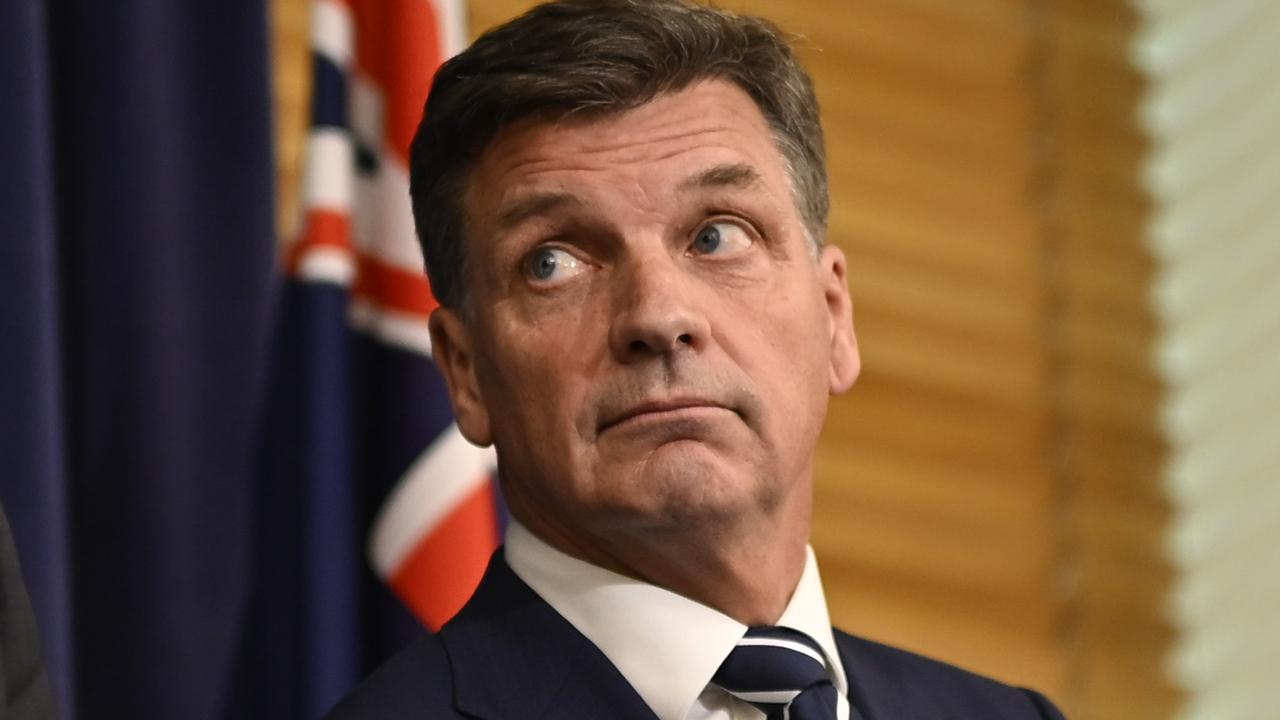
    The controversy has intensified as Opposition Leader Angus Taylor proposed legislative reforms that would criminalize assistance to these individuals. Dr. Rifi expressed particular concern about this proposal, drawing parallels to judgments issued by Lebanese tribunals under Hezbollah’s influence.

    Addressing the security implications, Dr. Rifi presented a counterintuitive perspective: “In the long run, Australia will be safer if the families can return in an orderly fashion to our shores.” He emphasized that children should not bear responsibility for their parents’ actions and advocated for proper support systems for returnees, with mothers facing appropriate legal consequences under existing legislation.

    The doctor also revealed the personal cost of his involvement, noting that his workplace has received bomb and death threats amid what he described as ‘dog-whistling’ from certain political quarters.

  • Security threat against Australian PM linked to banned Chinese dance group

    Security threat against Australian PM linked to banned Chinese dance group

    Australian Prime Minister Anthony Albanese was forcibly evacuated from his official Canberra residence on Tuesday evening following a sophisticated bomb threat targeting a Chinese cultural performance group. The incident, which triggered a high-level security response, originated from threatening emails written in Chinese that demanded the cancellation of upcoming Australian performances by Shen Yun—a dance and music ensemble with connections to the Falun Gong movement, which is prohibited in mainland China.

    Local media reports indicate that the messages contained explicit threats to detonate nitro-glycerine explosives around The Lodge, the Prime Minister’s official residence, unless Shen Yun’s shows were called off. One communication ominously warned that the residence would be “blown into ruins” and that “blood will flow like a river” if performances proceeded.

    Authorities, including the Australian Federal Police, executed a full security sweep of the property beginning at 6:00 PM local time. After several hours of investigation, police confirmed that no suspicious devices were found. Albanese was temporarily relocated as a precautionary measure during the operation.

    The threats were initially reported by media outlets affiliated with Falun Gong, though Australian law enforcement has declined to comment on the authenticity or origin of the emails. In a statement, police officials only acknowledged responding to an “alleged security incident” and emphasized that no threat was substantiated.

    In a lighthearted social media update following the incident, Albanese shared a photo of his cavoodle, Toto, standing guard at the residence’s door, accompanied by a message thanking well-wishers and confirming that all was well.

  • Division, theater and one golden moment as Trump addresses Congress

    Division, theater and one golden moment as Trump addresses Congress

    The annual State of the Union address transformed into a stark display of American political division as former President Donald Trump delivered his speech before a deeply fractured Congress. The event, traditionally a ceremonial gathering of the nation’s governing bodies, instead highlighted the profound ideological rifts characterizing contemporary U.S. politics.

    Trump entered the chamber six minutes behind schedule, projecting an air of unwavering confidence despite potential hostility over his unconventional presidential approach. The reception was immediately polarized: Republicans repeatedly rose in enthusiastic standing ovations while numerous Democrats remained conspicuously seated with expressions of stern disapproval.

    The Supreme Court justices, including Chief Justice John Roberts Jr. and Justices Elena Kagan, Brett Kavanaugh, and Amy Coney Barrett, observed from their customary front-row positions. Their black robes contrasted sharply with the political theater unfolding before them, their recent judicial rebuke of Trump’s signature tariff policies creating palpable tension in the chamber.

    Attendance numbers reflected the event’s contentious nature, with dozens of Democratic members staging a boycott. The resulting empty seats provided visual evidence of the address’s disputed legitimacy while creating spatial breathing room absent during Trump’s protest-marred 2025 appearance.

    The presidential narrative emphasized economic achievements and national strength, with Trump claiming credit for falling inflation, rising employment, and a thriving stock market. When addressing the Supreme Court’s tariff decision, however, the president openly criticized the ruling as mistaken, causing visible discomfort throughout the chamber.

    Emotional depth was provided by carefully selected guests whose expressions conveyed complex human stories. These included survivors of Jeffrey Epstein’s sexual crimes and members of the victorious U.S. Olympic ice hockey team, who appeared momentarily overwhelmed by the ceremony’s grandeur. The Olympians’ recognition prompted the evening’s sole unifying moment, with the entire chamber rising to chant “USA!” in rare bipartisan celebration.

    Democratic resistance manifested through subtle protests rather than overt disruption. Many members wore white suffragette homage or accountability-demanding pins referencing Epstein. Congressman Al Green’s display of a sign criticizing Trump for sharing racist content resulted in his swift ejection, continuing his history of address disruptions.

    The primary Democratic protest weapon became strategic silence—the deliberate withholding of applause during Republican standing ovations. Outside the Capitol, alternative narratives emerged simultaneously through activist-led “People’s State of the Union” events and preemptive Democratic rebuttals, reflecting modern media’s preference for instant response over ceremonial tradition.

    As the address reached its climactic assertion of American strength, the physical chamber embodied national division: Republicans standing, Democrats seated, and Supreme Court justices maintaining judicial neutrality through studied impassivity.

  • Japan to deploy missiles on island near Taiwan by 2031

    Japan to deploy missiles on island near Taiwan by 2031

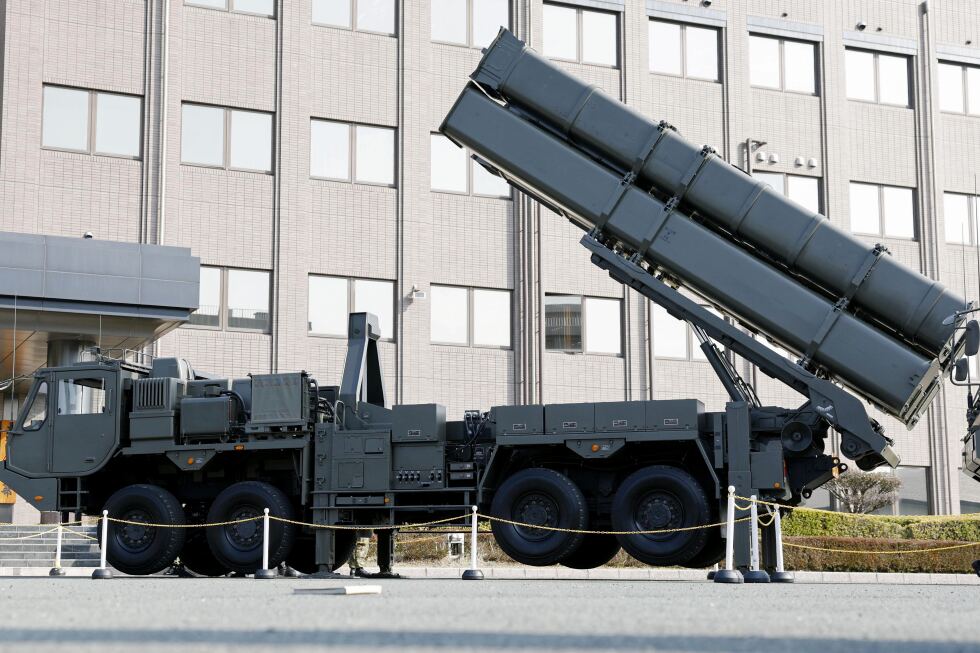
    Japan has officially announced plans to deploy surface-to-air missile capabilities to Yonaguni Island, its westernmost territory situated merely 110 kilometers from Taiwan, by March 2031. Defense Minister Shinjiro Koizumi confirmed the timeline on Tuesday, marking the first specific deployment schedule since initial plans were unveiled in 2022.

    The strategic move occurs against a backdrop of escalating Sino-Japanese tensions that have deteriorated significantly since November, when Prime Minister Sanae Takaichi suggested potential Japanese Self-Defense Force involvement in the event of a Taiwan conflict. China, which considers Taiwan a breakaway province, has consistently asserted its right to pursue reunification by force if necessary.

    Yonaguni’s proximity to Taiwan makes it a critical frontline position in Japan’s defense architecture. The island already hosts approximately 160 military personnel conducting coastal surveillance operations, with plans to establish an electronic warfare unit by fiscal year 2026 capable of disrupting enemy communications and radar systems.

    The recently announced missile unit will be equipped with medium-range surface-to-air systems designed to intercept incoming aircraft and missiles. Minister Koizumi noted that while the deployment timeline might adjust based on facility construction progress, the current target remains fiscal year 2030.

    This military enhancement follows China’s imposition of export restrictions against 40 Japanese companies and entities, citing national security concerns. Beijing had previously condemned Japan’s military activities near Taiwan as provocative, responding to Koizumi’s November visit to Yonaguni with drone flights that prompted Japanese aerial scrambles.

    Prime Minister Takaichi’s recent parliamentary election victory has provided political momentum for strengthening Japan’s defense capabilities, signaling a more assertive national security posture that extends beyond mere military adjustment to represent a fundamental shift in regional strategic calculations.

  • ‘Don’t hold out to come to the US’: Advocates urge Afghans to seek new lives elsewhere

    ‘Don’t hold out to come to the US’: Advocates urge Afghans to seek new lives elsewhere

    In a significant shift of policy guidance, American immigration advocacy groups are now advising Afghan nationals awaiting US resettlement to pursue safe haven in alternative countries. This recommendation stems from the stringent refugee ban implemented by the Trump administration, which has effectively closed official pathways to the United States.

    Shawn VanDiver, a US Navy veteran and head of the #AfghanEvac coalition, delivered this sobering counsel during a virtual assembly with approximately 1,000 affected Afghans globally. He explicitly stated, ‘The President has declared that individuals from Afghanistan and several other nations are prohibited from entering. There exist no clandestine channels, alternative entries, or expedited processes.’ The official guidance now encourages families to establish lives elsewhere while monitoring the political landscape for potential future policy amendments.

    The context involves multiple categories of Afghan applicants: approximately 180,000 individuals in the Special Immigrant Visa pipeline, an estimated 65,000 refugees, and 15,000 awaiting family reunification. While judicial mandates require continued processing of applications, actual visa issuances remain discretionary and have been effectively halted.

    Complicating the situation, the Department of Homeland Security recently proposed new regulations extending work authorization processing to 180 days for asylum seekers. However, the agency acknowledged that current backlogs could extend wait times between 14 and 173 years, making the system practically inaccessible.

    This policy environment follows President Trump’s sweeping refugee ban enacted on January 20, 2025. Although litigation ensued, the courts ultimately ruled that while the administration could suspend new refugee admissions, it could not block individuals with already-approved documentation.

    Concurrently, the administration has empowered Immigration and Customs Enforcement (ICE) officers with broad authority to detain legally admitted refugees who haven’t obtained permanent residency. This represents a dramatic departure from previous policy under which failure to secure a green card wasn’t grounds for detention or removal.

    The situation further intensified with the decision to close Camp As-Sayliyah in Qatar, a transit facility housing over 1,000 pre-screened Afghans awaiting US transfer. The State Department has begun offering financial incentives for voluntary departure before the March 31 closure, with reports indicating offers of $4,500 per main applicant plus $1,200 for additional family members.

    These developments occur alongside a massive re-vetting initiative targeting up to 80,000 Afghans admitted during the Biden administration, prompted by a security incident involving a former CIA asset. Advocacy groups emphasize the need to distinguish between individual criminal acts and collective responsibility, warning against broad immigrant vilification.

  • Community rightly ‘cynical’ about Sydney to Newcastle high-speed rail, minister warns

    Community rightly ‘cynical’ about Sydney to Newcastle high-speed rail, minister warns

    A New South Wales government official has voiced significant skepticism regarding the revived proposal for a high-speed rail connection linking Sydney and Newcastle, acknowledging that local communities have legitimate reasons for their cynicism toward such infrastructure promises. Central Coast Minister David Harris made these remarks during a budget estimates hearing on Wednesday, just one day after the Albanese administration announced the commencement of a two-year development phase for the ambitious transport initiative.

    The federal government has allocated approximately $660 million to advance planning for what is designated as ‘Line 1’ of a broader high-speed rail network that ultimately aims to connect Brisbane and Melbourne. According to preliminary assessments by the High Speed Rail Authority, this initial segment could dramatically reduce travel times between Sydney and Newcastle to just one hour—a substantial improvement over the current 2.5-hour journey on century-old tracks.

    Despite the promising projections, Minister Harris highlighted the long history of unfulfilled promises, noting that various proposals for high-speed rail have circulated for decades without concrete realization. The minister specifically addressed potential station locations on the Central Coast, mentioning Tuggerah, Warber Vale, and Ourimbah as possible stops, though he acknowledged significant logistical challenges including construction through state forest areas.

    Harris reported that community sentiment reflects widespread skepticism, with residents adopting a ‘believe it when they see it’ attitude toward the project. However, he clarified that despite his sarcastic tone during questioning, he does not share the outright opposition expressed by some political counterparts, provided the project demonstrates financial viability and includes a Central Coast stop.

    The projected cost of the Sydney-Newcastle link stands at approximately $61.2 billion, with operational commencement not expected before 2039. Government officials have indicated they will explore both public and private financing options once project scope, costs, and risks are finalized. Proponents estimate the infrastructure could generate a $250 billion economic boost over 50 years while creating nearly 100,000 new jobs, though Premier Chris Minns acknowledged the project would require tremendous effort and substantial financial investment.

  • FBI director’s private jet use delayed investigations, Democrat alleges

    FBI director’s private jet use delayed investigations, Democrat alleges

    A significant political confrontation has emerged between Senate Democrats and FBI leadership regarding Director Kash Patel’s use of government aircraft. Senate Judiciary Committee Chairman Dick Durbin (D-IL) has formally requested investigations into what he characterizes as “irresponsible joyriding” that allegedly compromised critical law enforcement responses.

    Durbin’s allegations, based on whistleblower accounts, claim that Patel’s personal use of FBI jets delayed essential investigative teams during high-profile emergencies. Specifically, the Senate Democrat cited a delayed response to the September shooting death of conservative commentator Charlie Kirk in Utah, allegedly due to pilot unavailability during Patel’s travel. Another alleged incident involved the FBI’s shooting reconstruction team being forced to drive from Virginia to Rhode Island following a mass shooting at Brown University that left two students dead and nine wounded, rather than using aircraft reportedly placed on hold for the director.

    FBI spokesperson Ben Williamson vehemently denied all allegations, calling them “false” and “egregiously misleading” in public statements. Regarding the Kirk investigation, Williamson clarified that Patel was in Washington DC on September 10th and in New York the following day for 9/11 memorial ceremonies—not engaged in personal travel. The spokesperson further characterized the Brown University response allegations as “ridiculous” and emphasized that all operational needs were properly met.

    The controversy emerges against the backdrop of long-standing scrutiny regarding FBI directors’ aircraft usage across multiple administrations. According to CNN reports, the FBI maintains three jets based in Virginia for operational and director transport, supplemented by a national fleet for surveillance and emergency response. While FBI directors are prohibited from commercial air travel due to security concerns, they must reimburse the government for personal flights at commercial ticket rates.

    Historical context reveals this isn’t the first time FBI directors have faced such scrutiny. Former directors Robert Mueller, James Comey, and Christopher Wray all faced similar criticisms regarding aircraft usage during their tenures. Notably, Patel himself had previously criticized his predecessor for personal use of agency jets before his appointment by President Donald Trump.

    Recent incidents under scrutiny include Patel’s trip to Italy for Winter Olympics events, where footage showed him celebrating with the U.S. men’s hockey team after their victory. While an FBI spokesperson stated the trip involved official meetings with Italian officials, the imagery of Patel drinking beer with players in the locker room attracted attention. Additional reports indicate Patel used FBI aircraft for trips to Pennsylvania to watch his girlfriend’s country music performance, and potentially for hunting and golf excursions in Texas and Scotland.

    Durbin has formally requested the Government Accountability Office and Justice Department’s inspector general to investigate whether Patel’s travel patterns represent appropriate use of resources, particularly during ongoing security crises. The FBI maintains that Patel fully complies with federal reimbursement requirements for personal travel.