分类: politics

  • Trump, Zelensky speak before Ukraine-US talks in Geneva

    Trump, Zelensky speak before Ukraine-US talks in Geneva

    In a significant diplomatic development preceding crucial peace talks, former U.S. President Donald Trump engaged in a substantive telephone conversation with Ukrainian President Volodymyr Zelensky. The discussion, lasting approximately thirty minutes according to Ukrainian presidential advisor Dmytro Lytvyn, focused on coordinating strategies for upcoming multilateral negotiations aimed at resolving the ongoing Russo-Ukrainian conflict.

    President Zelensky publicly acknowledged the exchange via social media, expressing gratitude for Trump’s ‘active involvement’ in peace efforts and recognizing contributions from Trump’s envoys Steve Witkoff and Jared Kushner, who participated in the call. The dialogue specifically addressed agenda items for the bilateral meeting between Ukrainian lead negotiator Rustem Umerov and Trump’s representatives scheduled for Geneva, alongside preparations for comprehensive trilateral negotiations with Russia anticipated in early March.

    The Geneva discussions represent the latest iteration of Trump-mediated diplomacy that has thus far yielded limited progress in ending Europe’s most devastating military confrontation since World War II. The conflict, ignited by Russia’s full-scale invasion four years prior, has resulted in catastrophic human casualties and widespread territorial destruction across eastern and southern Ukraine.

    Central to the diplomatic impasse remains the disputed status of Donbas, with Russia demanding complete control over Ukraine’s eastern Donetsk region under threat of military escalation. Ukraine maintains its refusal to concede territorial sovereignty while insisting on robust international security guarantees to prevent future aggression. Both leaders expressed support for elevating negotiations to the head-of-state level, with Zelensky reiterating that direct engagement with Russian President Vladimir Putin remains essential for resolving the conflict’s most complex issues.

  • Antonio Tejero, former Spanish lieutenant colonel who led failed military coup, dies at 93

    Antonio Tejero, former Spanish lieutenant colonel who led failed military coup, dies at 93

    MADRID — Antonio Tejero, the former Spanish lieutenant colonel whose audacious 1981 parliamentary seizure became the most dramatic challenge to Spain’s democratic transition, passed away Wednesday evening at age 93. His death in Alzira, eastern Spain, was confirmed by his family’s legal representatives at A. Cañizares Abogados, who noted he died peacefully surrounded by family after receiving last rites.

    In a remarkable historical coincidence, Tejero’s demise occurred on the very day Spain’s government released previously classified documents pertaining to the February 23, 1981 coup attempt. The former military officer had led approximately 200 armed civil guards in storming the Spanish Congress of Deputies during a pivotal parliamentary session to install Leopoldo Calvo-Sotelo as prime minister.

    The attempted takeover, characterized by Tejero’s iconic patent leather tricorn hat and pistol-waving commands of “Everyone, freeze!”, represented the final serious effort to reverse Spain’s democratic evolution following General Francisco Franco’s 1975 death. Television cameras captured unforgettable scenes of officers firing weapons and lawmakers sheltering beneath parliamentary benches during the 18-hour siege.

    The coup ultimately collapsed after King Juan Carlos I delivered a televised address denouncing the rebellion and urging military loyalty to Spain’s nascent constitution. Tejero subsequently served nearly 16 years of a 30-year sentence for military rebellion before dividing his later years between Málaga and Madrid.

    Despite his incarceration, the imagery of Tejero’s parliamentary invasion remains indelibly etched in Spain’s collective consciousness, symbolizing both the fragility of young democracies and their ultimate resilience against authoritarian threats.

  • Politician brothers convicted in Brazil for ordering murder of prominent councillor

    Politician brothers convicted in Brazil for ordering murder of prominent councillor

    In a landmark ruling that exposes deep connections between political power and organized crime in Brazil, the nation’s Supreme Court has unanimously convicted two prominent politicians for orchestrating the 2018 assassination of Rio de Janeiro councilwoman and human rights activist Marielle Franco. Brothers Domingos Inácio Brazão and João Francisco Inácio Brazão each received sentences exceeding 76 years imprisonment for commissioning the drive-by shooting that killed Franco and her driver Anderson Gomes.

    The verdict culminates an eight-year judicial battle that revealed how Franco’s activism threatened criminal enterprises operating with political protection. As an emerging leader in Brazil’s Socialist Party and a prominent voice for marginalized communities, the 38-year-old black, gay councilwoman had been opposing housing developments in impoverished neighborhoods that served as revenue sources for militia groups.

    Supreme Court Justice Alexandre de Moraes delivered a scathing assessment during sentencing, declaring the Brazão brothers weren’t merely connected to paramilitary forces but essentially ‘were the militia.’ The case has exposed alarming collusion between elected officials and criminal organizations in Brazil’s political landscape.

    Justice Carmen Lúcia, the court’s sole female member, expressed profound emotional distress over the proceedings, questioning how many more ‘Marielles’ Brazil would allow to be murdered. The comment underscored the case’s significance in addressing political violence targeting women and racial minorities.

    The conviction follows earlier sentencing of two former police officers directly involved in the shooting. Ronnie Lessa, who confessed to firing the fatal shots, received 78 years and nine months, while Élcio de Queiroz, who drove the assault vehicle, was sentenced to 59 years and eight months. Their plea bargain agreements ultimately identified the Brazão brothers as the intellectual authors of the crime.

    Anielle Franco, Marielle’s sister who now serves as Brazil’s Minister of Racial Equality, attended the verdict and subsequently praised the judicial system on social media for ‘honoring the memory of Marielle and Anderson.’ She characterized the ruling as inaugurating ‘a new historic chapter in confronting political violence based on gender and race’ and emphasized that ‘impunity cannot be part of our democracy.’

    The assassination had triggered massive nationwide protests in 2018, transforming Franco into a symbol of resistance against political corruption and violence targeting human rights defenders. This verdict represents the most significant accountability measure against politically-motivated violence in Brazil’s recent history.

  • 3 scientists were charged in worm smuggling scheme. Lawyers say China helped get the case dismissed

    3 scientists were charged in worm smuggling scheme. Lawyers say China helped get the case dismissed

    In a significant reversal, federal prosecutors in Detroit have abruptly dismissed all charges against three Chinese research scholars from the University of Michigan following high-level diplomatic intervention from China’s government. The case, initially touted as a national security victory by U.S. officials, involved allegations of smuggling biological materials that ultimately proved to be harmless laboratory organisms.

    Xu Bai, Fengfan Zhang, and Zhiyong Zhang faced federal charges including conspiracy and making false statements to authorities for their alleged involvement in receiving improperly labeled packages containing transparent microscopic worms from colleague Chengxuan Han. The scientists endured over three months of detention before the unexpected dismissal on February 5 at the Justice Department’s request.

    Defense attorneys revealed that diplomatic channels between the Chinese Consulate in Chicago and U.S. authorities led to the resolution. ‘We received notification that China was negotiating with the U.S. over these three students,’ stated defense attorney Ray Cassar, emphasizing that the researchers were PhD candidates whose careers would have been irreparably damaged by continued prosecution.

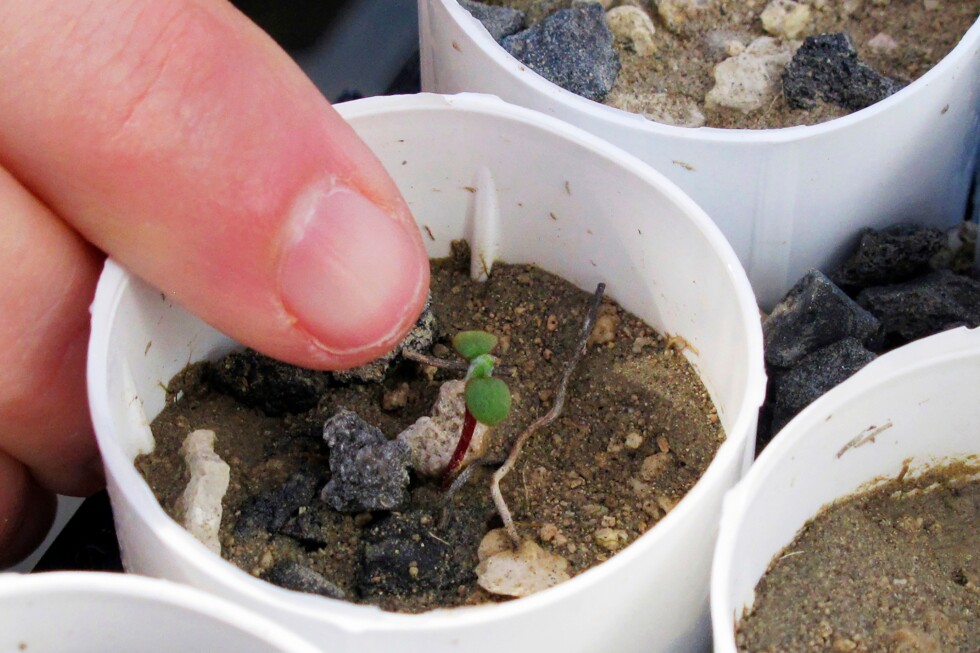
    The biological materials in question were identified as C. elegans worms, commonly used in scientific research for studying chemical reactions and light sensitivity. Legal representatives maintained there was no malicious intent, attributing the improper labeling to concerns about customs delays rather than concealment of hazardous materials.

    This development follows the earlier resolution of related cases involving Chinese researchers. Chengxuan Han pleaded no contest to smuggling charges and was deported after three months incarceration, while Yunqing Jian faced similar charges involving plant fungus before being deported after five months custody. Independent experts who reviewed the evidence confirmed the materials posed no risk to U.S. security.

    The U.S. Attorney’s Office declined to comment on China’s role in the case dismissal, while the Chinese Consulate did not immediately respond to requests for comment. The resolution highlights the complex intersection of scientific collaboration, immigration policy, and international diplomacy in an increasingly interconnected research landscape.

  • Indian PM Modi arrives in Israel; aims to boost defence and trade ties

    Indian PM Modi arrives in Israel; aims to boost defence and trade ties

    In a landmark diplomatic engagement, Indian Prime Minister Narendra Modi commenced an official state visit to Israel on Wednesday, marking his second trip to the nation since 2017. The Indian leader was personally received at Tel Aviv’s Ben Gurion Airport by Israeli Prime Minister Benjamin Netanyahu, signaling the elevated importance both nations attach to this bilateral engagement.

    The two-day visit represents a significant milestone in Indo-Israeli relations, with Prime Minister Modi becoming the first Indian head of government to address the Knesset, Israel’s parliamentary body. The itinerary includes comprehensive discussions with Prime Minister Netanyahu focusing on enhanced defense collaboration and expanded trade partnerships, alongside an official meeting with President Isaac Herzog.

    Strategic cooperation forms the cornerstone of this diplomatic initiative, with both nations seeking to establish what Netanyahu described as ‘an axis of nations committed to stability and progress.’ The leaders will explore advanced security partnerships and technological innovation exchanges during their extended dialogues.

    A private dinner hosted by Netanyahu for Modi on Wednesday evening will provide an informal setting for further relationship building. Prior to his departure, Modi emphasized through social media channels that India profoundly values its ‘enduring friendship with Israel, built on trust, innovation, and shared commitment to peace and progress.’

    This visit occurs against the backdrop of evolving geopolitical dynamics in the Middle East and South Asia, with both nations positioning themselves as complementary powers in technology, defense manufacturing, and economic innovation. The strengthened partnership reflects a strategic recalibration as both countries face regional security challenges while pursuing technological advancement and economic growth.

  • Fujian coast guard conducts routine patrols in the waters near Jinmen

    Fujian coast guard conducts routine patrols in the waters near Jinmen

    The Fujian Coast Guard has initiated enhanced maritime surveillance operations in waters adjacent to Kinmen (Jinmen), a Taiwan-administered territory, marking a significant escalation in regional maritime enforcement activities. According to official statements released Wednesday, these patrols represent systematic efforts to strengthen administrative control over these contested waterways.

    Zhu Anqing, spokesperson for the Coast Guard’s East China Sea Bureau, confirmed the deployment of specialized vessel task forces throughout February to conduct continuous law enforcement missions. The operations are framed as protective measures aimed at safeguarding the lawful rights and security interests of all Chinese fishermen, including those operating from Taiwan region ports.

    Authorities emphasize these patrols serve dual purposes: ensuring safe navigation秩序 between Xiamen and Kinmen while reinforcing maritime legal frameworks. The Coast Guard characterizes these actions as necessary interventions to maintain standardized operational protocols and jurisdictional order in the strategically significant Taiwan Strait region. This development occurs amid ongoing tensions regarding maritime boundaries and fishing rights in East China Sea territories.

  • South African police question 11 men lured to Russia to fight in Ukraine

    South African police question 11 men lured to Russia to fight in Ukraine

    JOHANNESBURG — Eleven South African citizens allegedly deceived into combat roles for Russia in the Ukraine conflict returned home Wednesday amid ongoing investigations into their recruitment. The group arrived at King Shaka International Airport in Durban and was immediately escorted to a police station for debriefing regarding their involvement in foreign hostilities.

    Observers noted one individual required wheelchair assistance upon disembarkation, while others carried military-style baggage. This repatriation brings the total number of returned citizens to 15, with two remaining in Russia—one hospitalized and another awaiting documentation completion, according to President Cyril Ramaphosa’s Tuesday statement.

    South African law strictly prohibits citizens from engaging in external conflicts without governmental authorization. Police Colonel Katlego Mogale confirmed an active investigation into potential violations, with at least five individuals facing scrutiny for alleged recruitment activities.

    Among those under investigation is Duduzile Zuma-Sambudla, daughter of former President Jacob Zuma, who has denied wrongdoing but resigned from parliament following the allegations. Some returnees are reportedly Zuma family members allegedly recruited directly by Zuma-Sambudla. Five suspects arrested in December now face charges related to the recruitment scheme and are scheduled for April court appearances.

  • Philippine VP Sara Duterte’s impeachment case hearing to start on Monday

    Philippine VP Sara Duterte’s impeachment case hearing to start on Monday

    The Philippine political landscape faces significant upheaval as impeachment proceedings against Vice President Sara Duterte commence Monday before the House of Representatives’ Committee on Justice. The hearings will evaluate four separate impeachment complaints alleging grave constitutional violations by the vice president, potentially culminating in her removal from office.

    This development marks the second impeachment attempt against Duterte within two years, though she previously avoided a full Senate trial through procedural challenges and political maneuvering by allies. The current proceedings unfold alongside parallel legal challenges facing her father, former President Rodrigo Duterte, who confronts charges at the International Criminal Court for alleged crimes against humanity.

    The political drama intensified last week when Duterte announced her presidential candidacy for the 2028 elections, though authorities confirmed this development would not impact the ongoing impeachment process. The Marcos-Duterte political alliance has completely fractured, with the final break occurring after the vice president allegedly declared contracting an assassin to target President Ferdinand Marcos Jr., First Lady Liza Araneta, and former House Speaker Ferdinand Martin Romualdez in 2024.

    Supporters of the Dutertes perceive these simultaneous legal challenges as a coordinated effort by the Marcos administration to eliminate their political dynasty from national relevance. The House justice committee now has 60 session days to determine whether the impeachment complaints meet the required standards of form and substance to proceed to trial.

  • Trump offers rare praise of Hamas and threatens Iran during State of the Union

    Trump offers rare praise of Hamas and threatens Iran during State of the Union

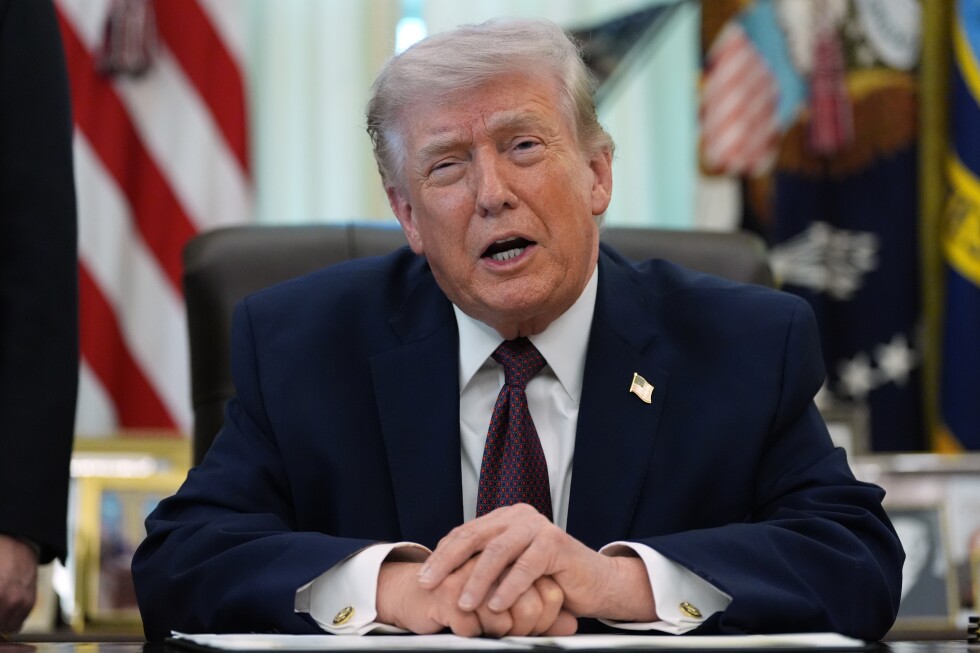
    In a notable departure from conventional diplomatic rhetoric, President Donald Trump utilized his State of the Union platform to extend unexpected commendation towards Hamas for their collaborative efforts with Israeli authorities. The President detailed a joint operation which successfully recovered the remains of 28 Israeli captives, emphasizing the perceived impossibility of such an achievement through conventional channels.

    Within a broader segment addressing international conflicts, Trump asserted his administration had facilitated the cessation of eight distinct wars, enumerating them as Cambodia-Thailand, Pakistan-India, Kosovo-Serbia, Israel-Iran, Egypt-Ethiopia, Armenia-Azerbaijan, Congo-Rwanda, and the ongoing Gaza conflict, which he characterized as proceeding ‘at a very low level.’ He credited senior advisors Jared Kushner and Steve Witkoff, along with Secretary of State Marco Rubio, for their roles in these diplomatic endeavors.

    The address was markedly punctuated by vocal dissent from certain congressional members. Representatives Rashida Tlaib and Ilhan Omar engaged in repeated heckling, with Tlaib adorned in culturally significant accessories—a keffiyeh-style scarf and watermelon earrings—alongside a profane anti-ICE badge. The confrontation escalated as Trump directly rebuked Omar, stating she ‘should be ashamed of yourself.’ Meanwhile, Texan Democrat Al Greene was removed from the chamber for displaying a sign condemning recent racist imagery shared by the President.

    Shifting focus to Iran, Trump framed his administration’s actions within a stark dichotomy of diplomatic peacemaking and military confrontation. He claimed the June offensive had ‘obliterated Iran’s nuclear weapons programme,’ despite Pentagon assessments suggesting a more modest setback of up to two years. The President accused the Iranian regime of spreading global terrorism, highlighted the targeted elimination of General Qassem Soleimani, and cited the alleged killings of 32,000 protesters. While acknowledging ongoing negotiations, Trump emphasized his unwavering stance against permitting Iran to develop nuclear capabilities, a claim consistently denied by Iranian officials who maintain the program’s civilian purposes.

  • Filipinos protest corruption on anniversary of Marcos’s ouster

    Filipinos protest corruption on anniversary of Marcos’s ouster

    Thousands of Filipino demonstrators converged on Manila’s streets Wednesday, marking the 40th anniversary of dictator Ferdinand Marcos Sr.’s overthrow with renewed demands for accountability in a massive corruption scandal plaguing his son’s administration. Under intense tropical heat, protesters targeted a billion-peso flood-control infrastructure scheme allegedly funneling taxpayer funds to phantom projects in the storm-vulnerable archipelago.

    The demonstrations, strategically timed on a workday to maximize visibility, saw brief confrontations as shield-carrying police initially blocked marchers before permitting their passage toward the People Power Revolution monument. This symbolic site commemorates the 1986 uprising that ended the elder Marcos’s two-decade rule, which included nine years of martial law marked by alleged embezzlement and political repression.

    Nineteen-year-old student Dustin Salazar articulated widespread frustration: ‘Our money is being stolen by politicians. I want everyone involved jailed starting from the top.’ His sentiments echoed those of 72-year-old Dee Van Nostrand, who traveled 180 kilometers to participate, stating citizens ‘deserve a better government and better life.’

    Despite President Ferdinand Marcos Jr. highlighting the corruption case in a July address, no sitting lawmakers have been detained despite promises of ‘big fish’ arrests. The rallies represented the third major protest targeting the scandal but recorded the smallest turnout yet, with police estimating fewer than 6,000 participants across multiple locations.

    Political analyst Lawrence Anthony Borja from De La Salle University suggested public anger had dissipated due to historical patterns where high-ranking officials typically escape serious consequences. However, Ateneo Policy Center researcher Michael Henry Yusingco countered that protest fatigue shouldn’t be misinterpreted as apathy, noting the events serve as ‘an overt warning to prosecutors about their duties.’

    University of the Philippines professor Jean Franco observed that while overt public anger may be limited, citizens remain engaged with ongoing cases. Father Victor de Jesus, a 65-year-old seminarian who participated in the original 1986 revolution, acknowledged the frustration but emphasized that meaningful change requires persistent effort: ‘A revolution takes time and a lot of work.’