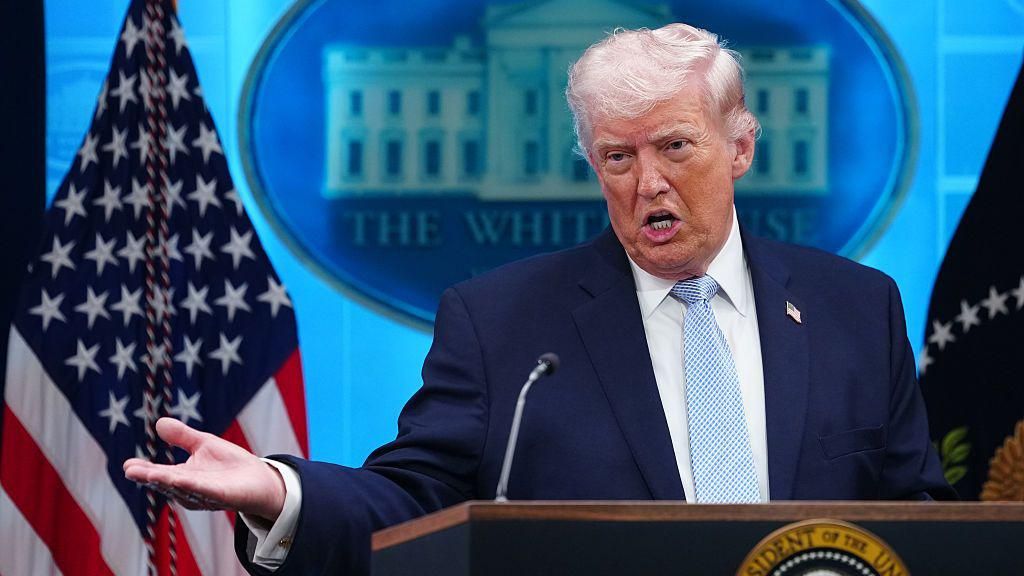
Escalating tensions in the ongoing Iran conflict, U.S. President Donald Trump has issued a stark ultimatum to Tehran: reopen the strategically critical Strait of Hormuz, a linchpin of global energy supply chains, and reach an acceptable deal by 20:00 EDT Tuesday (01:00 GMT Wednesday), or face catastrophic American military action that could wipe out the country’s critical infrastructure overnight. Speaking at a White House press conference on Monday, flanked by Joint Chiefs of Staff Chairman General Dan Caine and Defense Secretary Pete Hegseth, Trump doubled down on aggressive rhetoric, even as he acknowledged uncertainty over whether negotiations will yield a breakthrough. The press appearance came just days after U.S. special operations successfully extracted two downed F-15 fighter jet crew members from southern Iran, a mission Trump repeatedly praised as “heroic” during his remarks. The president warned that if the Strait – through which roughly a fifth of the world’s daily oil supplies pass – remains closed past his self-imposed deadline, the U.S. will launch sweeping attacks that would send Iran back to the “Stone Age”. “The entire country can be taken out in one night – and that night might be tomorrow night,” Trump told reporters. He added that Iran would be left with no standing bridges, no functional power plants, and no working critical infrastructure if it fails to comply. Though Iran has already rejected the U.S.’s current proposals, calling instead for an immediate ceasefire, post-conflict reconstruction, and the full lifting of international sanctions on the country, Trump maintained that he remains optimistic that “reasonable” Iranian leaders are negotiating in good faith, in the wake of successive U.S. and Israeli strikes that killed multiple layers of Iran’s top leadership. “We’re going to find out soon enough,” he said. A regional insider familiar with the backchannel negotiations, speaking on condition of anonymity due to the extreme sensitivity of the ongoing discussions, cautioned that meaningful progress is all but impossible without a preliminary ceasefire, noting that widespread communications blackouts across Iran have made rapid dialogue between the two sides nearly impossible. “To convey messages to Iran, getting a response in a reasonable time is not possible,” the official explained, adding that the average response time for any communications currently sits at roughly 24 hours. Mediators from Pakistan, Turkey, and Egypt have been working to facilitate dialogue between the U.S. and Iranian delegations to de-escalate the crisis, but progress remains stalled by these logistical barriers and incompatible core demands. When pressed for details on his administration’s military and diplomatic plans moving forward, Trump offered little additional clarity, only saying that he holds “the best plan” for resolving the conflict and would not be sharing details with the press ahead of implementation. Legal experts, however, have raised urgent alarms that the large-scale deliberate attacks on Iranian civilian infrastructure that Trump has threatened would amount to clear war crimes under international law. Speaking to CBS News, U.S. partner to the BBC, a former National Security Council legal advisor from the Obama administration noted that “Obliterating all power plants, threatening coercive actions against the civilian population to try to bring a government to the negotiating table, those kinds of things are all flatly illegal.” Earlier this week, Trump said he was unconcerned by these legal warnings, and during Monday’s press conference he pushed back on criticism, claiming that the Iranian people would be “willing to suffer to have freedom”, while also reiterating that toppling Iran’s current government is not an explicit goal of U.S. military action. Beyond his threats against Iran, the president used the platform to renew stinging criticism of key U.S. allies who have declined to join American military operations in the conflict, including the United Kingdom, NATO, and South Korea. When speaking of NATO’s refusal to participate in U.S. operations against Iran, Trump said “That’s a mark on Nato that will never disappear.” He also added that the U.S. does not need military support from the United Kingdom in the conflict. In a Monday operational update from U.S. Central Command, the military confirmed that American forces have carried out more than 13,000 individual strikes across Iranian territory since the outbreak of the war. The update offered no additional details on planned offensive operations ahead of Tuesday’s deadline.
分类: politics
-
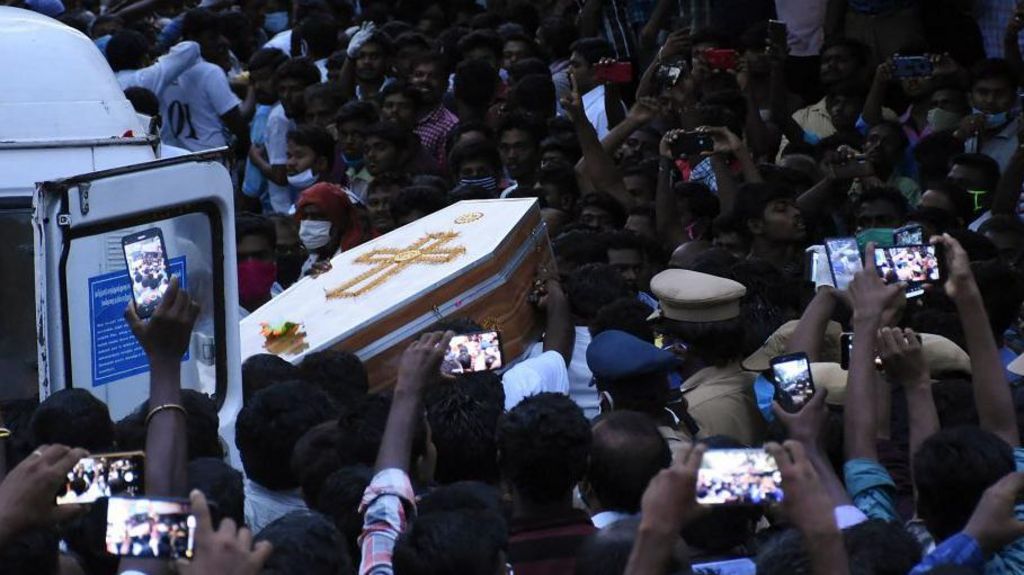
Nine policemen sentenced to death in India over Covid custody killings
In a landmark ruling that has sent shockwaves across India, nine sitting police officers have received death sentences for the brutal 2020 custodial killing of a father and son in the southern state of Tamil Nadu, a case that reignited national debate over endemic police brutality in the country.
The two victims, 58-year-old P Jeyaraj and his 38-year-old son Benicks, were taken into custody in June 2020 for the alleged offense of violating national Covid-19 lockdown rules by keeping their small mobile phone retail shop open past the mandated curfew. Within days of their detention, both men were dead while still in police custody.
During Monday’s sentencing hearing, the presiding judge laid bare the horrific details of the abuse the pair suffered. The judge confirmed that Jeyaraj and Benicks were stripped naked and systematically tortured in front of each other by the accused officers, in a clear violation of every principle of lawful detention. In scathing remarks directed at the convicted officers, the judge stated that the assault was carried out with explicit intent to kill, calling the incident a blatant abuse of the state authority entrusted to the men.
The judge rejected any calls for leniency, noting that all nine officers are formally educated, and that their age or personal family circumstances could not justify a reduced sentence. “They attacked unarmed civilians who posed no threat to them. They do not deserve forgiveness,” the judge added.
Last month, all nine officers were formally found guilty of murder by the court. Under Indian legal procedure, the convicted personnel retain the right to file an appeal against both the conviction and their death sentences with a higher judicial bench.
In total, 10 police officers were arrested immediately following the deaths in 2020. One of the accused died from complications related to Covid-19 later that same year, leaving nine to stand trial.
When news of the custodial deaths first emerged four years ago, the incident sparked widespread public protests across Tamil Nadu. State opposition legislators were among the first crowds to take to the streets to demand accountability for the deaths. High-profile public figures, including Congress party opposition leader Rahul Gandhi and star Indian cricketer Shikhar Dhawan, added their voices to the calls for justice via social media platforms, amplifying the national outcry.
Beyond the immediate calls for punishment, the 2020 killings pushed the long-simmering issue of custodial abuse and police brutality in India back to the center of national public discourse. Human rights organizations have documented that hundreds of people die in police or judicial custody across India every year, with many of these deaths linked to systematic torture. Rights advocates note that the use of abuse to force confessions from suspects has become a normalized, entrenched part of policing culture in many parts of the country.
Earlier in 2024, a group of independent United Nations human rights experts issued a public call for India to implement sweeping, comprehensive reforms to bring its national policing practices in line with binding international human rights standards. Tuesday’s sentencing marks one of the most high-profile convictions of police personnel for custodial killing in recent Indian history, with activists watching closely to see whether the ruling will pave the way for broader systemic changes.
-
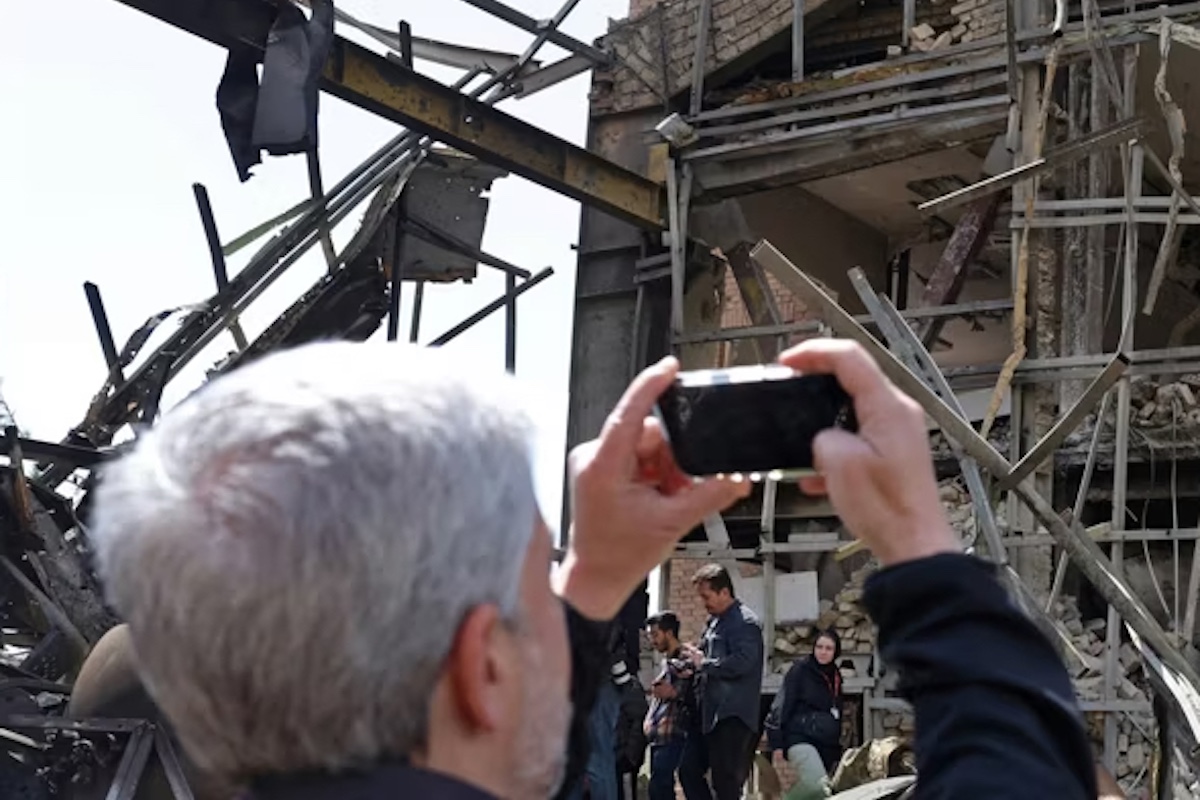
Iran: Trump a ‘supreme war criminal’ if he executes strike threat
Tensions between the United States and Iran escalated dramatically this week after former and current U.S. President Donald Trump issued explicit threats to carry out large-scale strikes against Iranian civilian infrastructure, drawing sharp condemnation from Iranian officials and even pushback from some members of the U.S. political and policy community.
Trump first made the incendiary remarks during an Easter Sunday interview with Fox News, where he issued an ultimatum to Iranian leadership: unless Tehran reached a new deal with Washington on his timeline and fully reopened the Strait of Hormuz by 8 p.m. ET that same day, he would order widespread bombings across the country. “You’re going to see bridges and power plants dropping all over their country,” Trump stated, adding that he was also “considering blowing everything up and taking the oil.” The threat followed an aggressive, profanity-laced post on his Truth Social platform, where he demanded Iran “open the Fuckin’ Strait, you crazy bastards, or you’ll be living in Hell.”
In response to the threats, top Iranian diplomatic officials have labeled Trump’s statements as open incitement to war crimes and potential genocide, citing international law to back their claims. Kazem Gharibabadi, Iran’s deputy foreign minister, outlined the legal case against the threatened strikes in a social media post Monday, noting that deliberate attacks on civilian infrastructure such as power plants and bridges are explicitly classified as war crimes under Article 8(2)(b) of the International Criminal Court’s Rome Statute, as well as Article 52 of Protocol I to the 1977 Geneva Conventions.
Gharibabadi emphasized that as the highest-ranking U.S. official, Trump bears individual criminal responsibility for his open threat to violate international humanitarian law, a liability that holds before both the ICC and any competent national court. He also warned that if Trump follows through on the attack, his name will be “etched in history as a supreme war criminal,” and confirmed that Iran would deliver a “decisive, immediate, and regret-inducing response” to any aggression.
Esmail Baghaei, spokesperson for Iran’s Foreign Ministry, echoed that condemnation, calling Trump’s threats evidence of “a criminal mindset.” Speaking to reporters Sunday, Baghaei called the comments “an express public incitement for war crimes and crimes against humanity—and, I would say, for genocide.” He added that threatening attacks on a nation’s critical energy infrastructure amounts to putting the entire civilian population at deliberate risk of harm.
The threats come amid an ongoing U.S.-Israeli bombing campaign against Iran that began on February 28, which has already caused extensive damage to Iranian civilian and public service facilities. Iran’s deputy health minister confirmed Monday that more than 360 healthcare, education, and research centers have been damaged or destroyed in strikes to date, with dozens of medical personnel killed in the attacks.
Critics within the United States have also joined Iranian officials in decrying Trump’s threatened strikes as unlawful war crimes. U.S. Senator Chris Murphy, a Democrat from Connecticut, criticized the administration’s underlying strategy, which reportedly calls for striking civilian sites to spark public unrest and force regime change. “But just think about the insanity of this plan: kill tens of thousands of civilians in order to cause a national panic,” Murphy wrote on social media. “Bombing to induce political panic IS A WAR CRIME.”
Dylan Williams, vice president for government affairs at the Center for International Policy, went further, arguing that any congressional lawmaker who supports additional war funding for the conflict or opposes efforts to reassert congressional war powers limits on the administration would be complicit in the threatened and already committed war crimes. He called Trump an “unhinged and unfit Commander in Chief.”
The sharp escalation of rhetoric comes as quiet diplomatic efforts, partially mediated by Pakistan, are underway to negotiate a 45-day ceasefire that would create space for longer-term talks to end the ongoing conflict. Axios has reported that the ongoing diplomatic push is viewed by mediators as “the only chance to prevent a dramatic escalation in the war that will include massive strikes on Iranian civilian infrastructure and a retaliation against energy and water facilities in the Gulf states.”
-
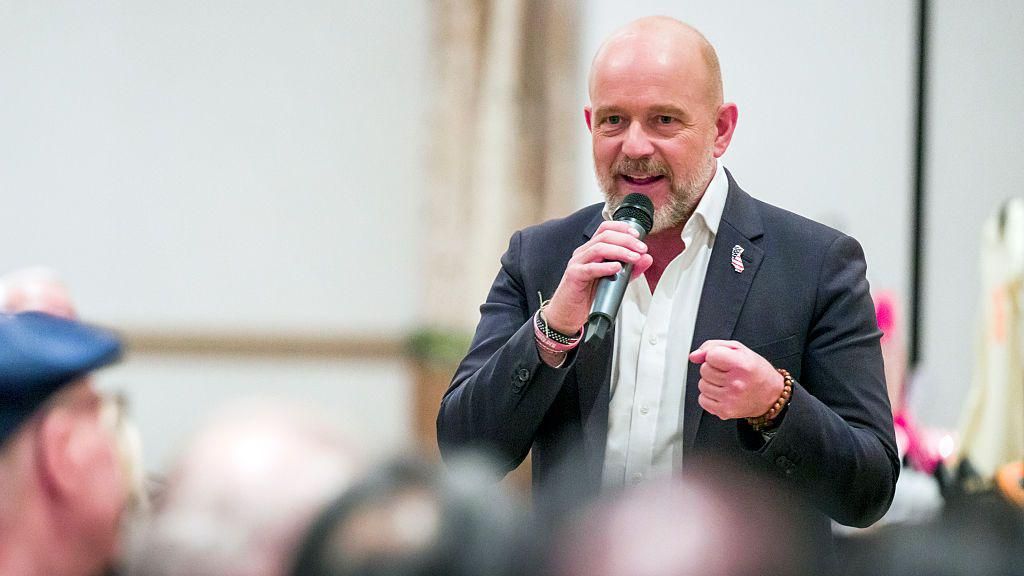
Trump endorses ex-UK political aide Steve Hilton for California governor
A surprise endorsement from former U.S. President Donald Trump has upended the already chaotic race for California governor, turning a deeply blue state’s typically predictable primary into one of the most watched political contests of 2026. In a post to his social platform Truth Social, Trump threw his full support behind Republican candidate Steve Hilton, a one-time top policy advisor to former British Prime Minister David Cameron who has built a public profile as a conservative commentator in the U.S.
Trump’s endorsement framed the race as a referendum on decades of one-party rule in California, arguing that Democratic governance has produced catastrophic outcomes pushing residents to leave the state in droves. “Steve Hilton will be a great governor,” Trump wrote in his post.
Hilton, who moved to the U.S. more than a decade ago and currently serves as a contributor to Fox News, quickly responded to the endorsement on X, saying he was “deeply honored” to earn the backing of the Republican former president. Hilton entered the race on a platform centered on cutting state taxes, reining in bloated state government spending, and lowering the cost of living for working families, particularly for housing and essential consumer goods.
The candidate’s unusual political origin story sets him apart from other contenders: after serving as Cameron’s senior aide from 2010 to 2012 during his tenure as British prime minister, Hilton broke with Cameron over his immigration policy, eventually relocating to California where he took a position as a visiting scholar at Stanford University in 2012. He began the process of applying for U.S. citizenship in 2019, and hosted his own primetime show on Fox News for several years before becoming a regular contributor.
California uses a nonpartisan “jungle primary” system for statewide offices, where all candidates regardless of party appear on the same June 2 primary ballot, and the top two vote-getters advance to the November general election. This year, 10 candidates are vying for the seat: 8 Democrats and 2 Republicans, Hilton and Riverside County Sheriff Chad Bianco.
For the first time in 20 years, California Republicans see a rare opening to capture the governor’s mansion. A March 2026 poll from the University of California, Berkeley Institute of Governmental Studies sent shockwaves through state political circles when it found both Hilton and Bianco leading all Democratic candidates in early preference. The surprising result left Democratic leaders alarmed, prompting top state party officials to pressure lower-polling Democratic candidates to drop out of the race to avoid splitting the vote. The poll showed Congressman Eric Swalwell, former Congresswoman Katie Porter, and billionaire climate activist Tom Steyer leading the fractured field of eight Democratic contenders.
However, Trump’s high-profile endorsement of Hilton creates new uncertainty for both parties. Political analysts note that Trump’s backing could be a double-edged sword for Hilton: while it consolidates conservative support behind his campaign, it may turn off moderate and independent voters in the heavily liberal state, hurting his chances in a general election against a Democratic opponent. For the other Republican candidate Bianco, the endorsement threatens to squeeze his support out entirely, potentially leaving only one Republican viable for the top two spots, a dynamic that could still open the door for two Democrats to advance. Even with the early polling advantage for the GOP, the state’s long Democratic streak and deep partisan lean mean the race remains far from settled, with all eyes turning to the June primary to see how Trump’s endorsement shifts voter preferences.
-
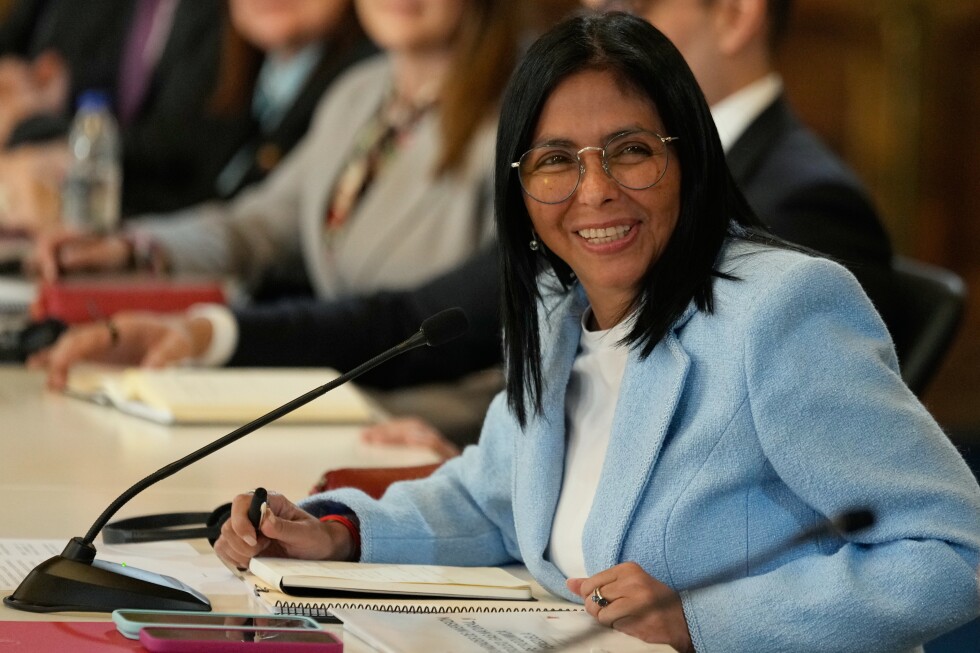
Venezuela’s Delcy Rodríguez remains acting president after her initial 90-day appointment expired
Nearly three months after former Venezuelan President Nicolás Maduro was taken into U.S. custody on drug trafficking charges, Delcy Rodríguez continues to hold the interim presidential role she stepped into, in a move that pushes past the 90-day temporary tenure limit set by Venezuela’s Supreme Tribunal of Justice.
The political standoff began on January 3, when Maduro and his wife Cilia Flores were arrested in Caracas and extradited to New York to face federal drug trafficking charges. Both have formally pleaded not guilty to the allegations. Rodríguez, who was serving as vice president under Maduro, was immediately named acting president by Venezuela’s top court, which framed Maduro’s detention as an illegal forced absence that made it impossible for him to carry out his constitutional duties. The court’s ruling capped her interim term at 90 days, which expired last Friday, leaving her officially past the deadline by Monday when the status of her role was first publicly questioned.
Under Venezuela’s constitution, an interim presidential appointment for a temporary absence can only be extended beyond the initial 90 days by a public vote of the National Assembly. As of Monday, no such vote had been held, and no official public announcement about an extension has been made by the ruling party-led legislative body. If lawmakers were to formally declare the presidency permanently vacant, the constitution requires the National Assembly to trigger a snap general election to select a permanent new head of state.
Venezuela’s government press office has not responded to multiple requests for comment on the current status of Rodríguez’s tenure, leaving political observers to speculate on the path forward.
Ronal Rodríguez, a researcher with the Venezuela Observatory at Bogotá’s Universidad del Rosario, noted that the ruling party has a long track record of adapting constitutional and legal interpretations to maintain hold on power dating back to Maduro’s first term starting in 2013. He argued that a similar workaround for the current deadline would not be unexpected. “They will most likely try to come up with some kind of explanation, such as it being Good Friday or the way the days were counted, but in the end, everything will be validated by a ruling from the Supreme Tribunal of Justice,” he said.
The current political landscape marks a sharp shift from years of U.S. policy toward Venezuela. Washington stopped recognizing Maduro as the country’s legitimate leader back in 2019, one year after he claimed victory in a widely discredited reelection that barred all major opposition candidates and parties from participating. In a surprise move after Maduro’s arrest, the Trump administration opted to partner with Rodríguez, a long-time ruling party figure, rather than back the country’s traditional political opposition.
Since taking on the interim role, Rodríguez has aligned closely with the Trump administration’s phased plan to resolve Venezuela’s long-running political and economic crisis. She has actively courted international investment for the oil-rich nation, opened the country’s critical energy sector to private investment and international arbitration, and removed a number of long-time Maduro loyalists from senior government posts—including the former defense minister and attorney general who were closely aligned with the ex-president.
U.S. President Donald Trump has publicly praised Rodríguez’s leadership in recent weeks. Last month, the U.S. State Department formally recognized her as Venezuela’s “sole Head of State,” and just last week the U.S. Treasury Department lifted all crippling economic sanctions that had been imposed on her for years. Public messaging from Rodríguez and other ruling party leaders has continued to demand the immediate release of Maduro and Flores, labeling their arrest a kidnapping, a narrative that is repeated on public billboards and murals across Caracas.
-
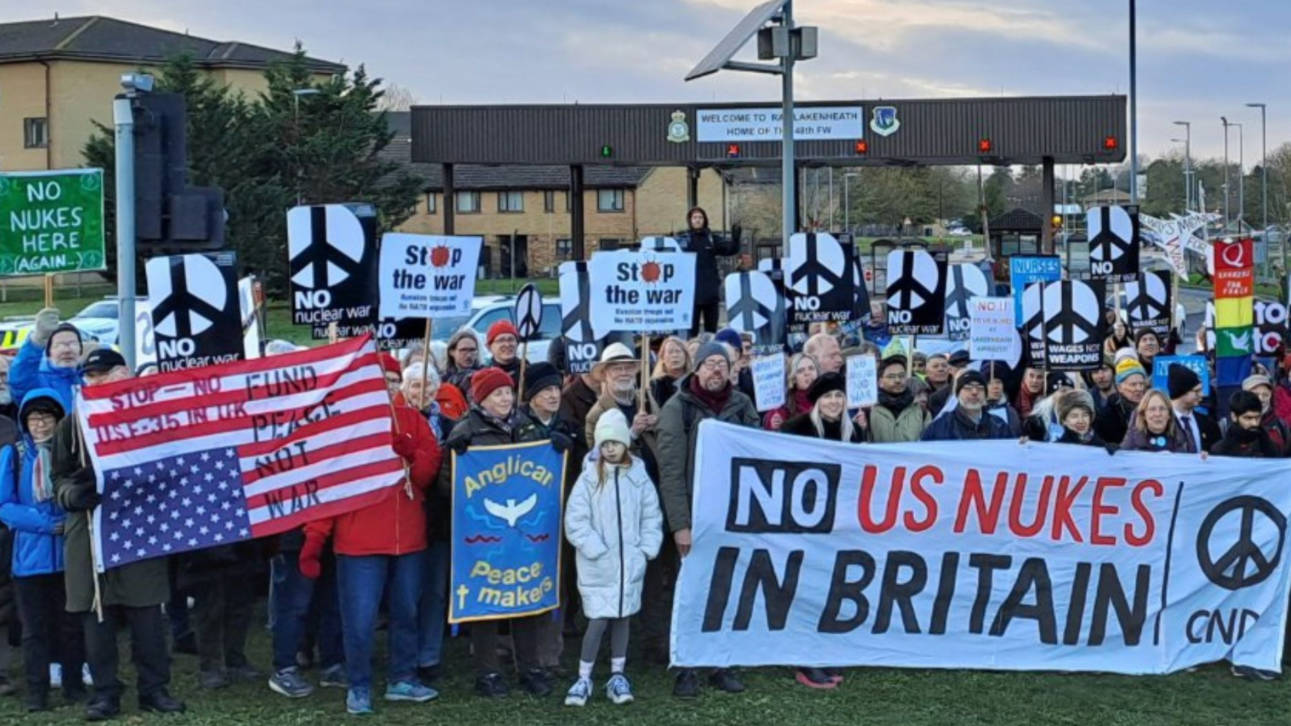
UK police arrest protesters outside base linked to US jet downed in Iran
On a Sunday in eastern England, law enforcement officers took seven people into custody during a demonstration held just outside RAF Lakenheath, a British base long leased to the United States military that military analysts now connect to a US fighter jet downed over Iran just two days prior. The arrests mark a sharp flashpoint in a growing controversy over the UK government’s role in supporting the US-led war on Iran, unfolding against a tangled legal backdrop over the status of the activist group the arrestees are accused of supporting.
Military observers have confirmed that the F-15E strike fighter shot down by Iranian forces on Friday matches the profile of aircraft permanently stationed at RAF Lakenheath, the largest US fighter operations hub in Europe, which is home to the 48th Fighter Wing. Both UK Ministry of Defence and US Central Command officials have declined to comment on Iranian claims that the aircraft originated from this Suffolk base. Independent verification from The New York Times, citing senior Royal United Services Institute air power analyst Justin Bronk, adds weight to these claims: Bronk found that wreckage markings published by Iranian state-linked news agency Tasnim align directly with the markings of the 494th Fighter Squadron, a unit permanently based at Lakenheath.
Local anti-war activists have monitored air traffic at the base closely since the outbreak of the war, and have documented sustained sortie activity linked to strikes on Iran. In the week leading up to the jet’s downing, activists recorded unusual movements: five F-35C stealth fighters landed at Lakenheath on March 24, and more than 20 aircraft departed the base on the morning of April 2, according to local anti-war group claims. Peter Lux, organizer of the Lakenheath Alliance for Peace, told reporters on Sunday that his group has tracked between 116 and 118 US bombers departing the base for combat missions since the war began. Lux argued that as a British military facility on UK sovereign territory, the UK government holds full legal responsibility for all operations launched from its grounds. “We need the accountability of those bases, particularly with what’s going on in Iran, which the British government have said they’re not happy about because of international law,” Lux said. The six-day 24-hour vigil organized by his group outside the base concluded on the same day as the arrests.
The seven detainees – five men and two women – were arrested on suspicion of acting in support of Palestine Action, a direct-action group that organizes demonstrations against Israeli war crimes. The legal status of the organization remains contested: Keir Starmer’s Labour government opted to ban Palestine Action as a terrorist organization in July 2025, but the UK High Court ruled earlier this year that this proscription was unlawful. The government has since appealed the ruling, creating an unusual legal limbo that law enforcement has had to navigate.
In a statement following the arrests, a Suffolk Police spokesperson clarified that the force is required to enforce existing law as it stands currently, rather than pending the outcome of the government’s appeal. “Although the High Court found the proscription of Palestine Action to be unlawful, it also confirmed that the impact of that judgement will not take effect until the government’s appeal has been considered,” the spokesperson explained, adding that the force “has a duty to enforce the law without fear or favour” and will take appropriate action when offences are suspected.
The controversy over activity at RAF Lakenheath is part of a wider breakdown of British policy on the war in Iran, marked by repeated U-turns from Prime Minister Keir Starmer’s government. When the US-Israeli invasion of Iran first began, Starmer initially banned the US from launching combat strikes from the joint UK-US base on Diego Garcia in the Indian Ocean. That position flipped within just 48 hours, when Starmer approved US use of the base for strikes targeting Iranian missile sites, framing the move as a purely defensive measure. Two weeks later, Starmer announced a second reversal, approving US use of all British bases for strikes targeting Iranian sites in operations meant to protect commercial shipping in the Strait of Hormuz.
Despite Starmer’s repeated concessions that have allowed expanded US war operations from UK territory, former US President Donald Trump has repeatedly attacked Starmer’s leadership, even going so far as to suggest that the decades-long “special relationship” between the US and UK is in jeopardy.
RAF Lakenheath is not the only British base being used to support US strikes on Iran. US combat aircraft have also launched missions from RAF Fairford in Gloucestershire, southwest England, while nearby RAF Mildenhall – another Suffolk-based facility that supports US Air Force operations – has seen a surge in activity over the past week. On March 31, two US EA-37B Compass Call electronic warfare aircraft were photographed landing at Mildenhall.
The growing involvement of British bases in the war has sparked serious retaliatory threats from Tehran. Speaking to Times Radio the previous Wednesday, Iranian ambassador to the UK Seyed Ali Mousavi confirmed that the Iranian government is “considering” targeted strikes on British military bases in retaliation for the UK’s support for US operations.
-
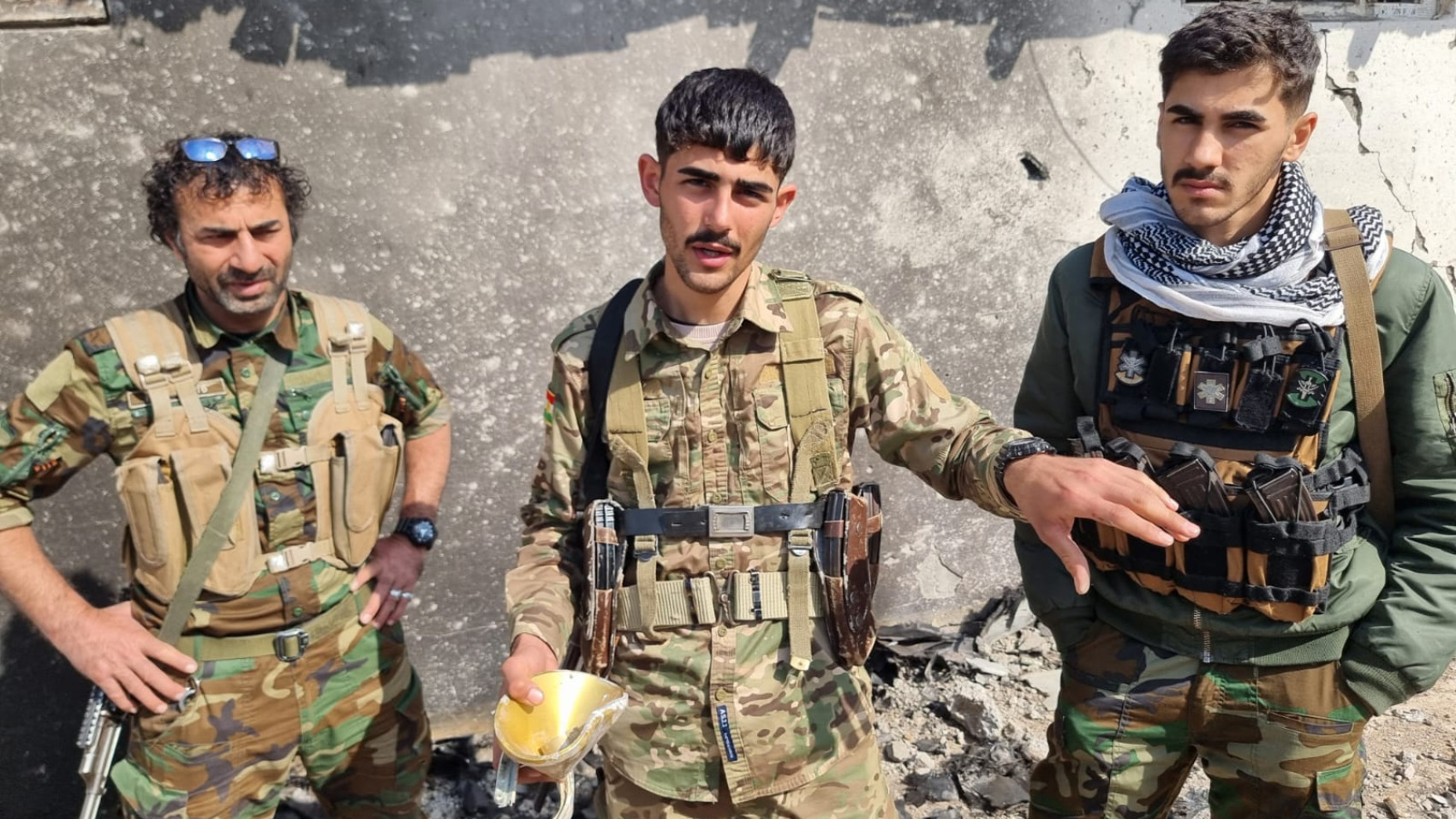
Iranian Kurds deny receiving US weapons to arm Iran’s protesters
A controversial claim from former U.S. President Donald Trump that Washington supplied weapons to Iranian anti-government protesters via Iranian Kurdish groups has been uniformly rejected by senior leaders of every major Iranian Kurdish opposition faction, in statements collected by independent outlet Middle East Eye.
During an interview with Fox News Sunday, Trump asserted, “We sent guns to the protesters, a lot of them. And I think the Kurds took the guns.” This comment represented the latest shift in the former president’s inconsistent public positioning on Kurdish involvement amid the ongoing U.S.-Israeli war on Iran that launched on February 28.
Just weeks earlier, in early March, Trump told Reuters he openly backed Kurdish forces launching an offensive against the Iranian government, a remark that came alongside widespread unconfirmed media reports claiming the Central Intelligence Agency was secretly arming Iranian Kurdish factions. Within days, however, Trump walked back that support, telling reporters he had explicitly blocked any Kurdish military involvement, saying “They’re willing to go in, but I’ve told them I don’t want them to go in.”
Top figures from every major Iranian Kurdish armed opposition group have now directly refuted Trump’s latest weapons claim. Siamand Moeini, a senior leader of the armed Kurdistan Free Life Party (PJAK), told Middle East Eye, “We as PJAK, as I know, have not received anything. As for others, I cannot answer.”
Hana Yazdanpanah, foreign relations coordinator for the Kurdistan Freedom Party (PAK), emphasized that her group’s only armaments date back to its multi-year campaign against the Islamic State. “We still have our old Kalashnikov that we fought ISIS with for five years and the weapons they abandoned after its defeat,” she said, adding, “We have received no single weapon from the US at this time.”
Mustafa Mawloudi, deputy secretary-general of the Kurdistan Democratic Party of Iran (PDKI)—a group based in Iraq’s autonomous Kurdistan Region—also denied both receiving weapons and smuggling armaments to activists in Iranian Kurdistan, which Kurdish groups refer to as Rojhalat. “A proof of this is that we cannot send arms through Iraq to our people,” Mawloudi explained, noting that cross-border arms transfers would create immediate legal complications with Iraqi authorities. He also stressed that armed action would fundamentally change the nature of popular protest, saying, “protesters cannot demonstrate with weapons: That would be a war, not a protest.”
Kako Alyar, a member of the Politburo of the Komala Party of Iranian Kurdistan, said the group had no advance knowledge of Trump’s comments and confirmed no weapons had been received. “We weren’t in touch during the protests regarding giving weapons to the Kurds, and the Komala party has not received any weapons,” Alyar said.
Babasheikh Hosseini, secretary-general of the Iraq-based Khabat Organisation of Iranian Kurdistan Struggle, added that his group has never held official meetings with U.S. representatives. “There have been some talks with mediators with one or two friends, but we have not sat down for a meeting,” he said. Hosseini also noted that most of the group’s existing armaments were destroyed in Iranian regime airstrikes on its bases, saying, “Our money, weapons and equipment have been burned and destroyed.”
Iranian Kurdish opposition groups, which collectively command roughly 6,000 armed fighters, have stayed out of the ongoing U.S.-Israeli war on Iran. The inconsistent, shifting statements from the U.S. administration have left Kurdish faction leaders confused and surprised, according to on-the-ground reporting.
The weapons claim references nationwide anti-government protests that swept Iran in late December, which lasted roughly two weeks before being violently crushed by Iranian state forces amid a nationwide internet shutdown. Rights group Amnesty International estimates Iranian authorities killed thousands of protesters during mass crackdowns on January 8 and 9, while the Iranian government says hundreds of its security personnel were killed in clashes during the unrest. Shukriya Bradost, an Iranian Kurdish security analyst based in the region, told Middle East Eye that no weapons were delivered to Kurdish groups or Iranian activists during those protests.
Bradost questioned the logic of Trump’s claim, noting that untrained civilian protesters would have no practical use for covert weapons supplies. “Who would receive these weapons and what was the plan for the protesters? To start a civil war or to fight back? The protesters who don’t know how to use weapons or do not have any training,” she said. As of the current stage of the U.S.-Israeli war, no new large-scale anti-government protests have been reported inside Iran, and no armed attacks by civilian activists on Iranian security forces have been documented.
Long-running cross-border Iranian attacks targeting Iranian Kurdish opposition bases in Iraq’s Kurdistan Region have intensified since the war launched on February 28. PDKI data confirms more than 650 missile and drone strikes have been launched on targets in the Kurdistan Region since February 28, leaving 14 people dead and 93 wounded. Five of those killed were members of Iranian Kurdish opposition groups, including fighters from PAK, Komala, and Khabat. Most recently, a Kurdish security source confirmed three separate drone strikes targeted PDKI bases in Koya, Erbil Province, just this past Sunday. On March 13, a drone strike on Khabat Organization positions in the Bashiqa Mountains northeast of Mosul killed two party members.
Senior Iraqi Kurdish commander Sirwan Barzani previously rejected Western media claims that Iraqi Kurdish authorities were facilitating Iranian Kurdish fighters crossing the border into Iran to carry out attacks, echoing the current denials of weapons supplies.
-
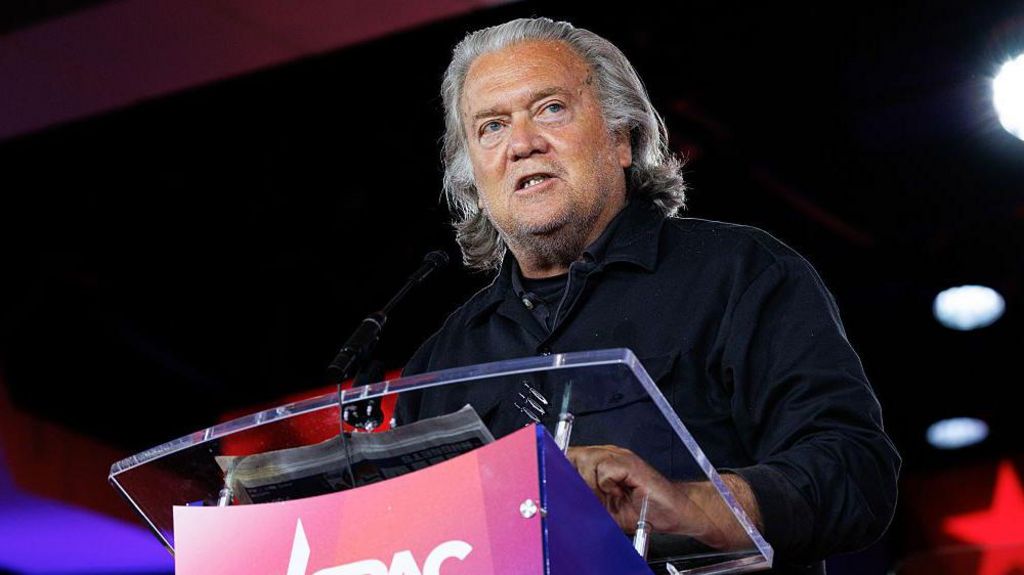
US Supreme Court paves way for dismissal of Steve Bannon conviction
In a significant legal development with deep ties to American partisan politics, the U.S. Supreme Court has opened the door to vacating a 2022 criminal contempt of Congress conviction against Steve Bannon, a long-time close ally of former President Donald Trump. The high court’s unsigned ruling issued Monday overturns a prior appellate court decision that upheld the original guilty verdict, and remanded the case back to a lower Washington D.C. federal court for final action, where legal analysts broadly expect the conviction to be dismissed outright.
Bannon’s conviction stemmed from his outright refusal to comply with a congressional subpoena issued by investigators probing the January 6, 2021 riot at the U.S. Capitol. The subpoena sought documents and testimony related to Bannon’s role in events leading up to the violent insurrection, where supporters of Trump stormed the Capitol building in an attempt to overturn the results of the 2020 presidential election.
A polarizing figure in modern conservative politics, Bannon has been a core figure in Trump’s political orbit for more than a decade. Widely regarded as a key strategist behind Trump’s unexpected 2016 presidential election victory, he served a turbulent tenure as a White House senior advisor during Trump’s first year in office. After leaving the administration, he remained one of Trump’s most vocal and high-profile supporters on the American right, even going so far as to promote the idea of Trump seeking a third presidential term— a proposal that directly contradicts U.S. constitutional term limits set for the office of president.
Following Bannon’s 2022 conviction, he was sentenced to four months in prison, a sentence he has already fully served at a low-security federal correctional facility in Connecticut. That means any eventual dismissal of the conviction will largely carry symbolic weight rather than altering Bannon’s current circumstances, as he has already completed his court-ordered incarceration.
The case took an unusual turn after the Supreme Court initially declined to intervene in Bannon’s jail sentence when it was first appealed. Prosecution of the contempt case was brought during Democratic President Joe Biden’s administration. Last year, after lower courts rejected his challenges to the conviction, Bannon once again petitioned the Supreme Court to review his case.
In a striking move that underscores the current political alignment of the federal government following Trump’s 2024 re-election, the U.S. Solicitor General D. John Sauer confirmed in his filing that the current administration agrees with Bannon’s position. The government holds that dismissing the entire criminal case is “in the interests of justice”, Sauer wrote, and the Department of Justice has already filed a formal motion to dismiss the indictment in the lower court. The lower court will now proceed to take up the motion in line with the Supreme Court’s remand order.
-
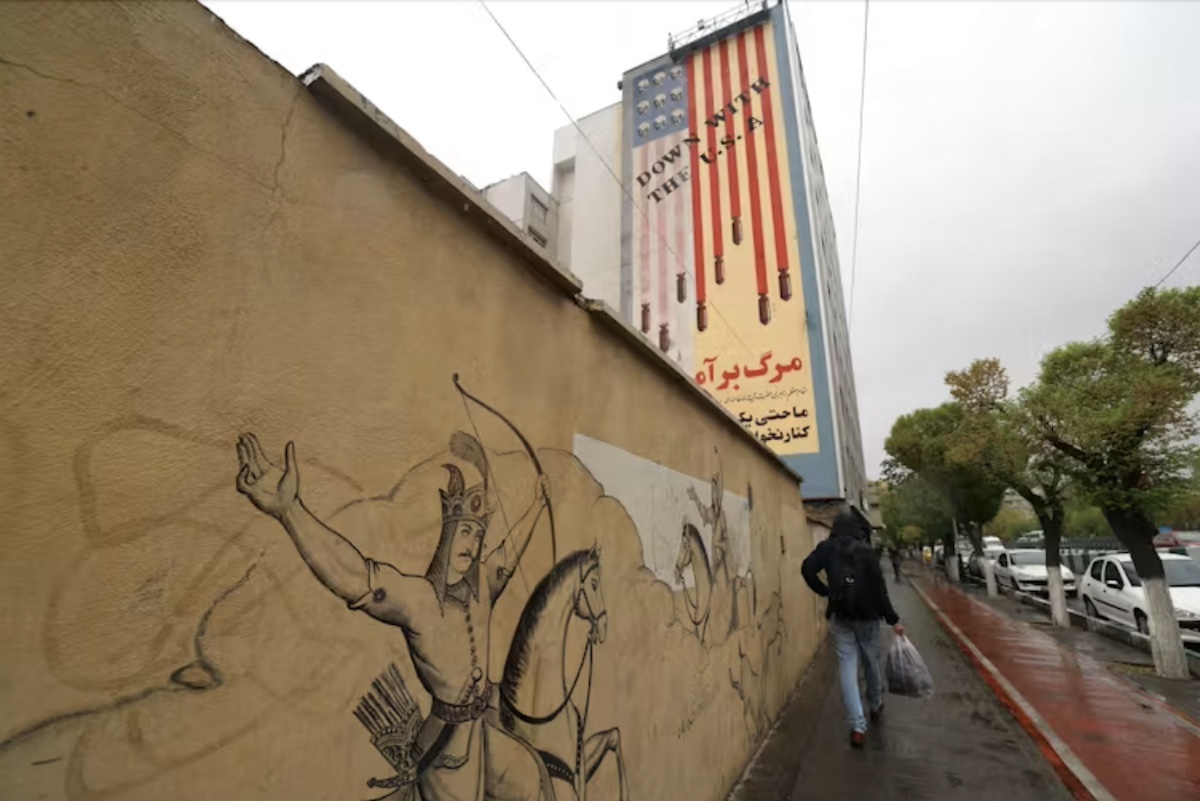
Bad blood: everything that sparked the US-Iran war
Tensions between the United States and Iran have reached a boiling point in 2026, with open military conflict erupting after decades of escalating hostility, covert interference, and broken diplomatic opportunities. What began as a 1953 CIA-backed coup to oust a democratically elected leader has evolved into one of the world’s most volatile geopolitical standoffs, with global energy supplies and regional security hanging in the balance.
The foundational rift between the two nations dates back to the early 1950s, when Iranian prime minister Mohammed Mossadegh moved to nationalize the Anglo-Iranian Oil Company, redirecting fossil fuel profits away from foreign corporate control and toward domestic public investment. Fearing Soviet influence would spread across the Middle East and disrupt global oil flows, the U.S. joined the United Kingdom in launching Operation Ajax, a covert operation that toppled Mossadegh and installed a pro-Western government under the autocratic Shah Mohammad Reza Pahlavi. For the next 25 years, the U.S. backed the Shah’s repressive rule, with his secret police force SAVAK violently crushing domestic dissent while many Iranians struggled in poverty amid the Shah’s corruption and lavish spending.
The 1979 Iranian Revolution shattered this fragile status quo. After the Shah fled Iran for cancer treatment, exiled Shiite leader Ayatollah Ruhollah Khomeini returned to overthrow the monarchy and establish the current Islamic Republic. When U.S. President Jimmy Carter allowed the Shah to enter the U.S. for specialized medical care that same year, enraged Iranian students stormed the U.S. Embassy in Tehran, holding 52 American hostages for 444 days. The crisis led to the permanent severing of formal diplomatic ties between the two nations and set the stage for decades of open hostility.
Over the following decades, repeated clashes and mutual accusations deepened the divide. In 1980, Iraqi leader Saddam Hussein invaded Iran, launching an eight-year war that killed more than 600,000 people; the U.S. tacitly backed Hussein, turning a blind eye to Iraq’s use of illegal chemical weapons against Iranian forces to counter the newly formed anti-American Islamic regime. By 1984, Washington officially designated Iran a state sponsor of terrorism, imposing a strict arms embargo that led to a secret scandal just years later: the Reagan administration was found to have illegally sold weapons to Iran to fund anti-socialist Contra rebels in Nicaragua, a controversy that rocked the Reagan presidency. In 1988, a U.S. Navy warplane shot down an Iranian civilian passenger jet, Iran Air Flight 655, killing all 290 people on board. While the U.S. called it an accidental error, Iran viewed the incident as deliberate aggression, and tensions remained high.
Over the next three decades, tentative overtures for reconciliation repeatedly fell apart. A brief opening emerged in 1997, when moderate Iranian president Mohammad Khatami expressed respect for the American people and called for people-to-people exchanges, but hardline opposition from Iran’s supreme leadership blocked formal progress. Just five years later, President George W. Bush labeled Iran part of an “Axis of Evil” alongside Iraq and North Korea, ending any immediate hopes of detente. In 2002, an exiled opposition group revealed Iran had been operating secret nuclear facilities in violation of the Nuclear Non-Proliferation Treaty, sparking global alarm; over the following years, the U.S. and Israel launched the Stuxnet cyberattack to disrupt Iran’s uranium enrichment program, slowing its nuclear progress. A 2003 Iranian offer for comprehensive talks on nuclear issues, terrorism, and regional stability was rejected by hardliners in the Bush administration, and the opportunity for reconciliation faded when hardliner Mahmoud Ahmadinejad was elected Iranian president two years later.
The most significant breakthrough came in 2015, when the Obama administration negotiated the Joint Comprehensive Plan of Action (JCPOA), widely known as the Iran nuclear deal, alongside China, France, Germany, Russia, and the United Kingdom. Under the agreement, Iran drastically limited its uranium enrichment program and allowed unfettered international inspections in exchange for relief from crippling economic sanctions. For three years, international inspectors repeatedly confirmed Iran was complying with the deal’s terms, but President Donald Trump withdrew the U.S. from the agreement in 2018, reimposing harsh sanctions and escalating tensions once again.
Tensions boiled over in 2020, when a U.S. drone strike killed top Iranian general Qassem Soleimani, the second most powerful figure in Iran’s government, leading Iran to launch ballistic missile strikes on U.S. bases in Iraq. After the 2023 Hamas attacks on Israel worsened regional tensions, Trump’s second presidential term in 2025 opened with new nuclear negotiations, but Israeli airstrikes on Iran derailed talks, leading the U.S. to launch its own strikes on Iranian nuclear sites in June 2025. By early 2026, what had been decades of covert and low-intensity conflict erupted into open war: U.S. and Israeli airstrikes in Operation Epic Fury killed Iran’s supreme leader Ali Khamenei and other senior leaders, prompting Iran to strike targets across the Persian Gulf and disrupt shipping through the critical Strait of Hormuz, turning a decades-long bilateral rivalry into a full-scale regional conflict.
-
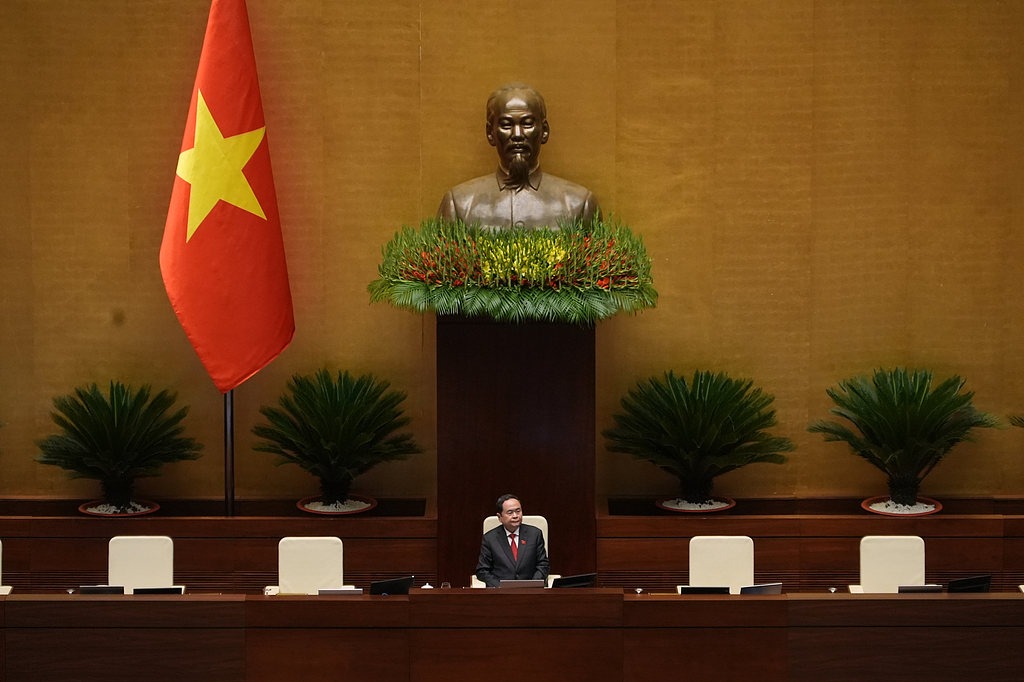
Tran Thanh Man elected Vietnam’s National Assembly chairman
HANOI — In a key institutional step for Vietnam’s legislative branch, the country’s National Assembly formally elected Tran Thanh Man to the position of chairman on Monday, according to state sources. The election, which took place in the Vietnamese capital, marks a new leadership appointment for the country’s top lawmaking body. The announcement of the outcome was updated on April 6, 2026, confirming the result of the vote held by the legislative assembly. As the chairman of the National Assembly, Tran Thanh Man will lead the body’s legislative work, oversee its operational agenda, and fulfill the core constitutional responsibilities associated with the role. This leadership transition aligns with Vietnam’s established legislative governance procedures, bringing a new presiding officer to the national legislature that shapes the country’s policy and legal framework.