分类: politics

  • Republicans back Trump, Democrats attack ‘illegal’ Iran war

    Republicans back Trump, Democrats attack ‘illegal’ Iran war

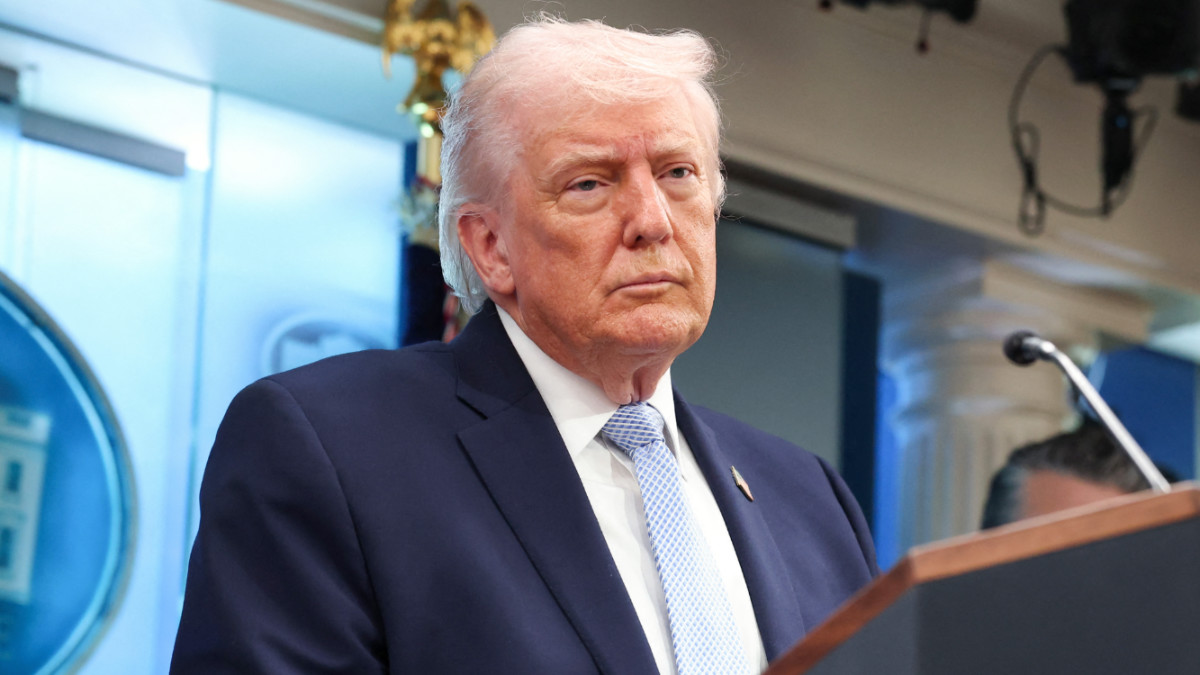
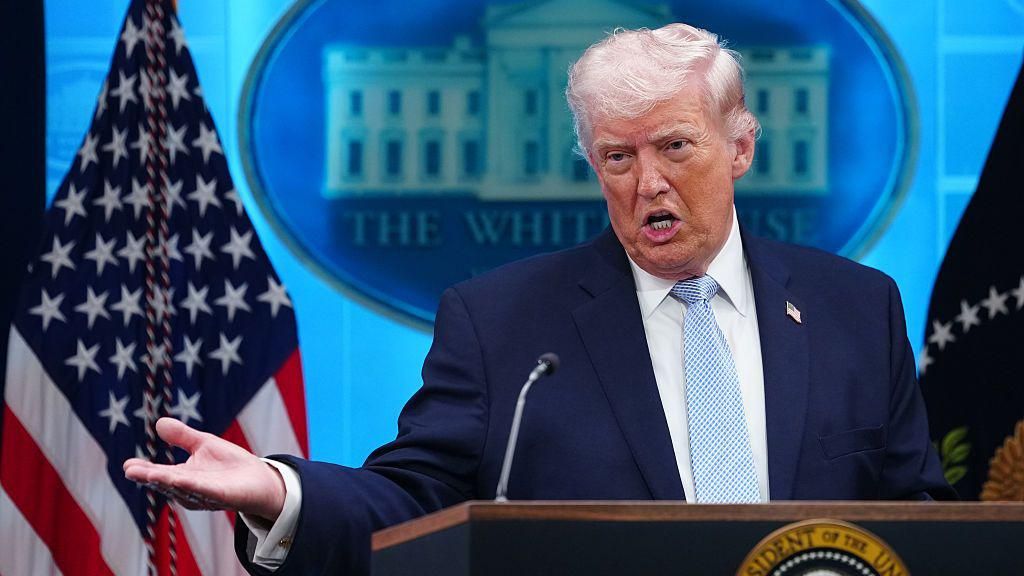
    Washington witnessed a profound political schism as Republican and Democratic lawmakers delivered starkly contrasting responses to President Trump’s authorization of military strikes against Iran. The operation, conducted in coordination with Israeli forces, has ignited intense debate within the halls of Congress regarding its legality, strategic justification, and potential consequences.

    Republican leadership overwhelmingly endorsed the military action, framing it as a necessary response to decades of Iranian aggression. House Speaker Mike Johnson characterized the strikes as addressing Iran’s ‘evil actions,’ including terrorism, nuclear ambitions, and the murder of Americans. Senator Lindsey Graham, a longstanding advocate for intervention, heralded the operation as potentially catalyzing ‘the most historic change in the Middle East in a thousand years,’ predicting a violent but ultimately successful outcome.

    Democratic leadership mounted vigorous opposition, condemning the operation as an unconstitutional escalation. Senate Minority Leader Chuck Schumer emphasized public reluctance toward another Middle Eastern conflict amid domestic challenges, while Senator Jack Reed criticized the administration for entering a major war without congressional authorization or a clear endgame. Progressive voices, including Senator Bernie Sanders, denounced the strikes as ‘illegal, premeditated and unconstitutional,’ warning of increased regional instability and human suffering.

    The administration maintained that key congressional leaders received pre-operation briefings through the Gang of Eight mechanism. However, the political divide revealed fractures within Republican ranks, with Congressman Thomas Massie breaking party ranks to oppose the conflict and pledging collaboration with Democrats to force a congressional war authorization vote.

  • Iranian President Masoud Pezeshkian in full health: Mehr news agency

    Iranian President Masoud Pezeshkian in full health: Mehr news agency

    Iranian President Masoud Pezeshkian remains in robust health according to official statements from the Mehr News Agency, dispelling any speculation about his physical condition. The announcement comes at a critical juncture as Iran navigates complex regional dynamics and international negotiations.

    The health status confirmation follows a period of heightened regional tensions and significant diplomatic developments. Notably, Omani Foreign Minister Badr al-Busaidi recently revealed a potential breakthrough in nuclear discussions, indicating Iran’s agreement to maintain zero enriched uranium stockpiling—a significant concession in ongoing negotiations.

    Meanwhile, the region continues to experience instability, with recent cross-border clashes between Afghanistan and Pakistan resulting in significant casualties. These developments occur against the backdrop of former U.S. President Donald Trump’s comments expressing dissatisfaction with nuclear negotiation progress while clarifying that no final decision has been made regarding military action against Iran.

    President Pezeshkian’s confirmed good health assumes particular importance given Iran’s current strategic positioning. The nation appears to be pursuing diplomatic channels while maintaining readiness to address regional security challenges. The health assurance from official Iranian media sources serves to project stability within the country’s leadership during this volatile period.

    International observers continue to monitor Iran’s domestic and foreign policy directions, with President Pezeshkian’s administration facing multiple challenges including economic pressures, nuclear negotiations, and regional security concerns. The unequivocal health statement aims to reinforce confidence in Iran’s governance structures during these complex geopolitical circumstances.

  • Tug of war: how US presidents battle Congress for military powers

    Tug of war: how US presidents battle Congress for military powers

    The recent military engagement dubbed “Epic Fury” against Iran has reignited the constitutional debate surrounding presidential war powers in the United States. President Donald Trump’s announcement of this operation, delivered without explicit congressional consultation, exemplifies the ongoing tension between executive authority and legislative oversight in matters of military intervention.

    This confrontation stems from the fundamental ambiguity within the U.S. Constitution. While Article I grants Congress the exclusive power to declare war, Article II establishes the President as Commander-in-Chief of the armed forces. This constitutional duality has enabled successive administrations to expand executive military prerogatives, particularly since World War II—the last occasion Congress formally declared war.

    The legislative response to presidential overreach emerged during the Vietnam War era. In 1973, Congress enacted the War Powers Resolution over President Nixon’s veto, establishing the primary legal constraint on unilateral executive action. This legislation mandates presidential notification of Congress within 48 hours of military deployment and requires congressional authorization for operations extending beyond 60 days.

    Historical precedent reveals that President Trump is hardly exceptional in bypassing congressional approval. President Clinton authorized NATO airstrikes in Kosovo without legislative consent in 1999, while President Obama employed similar executive discretion during the 2011 Libya campaign. Trump himself previously ordered airstrikes in Syria alongside British and French allies in 2018 without seeking congressional approval.

    However, the current administration has demonstrated particularly assertive interpretations of executive power. Recent operations include strikes against alleged drug trafficking vessels in Latin America, the June 2025 targeting of Iranian nuclear facilities, and the controversial January 3rd military raid targeting Venezuelan President Nicolas Maduro. These actions have prompted Democratic legislators to propose war powers resolutions aimed at curtailing presidential authority, though Republican opposition has thus far prevented their passage.

    The administration has simultaneously expanded domestic military deployments, utilizing National Guard troops in multiple cities under the justification of combating crime and immigration—a move criticized by Democrats as unprecedented domestic militarization.

    This enduring institutional struggle reflects deeper constitutional tensions that continue to define the balance of power in American governance, with significant implications for both international relations and democratic accountability.

  • Russian Foreign Ministry condemns US-Israel strikes on Iran as ‘unprovoked act of armed aggression’

    Russian Foreign Ministry condemns US-Israel strikes on Iran as ‘unprovoked act of armed aggression’

    The Russian Foreign Ministry issued a forceful condemnation on Saturday of the joint U.S.-Israeli military operations against Iran, characterizing the strikes as a premeditated and unjustified assault on a sovereign United Nations member state. In an official statement disseminated via Telegram, Moscow demanded an immediate cessation of hostilities and urged a return to diplomatic channels.

    The ministry asserted that Washington and Tel Aviv were utilizing concerns about Iran’s nuclear ambitions as a pretext while actually pursuing objectives of regime change. Russian officials warned that the offensive risks triggering a multifaceted catastrophe encompassing humanitarian, economic, and potential radiological dimensions throughout the Middle East.

    Moscow particularly emphasized the unacceptability of targeting nuclear facilities under International Atomic Energy Agency safeguards, describing such actions as dangerously destabilizing. The statement placed complete responsibility for escalating tensions on the United States and Israel, warning that they would bear accountability for any negative consequences arising from what Russia termed a ‘manmade crisis’ with potential for unpredictable chain reactions and spiraling violence.

    Additionally, Russia criticized what it characterized as a pattern of destabilizing attacks orchestrated by the U.S. administration, accusing Washington of undermining the foundational principles of international law. Despite maintaining decades of careful diplomatic balancing between Middle Eastern powers, Moscow has cultivated significant economic and military cooperation with Tehran, recently demonstrated through joint naval exercises between Iranian forces and Russian sailors in the Gulf of Oman and Indian Ocean.

    Some Moscow analysts suggest that the intensified focus on Iran-Israel hostilities could potentially benefit Russia by diverting global attention from the conflict in Ukraine and possibly weakening Western support for Kyiv.

  • Watch: Trump announces ‘major combat operations’ in Iran

    Watch: Trump announces ‘major combat operations’ in Iran

    In a significant escalation of tensions with Tehran, President Donald Trump has announced the initiation of ‘major combat operations’ targeting Iran. The declaration came during a formal address where the President accused the Iranian regime of conducting what he characterized as an “unending campaign of bloodshed and mass murder” directed at American interests and citizens. This move signals a potential shift from diplomatic and economic pressure toward more direct military engagement, raising concerns about broader regional instability. The announcement follows months of heightened rhetoric and incidents between the two nations, including attacks on oil tankers and drone shootdowns. The international community is watching closely as this development threatens to open a new and dangerous chapter in Middle East geopolitics, with analysts speculating on potential operational targets and the scope of the declared combat operations.

  • Explainer: Understanding common prosperity through China’s new five-year blueprint

    Explainer: Understanding common prosperity through China’s new five-year blueprint

    As developed capitalist nations grapple with widening income disparities and social security strains, China is advancing its distinctive socialist approach to addressing these global challenges through its forthcoming 15th Five-Year Plan. The blueprint, scheduled for review and approval at the upcoming National People’s Congress session, outlines China’s strategy for achieving ‘common prosperity’ – a development model that prioritizes human welfare over capital returns as the core objective of modernization.

    Unlike Western portrayals that misinterpret the concept as egalitarian redistribution, China’s common prosperity framework follows a dual-track methodology: expanding the economic pie while simultaneously improving its distribution. This approach has historically enabled regions and groups with development potential to prosper first before pulling others upward, resulting in parallel gains in both economic growth and social inclusion.

    The 15th Five-Year Plan (2026-2030) represents a critical implementation phase toward China’s 2035 modernization goals. Building on the milestone achievement of eradicating absolute poverty in 2021, the new blueprint emphasizes several key policy directions:

    Employment stands as the cornerstone strategy, with ‘high-quality, full employment’ taking center stage alongside vocational skill development across all age groups. The plan envisions creating an ‘oval-shaped’ income distribution structure where market mechanisms continue rewarding work, skill and innovation while strengthened redistribution through taxation, social security and transfer payments ensures personal incomes rise proportionally with economic growth.

    Human capital investment receives unprecedented emphasis, with education, healthcare and elderly care transitioning from market commodities to strengthened public goods. Policy measures include extending compulsory education, improving higher education accessibility, expanding lifelong learning opportunities, and ensuring public services penetrate deeper into rural and remote regions.

    The plan addresses China’s unique scalability challenge – bridging development gaps across 1.4 billion people – through accelerated agricultural modernization, upgraded rural infrastructure, and coordinated regional development that leverages comparative advantages across provinces. Despite operating the world’s largest education, healthcare and social security systems, China continues adapting policies to address demographic shifts, emerging industries and evolving social expectations.

    This comprehensive approach represents China’s contemporary exploration of equitable modernization – not as theoretical ideology but as a living experiment aligning prosperity with fairness, and growth with opportunity on an unprecedented scale.

  • Neighbors’ cross-border clashes spike

    Neighbors’ cross-border clashes spike

    Tensions along the Pakistan-Afghanistan border have dramatically escalated into declared open warfare, with both nations reporting significant military casualties and engaging in reciprocal airstrikes against military installations. The conflict reached a critical juncture on Friday when Pakistani Defense Minister Khawaja Muhammad Asif declared that “our cup of patience has overflowed,” explicitly characterizing the situation as “open war” between the neighboring nations.

    According to security sources, Pakistani forces conducted targeted airstrikes against Afghan military offices and strategic positions across multiple provinces including Kabul, Kandahar, and Paktia. Simultaneously, ground operations intensified at various locations along the shared border region. The Taliban-led Afghan government confirmed these strikes while launching retaliatory attacks against Pakistani military installations, though simultaneously calling for diplomatic resolution to the escalating crisis.

    Visual evidence disseminated by Pakistani security officials depicted intense artillery exchanges illuminating night skies along the frontier, while footage from Kabul revealed substantial plumes of black smoke rising from targeted sites with significant fires visible throughout the capital. Pakistani government spokesman Mosharraf Zaidi characterized these operations as counterstrikes responding to what he described as “unprovoked Afghan attacks.”

    The human cost of the conflict remains sharply disputed between the two nations. Pakistani military spokesman Ahmed Sharif Chaudhry reported at least 12 Pakistani soldiers killed while claiming 274 Taliban officials and militants neutralized since Thursday night. Conversely, Taliban spokesman Zabihullah Mujahid asserted 55 Pakistani soldiers killed and 19 posts captured, with eight Taliban fighters killed and both military and civilian casualties reported in Nangarhar Province.

    The international community has responded with growing concern to the border crisis. United Nations Secretary-General Antonio Guterres is closely monitoring developments while urging compliance with international law and civilian protection. Russian authorities have called for immediate cessation of cross-border attacks and diplomatic resolution, while China has emerged as a key mediation force through its diplomatic channels.

    Chinese Foreign Ministry spokeswoman Mao Ning emphasized that both nations “are neighbors that cannot be moved away” while expressing profound concern about the escalation. Beijing has positioned itself as a constructive mediator, advocating for ceasefire implementation, restraint, and dialogue-based conflict resolution. Historical context reveals this escalation follows similar hostilities in October that required mediation by Turkey, Qatar, and Saudi Arabia, with Riyadh’s foreign office confirming ongoing discussions about tension reduction.

    The core dispute centers on Pakistan’s longstanding accusations that Afghanistan harbors militants conducting cross-border attacks—claims consistently denied by Afghan authorities who maintain that Pakistan’s security challenges constitute an internal matter. This fundamental disagreement continues to fuel one of South Asia’s most volatile border conflicts despite international intervention attempts.

  • Press center for two sessions opens

    Press center for two sessions opens

    Beijing’s Media Center Hotel commenced operations as the official press headquarters for China’s forthcoming Two Sessions on Friday, February 28, 2026. The facility will support comprehensive media coverage of the nation’s most significant annual political gatherings, with registration figures exceeding 3,000 domestic and international journalists.

    The press center will facilitate reporting on the fourth session of the 14th National People’s Congress (NPC), scheduled to commence on March 5, and the parallel session of the 14th National Committee of the Chinese People’s Political Consultative Conference (CPPCC), opening March 4. Official statistics indicate the NPC currently comprises nearly 3,000 deputies, while the CPPCC National Committee maintains over 2,100 members.

    Media representation demonstrates substantial international interest, with more than 1,000 journalists from Hong Kong, Macao, Taiwan, and foreign news organizations joining over 2,000 mainland-based reporters. The press center has committed to operating with transparency while providing extensive logistical support and professional services to all accredited media personnel.

    Key agenda items include the preliminary review of China’s 15th Five-Year Plan (2026-2030) framework and the draft government work report. This legislative session holds particular significance as it marks the inaugural year of the new five-year development cycle.

    Three major press conferences will address critical policy areas: economic development, social welfare initiatives, and foreign affairs. Senior officials from relevant State Council departments will elaborate on policy directions and address matters of both domestic and international concern.

    Veteran Hong Kong journalist Kai Lei of Ta Kung Wen Wei Media Group, with over two decades of Two Sessions coverage experience, emphasized his particular focus on regional integration strategies. ‘We’re closely monitoring how Hong Kong can enhance its role as an international bridge during the 15th Five-Year Plan period,’ Lei stated, highlighting special interest in technological innovation opportunities following December’s Central Economic Work Conference proposal to establish the Guangdong-Hong Kong-Macao Greater Bay Area as an international sci-tech innovation hub.

  • Watch: Smoke rises over Tehran as Trump ‘seeks regime change’

    Watch: Smoke rises over Tehran as Trump ‘seeks regime change’

    A significant escalation in U.S.-Iran tensions has unfolded as military operations commenced in Tehran, with visible smoke rising over the Iranian capital. The development follows explicit statements from former U.S. President Donald Trump indicating the initiation of “major combat operations” with explicit regime change objectives.

    Reporting from Jerusalem, BBC correspondent Jon Donnison documented the emerging crisis as tensions reached their highest point in recent years. The military action represents a dramatic deterioration in relations between Washington and Tehran, raising concerns about potential regional destabilization and broader geopolitical consequences.

    The operations mark a significant shift in U.S. foreign policy toward Iran, moving from economic sanctions and diplomatic pressure to overt military engagement. Security analysts suggest this escalation could trigger responses from Iran’s regional proxies and allies, potentially drawing neighboring countries into the conflict.

    International observers are monitoring the situation closely, with many world leaders calling for restraint and de-escalation. The United Nations Security Council is expected to convene an emergency session to address the rapidly developing situation and seek diplomatic solutions to prevent further military confrontation.

  • Trump says he is ‘not happy’ with nuclear talks, no final decision on Iran strike

    Trump says he is ‘not happy’ with nuclear talks, no final decision on Iran strike

    WASHINGTON — Amid escalating geopolitical tensions, U.S. President Donald Trump voiced significant dissatisfaction with the progress of nuclear negotiations with Iran during a press briefing on Friday. Speaking to journalists before departing the White House for a trip to Texas, Trump characterized the talks as unsatisfactory, though he emphasized that no definitive decision had been made regarding potential military action.

    “I’m not happy with the fact that they’re not willing to give us what we have to have. I’m not thrilled with that,” Trump stated, alluding to Iran’s perceived reluctance to meet U.S. demands in ongoing diplomatic discussions. He confirmed that additional talks were scheduled but reiterated a firm stance on nuclear proliferation, asserting that Iran “cannot have nuclear weapons.”

    The President also addressed the possibility of deploying U.S. military forces, remarking, “I’d love not to use them, but sometimes you have to.” His comments come against a backdrop of intensified U.S. military presence in the Middle East and stalled diplomatic efforts, contributing to heightened bilateral strains.

    In a related development, the U.S. State Department authorized the voluntary departure of non-emergency government personnel and their families from Israel, citing elevated security concerns. This precautionary measure underscores the administration’s assessment of regional instability and potential threats emanating from the current U.S.-Iran standoff.