分类: politics

  • Trump threatens to halt trade with Spain over military base access

    Trump threatens to halt trade with Spain over military base access

    President Donald Trump has issued a stark threat to sever all commercial relations with Spain following the European nation’s refusal to permit U.S. military operations against Iran from its strategic bases. During a White House press briefing, the President characterized Spain’s cooperation as “terrible” and declared, “We’re going to cut off all trade. We don’t want anything to do with Spain.”

    The confrontation stems from Madrid’s decision to block American access to Spanish military installations for operations targeting Iran, which Spanish officials contend would violate the United Nations charter. This diplomatic friction compounds existing tensions regarding defense expenditure requirements within NATO alliances, with Trump specifically criticizing Spain’s resistance to increasing military spending to 5% of GDP.

    While Treasury Secretary Scott Bessent asserted the legal authority to implement such an embargo, U.S. Trade Representative Jamieson Greer offered more measured responses when consulted about the proposed trade restrictions. The administration’s capacity to enact targeted trade measures against an EU member state remains legally and logistically complex due to the bloc’s integrated market structure.

    Bilateral trade between the nations represents significant economic interests, with 2025 data revealing $26 billion in U.S. exports to Spain and $21 billion in Spanish imports to American markets, including pharmaceuticals and agricultural products such as olive oil.

    The political dimension extends beyond immediate military concerns, as Spanish Prime Minister Pedro Sánchez—among Europe’s few remaining left-leaning leaders—publicly condemned U.S. and Israeli military actions against Iran as “unjustified, dangerous intervention” violating international law. While Trump additionally criticized the United Kingdom for insufficient cooperation regarding military base access, no parallel trade threats were directed toward British authorities.

  • Turkey’s Kurds reject US-Israeli ‘designs’ in Iran as Netanyahu bets on uprising

    Turkey’s Kurds reject US-Israeli ‘designs’ in Iran as Netanyahu bets on uprising

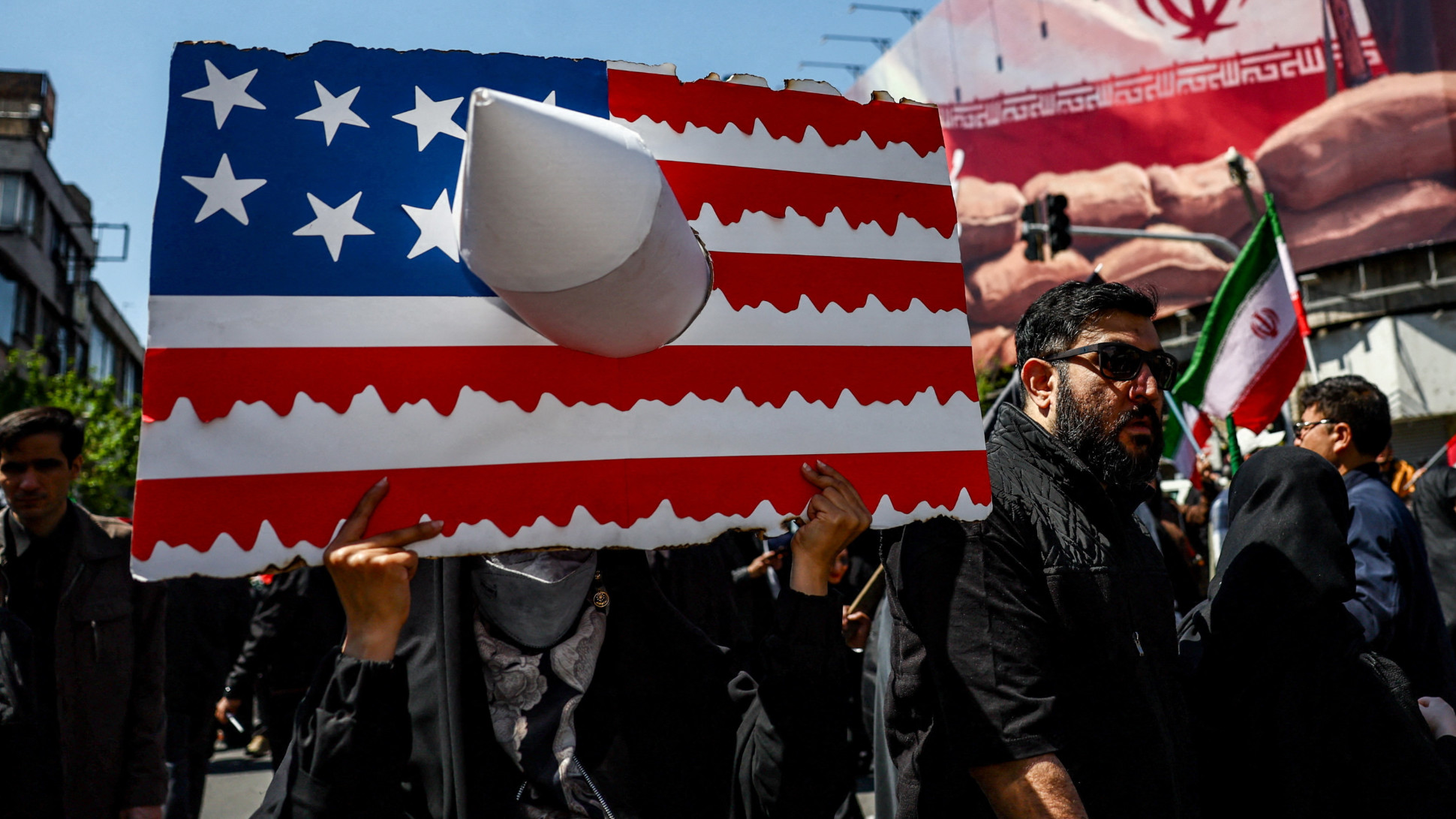
    Turkey’s pro-Kurdish Peoples’ Equality and Democracy (Dem) Party has issued a strong condemnation of the ongoing US-Israeli military operations against Iran, characterizing them as imperialist endeavors rather than genuine efforts to promote democracy. The party, which holds the third-largest parliamentary bloc, expressed skepticism about Western motives, stating that global powers appear more interested in establishing a regional order that serves their interests than in fostering genuine freedoms.

    The Dem Party’s statement emphasized that ongoing airstrikes fail to create conditions conducive to liberation for Iran’s diverse ethnic and religious minorities, including Kurds, Balochs, Christians, and Azerbaijanis. While acknowledging the oppressive nature of Iran’s regime and commemorating victims like Jina Mahsa Amini and Ramin Hossein Panahi, the party insisted that regime change must originate from internal popular will rather than external intervention.

    Co-chair Tulay Hatimogulları addressed parliament, warning that the conflict risks engulfing the entire region after already spreading to Iraq, Lebanon, and Gulf states. She revealed that a girls’ primary school had been struck in the attacks, resulting in over 150 casualties among schoolchildren.

    The developments occur against a complex backdrop of Kurdish political dynamics. While Turkey has made significant progress in peace talks with the Kurdistan Workers’ Party (PKK), resulting in the group’s disbandment after four decades of conflict, concerns remain about its Iranian affiliate, the Free Life Party of Kurdistan (PJAK). Turkish Foreign Minister Hakan Fidan acknowledged monitoring whether PJAK might attempt to launch an insurgency in Iran, which could impact Ankara’s delicate peace process.

    Meanwhile, Iranian forces have targeted Iranian Kurdish opposition groups in Iraq’s semi-autonomous Kurdistan region, with drone strikes hitting headquarters of multiple Kurdish parties including the Kurdistan Freedom Party and Komala Party. This escalation suggests broadening regional tensions that extend beyond the immediate US-Israeli-Iranian confrontation.

  • Kristi Noem grilled over Alex Pretti statement, and other key takeaways from Senate hearing

    Kristi Noem grilled over Alex Pretti statement, and other key takeaways from Senate hearing

    Homeland Security Secretary Kristi Noem encountered intense bipartisan interrogation during a Senate committee hearing on Tuesday, defending her department’s controversial immigration enforcement strategies amid a partial government shutdown and allegations of excessive force.

    The hearing revealed deep divisions over the Department of Homeland Security’s current operations, with Democrats withholding funding pending reforms while Republicans largely supported the department’s border security objectives. Noem maintained that DHS was achieving “historic results” in enhancing community safety through President Trump’s immigration agenda.

    The most contentious moment emerged during questioning by Senator Amy Klobuchar (D-MN) regarding January’s Operation Metro Surge, where immigration raids triggered widespread protests in Minneapolis. Klobuchar highlighted the fatal shooting of two American citizens—Renee Good and Alex Pretti—by DHS agents during the operation. Government officials claimed the officers acted in self-defense, though video evidence appeared to contradict initial reports about Pretti’s actions.

    Noem faced particular criticism for previously characterizing Pretti’s presence at the scene as “domestic terrorism” without substantiating evidence. When pressed to apologize to Pretti’s grieving parents, Noem acknowledged their tragedy but declined to retract her earlier statements, explaining she had relied on preliminary information.

    Republican senators expressed their own concerns about departmental management. Senator John Kennedy (R-LA) questioned a $220 million advertising campaign encouraging self-deportation, particularly regarding contracts allegedly awarded to firms with connections to Noem’s associates. Noem denied involvement in contractor selection, emphasizing a “competitive bid process” approved by the administration.

    Senator Thom Tillis (R-NC) voiced unusual Republican criticism, arguing that the department’s deportation methods were creating public perception problems. “Americans were beginning to think that deporting people is wrong,” Tillis stated. “It’s the exact opposite. The way you’re going about deporting them is wrong.”

    The hearing concluded without resolution regarding the department’s funding stalemate or policy direction, reflecting the ongoing national debate over immigration enforcement methodologies.

  • Trump threatens to cut off trade with Spain after it disallowed US use of joint bases in Iran war

    Trump threatens to cut off trade with Spain after it disallowed US use of joint bases in Iran war

    In a dramatic escalation of transatlantic tensions, former President Donald Trump issued a stark warning to terminate all trade relations with Spain during an Oval Office meeting with German Chancellor Friedrich Merz on Tuesday. The threat emerged from dual grievances regarding Spain’s refusal to support U.S.-Israeli military actions against Iran and its resistance to meeting NATO’s defense spending targets.

    Trump’s declaration came directly following Spanish Foreign Minister José Manuel Albares’ statement that American military bases in southern Spain would not be utilized for strikes unauthorized by the United Nations charter. Albares specifically confirmed that these joint facilities played no role in the recent weekend operations against Iran.

    The feasibility of implementing such a trade cutoff remains legally complex, as Spain operates within the European Union’s unified trade framework. The EU negotiates comprehensive trade agreements collectively for all 27 member states, presenting significant jurisdictional challenges to unilateral action.

    A spokesperson from Spanish Prime Minister Pedro Sánchez’s office responded firmly, emphasizing that any review of trade agreements must respect “the autonomy of private companies, international law, and bilateral agreements between the European Union and the United States.”

    This confrontation represents the latest application of Trump’s trademark economic coercion tactics, occurring shortly after a Supreme Court decision struck down his previous expansive tariff authorities. While the court limited presidential power to impose broad tariffs under the International Emergency Economic Powers Act, Trump now interprets the ruling as granting him alternative authority to implement full-scale embargoes against selected nations.

    Additional friction points emerged regarding defense expenditures, with Trump criticizing Spain’s withdrawal from NATO’s 5% spending commitment. Spain maintains that allocating 2.1% of GDP sufficiently meets its military capability requirements—a position Trump vehemently rejected. Chancellor Merz acknowledged the spending discrepancy, noting German efforts to persuade Spain that collective security requires full compliance with alliance commitments.

    Spain defended its NATO contributions, asserting its status as “a key member of NATO, fulfilling its commitments and making a significant contribution to the defense of European territory.”

    During the meeting, Trump consulted Treasury Secretary Scott Bessent regarding embargo authority, receiving confirmation that the administration would pursue investigations through the U.S. Trade Representative and Commerce Department. The Treasury Department declined to provide additional commentary to The Associated Press.

    The diplomatic rift extends beyond military matters, with Prime Minister Sánchez’s government condemning the Iran strikes as “unjustifiable” and “dangerous” while demanding immediate de-escalation. Spain’s progressive administration has also been notably critical of Israel’s military operations in Gaza, further distinguishing its foreign policy from Washington’s approach.

    Trump concluded with personal criticism, stating Spain offers “absolutely nothing that we need other than great people,” while denouncing the country’s leadership. This exchange marks the most significant deterioration in U.S.-Spanish relations since Sánchez emerged as Europe’s last major progressive leader.

  • Polls show Britons oppose US use of UK bases against Iran

    Polls show Britons oppose US use of UK bases against Iran

    A significant majority of the British public stands against permitting American forces to utilize UK airbases for conducting strikes on Iranian missile installations, according to newly released polling data. The YouGov survey, published on Monday, demonstrates that 49% of Britons oppose US military action against Iran, with only 28% expressing support.

    The research further indicates that precisely half of the UK population disapproves of their government authorizing US access to British military facilities for this purpose, while merely 30% endorse such cooperation. This public sentiment emerges despite Prime Minister Keir Starmer’s announcement on Sunday evening that the United States would be granted permission to use British bases specifically for targeting Iranian missile sites—a decision marking a reversal from Britain’s initial refusal to participate when US-Israeli strikes commenced on Saturday.

    Notably, Britain had originally blocked American access to the joint UK-US military installation on Diego Garcia in the Chagos Islands, a move reportedly taken following legal counsel from Attorney General Lord Richard Hermer.

    The polling reveals strikingly low strong support for the US-Israeli offensive against Iran, with just 11% of the general public expressing firm endorsement. Political affiliation significantly influences these views: while 36% of Reform voters strongly support the strikes, only 5% of Labour voters share this position. Among Green Party supporters, opposition reaches 70%.

    The issue has sparked considerable political controversy, with Reform leader Nigel Farage and Conservative leader Kemi Badenoch both criticizing Prime Minister Starmer for limiting US military options rather than granting blanket authorization for any actions against Iran. Badenoch has controversially suggested that Labour’s cautious approach reflects concerns about alienating Muslim voters following the party’s recent by-election defeat against the Greens in Gorton and Denton.

    Meanwhile, Liberal Democrat leader Ed Davey and Green Party leader Zack Polanski have demanded parliamentary scrutiny of the decision, urging Starmer to submit the matter to a legislative vote. Polanski went further by characterizing America as a ‘rogue state’ and calling for complete reversal of the basing permissions.

    Defending his position, Starmer explained in a Downing Street address that destroying Iranian missiles at their source represents the only effective method to prevent regional attacks targeting innocent civilians and endangering British lives.

  • Trump lashes out at Spain, says he is ‘going to cut off all trade’

    Trump lashes out at Spain, says he is ‘going to cut off all trade’

    President Donald Trump has issued a severe economic threat against Spain, declaring his intention to sever all trade relations with the European nation. The extraordinary declaration follows a diplomatic confrontation regarding U.S. military access to Spanish bases during recent operations targeting Iran.

    The escalation began when Spanish authorities reportedly denied American forces permission to utilize strategic military installations on Spanish territory. These bases, particularly Rota Naval Station which hosts U.S. Aegis missile defense systems, play significant roles in American military operations in the Mediterranean and Middle Eastern theaters.

    Trump’s retaliatory threat represents one of the most direct economic challenges to a NATO ally in recent history. Spain currently maintains substantial trade relationships with the United States, with bilateral trade exceeding $40 billion annually across automotive, agricultural, and technology sectors. A complete trade termination would disrupt global supply chains and impact both economies significantly.

    The Spanish government has maintained that its decision reflects sovereign foreign policy considerations and commitment to international law. This incident highlights growing tensions within traditional alliances as the Trump administration continues its assertive approach to international relations, prioritizing unilateral action over multilateral cooperation.

  • US says Israel killed Iran’s leader

    US says Israel killed Iran’s leader

    In a significant clarification of US military objectives, Pentagon policy chief Elbridge Colby testified before the Senate Armed Services Committee on Tuesday that the United States was not responsible for the lethal strike that eliminated Iranian Supreme Leader Ayatollah Ali Khamenei. Colby explicitly identified the operation as an Israeli military action, separate from American strategic goals in the region.

    The testimony revealed a notable divergence between the administration’s diplomatic messaging and military objectives. While President Donald Trump has publicly celebrated the elimination of Iranian leadership and encouraged regime change, Colby maintained that official US military operations remain focused specifically on degrading Iran’s capacity to project military power rather than pursuing overt regime overthrow.

    Colby characterized US objectives as ‘scoped and reasonable,’ emphasizing that American operations specifically target Iran’s enhanced missile capabilities, weapons production infrastructure, and naval elements that threaten US forces and regional allies. When pressed by Democratic Senator Jack Reed about how the leadership strike aligned with these stated objectives, Colby reiterated that those operations were conducted by Israel, not the United States.

    The administration’s mixed messaging was further complicated by Secretary of State Marco Rubio’s Monday statement suggesting Washington acted only after learning of Israel’s impending strike, positioning US involvement as reactive rather than part of a comprehensive strategic plan. This contrast between Trump’s triumphant rhetoric and the Pentagon’s measured military objectives underscores ongoing questions about the administration’s cohesive strategy toward Iran.

  • Trump suggests UK’s Starmer pandering to Muslim voters over Iran reluctance

    Trump suggests UK’s Starmer pandering to Muslim voters over Iran reluctance

    Former U.S. President Donald Trump has launched a sharp critique against British Prime Minister Keir Starmer, questioning his refusal to fully endorse the recent U.S.-Israeli military action against Iran. In an interview with The Sun, Trump suggested this hesitation might constitute an effort to appease British Muslim voters, stating bluntly, “it could be” the case.

    The diplomatic friction emerged after Britain initially blocked U.S. access to the joint UK-US military base on Diego Garcia for offensive strikes against Iran. This decision, reportedly based on legal counsel from Attorney General Lord Richard Hermer, was later modified. On Sunday, Prime Minister Starmer announced a compromise: the U.S. would be permitted to use British bases, but strictly for the purpose of targeting Iranian missile sites, not for the broader offensive operations that began Saturday.

    Trump expressed profound disappointment, characterizing the UK’s stance as unhelpful and lamenting the deterioration of the historically “most solid relationship.” He remarked, “I never thought I’d see that from the UK,” and described the modern United Kingdom as “not such a recognisable country” anymore, specifically criticizing London’s leadership.

    This stance from the British government aligns with significant public opposition. A recent YouGov poll indicates 49% of the British public opposes U.S. military action against Iran, with only 28% in support. Furthermore, 50% oppose allowing the U.S. to utilize British airbases for such actions.

    The Prime Minister’s decision has also drawn fire from across the domestic political spectrum. Right-wing figures, including Reform leader Nigel Farage and Tory leader Kemi Badenoch, condemned Starmer for not granting unconditional base access. Conversely, Liberal Democrat leader Ed Davey and Green Party leader Zack Polanski urged for a parliamentary vote on the matter, with Polanski going so far as to label the U.S. a “rogue state” and demand a reversal of the decision.

  • Trump on Starmer: ‘Not Winston Churchill that we’re dealing with’

    Trump on Starmer: ‘Not Winston Churchill that we’re dealing with’

    Former U.S. President Donald Trump has launched a pointed critique against British Prime Minister Keir Starmer, explicitly diminishing his stature by contrasting him with the nation’s iconic wartime leader. The remarks surfaced amidst discussions concerning the United Kingdom’s initial diplomatic stance following recent joint U.S.-Israeli military operations targeting Iranian assets.

    Trump’s characterization, delivered in his characteristic blunt style, questioned Starmer’s resolve and leadership caliber, implying a perceived deficiency when measured against the legacy of Sir Winston Churchill. This comparison strikes at the heart of British national identity, where Churchill remains a perennial symbol of steadfast leadership and defiance.

    Analysts suggest the critique extends beyond mere personality assessment, reflecting underlying tensions in the transatlantic security partnership. The commentary specifically references the UK’s cautious and measured response to the strikes, which appeared to diverge from the more assertive American and Israeli position. This incident highlights the complex and often delicate diplomatic dance required of allied nations when navigating high-stakes geopolitical conflicts, particularly in the volatile Middle East.

    The public denunciation by a figure of Trump’s influence carries significant weight, potentially shaping perceptions of the new Prime Minister’s authority on the global stage and foreshadowing the dynamics of a critical international relationship should Trump return to power.

  • Iran’s attacks on Gulf won’t force US to stop the war, Turkey says

    Iran’s attacks on Gulf won’t force US to stop the war, Turkey says

    Turkish Foreign Minister Hakan Fidan conceded on Tuesday that his nation’s intensive diplomatic efforts to broker a peace agreement between the United States and Iran have collapsed following recent military escalations. Despite weeks of negotiation in Oman and the proposal of what Fidan characterized as ‘creative solutions’ addressing Iran’s nuclear and ballistic programs, American and Israeli offensive operations over the weekend ultimately derailed Ankara’s peace initiative.

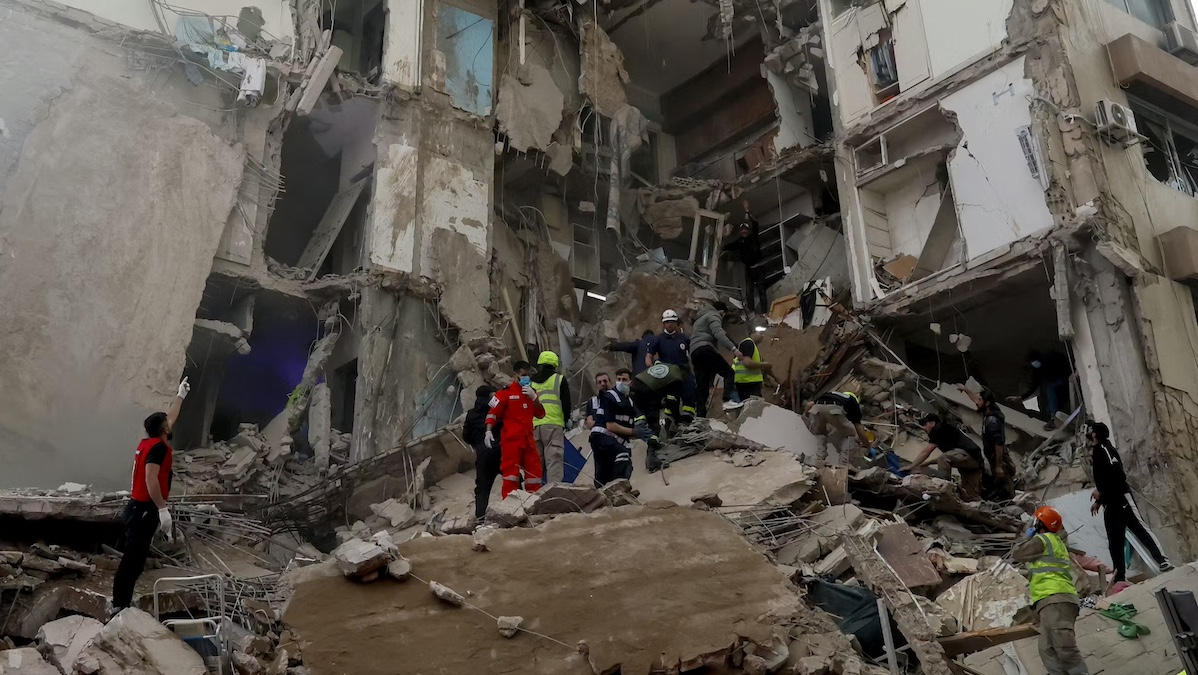
    Fidan provided a sober assessment of Iran’s current military strategy, describing it as an attempt to ‘regionalize’ the conflict by targeting economic assets across the Gulf. Iranian forces, operating under a decentralized command structure designed to survive leadership strikes, have damaged luxury hotels in Dubai, struck energy facilities in Saudi Arabia, and compelled Qatar to temporarily suspend its liquefied natural gas exports. According to Fidan, Tehran’s objective is to demonstrate that the conflict’s repercussions will extend far beyond its borders, thereby pressuring Gulf nations to lobby Washington for a cessation of hostilities.

    However, the Turkish minister expressed skepticism regarding this approach’s efficacy, stating, ‘Iran seems to expect that by striking these locations, the affected parties will exert pressure on the United States to halt the war, but this outcome does not appear probable.’ He further elaborated on the military realities, noting that while U.S. and Israeli forces are currently focused on eliminating ballistic missile launchers, the stockpiles of interceptor missiles in the region may be depleted within weeks.

    Fidan outlined the probable endgame, suggesting that Israel and the U.S. will continue operations until Iran’s military capacity is neutered to a point where it no longer constitutes a regional threat—a process he warned would be protracted due to Iran’s vast territory and dispersed missile assets. While acknowledging that regime change remains a ‘maximum objective,’ Fidan observed no significant internal unrest within Iran that would make such an outcome imminent. Ankara remains particularly concerned about a potential refugee crisis, though Fidan noted Iran is currently preventing its citizens from departing across its borders.