分类: politics

  • Bangladesh beefs up security ahead of verdict against ousted PM Sheikh Hasina

    Bangladesh beefs up security ahead of verdict against ousted PM Sheikh Hasina

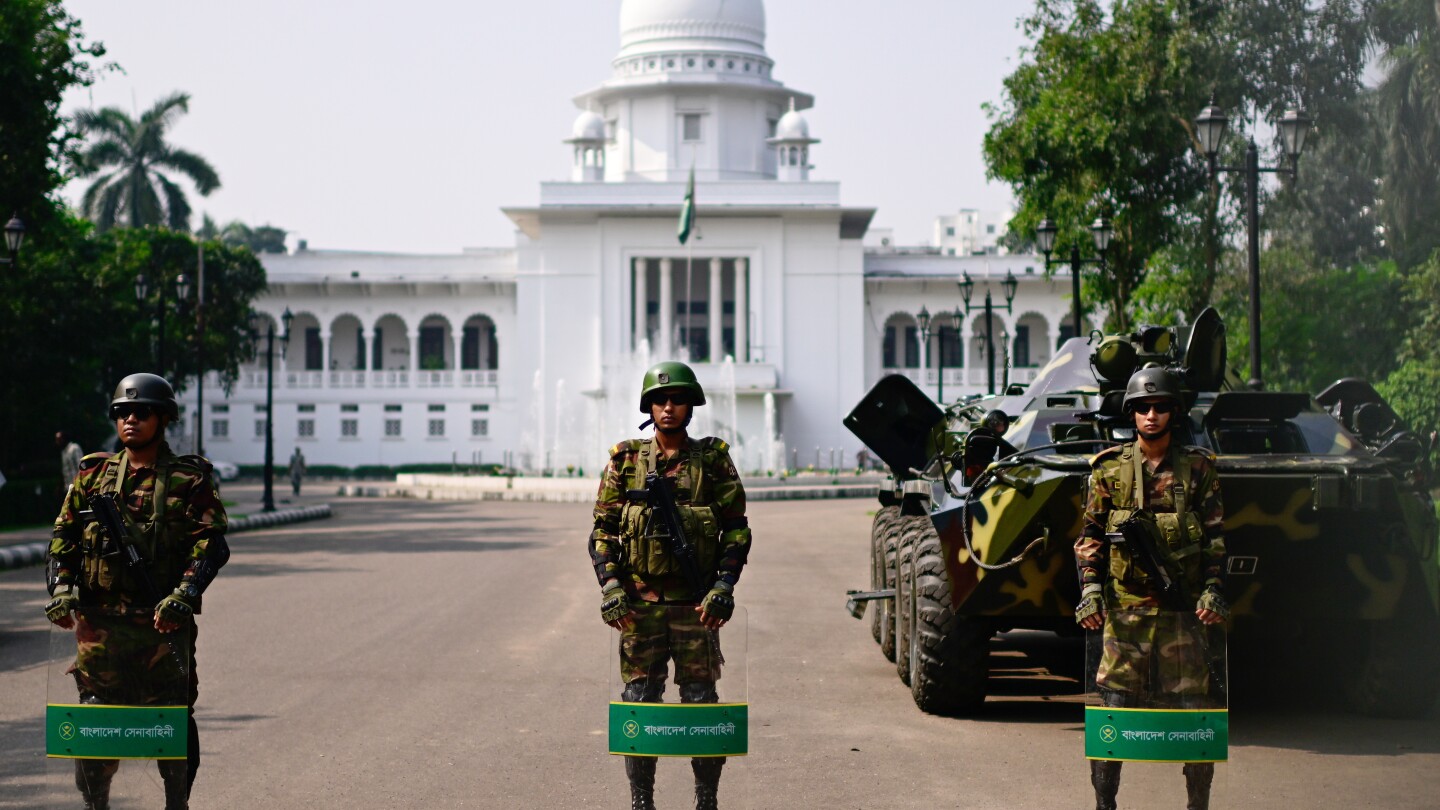
    Bangladesh’s interim government has intensified security measures across the nation, particularly in Dhaka, as the country braces for a highly anticipated verdict against ousted Prime Minister Sheikh Hasina. Hasina, who has been in exile in India, faces charges of crimes against humanity linked to last year’s violent uprising that claimed hundreds of lives and ended her 15-year rule. The Awami League, her political party, has called for a nationwide shutdown to protest the verdict, labeling the tribunal a “kangaroo court.”

    The prosecution in the special tribunal has sought the death penalty for Hasina and former Home Minister Asaduzzaman Khan, both of whom are being tried in absentia. A third suspect, a former police chief who turned state witness, is expected to receive no penalty. The tribunal’s verdict, set to be delivered Monday, has already sparked unrest, with reports of crude bomb explosions and arson attacks disrupting daily life.

    Paramilitary border guards and police have been deployed nationwide to maintain order. Dhaka’s police chief has issued a “shoot-on-sight” order for anyone attempting arson or bomb attacks, following nearly 50 arson incidents and dozens of explosions in the past week. Authorities have also requested military deployment around the tribunal premises to ensure security.

    The violence stems from a student-led uprising in July and August 2024, during which the United Nations estimated up to 1,400 deaths, while Bangladesh’s health adviser reported over 800 fatalities and 14,000 injuries. Hasina, who has survived 19 assassination attempts, urged her supporters in an audio message to remain calm ahead of the verdict.

    Meanwhile, Nobel Peace Prize laureate Muhammad Yunus, who heads the interim government, has vowed to hold elections in February, excluding the Awami League from participation. The political climate remains tense, with limited signs of stability as Bangladesh navigates this critical juncture.
  • Trump calls on House Republicans to vote to release Epstein files

    Trump calls on House Republicans to vote to release Epstein files

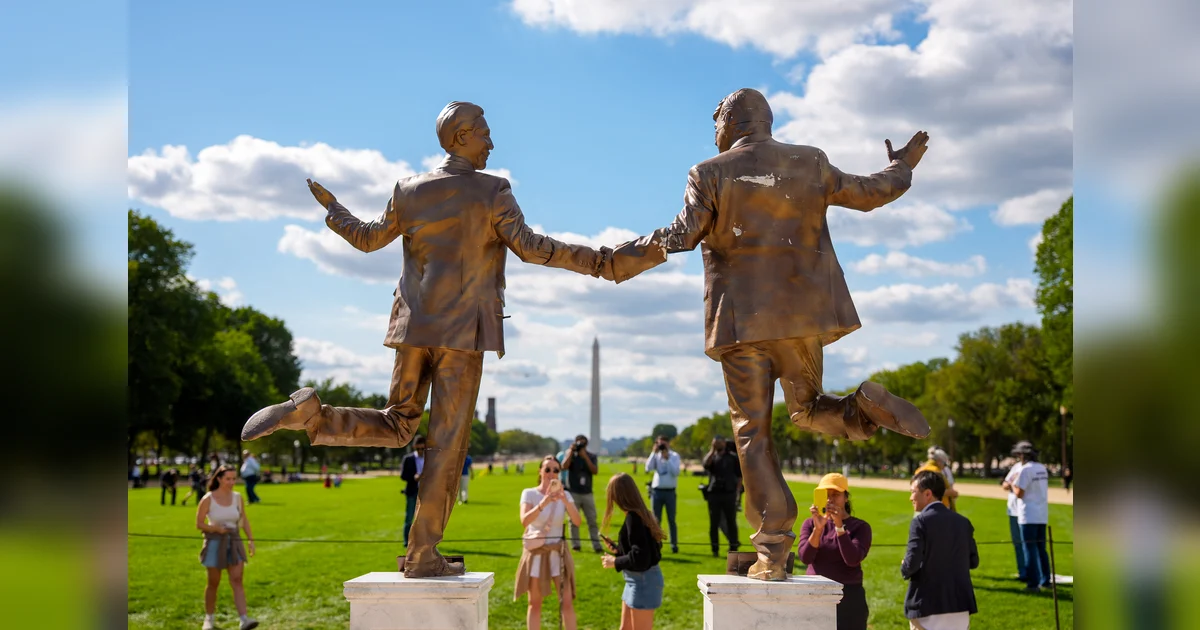
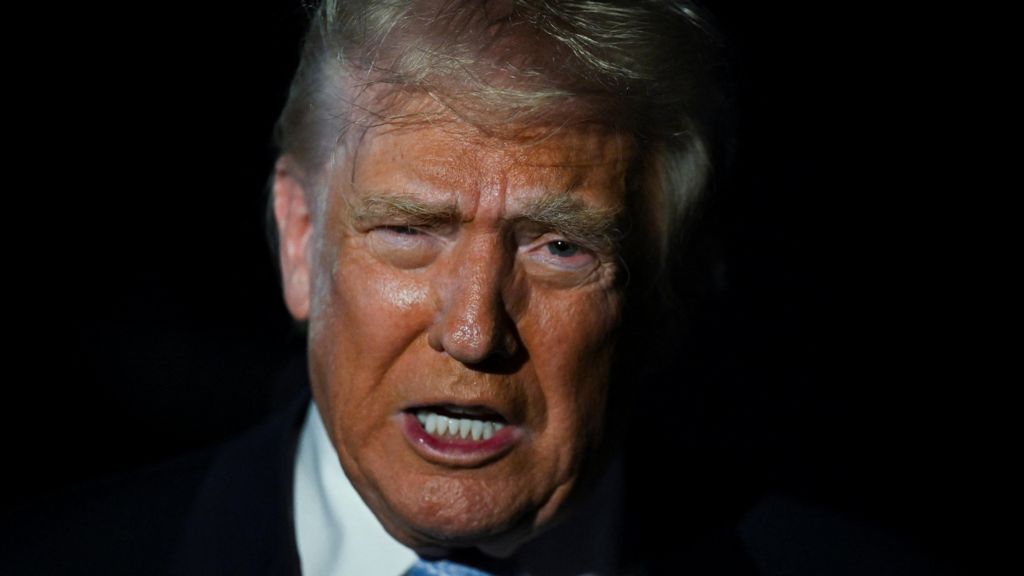
    In a surprising reversal of his previous stance, former U.S. President Donald Trump has called on House Republicans to support the release of documents related to the Jeffrey Epstein case. Trump made the appeal via a post on Truth Social on Sunday night, stating, ‘House Republicans should vote to release the Epstein files, because we have nothing to hide.’ This shift comes as the House prepares to vote on the Epstein Files Transparency Act, which would compel the Justice Department to disclose unclassified records, communications, and investigative materials tied to Epstein. The bill, co-sponsored by Republican Representative Thomas Massie, aims to increase transparency around the case, which has implicated numerous high-profile figures, including former President Bill Clinton. Massie revealed in an ABC News interview that as many as 100 Republicans might support the measure, signaling a potential break in party ranks. Trump’s statement followed his return to Joint Base Andrews after a weekend in Florida. In his post, Trump emphasized that the Justice Department has already released thousands of pages related to Epstein and urged Republicans to ‘get BACK ON POINT.’ The move comes amid ongoing scrutiny of Epstein’s alleged connections to major banks and prominent Democrats. Clinton has vehemently denied any knowledge of Epstein’s crimes, while JPMorgan Chase expressed regret over its past association with Epstein but denied complicity in his actions. Last week, the U.S. Congress released thousands of Epstein’s emails, which included references to Trump, prompting accusations from Democrats that he is attempting to deflect attention from his own ties to Epstein. A Wall Street Journal review found Trump’s name mentioned in over 1,600 of the 2,324 email threads.

  • Palestinian coalition rejects US ‘new colonialism’ plan for Gaza

    Palestinian coalition rejects US ‘new colonialism’ plan for Gaza

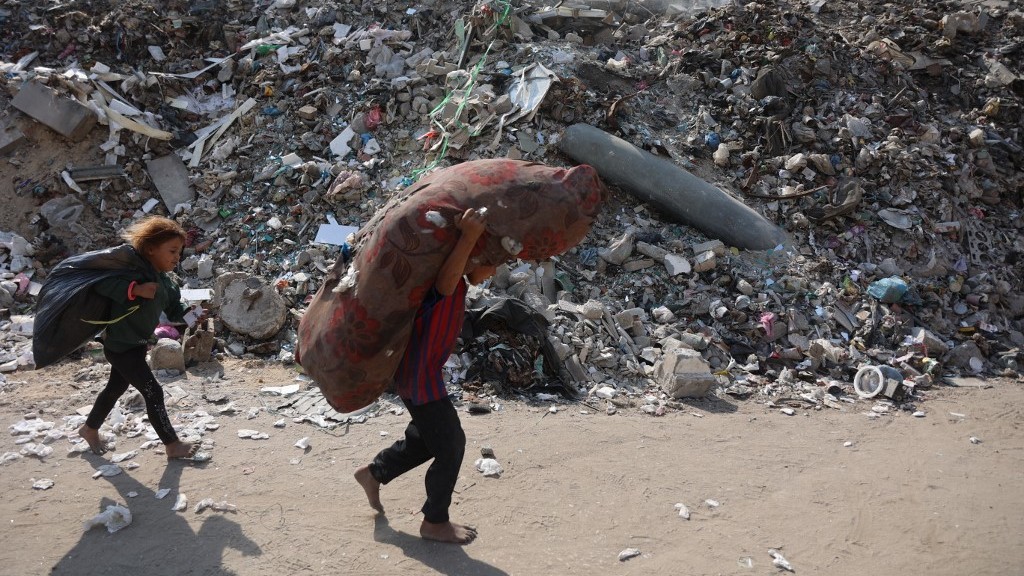
    The National Commission for Palestinian Popular Action has issued a strong condemnation of US proposals to establish an externally imposed transitional administration in Gaza, labeling the move as ‘a new colonialism.’ In a statement released on Sunday, the commission argued that such a plan violates the Palestinian people’s right to self-determination and merely repackages old forms of domination under modern terminology. The commission emphasized that decisions regarding Gaza’s future must originate from Palestinians themselves, ensuring the unity of their land, the legitimacy of resistance to Israeli occupation, and the rights to freedom and self-determination as enshrined in international law. A US draft resolution, set to be presented to the UN Security Council on Monday, has drawn sharp criticism from legal experts and Palestinian groups. They argue that the proposal seeks to institutionalize Israel’s actions in Gaza within an international framework. The resolution endorses the Trump Peace Plan, known as the ‘Comprehensive Plan,’ and proposes the creation of two new bodies: the Board of Peace, a civilian transitional administration, and an ‘International Stabilisation Force.’ Critics contend that the Board of Peace would wield extensive powers, including governance oversight, reconstruction, economic recovery, and humanitarian coordination, effectively normalizing foreign control over Gaza. The commission warned that if passed, the resolution would undermine international law and strip Palestinians of their right to self-determination. While acknowledging the potential benefits of a limited international presence to monitor ceasefires and protect civilians, the commission insisted that such a force must not assume administrative or political roles. It called on Palestinian political movements, institutions, and communities worldwide to reject external control and oppose proposals that undermine national decision-making. The statement concluded with a reaffirmation of its commitment to unified action in defense of Palestinian rights and steadfastness until full freedom is achieved. Meanwhile, Israel continues its assault on Gaza, despite a so-called ceasefire, blocking aid convoys, restricting humanitarian access, and conducting daily bombings that result in civilian casualties.

  • Ecuador votes against allowing foreign military bases in country

    Ecuador votes against allowing foreign military bases in country

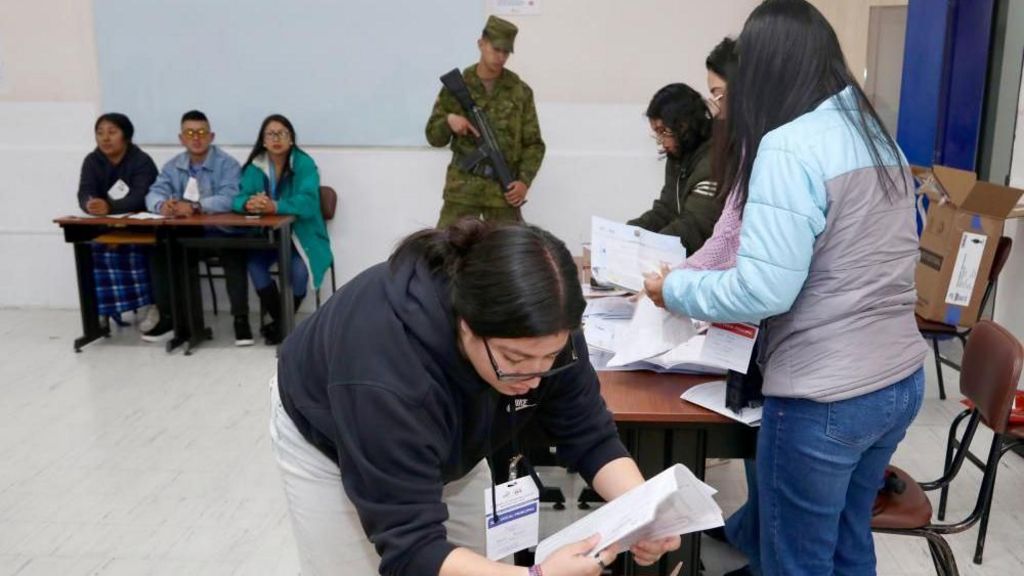
    In a decisive referendum, Ecuadorian voters have rejected the proposal to allow foreign military bases on their soil, thwarting both President Daniel Noboa’s agenda and US ambitions to expand its military presence in the Eastern Pacific. The vote, held on Sunday, marks a significant setback for Noboa, who had championed constitutional changes to overturn a 2008 legislative ban on foreign military installations. He argued that such bases would bolster efforts to combat organized crime and curb the nation’s escalating violence, which has transformed Ecuador into a global hub for drug trafficking. Despite his efforts, the electorate delivered a resounding ‘no,’ reflecting widespread skepticism about foreign military involvement. The referendum also saw voters reject other proposals, including ending public funding for political parties, reducing the size of Congress, and establishing a constitutional assembly to rewrite the nation’s charter. Noboa, who has pursued a hardline military approach to crime, including deploying armed soldiers on the streets, expressed respect for the outcome but faces mounting criticism over his authoritarian tactics. The US, which had hoped to reestablish a military base in Ecuador after being forced to close its previous site in 2009, now finds its regional strategy in question. The referendum coincides with a significant US military deployment to the Caribbean, including the world’s largest warship and bomber planes, raising speculation about potential strikes on land targets in Venezuela. Critics argue that the US’s actions in the region, including recent strikes on alleged drug-trafficking vessels, may violate international law. Meanwhile, Ecuador’s struggle against powerful drug cartels continues, as evidenced by the recent capture of Wilmer ‘Pipo’ Chavarria, a leader of the notorious Los Lobos gang, in a joint operation with Spanish police. The referendum outcome underscores the complexities of balancing security, sovereignty, and international relations in a region grappling with violence and geopolitical tensions.

  • UAE condemns Israeli violations in West Bank, Al-Aqsa Mosque compound in Jerusalem

    UAE condemns Israeli violations in West Bank, Al-Aqsa Mosque compound in Jerusalem

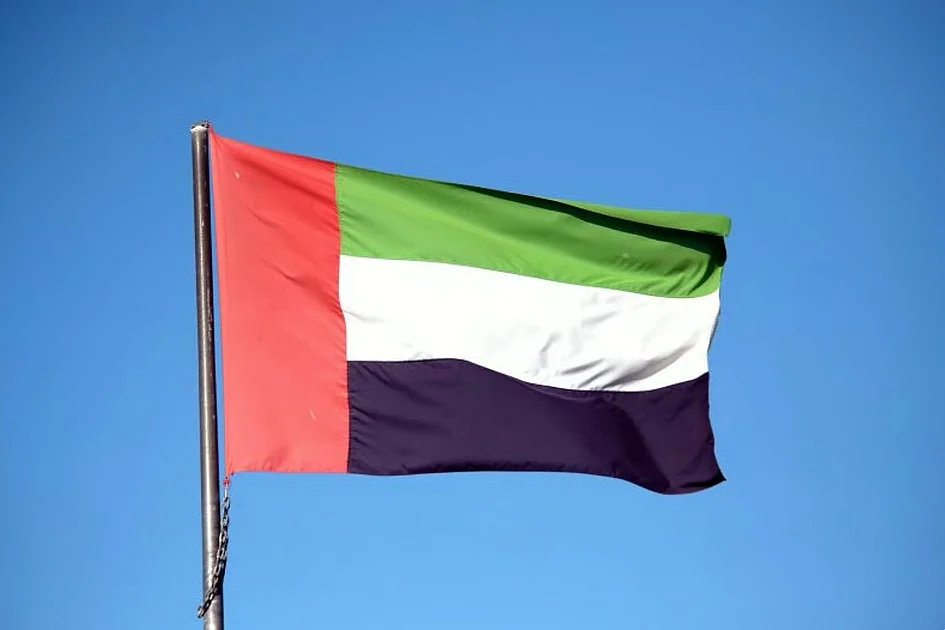
    The United Arab Emirates (UAE) has issued a stern condemnation of Israel’s ongoing violations in the occupied West Bank and the Al-Aqsa Mosque compound in Jerusalem. In a statement released by the Ministry of Foreign Affairs (Mofa), the UAE expressed deep concern over the repeated incursions into the Al-Aqsa Mosque, provocations against worshippers, and attacks on a mosque in the Palestinian village of Kifl Hares. These actions, the UAE warned, risk escalating regional tensions and undermining stability. The Ministry emphasized the critical need to halt such dangerous and provocative practices, particularly in Al-Haram Al-Sharif, and called on Israeli authorities to take immediate steps to prevent further escalation. The UAE also reaffirmed its support for Jordan’s custodial role in safeguarding Jerusalem’s holy sites, including the Al-Aqsa Mosque and the Dome of the Rock. Additionally, Mofa urged the international community to intensify efforts toward achieving a lasting and comprehensive peace based on a two-state solution, ensuring the Palestinian people’s right to an independent and sovereign state in line with international law.

  • US to designate Venezuela’s Cartel de los Soles as terrorists

    US to designate Venezuela’s Cartel de los Soles as terrorists

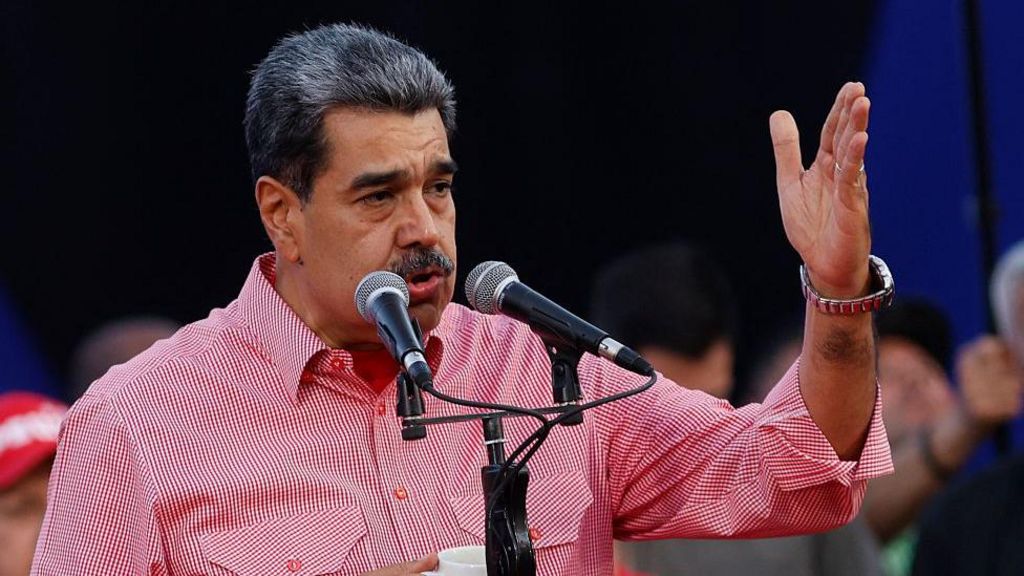
    The United States has announced its intention to designate Cartel de los Soles, a group allegedly led by Venezuelan President Nicolás Maduro, as a Foreign Terrorist Organization (FTO). The decision, revealed by US Secretary of State Marco Rubio on Sunday, will take effect from November 24. This designation effectively labels Maduro as a terrorist, a claim he vehemently denies. The move is part of the Trump administration’s broader strategy to combat drug trafficking and exert pressure on Maduro, amid ongoing speculation about potential US military intervention in Venezuela. The FTO designation empowers the US government to aggressively target the group and its associates, making it illegal to provide them with support. While the US Treasury Department has previously imposed sanctions on Cartel de los Soles, the new classification escalates the response, unlocking more robust enforcement mechanisms. The US alleges that the group, which includes members of Maduro’s inner circle and the military, is involved in drug trafficking and illegal mining. However, no public evidence has been presented to substantiate Maduro’s direct involvement in these activities. The Trump administration’s characterization of Maduro as a drug trafficker is widely viewed as a potential justification for targeting him or his associates in a military campaign. Tensions have escalated since October, when Maduro accused the US of ‘fabricating a new war’ following the deployment of the USS Gerald Ford to the Caribbean. President Trump has hinted at potential discussions with Maduro but has yet to provide details. The US has also criticized Venezuela for its alleged failure to address cartel activity, which Trump claims contributes to the fentanyl crisis in the US, despite evidence pointing to Mexico and Asia as primary sources. Since September, the US has conducted airstrikes on suspected drug-trafficking vessels off the coasts of Venezuela and Colombia, resulting in at least 83 deaths. This marks the largest US military deployment to the Caribbean in decades.

  • Ahead of Hasina court verdict, son warns of Bangladesh violence if party ban stays

    Ahead of Hasina court verdict, son warns of Bangladesh violence if party ban stays

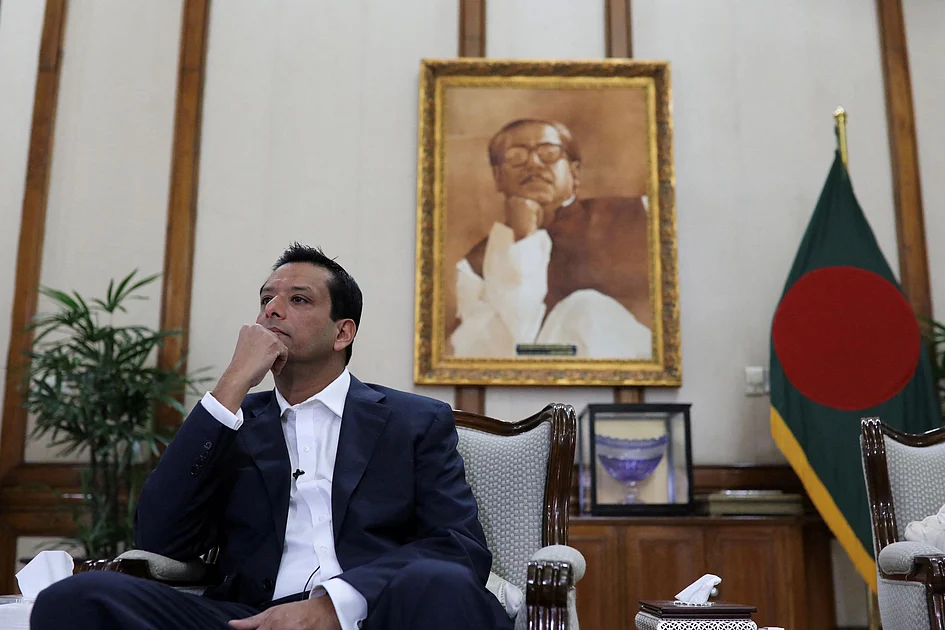
    Bangladesh is on the brink of significant political unrest as a Dhaka court prepares to deliver a verdict on ousted Prime Minister Sheikh Hasina, who faces charges of crimes against humanity. The verdict, expected to be televised, could result in a death sentence for Hasina, who has been living in exile in New Delhi since August 2024. Her son, Sajeeb Wazed, has warned that if the ban on her Awami League party is not lifted, supporters will disrupt the upcoming national election in February, potentially escalating into widespread violence. Wazed emphasized that Hasina is safe in India, where she is being treated ‘like a head of state,’ and that the verdict is a ‘foregone conclusion’ due to what he describes as a politically motivated trial. The charges stem from a deadly crackdown on student-led protests in 2024, which a UN report estimated resulted in up to 1,400 deaths and thousands injured. The political climate in Bangladesh has already turned volatile, with multiple crude bomb explosions reported in Dhaka and heightened security measures in place. Wazed has vowed that the Awami League will not allow elections to proceed without their participation, warning of increased protests and potential confrontations. The interim government, led by Nobel laureate Muhammad Yunus, has yet to comment on the situation. Hasina, who has been credited with transforming Bangladesh’s economy but also accused of rights abuses, remains determined to fight back against what she views as an unjust verdict.

  • US House speaker says ‘nothing to hide’ in Epstein files

    US House speaker says ‘nothing to hide’ in Epstein files

    US House Speaker Mike Johnson has emphasized that the upcoming vote on releasing Justice Department documents related to Jeffrey Epstein will dispel any allegations linking former President Donald Trump to the late financier’s crimes. Speaking on ‘Fox News Sunday,’ Johnson, a Republican leader, stated, ‘They’re doing this to go after President Trump on this theory that he has something to do with it. He does not.’ Johnson accused Democrats of using Epstein as a political weapon and urged transparency, declaring, ‘Let’s just get this done and move it on. There’s nothing to hide.’

    Recent emails released by a House committee suggested Epstein believed Trump ‘knew about the girls,’ though the context remains unclear. Trump has since directed the Department of Justice to investigate prominent Democrats’ connections to Epstein. This move has intensified political tensions, particularly with some of Trump’s congressional allies. Notably, Trump withdrew his support for Representative Marjorie Taylor Greene of Georgia after she criticized Republicans’ handling of the Epstein files.

    Greene, appearing on CNN’s ‘State of the Union,’ reiterated her call for transparency, stating, ‘I don’t believe that rich, powerful people should be protected if they have done anything wrong.’ The debate over the Epstein documents, a focal point of Trump’s campaign, continues to expose divisions within the Republican Party and underscores the broader political implications of the case.

  • Communist and far-right candidates head to Chile presidential run-off

    Communist and far-right candidates head to Chile presidential run-off

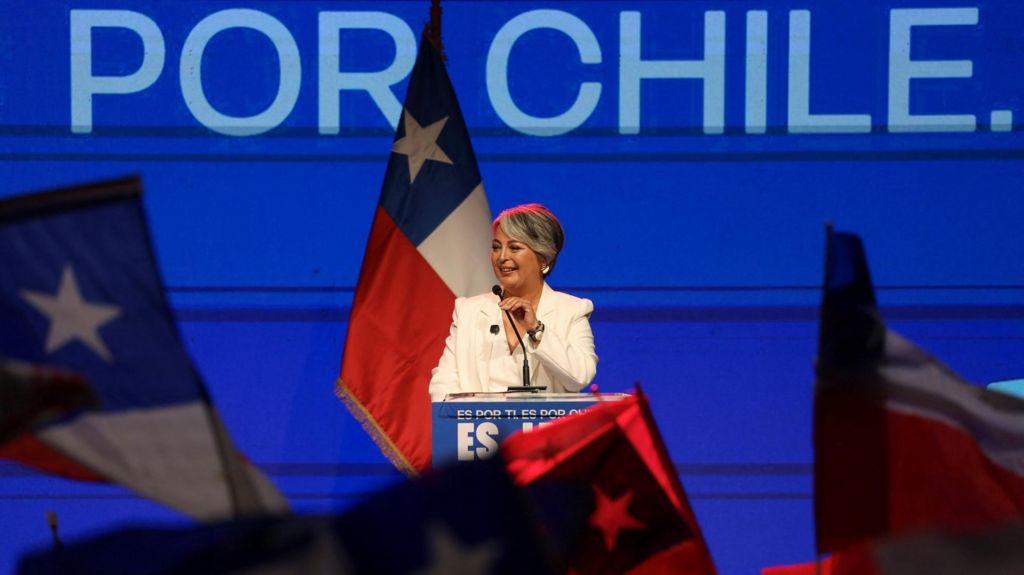
    Chile’s presidential election is set for a decisive run-off in December between Communist Party candidate Jeannette Jara and far-right contender José Antonio Kast, following an inconclusive first round. The campaign has been heavily influenced by issues of crime and immigration, with both candidates vowing to address the surge in foreign gang activities, particularly from Venezuela’s Tren de Aragua. Jara, representing the governing coalition, narrowly edged Kast in the initial vote, but the fragmented right-wing electorate is expected to consolidate behind Kast in the run-off. This could potentially mark a significant political shift to the right in Chile, mirroring trends in other Latin American nations. Kast, a conservative lawyer and former congressman, has advocated for stringent immigration controls, including a Trump-style border wall, and opposes abortion even in cases of rape. He has also criticized environmental and indigenous activism and aims to reduce the size of the state. Jara, perceived as more centrist in practice despite her Communist Party affiliation, has pledged to boost lithium production, raise the minimum wage, and enhance border security. Both candidates have emphasized their commitment to tackling crime and immigration, with Kast proposing mass deportations and new maximum-security prisons, while Jara has promised to expel foreign drug traffickers. This election also marked the first instance of automatic voter registration and compulsory voting in Chile.

  • The oil pipeline feud testing Canada’s global ambitions

    The oil pipeline feud testing Canada’s global ambitions

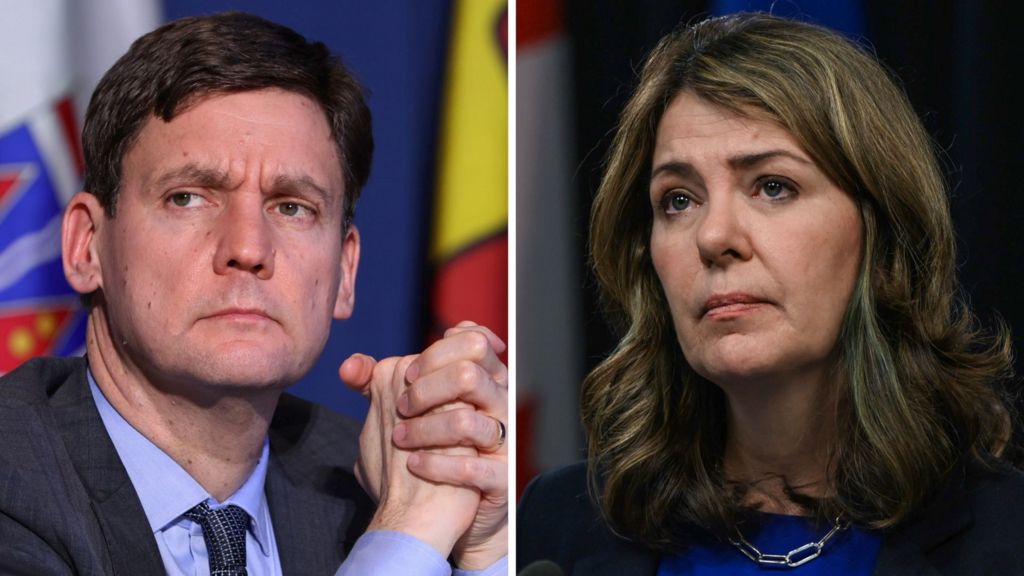
    The longstanding tension between Alberta and British Columbia has escalated as Alberta Premier Danielle Smith pushes for a new oil pipeline to the Pacific coast, while British Columbia Premier David Eby firmly opposes the plan. The proposed pipeline, aimed at accessing Asian markets, has reignited a fierce debate over Canada’s energy future, environmental protections, and interprovincial cooperation. Alberta, home to vast oil reserves, views the pipeline as essential for economic growth and reducing reliance on U.S. markets. However, British Columbia, a hub for environmental activism, has dismissed the proposal as “fictional” and “political,” citing concerns over environmental risks and the lack of private sector interest. The dispute underscores a broader national challenge as Prime Minister Mark Carney seeks to position Canada as a global energy superpower while navigating internal divisions. Carney has avoided taking sides but emphasized the need for dialogue and cooperation between provinces. Meanwhile, Alberta’s Smith has accused Eby of being “un-Canadian” for blocking the project, which she argues would benefit the entire country. The conflict highlights the complexities of balancing economic ambitions with environmental and indigenous rights, as Canada strives to meet its climate goals and diversify its energy exports.