分类: politics

  • New Mossad chief backs Gaza occupation and once ‘used’ a teenager in operation

    New Mossad chief backs Gaza occupation and once ‘used’ a teenager in operation

    Israel’s advisory committee for senior public appointments has given the green light to Roman Gofman, a close ally of Prime Minister Benjamin Netanyahu, to take the helm of the country’s iconic intelligence agency Mossad, capping a rapid military rise that has been overshadowed by bitter controversy over his past conduct, hardline political views, and allegations of power abuse. Gofman, 49, will assume a five-year term starting in June, succeeding outgoing director David Barnea, who has publicly opposed his appointment.

    Born in the Soviet Union’s Belarus, Gofman immigrated to Israel with his family in 1990 at age 14. Five years after arriving, he enlisted in the Israel Defense Forces’ armored corps, climbing steadily through the ranks to earn a promotion to major general in early 2024. His career has spanned combat deployments across southern Lebanon, the occupied West Bank, and the Gaza Strip, and he has long been associated with far-right ideological circles: as a young pre-military trainee, he studied at the Bnei David yeshiva in Eli, an illegal Israeli settlement in the occupied West Bank, an institution notorious for promoting extremist Jewish supremacist views. Gofman himself has publicly credited the yeshiva with shaping his core ideological beliefs about Israel.

    Gofman’s most high-profile military experience came during the October 7, 2023, Hamas-led attack on southern Israel, when he was wounded in a firefight with Palestinian fighters near his home in Ashdod. Surveillance footage captured him exchanging fire before sustaining a leg injury and pulling back, but he returned to duty shortly after recovering. Reflecting on the surprise attack, he argued that even the most formidable military forces face unexpected breaches, and that proactive initiative is the only way to prevent future surprises.

    As the Israeli military campaign in Gaza unfolded after October 7, Gofman emerged as one of the most outspoken hardliners in Israeli security circles. He drafted an official plan calling for the full reoccupation of the entire Gaza Strip, and has argued that Israel should maintain permanent control over the enclave at the end of the current conflict. He has previously criticized the Israeli military for what he frames as excessive caution in deploying ground forces across multiple fronts, from Gaza to Lebanon to Syria, and has publicly praised Orde Wingate, a British Mandate-era officer famous for developing brutal counterinsurgency tactics against Palestinian groups alongside early Zionist militias, framing decisive, reality-altering military action as the core of Israeli strategy. In a 2019 academic proposal, he even controversially suggested that Israel should sell nuclear warheads to Egypt, Saudi Arabia and Turkey to counter Iran’s nuclear program, a view far outside mainstream Israeli security policy.

    Netanyahu tapped Gofman to serve as his personal military secretary in April 2024, marking his entry into the prime minister’s inner circle. But his nomination to lead Mossad has sparked fierce opposition from across Israel’s political and security establishment, centered on two core sets of concerns: his lack of prior intelligence experience, and multiple allegations of professional and ethical misconduct during his military career.

    The most explosive controversy surrounds a 2022 intelligence operation, when Gofman commanded the 210th Bashan Regional Division on the Golan Heights. According to investigative reports, Gofman instructed military intelligence personnel to provide 17-year-old Israeli civilian Ori Elmakayes with classified information to publish on social media as part of a covert influence campaign targeting Iran, Hezbollah, and Hamas. After Elmakayes published the material, Israeli police arrested him on charges of leaking state secrets, and he spent 18 months in pre-trial detention.

    Gofman initially denied to military investigators that he knew of Elmakayes’ involvement, but the case against the teenager collapsed when evidence confirmed he had been acting on direct military orders approved by Gofman. Gofman has since denied authorizing the release of truly sensitive material and claims he did not know Elmakayes was a minor. Elmakayes, however, has slammed Gofman for throwing him aside to protect his own career.

    “Roman Gofman used me illegally and immediately afterwards disowned me, abandoned me and did not put an end to the ongoing nightmare I went through,” Elmakayes wrote on the social platform X following Sunday’s approval vote. “Someone who abandoned a 17-year-old boy will also abandon Mossad agents.”

    Committee chair Asher Grunis, a former president of Israel’s Supreme Court, was the most prominent official to oppose Gofman’s approval, issuing a scathing rebuke of his conduct in the Elmakayes case. “The use of a minor Israeli civilian constitutes an extremely serious flaw and raises a moral-ethical concern. It amounts to a breach of integrity,” Grunis argued, though he was outvoted by the committee’s three other pro-appointment members. Outgoing Mossad chief Barnea has also joined the opposition, labeling Gofman’s actions in the case as an abuse of power.

    Additional allegations of misconduct date back to Gofman’s tenure as a West Bank regional commander between 2015 and 2017, when he reportedly ordered the recruitment of Palestinian informants near Beit Ummar without following mandatory legal authorization processes; his directive was later overturned by military leadership.

    Beyond the personal misconduct claims, many current and former Israeli security and political figures argue Gofman’s appointment is part of a deliberate effort by Netanyahu to politicize Israel’s independent intelligence and security establishment by installing loyalists to top posts. Gofman has become a trusted confidant of Netanyahu over the past two years of repeated Israeli military campaigns across the region, and Israeli media reports confirm the prime minister has full confidence in him, even assigning him sensitive behind-the-scenes diplomatic missions, including unannounced visits to Russia to maintain ties with President Vladimir Putin. He also played a central role in secret Israeli-Syrian talks in January 2025.

    “Prime Minister Benjamin Netanyahu’s decision to appoint his military secretary, Major General Roman Gofman, as head of the Mossad is a continuation of his politicization and takeover of the intelligence community and the security establishment,” veteran military commentator Yossi Melman warned in December, noting that the appointment would mark another key institution brought under Netanyahu’s direct political control. Former Israeli army chief and opposition MP Gadi Eisenkot has echoed these criticisms, arguing top security posts are now being handed out as rewards for loyalty to the prime minister’s political agenda, rather than on the basis of professional merit. Former senior Mossad official Rami Eigra called the nomination politically motivated, warning it will likely erode the agency’s operational effectiveness and increase the risk of major failures.

    The battle over Gofman’s appointment is far from over. Elmakayes and multiple Israeli human rights and pro-democracy NGOs are preparing to petition the Supreme Court to block the nomination, according to reports from Haaretz. Some Israeli defense establishment insiders told Ma’ariv they believe the court could strike down the appointment, which would force Netanyahu to ask Barnea to extend his term for several weeks or months while a new candidate is selected.
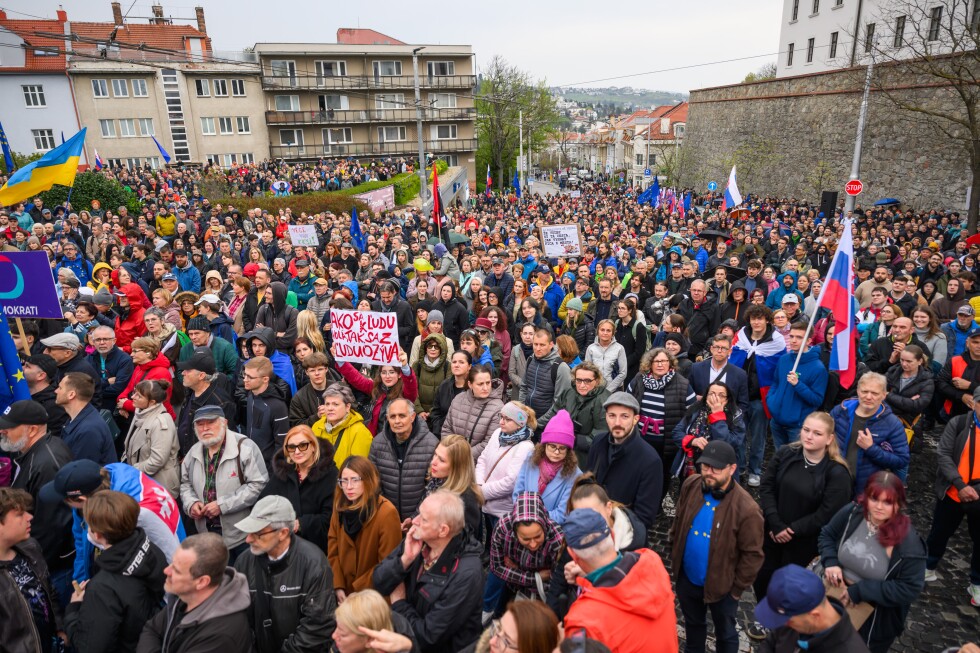

  • Slovaks rally against populist Prime Minister Fico’s plan to scrap mail voting from abroad

    Slovaks rally against populist Prime Minister Fico’s plan to scrap mail voting from abroad

    Tens of thousands of demonstrators gathered across Slovakia — and in major European cities outside the country — on Tuesday to push back against a contentious electoral proposal from populist Prime Minister Robert Fico that would eliminate postal voting for Slovak citizens residing abroad. The largest demonstration, held directly outside Slovakia’s parliament building in the capital Bratislava, opened with a warm round of applause for the shocking outcome of neighboring Hungary’s weekend general election, where long-time authoritarian populist Viktor Orbán was ousted from power by a pro-European opposition candidate.

    Fico, who returned to the office of prime minister in 2023 following parliamentary elections, has emerged as a deeply polarizing figure both within Slovakia and across the European Union. His consistently pro-Russia policy stances and perceived authoritarian power grabs have already sparked waves of mass public demonstrations since his administration took office. Critics have repeatedly drawn parallels between Fico’s governing style and Orbán’s 12-year illiberal rule in Hungary, noting that Fico has openly drawn inspiration from Orbán’s approach to politics. Tuesday’s protests mark just the latest in a months-long string of public outcry against the Fico administration’s policy agenda.

    The protest initiative was organized by a coalition of four opposition political groups: the Progressive Slovakia party, Freedom and Solidarity, the Christian Democrats, and the Democrats. Speaking to the assembled crowd in Bratislava, Progressive Slovakia leader Michal Šimečka framed the fight over overseas voting as an existential battle for Slovak democracy, echoing the stakes Hungarians faced just days earlier.

    Šimečka argued that Fico’s proposed legislation would effectively disenfranchise tens of thousands of Slovak citizens who have settled outside the country’s borders. Under the new plan, the only option for overseas voters would be to cast ballots in person at Slovak embassies and consulates — a requirement that creates major logistical barriers for many citizens living far from diplomatic outposts. As he spoke, the crowd chanted repeatedly: “Shame, shame.”

    “It is obvious the government is pushing this change because they are afraid,” Šimečka told demonstrators. “They are afraid of the people, they are afraid of free elections, they are afraid of losing power.” The draft legislation is scheduled to go under formal debate during the current sitting of the Slovak parliament, leaving the window open for urgent political pushback from opposition lawmakers.

    Data from the 2023 Slovak parliamentary election underscores why Fico’s party has targeted overseas postal voting. In that election, nearly 59,000 Slovaks living abroad cast mail-in ballots. Fico’s Smer (Direction) party captured just 6.1 percent of that overseas vote, while the unified opposition won more than 80 percent of support from citizens voting from outside the country. Fico has defended the policy change by claiming it is necessary to “prevent electoral fraud and manipulations,” a framing opposition leaders dismiss as a baseless pretext to suppress anti-government votes.

    Beyond the capital Bratislava, demonstrations were also held in major Slovak cities including Košice and Banská Bystrica. Solidarity rallies were also organized by Slovak expats outside the country, including in the EU capital Brussels and Prague, the capital of neighboring Czech Republic. Slovakia, a Central European nation with a total population of 5.4 million, is not scheduled to hold its next general election until 2027 — but the fight over electoral rules has already reignited a tense political standoff between Fico’s populist government and pro-Western, pro-European opposition forces.

  • Smotrich refers to Nazis as he brands Germany ‘hypocrites’ over Israeli settler criticism

    Smotrich refers to Nazis as he brands Germany ‘hypocrites’ over Israeli settler criticism

    A sharp diplomatic clash has erupted between a senior far-right Israeli cabinet minister and Germany’s chancellor ahead of Israel’s annual Holocaust Remembrance Day, centered on escalating Israeli settler activity and violence in the occupied West Bank. Israeli Minister Bezalel Smotrich, a prominent advocate for full Israeli annexation of the West Bank, launched a blistering attack on German Chancellor Friedrich Merz after Merz publicly raised concerns about rampant settler attacks and stated he had made clear to Israeli Prime Minister Benjamin Netanyahu in a recent phone call that any de facto annexation of the West Bank is unacceptable.

    Writing on the social platform X on April 13, 2026, just ahead of Holocaust Remembrance Day, Smotrich weaponized the memory of the Nazi Holocaust that killed six million European Jews to accuse Merz and Germany of rank hypocrisy. Instead of lecturing Israel on moral conduct, Smotrich argued, the German chancellor should “bow his head and apologise a thousand times on behalf of Germany” for the atrocities of the Holocaust. He doubled down on his criticism of European leadership, claiming “the days when Germans dictated to Jews where they were permitted or forbidden to live are over and shall not return. You will not force us into ghettos again, certainly not in our own land.” Smotrich, who has previously labeled Palestinians “the Nazis of our generation,” added that Israel’s presence in its historical and biblical homeland is a rebuke to all who have sought to destroy the Jewish people, and “we do not apologise for it for a single moment.”

    Merz’s comments reflected growing international alarm over the unprecedented acceleration of Israeli settlement expansion in the West Bank, a trend that has sharpened dramatically since the outbreak of the Israel-Gaza war in 2023. Data from the Israeli anti-settlement advocacy group Peace Now shows that the Israeli government approved 54 new and existing settlements in 2025 — a staggering all-time high that shattered the previous record of nine approvals set just one year earlier. Of these 54 expansions, 26 were retroactively legalized outposts that had originally been built without official government authorization. The group also recorded a 40% surge in new unauthorised outposts, reaching 86 in 2025, which works out to an average of one to two new outposts established every week across the territory.

    United Nations data further underscores the human cost of rising settler activity. A UN report released in mid-March 2026 documented that between November 2024 and October 2025 alone, more than 36,000 Palestinians were displaced from their homes in the West Bank amid consistent and escalating settler attacks. Over that same 12-month period, researchers recorded 1,732 separate incidents of settler violence that resulted in casualties or property damage — a 25% increase compared to the previous year.

    Smotrich has long been one of the most outspoken and hardline supporters of full Israeli annexation of the West Bank, and has publicly pushed for policies that would encourage Palestinians to leave the territory. In a February 2026 address to his Religious Zionism party and West Bank settlement leaders, Smotrich called for the full cancellation of the 1993 Oslo Accords, the framework that established the Palestinian Authority to govern Palestinian populated areas of the West Bank and Gaza. “Destroy the idea of an Arab terror state; finally, formally and practically cancel the cursed Oslo Accords and get on the path of sovereignty, while encouraging migration both from Gaza and from Judea and Samaria,” he stated, using the Israeli nationalist term for the West Bank. “There is no other long-term solution.”

  • Irish government wins confidence vote over fuel protests

    Irish government wins confidence vote over fuel protests

    DUBLIN — Ireland’s sitting government has emerged with a narrow win in a critical confidence vote, but the political fallout from last week’s widespread fuel price protests has left the administration significantly weakened, with two ruling coalition lawmakers abandoning the government mid-vote. The crisis unfolded after widespread public demonstrations over soaring fuel costs led to disruptive blockades at national fuel depots, critical motorway routes, and key infrastructure across Ireland, grinding cross-country travel to a halt and sparking intense public anger at the ruling coalition’s response.

    The largest opposition party, Sinn Féin, tabled a no-confidence motion on Tuesday targeting the government over its handling of the protests. In a procedural move common in Irish parliamentary politics, the government introduced its own pro-confidence motion to override the opposition’s challenge, setting the stage for hours of fiery debate inside the Dáil, Ireland’s national parliament.

    When the final vote was counted, the government secured a 92-78 majority. The victory was overshadowed, however, by a high-profile rebellion from the Healy-Rae brothers, two TDs (Irish members of parliament) who had previously backed the coalition as part of a post-election confidence and supply agreement. The breakaway cost the government one junior cabinet minister: Kerry TD Michael Healy-Rae resigned his post in the Department of Agriculture immediately after voting against the administration.

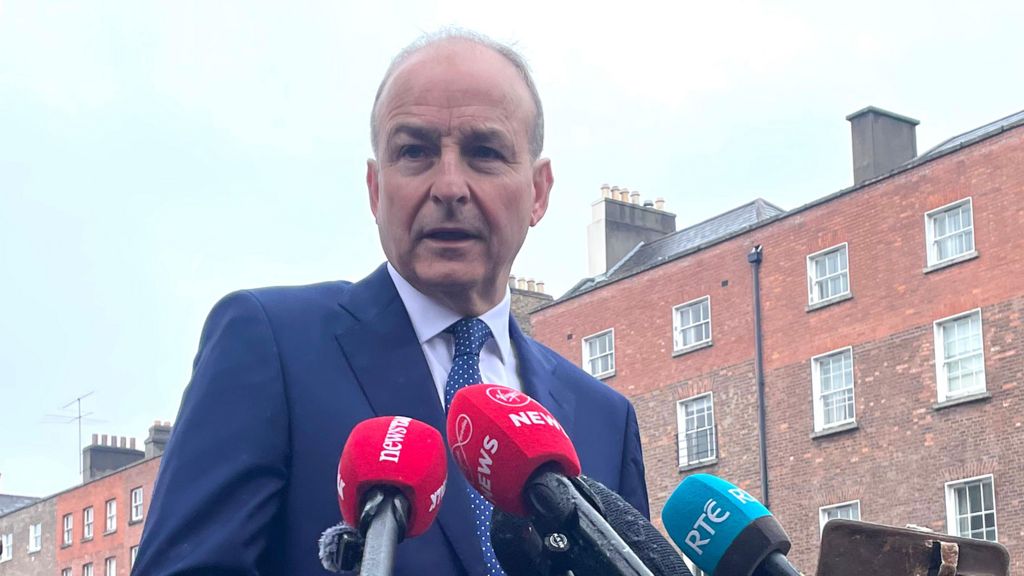
    Speaking to reporters outside the Dáil following his resignation, Healy-Rae condemned Taoiseach Micheál Martin’s debate speech as condescending, arguing the ruling government had fundamentally lost touch with Irish voters. “I could not be true to the people of Kerry and stand behind this government,” he said, raising his fist in solidarity with protesters gathered outside the parliamentary chamber during the vote.

    The debate itself was marked by bitter partisan clashes, with government and opposition lawmakers trading sharp criticism over the government’s response to the fuel crisis. Addressing the chamber, Taoiseach Martin defended his administration’s track record, noting that since 2022, targeted government measures have shielded Irish consumers from the worst impacts of global fuel price hikes. He pushed back hard against Sinn Féin’s claim that the Irish state is the “biggest profiteer” from elevated fuel costs, calling the assertion “flat out untrue.”

    “Right now, the government is spending far more on support for household fuel costs than it is collecting in additional fuel taxes,” Martin said. He also condemned last week’s blockades as inherently destructive, rejecting protesters’ claims to speak for the Irish public. “Nobody has the right to appoint themselves as the voice of the people,” he stated, adding that he condemned threats against gardaí, lorry drivers, and elected officials, warning that “we should all be concerned with the attempts to import extreme ideologies here.”

    Deputy Prime Minister Tánaiste Simon Harris doubled down on the government’s defense, noting that Ireland’s response to global economic shocks has outpaced action from other regional administrations, including the devolved government in Northern Ireland. “We entered 2026 with strong relative economic fundamentals, and while growth will be slower than previously projected, the Irish economy is still on track to expand this year,” Harris said, echoing Martin’s rejection of blockades as an illegitimate protest tactic. “Nobody in this Republic gets the right to restrict the movement of anybody else,” he added, as Sinn Féin lawmakers heckled from the opposition benches.

    For the opposition, Sinn Féin leader Mary Lou McDonald used the debate to call for an immediate general election, arguing the current government had lost all mandate to rule. “It is your time to go,” McDonald told the coalition. “This crisis did not start last week. The seeds were sown in your Budget last October.” She criticized the government for allowing the Dáil to adjourn for a 20-day Easter recess as fuel prices climbed, arguing Martin was “completely out of touch” with the struggles of ordinary households. “People everywhere are calling for real action and real leadership, and this government has failed to deliver,” she said.

    Sinn Féin’s finance spokesperson Pearse Doherty further expanded on the opposition’s criticism, arguing the government had shown “no real leadership” on the growing cost of fuel. “When struggling people took to the streets to protest last week, this government’s instinct was not to listen — it was to threaten them,” Doherty said. Even with the confidence vote win, the rebellion of two sitting coalition lawmakers and the sustained public anger over fuel costs leave Martin’s administration facing a deeply uncertain political future heading into the next general election cycle.

  • From chants on trams to a parliament rave, young Hungarians provided a soundtrack for Orbán’s defeat

    From chants on trams to a parliament rave, young Hungarians provided a soundtrack for Orbán’s defeat

    BUDAPEST, Hungary — For an entire generation of young Hungarians, growing up meant never experiencing a national government led by anyone other than Viktor Orbán, who held the office of prime minister for 16 consecutive years. But when Hungarians headed to the polls for a historic national election on Sunday, it was this very generation that stood at the forefront of a dramatic political shift that ended Orbán’s long tenure in office.

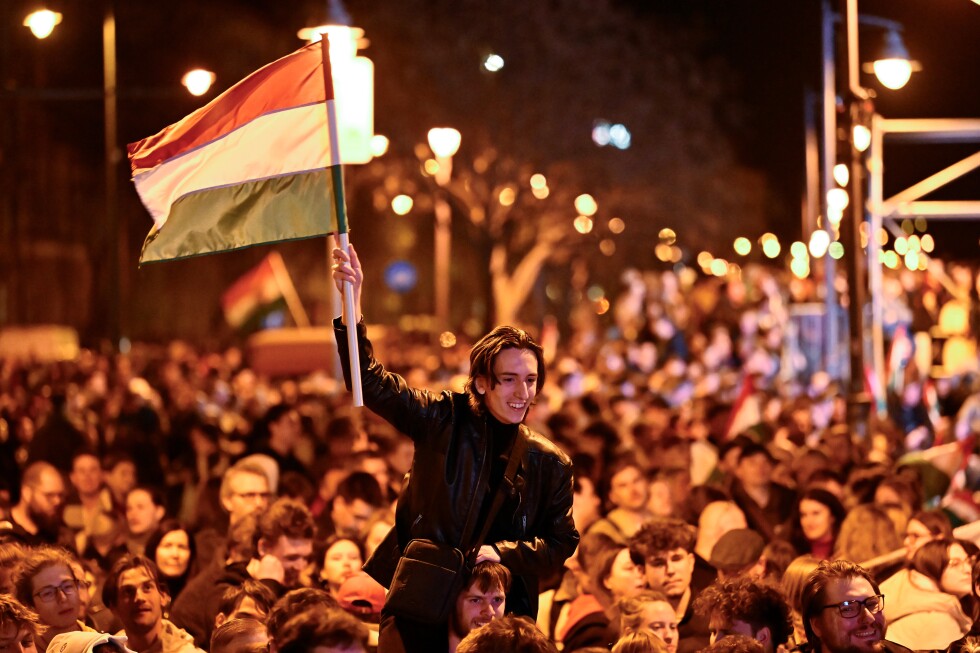
    In the hours after pro-European opposition candidate Péter Magyar secured his victory, hundreds of thousands of jubilant supporters flooded Budapest’s streets to celebrate the landmark result. The sounds of songs from Hungary’s most popular, openly Orbán-critical musicians drifted through the crowds, as teenagers climbed the city’s iconic Chain Bridge to blast revolutionary anthems that had long encapsulated young Hungarians’ simmering frustration with the ruling regime. On public transit across the capital, young revelers led chants and shared AI-generated fan tracks created in honor of Magyar, while outside the country’s grand neo-Gothic parliament building, a collective calling itself “More Techno to Parliament!” marked Orbán’s defeat with a high-energy rave.

    These widespread, youth-led celebrations are far more than just spontaneous outpourings of joy: they highlight the outsized, decisive role young voters played in ending what critics have long described as Orbán’s autocratic rule. Pre-election polling from the independent 21 Research Center underscored this generational shift, revealing that 65% of all Hungarian voters under the age of 30 threw their support behind Magyar’s Tisza Party, compared to just 14% who backed the incumbent Orbán.

    The story of 26-year-old Budapest architect Marcell Szabó-Temple mirrors the political journey of many young Hungarians who catalyzed this change. Raised on the capital’s outskirts in a household where adults avoided discussing politics in front of children, Szabó-Temple cast his first vote in the 2018 election — a race that Orbán won by a wide margin — and left the experience feeling disconnected and ambivalent toward the entire political process.

    That apathy shifted when he enrolled in university, where he experienced a sudden political awakening. Even as a student at one of Hungary’s top engineering institutions, he was shocked by the deteriorating state of the country’s higher education system. Studying from an outdated curriculum in a crumbling campus building left him questioning the outcomes of 12 years of Orbán-led governance, he said, and convinced him the country needed new leadership.

    More disillusionment followed in 2022, when the Orbán administration pushed through a controversial overhaul that placed control of more than 20 Hungarian universities under public foundations led by government-appointed loyalists. As a result of the restructuring, those institutions lost eligibility for the European Union’s Erasmus+ student exchange program. Critics widely condemned the move as a deliberate power grab designed to tighten state control over academia and suppress independent critical thought, and widespread student and faculty protests failed to block the policy change.

    Barred from the opportunity to study abroad and demoralized by Orbán’s another lopsided election victory that same year, Szabó-Temple withdrew from political engagement for years. “It felt like the world went silent after that,” he recalled. “I stopped caring about politics again, just like when I was in high school. I didn’t even want to hear the news.”

    That all changed when Péter Magyar — a former insider within Orbán’s own Fidesz Party — emerged on the Hungarian political scene in 2024. For Szabó-Temple and countless other young Hungarians, Magyar’s candidacy ignited a sense of hope for meaningful change that had been missing for years.

    Magyar centered his campaign on two key priorities: repairing Hungary’s strained relationship with the European Union, and restoring the country’s traditional Western alignment, which had shifted steadily closer to Russia under Orbán’s tenure. Over the course of the campaign, he prioritized connecting with young voters, holding hundreds of rallies across the country where he repeatedly urged young people to take ownership of Hungary’s future.

    Alongside Magyar’s political rise, a new wave of young musical artists — most of whom built their fanbases through social media and digital platforms — began producing openly political content that challenged the Orbán regime. As economic stagnation and deepening social divisions eroded young Hungarians’ quality of life and future prospects, this music became a rallying point for discontent. Anti-government chants regularly broke out during festival performances, drawing scoldings from government officials who condemned the displays of disrespect.

    This youth-driven cultural movement reached its peak just two days before the election, when more than 100,000 people packed a large central Budapest square for a “system-breaking” concert featuring more than 50 artists, all of whom urged attendees to vote for political change.

    In the wake of Orbán’s historic defeat, Szabó-Temple — who is currently completing a work exchange in Portugal — says he plans to move back to his home country. He explained that for years, young Hungarians have grown increasingly convinced that if they could not unseat Orbán’s regime this election cycle, many would have no choice but to leave Hungary for good. “I certainly felt that way,” he said.

    Like most of the young voters who delivered Tisza Party its victory, Szabó-Temple holds high expectations for the new administration. “We put our faith in them, and we expect them to deliver on their promises,” he said. “If they do, I’ll put down roots here and build a life and a family in Hungary.”

  • Accusers seek justice after unwanted explicit messages from Congressman Eric Swalwell

    Accusers seek justice after unwanted explicit messages from Congressman Eric Swalwell

    Long-serving Democratic U.S. Representative Eric Swalwell, who represented a Northern California district near San Francisco for over a decade, has announced his resignation from Congress and withdrawn from the California gubernatorial race following a cascade of sexual misconduct allegations from multiple women. Two of his accusers, Annika Albrecht and Ally Sammarco, have gone on record with CBS News, the U.S. partner of the BBC, saying they feel vindicated by his sudden exit after years of alleged unpunished behavior.

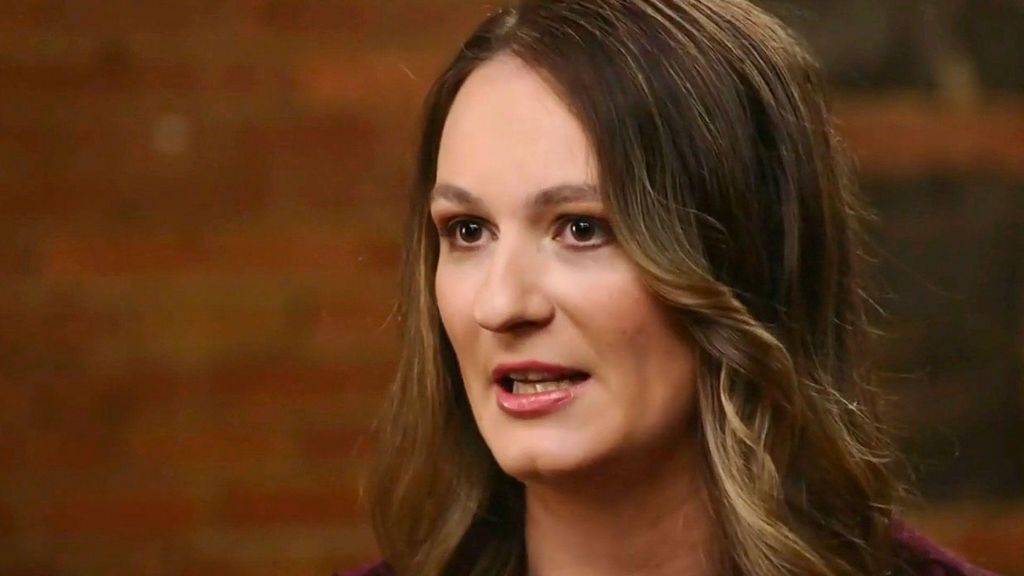
    Albrecht, who had not previously revealed her identity publicly, shared her account with reporters: she first met Swalwell during a college class trip, where he connected with her under the pretense of offering professional political mentorship. Over time, she said, he sent sexually inappropriate photos via Snapchat, the ephemeral messaging platform that automatically deletes content after viewing, and ultimately invited her to meet him in a hotel room. “I keep thinking about how lucky I am that I didn’t go to that hotel,” Albrecht told CBS, adding that learning other women shared similar experiences has been deeply upsetting.

    Sammarco, who first went public with her claims last week, met Swalwell in 2018 when she was 24 years old and reached out to him on Twitter to discuss a career in politics. She told reporters he sent her unsolicited nude images through the same Snapchat platform. Both women say Swalwell operated for years with a belief that he was untouchable, free from any accountability for his behavior toward women.

    Last week, the dam broke when four women came forward with allegations ranging from persistent sexual harassment to violent rape. The revelations triggered an official ethics inquiry by the U.S. House of Representatives, with bipartisan discussions underway to forcibly expel Swalwell if he did not step down. Sammarco characterized his decision to resign as a forced move to salvage what remains of his public reputation. “He was pushed into a corner, essentially, because they were planning to expel him … so I think he resigned to save face a little,” Sammarco said. “But I also felt very vindicated that he realized it was over for him.”

    In his official public statement released Monday, Swalwell acknowledged poor past judgment and issued an apology to his family, staff, and constituents. He admitted to making unspecified mistakes, offering a mea culpa that stopped short of validating the most serious claims against him. “I will fight the serious, false allegation made against me,” he wrote. “However, I must take responsibility and ownership for the mistakes I did make.” The representative, first elected to Congress in 2012, also apologized to his wife for the personal and professional scandal.

    The allegations do not end with the two public accusers. Democratic social media influencer Cheyenne Hunt, who first brought the collective allegations to wide public attention with a viral video detailing multiple women’s claims, told CBS that more than 30 different women have reached out to her to report varying forms of misconduct by Swalwell since she posted her first video. Additionally, the Manhattan District Attorney’s Office has launched a formal investigation into a sexual assault accusation from an unnamed former staff member, first reported by the *San Francisco Chronicle*. That staff member alleges she was assaulted by Swalwell in a New York hotel room in 2019, waking up naked with no clear memory of the previous night after sharing drinks with the congressman.

    For Albrecht, the resignation is only a first step toward meaningful accountability. “For me, justice won’t be until he can’t ever harm a woman ever again, and he has faced the consequences for the women that he has harmed,” she said.

    Congress is set to return from its scheduled recess this Tuesday, where the House Ethics Committee will proceed with inquiries into two separate congressional misconduct cases: Swalwell’s, and that of Texas Republican Representative Tony Gonzales, who dropped his re-election campaign last month after admitting to an extramarital affair with a member of his congressional staff.

  • Xi urges enhancing China-Spain cooperation for more fruitful results

    Xi urges enhancing China-Spain cooperation for more fruitful results

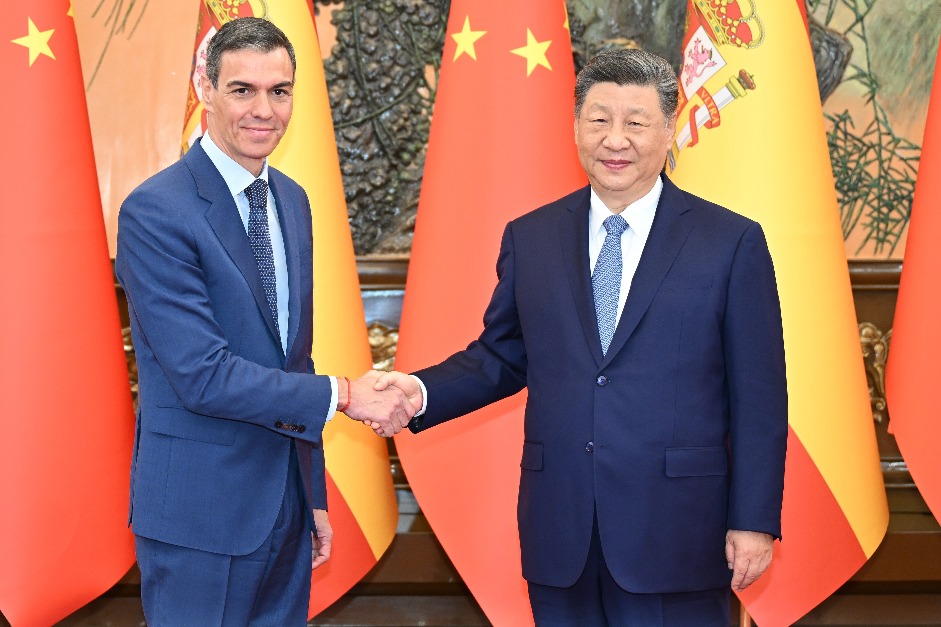
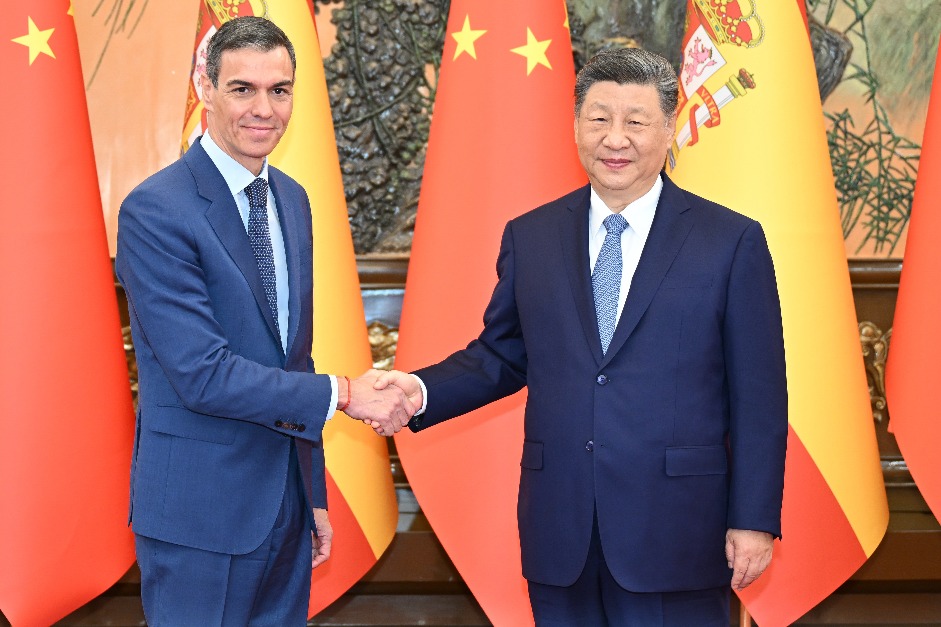
    BEIJING — In a high-profile bilateral meeting held at the Great Hall of the People on April 14, 2026, Chinese President Xi Jinping welcomed visiting Spanish Prime Minister Pedro Sanchez, who is currently conducting an official visit to China, and outlined a clear vision for deepening collaboration across multiple priority sectors between the two nations. During the meeting, Xi emphasized that China and Spain should ramp up cooperative efforts in key areas that include cross-border trade, renewable new energy, and the fast-growing intelligent economy, while also stepping up people-to-people exchanges in culture, education, scientific research, and sports. Noting that the two countries share a solid foundation for bilateral ties and multiple overlapping development interests, Xi pointed out that both sides should fully capitalize on existing opportunities to pursue innovation-driven growth. He added that advancing the China-Spain comprehensive strategic partnership to deliver more substantial, tangible outcomes will ultimately translate into greater well-being and shared prosperity for the populations of both nations.

  • Xi says China, Spain should strengthen cooperation to oppose ‘law of jungle’

    Xi says China, Spain should strengthen cooperation to oppose ‘law of jungle’

    BEIJING, April 14, 2026 – In a high-profile diplomatic meeting with visiting Spanish Prime Minister Pedro Sanchez on Tuesday, Chinese President Xi Jinping has called for strengthened bilateral cooperation between China and Spain to push back against a global retreat toward the coercive “law of the jungle” that threatens international order.

    Sanchez is in Beijing for an official working visit, marking the latest high-level exchange between the two nations aimed at deepening diplomatic and economic ties amid shifting global dynamics. During the talks, Xi highlighted that the contemporary international system is facing unprecedented instability, with a growing confrontation between two competing approaches to global governance: one rooted in the rule of law, and another that prioritizes the brute “rule of power” favored by larger nations seeking unilateral advantage.

    Against this backdrop, Xi urged both China and Spain to stand together in upholding the principles of genuine multilateralism, an approach that centers equal participation from all nations regardless of size, rather than the hegemonic order that allows stronger powers to dictate terms to smaller states. The call aligns with China’s long-standing diplomatic position of advocating for a multipolar global order and rejecting unilateralism, power politics, and the aggressive expansion of influence that harkens back to the “law of the jungle” where might makes right.

    The meeting comes as many European and Asian nations face growing pressure to align with competing global blocs, making bilateral cooperation between major economies like China and Spain a critical factor for maintaining regional and global stability. Both sides are expected to continue discussions across trade, climate action, cultural exchange and other areas in the coming days of Sanchez’s visit, with a shared focus on preserving a rules-based international system that benefits all nations.

  • Senior CPPCC official charged for bribery

    Senior CPPCC official charged for bribery

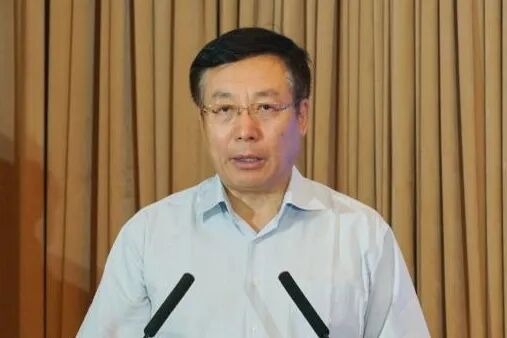
    In a formal announcement released on Tuesday, China’s top prosecuting body confirmed that Bi Jingquan, a former senior official of the country’s top political advisory body, has been officially indicted on bribery charges by prosecutors from Shandong Province. The case against Bi was first investigated and concluded by the National Commission of Supervision, China’s top anti-corruption watchdog, before being handed over to prosecuting organs for mandatory review and the filing of formal legal charges. Jurisdiction over the case was assigned to prosecutors based in Jinan, the capital city of Shandong Province, who have now submitted their official indictment to the Jinan Intermediate People’s Court to move the legal process forward. According to the indictment details, Bi is alleged to have abused authority across multiple senior positions he held throughout his decades-long career. These roles include former head of the National Medical Products Administration, former deputy head of the State Administration for Market Regulation, and former deputy head of the Committee on Economic Affairs of the National Committee of the Chinese People’s Political Consultative Conference (CPPCC), China’s top political advisory body. Prosecutors claim Bi exploited these positions to secure improper benefits for third parties in exchange for accepting large sums of money and high-value valuables, which meets the legal criteria for criminal bribery. Prosecutors emphasized that throughout the entire review and prosecution procedure, Bi was fully informed of all his legal rights as a defendant, and the legal arguments and defense positions submitted by Bi’s legal representation were formally reviewed and considered ahead of the indictment being filed. Bi, now 70 years old, is a native of Heilongjiang Province in northeast China. He joined the Communist Party of China in March 1978 and entered official public service in February 1982. Over his four-decade career, he held senior leadership roles across multiple key national regulatory and economic bodies, including the former national price bureau, the National Development and Reform Commission, the National Medical Products Administration, and the State Administration for Market Regulation. In August 2020, Bi took up his post at the Committee on Economic Affairs under the CPPCC National Committee, and later also held key positions at the China Center for International Economic Exchanges, a leading national economic think tank. The indictment marks a key step forward in the country’s ongoing anti-corruption campaign, which targets misconduct by public officials at all levels across government and political advisory bodies.

  • Xi puts forward four-point proposal on promoting Middle East peace, stability

    Xi puts forward four-point proposal on promoting Middle East peace, stability

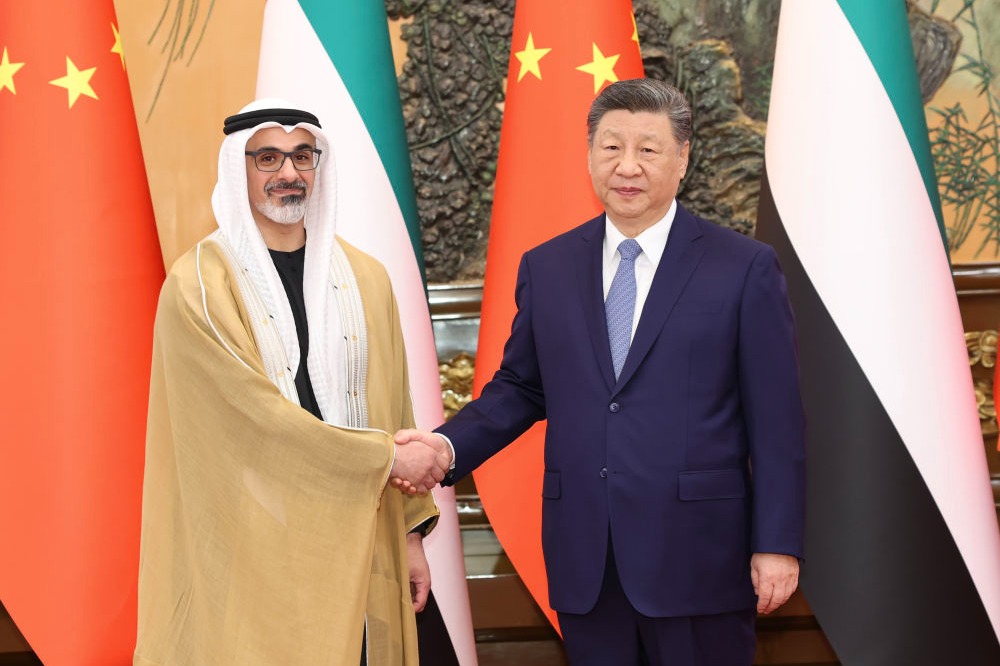
    BEIJING — In a high-profile bilateral meeting held in the Chinese capital on Tuesday, President Xi Jinping laid out a structured four-point proposal designed to advance lasting peace and long-term stability across the Middle East. The talks took place during a working visit by Sheikh Khaled bin Mohamed bin Zayed Al Nahyan, Crown Prince of Abu Dhabi of the United Arab Emirates.
    Against a backdrop of ongoing regional tensions and unresolved conflicts that have rippled across the globe, President Xi’s proposal outlines four core guiding principles to steer future peace efforts. First, it calls for universal adherence to the fundamental principle of peaceful coexistence between all regional states, regardless of differing political systems, religious traditions or strategic outlooks. Second, it emphasizes unwavering respect for the inviolable principle of national sovereignty, a cornerstone of modern international relations that underpins the territorial integrity of every nation in the region. Third, it prioritizes consistent commitment to the rule of law in international affairs, establishing clear, shared norms to govern interactions between states and resolve disputes through peaceful, rule-based channels. Finally, the proposal calls for coordinated, integrated advancement of development initiatives and security frameworks, recognizing that sustained economic progress and collective security are mutually reinforcing pillars of stable societies.
    The proposal comes as China expands its diplomatic engagement in the Middle East, positioning itself as a neutral broker committed to de-escalation and inclusive dialogue between regional actors. The meeting between President Xi and the Abu Dhabi Crown Prince also underscores the deepening bilateral ties between China and the United Arab Emirates, spanning trade, energy, security and cultural cooperation.