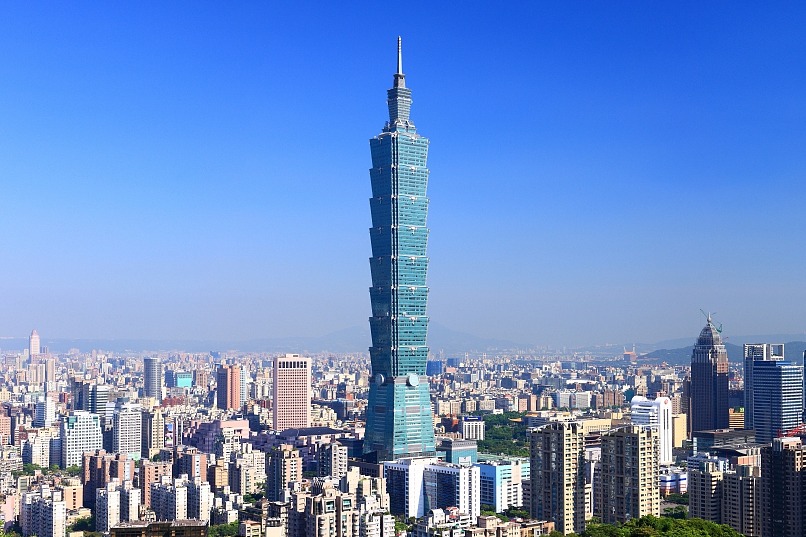
BEIJING – Ahead of cross-strait policy discussions on Wednesday, a senior spokesperson for the Chinese mainland laid out a clear vision of enhanced social welfare and improved living standards for residents of Taiwan following peaceful reunification, outlining concrete policy adjustments and cross-strait cooperation plans that would redirect public spending toward people-centered needs. Chen Binhua, spokesperson for the Taiwan Affairs Office of the State Council, shared these details during a regular press briefing, highlighting the most immediate fiscal shift that would unlock new resources for public welfare. Currently, a significant portion of Taiwan’s annual fiscal budget is allocated to defense-related spending; after reunification, these funds can be reallocated to expand social safety nets, upgrade public services, and address long-standing livelihood challenges facing Taiwanese communities, Chen explained. Beyond fiscal reallocation, the mainland plans to advance systematic mechanisms for cross-strait sharing of public services and core resources. This integration would ensure more stable, diverse supply chains for essential goods for Taiwan residents, ultimately driving down costs for both local production and household daily life, Chen noted. The spokesperson also outlined targeted infrastructure and public safety initiatives tailored to Taiwan’s long-term needs. The mainland will introduce cooperative measures to support large-scale urban renewal projects across Taiwan, including the long-overdue renovation of aging residential and public buildings. In the realm of disaster risk reduction, Chen added that reunification will enable Taiwan to upgrade its early disaster warning and emergency response systems, with the mainland standing ready to deploy immediate, large-scale assistance whenever the region faces major natural disasters. In closing, Chen emphasized that all the proposed measures center on protecting the well-being of Taiwan residents, and that both the security interests and long-term development prospects of Taiwan will be fully protected after peaceful reunification, bringing tangible, widespread benefits to all people living on the island.
分类: politics
-
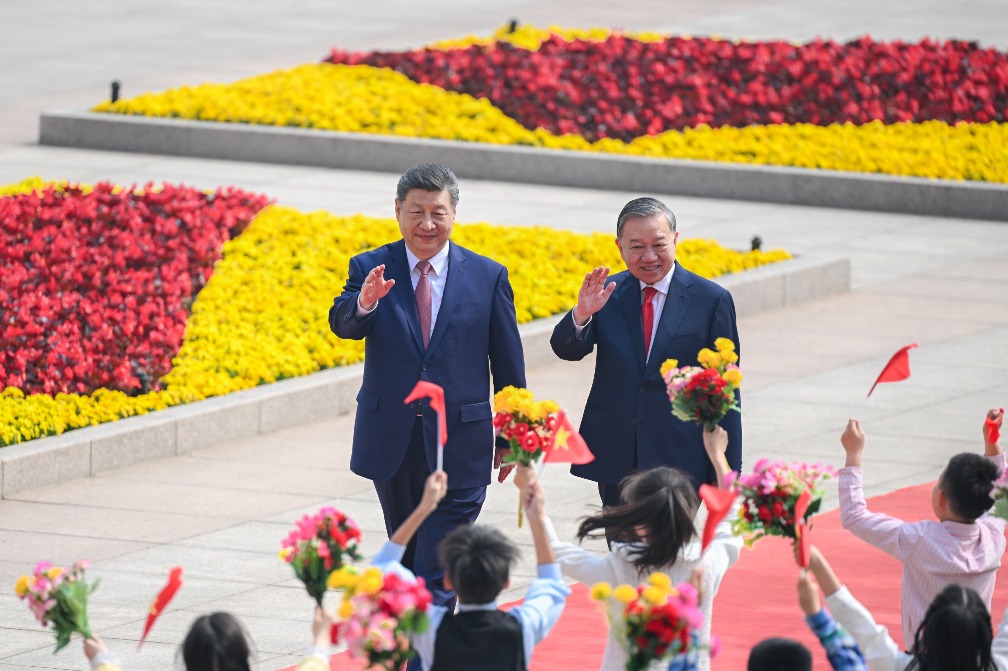
China, Vietnam should cooperate more in infrastructure connectivity, emerging areas: Xi
BEIJING — During high-level bilateral talks held on Wednesday amid an official state visit by Vietnam’s top leader, Chinese President Xi Jinping put forward a roadmap for deeper bilateral cooperation between China and Vietnam, centered on accelerated development strategy alignment and expanded collaboration across high-priority areas.
Xi, who also serves as General Secretary of the Communist Party of China Central Committee, made the proposal during formal discussions with To Lam, his Vietnamese counterpart who holds the positions of General Secretary of the Communist Party of Vietnam Central Committee and President of Vietnam. To Lam is currently conducting a state visit to China to strengthen bilateral ties.
In his remarks during the talks, Xi emphasized that the two neighboring nations should prioritize advancing infrastructure connectivity as a core pillar of their partnership, while moving faster to align their long-term national development strategies to unlock shared growth opportunities.
Beyond traditional infrastructure cooperation, Xi called for the two sides to ramp up collaborative efforts in fast-growing emerging economic and technological fields, including artificial intelligence, semiconductor manufacturing, and the Internet of Things. He added that China welcomes greater access to the Chinese market for high-quality goods produced in Vietnam, opening new avenues for Vietnamese exporters to expand their footprint in one of the world’s largest consumer markets.
The talks come as part of regular high-level exchanges between the two socialist neighboring countries, aimed at reinforcing bilateral trust, expanding mutually beneficial cooperation, and addressing shared regional and global challenges. This high-level engagement reflects the steady deepening of comprehensive strategic cooperative partnership between China and Vietnam in recent years.
-
BBC plans to cut 2,000 jobs to reduce costs by about 10% over next 2 years
The British Broadcasting Corporation (BBC) announced Wednesday that it will eliminate up to 2,000 roles over the next two years as part of a sweeping plan to slash £500 million ($677 million) — or 10% of its annual operating budget. The layoffs, revealed during an internal staff briefing call, mark the largest workforce reduction at the UK’s public national broadcaster in over a decade.
In a mass email sent to employees following the announcement, interim Director-General Rhodri Talfan Davies acknowledged that the decision would create widespread uncertainty for staff, but emphasized the broadcaster’s commitment to transparency around the severe fiscal challenges it faces. Davies outlined the multiple overlapping pressures driving the cost-cutting push: persistent high inflation across the UK media sector, ongoing debates and constraints over the broadcaster’s core license fee funding model, declining commercial revenue streams, and broader volatility in the global economy.
The restructuring plan aligns with a fiscal framework the BBC laid out earlier this year, when it first disclosed it was facing “substantial financial pressures” and targeted 10% in total budget cuts by 2029. The majority of the cost savings are scheduled to be implemented in the 2027-2028 fiscal year, which begins April 1, 2027. The announcement comes just weeks before a leadership transition at the top of the organization: former Google executive Matt Brittin is set to take over as the new permanent Director-General next month, stepping into the role vacated by Tim Davie.
Brittin’s appointment follows a high-profile controversy that led to the resignation of then-head of news Deborah Turness, who stepped down over a misleading edit made to a documentary covering former U.S. President Donald Trump’s January 6, 2021 speech shortly before his supporters stormed the U.S. Capitol. That controversy was followed by a $10 billion defamation lawsuit brought against the BBC by Trump.
As a public cultural institution, the BBC has long been both celebrated by audiences and scrutinized by critics, funded primarily by an annual television license fee that currently stands at £180 ($244). Every UK household that watches live broadcast television or accesses BBC content is required by law to pay the fee, a funding model that has faced growing criticism in the age of on-demand digital streaming. Opponents of the license fee, which include competing commercial broadcasters, have ramped up their calls for reform as more consumers abandon traditional linear television viewing and forgo owning dedicated TV sets entirely.
The current UK center-left Labour government has pledged to secure “sustainable and fair” long-term funding for the BBC, but has not ruled out scrapping the existing license fee model in favor of an alternative funding structure. First founded in 1922 as a radio broadcaster with the core mission to “inform, educate and entertain,” the BBC has grown into a sprawling media entity. It currently operates 15 national and regional television channels across the UK, multiple international broadcast channels, 10 national radio stations, dozens of local radio outlets, the globally distributed World Service radio network, and a large portfolio of digital products including the popular iPlayer streaming platform.
-
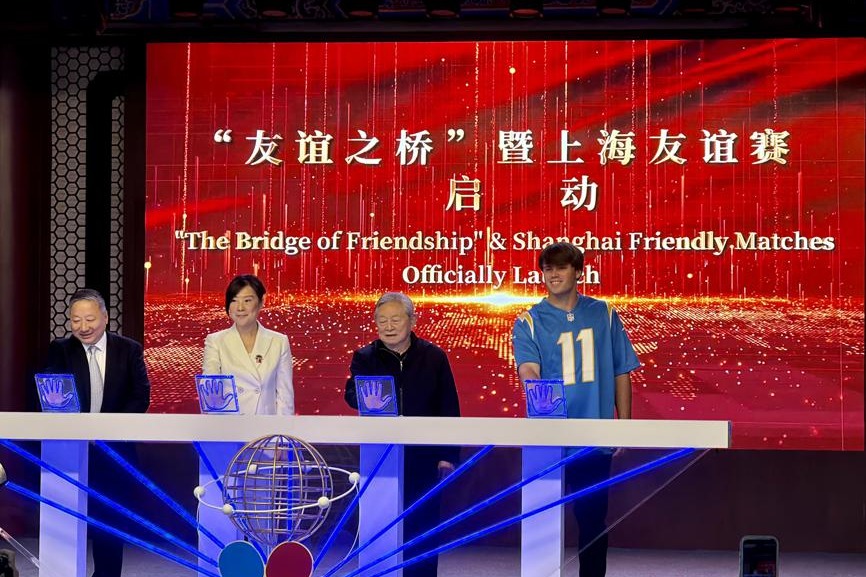
Ping-Pong Diplomacy marks 5 decades
Fifty-five years after a group of curious American table tennis athletes crossed a decades-long ideological divide to step onto Chinese soil, the world is once again reflecting on one of the most remarkable turning points in modern diplomatic history. April 2026 marks the 55th anniversary of the groundbreaking “Ping-Pong Diplomacy”, an unplanned, serendipitous breakthrough that softened Cold War tensions between China and the United States and redefined what people-to-people exchange can achieve in even the most strained geopolitical contexts.
The story of this historic thaw did not unfold in a formal cabinet meeting or a high-stakes diplomatic summit. It began on a crowded team bus in Nagoya, Japan, during the 1971 World Table Tennis Championships. When young American player Glenn Cowan accidentally missed his own team’s shuttle and boarded the Chinese national team’s bus, a moment of accidental history was born. At a time when the two nations had cut off formal contact for decades, Chinese champion Zhuang Zedong stepped forward to greet Cowan and offered him a warm gesture of goodwill, a simple act that cut through decades of ideological friction.
That small interaction between two athletes would become a textbook example of how the “small ball” of table tennis could move the “big ball” of global politics. It proved that cultural exchange and mutual respect could open doors that formal diplomatic negotiations had locked for years. More than half a century later, the lessons of that moment still hold powerful resonance for a deeply divided world, reminding global communities that genuine human connection can overcome even the deepest political and social divides.
To honor the milestone, commemorative events marking the 55th anniversary and the launch of new China-US youth sports exchange initiatives were held in Beijing on April 10, with a parallel Shanghai leg kicking off at Shanghai University of Sport days later. Members of the original 1971 delegations from both countries gathered in China for an emotional reunion, reaffirming the bonds first forged in that unplanned 1971 encounter. Warm hugs, shared decades-old memories, and a shared commitment to advancing cross-border connection defined the gathering.
The U.S. delegation was led by original 1971 team members Judy Hoarfrost, Olga Soltesez, Connie Sweeris and Dell Sweeris, who were reunited with their Chinese counterparts Zheng Minzhi and Liang Geliang. Liang, who was just 21 years old when the original exchange took place and a contemporary of the late Glenn Cowan, recalled the casual, friendly ten-minute practice the two young players shared half a century earlier.
For Hoarfrost, the memories remain as vivid as the day they were made. “55 years ago, I was 15 years old and the youngest member of the delegation,” she shared. Even after more than five decades, she still carries the roar of 18,000 spectators in a Beijing gymnasium, a sound that has stayed with her for a lifetime. Hoarfrost added that the experience, where she saw Chinese athletes’ incredible skill paired with gentle, open warmth, taught her the core truth of the event’s guiding mantra: “Friendship First, Competition Second.”
The seven-day 1971 trip left an indelible mark on all participating American athletes. Connie Sweeris recalled visiting iconic sites including the Forbidden City and the Great Wall, and sharing the experience of preparing Beijing roast duck, calling these moments “memories I would cherish for the rest of my life”. To this day, a display cabinet at her home filled with trip souvenirs and mementos stands as a permanent tribute to the formative journey.
Speaking to a new generation of young athletes in attendance at the anniversary events, Hoarfrost urged young people to value the unprecedented opportunities for connection they have today. “Please treasure these opportunities to connect. In my day, we had to cross mountains and oceans just to meet face-to-face,” she said. She noted that the digital tools of the 21st century create a bridge between nations that her generation never could have imagined, encouraging young people to maintain open, inclusive minds, immerse themselves in each other’s cultures, and continue learning from one another.
Jan Carol Berris, vice-president of the National Committee on United States-China Relations and a veteran of the original 1971 exchanges, echoed the importance of the milestone. She expressed hope that the 1971 exchange’s “spirit of mutual respect and friendly engagement” can serve as a blueprint for rebuilding a stable bilateral relationship that serves the interests of people in both countries and advances global peace and development.
For Petra Erika Gummesson Soerling, president of the International Table Tennis Federation, the 1971 Ping-Pong Diplomacy exchange stands as both a critical sporting milestone and a landmark in global politics. She described the encounter as a cornerstone of international table tennis history, and expressed hope that its enduring spirit will continue to “strengthen cross-border friendship” in an increasingly fractured world.
-
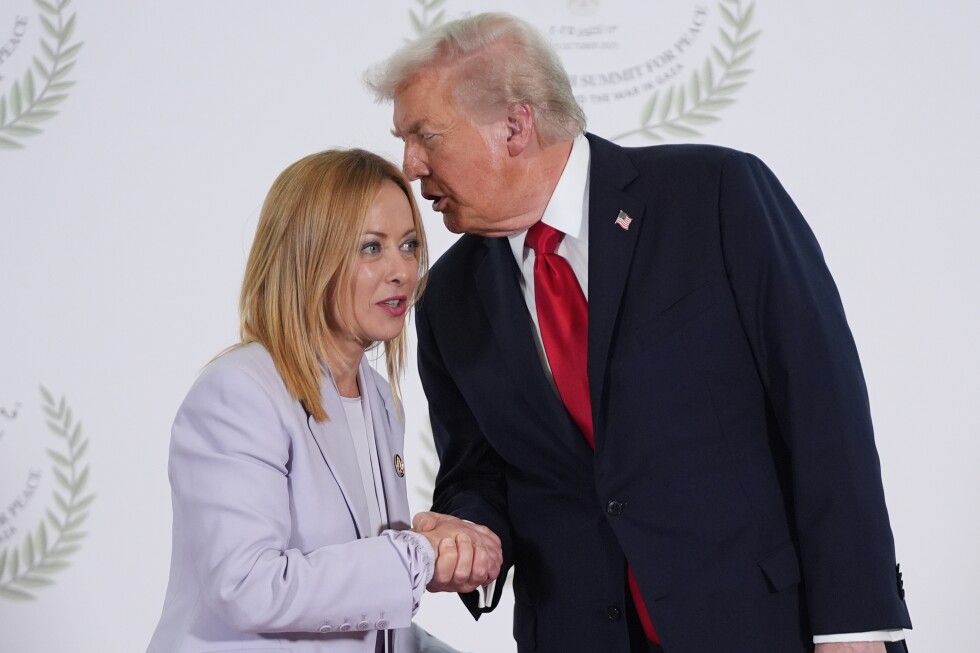
After criticizing the pope, Trump slams Italy’s Meloni over lack of support for Iran war
The once-anticipated role of Italian Prime Minister Giorgia Meloni as Europe’s primary bridge to U.S. President Donald Trump now teeters on collapse, after a series of public broadsides from the American leader over her refusal to back his administration’s war on Iran and her condemnation of his criticism of Pope Leo XIV.
In an interview with leading Italian national newspaper Corriere della Sera, Trump made clear his disillusionment with Meloni, who had long been counted among his closest European allies. “I thought she had courage,” Trump told the outlet. “I was wrong.” The verbal rebuke came after Meloni publicly labeled Trump’s attack on the pope “unacceptable,” and maintained Italy’s firm refusal to join the U.S.-led military campaign against Iran – a stance that included blocking U.S. bombers from accessing a key Italian air base in Sicily last month.
Meloni has yet to issue a direct public response to Trump’s attacks, but foreign policy analysts widely agree the split could work to her political advantage, as she navigates the aftermath of a lopsided referendum defeat last month and seeks to insulate her government from backlash over the deeply unpopular Iran war, which has sent domestic energy prices soaring across Italy.
“I actually think this is a godsend for her,” explained Nathalie Tocci, director of the International Affairs Institute and a professor at Johns Hopkins SAIS Europe. “Trump has become completely toxic across Europe, across much of the world, including Italy.”
Trump doubled down on his criticism during an appearance on Fox News Wednesday, confirming what insiders had hinted at for months: the once-close personal and political bond between the two nationalist leaders has definitively frayed. “She’s been negative,” Trump said. “Anybody that turned us down to helping with this Iran situation, we do not have the same relationship.”
The breakdown of the alliance follows a 15-month arc that began with high expectations. Meloni was the only European Union leader invited to Trump’s second inauguration, and political observers widely predicted she would leverage her close personal ties to advance Italian interests after he returned to office. Both leaders share nationalist ideological leanings and hard-line positions on immigration, creating what was seen as a natural alignment. But the relationship began to sour almost immediately, when Italy was hit hard by Trump’s global tariffs, leaving Meloni with little tangible gain to show for her overtures to the White House. When asked if the two leaders had spoken this month, Trump told Corriere della Sera, “No, not in a long time.”
Tensions grew after an awkward Oval Office meeting one year ago, where Meloni avoided direct confrontation over Trump’s tariff policies. The rift widened sharply over the Iran war, with Meloni holding firm to Italy’s neutral position. Her public rebuke of Trump’s comments on the pope marked the most direct public criticism she has leveled at the U.S. president to date.
Tocci argues the split is not the result of a deliberate shift by Meloni away from Trump, but rather a consequence of the U.S. president’s increasingly erratic public posture. “It’s been building up over time, not so much because she is moving away from him but because he has become increasingly unhinged,” she noted.
Senior members of Meloni’s government have sought to downplay the public dispute, emphasizing that the broader U.S.-Italy transatlantic alliance remains intact. Adolfo Urso, a cabinet minister from Meloni’s far-right Brothers of Italy party, told Italian outlet Radio 24 that the row would not shake the longstanding partnership between the two nations. “Italy and the United States are allied countries and maintain their relationship and alliance within international institutions, starting obviously with the Atlantic Alliance,” Urso said, adding that the Catholic Church’s moral teachings “cannot crack relationships consecrated in alliances signed a few decades ago.”
Mariangela Zappia, president of the Italian think tank ISPI and a former Italian ambassador to the United States, framed Trump’s heated reaction as symptomatic of broader frustration with Europe, not just Italy. Beyond failing to secure unified European backing for the Iran war, Trump recently lost one of his most loyal far-right European allies after Viktor Orbán’s electoral defeat in Hungary over the weekend.
Even so, Zappia stressed that Trump’s personal attack on Meloni should not be interpreted as a permanent fracture to the broader transatlantic alliance. “Europe absolutely considers the United States its historic ally, but in some way wants to be involved in the decisions that are taken,” Zappia said. For Trump, she added, the takeaway is clear: “this European Union is not easy to dismantle. We are different, we react differently. Some are clearly anti-Trump, some are pro-Trump but in the end, destroying the European project, separating us on the things on which we see as our future, that is very difficult.”
For Meloni, the immediate priority is shoring up domestic political support after last month’s referendum defeat, which functioned as an informal confidence vote on her leadership. She recently embarked on a high-profile two-day tour of three Gulf states, seeking to secure new long-term gas and oil deals to ease Italy’s ongoing energy crisis driven by the Iran conflict, but returned to Rome without any binding formal agreements. Earlier this week, she announced Italy would not automatically renew its defense cooperation agreement with Israel, after warning shots struck an Italian UN peacekeeping convoy in southern Lebanon. Analysts widely view the move as a symbolic gesture driven by domestic politics, rather than a substantive shift in Italian foreign policy, given deep public opposition to Israel’s actions in the region among Italian voters.
“The Gulf tour was a way to show public opinion that she was being proactive. The fact it didn’t actually lead to anything is beside the point,” Tocci explained. Of the non-renewal of the Israel agreement, she added: “substantively is rather meaningless because there is not much in this agreement but symbolically it helps because Israel has become just so unpopular in Italian public opinion.”
Even with these political calculations working in her favor, some political analysts predict a challenging remaining 18 months of Meloni’s mandate before national elections scheduled for 2027, with the economic fallout of the Iran war continuing to weigh on household finances. Roberto D’Alimonte, a professor of government at Rome’s LUISS University, noted that Italian voters are focused on tangible relief from rising energy costs, not just symbolic political gestures. “People want to see their gas bills go down, not just see Meloni talk about gas,” D’Alimonte said. “What matters are the bills you get every month.”
-
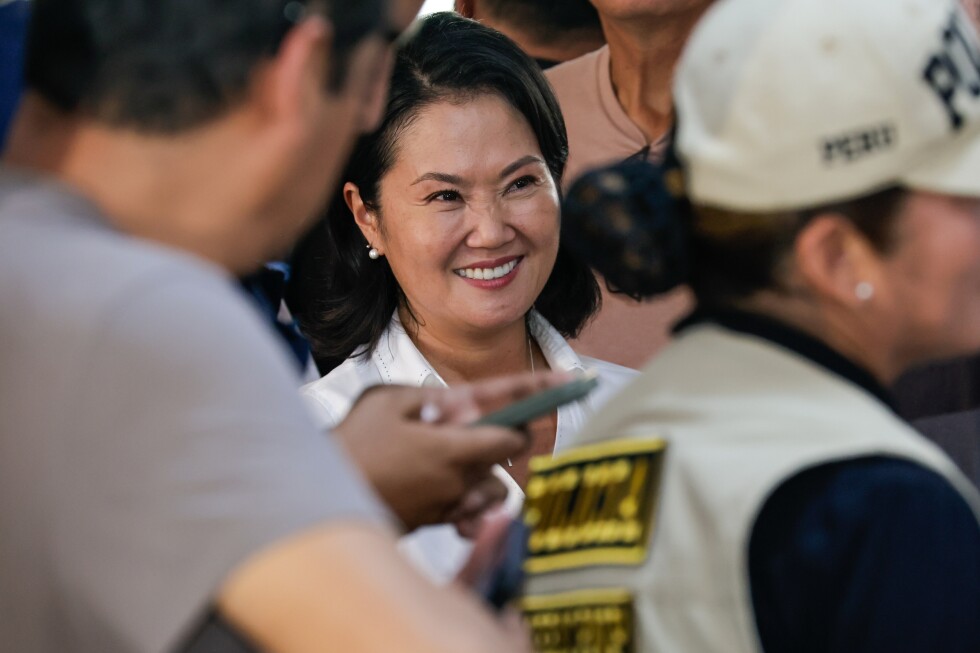
Allies of disgraced former presidents lead in Peru presidential election
Four days of ongoing ballot counting in Peru’s 2024 presidential first-round election has cemented two candidates as the clear front-runners poised to advance to the June runoff, as widespread logistical failures disrupted voting processes for thousands of voters at home and abroad.
Keiko Fujimori, a conservative Peruvian politician making her fourth bid for the country’s highest office and the daughter of disgraced former president Alberto Fujimori, held the top spot in official counts released Tuesday, with 16.95% of the vote after 90% of all ballots were processed. Close behind her, nationalist congressman and former cabinet minister Roberto Sánchez claimed 11.99% of the vote, putting him just barely ahead of third-place contender Rafael López Aliaga, an ultraconservative and former mayor of Lima who captured 11.94% of counted ballots.
The election has been plagued by organizational breakdowns that disenfranchised thousands of eligible voters both within Peru and among the Peruvian diaspora in the United States. The disruptions began when ballot boxes failed to reach polling locations on schedule for the original voting day, forcing election officials to extend voting into an extra day on Monday. The extension, announced Sunday evening just as official counting got underway, allowed more than 52,000 Lima-based residents to cast their ballots, as well as Peruvian voters registered in two U.S. locations: Orlando, Florida, and Paterson, New Jersey.
Under Peruvian electoral rules, a candidate must secure an absolute majority of more than 50% of the vote to win the presidency outright in the first round. Since no candidate is on track to hit that threshold, the top two finishers from the first round will advance to a head-to-head runoff election scheduled for June 7.
The eventual winner will take office as Peru’s ninth president in just a decade, stepping into a role that has seen rapid turnover amid ongoing political instability. The current interim president, José María Balcázar, was appointed to the position in February, following the ousting of his predecessor — an interim leader removed from office over corruption allegations just four months after taking power.
Fujimori, who has run unsuccessfully for the presidency three times previously, has centered her campaign on pledges to crack down on rising violent crime across Peru. However, her policy record has drawn scrutiny: in recent years, her party backed legislative changes that legal experts argue have significantly weakened the country’s ability to prosecute criminal suspects. The reforms eliminated the option of preliminary detention for certain offenses and raised the legal bar for law enforcement to seize assets tied to criminal activity. If elected, Fujimori has proposed new measures including anonymous judges for criminal cases and a requirement that incarcerated people work to earn meals in prison.
Sánchez, who previously served as foreign trade minister under ousted former president Pedro Castillo, has positioned himself as a nationalist, populist alternative. He frequently wears a wide-brimmed traditional Andean peasant hat on the campaign trail — a gift from his political mentor and ally Castillo, who remains in prison on charges tied to his 2022 attempt to dissolve Congress. If elected president, Sánchez has pledged to use executive pardon power to secure Castillo’s release.
The slow progress of this year’s ballot counting echoes the 2021 Peruvian presidential election, when official final results were not completed until five full days after polls closed, reflecting long-standing structural challenges in Peru’s electoral administration.
-
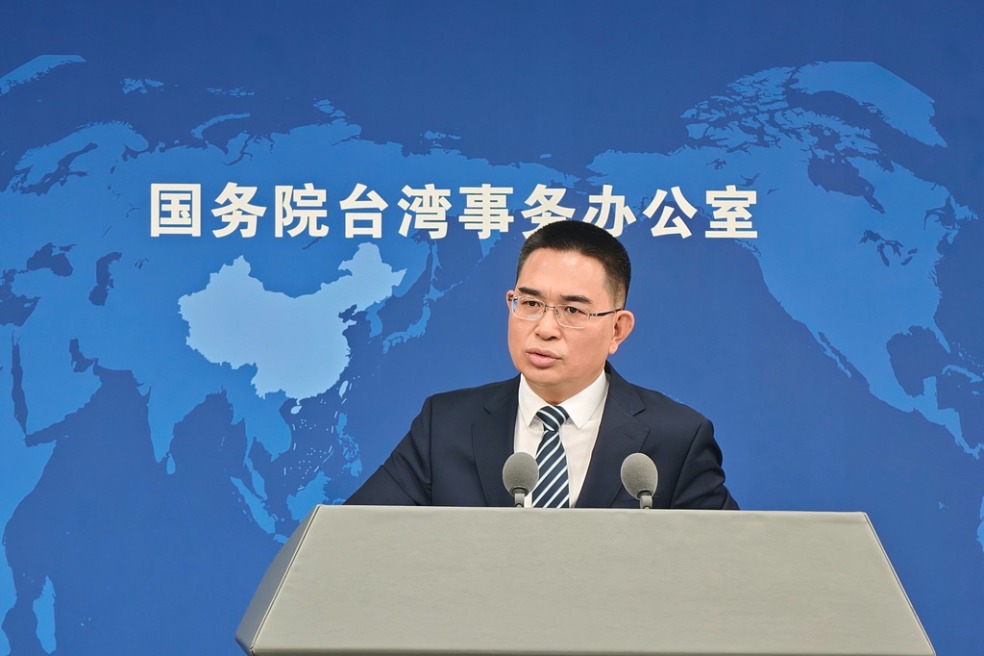
Mainland reaffirms one-China principle amid Taiwan leader’s planned visit to Eswatini
In a formal press briefing on Wednesday, a spokesperson for China’s mainland State Council Taiwan Affairs Office, Chen Binhua, reaffirmed unwavering adherence to the one-China principle when governing cross-Strait external interactions, issuing a clear call for all relevant nations to uphold the universal international consensus and stand on the right side of history. The statement was delivered in direct response to the announced upcoming visit of Taiwan leader Lai Ching-te to Eswatini, scheduled to take place between April 22 and 26. “We firmly oppose any actions that seek to create ‘two Chinas’, ‘one China, one Taiwan’, or advance the cause of ‘Taiwan independence’ on the international stage,” Chen emphasized during the conference. He further urged relevant countries to acknowledge the broader global trend that overwhelmingly supports the one-China principle, correct any misaligned policies, and align themselves with the global consensus. Eswatini currently holds the distinction of being the only African nation that maintains so-called ‘diplomatic relations’ with Taiwan, a partnership that was first established in 1968. In a related development, Taiwanese media has reported that as of March 2024, Denmark updated its nationality and birthplace registration rules for Taiwan residents residing within its borders, changing the listed entry from ‘Taiwan’ to ‘China’. In response to this policy adjustment, Taiwan’s so-called ‘foreign affairs department’ announced recently that it has revoked a set of previously granted privileges for Danish representatives based in Taiwan, and has demanded an immediate resolution to the situation it deems problematic. Chen reiterated that the one-China principle stands as a foundational norm governing modern international relations, and is a broadly accepted consensus across the global community. This principle, he noted, reflects the overwhelming will of the international public and the defining trend of the contemporary era. He added that no maneuvering by the Democratic Progressive Party authorities in Taiwan can alter the established fact that Taiwan is an inalienable part of China, nor can it erode the widespread global commitment to the one-China principle.
-
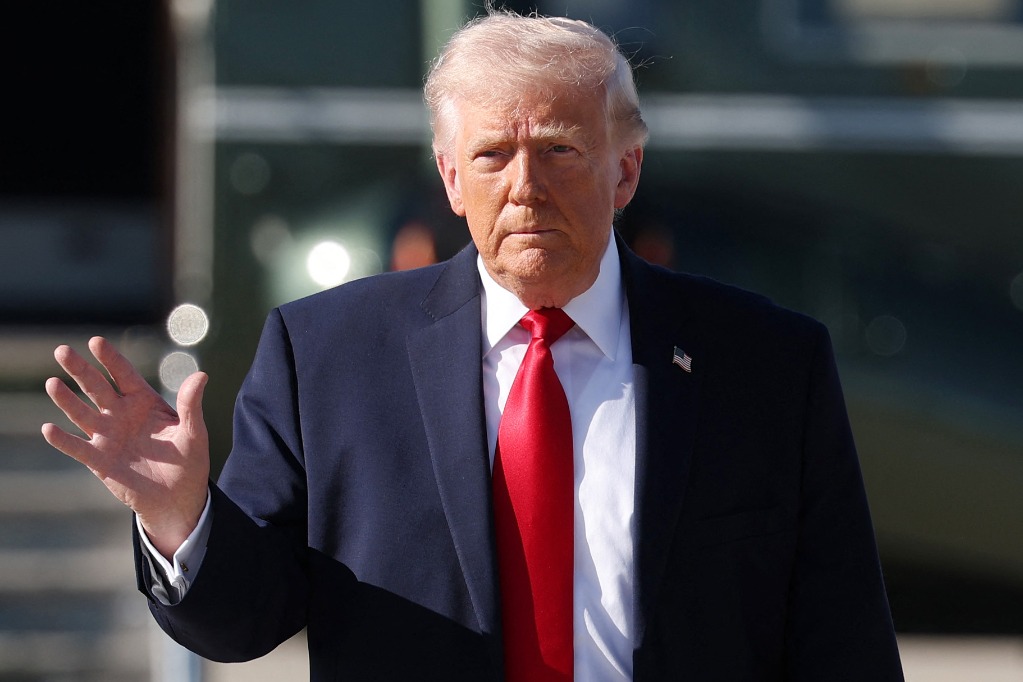
Trump says not thinking about extending ceasefire with Iran
WASHINGTON, April 15 (Xinhua) — In a new interview that adds clarity to U.S. policy toward Iran, former President Donald Trump has stated he does not see a need to extend an existing ceasefire agreement between the two nations. Speaking to ABC News on Tuesday, Trump directly addressed questions about the future of the truce, telling reporters he has not considered extending the arrangement and does not believe such an extension would serve any necessary purpose. The comment comes amid ongoing regional tensions across the Middle East, where ceasefire agreements between major powers have faced repeated scrutiny over their ability to curb long-standing conflict and instability. The statement marks a clear shift in rhetorical positioning, closing off speculation that the U.S. could seek to prolong the current ceasefire to build toward wider diplomatic negotiations between Washington and Tehran. As regional actors continue to navigate fragile security arrangements, Trump’s remarks have eliminated immediate uncertainty about whether a temporary truce would be extended into the coming months, putting the future of the ceasefire in question as stakeholders monitor for further developments in U.S.-Iran relations.
-
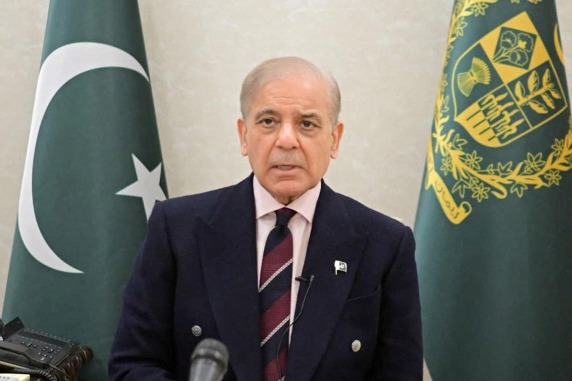
Pakistani PM to visit Saudi Arabia Wednesday: statement
ISLAMABAD – A formal statement from Pakistan’s government has confirmed that Prime Minister Shehbaz Sharif will launch an official visit to Saudi Arabia this week, with his departure for the Saudi city of Jeddah set for Wednesday.
The official notification confirms that the prime minister will travel alongside a delegation of senior Pakistani officials, though government representatives have not yet released additional details about the agenda for the visit, expected attendees beyond the high-level delegation, or specific outcomes that the two sides aim to reach.
Diplomatic ties between Pakistan and Saudi Arabia have long been defined by close economic cooperation, people-to-people ties, and strategic alignment, making bilateral visits by top leadership a regular fixture of the relationship. This trip marks the latest high-level engagement between the two regional partners, coming as scheduled diplomatic exchanges continue between Islamabad and Riyadh.
-
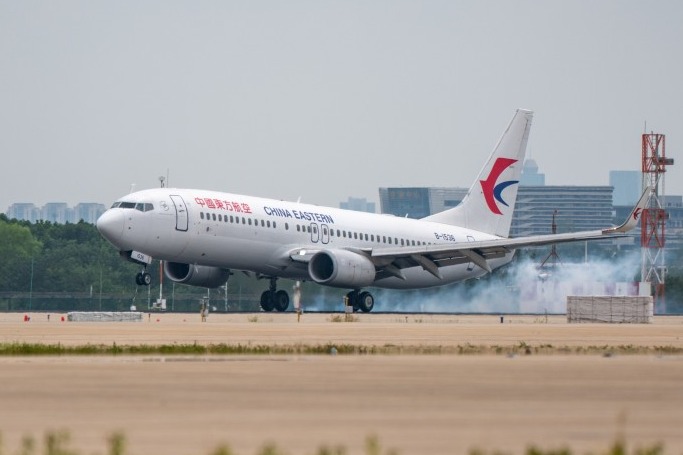
Mainland urges Taiwan’s DPP authorities to remove barriers to resuming direct flights
BEIJING, April 15, 2026 (Xinhua) — A senior Chinese spokesperson reaffirmed Wednesday that the Chinese mainland has not implemented any restrictions on the full resumption of direct cross-Taiwan Strait flights, and called on the Democratic Progressive Party (DPP) authorities in Taiwan to remove the unreasonable barriers the administration has placed on the restoration of these air connections.
Chen Binhua, spokesperson for the Taiwan Affairs Office of the State Council, made the call during a regular press briefing, noting that all existing obstacles to restarting full direct cross-Strait flights are rooted in restrictions imposed by the DPP administration.
Cross-Strait air connectivity has been a key issue for people on both sides of the Taiwan Strait, with travelers, businesspeople, and separated families calling for the restoration of convenient, direct flights that were scaled back in recent years. The Chinese mainland has repeatedly positioned itself as open to resuming full service, placing responsibility for the continued disruption on the DPP’s restrictive policies.