分类: politics

  • China’s draft law on ethnic unity aims to serve as global model, political adviser

    China’s draft law on ethnic unity aims to serve as global model, political adviser

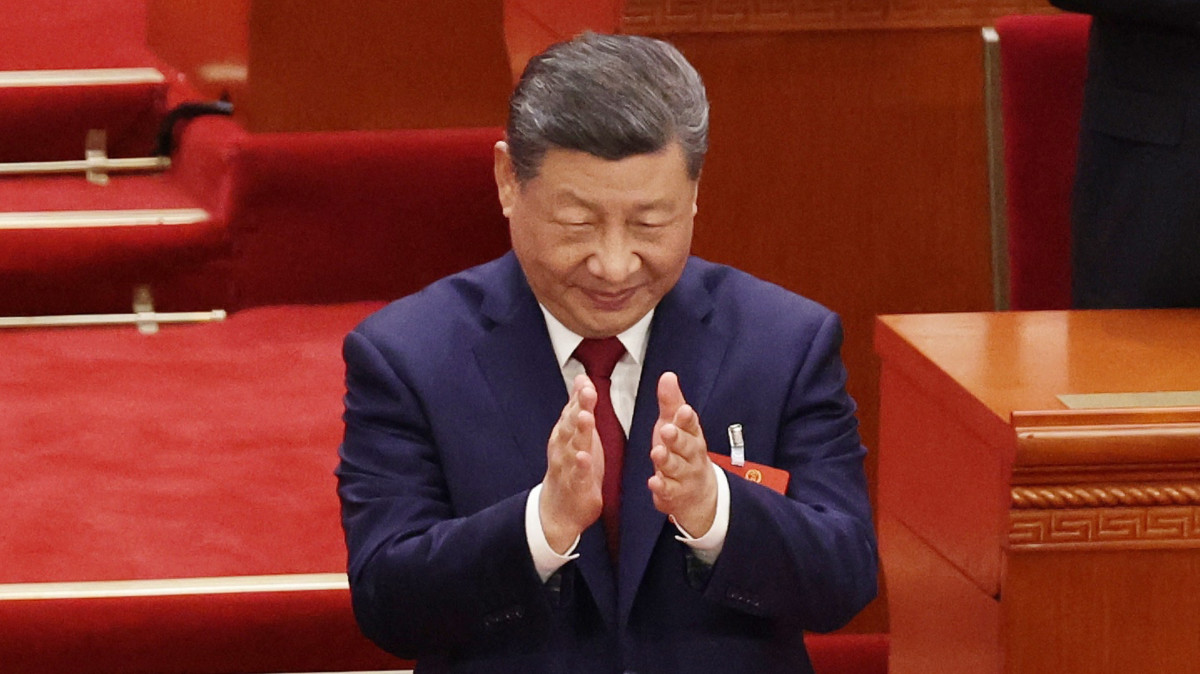
    China’s legislative body is currently deliberating a groundbreaking draft law on ethnic unity advancement that political advisors characterize as a potential international paradigm for managing interethnic relations. The proposed legislation, presented during the fourth session of the 14th National People’s Congress running through March 12, 2026, represents China’s comprehensive approach to fostering national cohesion while preserving cultural diversity.

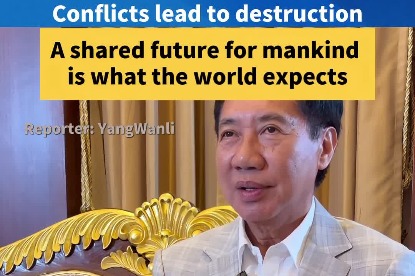
    Chen Xiaoyan, a National Committee member of the Chinese People’s Political Consultative Conference and official with the All-China Federation of Taiwan Compatriots, emphasized the draft law’s dual significance. “This legislative framework demonstrates China’s institutional confidence in its governance model and developmental trajectory,” Chen stated during the ongoing Two Sessions political gatherings. “At a time when ethnic tensions continue to trigger global conflicts and humanitarian crises, this initiative establishes foundational principles for unity and collective wellbeing among China’s diverse ethnic communities.”

    The proposed legislation specifically addresses cultural preservation mandates, ensuring the protection of unique linguistic, educational, and traditional practices across ethnic groups while synchronizing these protections with national unity objectives. Chen highlighted the draft’s particular relevance to cross-strait relations, noting that ethnic communities from Taiwan have expressed admiration for mainland China’s ethnic policies and support systems.

    Chen further projected that the law’s implementation would extend comparable rights and benefits to Taiwan’s ethnic populations, facilitating their integration within the broader Chinese national community. The legislation emerges as a structured response to global ethnic challenges, positioning China’s approach as both domestically beneficial and internationally instructive for nations navigating complex multicultural dynamics.

  • ‘Beware lest you be the ones to vanish’: Iran’s Larijani hits back after Trump threat

    ‘Beware lest you be the ones to vanish’: Iran’s Larijani hits back after Trump threat

    A senior Iranian security official has delivered a formidable counter-warning to former U.S. President Donald Trump following his explicit threat of military action against Tehran. The exchange marks a significant escalation in rhetoric between the two nations concerning the strategic Strait of Hormuz.

    Trump utilized his Truth Social platform late Monday to issue a stark ultimatum, vowing to strike Iran with unprecedented force if it persists in blocking the critical maritime passage. His post threatened targets that would render national reconstruction “virtually impossible” for Iran, promising “Death, Fire, and Fury” while simultaneously characterizing such action as a potential “gift to China” and other nations reliant on the strait.

    Ali Larijani, head of Iran’s Supreme National Security Council, responded via social media platform X in both Persian and Arabic. Defying the warnings, Larijani asserted that “the Ashura-loving Iranian people do not fear your hollow threats,” invoking historical resilience against greater powers. He concluded with a ominous caution: “So beware lest you be the ones to vanish.”

    The geopolitical standoff centers on the Strait of Hormuz, a narrow 33-kilometer channel separating Oman and Iran that serves as the world’s most vital oil transit corridor. Approximately 20 million barrels of oil navigate these waters daily, representing about 20% of global petroleum output and one-third of liquefied natural gas shipments. Asian economies demonstrate particular vulnerability, with South Korea importing 70% of its crude, Japan 90%, and India 50% from Middle Eastern suppliers traversing the strait.

    Financial markets already reflect the tension, as Asian indices tumbled Monday following Iran’s closure of the waterway. Larijani reinforced Iran’s position, stating the strait would remain closed while U.S. and Israeli attacks continue. Responding to reports of France deploying frigates to reopen the route, the security chief dismissed such efforts as futile while “fires ignited by the United States and Israel” rage in the region.

  • Steve Rosenberg: Russia seeks diplomatic and economic gains from Iran war

    Steve Rosenberg: Russia seeks diplomatic and economic gains from Iran war

    Russian President Vladimir Putin has engaged in his second telephone conversation with Iranian leadership within a week, strategically positioning Moscow as an international peace broker amid escalating Middle East tensions. This diplomatic maneuvering occurs as the United States and Israel continue military operations against Iranian targets.

    The Kremlin’s peacemaking posture presents a complex geopolitical paradox. While publicly advocating for “swift de-escalation and political resolution” of the Iran conflict, Russia simultaneously maintains its prolonged military campaign in Ukraine—a contradiction that undermines Moscow’s credibility as an impartial mediator.

    Russia’s relationship with Iran operates under a “Comprehensive Strategic Partnership” agreement, with Putin recently reaffirming Moscow’s “unwavering support” for Tehran. However, this alliance stops short of mutual defense obligations, allowing Russia flexibility in its diplomatic approach.

    During Monday’s discussion with US President Donald Trump, Putin proposed several diplomatic initiatives for resolving the Iran crisis, drawing on his communications with Gulf state leaders and other regional stakeholders. This engagement provides Russia with dual advantages: enhanced influence throughout the Middle East and opportunities to strengthen ties with Washington.

    The Kremlin perceives its relationship with the Trump administration as strategically beneficial for Russian objectives in Ukraine. This calculation explains Putin’s deliberate avoidance of personal criticism toward Trump regarding the Iran conflict—a diplomatic restraint noted by Trump himself during post-call remarks.

    Beyond diplomatic gains, Russia stands to benefit economically from Middle East instability. The recent oil price surge to nearly $120 per barrel—well above Russia’s budget benchmark of $59—delivers substantial financial relief to Moscow’s war economy. Potential easing of oil-related sanctions, as suggested by Trump, could provide additional revenue streams for Russia’s military operations in Ukraine.

    Ukrainian President Volodymyr Zelensky has warned that sanction relief would deal a “serious blow” to Kyiv’s defense efforts, creating tension between Western allies regarding appropriate responses to both conflicts.

  • ‘Realities of war’: UK minister refuses to call US massacre at Iranian school a war crime

    ‘Realities of war’: UK minister refuses to call US massacre at Iranian school a war crime

    A British government official has sparked international controversy by declining to characterize the bombing of an Iranian girls’ school that killed 165 people, predominantly children, as a war crime, instead describing it as the “realities of war.

    Courts Minister Sarah Sackman made the contentious remarks during a Sky News interview on Tuesday when confronted with emerging evidence about the February 28th attack on Shajareh Tayyebeh Primary School in Minab. The assault occurred during coordinated US-Israeli military operations against Iranian targets.

    Recent investigative findings and newly released footage strongly indicate that a US Tomahawk missile struck the educational facility. When pressed for her assessment of the evidence, Minister Sackman responded: “You watch footage like that and what you see is the realities of war, and in particular the way that civilians right across the region are caught up in military conflict.”

    The minister explicitly avoided legal classification of the incident, stating: “I’m not going to speculate on whether this is a war crime, but what it is is a war, and in that context devastating things can happen.” She did, however, criticize Iranian military actions while emphasizing the necessity for evidence-based judgments regarding international law violations.

    Sackman’s comments have ignited fierce criticism from political figures and commentators. Liberal Democrat peer Baroness Meral Hussein-Ece asserted that the US and Israel were “in clear violation of international law,” while journalist Mehdi Hasan condemned the minister’s apparent double standard in exclusively criticizing Iran.

    The diplomatic fallout occurs amid revelations that the United States has been utilizing British military installations, including RAF Fairford in Gloucestershire, to launch bomber missions targeting Iranian positions. Prime Minister Keir Starmer has thus far resisted opposition calls for direct RAF involvement in strikes against Iran while refraining from condemning the US-Israeli offensive.

    Tensions in the UK-US security partnership have further intensified due to Britain’s initial refusal to permit American forces to use the joint UK-US base on Diego Garcia for operations against Iran. This diplomatic strain was reportedly discussed during a Sunday phone conversation between Starmer and US President Donald Trump, who has previously criticized the British leader as “unhelpful” and inadequate in comparison to Winston Churchill.

  • China steps up public interest litigation to boost green development

    China steps up public interest litigation to boost green development

    China’s judicial authorities have significantly amplified their deployment of public interest litigation as a strategic mechanism to advance the nation’s green and low-carbon development objectives. This policy direction was formally outlined in a comprehensive white paper released by the Supreme People’s Procuratorate (SPP) on Tuesday, detailing a systematic nationwide campaign that has yielded substantial environmental remediation outcomes.

    The initiative, launched in March 2025 as a year-long specialized supervisory program, directed prosecutorial departments across China to concentrate on public interest violations intersecting with industrial restructuring, urban-rural development patterns, transportation systems, and energy consumption practices. By February 2026, judicial authorities had processed approximately 44,000 environmental cases, with over 13,000 specifically addressing pollution control and carbon emission management challenges.

    Geographically, the campaign demonstrated particular effectiveness in Shanghai, Hebei, Jiangsu, and Hunan provinces, alongside the Inner Mongolia and Xizang autonomous regions, where environmental litigation volumes showed consistent growth. The operational results have been quantitatively significant: authorities supervised the remediation of more than 4,000 enterprises engaged in illegal pollutant discharge, restored over 2,000 kilometers of compromised river channels, and rehabilitated approximately 1,933 hectares of degraded water areas.

    Financially, the litigation drive enabled the recovery of 1.05 billion yuan (approximately $153 million) in ecological restoration compensation, directly addressing numerous persistent environmental problems. According to Xu Xiangchun, head of the SPP’s public interest litigation procuratorial department, the campaign has substantially improved the regulatory architecture governing environmental litigation. The SPP has consequently issued specialized guidelines covering soil pollution mitigation, solid-waste management protocols, air-pollution prevention measures, and standardized procedures for case filing and judicial review.

    Statistical analysis reveals that prosecutors filed 47,228 cases related to ecological protection and natural resource conservation, representing 34.8 percent of all public interest litigation cases handled during the period. Concurrently, China has actively expanded international exchanges in environmental jurisprudence, with its innovative practices gaining increasing global recognition. The SPP introduced its litigation framework during judicial exchanges with Vietnam, shared watershed governance expertise at a United Nations climate conference side event in Brazil, and presented marine protection methodologies at a UN ocean conference in France.

    Further international engagement included knowledge-sharing at an International seminar on migratory bird protection convened by BirdLife International, reaching 123 member countries, and hosting delegations from Egypt, Singapore, and Vietnam. These diplomatic efforts have collectively enhanced the global influence of China’s distinctive public interest litigation system within environmental governance circles.

  • Reuniting for spring: Two sessions Q&A with an old friend

    Reuniting for spring: Two sessions Q&A with an old friend

    As China’s annual Two Sessions convene in Beijing, National People’s Congress deputy Xia Hua has emerged as a prominent voice advocating for technological integration in traditional industries. The representative detailed her groundbreaking work combining artificial intelligence with cultural preservation to drive rural economic development.

    Over the past year, Deputy Xia has pioneered innovative approaches to rural revitalization by transforming traditional craftsmanship into sustainable income streams for village communities. Her initiatives have successfully created new economic models that merge agricultural production with cultural tourism and technological advancement.

    One of the most significant breakthroughs involves the implementation of AI-assisted design platforms that enable collaborative creation between skilled embroiderers and consumers. These digital tools not only facilitate product co-creation but also serve as vital preservation mechanisms for traditional patterns and artisanal techniques that might otherwise face extinction.

    Looking toward future development, Xia emphasized her continued commitment to three core priorities: stimulating integrated consumption patterns, cultivating robust rural industries, and accelerating the digital transformation of conventional sectors. Her work represents a microcosm of China’s broader strategy to modernize traditional industries while maintaining cultural heritage.

    The Two Sessions, comprising the National People’s Congress and the Chinese People’s Political Consultative Conference, provide a crucial platform for representatives like Xia to share successful regional models that could inform national policy decisions regarding rural development and technological innovation.

  • President Nawrocki refuses to sign law to tap 44B euros in EU defense loans for Poland

    President Nawrocki refuses to sign law to tap 44B euros in EU defense loans for Poland

    In a significant political maneuver, Polish President Karol Nawrocki has declined to endorse legislation that would grant Poland access to approximately €44 billion in preferential defense loans through the European Union’s Security Action for Europe (SAFE) initiative. The president’s office announced Tuesday that Nawrocki considers increased financial dependence on Brussels contrary to Poland’s national interests.

    Instead of utilizing EU mechanisms, the presidential administration has proposed alternative legislation suggesting domestic funding sources for defense modernization projects. This development highlights the growing ideological divide between Poland’s liberal government under Prime Minister Donald Tusk and the nationalist presidency, particularly regarding European integration and defense cooperation.

    The political confrontation occurs against the backdrop of heightened security concerns following Russia’s full-scale invasion of Ukraine in 2022. While subsequent Polish governments have consistently increased defense spending, the current administration favors closer coordination with EU institutions, whereas the presidency maintains a more eurosceptic stance and has cultivated stronger relations with the Trump administration.

    Nawrocki, who has positioned himself as the primary political adversary to Prime Minister Tusk since assuming office last year, retains until March 20 to issue a formal veto against the government’s legislation. The president’s opposition aligns with criticism from the national-conservative Law and Justice (PiS) party, which argues that EU funding mechanisms ultimately increase German influence and disadvantage American defense contractors.

    The United States has concurrently expressed reservations about EU defense initiatives, with American ambassadors to the EU and NATO publishing an opinion piece in February criticizing programs like SAFE for potentially limiting market competition and undermining transatlantic defense cooperation.

    Despite the presidential opposition, the Tusk administration maintains that alternative pathways exist to access SAFE funding, albeit under potentially less favorable conditions. The government had previously identified 139 defense projects for financing, including 30 initiatives focused on fortifying Poland’s eastern borders, with承诺 80% of funds directed toward domestic defense industries.

  • Smartmatic says Trump’s ‘campaign of retribution’ is driving criminal prosecution

    Smartmatic says Trump’s ‘campaign of retribution’ is driving criminal prosecution

    Smartmatic, a prominent voting technology corporation, has launched a vigorous legal defense seeking dismissal of criminal money laundering charges, asserting the indictment represents politically motivated retaliation orchestrated by former President Donald Trump and his allies. The company’s parent organization, UK-based SGO Corporation, was unexpectedly added to an existing indictment last autumn that previously targeted several executives regarding alleged bribery payments in the Philippines.

    In a comprehensive motion filed in Miami federal court, Smartmatic’s legal team detailed extensive cooperation with Justice Department investigators since 2021, including producing millions of documents and conducting multiple presentations. The company maintained it believed the matter was resolved until the Justice Department reversed its position following Trump’s return to political prominence.

    The court filing contends the prosecution advances Trump’s false narrative that the 2020 presidential election was stolen through Smartmatic’s involvement. This allegation forms the foundation of Smartmatic’s separate $2.7 billion defamation lawsuit against Trump allies in media organizations.

    The criminal case originates from payments allegedly made between 2015 and 2018 to secure election contracts with the Philippine government. Former executive Roger Pinate, who remains a shareholder but no longer works for the company, has pleaded not guilty. Prosecutors allege revenue from a $300 million Los Angeles County contract was diverted through offshore shell companies and fabricated invoices into a slush fund controlled by Pinate.

    Additional accusations include secretly providing Venezuela’s election chief with a luxury residence in Caracas, allegedly to mend relations after Smartmatic’s abrupt 2017 exit from Venezuela when it accused Nicolás Maduro’s government of election manipulation.

    Founded by Venezuelan entrepreneurs two decades ago, Smartmatic achieved global reach by providing election technology across 25 nations. The company maintains its business suffered catastrophic damage following widespread dissemination of false claims about its role in the 2020 U.S. presidential election.

  • Pro-Israel US congressman says ‘Muslims don’t belong in America’

    Pro-Israel US congressman says ‘Muslims don’t belong in America’

    A Republican congressman has ignited fierce criticism across the United States after publishing inflammatory anti-Muslim statements on social media platform X. Representative Andy Ogles of Tennessee declared that “Muslims don’t belong in American society” and asserted that “pluralism is a lie” in a Monday post whose origins remain unclear.

    The controversial remarks emerge against a backdrop of escalating anti-Muslim content on social media since the joint U.S.-Israel military actions against Iran commenced on February 28. According to the Washington, DC-based Center for the Study of Organized Hate (CSOH), posts explicitly dehumanizing Muslims and inciting violence against them surged dramatically from under 2,000 daily to over 6,000 following the outbreak of hostilities.

    Congressman Ogles, a staunch Israel supporter and member of the hard-right House Freedom Caucus, has previously advocated for policies targeting Muslim communities. He recently announced plans to introduce legislation banning immigration from certain Muslim-majority nations and separately posted that “diversity is our weakness,” even calling for the deportation of naturalized Muslim American citizens.

    The Council on American-Islamic Relations (CAIR) strongly condemned Ogles’ statements, labeling him an “anti-Muslim extremist” and noting his membership in the ‘Sharia-Free America Caucus’—a group of representatives supporting legislation that would effectively ban Islamic practices in the United States. CAIR emphasized that “Islam is an American faith that has been present since the colonial-era.

    Democratic lawmakers responded swiftly, with Representative Judy Chu calling the remarks “abhorrent” and Representative Katherine Clark stating such rhetoric “doesn’t belong in American society.” The incident reflects a broader pattern of increasing anti-Muslim sentiment among Republican politicians, with a Washington Post analysis revealing nearly 100 GOP members of Congress have posted negatively framed comments about Muslims or Islam this year.

    This development coincides with revelations from Drop Site News that the Israeli Foreign Ministry commissioned surveys indicating public support for Israel increased approximately 20 percentage points when polling questions emphasized fear of Muslims, suggesting strategic exploitation of Islamophobic sentiments.

  • Iranian FM says negotiations with US no longer on the agenda: media

    Iranian FM says negotiations with US no longer on the agenda: media

    In a definitive statement closing the door on diplomatic engagement, Iranian Foreign Minister Abbas Araghchi declared Tuesday that negotiations with the United States are officially off Tehran’s agenda. The announcement, made during an interview with US PBS News, represents a significant hardening of Iran’s position toward Washington.

    Araghchi articulated Iran’s unwavering commitment to its strategic defense programs, explicitly stating that missile operations would continue indefinitely as a matter of national security. This declaration signals Tehran’s resolve to maintain military capabilities despite external pressure.

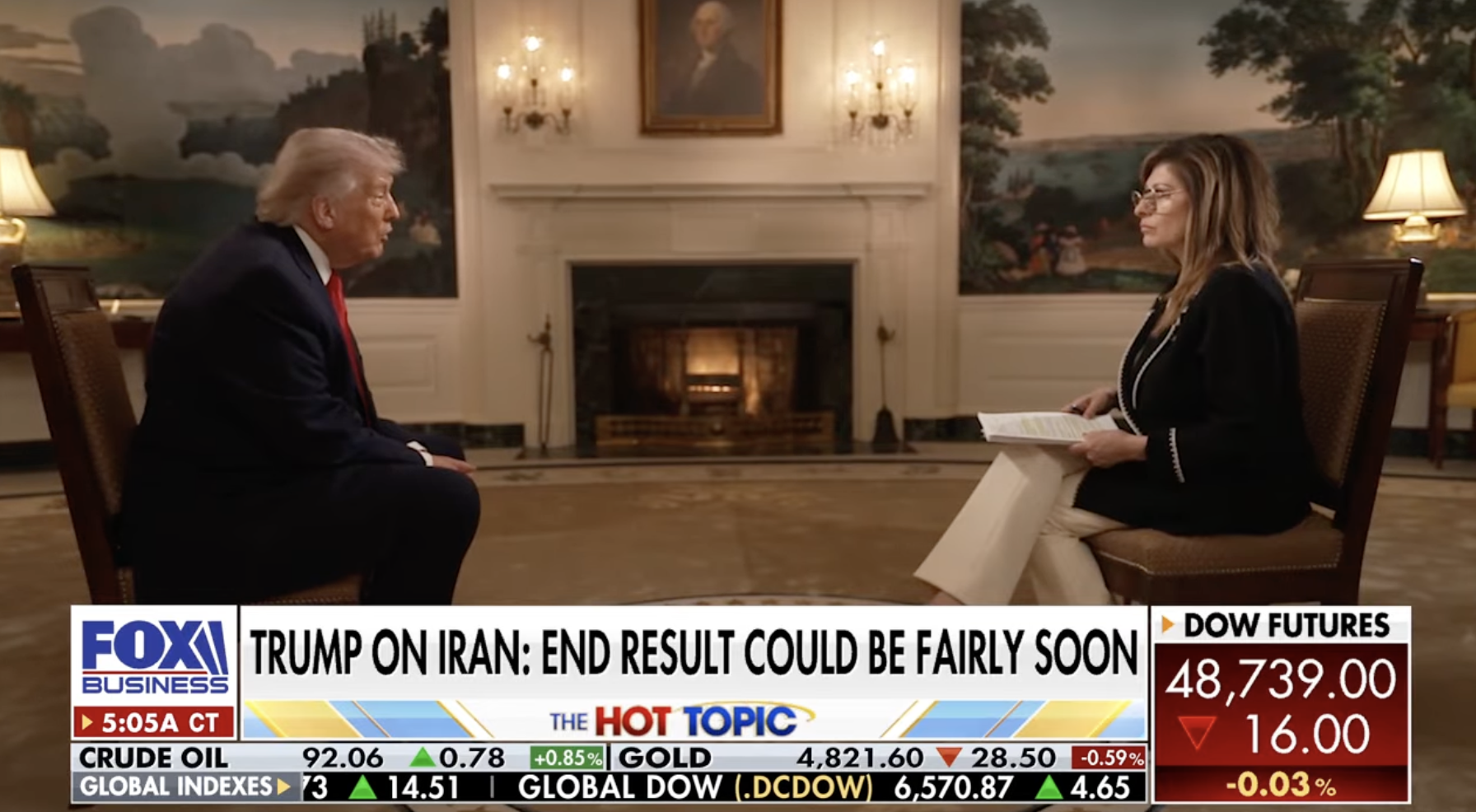
    The minister’s remarks came in direct response to recent claims by US President Donald Trump, who had previously asserted that the ongoing conflict with Iran would conclude “very soon.” Araghchi’s statements effectively rebuff this optimism, presenting instead a picture of prolonged stalemate between the two nations.

    This diplomatic hardening occurs against the backdrop of escalating tensions that have characterized US-Iran relations in recent years, including economic sanctions, military posturing, and divergent regional interests. The Iranian position appears to prioritize military readiness and strategic independence over diplomatic reconciliation with the current US administration.

    The closure of negotiation channels suggests a recalibration of Iranian foreign policy that favors alternative international partnerships and domestic military development rather than seeking accommodation with Western powers. This stance may have significant implications for regional stability and global non-proliferation efforts.