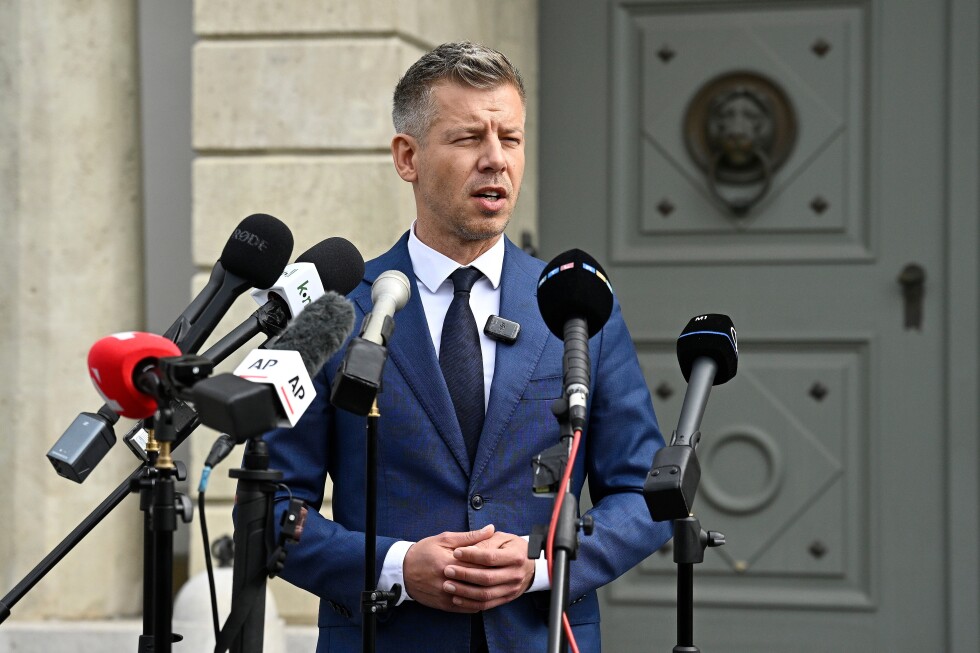
BUDAPEST, Hungary – Just three days after his center-right Tisza Party secured a historic landslide victory that ended Viktor Orbán’s 16-year hold on Hungary’s premiership, opposition leader Péter Magyar has confirmed an accelerated timeline for the handover of power, with the new government set to take office in the first week of May. Magyar’s win came on the back of broad voter support that delivered Tisza a two-thirds supermajority in Hungary’s parliament – a threshold that gives the incoming administration the legal power to rewrite the constitution and dismantle core elements of Orbán’s long-standing political framework. In a press briefing outside the Budapest presidential palace Wednesday, Magyar told reporters that following a closed-door meeting with Hungarian President Tamás Sulyok, the head of state has committed to scheduling the new parliament’s inaugural session for either May 6 or 7, putting the transition nearly a week ahead of the legal deadline of May 12 required by Hungarian election law. Sulyok, who was appointed to the presidency by Orbán’s outgoing parliamentary majority, also confirmed he will nominate Magyar as the country’s next prime minister, a formal step required to confirm his appointment. “All parties agree that after such a clear, overwhelming mandate from Hungarian voters, it serves the best interests of the nation for this government and regime change to take place as quickly as possible,” Magyar told reporters Wednesday. The accelerated transition caps a dramatic political upset that saw Orbán, one of Europe’s longest-serving incumbent leaders, ousted from power after 16 consecutive years in office, with youth turnout and widespread discontent with Orbán’s governance driving the opposition’s historic win. Since Sunday’s result, Magyar has moved quickly to lay out his policy and institutional overhaul plans, including a commitment to restructure Hungary’s cabinet system to reestablish standalone ministries for health, environmental protection, and education – three portfolios that were merged into larger government departments under Orbán’s administration. In his first appearance on Hungary’s public state broadcaster in nearly two years Wednesday morning, Magyar announced a sweeping immediate change to the outlet’s operations: once his government takes office, all existing news programming will be suspended until new, independent governance structures can be put in place to guarantee objective, unbiased coverage. For over a decade, the public broadcaster has been widely criticized as a propaganda mouthpiece for Orbán’s Fidesz party, a flaw Magyar has made a core target of his reform agenda. “One of the central promises of our campaign is that this factory of lies will be shut down the moment the Tisza government is formed,” he told the broadcaster’s host Wednesday. Magyar has also called on Orbán’s outgoing administration to serve only as a caretaker government during its final weeks in office, warning the departing leadership against making any last-minute policy decisions that could harm national interests or create obstacles for the incoming government. A key point of tension between the incoming leadership and the presidency remains Sulyok’s future in office: Magyar has formally asked Sulyok to step down once the new government is installed, arguing the president, as an appointee of the Orbán regime, is unfit to represent national unity and uphold the rule of law. Sulyok has said he will consider the resignation request. If Sulyok refuses to step down voluntarily, Magyar confirmed Wednesday that his supermajority-controlled parliament will pass constitutional changes to remove Sulyok along with other political appointees installed by Orbán’s government. “I reiterated to the president that he is unworthy of embodying the unity of the Hungarian nation, and unfit to be the guardian of the law,” Magyar said. The early inauguration schedule clears the way for Magyar’s administration to begin its wide-ranging reform agenda sooner than initially expected, marking a definitive end to Orbán’s era of populist governance in Hungary.
分类: politics
-
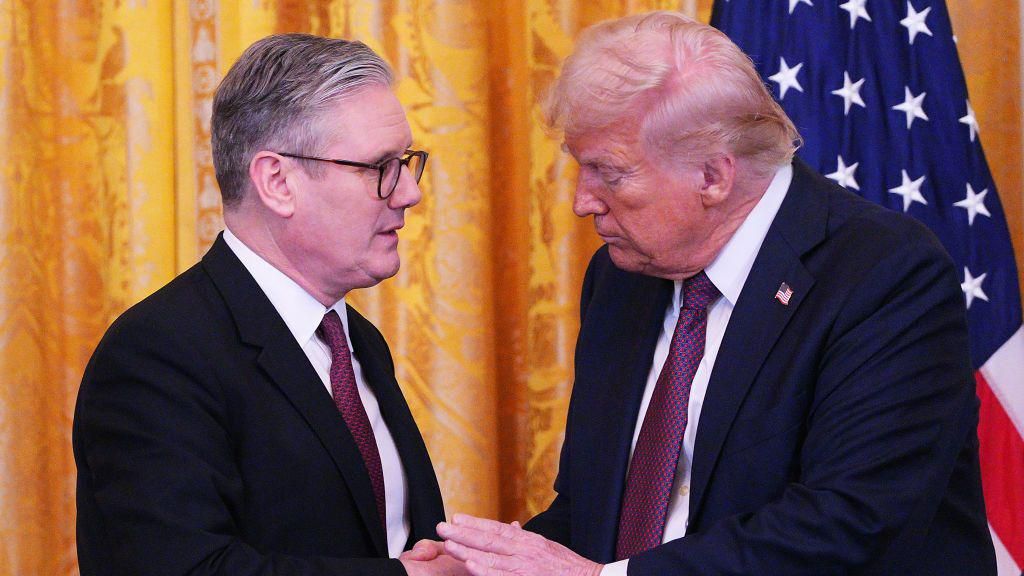
Trump warns that UK trade deal ‘can always be changed’
In an exclusive interview with Sky News on Wednesday, U.S. President Donald Trump opened up about mounting tensions between the United States and the United Kingdom, hinting that the bilateral trade agreement reached between the two nations could be revised in the near future. The comments come after weeks of sustained criticism directed at UK Prime Minister Sir Keir Starmer, who drew Trump’s backlash after refusing to join the U.S.-led military coalition against Iran alongside Israel back in late February.
When asked to assess the current state of the decades-long “special relationship” between the two allies, Trump’s response highlighted the depth of the current rift. After an initial clarifying question from the reporter, the president struck a blunt tone: “It’s the relationship where when we asked them for help, they were not there. When we needed them, they were not there. When we didn’t need them, they were not there. And they still aren’t there.”
Elaborating on the state of ties, Trump added that the relationship “has been better, but it’s sad.” He emphasized that the trade deal the U.S. extended to the UK was far more favorable than required, noting that “we gave them a good trade deal, better than I had to, which can always be changed.”
The current trade framework dates back to May of last year, when the UK became the first nation to secure a new tariff agreement with Trump following his return to the Oval Office. The deal cut import duties on key goods including automobiles, steel, and aluminium, marking a key post-Brexit economic win for the UK government.
Even as he criticized Starmer’s foreign policy choices, Trump clarified that the diplomatic tensions would not overshadow King Charles III and Queen Camilla’s upcoming state visit to the United States, scheduled for late April. The president said he has a long-standing positive relationship with the British monarch, noting that Charles is not involved in partisan political disputes between the two governments.
“I’ve known the King for a long time, and he’s not involved in that process,” Trump explained. When asked what he anticipates most from the visit, he added: “Just being with him. I’ve known him for a long time. He’s wonderful.”
Beyond disagreements over the Middle East conflict, Trump also touched on domestic policy, acknowledging that he holds personal affection for Starmer but slamming the UK government’s current immigration and energy frameworks as “insane.” For weeks, Trump has publicly attacked Starmer’s refusal to back the U.S.-Israel campaign against Iran, even drawing a comparison to Britain’s iconic World War II leader earlier this month by dismissing Starmer as “no Winston Churchill.”
-
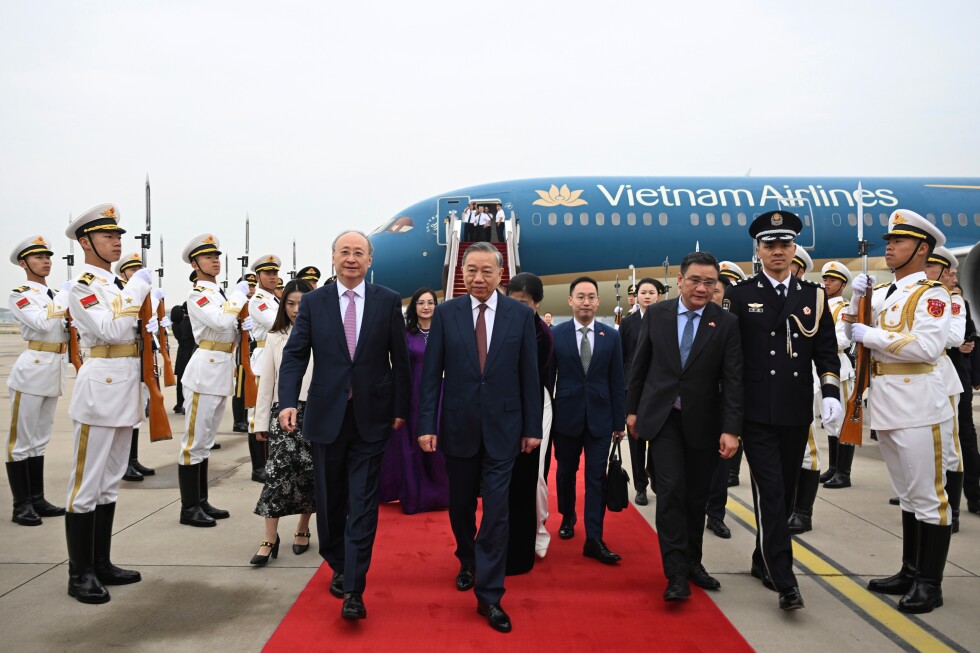
Vietnam’s new leader meets China’s Xi on his first overseas trip
BEIJING – In a high-profile diplomatic meeting that underscores the deepening strategic alignment between the two neighboring socialist nations, Chinese President Xi Jinping laid out a clear roadmap for expanded China-Vietnam collaboration during talks with Vietnam’s newly inaugurated President To Lam on Wednesday, Chinese state broadcaster CCTV reported.
To Lam’s four-day visit to China, which launched on Tuesday, marks his first international travel since winning the presidential election just one week prior. This milestone trip sends a strong signal of Vietnam’s foreign policy priorities, highlighting the Communist Party-led government’s commitment to forging closer bilateral ties with its northern neighbor.
During the closed-door discussions, President Xi emphasized that protecting the socialist system and upholding the ruling status of the Communist Party in both nations stands as the two parties’ most significant shared strategic interest. He added that the two sides should maintain unwavering confidence in their respective development paths and governing systems, and stay committed to advancing reform without deviating from core strategic direction.
Looking ahead to practical cooperation, Xi called for Beijing and Hanoi to place top priority on advancing cross-border infrastructure connectivity projects. Beyond traditional areas of collaboration, he pushed for deeper joint work in high-growth emerging sectors, including artificial intelligence and semiconductor development.
For his part, To Lam reaffirmed Vietnam’s commitment to the bilateral relationship, noting that expanding ties with China meets Vietnam’s development objectives and represents a clear strategic priority for Hanoi. The Vietnamese president added that his country stands ready to elevate cooperation across a broad range of key areas, spanning cross-border trade, direct investment, railway development and other core infrastructure projects, according to CCTV’s official coverage.
-
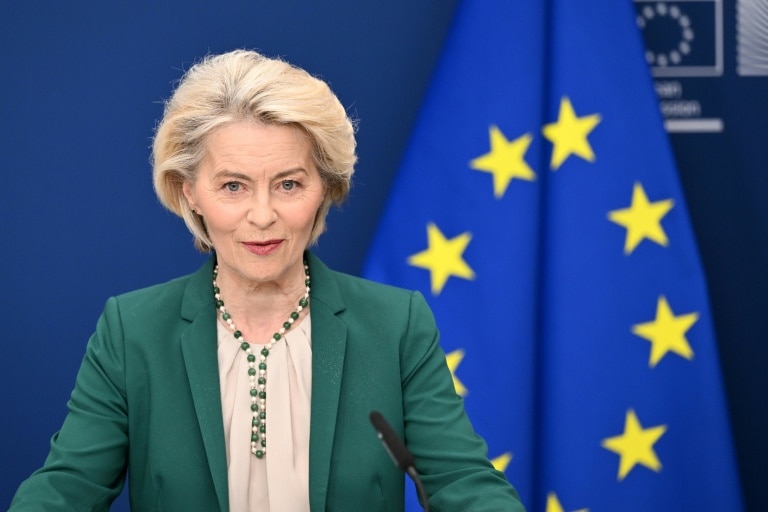
EU says age-check app ‘ready’ in push to protect children online
European Commission President Ursula von der Leyen announced Wednesday that a bloc-developed age verification mobile application, designed to protect minors from harmful online content, has reached full technical readiness, marking a key milestone in the EU’s years-long push to strengthen digital protections for children.
The push for a standardized age-check tool comes as policymakers across the bloc face growing public pressure to enact tougher regulations on digital platforms, with multiple member states already advancing domestic legislation to set minimum age limits for social media use. The project originated last year, when five founding member states — including France and Italy — launched pilot trials to test the tool’s functionality and user experience.
Von der Leyen, speaking to reporters in Brussels, drew a comparison to the age verification protocols used in brick-and-mortar retail for age-restricted purchases like alcohol. “This app will allow users to prove their age when accessing online platforms. Just like shops ask for proof of age for people buying alcoholic beverages,” she explained. The app draws on the technical framework developed for the EU’s digital COVID-19 vaccine certificate, a widely adopted system that enabled cross-border travel during the pandemic’s reopening phase.
For end users, the process will be straightforward: once launched, the app can be downloaded from major app stores, linked to a national passport or government-issued ID card, and then used to confirm a user meets a platform’s minimum age requirement. To address widespread privacy concerns that have derailed past age verification efforts, von der Leyen emphasized the tool is built with full anonymity to prevent user tracking across websites. It also runs on open-source code, meaning non-EU countries are free to adapt the system for their own use if they choose.
“Online platforms can easily rely on our age verification app. So there are no more excuses,” von der Leyen said. “Europe offers a free and easy to use solution that can shield our children from harmful and illegal content.”
Pressure for coordinated EU action has mounted significantly since Australia implemented its landmark ban on social media use for children under 16 last year. France has emerged as a leading advocate for tighter rules, alongside Denmark, Greece and Spain, and is currently debating a domestic ban on social media for users under 15 that is working its way through the French national parliament. Even if the legislation passes, however, implementing the ban without a standardized verification system has long been seen as a major logistical hurdle. The new EU app is designed specifically to help member states enforce whatever national age limit rules they ultimately adopt, as long as those rules align with existing EU legislation, with the bloc taking on formal enforcement responsibilities.
Despite the progress, policy experts and policymakers alike acknowledge outstanding challenges. Even with formal age limits and a verification system in place, concerns persist that tech-savvy minors will circumvent checks by using virtual private networks (VPNs) to hide their location or shift to smaller, unregulated platforms that do not enforce age rules. The EU already enforces some of the world’s strictest digital regulations, with ongoing regulatory probes into the harms that major platforms including Instagram and TikTok pose to children.
Von der Leyen has publicly supported moving toward a bloc-wide mandatory minimum age for social media use, but has said the commission will wait for expert input before formalizing that proposal. A special expert panel convened to study additional regulatory measures is set to release its final recommendations by this summer.
“It is our duty to protect our children in the online world, just as we do in the offline world, and to do that effectively, we need a harmonised European approach,” she said.
-
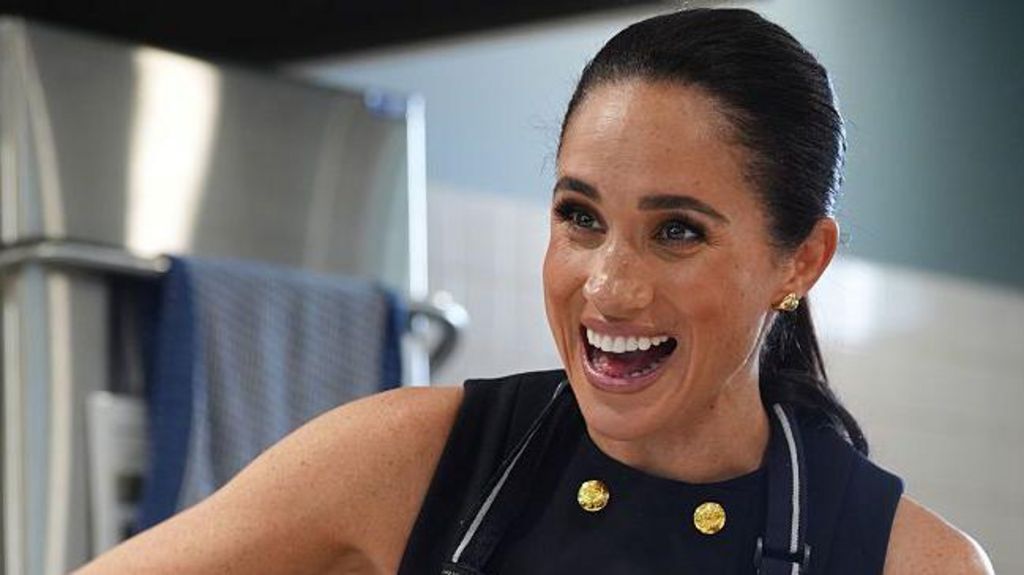
Meghan to appear as guest judge on MasterChef Australia
Almost eight years after their wedding, the Duke and Duchess of Sussex have returned to Australian shores for a four-day private visit, marking their first trip to the country together since 2018. The tour, which blends philanthropic engagements with paid commercial events, has drawn widespread public and media attention across the nation.
On the second day of the tour, Duchess Meghan made a pre-taped guest appearance as a judge on the upcoming 18th season of Australia’s iconic cooking competition MasterChef Australia, filming the segment in Melbourne on Wednesday. According to broadcaster Network 10, the episode featuring Meghan is scheduled to premiere on April 19, aligning with the end of the couple’s visit. The appearance builds on Meghan’s existing lifestyle media project *With Love, Meghan*, a streaming series focused on cooking and hosting that has laid groundwork for her expanding personal brand.
Across the tour, the couple has balanced public charity visits with paid, ticketed engagements. On the opening day of the tour Tuesday, they greeted hundreds of well-wishers gathered in the foyer of Melbourne’s Royal Children’s Hospital during a scheduled charitable visit. Later that day, Meghan stopped by a local women’s refuge, where she helped serve frittata to center residents. On Wednesday, while Meghan filmed her MasterChef segment, Prince Harry split his time between two Canberra engagements: he joined a local Australian Rules Football team for a casual training session to learn the sport, before paying his respects at the Australian War Memorial.
Moving forward, the pair has a full schedule of remaining stops across Melbourne and Sydney. On Thursday, they will carry out additional pre-planned engagements in Melbourne before traveling north to Sydney. Later this week, Prince Harry is set to deliver a keynote address at the InterEdge Psychosocial Safety Summit in Melbourne, where ticket prices range from roughly A$1,000 (approximately $713 USD) to A$2,400. All proceeds from ticket sales for the summit will be donated to Lifeline, an Australian national mental health charity. The BBC has confirmed it has reached out to event organizers to inquire whether Prince Harry will receive a speaking fee for his appearance.
In Sydney, Meghan will headline a private women’s-only weekend retreat, where attendees pay up to A$3,199 for access. A premium VIP package includes a spot at a group table for a photo opportunity with the Duchess. It remains unclear what compensation Meghan will receive for the event, which has not yet sold out; organizers are still advertising a small number of remaining rooms.
Industry analysts have noted the visit comes amid growing signs that Meghan is positioning her lifestyle brand As Ever, which gained significant visibility through the couple’s Netflix docuseries, for an expansion into the Australian market. A search of the Australian government’s intellectual property database shows the brand registered trademarks for 12 different product categories in the country last year, signaling long-term commercial plans for the region.
As non-working members of the British royal family, the couple is undertaking the entire visit in a private capacity, rather than as official representatives of the monarchy.
-
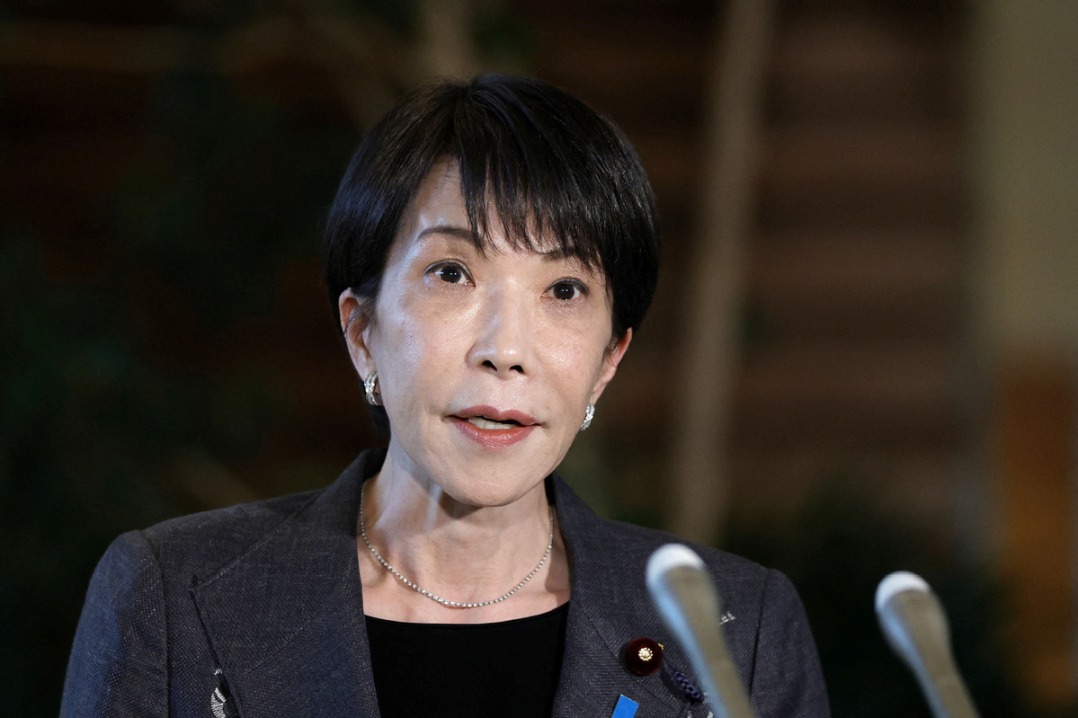
Japan’s record budget raises fiscal concerns
In early 2026, Japan’s Sanae Takaichi administration passed a historic record-breaking national budget that has quickly become a flashpoint of controversy, drawing sharp criticism from economic experts, public protesters and policy analysts over its dramatic ramp-up in defense outlays and growing reliance on debt financing.
The controversial budget, which lifts Japanese defense spending from its long-held cap of roughly 1% of gross domestic product to the 2% threshold the ruling party pledged years earlier, has sparked fears of cascading risks for both the country’s already strained public finances and regional geopolitical stability. Compounding these concerns is the global energy volatility triggered by ongoing Middle Eastern conflict, which has pushed Japan — a nation almost entirely dependent on fossil fuel imports — into a doubly vulnerable position, raising the stakes for fiscal management.
Shinjiro Hagiwara, emeritus professor of economics at Yokohama National University, warned that the Takaichi administration is already confronting severe gaps in available fiscal resources. Beyond long-running structural pressures, including Japan’s aging population and decades of stagnant growth, the sharp spike in defense spending has forced the government to turn increasingly to large-scale government bond issuances to cover its new expenses. This growing debt dependency has already moved financial markets, Hagiwara noted, with bond prices sliding and long-term interest rates climbing — trends that will put additional downward pressure on Japan’s fragile economic expansion. Most alarmingly, he argued, the government has fallen into a dangerous cycle of issuing new debt to cover payments on existing older obligations, a trajectory that is unsustainable long-term.
Hagiwara also pointed to a deeply concerning parallel with Japan’s pre-World War II history: in that era, the Bank of Japan similarly absorbed large volumes of government bonds to fund military expansion, a policy path that ultimately ended in catastrophic war, national defeat and crippling hyperinflation. “This history cannot be repeated,” he emphasized, warning that allowing the administration’s hawkish policy agenda to advance without checks would carry catastrophic consequences for Japan and the broader region.
Hiroshi Onishi, emeritus professor at Tokyo’s Keio University and vice-chairman of the World Association for Political Economy, echoed these warnings, noting that the risks of loosening long-standing constraints on government bond issuance are widely recognized by both economists and the Japanese public. Yet those guardrails have been steadily eroded in recent years, he said, pointing to the current Takaichi administration as a clear example of this trend. Onishi warned that if defense spending continues to climb to a projected 3.5% of GDP in coming years, the reallocation of public resources will sharply erode household disposable income and weaken Japan’s overall long-term economic strength, a shift he opposes outright.
The expansion of defense spending has also been enabled by a long-standing policy where the Bank of Japan, the country’s central bank, holds a large share of newly issued government bonds, with a growing portion of the proceeds channeled directly to the domestic defense industry. Hagiwara stressed that this policy framework carries extraordinary risks that demand far more public scrutiny and caution.
Public pushback against the budget and the administration’s hawkish agenda has grown rapidly across Japan. On the evening of April 8, an estimated 30,000 demonstrators gathered outside the national parliament building in central Tokyo to protest the Takaichi administration and the ruling Liberal Democratic Party’s plans to expand military capacity and revise Japan’s post-war pacifist constitution. According to Kyodo News, simultaneous protest actions were held at more than 160 locations across all of Japan’s prefectures, signaling broad grassroots opposition to the government’s current policy direction.
Beyond fiscal and military risks, the ongoing energy crisis tied to Middle East tensions has added a new layer of urgency to Japan’s challenges. Over the past two to three years, prices across Japan have risen steadily, driven primarily by climbing energy and raw material costs, explained Jusen Asuka, emeritus professor at Tohoku University. Asuka noted that broad-based commodity price hikes could see additional increases of several percentage points in the coming months, fueled by persistent supply chain disruptions.
He also warned that the current energy volatility could mirror the chaos of the 1970s oil crisis, when panic buying led to widespread shortages of essential consumer goods. This time around, Asuka said, critical medical supplies face the greatest risk: disruptions to naphtha imports could lead to severe shortages of single-use medical goods, including disposable gloves used in routine clinical care. As of the end of 2024, Japan is home to roughly 340,000 patients dependent on regular dialysis treatment, and Japanese media reported earlier this month that dozens of medical institutions have raised alarms that shortages of dialysis-related consumables could directly put thousands of patients’ lives at risk.
In response to growing public pressure over energy costs and supply security, Prime Minister Takaichi announced on April 10 that the government will release a second batch of national oil reserves in early May to ease supply pressures. The upcoming release is projected to cover roughly 20 days of domestic oil demand. It follows a much larger release that began on March 16, which totaled approximately 80 million barrels — equal to 45 days of domestic consumption, and the largest strategic reserve release in Japan’s modern history. Since March 19, the government has also implemented subsidies for domestic oil wholesalers to cap rising retail gasoline prices, but independent analysts warn that the cost of these ongoing subsidies will add even more strain to the country’s already stretched national budget, worsening the core fiscal risks experts have flagged.
-
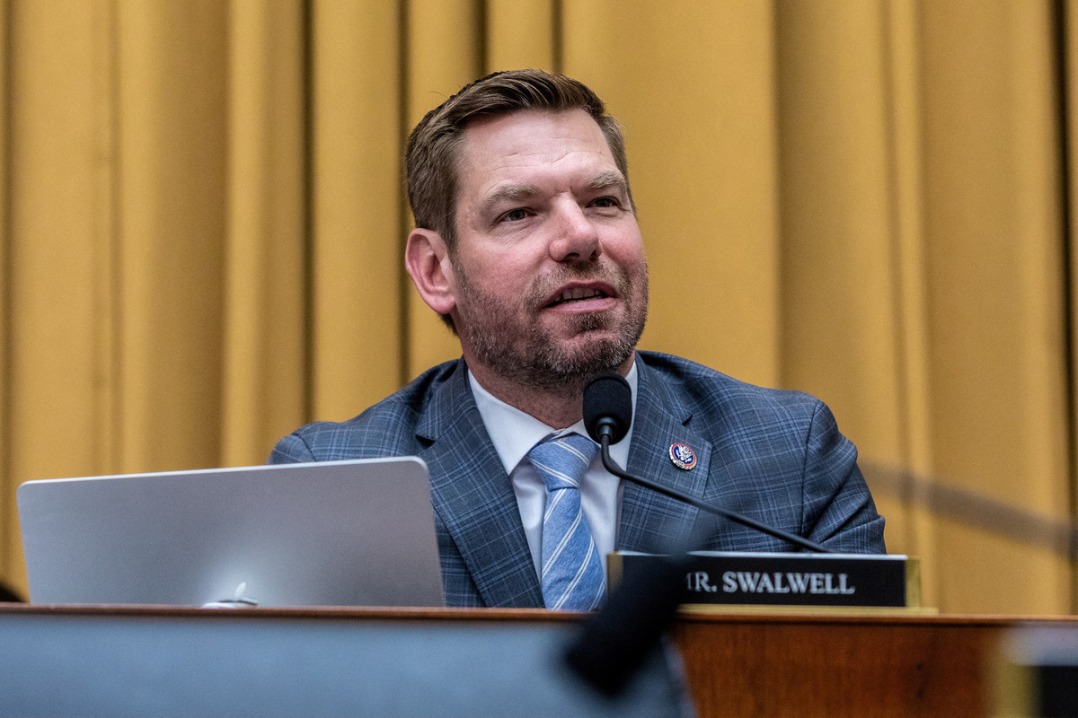
2 congressmen resign as House braces for rare expulsions
WASHINGTON — In a seismic shakeup that has thrown Capitol Hill into unprecedented chaos and drawn bipartisan condemnation, two sitting U.S. House of Representatives members submitted their resignations Monday, as two additional lawmakers face mounting pressure and the growing threat of rare expulsion votes over a cascade of overlapping personal and ethical scandals.
The first departure came from Democratic Representative Eric Swalwell of California, who announced his resignation in a post on the social platform X Monday morning. Swalwell, who had already dropped out of the 2026 California gubernatorial race, stepped down days after multiple women came forward with public allegations of sexual assault and professional misconduct.
Just hours after Swalwell’s announcement, Republican Representative Tony Gonzales of Texas revealed he would leave office immediately rather than finish his current term. Gonzales’s decision comes after he confirmed he had engaged in an extramarital affair with a former congressional aide who later died by suicide. Top House Republican leadership, including Speaker Mike Johnson, had already privately and publicly pressured Gonzales to abandon his reelection bid, and growing calls for his resignation left him with no path to remain in office.
The resignations have set off a broader reckoning in the chamber, where lawmakers are already preparing disciplinary action against two additional Florida-based House members: Democratic Representative Sheila Cherfilus-McCormick and Republican Representative Cory Mills, who are each facing separate unconnected ethical controversies that have eroded cross-party support for their continued service.
New York Democratic Representative Nydia Velazquez, who has led the cross-party push for accountability, voiced the widespread sentiment of anger among rank-and-file lawmakers in a social media post Monday. “Congress should not tolerate representatives who abuse staff, betray public trust for personal gain, and generally violate their oath of office,” she wrote, adding that all four scandal-tarred lawmakers should step down voluntarily, and face expulsion if they refuse to leave.
Expulsion from the House is one of the harshest disciplinary actions the chamber can impose, requiring a two-thirds majority vote to pass. The threshold is so high that in the 237-year history of the House, Congress has only removed six sitting members via expulsion, reserving the penalty only for the most severe violations of public trust.
Swalwell’s scandal moved at a breakneck pace over the weekend, after major U.S. outlets the San Francisco Chronicle and CNN published detailed reporting outlining allegations from four separate women. One accuser, a former member of Swalwell’s congressional staff, told reporters he sexually assaulted her twice on occasions when she was too intoxicated to give legal consent.
Swalwell has pushed back against the most serious allegations, insisting all claims of sexual assault are completely false. He has, however, apologized publicly for what he describes as “mistakes in judgment” made during his time in office. “I will fight the serious, false allegation made against me. However, I must take responsibility and ownership for the mistakes I did make,” Swalwell said in a statement announcing his resignation.
Even after Swalwell suspended his gubernatorial campaign, the backlash against him continued to build, with lawmakers from both major parties calling for him to leave Congress immediately. A scheduled expulsion resolution from Republican Representative Anna Paulina Luna had been set for a vote Tuesday, and cross-party support for expulsion votes for all four implicated lawmakers has already been confirmed by lawmakers across the ideological spectrum.
The cascading scandals have created an unprecedented moment for the narrow divided House, where a series of vacancies and leadership fights have already slowed legislative work for months. The upcoming expulsion votes, which would be among only a handful in U.S. history, mark one of the most broad-ranging ethical purges in modern congressional history.
-
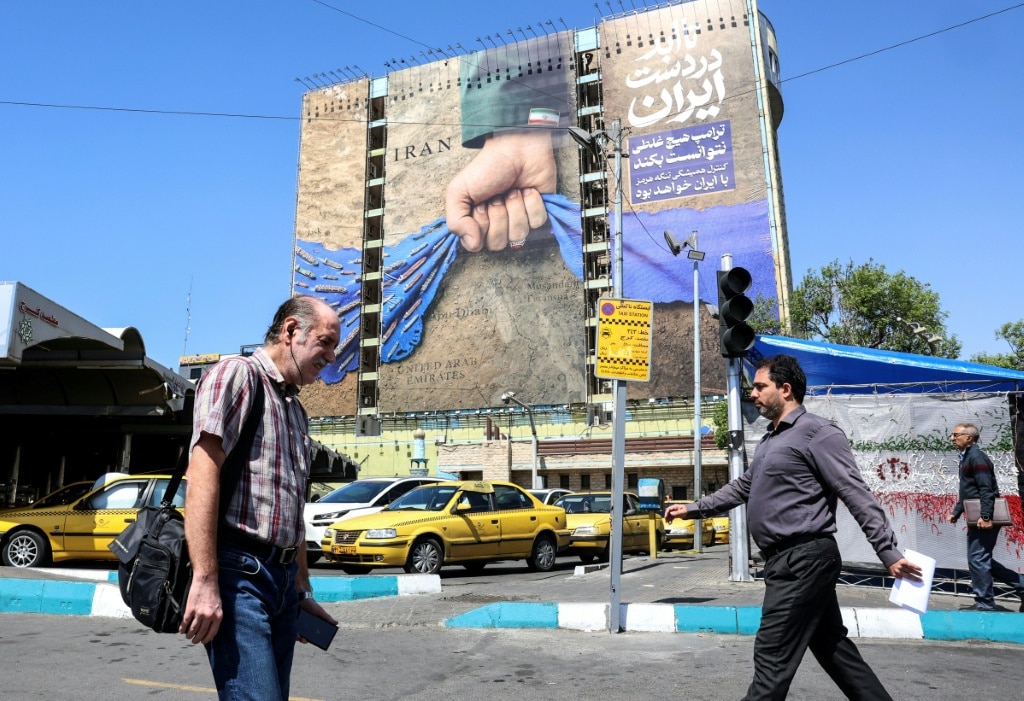
Trump says Iran talks could resume within ‘days’
Diplomatic efforts across the Middle East have entered a critical new phase this week, with U.S. President Donald Trump signaling that a second round of nuclear negotiations with Iran could kick off as early as this week, even as Washington ramps up military pressure via a full naval blockade of Iranian maritime trade. The twin diplomatic pushes, which also include newly launched direct talks between Israel and Lebanon, remain deeply fragile, with ongoing clashes between Israeli forces and Iran-backed Hezbollah continuing to roil the border region and undermine ceasefire hopes.
Trump first revealed the timeline during an interview with the New York Post on Tuesday, telling reporters that negotiations would likely reconvene in Pakistan within the next 48 hours, following an inconclusive first marathon negotiating round that ended without a breakthrough. In a separate pre-recorded interview with FOX Business set to air Wednesday, the president went a step further, claiming the broader regional conflict was “very close to being over.” Senior diplomatic sources in Pakistan confirmed to AFP that Islamabad has been working behind the scenes to bring both delegations back to the table, as Pakistani Prime Minister Shehbaz Sharif launched a four-day diplomatic tour of Saudi Arabia, Qatar and Turkey to build regional support for the negotiations.
Parallel to the U.S.-Iran talks, a historic breakthrough occurred this week between Israel and Lebanon, which held their first direct high-level negotiation since 1993 at a face-to-face meeting in Washington mediated by U.S. Secretary of State Marco Rubio. The talks came after Lebanon was dragged into the wider conflict when Hezbollah launched attacks on Israel in solidarity with Iran, triggering a full-scale Israeli ground incursion into southern Lebanon and a sustained bombing campaign that has killed hundreds.
After the closed-door meeting, Israeli envoy Yechiel Leiter praised the gathering as a “wonderful exchange” between parties “united in liberating Lebanon” from Hezbollah. His Lebanese counterpart, Nada Hamadeh Moawad, struck a more measured tone, describing the discussion as “constructive” while noting she had pushed forcefully for an immediate ceasefire. The U.S. State Department confirmed in a post-meeting statement that “all sides agreed to launch direct negotiations at a mutually agreed time and venue,” though Israel remains adamant that it will not agree to a ceasefire that leaves Hezbollah’s military infrastructure intact. Israeli officials have repeatedly described the Iran-aligned group as the single greatest barrier to long-term stability along their northern border, and Israeli forces continue to occupy large swathes of southern Lebanon amid ongoing operations.
To pressure Tehran into making concessions at the negotiating table, the U.S. implemented a full naval blockade of Iranian ports this week, which U.S. Central Command announced Wednesday had been “fully implemented” and had “completely halted economic trade going into and out of Iran by sea.” However, independent maritime tracking data from Tuesday tells a more ambiguous story, showing multiple vessels departing Iranian ports and transiting the Strait of Hormuz despite the announced blockade.
The choke point has been closed to commercial oil traffic by Iranian forces since the start of the U.S.-Israeli offensive in late February, and hopes that a new negotiating round could lead to the strait reopening pushed global stock markets higher and pulled crude oil prices down on Tuesday. Analysts note that Trump’s pressure campaign targets not just Iranian oil revenue, but also China, Iran’s largest crude customer, with Washington hoping Beijing will use its influence to push Tehran into reopening the waterway. On Wednesday, Chinese President Xi Jinping hosted Russian Foreign Minister Sergei Lavrov in Beijing, with both leaders issuing a joint statement pledging to work together to push for de-escalation across the Middle East.
The core sticking point in U.S.-Iran talks remains the decades-long dispute over Tehran’s nuclear program. U.S. Vice President JD Vance confirmed Tuesday that the Trump administration has put a “grand bargain” on the table for Tehran: full sanctions relief and economic integration in exchange for permanently abandoning any pursuit of a nuclear weapon. Trump launched the current conflict earlier this year on the claim that Iran was rushing to complete an atomic bomb, an allegation that has never been corroborated by the United Nations’ nuclear watchdog agency. Iran has consistently maintained that its nuclear program is exclusively for civilian energy and medical purposes.
During the first round of talks in Islamabad, U.S. negotiators tabled a proposal demanding a 20-year suspension of all Iranian uranium enrichment activity. Iranian negotiators countered with an offer of a five-year suspension, which U.S. officials rejected out of hand. Speaking at a campaign event in Georgia Tuesday, Vance reiterated that Trump has offered Tehran a clear path: “If Iran commits to not having a nuclear weapon, the president has pledged to make Iran thrive. That’s the kind of Trumpian grand bargain that the president has put on the table. We’re going to keep on negotiating and try to make it happen.”
Despite the optimistic hints from Washington, the security situation remains volatile: Lebanese state media reported fresh Israeli airstrikes on areas south of Beirut Wednesday, while Hezbollah, which has publicly rejected any Lebanese-Israeli negotiations, launched a barrage of dozens of rockets into northern Israeli territory hours later. The U.S. has made ending the Hezbollah-Israel conflict a top diplomatic priority, fearing that a widening war could scuttle the existing two-week ceasefire with Iran and kill any chance of a broader nuclear settlement.
-
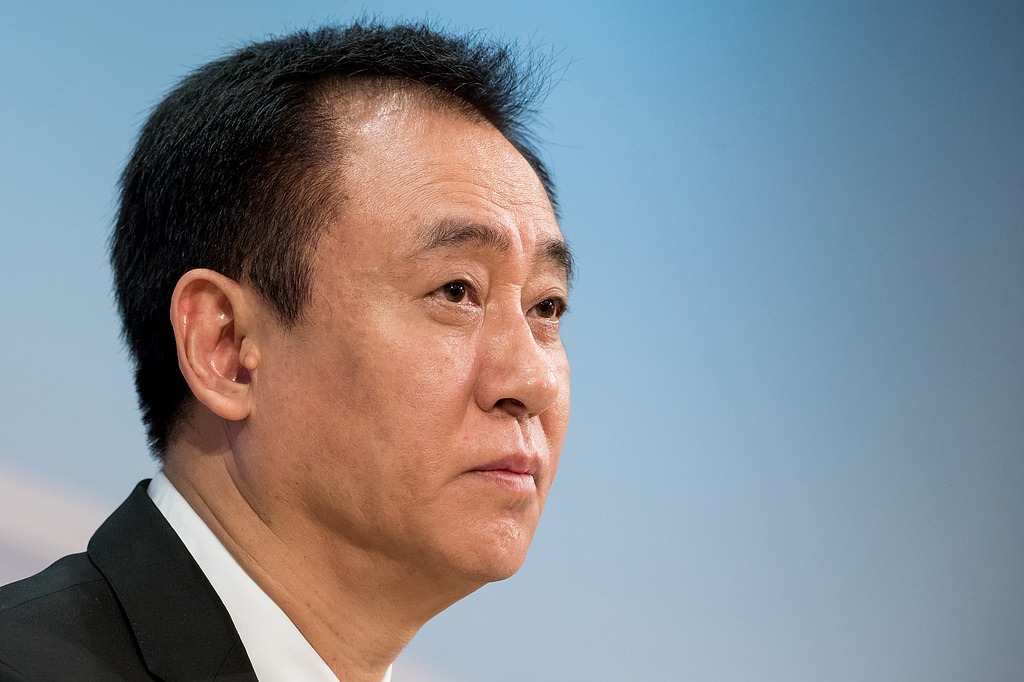
Ex-property developer pleads guilty
One of China’s most high-profile former business leaders has entered a guilty plea in a landmark financial corruption trial that carries major implications for the country’s years-long property sector restructuring. On Tuesday, the Shenzhen Intermediate People’s Court released an official statement confirming that Xu Jiayin, the founding former chairman of embattled real estate giant China Evergrande Group, pleaded guilty to a sweeping array of charges and expressed formal remorse for his actions during the two-day court proceeding held in Guangdong province.
The charges against Xu span seven distinct violations of Chinese law: illegal absorption of public deposits, fundraising fraud, unlawful loan issuance, fraudulent securities issuance, breach of mandatory information disclosure rules, embezzlement, and corporate bribery. Prosecutors also brought forward separate criminal charges against two core corporate entities under the Evergrande umbrella: Evergrande Group itself and Evergrande Real Estate Group, accusing the firms of committing offenses including fraudulent securities issuance and unlawful loan issuance.
Court officials confirmed that the judicial process followed full procedural requirements. Over the course of the trial, both prosecuting teams and defense legal representatives presented evidence, delivered legal arguments, and made closing statements. The proceeding was open to a range of observers, including national-level people’s congress deputies, members of the Chinese People’s Political Consultative Conference, family members of the defendants, and representatives of retail investors who hold stakes in the troubled developer. No further details on sentencing or corporate penalties have been issued, as the court announced that a formal verdict will be handed down at a later, unspecified date.
Xu, who built Evergrande from a small regional business into one of the world’s largest property developers after launching the firm in the 1990s, was once ranked among the wealthiest individuals in China. His rapid fall from grace began in 2023, when Chinese authorities launched a formal investigation into suspected illegal activity connected to Evergrande’s catastrophic collapse, which triggered more than $300 billion in unpaid debt and sent shockwaves through global markets. Ahead of the trial, authorities moved to seize or freeze a wide range of assets linked to Xu, including multiple companies controlled by his family and a number of personal overseas bank accounts.
The trial marks a key milestone in China’s campaign to root out financial misconduct in its $60 trillion property sector, which has faced widespread insolvency and systemic risk since 2021, when a wave of developer defaults exposed years of reckless borrowing and opaque corporate governance. Legal analysts note that the open, transparent nature of the trial — which included public observation and an official statement via the court’s social media channel — signals the Chinese government’s commitment to enforcing accountability for high-profile figures involved in sector-wide instability.
-
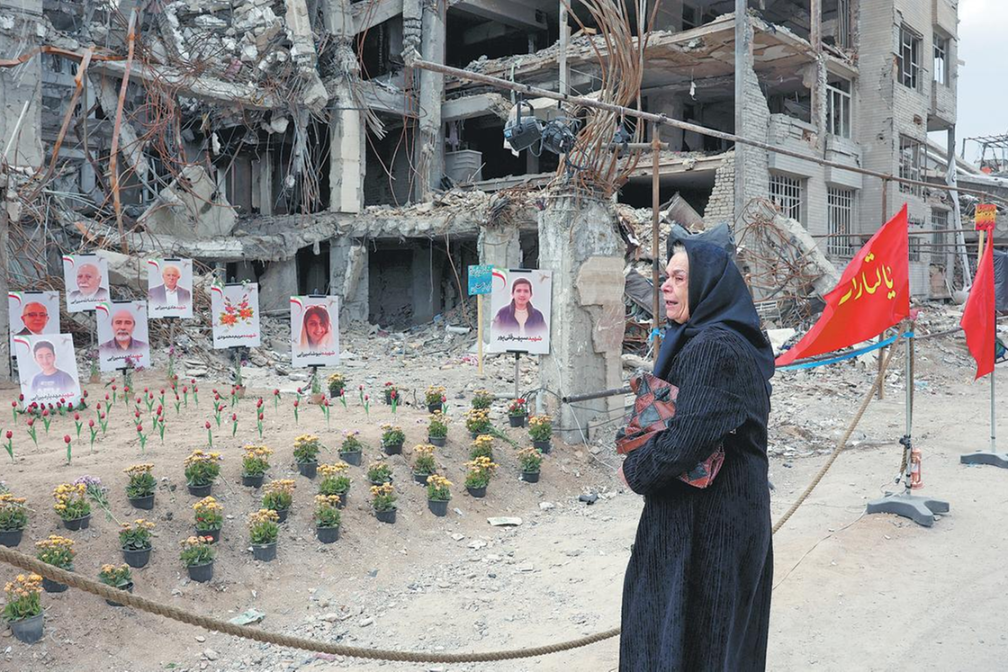
Calls grow for diplomacy amid sea standoff, retaliation threats
Tensions between the United States and Iran have reached a new boiling point this week, as a newly imposed US naval blockade on Iranian ports has triggered sharp retaliatory threats from Tehran, even as global and regional diplomatic momentum builds to convene a second round of high-level nuclear talks. Pakistan has emerged as a key intermediary, confirming it is ready to host the next round of negotiations after the first round of talks in Islamabad collapsed in a stalemate over the weekend.
Despite the breakdown of initial negotiations, top US officials have signaled openness to compromise. JD Vance, the US Vice President who led the American delegation to the first talks, told Fox News on Monday that Washington had already made significant headway in laying out potential concessions for Tehran. “I really think the ball is in the Iranian court, because we put a lot on the table,” Vance said, with a second senior US administration official confirming that ongoing behind-the-scenes work continues to salvage a diplomatic agreement.
The current showdown took shape on Monday, when the US naval blockade officially entered into force. Iran responded immediately with a credible threat of retaliation that has raised global alarms: the standoff threatens to upend fragile global economic recovery, disrupt critical energy supply chains, and collapse the existing ceasefire to resume full-scale open hostilities between the two nations. The International Energy Agency issued a stark warning on Tuesday, noting that crude oil demand is projected to see its sharpest second-quarter decline since the 2020 COVID-19 pandemic crashed global markets.
In a related military move, US Naval Institute News reported this week that the USS George H.W. Bush aircraft carrier is rerouting to the Arabian Sea along the African coast, intentionally bypassing the Red Sea and Bab el-Mandeb Strait. The detour avoids the strategic waterway that has been the site of repeated drone and missile attacks on US shipping by Yemen’s Houthi militants in 2024 and 2025.
An Iranian military spokesman condemned the US shipping restrictions as unlawful acts of piracy, issuing a clear warning that if Iranian commercial ports are placed under blockade, no ports across the Persian Gulf or Gulf of Oman will remain safe from retaliation.
Core disagreements between the two sides remain centered on the future of Iran’s nuclear program. US President Donald Trump has repeatedly stated that any final agreement must permanently end Iran’s capacity to develop a nuclear weapon, while Iranian officials have consistently reaffirmed that their country’s nuclear activities are exclusively for peaceful civilian energy and medical purposes. Trump told reporters on Monday that Tehran has reached out to Washington to signal its strong desire to reach a negotiated settlement: “They’d like to make a deal. Very badly, very badly.”
Details released by The New York Times shed light on the gap between the two sides’ initial proposals from the Islamabad talks. During the weekend negotiations, US negotiators pushed for a 20-year suspension of Iran’s uranium enrichment program, while Iran countered with an offer of a five-year freeze on enrichment activities, a proposal US officials rejected outright.
Pakistan, which hosted the first round of discussions, has ramped up its diplomatic mediation efforts. Pakistani Prime Minister Shehbaz Sharif confirmed Monday that the country is making “all-out efforts” to broker a final agreement that would end hostilities, adding that the current ceasefire between the two sides remains intact. Hadi Golriz, head of press for Iran’s embassy in Islamabad, told Xinhua News Agency on Tuesday that while future talks could be held at any time and any location, no official agreement on timing or venue has been reached yet, dismissing some earlier media reports of an agreement to reconvene this week as “baseless.” Despite Golriz’s pushback, Reuters earlier this week cited multiple anonymous sources confirming that both sides are preparing to return to the Pakistani capital as early as the end of this week.
Regional analysts note that both Tehran and Washington are actively seeking a diplomatic exit from the current crisis, but each needs a face-saving way to back away from open conflict. Mohamad Elmasry, a professor at the Doha Institute for Graduate Studies, told Al Jazeera that the ongoing conflict has imposed extreme costs on both nations and the wider region. “Iran has greater leverage than it did at the start of the war, but I have no doubt they would seek an end to hostilities,” Elmasry said.
Iranian President Masoud Pezeshkian has reaffirmed Tehran’s red line for future negotiations, stating that Iran will only continue talks within the framework of international law, according to Iran’s state broadcaster IRIB. Third-party diplomatic offers remain on the table to help bridge the gap: Kremlin spokesman Dmitry Peskov confirmed Tuesday that Russia’s standing offer to accept Iran’s enriched uranium as part of a potential final deal between the US and Iran remains available.