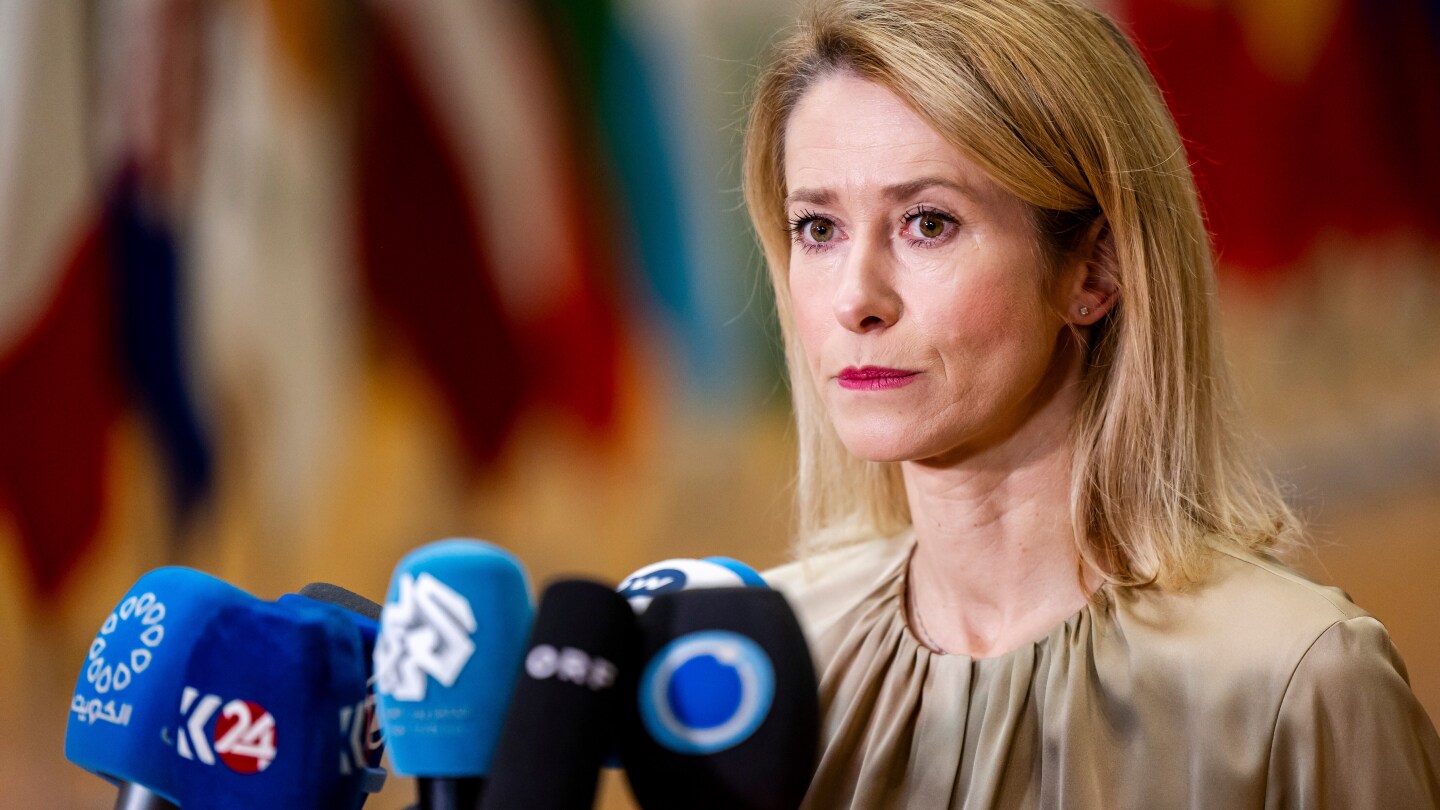
European diplomats have emphasized that Ukraine and Europe must be integral to any discussions aimed at ending Russia’s ongoing invasion of Ukraine. This declaration comes amid reports of a U.S.-Russian peace proposal that reportedly demands significant concessions from Ukraine, including territorial cessions. The proposal, first reported by Axios, has added pressure on Ukrainian President Volodymyr Zelenskyy, who is already grappling with a major corruption scandal and rallying international support for Ukraine’s defense. EU foreign policy chief Kaja Kallas stressed that any viable peace plan must have the backing of Ukrainians and Europeans, a sentiment echoed by German Foreign Minister Johann Wadephul, who asserted that negotiations must involve Ukraine and Europe. The alleged peace plan, drafted by U.S. and Russian envoys, reportedly includes provisions for Ukraine to relinquish control of the Donbas region and scale back certain military capabilities. However, such concessions would be deeply unpopular in Ukraine and unconstitutional. U.S. Secretary of State Marco Rubio hinted at ongoing efforts to develop a lasting peace agreement, while Kremlin spokesman Dmitry Peskov denied active consultations with the U.S. European leaders have expressed skepticism about Russia’s sincerity in seeking peace, accusing Moscow of sustaining its war of attrition. Meanwhile, European nations have stepped up military aid to Ukraine, giving them leverage in peace talks. Polish Foreign Minister Radosław Sikorski reiterated that Europe, as Ukraine’s primary supporter, expects to be consulted in any peace efforts.
分类: politics
-
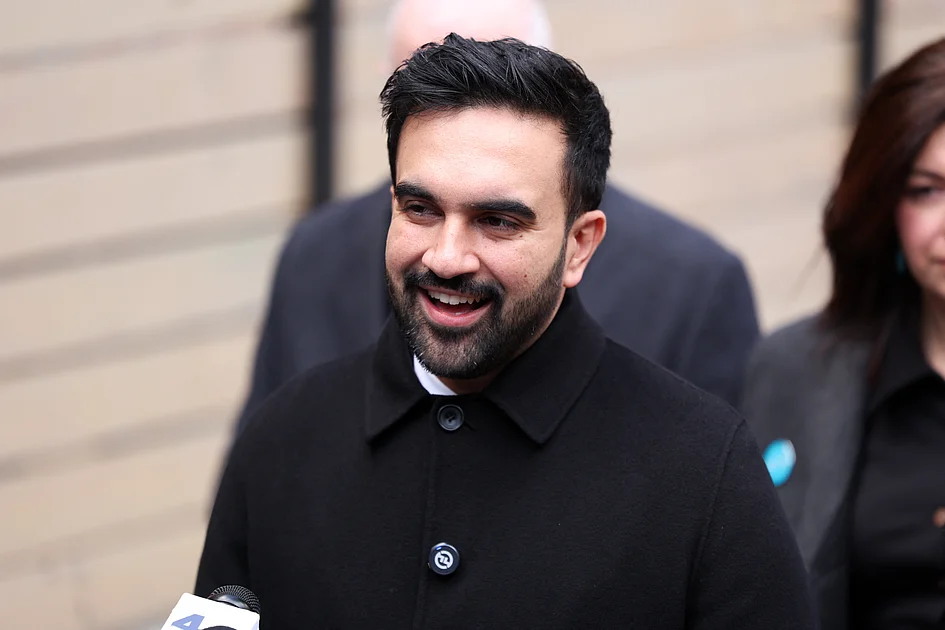
Trump to meet New York Mayor-elect Zohran Mamdani on November 21
In a significant political development, US President Donald Trump is set to meet New York City Mayor-elect Zohran Mamdani at the White House on November 21, 2025. This meeting marks the first interaction between the Republican leader and the democratic socialist who recently secured the mayoral election. The encounter comes amidst a backdrop of mutual criticism, with Trump having supported Mamdani’s opponent, Andrew Cuomo, during the campaign. Mamdani has been vocal in his opposition to several of Trump’s policies, particularly those concerning immigration and US support for Israel during the Gaza conflict. Trump announced the meeting via social media, stating, ‘We have agreed that this meeting will take place at the Oval Office on Friday, November 21st.’ Mamdani, who will be sworn in as mayor on January 1, 2026, emphasized that the meeting fulfills a campaign commitment to New Yorkers. His transition team has yet to comment on Trump’s announcement. During the mayoral race, Trump threatened to withhold federal funding from New York City if Mamdani were elected, a move that Mamdani countered by making opposition to Trump’s policies a central theme of his campaign.
-

Mainland warns DPP against sacrificing Taiwan interests for US favor
In a stern statement on Wednesday, a spokesperson for Mainland China cautioned Taiwan’s Democratic Progressive Party (DPP) against prioritizing U.S. favor over the welfare of Taiwan’s people and economy. Zhu Fenglian, representing the State Council Taiwan Affairs Office, emphasized that such actions would only serve U.S. interests under the ‘America First’ policy, ultimately harming Taiwan. The warning came in response to reports suggesting the U.S. had requested Taiwan to invest between $350 billion and $550 billion during tariff negotiations—a staggering sum equivalent to 44-69% of Taiwan’s 2024 GDP and 58-92% of its foreign exchange reserves as of October. Zhu criticized the DPP for allegedly sacrificing Taiwan’s resources and business interests to gain external support for its separatist agenda. She warned that such moves could lead to the outflow of capital, technology, and talent, severely undermining Taiwan’s industrial development. Additionally, Zhu expressed firm opposition to reports of Taiwan leader Lai Ching-te planning a U.S. transit before year-end, urging the U.S. to adhere to the one-China principle and avoid emboldening ‘Taiwan independence’ forces. Zhu reiterated that any attempts to seek independence through external support are doomed to fail.
-
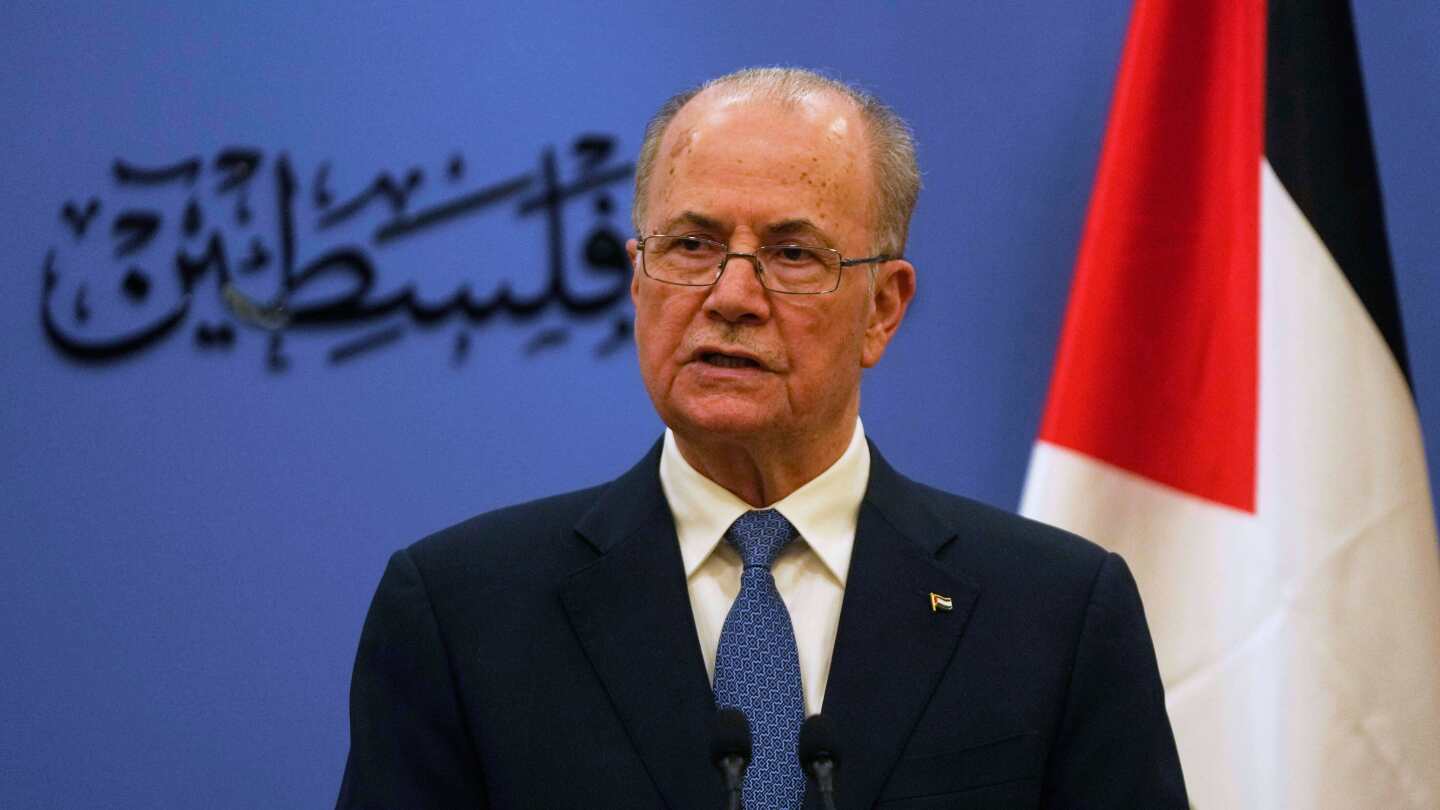
Brussels hosts talks on Gaza reconstruction, security and governance
In a significant diplomatic gathering, over 60 delegations convened in Brussels on Thursday to address the pressing issues of reconstruction, governance, and security in the war-torn Gaza Strip, alongside the reform of the Palestinian Authority (PA). The meeting, co-chaired by France and Saudi Arabia under the auspices of the Palestine Donors Group, follows the recent approval of a U.S.-backed peace plan by the United Nations Security Council. The PA, which currently governs semi-autonomous areas in the Israeli-occupied West Bank, is seeking to expand its influence into postwar Gaza. However, its role remains contentious, with Israel outright rejecting any PA involvement in Gaza and the U.S. insisting on substantial reforms before financial support is extended. The European Union, the PA’s largest financial backer, is advocating for its effective governance of Gaza post-reform. Meanwhile, the EU is increasingly asserting its role in shaping Gaza’s future, including plans to train 3,000 Palestinian policemen, with France contributing 100 officers to this initiative. The U.S. peace plan envisions a gradual handover of Gaza’s territory to a mix of these policemen and an International Stabilization Force. The EU is also pushing for the formation of a technocratic, apolitical committee to manage Gaza’s civil services, largely drawn from the PA. However, these proposals face skepticism within Palestinian society, with Hamas denouncing the U.N. resolution as serving Israeli interests. The meeting in Brussels did not seek financial pledges for Gaza’s reconstruction, with a separate event in Egypt planned for this purpose. The reforms demanded by the U.S. and EU include the abolition of the PA’s controversial ‘martyrs’ fund’ and the revision of its educational materials. Despite these efforts, the PA, led by the increasingly marginalized 90-year-old President Mahmoud Abbas, struggles to gain legitimacy and influence in postwar Gaza.
-

Trump says he has just signed bill to release Epstein files
In a significant development, former US President Donald Trump announced on Wednesday night via Truth Social that he had signed the Epstein Files Transparency Act. This legislation mandates the Department of Justice (DOJ) to disclose all unclassified records, documents, and investigative materials related to the late financier Jeffrey Epstein and his associates, including Ghislaine Maxwell. The bill, which had been stalled for months, gained momentum after bipartisan efforts led by Democratic Representative Ro Khanna and Republican Representative Thomas Massie secured the necessary signatures for a discharge petition. The House and Senate swiftly approved the bill earlier this week, marking a pivotal moment in the ongoing Epstein saga. Epstein, who had ties to numerous high-profile figures, died in prison in 2019 under controversial circumstances. Trump’s decision to sign the bill follows his 2024 campaign promise to release Epstein-related documents, despite earlier DOJ assertions that no incriminating client list or evidence of foul play existed. The move has sparked political tensions, with Democrats accusing Trump of attempting to deflect attention from his own connections to Epstein, while Republicans have countered by releasing a larger volume of Epstein-related files implicating prominent Democrats. Senate Democratic leader Chuck Schumer criticized Trump, emphasizing the need for transparency and accountability for all individuals involved in Epstein’s crimes. The release of these files is expected to shed light on one of the most scandalous chapters in recent US history.
-
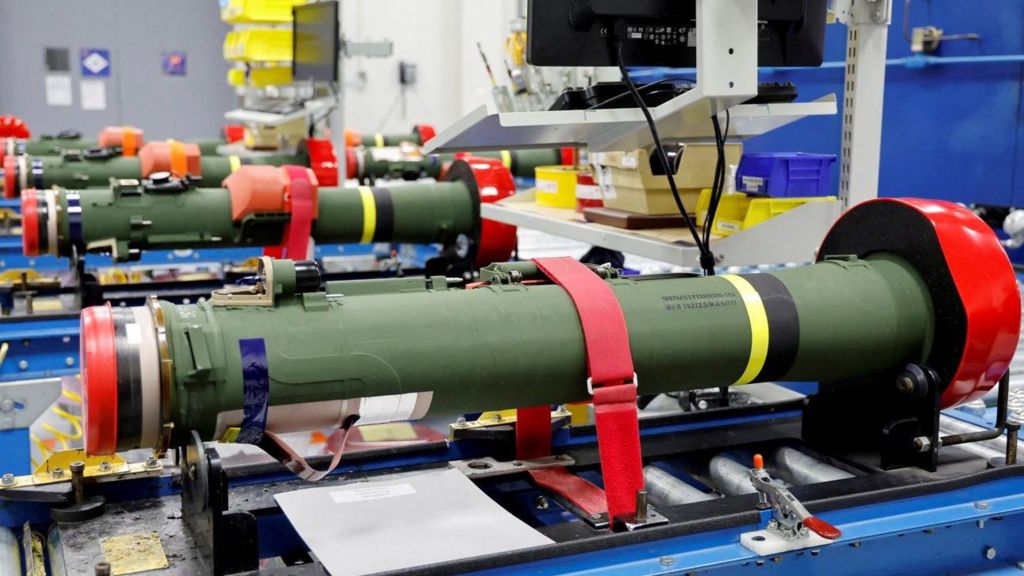
US approves $93m arms sale to India as trade tensions ease
The United States has greenlit two significant arms sales to India, totaling $92.8 million, as announced by the US State Department. The deals include the provision of Javelin anti-tank missiles and Excalibur precision artillery projectiles. This decision follows a meeting nine months prior between Indian Prime Minister Narendra Modi and former US President Donald Trump in Washington, where both leaders pledged to enhance defense collaboration. In October, this commitment culminated in the signing of a 10-year framework agreement aimed at bolstering defense cooperation. The move aligns with India’s strategy to diversify its arms procurement away from Russia, spurred by reports that Trump encouraged India to increase its purchases of US-manufactured weaponry. While Russia has historically been India’s primary arms supplier, its market share has significantly decreased from 62% in 2017 to 34% in 2023. Conversely, India’s defense trade with the US has skyrocketed from nearly zero to $20 billion, positioning the US as India’s third-largest arms supplier, trailing only Russia and France. The Defense Security Cooperation Agency (DSCA) emphasized that these arms sales would enhance India’s ability to address current and future security threats. The $45.7 million Javelin Missile System package includes 100 FGM-148 Javelin rounds, one ‘fly-to-buy’ missile, and 25 lightweight command launch units, along with simulation rounds, trainers, spare parts, and technical support. A separate $47.1 million deal covers up to 216 M982A1 Excalibur tactical projectiles, fire-control systems, primers, propellant charges, technical data, and repair services. The DSCA highlighted that these sales would bolster the US’s foreign policy and national security objectives by strengthening its strategic alliance with India, which it described as a pivotal force for political stability, peace, and economic progress in the Indo-Pacific and South Asia. The DSCA also noted that India would seamlessly integrate the new equipment into its armed forces. This development occurs as the US and India work to finalize a trade agreement and mitigate tensions following Trump’s imposition of 50% tariffs on Indian imports, including a 25% levy on purchases of Russian oil and arms. However, these tensions appear to be easing after months of uncertainty.
-
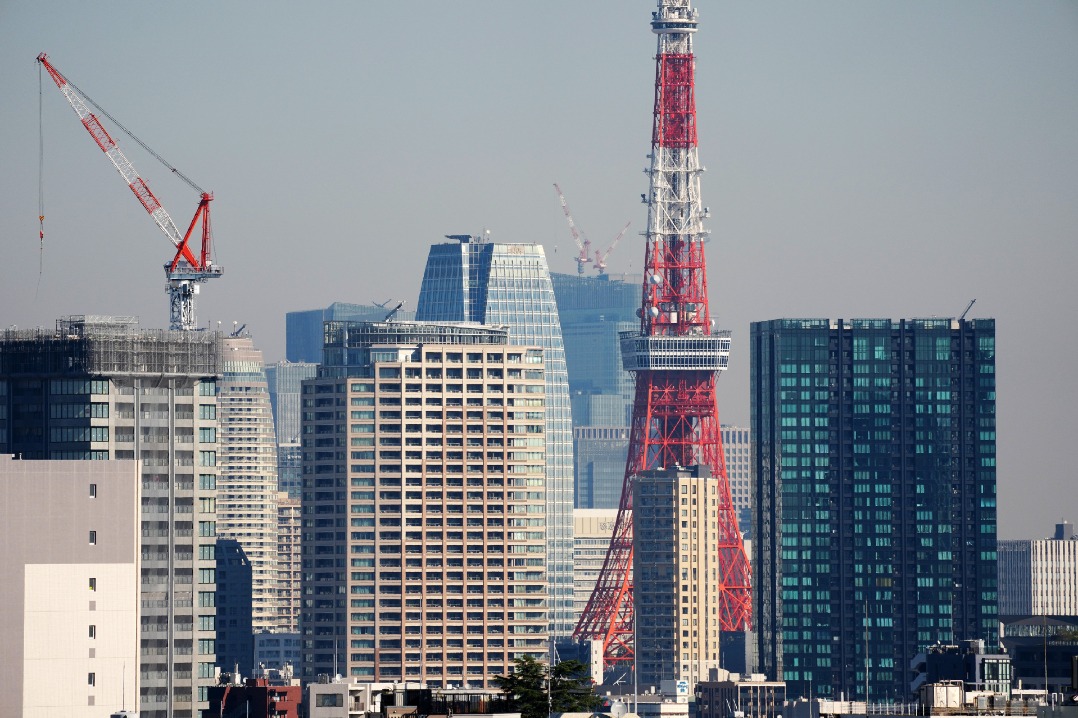
Japan’s business community urges dialogue
Prominent figures from Japan’s business and civil sectors have called for sustained and constructive dialogue with China, warning that reckless political actions could severely damage bilateral economic ties. This appeal follows controversial remarks by Japanese Prime Minister Sanae Takaichi regarding Taiwan, which sparked strong protests from Beijing. Yoshinobu Tsutsui, chairman of the Japan Business Federation, emphasized the importance of political stability as a foundation for economic exchanges, urging the government to prioritize dialogue. Ken Kobayashi of the Japan Chamber of Commerce and Industry highlighted the inseparable economic relationship between the two nations, while Mutsuo Iwai of the Japan Association of Corporate Executives stressed the need to maintain private-sector engagement. Political economist Kazuyuki Hamada criticized Takaichi’s lack of insight into Japan-China relations, expressing concerns over potential regional tensions and the economic fallout from reduced Chinese tourism and student exchanges. China remains Japan’s largest source of tourists and international students, with significant economic implications. Masaaki Kanai, director-general of the Japanese Foreign Ministry’s Asian and Oceanian Affairs Bureau, recently visited China, with hopes of fostering future-oriented proposals to rebuild bilateral relations. Experts warn that prolonged tensions could disrupt trade, investment, and supply chains, with broader regional and global consequences.
-
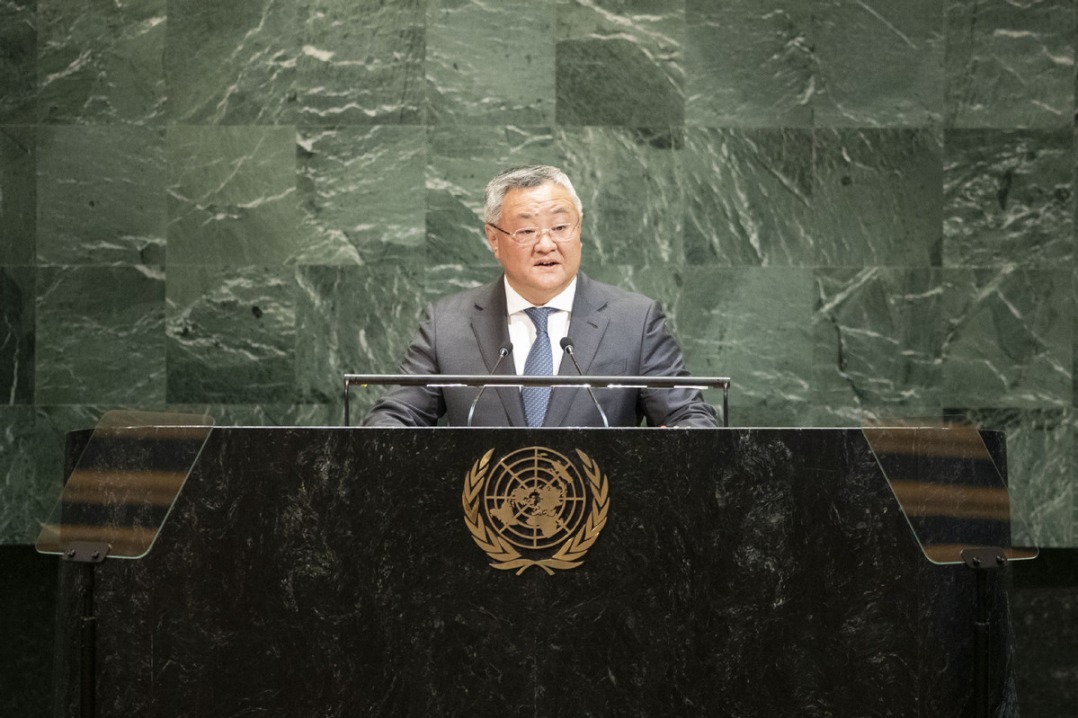
China opposes Japan’s bid for permanent UN seat
China has firmly opposed Japan’s bid for a permanent seat on the United Nations Security Council, citing Japan’s recent comments on Taiwan as evidence of its disqualification. During the UN General Assembly’s annual debate on Security Council reform, Fu Cong, China’s permanent representative to the UN, stated that Japan is ‘totally unqualified’ for such a position. Fu highlighted Japanese Prime Minister Sanae Takaichi’s ‘brazen and provocative’ remarks on Taiwan, where she suggested that a ‘Taiwan contingency’ could threaten Japan’s survival and hinted at potential military intervention in the Taiwan Strait under the guise of collective self-defense. Fu condemned these statements as a severe violation of the one-China principle and a gross interference in China’s internal affairs. He warned that Japan’s actions undermine the postwar international order and its commitment to peaceful development. Fu questioned Japan’s intentions, asking whether it seeks to revive militarism and whether it can be trusted to uphold international peace and justice. He urged Japan to cease its interference in China’s affairs and retract its provocative statements. Fu also emphasized that any military intervention by Japan in the Taiwan Strait would be met with a firm response from China, including the exercise of its right to self-defense under international law. The Democratic People’s Republic of Korea (DPRK) also voiced opposition to Japan’s bid, citing Japan’s failure to address its past crimes and its ongoing efforts to revise its Peace Constitution. The DPRK’s representative, Kim Song, argued that allowing Japan a permanent seat would insult the UN Charter and international justice. Japan, which has served 12 times as a non-permanent member of the Security Council, has long sought a permanent seat, but its recent actions have drawn significant criticism from key UN members.
-
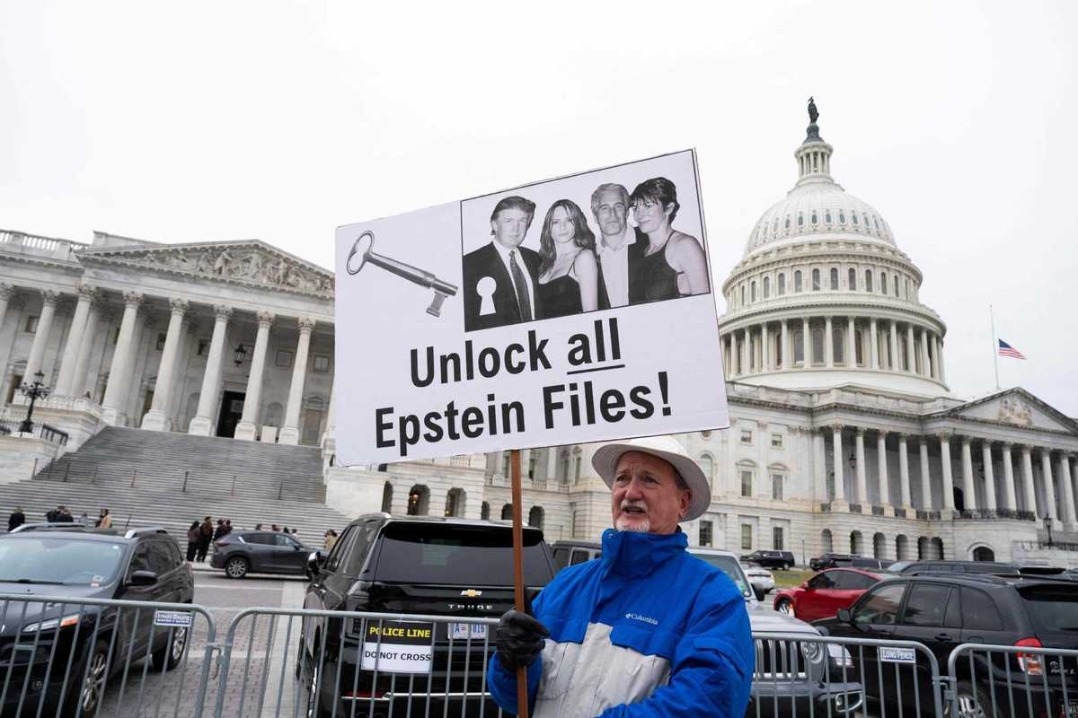
Congress acts swiftly to force release of Epstein files
In a rare display of bipartisan unity, the United States Congress has taken decisive action to compel the release of Justice Department files related to the late financier and convicted sex offender Jeffrey Epstein. The House of Representatives passed the resolution with an overwhelming vote of 427-1, swiftly followed by approval from the Republican-majority Senate. The bill is now poised for President Donald Trump’s signature, which could occur as early as Wednesday. This move marks a significant shift in Trump’s stance, as he had previously opposed the release of these documents for months. The Epstein scandal has been a persistent source of political friction for Trump, with many of his supporters believing that his administration has obscured Epstein’s connections to influential figures and the circumstances surrounding his 2019 death, which was officially ruled a suicide. The pressure for transparency intensified when approximately two dozen survivors of Epstein’s alleged abuse joined lawmakers outside the Capitol to advocate for the release of the records. These women, holding photographs of their younger selves, shared their harrowing experiences and urged accountability. Following the vote, survivors and advocates applauded lawmakers from the public gallery, some visibly emotional. Despite his eventual support for the bill, Trump expressed frustration over the ongoing attention to the Epstein matter, lashing out at a reporter during a press briefing and denying any personal involvement with Epstein. The White House was reportedly surprised by the speed at which the measure passed through Congress, anticipating a lengthier deliberation in the Senate. The controversy has impacted Trump’s public approval, with a recent Reuters/Ipsos poll revealing his lowest approval rating this year, particularly regarding his handling of the Epstein case. Only 20% of voters overall and 44% of Republicans expressed satisfaction with his approach to the matter.
-
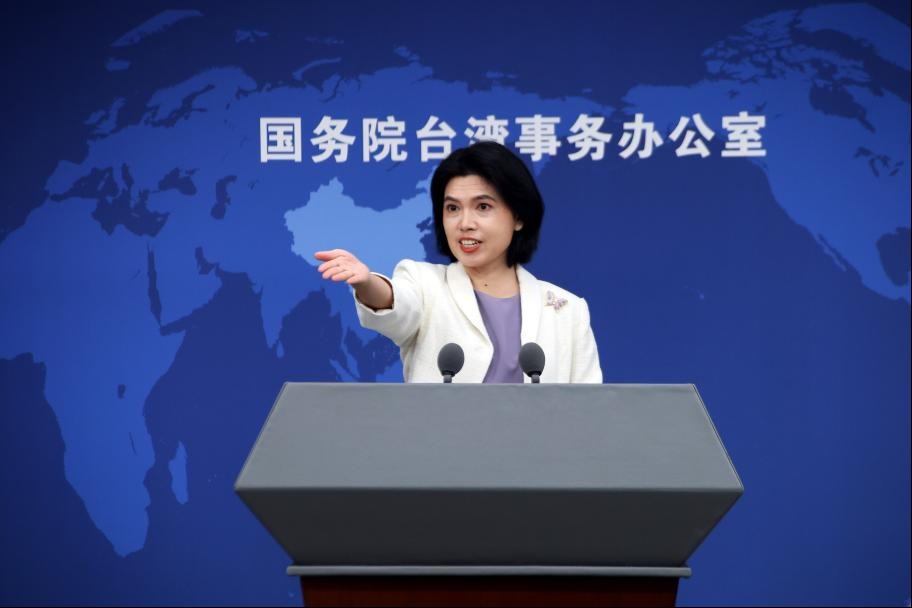
Japan’s meddling in Taiwan fiercely opposed
China has issued a stern warning against Japan’s recent comments on Taiwan, emphasizing that such interference in China’s internal affairs is unacceptable. Zhu Fenglian, spokesperson for the State Council Taiwan Affairs Office, addressed the media on Wednesday, condemning Japanese Prime Minister Sanae Takaichi’s remarks about the Taiwan Strait. Takaichi had suggested that China’s actions toward Taiwan could pose a ‘survival-threatening situation’ for Japan, hinting at potential military intervention. Zhu labeled these comments as an attempt to revive militarism and undermine the achievements of the Chinese People’s War of Resistance Against Japanese Aggression (1931-45). She reiterated that Taiwan is an inalienable part of China and called on Japan to cease its provocative actions. Zhu also criticized Taiwan’s Democratic Progressive Party (DPP) for colluding with external forces to pursue ‘independence,’ warning that such efforts are futile and will be met with firm countermeasures. Over 30 civil groups in Taiwan joined in condemning Takaichi’s remarks, rejecting any role as victims of Japanese militarism. Additionally, Zhu opposed Taiwan leader Lai Ching-te’s reported plans to transit through the United States, urging the U.S. to adhere to the one-China principle and avoid sending wrong signals to ‘Taiwan independence’ forces.