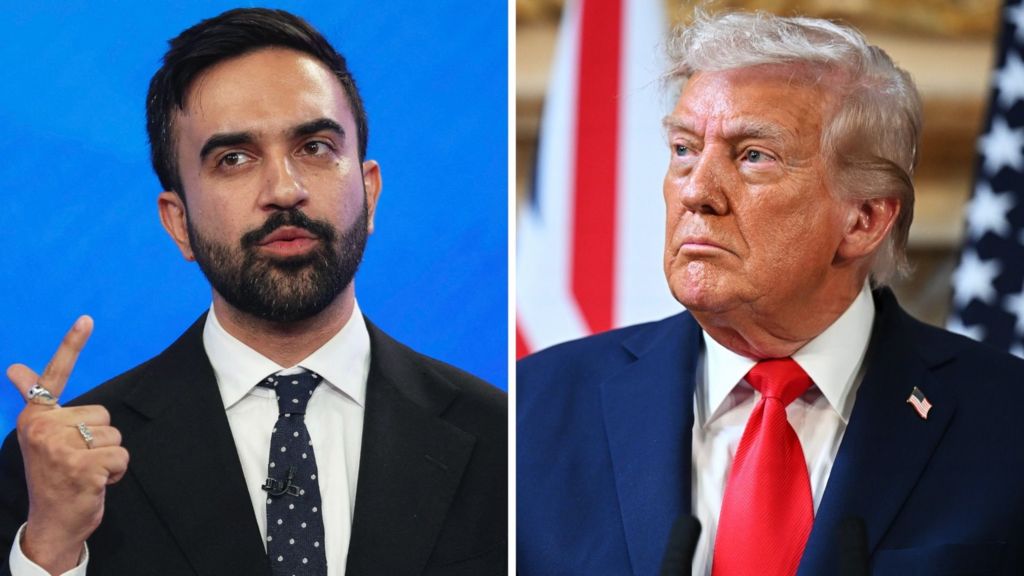
The highly anticipated meeting between former U.S. President Donald Trump and political figure Mamdani is scheduled to take place at the White House this Friday. This marks their first in-person encounter following months of escalating verbal exchanges and public disagreements. The meeting has drawn significant attention from political analysts and the media, as it could potentially influence future political dynamics. Both figures have been vocal in their criticisms of each other, making this face-to-face discussion a critical moment for reconciliation or further confrontation. The outcome of this meeting could have far-reaching implications for their respective political agendas and public perceptions.
分类: politics
-
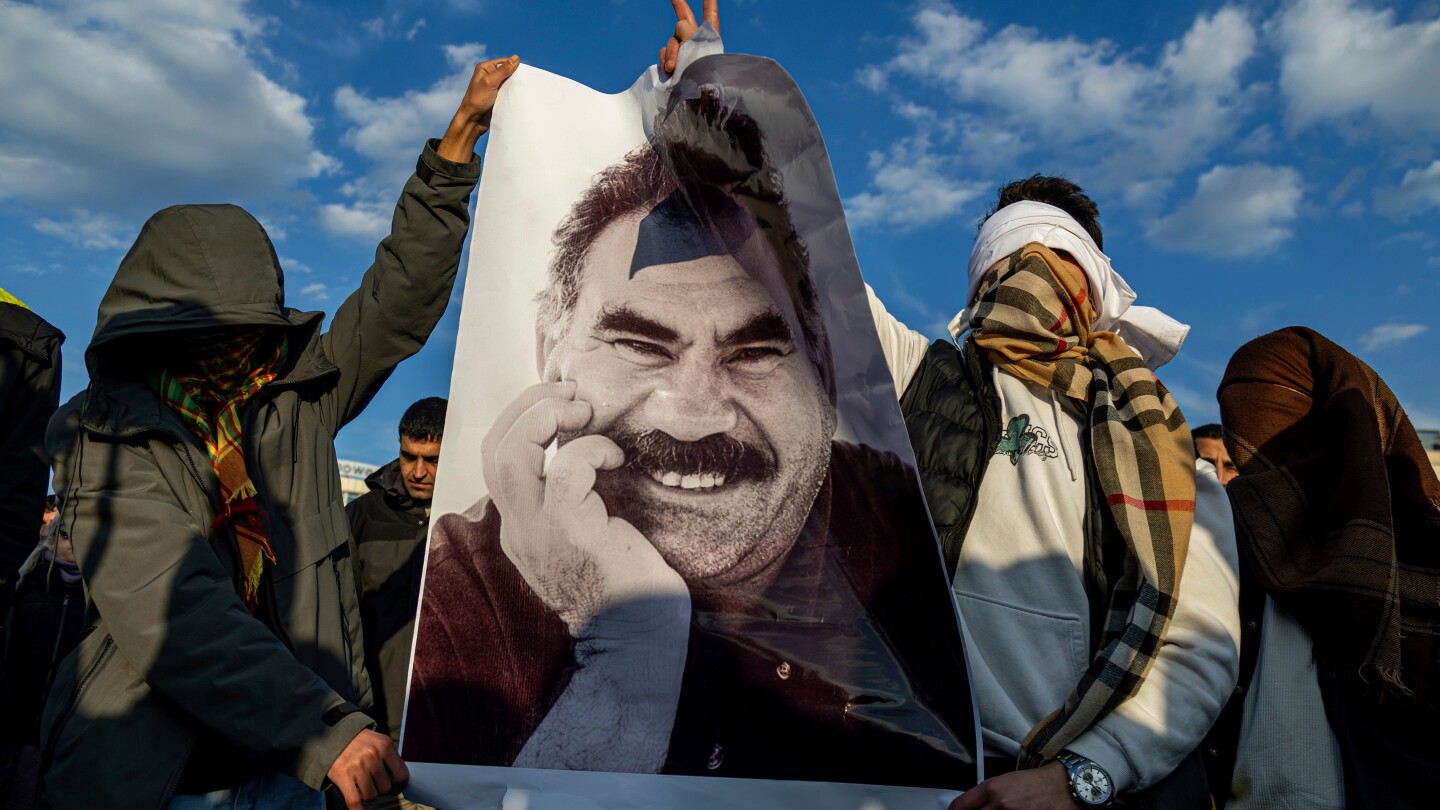
Turkish committee to visit PKK leader Ocalan in prison as part of peace initiative
In a groundbreaking move, a Turkish parliamentary committee established to oversee a new peace initiative with Kurdish militants has voted in favor of meeting Abdullah Ocalan, the imprisoned leader of the Kurdistan Workers’ Party (PKK). The decision, reported by state broadcaster TRT, marks a significant step in efforts to end a decades-long insurgency that has claimed tens of thousands of lives. Ocalan, who has been incarcerated on Imrali Island near Istanbul since 1999, remains a pivotal figure among Kurds despite being widely condemned by the Turkish public for his role in the conflict. The cross-party committee’s decision to send a delegation—potentially including members of a nationalist party—to Imrali is unprecedented. While the timing of the visit remains unclear, this development underscores the complexity of the peace process. Notably, the main opposition Republican People’s Party (CHP) abstained from the vote and has refused to participate in the visit, citing ongoing political tensions. The committee was formed in August following the PKK’s announcement in May that it would disarm and disband, a move prompted by Ocalan’s call for peace. The group later held a symbolic disarmament ceremony in northern Iraq, signaling a shift toward de-escalation. However, skepticism persists due to the collapse of previous peace efforts, most recently in 2015. President Recep Tayyip Erdogan’s nationalist ally, Devlet Bahceli, has endorsed the initiative, even offering to visit Ocalan personally if others decline. This latest effort represents a delicate balance between reconciliation and political resistance in Turkey.
-
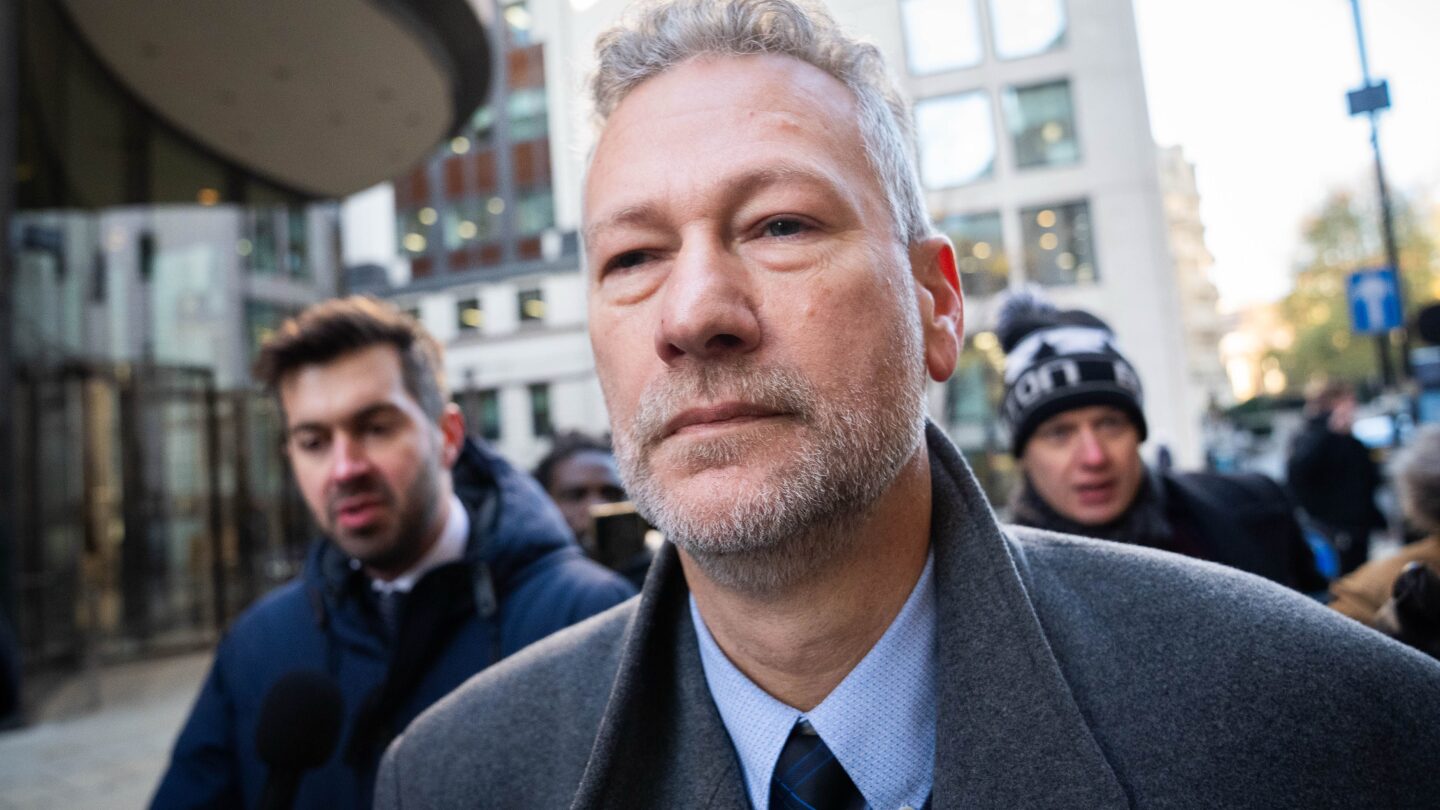
UK politician sentenced to over 10 years for accepting bribes to make pro-Russia statements
In a landmark ruling, Nathan Gill, a prominent hard-right British politician and former ally of Reform U.K. leader Nigel Farage, has been sentenced to ten and a half years in prison for accepting bribes to promote pro-Russian narratives in the European Parliament. The 52-year-old, who pleaded guilty earlier this year to eight counts of bribery, was found to have accepted at least £40,000 ($53,000) between December 2018 and July 2019. The bribes were orchestrated by Oleg Voloshyn, a pro-Russia Ukrainian politician, who tasked Gill with making favorable statements about Russia’s actions in Ukraine, including in the European Parliament and media outlets like 112 Ukraine. Russia’s full-scale invasion of Ukraine in February 2022 followed its annexation of Crimea in 2014, events that Gill’s statements sought to legitimize. Sentencing Gill at London’s Central Criminal Court, Justice Bobbie Cheema-Grubb condemned his actions, stating that he had allowed money to “corrupt his moral compass” and betrayed his duty to speak with honesty and conviction. Gill’s arrest in September 2021 at Manchester Airport, as he attempted to travel to Russia, and subsequent investigation revealed coded messages between him and Voloshyn, exposing their financial dealings. Gill, who was first elected to the European Parliament in 2014 for the anti-EU U.K. Independence Party, later represented the Brexit Party and remained in the legislature until the U.K.’s departure from the EU in 2020. Reform U.K., the successor to the Brexit Party, denounced Gill’s actions as “reprehensible, treasonous, and unforgivable,” expressing relief that justice had been served. Voloshyn, believed to be residing in Russia, is wanted by authorities in both the U.K. and Ukraine.
-
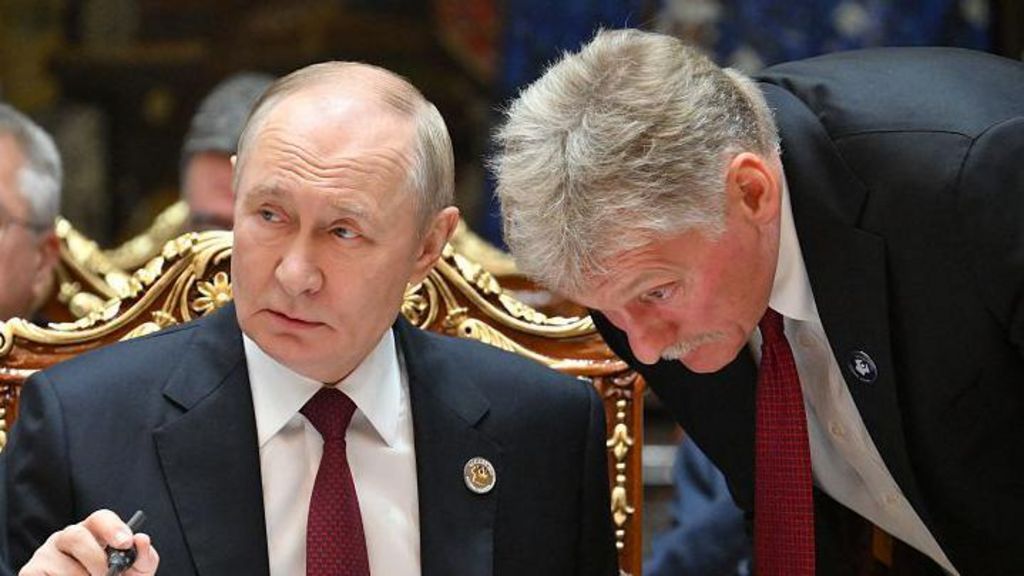
Russia yet to receive anything official from US on peace plan, Kremlin says
Amid escalating tensions and continued Russian military strikes in Ukraine, President Volodymyr Zelensky has cautiously engaged with a US-proposed peace plan, despite its controversial provisions. The plan, which includes proposals such as Ukraine ceding control of parts of the Donetsk region, reducing its military size, and pledging not to join NATO, has been met with skepticism from Kyiv. Zelensky’s office issued a carefully-worded response, acknowledging the plan’s potential to revive diplomacy but stopping short of outright endorsement. Meanwhile, Russian strikes have claimed six more lives overnight, further intensifying the conflict. The Kremlin has yet to receive any official communication from the US regarding the plan, with spokesperson Dmitri Peskov stating that Russia remains open to peace talks but insists on addressing the ‘root causes of the conflict.’ The US draft, reportedly discussed with Ukrainian official Rustem Umerov, also proposes lifting sanctions on Russia and reintegrating it into the global economy, including a return to the G7. European leaders, however, have expressed limited involvement in the plan’s formulation, with EU foreign policy chief Kaja Kallas emphasizing the need for Ukrainian and European consensus. As Zelensky prepares to discuss the proposals with US President Donald Trump, the plan’s reception among Ukrainians remains mixed, with some viewing it as a continuation of the war rather than a path to peace.
-

Philippine police will arrest 18 suspects in a major corruption scandal, president says
Philippine President Ferdinand Marcos Jr. has declared that 18 individuals implicated in a widespread corruption scandal involving flood control projects will face arrest. The scandal, which has triggered massive public protests and forced several congressional leaders to resign, centers on substandard and fraudulent infrastructure projects in a nation frequently battered by deadly typhoons and flooding. Marcos emphasized that these arrests mark only the beginning of a broader crackdown on corruption. The Sandiganbayan, a specialized anti-corruption court, issued arrest warrants for former lawmaker Zaldy Co, who has fled the country, and 17 others, including government engineers and executives from Sunwest Corp., a construction firm. The irregularities pertain to a 289 million peso ($4.8 million) flood control project in Oriental Mindoro province. Government prosecutors have recommended denying bail due to the severity of the case. Marcos vowed in a video message that all suspects would face the law without special treatment. The scandal has implicated at least 37 powerful figures, including senators, members of Congress, and construction executives, with many expected to be jailed by Christmas. Ombudsman Jesus Crispin Remulla revealed that at least five former and current senators are under investigation for allegedly receiving kickbacks. Among those implicated are lawmakers both allied with and opposed to Marcos, including his cousin, Rep. Martin Romualdez, who stepped down as House Speaker. The investigation also extends to Sen. Bong Go, a key ally of former President Rodrigo Duterte, who has denied wrongdoing. The scandal has further strained relations between Marcos and the Duterte family, with Vice President Sara Duterte calling for Marcos’s accountability. Since taking office in mid-2022, Marcos has raised concerns about corruption, with over 9,855 flood control projects worth 545 billion pesos ($9 billion) now under scrutiny. Finance Secretary Ralph Recto estimated that up to 118.5 billion pesos ($2 billion) may have been lost to corruption since 2023.
-
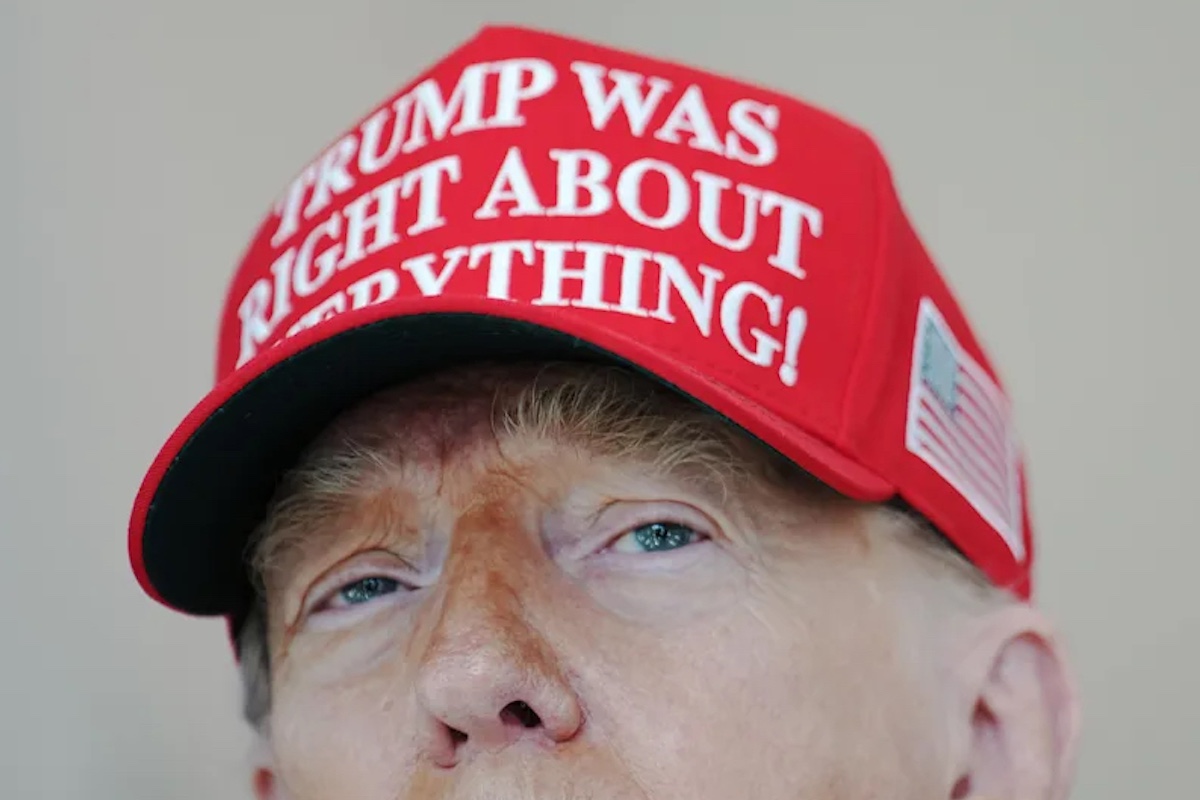
The self-defeating tariffs killing Trump’s presidency
President Donald Trump’s second term in office is facing significant public disapproval, with his approval ratings hitting record lows. Recent polls reveal a growing dissatisfaction among Americans, particularly regarding the economy, which has become a central issue driving negative sentiment. Despite seemingly stable macroeconomic indicators such as employment and inflation, consumer confidence has plummeted, reaching levels comparable to the post-pandemic inflation peak in 2022.
-
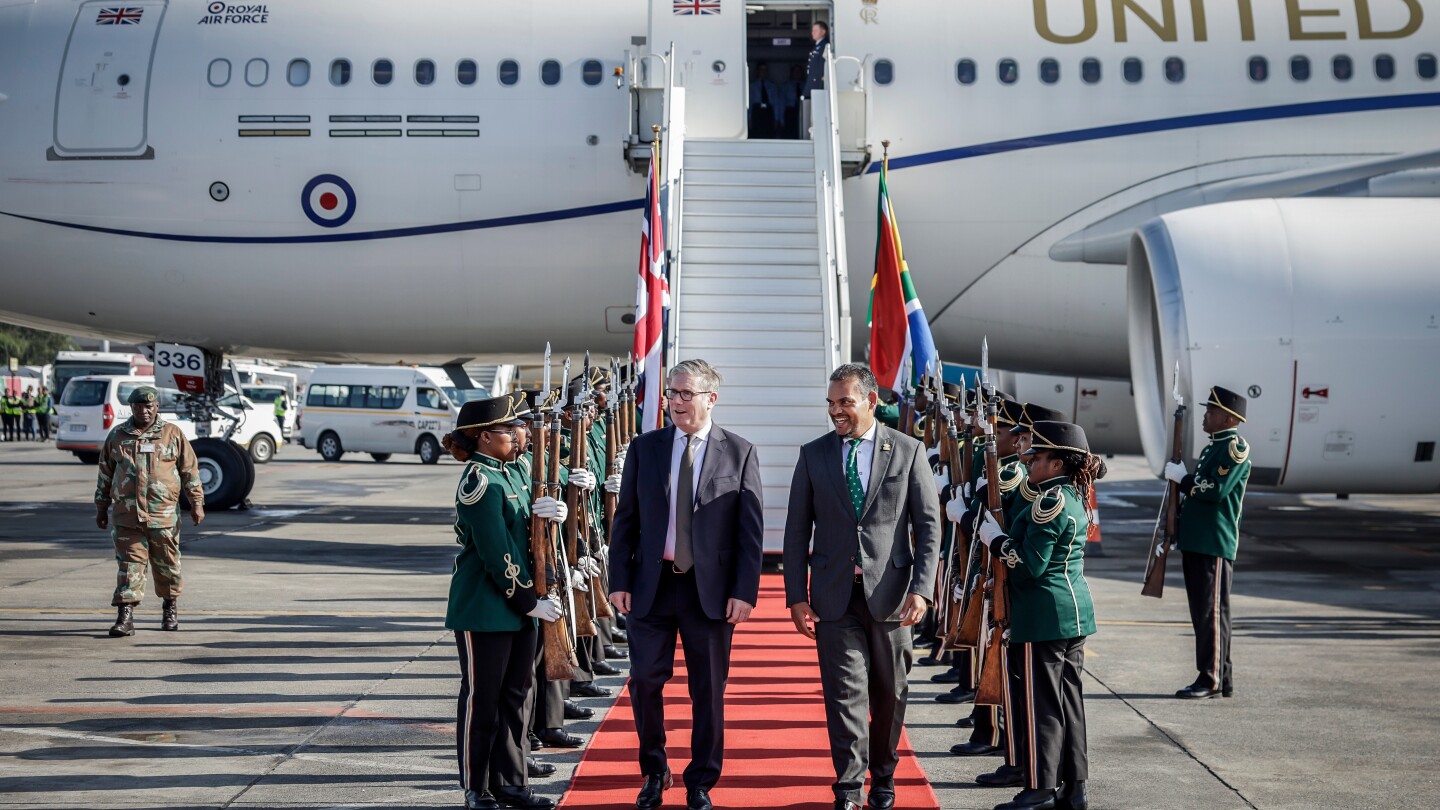
Leaders arrive for a first African G20 summit overshadowed by a rift between the host and the US
In a historic first, the Group of 20 (G20) summit is being held in Africa, with world leaders gathering in Johannesburg to address pressing global issues. However, the event has been overshadowed by a significant rift between host South Africa and the United States, following President Donald Trump’s decision to boycott the summit. Trump’s administration labeled South Africa’s hosting as a ‘disgrace,’ citing unfounded claims of persecution against the white Afrikaner minority in the majority-Black nation. This boycott by the world’s largest economy threatens to undermine the summit’s agenda, which focuses on critical issues such as climate change, debt burdens in poor countries, and global inequality. South African President Cyril Ramaphosa has vowed not to be bullied, emphasizing the importance of the summit for developing nations. Despite the absence of the U.S., other global leaders, including representatives from the European Union, China, and Russia, are actively participating, seeking to forge new partnerships and address shared challenges. The summit also highlights China’s growing influence in Africa, as Chinese Premier Li Qiang signed a $1.4 billion railway refurbishment deal in Zambia, further cementing China’s economic presence on the continent. Analysts suggest that the U.S. boycott may push developing countries to strengthen ties with other global powers, potentially reshaping international governance.
-
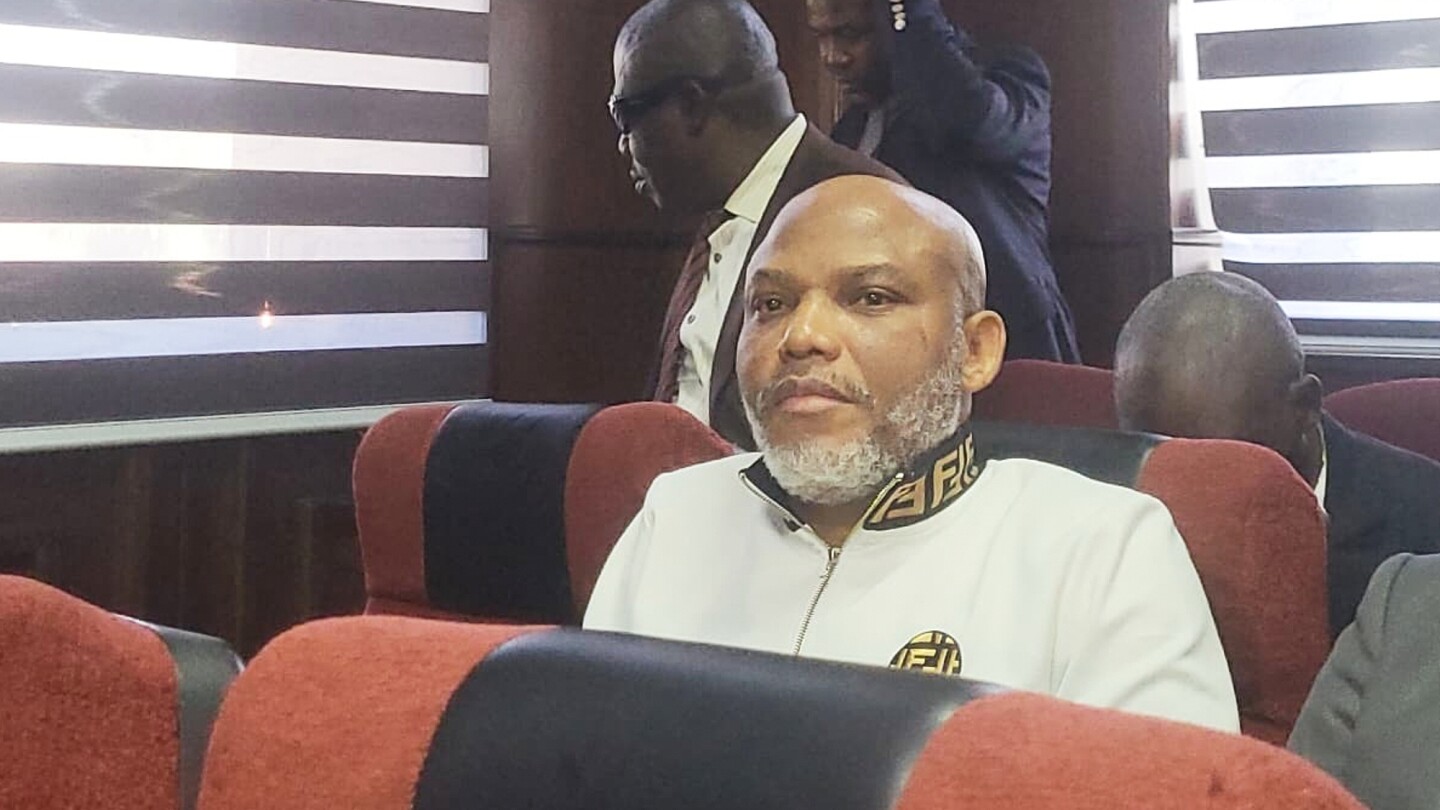
Nigeria separatists say they are committed to peaceful self-determination after leaders sentenced
ABUJA, Nigeria — The Indigenous People of Biafra (IPOB), a separatist movement in southeastern Nigeria, has reaffirmed its commitment to peaceful self-determination following the life imprisonment sentence handed to its leader, Nnamdi Kanu, on terrorism charges. Kanu, the founder of IPOB, was convicted on Thursday by a Nigerian court, which accused him of orchestrating acts of terrorism, enforcing violent stay-at-home orders, and inciting violence in the region. IPOB, which seeks the creation of an independent state in Nigeria’s southeast, has vehemently denied the allegations, asserting that no weapons or attack plans were ever linked to Kanu. The group maintains that its leader has not violated any Nigerian or international laws. In a statement, IPOB spokesperson Emma Powerful emphasized the group’s dedication to peaceful advocacy and its pursuit of a United Nations–supervised referendum. The court’s decision has sparked controversy, with Judge James Omotosho stating that while the right to self-determination is a political right, any such efforts must align with Nigeria’s constitution to be considered legal. Meanwhile, violence in the southeast has been attributed to political motives, with IPOB claiming it is unrelated to Kanu, who remains in detention. The case has drawn parallels to the conviction of another Nigerian separatist leader, Simon Ekpa, who was sentenced to six years in prison in Finland in September for terrorism-related charges.
-
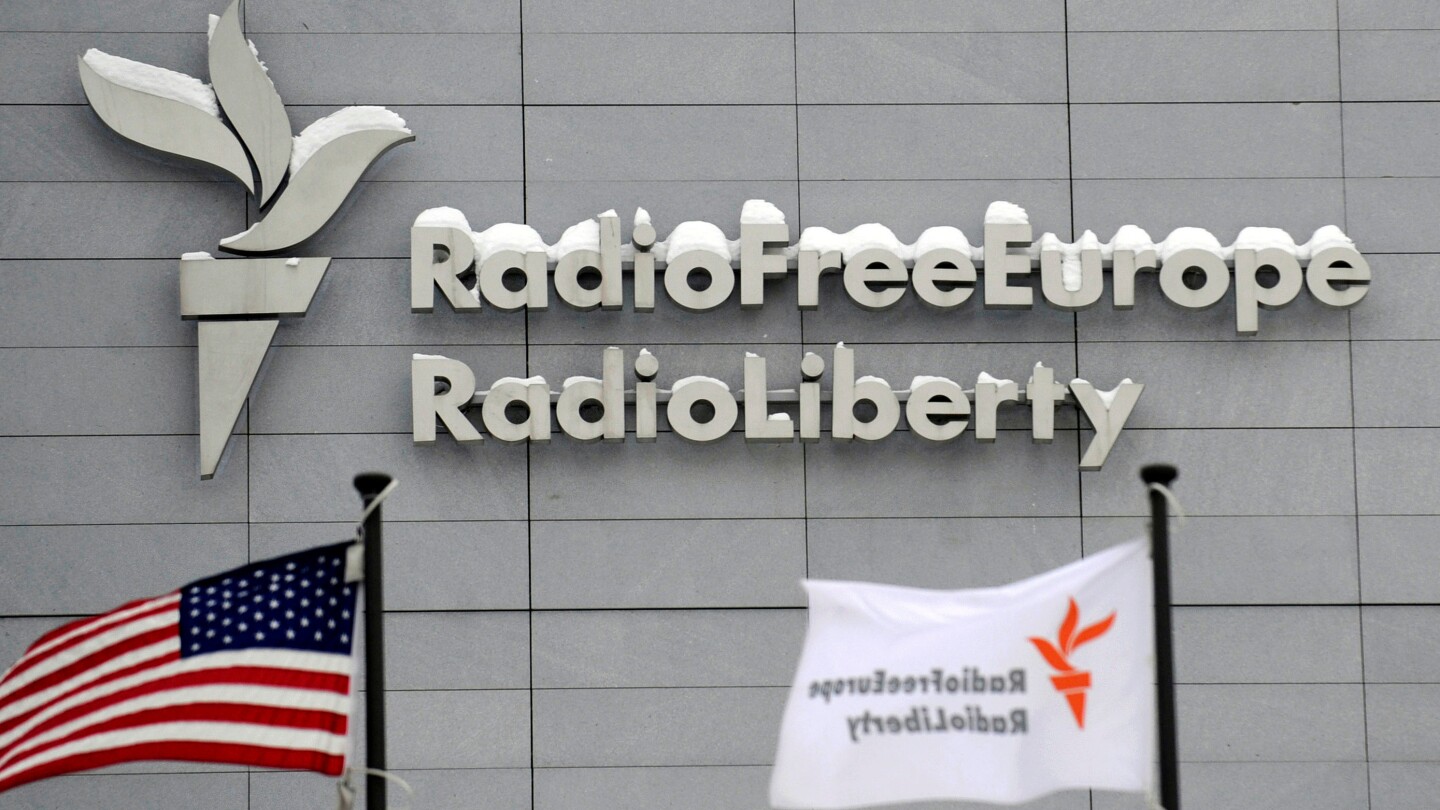
Radio Free Europe’s Hungarian service shuts down after Trump funding cuts
The Hungarian service of Radio Free Europe, Szabad Európa, officially ceased operations on Friday following the Trump administration’s decision to withdraw funding. This move marks the end of a pro-democracy news outlet that had been a vital source of independent journalism in Hungary. Radio Free Europe/Radio Liberty (RFE/RL), a U.S. government-funded organization established during the Cold War, has long provided news to regions under authoritarian regimes, broadcasting in 27 languages across 23 countries. The Hungarian service was initially terminated in 1993 but was revived in 2020 in response to Hungary’s declining media freedom under Prime Minister Viktor Orbán. In a farewell statement, Szabad Európa expressed gratitude to its audience for their trust and support, noting that its articles would remain accessible online. The shutdown aligns with broader cuts to international broadcasters like RFE/RL and Voice of America, as well as domestic public broadcasters PBS and NPR, under the Trump administration. Kari Lake, a senior adviser to the U.S. Agency for Global Media, justified the decision, stating that Szabad Európa’s operations in Hungary were ‘not aligned with U.S. national interests’ and undermined Trump’s foreign policy. Orbán, a close ally of Trump, has been accused of consolidating control over Hungary’s media landscape, with Reporters Without Borders estimating that his party controls 80% of the country’s media resources. In 2021, Orbán was labeled a media ‘predator’ by the watchdog, the first EU leader to receive such a designation. Earlier this year, his government introduced legislation targeting foreign-funded critical media outlets, further tightening its grip on press freedom.
-
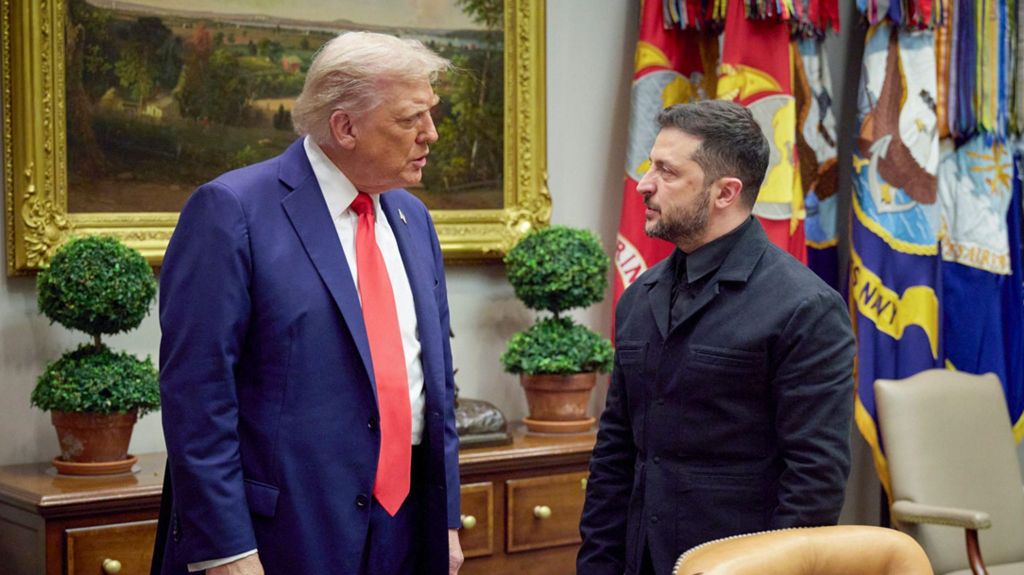
Trump’s growing impatience to end Ukraine war is a concern for Kyiv
Ukrainian President Volodymyr Zelensky has adopted a measured approach to a US-drafted peace proposal, refraining from outright criticism despite its apparent alignment with many of Moscow’s demands. The White House has countered assertions that Ukraine was excluded from the drafting process, emphasizing that the plan emerged from recent US-Russia discussions. In his nightly address, Zelensky underscored Ukraine’s commitment to peace, diplomacy, and constructive dialogue, stating, “We are ready for honest, efficient, and constructive work.” However, concerns linger over specific provisions, such as relinquishing the Donbas region, downsizing Ukraine’s military, and barring international troops—concessions previously rejected by Kyiv. Ukrainian MP Yaroslav Yurchyshyn criticized the proposal as a “quick peace at the expense of the weaker side.” Recent developments have further strained Ukraine’s position, including Russian advances in the east, widespread power outages due to Moscow’s strikes on Ukraine’s energy grid, and internal political turmoil fueled by corruption allegations. US Secretary of State Marco Rubio acknowledged that achieving peace would necessitate tough compromises. The draft reportedly offers Ukraine “reliable security guarantees” and suggests using frozen Russian assets for reconstruction, while excluding NATO membership but leaving EU accession open. European nations, notably the UK and France, have been sidelined in the drafting process, with the proposal explicitly opposing foreign troop presence. European allies are pressing for their voices to be heard, potentially influencing Zelensky to seek amendments. However, time is of the essence, as US officials, operating under President Donald Trump’s directive, aim to finalize the deal within weeks, not months. Trump, eager to end the conflict swiftly, appears to have abandoned hopes of direct negotiations between Zelensky and Russian President Vladimir Putin, focusing instead on securing a bilateral agreement.