分类: politics

  • Lib Dem foreign affairs spokesperson met Israeli president accused of inciting genocide

    Lib Dem foreign affairs spokesperson met Israeli president accused of inciting genocide

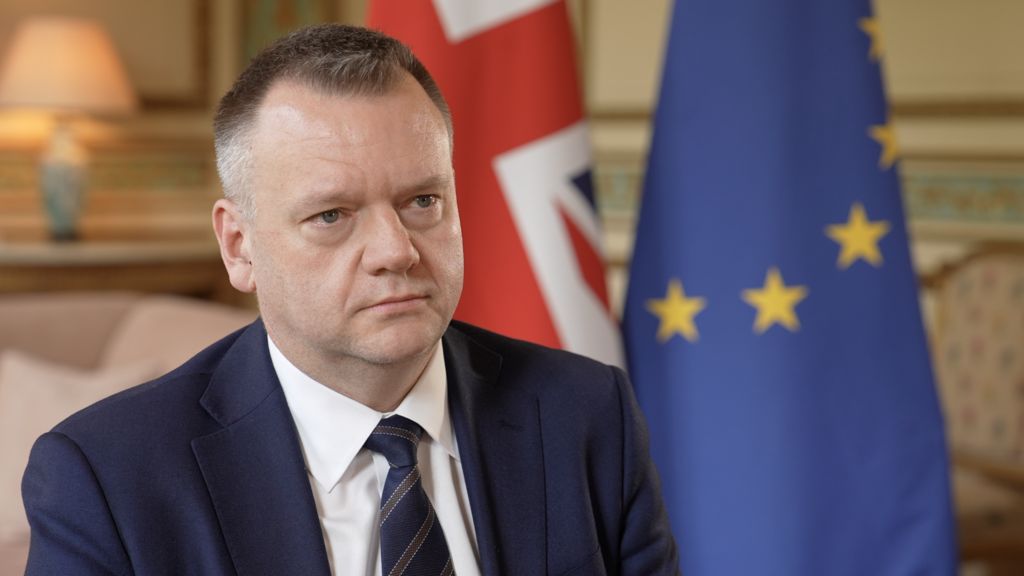
    A diplomatic visit by Liberal Democrat officials to Israel in February has ignited significant controversy within the party, following revelations that Foreign Affairs Spokesperson Calum Miller met with Israeli President Isaac Herzog. This engagement occurred despite a United Nations Commission of Inquiry previously finding Herzog had committed incitement to genocide through his public statements regarding the October 2023 Hamas attacks.

    The delegation, organized by the Liberal Democrat Friends of Israel (LDFI) and previously unreported in British media, included prominent figures such as former party leader Tim Farron, LDFI Honorary President Lord Monroe Palmer, and several other senior members. The group visited sites attacked by Hamas on October 7, 2023, including Kibbutz Kfar Aza and the Nova Festival site, where they were photographed with Israeli military personnel.

    Miller defended the diplomatic mission, stating: “My role as foreign affairs spokesperson is to engage with representatives of other countries, to listen, to challenge and to engage. There will be no just peace if there is no dialogue.” A party spokesperson emphasized that the delegation also met with Palestinian officials, including Ramallah Mayor Issa Kassis, and raised concerns about humanitarian aid to Gaza, illegal settlements, and the two-state solution.

    However, the meeting drew sharp criticism from both internal and external groups. The Liberal Democrat Friends of Palestine expressed dismay that party representatives would meet with the president of a country they recognize as having committed genocide. The International Centre of Justice for Palestinians called the engagement “entirely inappropriate” and suggested it undermined the party’s official position.

    The controversy highlights the ongoing tension within the Liberal Democrats regarding Israel-Palestine relations. In September 2024, the party became the largest British political party to call for a full arms embargo on Israel, and leader Ed Davey has previously accused Israel of genocide in Gaza, describing a “famine unfolding before our eyes.”

  • Trump’s Iran war and the dollar damage done

    Trump’s Iran war and the dollar damage done

    TOKYO – The escalating geopolitical tensions between the United States and Iran under President Donald Trump’s administration have triggered profound economic repercussions that extend far beyond immediate conflict zones. Regardless of whether diplomatic resolutions emerge swiftly, analysts confirm that substantial damage to global economic confidence has already been cemented.

    The current administration has dramatically shifted the Overton window of acceptable geopolitical shocks, introducing unprecedented uncertainty into international markets. Financial institutions worldwide now grapple with incorporating potential “Black Swan” events that might originate from presidential social media channels into their risk assessments.

    This paradigm shift compounds existing economic disruptions stemming from Trump’s aggressive tariff policies and immigration reforms. According to former Federal Reserve Bank of San Francisco economist Tim Mahedy, “This administration represents a sequence of supply shocks—the Iran conflict layers upon two other significant disruptions through tariffs and immigration policy.”

    The potential protracted nature of the Iran confrontation poses particular threats to business confidence. Nationwide Financial economist Kathy Bostjancic warns that prolonged uncertainty could significantly reduce corporate investment and household spending, creating a tangible drag on economic growth.

    Simultaneously, the administration’s confrontational approach toward Federal Reserve independence has raised alarms within financial circles. Attempts to remove Chair Jerome Powell, replace Governor Lisa Cook, and install political loyalists to the Fed board suggest a deliberate effort to politicize monetary policy institutions.

    Perhaps most significantly, Trump’s combination of massive fiscal expansion—pushing national debt beyond $38 trillion—and unconventional monetary policy proposals has triggered concerns about the dollar’s long-term status as the global reserve currency. Despite Moody’s recent downgrade of U.S. credit ratings, the dollar maintains its dominant position, though analysts note increasing nervousness among foreign holders of U.S. debt, particularly China and Japan, which collectively hold approximately $1.9 trillion in Treasury securities.

    UBS economist Paul Donovan observes that while outright dumping of dollar holdings remains unlikely, “reduced future appetite for U.S. Treasuries among international investors is gaining market attention.”

    The administration’s pursuit of a weaker dollar through potential “Mar-a-Lago Accord” style agreements reflects a misunderstanding of contemporary global economic dynamics, particularly the rising influence of BRICS nations and oil-rich Gulf states.

    Meanwhile, China perceives strategic opportunity in U.S. geopolitical isolation and fiscal uncertainty. Despite the yuan comprising only 2% of global foreign exchange reserves compared to the dollar’s 57%, Trump’s alienation of traditional allies and unconventional economic policies have created openings for Chinese currency internationalization efforts.

    Enodo Economics Chief Economist Diana Choyleva emphasizes that conventional analytical approaches separating economics, geopolitics, and military risk have become dangerously inadequate. “The Iran conflict is altering strategic balances between the U.S. and China, strengthening Iran-China-Russia alignment, and forcing nations from Saudi Arabia to Taiwan to reconsider positions,” she notes. “These structural shifts will ultimately matter more than immediate oil price spikes.”

  • UK’s Shabana Mahmood approves police request to ban pro-Palestine march

    UK’s Shabana Mahmood approves police request to ban pro-Palestine march

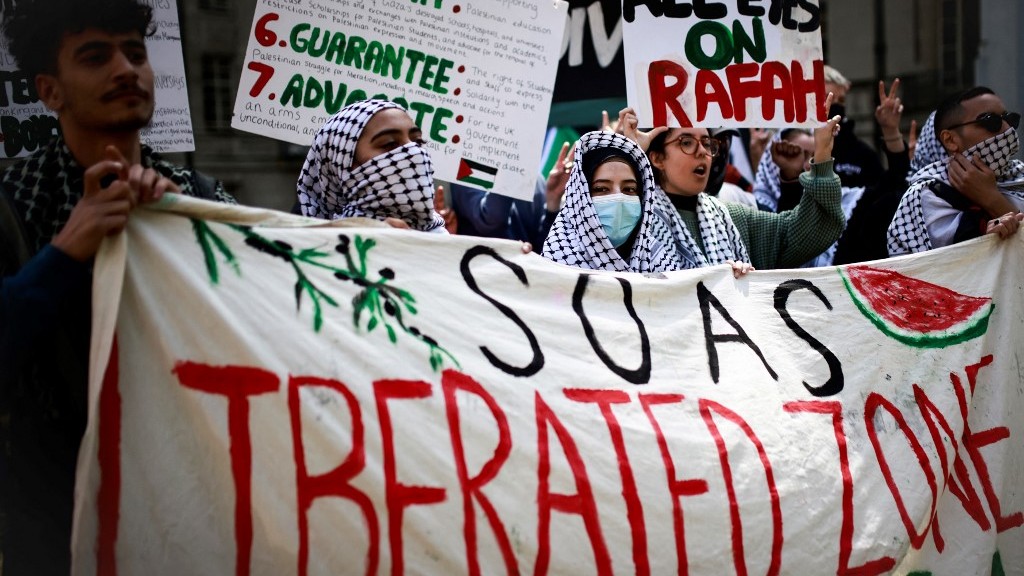
    The United Kingdom’s Home Secretary, Shabana Mahmood, has officially sanctioned a Metropolitan Police request to prohibit this year’s Al-Quds Day demonstration in London. The decision, announced via social media platform X on Wednesday, stems from mounting concerns regarding potential public disorder amidst heightened Middle Eastern tensions.

    The Al-Quds Day observance, originating in post-revolution Iran in 1979, traditionally serves as an international day of solidarity with Palestine. This year’s scheduled event coincides with escalating military engagements between the US-Israeli alliance and Iran, triggering both pro-war and anti-war demonstrations across Western capitals.

    In her official justification, Minister Mahmood stated: ‘I am satisfied this prohibition is necessary to prevent serious public disorder, considering the protest scale and multiple planned counter-protests within the context of the ongoing Middle East conflict.’ The Home Secretary clarified that stationary demonstrations would remain subject to stringent police conditions, adding: ‘I expect to see the full force of the law applied to anyone spreading hatred and division instead of exercising their right to peaceful protest.’

    The Islamic Human Rights Commission (IHRC), primary organizer of UK Al-Quds events, vehemently condemned the policing decision. The organization accused the Metropolitan Police of abandoning their ‘sworn principle of policing without fear or favour’ while allegedly capitulating to ‘Zionist lobby pressure.’ The IHRC confirmed seeking legal counsel while proceeding with a sanctioned static protest on March 15th.

    This year’s demonstration coincides with recent military actions against Iran, including the assassination of Supreme Leader Ayatollah Ali Khamenei and a school bombing in Minab that claimed approximately 180 lives, predominantly children. Cabinet colleague Courts Minister Sarah Sackman declined to characterize the attack as a war crime, describing it instead as the ‘realities of war’ during a Sky News interview.

  • Chile’s Kast, most right-wing president since Pinochet, takes office

    Chile’s Kast, most right-wing president since Pinochet, takes office

    Chile has inaugurated its most right-wing president since the military dictatorship of Augusto Pinochet, with José Antonio Kast assuming office Wednesday amid promises to combat escalating violent crime and implement extensive migrant deportations. The 60-year-old ultraconservative leader took his oath before Congress in Valparaíso, marking a significant political shift in a nation that has maintained center-left governance for much of its post-dictatorship era.

    Kast’s inauguration signals Chile’s alignment with a growing regional trend toward law-and-order conservatism, joining neighboring nations like Argentina and Ecuador in embracing right-wing leadership. The ceremony was attended by several prominent regional figures including Argentina’s libertarian President Javier Milei, Ecuador’s crime-fighting leader Daniel Noboa, and exiled Venezuelan opposition figure María Corina Machado.

    The new administration immediately faces complex geopolitical considerations, particularly regarding a controversial submarine fiber optic cable project linking Chile with Hong Kong—a initiative that has drawn security concerns from Washington and created tension during the transition from outgoing leftist President Gabriel Boric.

    Kast’s political platform draws notable inspiration from former U.S. President Donald Trump’s policies, particularly regarding immigration enforcement and border security. His participation in Trump’s recent Shield of the Americas summit in Florida positions Chile as another American ally in a region where Washington is reasserting influence. The president has vowed to deport hundreds of thousands of undocumented migrants, predominantly Venezuelans, and strengthen border controls in northern Chile.

    The cabinet appointments have generated controversy, with Kast selecting two lawyers who previously defended Pinochet’s regime for key justice and defense portfolios. His choice for women’s affairs minister—an evangelical anti-abortion activist—has further alarmed opposition groups and human rights organizations. Political analysts note that Kast represents a conservative ideology unprecedented since Chile’s return to democracy in 1990, with his administration likely to test the resilience of the country’s democratic institutions.

    Despite these concerns, many Chileans express optimism about Kast’s tough-on-crime agenda in a nation that has recently experienced rising rates of murder, kidnapping, and extortion—though Chile remains one of Latin America’s safest countries. The new government has promised enhanced police capabilities, military deployment to high-crime areas, and streamlined deportation procedures for undocumented immigrants.

  • Iranian president’s son says new supreme leader ‘safe and sound’

    Iranian president’s son says new supreme leader ‘safe and sound’

    Amid escalating regional tensions, the son of Iran’s President has publicly affirmed the safety and well-being of the nation’s newly appointed Supreme Leader. Yousef Pezeshkian, son of President Masoud Pezeshkian, utilized his Telegram channel on Wednesday to disseminate reassurances regarding Mojtaba Khamenei’s condition.

    The presidential son revealed that informed contacts with direct connections had provided him with definitive confirmation that the Supreme Leader remains “safe and sound.” This statement emerges against a backdrop of earlier media speculation suggesting Khamenei might have sustained injuries during recent military operations conducted jointly by United States and Israeli forces against Iranian targets.

    The timing of this disclosure carries significant political weight, coming during a period of heightened geopolitical friction in the Middle East. Mojtaba Khamenei, who previously served as a senior advisor to his father, the late Ayatollah Ali Khamenei, assumed the role of Supreme Leader following a complex transition of power. His leadership commencement coincides with increased international scrutiny toward Iran’s political stability and security apparatus.

    This development represents the first official communication regarding the Supreme Leader’s status since rumors of potential harm began circulating in international media outlets. The method of communication—through a family member of the presidency rather than through formal government channels—adds an intriguing dimension to the narrative of internal Iranian politics during this volatile period.

  • South Africa summons new US ambassador over criticism as rift deepens

    South Africa summons new US ambassador over criticism as rift deepens

    JOHANNESBURG (AP) — South Africa’s Foreign Ministry has formally summoned U.S. Ambassador Leo Brent Bozell III to account for his undiplomatic remarks, signaling a severe deterioration in bilateral relations between the former allies. The diplomatic confrontation represents the most strained period in U.S.-South African relations since the end of apartheid in 1994.

    Foreign Minister Ronald Lamola confirmed Wednesday that Ambassador Bozell, appointed by the Trump administration, was called to explain his controversial statements made during a business leaders’ meeting in Pretoria. The ambassador had openly criticized South Africa’s affirmative action policies designed to address historical racial inequalities, comparing them to apartheid-era race laws. He additionally questioned South Africa’s diplomatic relationship with Iran and advocated for changes to land expropriation laws.

    “While South Africa welcomes active public diplomacy and the strengthening of bilateral ties,” Lamola stated at a press conference, “we emphasize that such engagements must remain consistent with established diplomatic etiquette and international protocols.”

    According to Foreign Ministry director-general Zane Dangor, Ambassador Bozell met with South African officials on Tuesday and subsequently “apologized and expressed regret” for his comments. The ambassador later walked back one particularly contentious statement regarding a South African court ruling on an apartheid-era chant, clarifying on social media that his personal views didn’t represent official U.S. government policy.

    The current diplomatic rift follows years of escalating tensions since President Trump’s return to office. The Trump administration has repeatedly characterized South Africa’s foreign policy as anti-American and its domestic policies as anti-white, including baseless claims about targeted violence against white farmers that even conservative Afrikaner groups have disputed.

    The administration has taken unprecedented measures against its largest African trading partner, including expelling South Africa’s ambassador to Washington last year and excluding the nation from Group of 20 meetings hosted in the U.S. this year. This confrontation highlights the profound ideological divide between the Trump administration and South Africa’s Black-led government regarding racial justice, international alliances, and judicial sovereignty.

  • Escalating conflict would produce no winners, only push the Middle East into a ‘dangerous abyss’: China’s Defense Ministry

    Escalating conflict would produce no winners, only push the Middle East into a ‘dangerous abyss’: China’s Defense Ministry

    China’s Defense Ministry has issued a stark warning regarding the escalating tensions in the Middle East, asserting that intensified conflict would yield no victorious parties while potentially plunging the region into what it describes as a ‘dangerous abyss.’ The statement emerged as part of China’s ongoing diplomatic efforts to promote stability in conflict zones.

    The ministry emphasized that military escalation fundamentally undermines regional security and threatens global economic stability. Chinese officials highlighted their nation’s consistent position advocating for peaceful resolution mechanisms through diplomatic channels and multilateral engagement.

    This declaration aligns with China’s broader foreign policy approach emphasizing non-interference, conflict de-escalation, and sustainable political solutions. The Defense Ministry’s statement specifically cautioned against the proliferation of advanced weapon systems and emerging technologies in conflict areas without proper safeguards.

    Analysts interpret this positioning as reflecting China’s growing role as a strategic stakeholder in Middle Eastern stability, particularly given its significant energy imports and Belt and Road Initiative investments throughout the region. The statement stopped short of prescribing specific solutions but reiterated China’s commitment to supporting United Nations-led peace initiatives.

    The warning comes amid increasing global concerns about potential regional escalation patterns and their implications for international security architectures. China’s defense establishment appears to be positioning itself as a voice for restraint amid complex geopolitical maneuvering by various international actors in the Middle East.

  • Military use of AI should remain human-led to prevent it from spiraling out of control: China’s Defense Ministry

    Military use of AI should remain human-led to prevent it from spiraling out of control: China’s Defense Ministry

    China’s Defense Ministry has articulated a firm position on the military application of artificial intelligence, emphasizing that human oversight must remain paramount in combat systems. This stance was formally communicated during a recent press briefing, where defense officials warned against the potential dangers of autonomous weapons operating without human control.

    The ministry’s statement represents a significant contribution to the ongoing global dialogue regarding ethical frameworks for AI in warfare. Chinese defense authorities contend that maintaining human command authority is essential for preventing catastrophic escalations and ensuring international security stability. This perspective aligns with growing international concerns about autonomous weapons systems potentially making life-or-death decisions without meaningful human intervention.

    China’s position emerges amid rapid technological advancements in military applications of artificial intelligence worldwide. The defense ministry’s statement suggests Beijing seeks to position itself as a responsible stakeholder in the development of international norms governing lethal autonomous weapons systems. This approach contrasts with some nations’ more aggressive pursuit of fully autonomous combat capabilities.

    The Chinese perspective emphasizes that while AI can enhance military efficiency and decision-making processes, ultimate authority must remain with human operators. This balanced approach acknowledges AI’s potential benefits while advocating for safeguards against uncontrolled escalation in conflict scenarios. The statement comes as United Nations discussions continue regarding potential regulatory frameworks for autonomous weapons systems.

  • US had blueprint to cut civilian war casualties – Trump killed it

    US had blueprint to cut civilian war casualties – Trump killed it

    A devastating missile strike on an elementary school in Minab, southern Iran, has become the tragic focal point of a major policy reversal in US military operations. Horrific images from the February 28 attack show grieving parents, blood-stained backpacks, and rows of small coffins – with Iranian health officials reporting over 165 fatalities, predominantly children under 12, and nearly 100 wounded.

    The tragedy coincides with the systematic dismantling of the Pentagon’s Civilian Harm Mitigation and Response (CHMR) program, an initiative established during the Biden administration to reduce noncombatant casualties. According to defense analysts, the Trump administration has reorganized national security around principles of increased aggression and reduced accountability, gutting the fledgling protection framework.

    Wes Bryant, a former special operations targeting specialist and senior CHMR adviser, witnessed the program’s abrupt termination after Defense Secretary Pete Hegseth prioritized ‘lethality’ over civilian safeguards. ‘We’re departing from the rules and norms that we’ve tried to establish as a global community since at least World War II,’ Bryant stated. ‘There’s zero accountability.’

    Open-source investigations by Bellingcat have authenticated video evidence showing a US-made Tomahawk missile striking adjacent to the school, with fragments recovered from the site. As the sole conflict party possessing Tomahawks, the United States faces mounting international scrutiny, with UN human rights experts calling for an investigation into potential violations of international law.

    The CHMR program, developed through painful lessons from past conflicts including the Kunduz hospital bombing and Mosul civilian casualties, employed approximately 200 personnel with a $7 million budget. It established standardized protocols for pre-strike civilian mapping, no-strike list maintenance, and post-operation investigations to incorporate lessons learned.

    Despite initial support from Trump-appointed defense officials during confirmation hearings, the program suffered approximately 90% reduction in staffing. Current operations in Iran have reportedly resulted in over 1,200 civilian casualties according to Human Rights Activists News Agency, echoing the very ‘forever war’ scenarios that originally prompted reforms.

    Military professionals warn that the administration’s approach risks creating what retired General Stanley McChrystal termed ‘insurgent math’ – where every innocent killed generates at least ten new enemies. With harm-reduction capabilities largely eliminated, analysts fear the Minab tragedy may represent just the beginning of a dangerous new chapter in US military operations.

  • Trump’s ‘racist hate speech’ fuelling rights abuses: UN watchdog

    Trump’s ‘racist hate speech’ fuelling rights abuses: UN watchdog

    A United Nations human rights monitoring body has issued a stark warning regarding escalating racial discrimination and rights violations within the United States, directly linking the crisis to rhetoric from the highest levels of government. The UN Committee on the Elimination of Racial Discrimination (CERD) published an urgent report on Wednesday, asserting that racist hate speech from President Donald Trump and other political figures, combined with intensified immigration enforcement, is instigating serious human rights abuses.

    The committee’s analysis highlighted a disturbing rise in derogatory and dehumanizing language targeting migrants, refugees, and asylum seekers. It noted that influential public figures, including the president, have persistently portrayed these groups as criminals or societal burdens. This narrative, CERD warned, fosters widespread intolerance and has the potential to incite both racial discrimination and hate crimes.

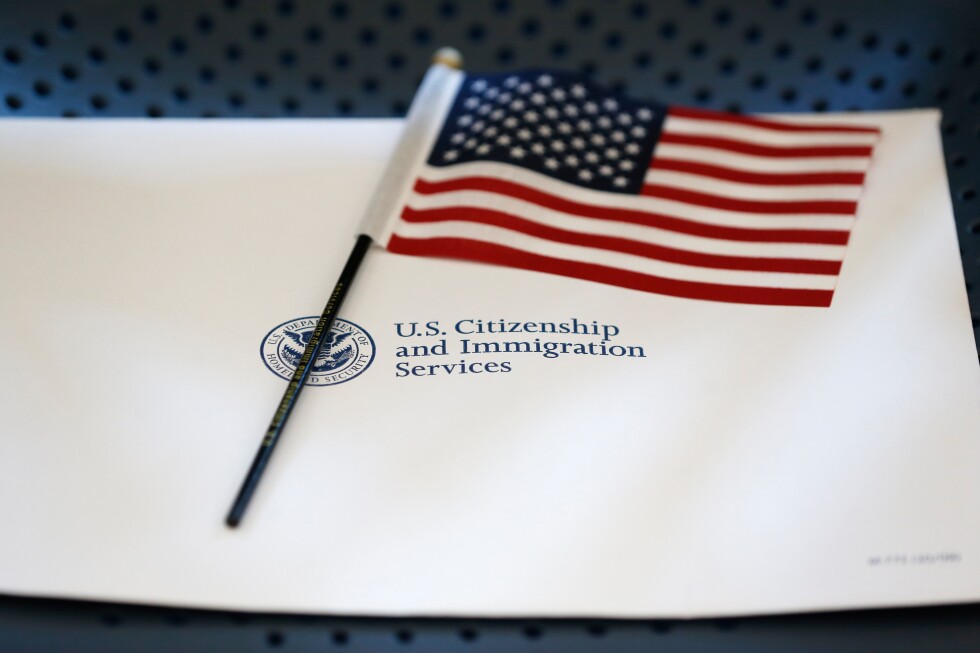
    Beyond rhetoric, the report expressed grave concern over the systematic application of racial profiling by US Immigration and Customs Enforcement (ICE) officers. These practices, which disproportionately target individuals of Hispanic/Latino, African, or Asian origin through arbitrary identity checks, have resulted in the widespread detention of refugees, asylum seekers, and even persons merely perceived to be migrants. The committee cited a staggering figure of at least 675,000 deportations since President Trump resumed office in January 2025.

    The findings were precipitated by an urgent submission from the American Civil Liberties Union in February, requesting an investigation into rights violations during extensive immigration crackdowns, notably in Minnesota. These operations, involving thousands of federal agents, were characterized by the administration as targeted missions against criminals but culminated in public outrage following the deaths of two US citizens and the arrest of a young child.

    CERD’s report also condemned the excessive use of force during enforcement operations, noting at least eight fatalities occurring during ICE activities or while in agency custody since January. A drastic surge in detainee populations was highlighted, with immigration detention facilities seeing numbers balloon from 40,000 in late 2024 to approximately 73,000 at the start of this year. The committee raised alarms over ensuing ‘inhuman conditions and inadequate medical care,’ citing the deaths of at least 29 migrants in detention during 2025, with six occurring in January of this year alone.

    Further criticism was directed at the rescission of longstanding policies that limited immigration enforcement operations near sensitive locations such as schools, hospitals, and places of worship. In its concluding recommendations, the committee of 18 independent experts urged the US government to immediately suspend such operations, conduct a comprehensive rights-based review of all legislative measures enacted since January 2025, and publicly condemn racial discrimination and racist hate speech to ensure accountability.