分类: politics

  • Allies back Starmer as Mandelson and Epstein leave the UK leader fighting for his job

    Allies back Starmer as Mandelson and Epstein leave the UK leader fighting for his job

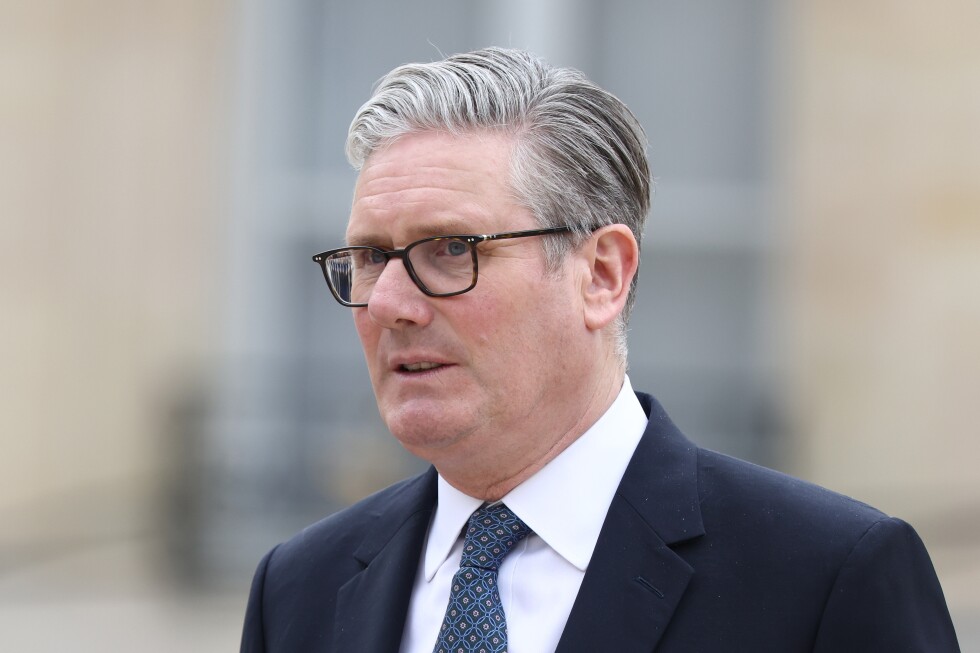
    LONDON – As Prime Minister Keir Starmer braces for a make-or-break showdown with restive British lawmakers on Monday, his grip on the highest office in the United Kingdom hangs by a thread, triggered by a explosive botched appointment of a disgraced political ally to the nation’s most critical diplomatic post.

    The crisis centers on Starmer’s January 2025 decision to name Peter Mandelson, a veteran politician with longstanding ties to late convicted sex offender Jeffrey Epstein, as Britain’s ambassador to the United States. It has now been revealed that Mandelson failed the mandatory intensive security vetting process required for the role – and Starmer claims he was never notified of the damning vetting recommendation that barred Mandelson from receiving clearance. The Prime Minister says he is “furious” over the withheld information, insisting he would never have moved forward with the appointment had he been informed of the outcome. The Foreign Office, which holds final authority over diplomatic nominations, ultimately approved Mandelson’s appointment despite the vetting panel’s opposition.

    Senior figures within Starmer’s own Cabinet have rushed to shore up his position this weekend. Deputy Prime Minister David Lammy defended the Prime Minister, stating, “if Starmer had known, he would never, ever have appointed him ambassador.” Technology Secretary Liz Kendall echoed the defense during a Sunday interview with Sky News, arguing Starmer “is a man of integrity and there is no way he would have proceeded” with the nomination had he been aware of the failed security check.

    The fallout has already claimed one high-profile casualty: Olly Robbins, the top civil servant at the Foreign Office, was forced to step down on Thursday. Supporters of Robbins, however, insist he is being made a scapegoat for the political failure, claiming he only followed established protocol in handling the sensitive vetting process. Robbins is set to deliver his own account of the chain of events to the House of Commons Foreign Affairs Committee on Tuesday. Simon McDonald, who served as Foreign Office permanent secretary until 2020, backed that narrative, telling the BBC that Robbins had been “thrown under the bus.” McDonald added that highly classified vetting information “would never be shared” with the prime minister or his political staff, per longstanding security rules.

    All major opposition parties have already united in calling for Starmer’s immediate resignation. Kemi Badenoch, leader of the right-of-center Conservative Party, called the prime minister’s position “untenable.” Liberal Democrats leader Ed Davey doubled down on that demand Sunday, saying, “the government is in perpetual crisis, and I don’t think they can get out of that unless Keir Starmer moves aside.”

    While Starmer’s Labour Party holds a substantial parliamentary majority, any push to remove him from office will have to come from his own party lawmakers – many of whom are already deeply frustrated by the party’s plummeting approval ratings. Starmer temporarily defused tensions over the appointment back in February, when a small group of Labour MPs first called for his resignation. But political analysts widely expect a formal leadership challenge to launch after local and regional elections conclude on May 7, where polling projects major losses for Labour.

    Internal divisions within Labour run deeper than just the Mandelson scandal. Some MPs argue that changing leadership mid-term would be deeply damaging amid ongoing global instability, including the active wars in Ukraine and the Middle East, with a national election not required for another three years. But other party members have grown despairing over Starmer’s string of missteps since he led Labour to a landslide general election victory in July 2024. The Prime Minister has struggled to deliver on campaign pledges to boost economic growth, repair strained public services, and ease the country’s ongoing cost-of-living crisis, and has already been forced to reverse course on multiple key policy positions.

    Critics argue the Mandelson appointment lays bare a fundamental failure of judgment on Starmer’s part. Government documents released in March 2025, after Parliament forced transparency, show Starmer’s own own staff warned him that Mandelson’s close friendship with Epstein – who died in prison in 2019 while serving a sentence for sex offenses – created significant “reputational risk” for the government. Despite those warnings, Downing Street moved forward with the nomination, pointing to Mandelson’s experience as a former European Union trade chief and his extensive network of contacts among global political and business elites, which officials framed as a major asset for engaging with U.S. President Donald Trump’s second administration.

    Mandelson’s tenure in Washington lasted less than nine months. Starmer fired him in September 2025, after new evidence emerged that Mandelson had lied about the full extent of his connections to Epstein. The release of millions of pages of court documents related to Epstein by the U.S. Department of Justice earlier this year brought fresh damaging revelations, showing Mandelson maintained his relationship with the financier even after Epstein’s 2008 conviction for sexual offenses involving a minor. Emails included in the document dump also suggested Mandelson shared sensitive, potentially market-moving British government information with Epstein in 2009, following the global financial crisis.

    British law enforcement launched a criminal investigation into the allegations, and arrested Mandelson on February 23 on suspicion of misconduct in public office. He has since been released from custody without bail conditions as the investigation proceeds. Mandelson has repeatedly denied all wrongdoing, has not been formally charged with any crime, and does not face any allegations of sexual misconduct connected to the Epstein case.
  • Zelensky slams oil sanctions relief for Russia

    Zelensky slams oil sanctions relief for Russia

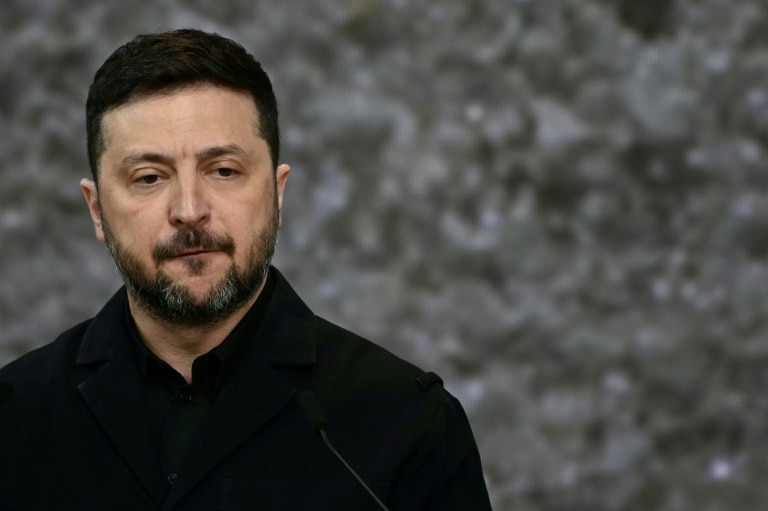
    A fresh political controversy has erupted over the Trump administration’s last-minute decision to extend a sanctions waiver allowing seaborne Russian oil to enter global markets, drawing sharp condemnation from Ukrainian President Volodymyr Zelensky and fierce criticism from top Democratic leaders.

    The 30-day extension, announced Friday, greenlights the sale of Russian crude and petroleum products already loaded onto tankers through 12:01 a.m. GMT on May 16. The move renews an earlier sanctions relief measure that expired on April 11, and comes as the White House seeks to rein in skyrocketing global energy prices amplified by ongoing conflict in the Middle East. The reversal of policy is particularly notable: just two days before the extension was issued, U.S. Treasury Secretary Scott Bessent publicly stated the waiver would not be renewed.

    In a Sunday post on the social platform X, Zelensky lashed out at the easing of restrictions, arguing that every dollar of revenue generated by Russian oil sales directly funds Moscow’s full-scale invasion of Ukraine. He highlighted that more than 110 tankers carrying roughly 12 million tonnes of Russian crude are currently sailing the world’s oceans in violation of existing international sanctions, and the waiver now clears the way for these shipments to be sold without legal consequence. Zelensky valued this volume of oil at roughly $10 billion, a sum he says will be converted directly into new military strikes targeting Ukrainian civilian and military infrastructure.

    To underscore the immediate human cost of Russia’s continued funding, the Ukrainian president noted that in just the past seven days, Russian forces have launched over 2,360 attack drones, more than 1,320 guided aerial bombs, and nearly 60 projectiles of varying ranges against Ukrainian population centers. Local officials in the northern Ukrainian city of Chernihiv confirmed one such overnight attack left a 16-year-old boy dead and four additional civilians wounded. “It is important that Russian tankers are stopped, not allowed to deliver oil to ports. The aggressor’s oil exports must decrease, and Ukraine’s long-range sanctions continue to work toward that goal,” Zelensky said. He did not explicitly name the U.S. in his public statement.

    The decision has also sparked outrage from leading Democratic lawmakers, who have labeled the move “shameful.” In a joint statement, Senate Majority Leader Chuck Schumer, Senators Jeanne Shaheen and Elizabeth Warren argued that the reversal flies directly in the face of Bessent’s recent public commitment, and benefits Russian President Vladimir Putin disproportionately. “Make no mistake, Putin has been one of the biggest beneficiaries of President Trump’s war against Iran, as Russia saw oil revenues nearly double in March,” the statement read.

    Ukraine currently relies heavily on U.S. military and diplomatic support to fend off Russia’s invasion, which entered its fifth year this year. Relations between Zelensky and Trump have been fraught, with a high-profile public disagreement between the two leaders during a 2024 Oval Office meeting making headlines. Political observers note Trump’s decision to push for energy price relief comes ahead of critical midterm elections in the U.S., where rising fuel costs have become a top voter concern.

  • Crisis-hit Bulgaria votes in eighth election in five years

    Crisis-hit Bulgaria votes in eighth election in five years

    On Sunday, Bulgaria went to the polls for its eighth national election in five years, a historic stretch of political gridlock triggered by years of mass anti-corruption mobilization that has toppled one government after another across the Balkan nation. As the European Union’s poorest member state, Bulgaria has entered this prolonged period of instability after 2021, when widespread public protests against graft ended the 10-year near-continuous rule of veteran conservative leader Boyko Borissov, and no administration has managed to hold a stable majority since.

    Leading the race going into election day is the newly formed centre-left bloc Progressive Bulgaria, headed by former nine-year president Rumen Radev. A former air force general who stepped down from the presidency in January to lead his electoral alliance, Radev has campaigned on a hardline platform of rooting out systemic corruption and dismantling what he calls Bulgaria’s long-standing “oligarchic governance model”. His anti-corruption rhetoric has resonated with a public deeply frustrated by persistent graft: it was the latest wave of anti-corruption protests in late 2024 that brought down the previous conservative-backed government, clearing the way for this snap vote. Pre-election opinion polls put Radev’s bloc on track to win roughly 35% of the popular vote, positioning it as the clear front-runner to form the next government.

    Radev’s foreign policy positions have become a central point of controversy in the campaign. Unlike most major Bulgarian pro-European parties, Radev has openly called for restoring closer bilateral ties with Moscow, has repeatedly voiced opposition to Bulgarian military aid for Ukraine following Russia’s 2022 full-scale invasion, and recently publicly condemned a 10-year defense cooperation agreement between Sofia and Kyiv signed last month. He drew widespread outrage from political opponents during his final campaign rally when he displayed photos of his past meetings with Russian President Vladimir Putin to a crowd of 10,000 cheering supporters. Radev has also publicly rejected the European Union’s current green energy framework, calling it naive in what he frames as an unpredictable “world without rules”, though he has clarified he would not use Bulgaria’s veto power to block collective EU policy decisions.

    Coming in second in pre-election polling is Borissov’s long-standing pro-European conservative party GERB, which is projected to win roughly 20% of the vote, outpacing the centrist liberal coalition PP-DB. Borissov, who led Bulgaria from 2009 to 2021, has pushed back against Radev’s narrative of radical change, arguing that his party delivered on the core ambitions of 1990s post-communist transition, most notably securing Bulgaria’s accession to the eurozone in 2025. Speaking at his final campaign events, Borissov dismissed Radev as offering no meaningful new agenda for the country.

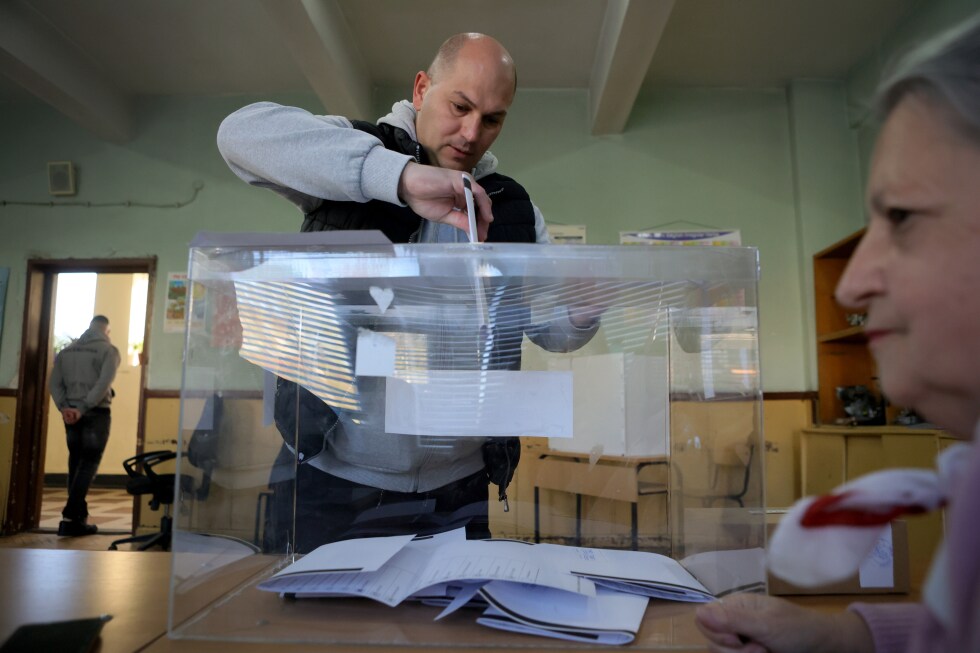
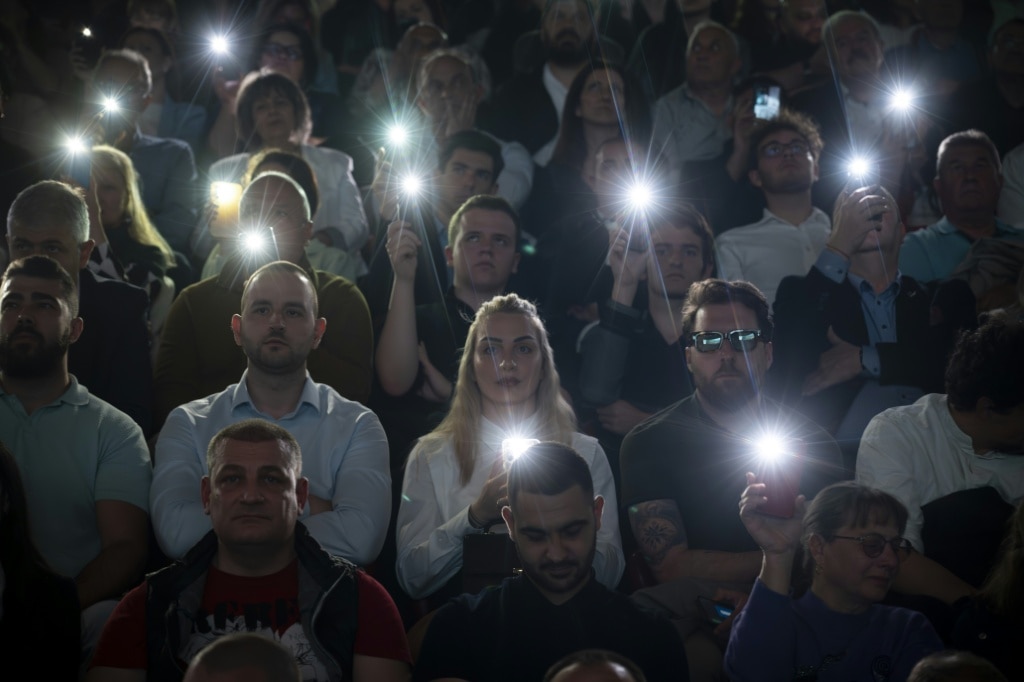
    Voters interviewed by AFP on election day expressed a wide range of frustrations and hopes. Many voters aligned with Radev’s anti-corruption message: 57-year-old Sofia resident Decho Kostadinov told reporters after casting his ballot that he voted for change, arguing that corrupt politicians “should leave — they should take whatever they’ve stolen and get out of Bulgaria”. Dozens of voters lined up outside polling stations in Sofia even before voting began at 7 a.m. local time. Other voters, like 60-year-old Sofia accountant Elena, who backed Borissov’s party, said she voted to “preserve what we have”, noting “we are a democratic country, we live well”.

    Still, many Bulgarian voters remain deeply disillusioned with the entire political class. 55-year-old taxi driver Miglena Boyadjieva, who showed up to vote, summed up a common sentiment: “The problem is that there is no one to vote for. You vote for one person and get others. The system has to change.” Public distrust in political institutions has dragged down voter turnout in recent cycles, hitting a low of just 39% in 2024’s last election. However, polling analyst Boryana Dimitrova of the Alpha Research institute noted that Radev’s high-energy campaign has mobilized frustrated voters, leading analysts to predict a higher turnout on Sunday.

    Authorities have stepped up efforts to combat systemic vote buying, a long-standing issue in Bulgarian elections. In coordinated raids over recent weeks, police seized more than 1 million euros in illicit campaign funds and detained hundreds of people, including sitting local councillors and municipal mayors. Political parties across the ideological spectrum have urged voters to turn out to the polls, in part to dilute the impact of vote buying on the final result.

    Polling stations closed at 17:00 GMT on Sunday, with exit polls expected immediately after voting concludes. Official final results are not expected to be released until at least Monday. Radev has announced he is aiming to secure an absolute majority in the 240-seat National Assembly, a result that would allow his bloc to form a government alone without entering coalition negotiations with rival parties.

  • ‘Hard to put a number’ on people targeted by Coalition’s new immigration policy: Duniam

    ‘Hard to put a number’ on people targeted by Coalition’s new immigration policy: Duniam

    Australia’s federal political landscape has been roiled this week by a heated debate over the opposition Coalition’s hardline new migration proposal, after the party’s senior home affairs spokesman declined to provide clear, concrete figures for how many people could face deportation or visa cancellation if the party wins the next national election. The plan, dubbed the Australian Values Migration Plan, was unveiled earlier this week by Opposition Leader Angus Taylor during an address at the Menzies Research Centre. Taylor framed the policy as a bold intervention to fix what he calls a broken immigration system, centering it on stricter checks for prospective migrants and a crackdown on people the party describes as threats to national social cohesion.

    In his launch speech, Taylor argued that migrants coming from established liberal democracies are far more likely to embrace what the Coalition terms “Australian values” than those arriving from nations governed by extremist groups, religious fundamentalists, or authoritarian regimes. The policy outlines two key changes: an expansion of social media background checks for all visa applicants, and the creation of a dedicated inter-agency task force that would coordinate with Australia’s leading national security and border agencies – including the Australian Security and Intelligence Organisation, Australian Federal Police, Australian Border Force, and the Department of Home Affairs – to remove migrants who have overstayed their visas or are found to violate the policy’s values requirements.

    When pressed on Sunday by journalists to outline the expected scale of deportations under the new plan, opposition home affairs spokesman Jonno Duniam repeatedly conceded that producing a specific numerical target was not feasible. “It is very hard to put a number on these things, because there are global events shifting migration patterns constantly,” Duniam told Sky News’ *Sunday Agenda*. “Conflicts in different regions of the world change how many people move, so we can’t lock in a fixed figure. If we do our job correctly and stop people who pose a risk from entering the country in the first place, the number of people we have to deport after arrival should be minimal anyway.”

    Duniam pushed back against widespread criticism that the proposal duplicates existing immigration rules, noting that all visa applicants are currently required to sign the Australian Values Statement, but arguing that the current framework lacks enforceability. Under the Coalition’s plan, the Migration Act would be amended to embed a legally binding values test as a formal condition of all visa grants, giving authorities clearer power to reject or revoke visas for people who fail to meet the standard.

    The policy has already sparked fierce backlash across Australia’s human rights and refugee advocacy sectors, with major groups including Amnesty International, the Refugee Council of Australia, and the Asylum Seekers’ Resource Centre all issuing scathing condemnations. Critics have widely labeled Taylor’s rhetoric as deliberately divisive, accusing the Coalition of stigmatizing and demonizing migrants from non-Western backgrounds to court political support. Sitting Labor government officials have echoed this criticism: Home Affairs Minister Tony Burke has challenged the Coalition to provide even one example of a case where existing ministerial powers would not already allow a visa to be refused or cancelled for the kind of high-risk individuals the party says it is targeting.

    Duniam dismissed this widespread criticism, telling reporters that critics would always oppose changes to immigration policy regardless of their content. “Critics will always criticise, won’t they? Or else they wouldn’t have much to say,” he said, adding that the Coalition would commit sufficient resources to the relevant enforcement agencies to root out potential risks before migrants enter Australia, and rapidly deport any high-risk individuals who do manage to arrive despite screening.

  • Bulgarians head to the polls to elect a parliament for the eighth time in 5 years

    Bulgarians head to the polls to elect a parliament for the eighth time in 5 years

    SOFIA, Bulgaria — Balkan EU and NATO member Bulgaria is heading into its eighth national parliamentary election in just five years on Sunday, a vote that comes after years of crippling political gridlock that has left the country starved of stable, effective governance. This snap election was triggered last December, when a conservative-led administration stepped down in the wake of mass nationwide demonstrations that drew hundreds of thousands of protesters, overwhelmingly young Bulgarians, to capital and city streets across the country. Demonstrators’ core demand was the creation of a truly independent judiciary capable of rooting out the deep, systemic corruption that has defined the nation’s political landscape for decades.

    Since 2021, the country of 6.5 million people has been trapped in a cycle of fragmented legislative bodies that have only produced fragile, short-lived governments. No administration formed in that window has managed to hold power for more than 12 months, with every government falling either to mass public protests or unaccountable backroom power deals within parliament. This constant rotation of ruling coalitions has eroded public faith in democratic institutions, spurred widespread voter apathy, and driven a steady decline in election turnout across successive votes.

    Sunday’s ballot carries outsized geopolitical weight, coming just days after Hungarian voters rejected the long-ruling authoritarian administration of Viktor Orbán, a prominent far-right leader who has maintained close personal and policy ties to Russian President Vladimir Putin. The clear front-runner in this election is Rumen Radev, a left-leaning, pro-Russian former president who resigned from his largely ceremonial post in January — months before the end of his second five-year term — to launch a campaign for the position of prime minister. The 62-year-old Radev, a former fighter pilot and ex-air force commander, is leading the newly organized center-left Progressive Bulgaria coalition, and stands as Bulgaria’s most popular active politician.

    Radev has campaigned on a promise of a national fresh start, positioning himself as a vocal opponent of the country’s deeply entrenched oligarchic networks and their links to top political figures. At campaign stops across the country, he has vowed to “remove the corrupt, oligarchic model of governance from political power.” His support base is split between two broad groups: voters drawn to his anti-corruption platform, and backers who align with his open Eurosceptic and pro-Russia policy stances. While Radev has issued formal public condemnation of Russia’s full-scale invasion of Ukraine, he has repeatedly opposed sending military aid to Kyiv and has advocated for reopening diplomatic negotiations with Moscow to end the ongoing conflict.

    Bulgaria’s geopolitical standing has shifted notably in recent months: the country joined the EU’s eurozone on January 1 of this year, shortly after gaining full membership in the EU’s border-free Schengen Area, even as its domestic political system remains mired in chaos. The current race was triggered by the 2021 resignation of three-time conservative prime minister Boyko Borissov, who stepped down after mass protests driven by public anger over corruption and systemic injustice. The closest rival to Radev’s coalition is Borissov’s center-right GERB party.

    Opinion polling indicates Radev’s coalition is on track to capture more than 30% of the national vote, putting it roughly 10 percentage points ahead of GERB. Most published polls carry a margin of error between 3% and 3.5%. Polling stations opened across the country at 7 a.m. local time and are scheduled to close at 8 p.m., with initial exit polls set to be released immediately after voting ends. Preliminary full election results are expected to be published on Monday.

  • Labor claims victory in Liverpool by-election after Liberal challenger concedes defeat

    Labor claims victory in Liverpool by-election after Liberal challenger concedes defeat

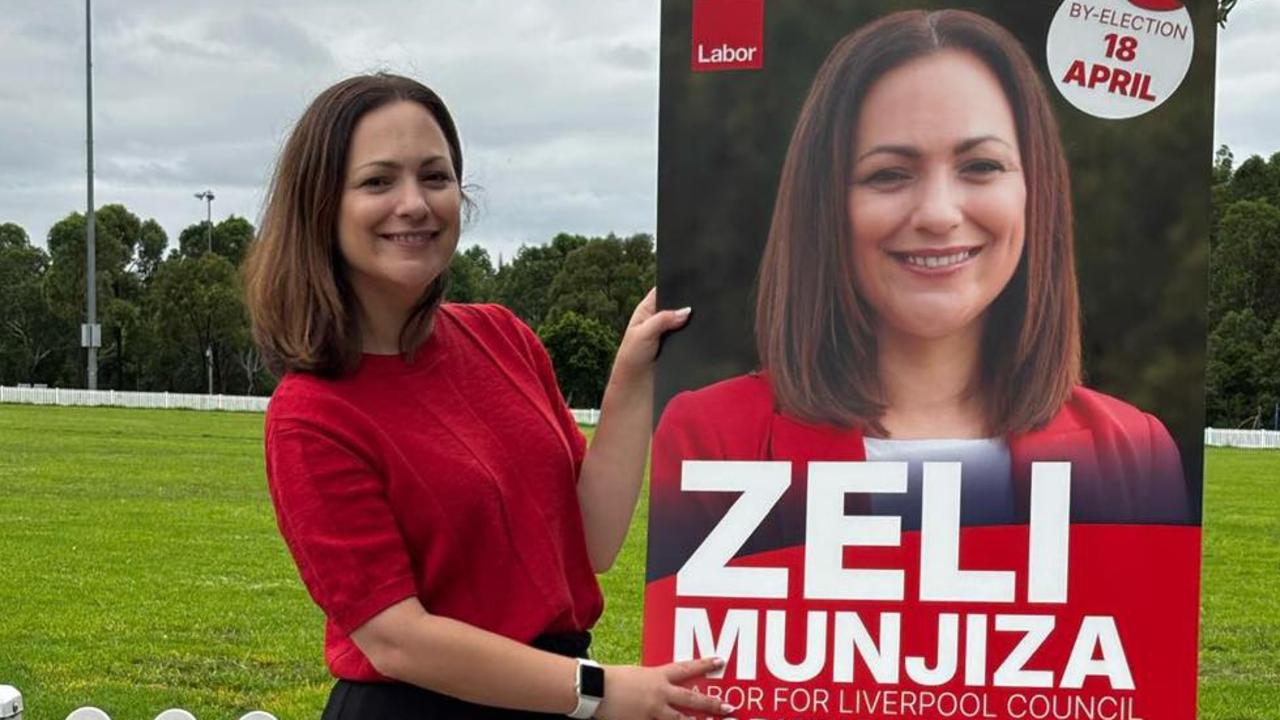
    A closely contested by-election for a seat on Liverpool City Council’s South Ward has ended in a victory for the Australian Labor Party, after Liberal candidate Azam Dabbagh conceded defeat earlier than formally expected despite thousands of outstanding votes still left to count.

    The by-election was triggered last month following the resignation of sitting Labor councillor Betty Green, forcing voters back to the polls on Saturday to elect her replacement. Eleven candidates total stood for the vacant seat: eight independent contenders, one representative from the Community Voice of Australia, and one candidate each from the state’s major Labor and Liberal parties.

    By Saturday evening, election officials from the New South Wales Electoral Commission had counted nearly 49,000 ballots: more than 44,000 in-person votes cast on election day, alongside roughly 4,800 returned postal votes. The partial count put Labor’s candidate Zeli Munjiza ahead of Dabbagh by a margin of more than 6,000 votes, giving her 37.2% of the counted first-preference votes compared to Dabbagh’s 20.7%.

    Shortly after the partial results were released, Dabbagh took to his public Facebook page Saturday night to confirm he had contacted Munjiza to formally concede the race. “I’ve called Zeli and I’ve congratulated her. I’ve conceded so congratulations Zeli,” he wrote in the post. “It was an awesome experience and it was lovely meeting you and your family. It was a pretty short experience – it’s two weeks to organise all this so thanks to all the supporters. Liverpool, I just want to say thank you for all your support.”

    While the official final result will not be confirmed until counting wraps up next week, the projected outcome delivers a major political blow to Liverpool’s Liberal mayor Ned Mannoun, who openly endorsed Dabbagh’s candidacy. Currently, the Liberal Party holds five of the 11 total seats on the council, while Labor holds four and the remaining two are held by independents. Munjiza’s win will bring Labor’s seat count up to five, tightening the already competitive split of power on the local governing body.

    Responding to the concession, Munjiza shared her own victory post on social media, noting that both Dabbagh and Mannoun had reached out to congratulate her campaign. “It’s a win that belongs to all of us,” she wrote. “Now the real work begins! I’m excited to join my Liverpool Labor colleagues on Council where we will work together every day for you.”

  • Iran shuts down Strait of Hormuz again, accusing US of ‘piracy’

    Iran shuts down Strait of Hormuz again, accusing US of ‘piracy’

    A fragile two-week ceasefire between the United States and Iran has been pushed to the edge of total collapse, after Tehran announced it would reimpose strict travel restrictions on the Strait of Hormuz on Saturday, reversing a one-day opening of the critical global waterway. The reversal came in direct response to Washington’s refusal to lift its ongoing naval blockade of Iranian ports and vessels, which Iranian officials say violates the core terms of the temporary truce set to expire this Wednesday.

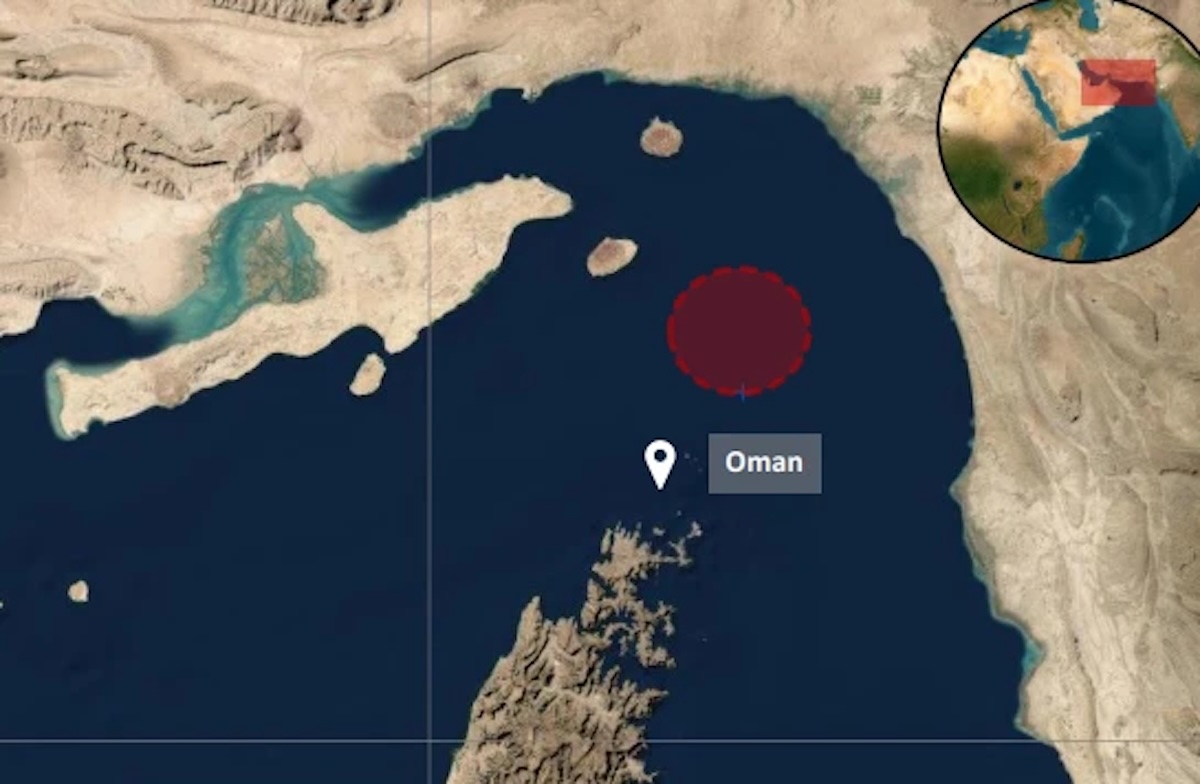
    The Strait of Hormuz, the strategic chokepoint through which roughly 20 percent of the world’s total oil supplies transits each year, has been Iran’s most impactful leverage against Western commercial and political interests since the United States and Israel launched their joint military campaign against Iran in February. Keeping the waterway open to unimpeded commercial traffic was the central pillar of the ceasefire agreement that took effect two weeks prior.

    The cascade of escalating tensions began days earlier, when Iran declared the strait “fully open” for navigation on Friday, a reciprocal gesture following a newly announced ceasefire between Israel and Lebanese armed groups. That bilateral truce has already crumbled amid repeated violations by Israeli forces, which have continued shelling residential areas in southern Lebanon and demolishing civilian homes even as displaced families attempt to return to their communities.

    Iranian officials justified their decision to reinstate transit restrictions by pointing to the Trump administration’s failure to uphold its end of the ceasefire deal. Since Washington launched its naval blockade of Iranian shipping over the prior weekend, US Central Command confirmed via a social media post Saturday that American military forces have already turned away at least 23 commercial vessels near the strait since the blockade went into effect on April 13.

    Contradicting Iranian accounts of the agreement, US President Donald Trump claimed Friday that Iran had agreed to reopen the strait with no preconditions, while insisting that the American blockade would “remain in full force” until a broader permanent deal is reached to curb Iran’s nuclear program. Iranian Deputy Foreign Minister Saeed Khatibzadeh pushed back on that characterization hours later during a public panel Saturday, stating bluntly, “That is not the term we agreed on.”

    Shortly after Khatibzadeh’s remarks, Iran’s military headquarters released an official formal statement confirming the new transit restrictions. “The Islamic Republic of Iran, following previous agreements met in the negotiations conducted in good faith, agreed to manage the passage of a limited number of oil and commercial ships through the Strait of Hormuz,” the statement read. “Unfortunately, the Americans, with their repeated breaches of trust that are part of their history, continue their acts of piracy and maritime theft under the pretext of a so-called blockade. This strategic waterway is under strict management and control by the armed forces. As long as the United States does not end [its blockade] and allow complete freedom of movement for vessels from Iran to their destinations and back, the situation in the Strait of Hormuz will remain under strict control and will remain as it was before.”

    Hours after the announcement, gunboats operated by Iran’s Islamic Revolutionary Guard Corps (IRGC) opened fire on an oil transiting the strait, though no injuries were reported in the incident. Al Jazeera correspondent Ali Hashem summed up the diplomatic fallout, noting that talks between Washington and Tehran have been brought “back to square one.”

    With less than three days remaining before the ceasefire is set to expire, the gap between the two sides appears nearly unbridgeable. Trump continues to demand that Iran allow the US to remove all of its domestically produced enriched uranium, a demand Iranian leaders have repeatedly labeled a non-starter that violates national sovereignty.

    The human cost of the ongoing conflict has already been staggering. According to the US-based Human Rights Activist News Agency, more than 1,700 Iranian civilians have been killed in US and Israeli strikes since the war began. The United Nations Refugee Agency estimates that over 3 million Iranians have been displaced from their homes since the start of military operations.

    Trump has already signaled he has no intention of extending the truce if a deal is not reached by Wednesday’s deadline. “The blockade is going to remain. If an agreement is not reached by Wednesday, unfortunately, we’ll have to start dropping bombs again,” he said Friday. Responding to Iran’s decision to reclose the strait, Trump added that Iran “got a little cute” with the move, but insisted “Iran can’t blackmail us.”

    Despite Trump’s tough rhetoric, closing the Strait of Hormuz has proven to be one of Iran’s most effective tools of pressure against the US. The disruption to global oil supplies has already pushed US gasoline prices above $4 per gallon, sending inflationary ripples across the entire Western economy. The rising energy costs have further dragged down Trump’s already weak approval ratings just months before the US midterm congressional elections.

    Military analysts note that the asymmetric leverage gives Iran a distinct upper hand in the standoff. Jennifer Parker, an adjunct fellow in naval studies at the University of New South Wales, explained that the US blockade cannot inflict the same level of economic damage on Iran that Iran can inflict on global markets through closing the strait. “It is not the US blockade on Iranian ports that is impacting the majority of shipping going through that strait. It is the attacks the Iranian navy and IRGC have undertaken on civilian ships,” she told Al Jazeera. “To solve the problem in the Strait of Hormuz, there either needs to be an agreement for Iran to stop attacking vessels, or a forcible military intervention that stops them from attacking vessels, and then general reassurance across the strait that it is clear of mines and that if the IRGC start trying to attack merchant ships, they will be defended…. We are a long way from all of that.”

    For many Iranian observers, the Trump administration’s inconsistent statements and refusal to abide by ceasefire terms have convinced Tehran that Washington can never be a reliable negotiating partner. Mostafa Khoshcheshm, an Iranian political science professor, noted that Trump’s erratic behavior has erased any remaining trust between the two sides. “Trump’s contradictory statements surrounding the ceasefire have convinced Tehran that the United States is not a trustworthy partner for any kind of deal,” he said. “As Trump continues to behave erratically, Iran will continue the war. Iran believes it has the upper hand and that this must be established in any future confrontation.”

  • Australia has not been asked, formally or informally, to aid US Hormuz efforts: Conroy

    Australia has not been asked, formally or informally, to aid US Hormuz efforts: Conroy

    A sharp public disagreement has erupted between former U.S. President Donald Trump and Australia’s federal government over claims of an unmet request for military support in the strategically critical Strait of Hormuz, a dispute unfolding against a backdrop of renewed regional tension after Iran reimposed shipping restrictions on the key global energy waterway.

    Trump has repeatedly targeted Australia in public criticism since recent joint U.S.-Israeli strikes on Iran, launching his fourth public rebuke of the country this week during a press briefing. The former president told reporters he was deeply dissatisfied with Australia’s refusal to join a U.S.-led naval coalition in the Strait of Hormuz, saying, “I’m not happy with Australia because they were not there when we asked them to be there. They were not there, having to do with Hormuz. So I’m not happy, I’m not happy with them.”

    This public callout follows an earlier inconsistent outburst on Truth Social, where Trump first claimed the U.S. had achieved such overwhelming military success that it no longer needed or wanted assistance from allied nations, even writing “WE NEVER DID!” before singling out Australia, South Korea, and Japan for their reluctance to back U.S. military actions. He had previously told reporters he was caught off guard by Australia’s unwillingness to join the effort.

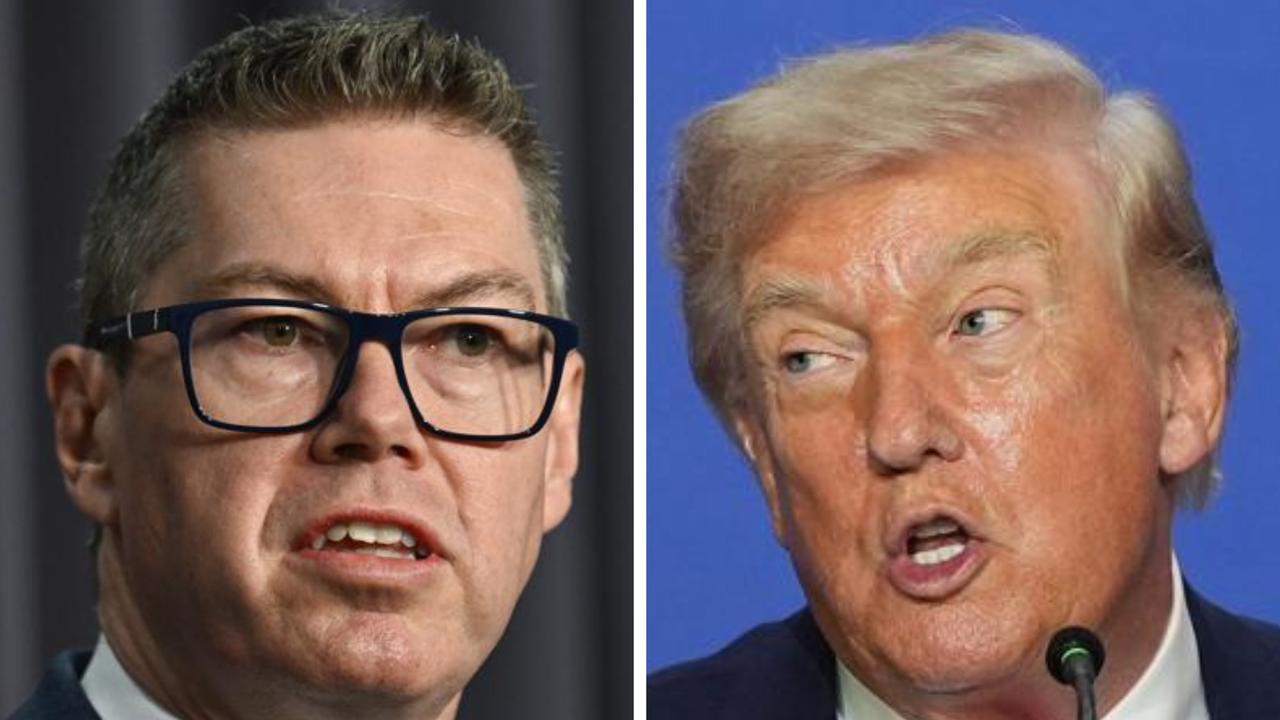
    But top Australian government officials have pushed back forcefully against Trump’s claims, uniformly denying that any request for naval support in the Strait of Hormuz — either formal or informal — has ever been received from Washington. Defence Industry Minister Pat Conroy reiterated this position during an appearance on Sky News’ *Sunday Agenda*, declining to engage further with Trump’s personal criticism but confirming that no ask for naval assets has been made. “What I can say to you and your viewers is we’ve had no formal request to provide naval assets to the Strait of Hormuz,” Conroy stated Sunday.

    According to Conroy, the only recent military assistance request from the U.S. was for Australia to deploy an E7A Wedgetail airborne early warning and control aircraft to provide defensive support to the United Arab Emirates, a request that was also made directly by the UAE government itself. When pressed to confirm whether any informal request for Strait of Hormuz support had been extended by U.S. officials, Conroy responded, “Not to my knowledge.”

    Prime Minister Anthony Albanese has previously echoed this denial, noting that the Australian government maintains regular, open communication with U.S. counterparts and that no request for coalition participation has been raised.

    The political dispute comes as regional tensions flared again overnight, when Iran announced it would reimpose shipping restrictions on the Strait of Hormuz — just less than 24 hours after the waterway was reopened to commercial traffic. Iranian officials cited “repeated breaches of trust” by the U.S. during a recent temporary ceasefire, and demanded that Washington lift its ongoing blockade of Iranian ports and its coastline. The closure of the strait, which handles roughly a fifth of global oil supplies, has already triggered disruption to international energy markets.

    Australian Defence Minister Richard Marles described Iran’s decision to reclose the strait as a “disappointing development” in comments to ABC’s *Insiders*. “Clearly, this is a situation which is in flux … I think what we need to see now is every diplomatic avenue being pursued to turn this temporary ceasefire into one that is permanent, open the Strait of Hormuz to return the global fuel supply chain to normality, and to put events on a pathway to peace,” Marles said. He added that de-escalation and reopening the strait aligns with both Australia’s national interests and the broader interests of the global community.

    Marles declined to comment on Australia’s position regarding the U.S. blockade of Iran, saying only that “Iran blocked the Strait of Hormuz, and America has reacted. I’m not about to second guess America’s reaction in the context of that.”

    The story remains developing as diplomatic efforts continue to address the regional crisis.

  • North Korea launches ballistic missiles toward sea

    North Korea launches ballistic missiles toward sea

    Fresh tensions have risen on the Korean Peninsula following a new series of ballistic missile launches carried out by North Korea into adjacent waters on Sunday, according to announcements from the country’s neighboring nations, marking the latest in a string of weapons development tests Pyongyang has conducted throughout 2024.

    South Korea’s top military body, the Joint Chiefs of Staff, confirmed that the firing operations originated in the eastern coastal district of Sinpo early Sunday morning. In response to the provocation, South Korea has upgraded its intelligence surveillance posture and maintains constant, close information sharing with key security allies the United States and Japan to monitor further developments.

    South Korea’s presidential administration also confirmed that the country’s National Security Council would convene an emergency session to assess the threat posed by the launches and coordinate a formal government response.

    Japan’s Defense Ministry independently verified the tests, adding its assessment that the projectiles fell into waters off North Korea’s eastern coastline. Japanese officials lodged a formal strong protest with Pyongyang over the incident, noting that Sunday’s launches undermine stability across the region and the broader international community, and run counter to long-standing United Nations Security Council resolutions that prohibit all ballistic missile activity by North Korea.

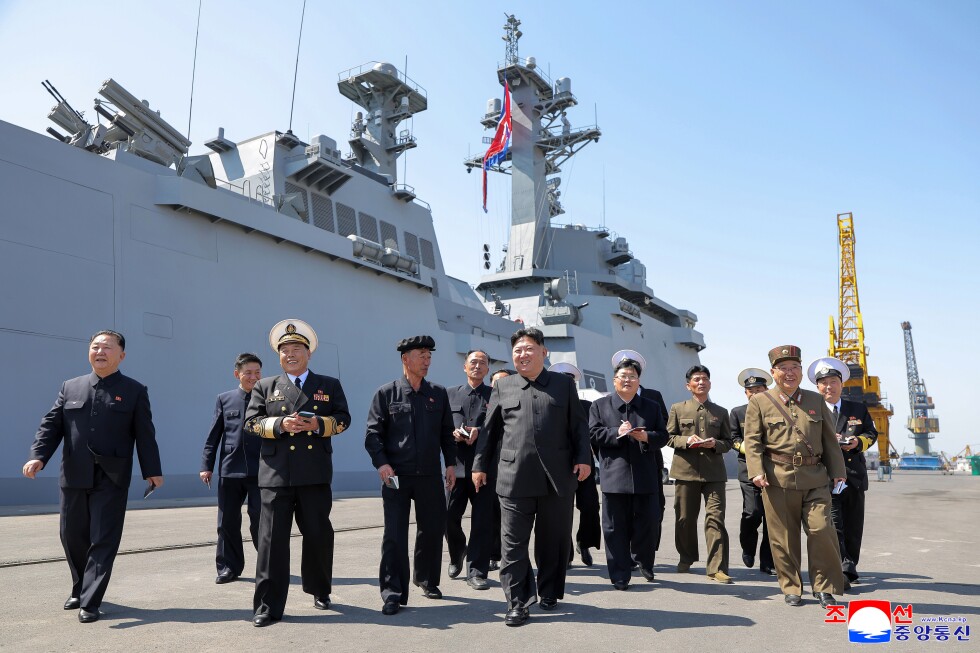
    The latest test comes just one week after Pyongyang announced that leader Kim Jong Un personally oversaw a separate round of missile tests conducted from a North Korean naval destroyer. Following that exercise, Kim emphasized that North Korea would continue advancing its military capabilities, stating the country remained committed to the “limitless expansion” of its nuclear deterrent forces. He also issued new, undisclosed directives to refine North Korea’s nuclear strike capacity and rapid military response systems.

    In a separate development last week, International Atomic Energy Agency Director General Rafael Grossi confirmed that the UN nuclear watchdog has recorded a marked, rapid acceleration in operational activity at all of North Korea’s known nuclear facilities, adding another layer of concern to the international community’s growing scrutiny of Pyongyang’s weapons programs.

  • Iran’s supreme leader says navy ready to inflict ‘new bitter defeats’ on enemies

    Iran’s supreme leader says navy ready to inflict ‘new bitter defeats’ on enemies

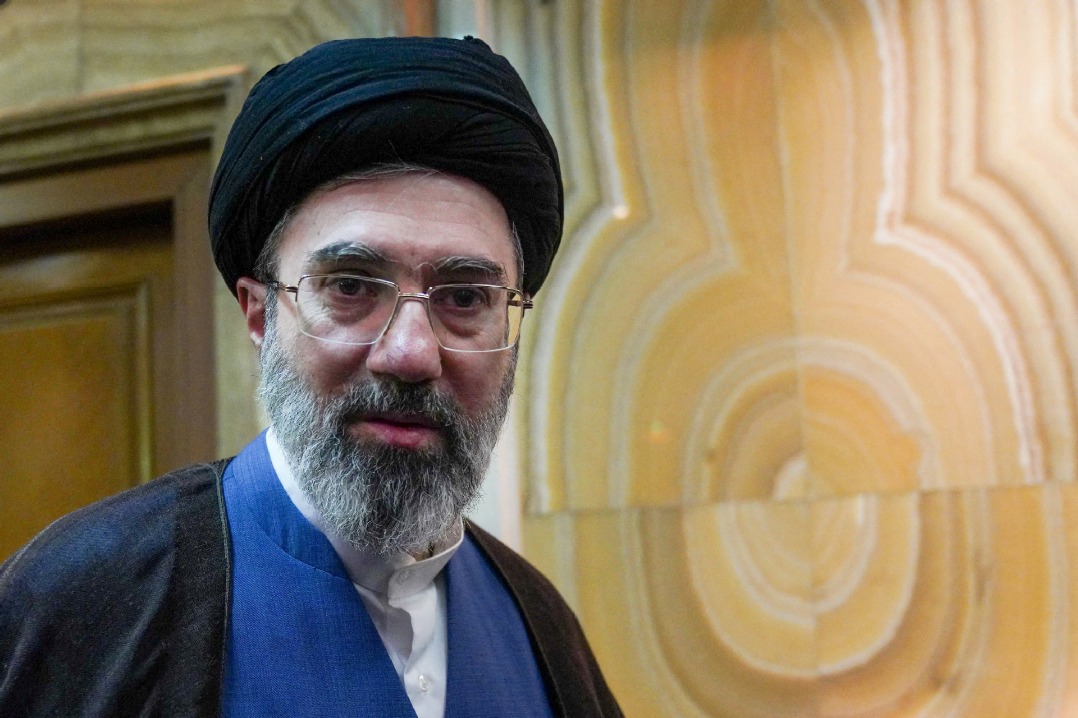
    TEHRAN – On Iran’s annual Army Day, April 18, Supreme Leader Mojtaba Khamenei delivered a stark message warning the United States and Israel that the Islamic Republic’s naval forces are fully prepared to deliver crippling new defeats to the nation’s adversaries, according to Iran’s official state news agency IRNA.

    In his public address marking the holiday, Khamenei heaped praise on Iran’s military for its persistent resistance against what the regime frames as hostile foreign powers, specifically highlighting the military’s successful drone operations targeting U.S. and Israeli-linked assets as a demonstration of the country’s growing defensive and offensive capabilities.

    The comments come amid long-running regional tensions that have kept relations between Iran, the U.S. and Israel at historically low levels, with heightened military posturing across the Persian Gulf and wider Middle East in recent years. Already, the Strait of Hormuz, a critical global energy chokepoint that accounts for roughly a fifth of the world’s oil shipments, has emerged as a frequent flashpoint between Iran and Western powers, with a U.S. blockade on the waterway contributing to heightened frictions. Khamenei’s remarks mark the latest high-profile escalation of rhetoric between Tehran and its Western and regional foes, underscoring the Iranian leadership’s commitment to maintaining a robust military deterrent in the face of sustained external pressure.