A fresh political controversy has erupted over the Trump administration’s last-minute decision to extend a sanctions waiver allowing seaborne Russian oil to enter global markets, drawing sharp condemnation from Ukrainian President Volodymyr Zelensky and fierce criticism from top Democratic leaders.
The 30-day extension, announced Friday, greenlights the sale of Russian crude and petroleum products already loaded onto tankers through 12:01 a.m. GMT on May 16. The move renews an earlier sanctions relief measure that expired on April 11, and comes as the White House seeks to rein in skyrocketing global energy prices amplified by ongoing conflict in the Middle East. The reversal of policy is particularly notable: just two days before the extension was issued, U.S. Treasury Secretary Scott Bessent publicly stated the waiver would not be renewed.
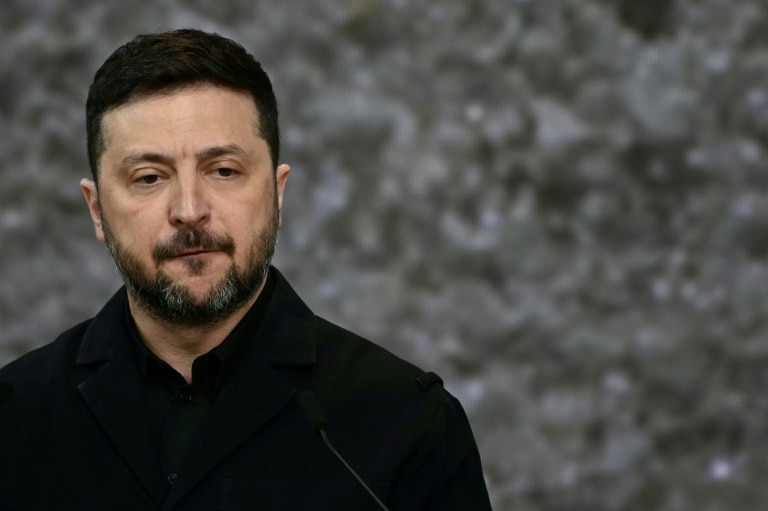
In a Sunday post on the social platform X, Zelensky lashed out at the easing of restrictions, arguing that every dollar of revenue generated by Russian oil sales directly funds Moscow’s full-scale invasion of Ukraine. He highlighted that more than 110 tankers carrying roughly 12 million tonnes of Russian crude are currently sailing the world’s oceans in violation of existing international sanctions, and the waiver now clears the way for these shipments to be sold without legal consequence. Zelensky valued this volume of oil at roughly $10 billion, a sum he says will be converted directly into new military strikes targeting Ukrainian civilian and military infrastructure.
To underscore the immediate human cost of Russia’s continued funding, the Ukrainian president noted that in just the past seven days, Russian forces have launched over 2,360 attack drones, more than 1,320 guided aerial bombs, and nearly 60 projectiles of varying ranges against Ukrainian population centers. Local officials in the northern Ukrainian city of Chernihiv confirmed one such overnight attack left a 16-year-old boy dead and four additional civilians wounded. “It is important that Russian tankers are stopped, not allowed to deliver oil to ports. The aggressor’s oil exports must decrease, and Ukraine’s long-range sanctions continue to work toward that goal,” Zelensky said. He did not explicitly name the U.S. in his public statement.
The decision has also sparked outrage from leading Democratic lawmakers, who have labeled the move “shameful.” In a joint statement, Senate Majority Leader Chuck Schumer, Senators Jeanne Shaheen and Elizabeth Warren argued that the reversal flies directly in the face of Bessent’s recent public commitment, and benefits Russian President Vladimir Putin disproportionately. “Make no mistake, Putin has been one of the biggest beneficiaries of President Trump’s war against Iran, as Russia saw oil revenues nearly double in March,” the statement read.
Ukraine currently relies heavily on U.S. military and diplomatic support to fend off Russia’s invasion, which entered its fifth year this year. Relations between Zelensky and Trump have been fraught, with a high-profile public disagreement between the two leaders during a 2024 Oval Office meeting making headlines. Political observers note Trump’s decision to push for energy price relief comes ahead of critical midterm elections in the U.S., where rising fuel costs have become a top voter concern.