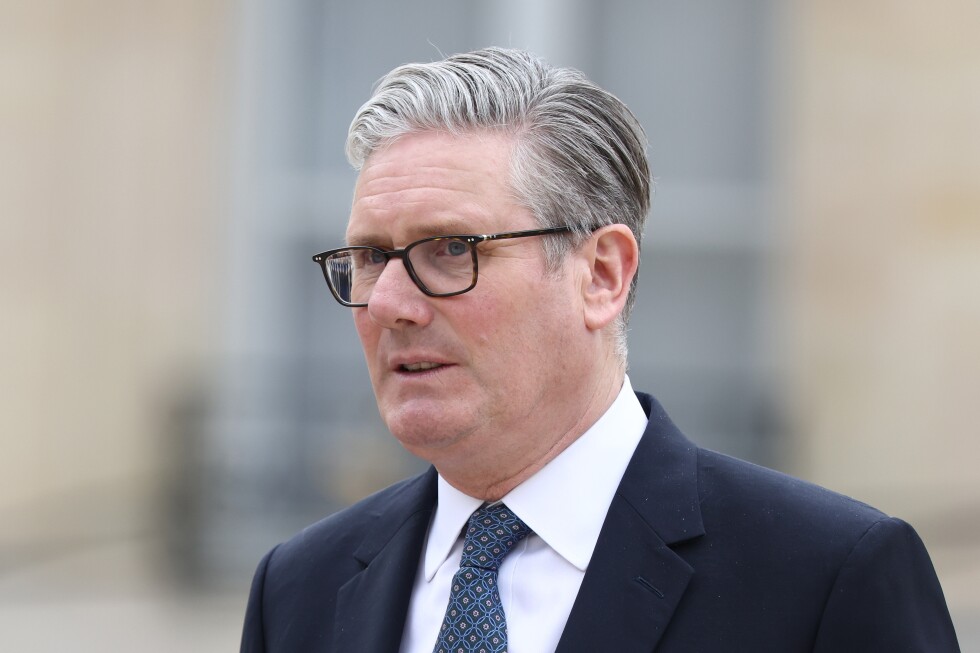
LONDON – As Prime Minister Keir Starmer braces for a make-or-break showdown with restive British lawmakers on Monday, his grip on the highest office in the United Kingdom hangs by a thread, triggered by a explosive botched appointment of a disgraced political ally to the nation’s most critical diplomatic post.
The crisis centers on Starmer’s January 2025 decision to name Peter Mandelson, a veteran politician with longstanding ties to late convicted sex offender Jeffrey Epstein, as Britain’s ambassador to the United States. It has now been revealed that Mandelson failed the mandatory intensive security vetting process required for the role – and Starmer claims he was never notified of the damning vetting recommendation that barred Mandelson from receiving clearance. The Prime Minister says he is “furious” over the withheld information, insisting he would never have moved forward with the appointment had he been informed of the outcome. The Foreign Office, which holds final authority over diplomatic nominations, ultimately approved Mandelson’s appointment despite the vetting panel’s opposition.
Senior figures within Starmer’s own Cabinet have rushed to shore up his position this weekend. Deputy Prime Minister David Lammy defended the Prime Minister, stating, “if Starmer had known, he would never, ever have appointed him ambassador.” Technology Secretary Liz Kendall echoed the defense during a Sunday interview with Sky News, arguing Starmer “is a man of integrity and there is no way he would have proceeded” with the nomination had he been aware of the failed security check.
The fallout has already claimed one high-profile casualty: Olly Robbins, the top civil servant at the Foreign Office, was forced to step down on Thursday. Supporters of Robbins, however, insist he is being made a scapegoat for the political failure, claiming he only followed established protocol in handling the sensitive vetting process. Robbins is set to deliver his own account of the chain of events to the House of Commons Foreign Affairs Committee on Tuesday. Simon McDonald, who served as Foreign Office permanent secretary until 2020, backed that narrative, telling the BBC that Robbins had been “thrown under the bus.” McDonald added that highly classified vetting information “would never be shared” with the prime minister or his political staff, per longstanding security rules.
All major opposition parties have already united in calling for Starmer’s immediate resignation. Kemi Badenoch, leader of the right-of-center Conservative Party, called the prime minister’s position “untenable.” Liberal Democrats leader Ed Davey doubled down on that demand Sunday, saying, “the government is in perpetual crisis, and I don’t think they can get out of that unless Keir Starmer moves aside.”
While Starmer’s Labour Party holds a substantial parliamentary majority, any push to remove him from office will have to come from his own party lawmakers – many of whom are already deeply frustrated by the party’s plummeting approval ratings. Starmer temporarily defused tensions over the appointment back in February, when a small group of Labour MPs first called for his resignation. But political analysts widely expect a formal leadership challenge to launch after local and regional elections conclude on May 7, where polling projects major losses for Labour.
Internal divisions within Labour run deeper than just the Mandelson scandal. Some MPs argue that changing leadership mid-term would be deeply damaging amid ongoing global instability, including the active wars in Ukraine and the Middle East, with a national election not required for another three years. But other party members have grown despairing over Starmer’s string of missteps since he led Labour to a landslide general election victory in July 2024. The Prime Minister has struggled to deliver on campaign pledges to boost economic growth, repair strained public services, and ease the country’s ongoing cost-of-living crisis, and has already been forced to reverse course on multiple key policy positions.
Critics argue the Mandelson appointment lays bare a fundamental failure of judgment on Starmer’s part. Government documents released in March 2025, after Parliament forced transparency, show Starmer’s own own staff warned him that Mandelson’s close friendship with Epstein – who died in prison in 2019 while serving a sentence for sex offenses – created significant “reputational risk” for the government. Despite those warnings, Downing Street moved forward with the nomination, pointing to Mandelson’s experience as a former European Union trade chief and his extensive network of contacts among global political and business elites, which officials framed as a major asset for engaging with U.S. President Donald Trump’s second administration.
Mandelson’s tenure in Washington lasted less than nine months. Starmer fired him in September 2025, after new evidence emerged that Mandelson had lied about the full extent of his connections to Epstein. The release of millions of pages of court documents related to Epstein by the U.S. Department of Justice earlier this year brought fresh damaging revelations, showing Mandelson maintained his relationship with the financier even after Epstein’s 2008 conviction for sexual offenses involving a minor. Emails included in the document dump also suggested Mandelson shared sensitive, potentially market-moving British government information with Epstein in 2009, following the global financial crisis.
British law enforcement launched a criminal investigation into the allegations, and arrested Mandelson on February 23 on suspicion of misconduct in public office. He has since been released from custody without bail conditions as the investigation proceeds. Mandelson has repeatedly denied all wrongdoing, has not been formally charged with any crime, and does not face any allegations of sexual misconduct connected to the Epstein case.