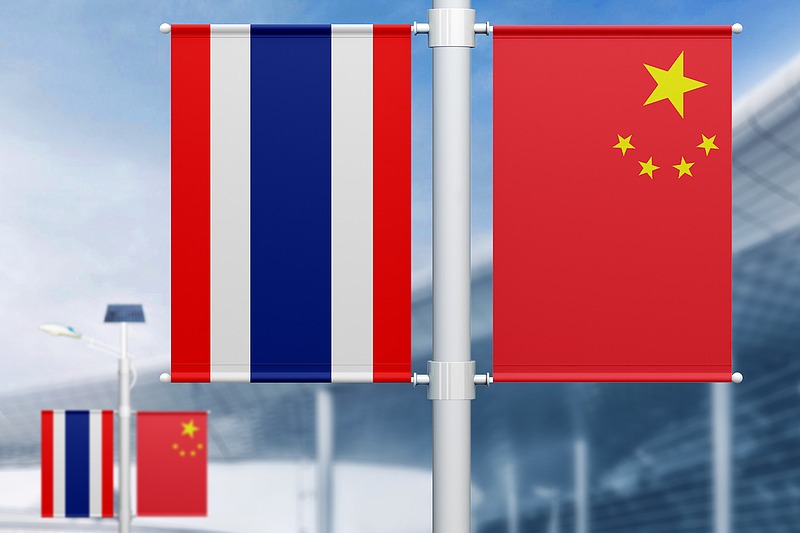
The recent state visit by Thailand’s King Maha Vajiralongkorn and Queen Suthida to China has marked a historic milestone in Sino-Thai relations, according to Chinese Ambassador to Thailand Zhang Jianwei. This visit, the first of its kind since the establishment of diplomatic ties between the two nations, underscores the deepening bilateral relationship and sets a robust foundation for future collaboration. During their five-day visit, the royal couple explored key institutions in Beijing, including the China Academy of Space Technology and the Beijing Aerospace City, where they engaged with cutting-edge advancements in space technology and held a groundbreaking conversation with Chinese astronauts aboard the Tiangong space station. Ambassador Zhang emphasized that this visit highlights the significant priority Thailand places on strengthening ties with China. Both nations have committed to expanding cooperation across various sectors, including the Belt and Road Initiative, digital economy, green industry, and agricultural trade. The visit has also sparked renewed enthusiasm for cultural and people-to-people exchanges, fostering mutual understanding and trust. As the two countries celebrate the 50th anniversary of their diplomatic relations, China and Thailand are poised to chart a new chapter in their partnership, aiming for a shared future of prosperity and peace.
分类: politics
-
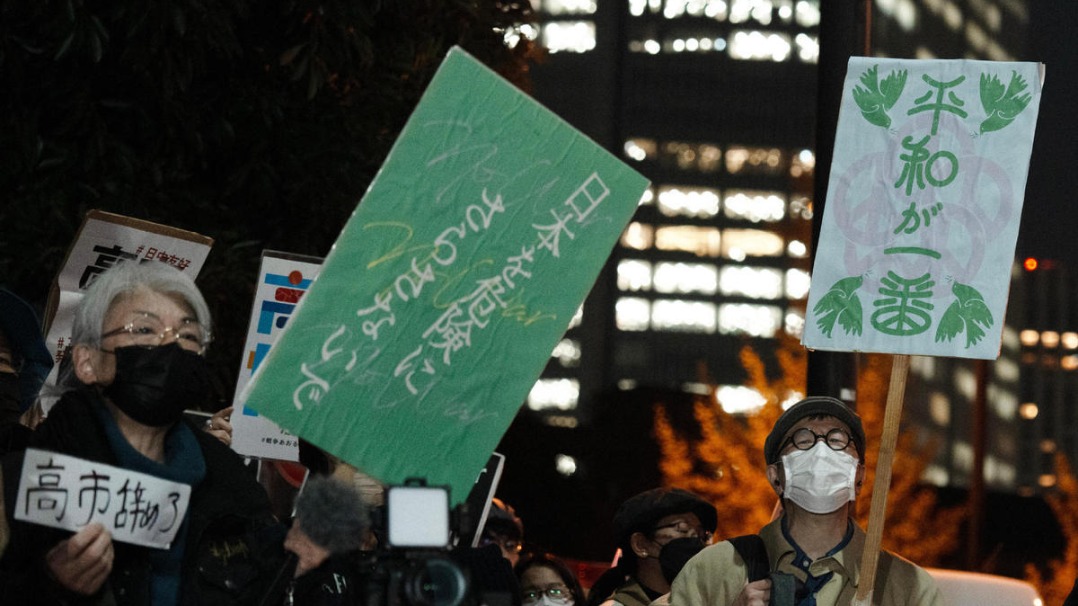
Japan PM’s Taiwan remarks draw ire
Japanese Prime Minister Sanae Takaichi’s recent remarks suggesting potential military intervention in the Taiwan Strait have ignited widespread condemnation and economic repercussions. Speaking in parliament earlier this month, Takaichi labeled any Chinese military action against Taiwan as a ‘survival-threatening situation’ for Japan, marking the first time a Japanese leader has publicly entertained such a possibility. Her comments, made during the 80th anniversary of the end of World War II, have drawn sharp criticism from U.S. peace activists and Chinese officials alike. Julie Tang, co-founder of Pivot to Peace and a retired judge, accused Takaichi of reviving militarism and fascism, stating, ‘She’s clearly not ready for the world stage.’ The backlash has already impacted Japan’s tourism sector, with major Chinese airlines offering full refunds for flights to Japan following Beijing’s advisory against travel to the country. Chinese tourists, a vital component of Japan’s tourism economy, have been urged to reconsider their plans. Economically, Japan is already grappling with a 1.8% contraction in third-quarter GDP and a staggering debt-to-GDP ratio of 230-260%, raising questions about the feasibility of Takaichi’s stance. Retired judge Lillian Sing, co-founder of the ‘Comfort Women’ Justice Coalition, criticized Takaichi’s judgment, noting Japan’s weak economic position and declining population. China’s permanent representative to the UN, Fu Cong, emphasized that any Japanese military involvement in the Taiwan Strait would be deemed an act of aggression. The timing of Takaichi’s remarks, coinciding with the 80th anniversary of the end of World War II, has intensified the backlash, with critics accusing her of ignorance about Japan’s wartime history and its implications for regional stability.
-
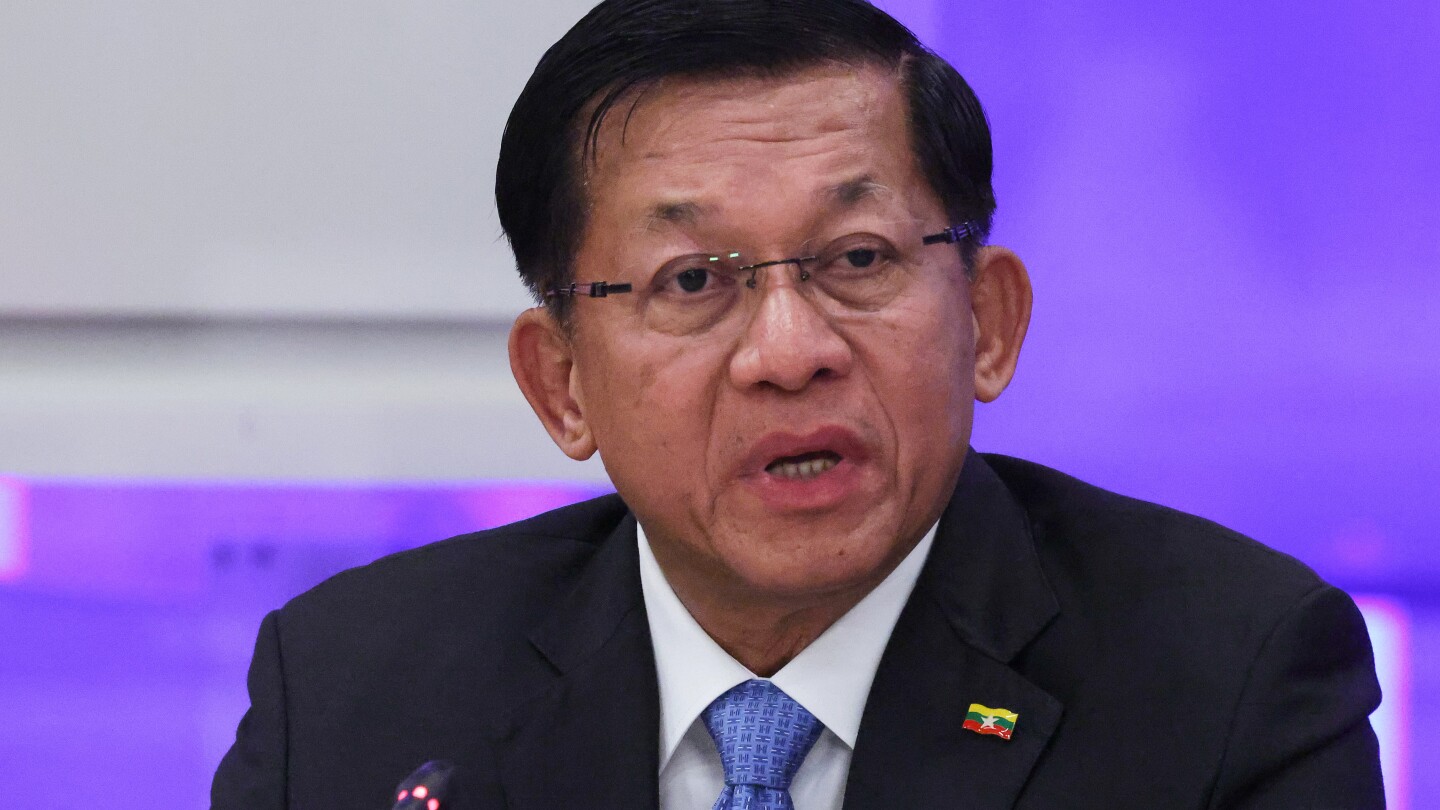
Rights groups slam Trump administration for ending Myanmar deportation protection as civil war rages
The Trump administration’s decision to revoke Temporary Protected Status (TPS) for Myanmar citizens has drawn sharp criticism from human rights groups, who argue that the move disregards the ongoing civil war and widespread human rights abuses in the country. Homeland Security Secretary Kristi Noem justified the decision by citing Myanmar’s “notable progress in governance and stability,” including plans for “free and fair elections” and “successful ceasefire agreements.” However, critics have dismissed these claims as baseless, given the military junta’s brutal crackdown on dissent and the imprisonment of democratically-elected leader Aung San Suu Kyi. Phil Robertson of Asia Human Rights and Labor Advocates likened the decision to Noem’s infamous act of shooting her family’s dog, stating that it would send Myanmar citizens back to “prisons, brutal torture, and death.” The military, led by Senior Gen. Min Aung Hlaing, seized power in 2021 and has since been accused of war crimes, including the indiscriminate use of landmines, targeting of civilians, and forced conscription. The upcoming elections, which exclude Suu Kyi’s party, have been widely condemned as a sham. The National Unity Government (NUG), formed by ousted lawmakers, expressed dismay at the decision, emphasizing that the reasons for revoking TPS do not reflect the dire reality in Myanmar. The State Department’s own human rights report and travel advisory highlight the country’s ongoing violence and instability, further undermining Noem’s claims. Human Rights Watch’s John Sifton called the decision “egregious,” noting that it could affect up to 4,000 people and is based on assertions contradicted by extensive reporting.
-
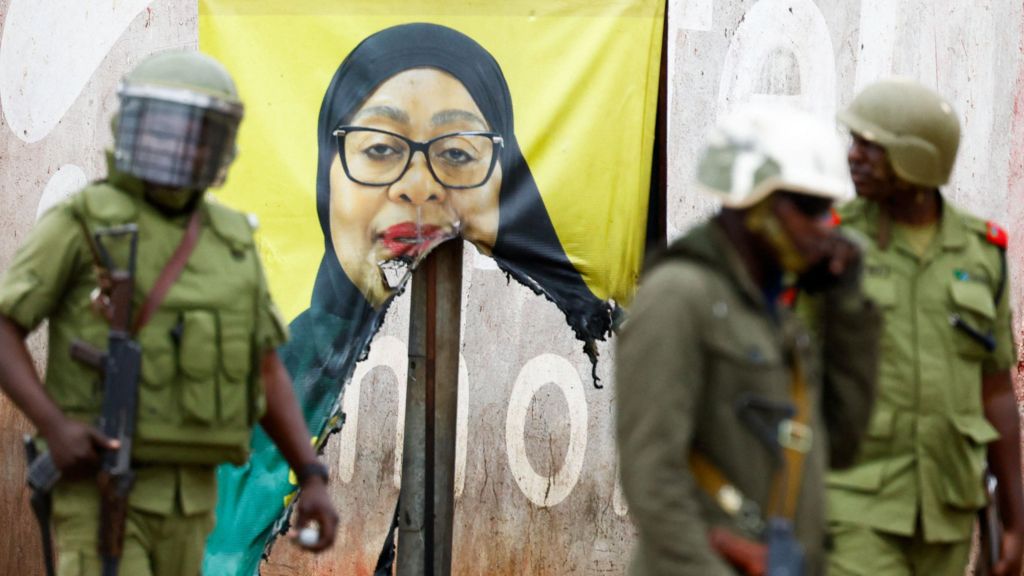
Tanzania cancels independence day celebrations after election unrest
Tanzania has decided to cancel its upcoming independence celebrations, redirecting funds to rebuild infrastructure damaged during recent election-related unrest. Prime Minister Mwigulu Nchemba announced the decision amidst growing calls from opposition groups for mass demonstrations on December 9, the country’s independence day, to protest alleged killings following last month’s disputed election. The opposition claims hundreds died in a government crackdown, though no official death toll has been released. A commission of inquiry has been established to investigate the incidents. President Samia Suluhu Hassan secured a landslide victory with 98% of the vote, a result the opposition has labeled a ‘mockery of democracy.’ Key opposition leaders, Tundu Lissu and Luhaga Mpina, were barred from contesting the election—Lissu remains detained on treason charges, while Mpina’s candidacy was rejected on technical grounds. Election observers have raised concerns about vote manipulation and the election’s failure to meet democratic standards. The government imposed a five-day internet blackout starting on election day, October 29, and warned against sharing protest-related images. Despite this, graphic footage of the unrest has circulated widely online, with international media verifying its authenticity. The government has dismissed these portrayals as attempts to tarnish Tanzania’s image, maintaining that the country remains safe. Government spokesman Gerson Msigwa stated that the inquiry commission would clarify the events, though concerns about its independence persist. Over 240 individuals were charged with treason following the protests, but President Samia later urged prosecutors to show leniency, leading to some releases. In his announcement, Nchemba appealed for unity and dialogue, urging Tanzanians to avoid violence. President Samia, Tanzania’s first female president, initially gained praise for easing political repression, but critics argue that the political environment has since tightened.
-
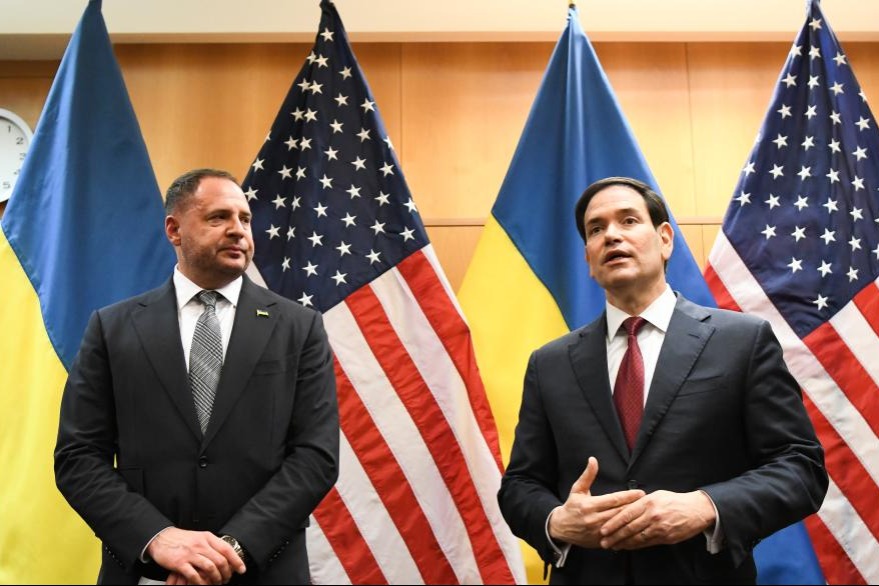
US, Ukraine reportedly narrow 28-point peace plan to 19 points
WASHINGTON — Diplomatic efforts to resolve the ongoing Ukraine crisis have advanced significantly as American and Ukrainian negotiators successfully condensed a proposed 28-point peace plan into a more focused 19-point framework during intensive weekend discussions in Geneva. This development follows earlier tensions surrounding the comprehensive proposal initially put forward by the United States.
According to multiple international media reports, the revised document represents a substantial departure from the original version, with many of the most contentious provisions either substantially modified or completely restructured to better align with Ukrainian positions. Oleksandr Bevz, a Ukrainian official who participated in the Geneva negotiations, confirmed to The Washington Post that the revised framework reflects concerted efforts to ‘soften or reshape’ problematic elements that had previously drawn strong criticism from Ukrainian and European leaders.
The diplomatic breakthrough comes as U.S. President Donald Trump’s Thursday deadline for agreement on the initial 28-point plan now appears more flexible. Bevz characterized the timeline as ‘not a code red,’ emphasizing that careful finalization of the text remains the priority over strict adherence to the deadline.
Ukrainian First Deputy Foreign Minister Sergiy Kyslytsya provided further insight to the Financial Times, noting that the current draft bears minimal resemblance to the leaked original document. ‘Very few things are left from the original version,’ Kyslytsya stated, indicating the extensive revisions made during the negotiations.
The original 28-point proposal had drawn sharp criticism for requiring Ukraine to concede territory in its eastern regions, substantially reduce military capabilities, and formally renounce NATO membership aspirations—conditions that directly challenged several long-standing Ukrainian diplomatic red lines.
The Geneva meetings included representatives from the United States, Ukraine, and several European nations. The Ukrainian delegation first met with national security advisers from Britain, France, and Germany before engaging in bilateral discussions with American officials. The U.S. team included Secretary of State Marco Rubio, Special Envoy to the Middle East Steve Witkoff, and Army Secretary Daniel Driscoll, while Ukrainian President Volodymyr Zelensky’s office chief Andriy Yermak led the Ukrainian contingent.
A White House statement issued Sunday night confirmed that the talks had produced ‘meaningful progress toward aligning positions,’ though the Kremlin indicated it had not yet received official details from the Geneva discussions and does not anticipate talks with U.S. officials this week, according to Newsweek.
President Trump has suggested that while Thursday remains the target for reaching understanding with Kyiv, negotiations may continue beyond that date if substantial progress continues to be made.
-
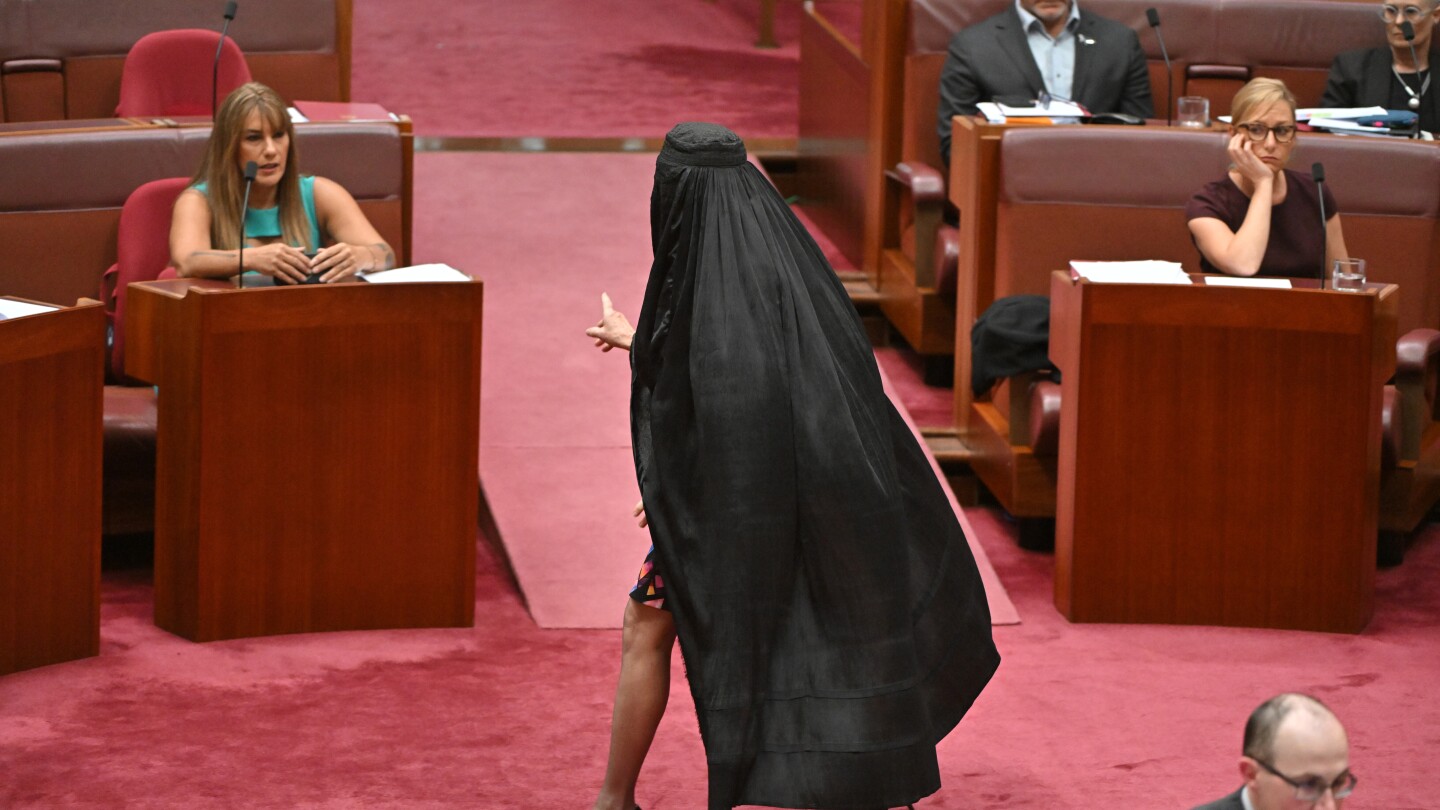
Australian Sen. Pauline Hanson suspended from Parliament for wearing burqa in protest
In a dramatic turn of events, Australian Senator Pauline Hanson, leader of the anti-Muslim and anti-immigration One Nation party, has been barred from Parliament for the remainder of the year following her controversial decision to wear a burqa in the Senate chamber. The 71-year-old senator staged the protest on Monday to highlight her campaign for a national ban on the burqa and other full-face coverings in public spaces. Her actions were widely condemned as disrespectful and inflammatory, leading to her suspension for the rest of the day. On Tuesday, in the absence of an apology, the Senate passed a censure motion, imposing one of the harshest penalties in recent decades by barring her from seven consecutive sitting days. With Parliament adjourning on Thursday, Hanson’s suspension will extend into the next session in February 2024. Hanson defended her actions, claiming hypocrisy in the Senate’s refusal to ban the burqa while denying her the right to wear it. She vowed to let voters judge her in the 2028 election. This incident echoes a similar protest in 2017, when Hanson wore a burqa in the Senate but faced no punishment. The censure motion was led by Senate leader Penny Wong, who accused Hanson of mocking and vilifying the Muslim faith, which is practiced by nearly one million Australians. Wong emphasized that such actions undermine Australia’s social fabric and harm vulnerable communities. Pakistani-born Senator Mehreen Faruqi, one of only two Muslim senators, called the censure motion a step toward addressing systemic racism in the country. Hanson’s history of controversial statements on race and immigration, including her infamous 1996 speech warning of Australia being ‘swamped by Asians,’ has long fueled criticism. Her recent actions have drawn sharp rebuke from advocacy groups, including the Australian Federation of Islamic Councils, which labeled her behavior as part of a pattern of vilifying Muslims and minorities.
-
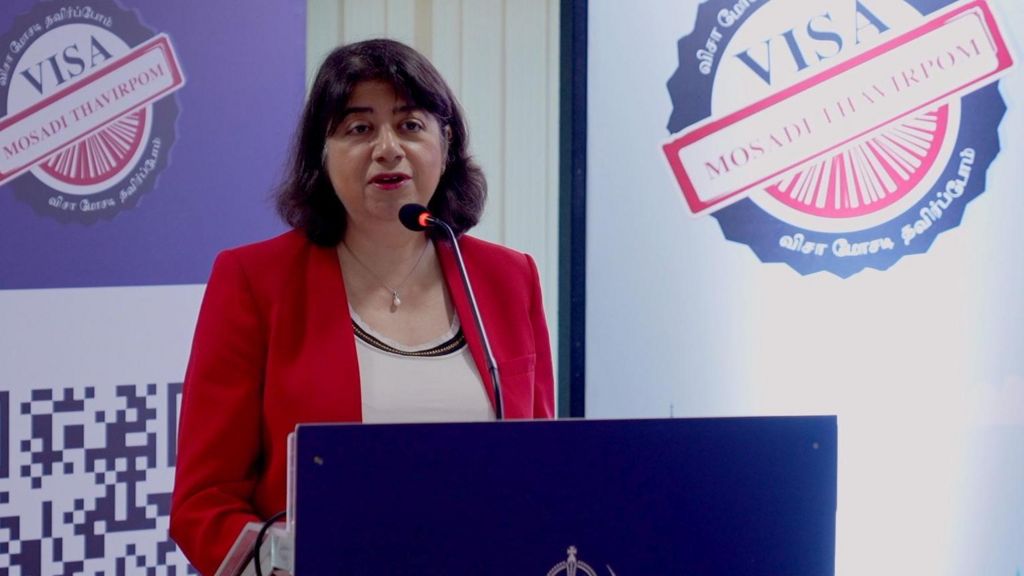
UK minister flags visa ‘abuse’ as student asylum claims surge
The UK government, led by Indo-Pacific Minister Seema Malhotra, is intensifying efforts to reform its immigration system, particularly in response to a surge in asylum claims by international students. During her visit to Chennai, India, Malhotra defended the proposed changes, which include extending the qualifying period for indefinite leave to remain from five to 10 years and potentially requiring some migrants to wait up to 20 years for permanent settlement. These measures, affecting an estimated 2.6 million people who arrived in the UK since 2021, aim to curb the abuse of legal migration routes. Malhotra emphasized that the reforms align with global practices to maintain the integrity of immigration systems and public confidence. However, the proposals have faced criticism from some Labour MPs and members of the House of Lords, particularly concerning their impact on sectors like healthcare and social care. Malhotra also highlighted the UK’s commitment to protecting individuals from visa fraud, collaborating with Indian law enforcement to combat cross-border scams. Despite the cooling demand for UK education among Indian students, Malhotra reaffirmed the UK’s welcome to genuine students and noted the benefits of the recently signed UK-India Free Trade Agreement, which includes plans for UK universities to establish campuses in India.
-
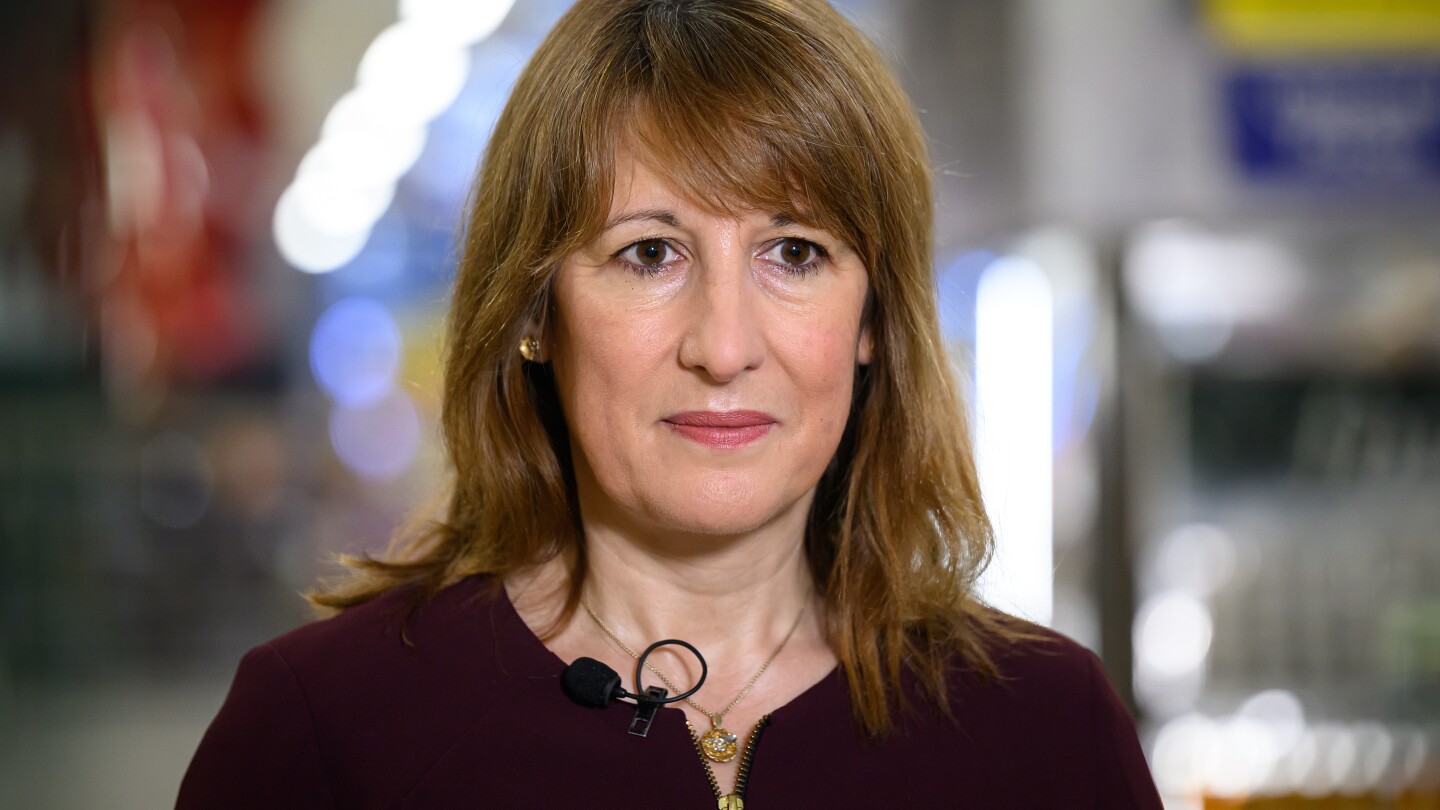
Britain’s unpopular government prepares a high-stakes budget and hopes for growth
The UK Labour Party, which secured a decisive victory in the 2024 general election, is grappling with mounting economic and political challenges as it prepares to unveil its annual budget. Despite initial promises of tax hikes to stabilize public finances, reduce debt, and stimulate growth, the government now faces stubbornly high inflation, increased borrowing, and sluggish economic performance. Business leaders and Labour lawmakers alike express growing concerns, with some even contemplating the unthinkable: ousting Prime Minister Keir Starmer, who led the party to victory less than 18 months ago.
Treasury Chief Rachel Reeves is tasked with delivering a budget that balances tough fiscal decisions with measures to ease the cost of living and safeguard public services. However, her options are limited. The UK economy, the world’s sixth-largest, has underperformed since the 2008-2009 financial crisis, compounded by the lingering effects of Brexit, the COVID-19 pandemic, and geopolitical tensions. The government’s debt servicing costs exceed £100 billion annually, with national debt hovering around 95% of GDP.
Reeves must navigate the delicate balance between appeasing financial markets and satisfying voters. The specter of Liz Truss’s short-lived premiership, which ended in 2022 after unfunded tax cuts triggered market turmoil, looms large. Analysts warn that any misstep could erode investor confidence, driving up borrowing costs and forcing a policy reversal.
The government has ruled out significant public spending cuts, leaving tax increases as the primary revenue-raising tool. However, attempts to raise income taxes have sparked backlash, forcing a retreat in favor of smaller measures like a ‘mansion tax’ and pay-per-mile charges for electric vehicles. Sweeteners, such as above-inflation pension boosts and a freeze on train fares, aim to soften the blow.
Critics argue that further tax hikes risk pushing the economy into a low-growth cycle, while analysts highlight the difficulty of satisfying both markets and voters. Prime Minister Starmer’s leadership is also under scrutiny, with Labour trailing behind the hard-right Reform UK party in opinion polls. Speculation about a leadership challenge has further destabilized the party, raising fears of electoral defeat in 2029.
As the government pins its hopes on economic revival, the upcoming budget is seen as a critical test of its ability to deliver growth and restore public confidence. Analysts warn that failure could mark the beginning of the end for Starmer’s administration.
-
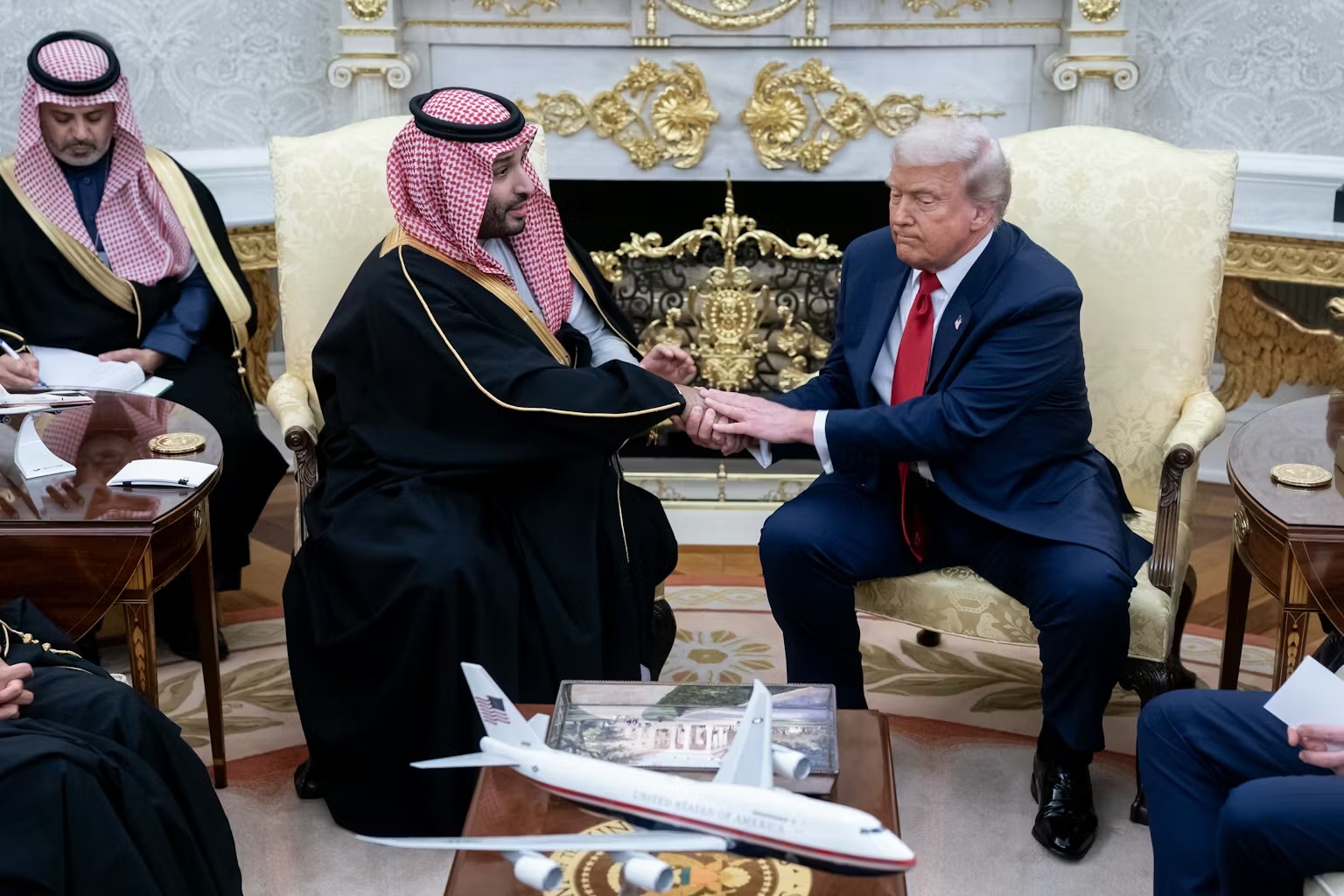
Statehood issue again could block Israel, Arabs from making nice
Saudi Crown Prince Mohammed bin Salman has expressed interest in bringing Saudi Arabia into the Abraham Accords, a series of agreements aimed at normalizing Israel’s relations with Middle Eastern nations and beyond. This development would mark a significant diplomatic milestone, echoing the initial accords brokered by the Trump administration in 2020, which saw Israel establish formal ties with the UAE, Bahrain, Morocco, and Sudan. However, bin Salman’s approach comes with a critical condition: a clear commitment to a two-state solution for Israel and Palestine, with East Jerusalem as the Palestinian capital. This stance underscores the complexities of Middle Eastern diplomacy and the shifting geopolitical landscape. The Abraham Accords, hailed as a breakthrough in 2020, have seen limited progress since, with Kazakhstan’s recent announcement to join the accords falling short of expectations. The Saudi leader’s cautious approach reflects broader regional dynamics, including Saudi Arabia’s evolving relationship with Iran and the aftermath of the October 7, 2023, Hamas attacks on Israel. Bin Salman has publicly linked Saudi normalization with Israel to the establishment of a Palestinian state, a position that has gained urgency amid rising regional tensions. Meanwhile, Israel’s aggressive military actions across the Middle East have further complicated the prospects for peace. The focus has shifted toward intra-regional collaboration, as evidenced by Iran’s discussions with Gulf states on uranium enrichment and the widespread condemnation of Israeli strikes. Despite these challenges, bin Salman remains committed to normalization, albeit with clear preconditions, signaling a nuanced approach to reshaping Middle Eastern diplomacy.
-
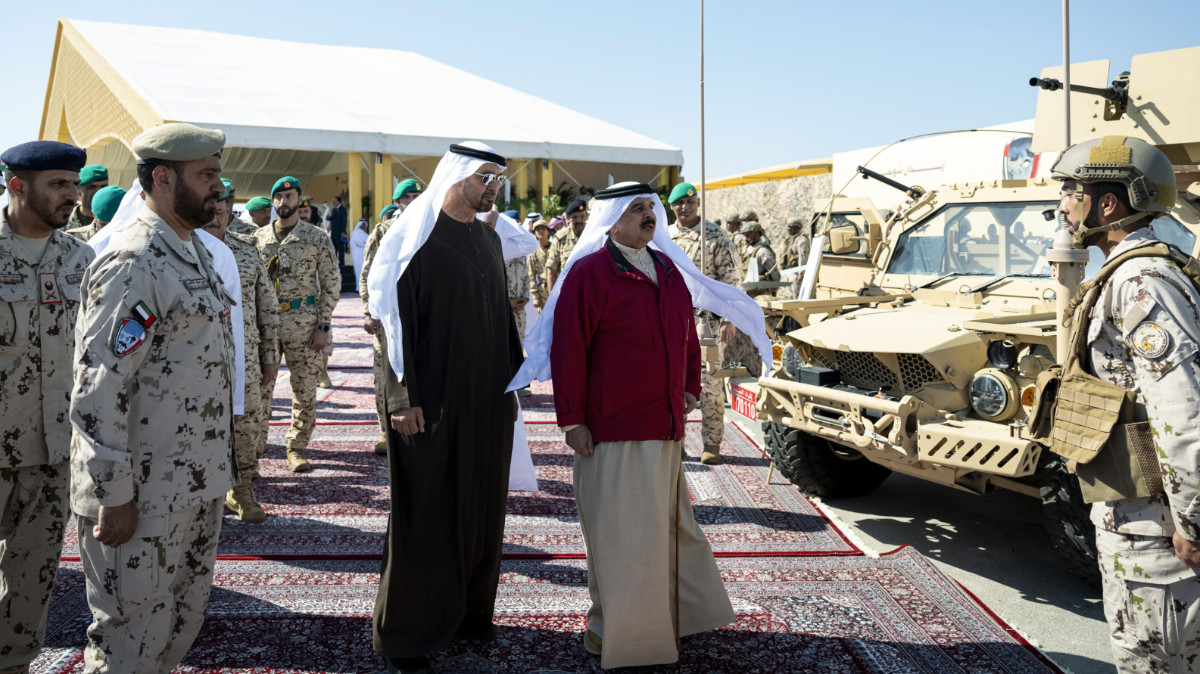
US intelligence assessed Chinese military was hosted at base in UAE
US defense and intelligence officials have reportedly assessed that Chinese military personnel were stationed at a UAE military base after the US was denied access to the facility, according to two former senior US officials who spoke to Middle East Eye (MEE) on condition of anonymity. The officials revealed that members of China’s People’s Liberation Army (PLA) were hosted at Zayed Military City in Abu Dhabi, with the assessment dating back to 2020. The US began gathering more information on the base after its request to access a section of the facility was rejected. While the exact role of the PLA personnel remains unclear, concerns were raised that they could have used the base to gather intelligence on US forces stationed nearby at Al Dhafra Air Base, just 20 miles south of Abu Dhabi. The UAE’s growing military ties with China have strained its relationship with the US, particularly amid stalled negotiations over the sale of F-35 warplanes to the UAE. In 2021, reports emerged of China building a military port near Abu Dhabi, which was allegedly halted at the US’s request but later resumed. The UAE and China have openly acknowledged their military cooperation, including joint air force drills in China’s Xinjiang region in 2024. The US has expressed concerns over China’s increasing influence in the Gulf, with some officials warning that the UAE’s loyalty to the US may be wavering. Despite these tensions, the UAE remains a key US partner in the region, particularly in counterterrorism efforts and its strategic relationship with Israel under the Abraham Accords.