分类: politics

  • Senior UAE scholar says US bases are ‘a burden and not a strategic asset’

    Senior UAE scholar says US bases are ‘a burden and not a strategic asset’

    Against a backdrop of escalating regional conflict that has inflicted severe economic and security damage on the United Arab Emirates, a senior Emirati academic with close ties to the country’s leadership has sparked renewed debate over the future of U.S. military presence in the Gulf by calling on Abu Dhabi to shutter all American bases, arguing they have become a liability rather than a strategic advantage.

    Abdulkhaleq Abdulla, one of the UAE’s most prominent public scholars, first shared the position in an interview with Reuters, before doubling down on the claim in a post on the social platform X on Sunday evening. Abdulla argued that the UAE has evolved beyond its reliance on U.S. security guarantees, pointing to the country’s capable defense against waves of Iranian attacks in recent months. “The UAE no longer needs America to defend it, as it has proven during the Iranian aggression that it is capable of defending itself with distinction,” Abdulla wrote. He added that the UAE’s only remaining priority for its defense partnership with Washington is access to the United States’ most advanced military hardware, not permanent basing for foreign troops. “Therefore, it is time to think about closing the American bases, as they are a burden and not a strategic asset,” he concluded.

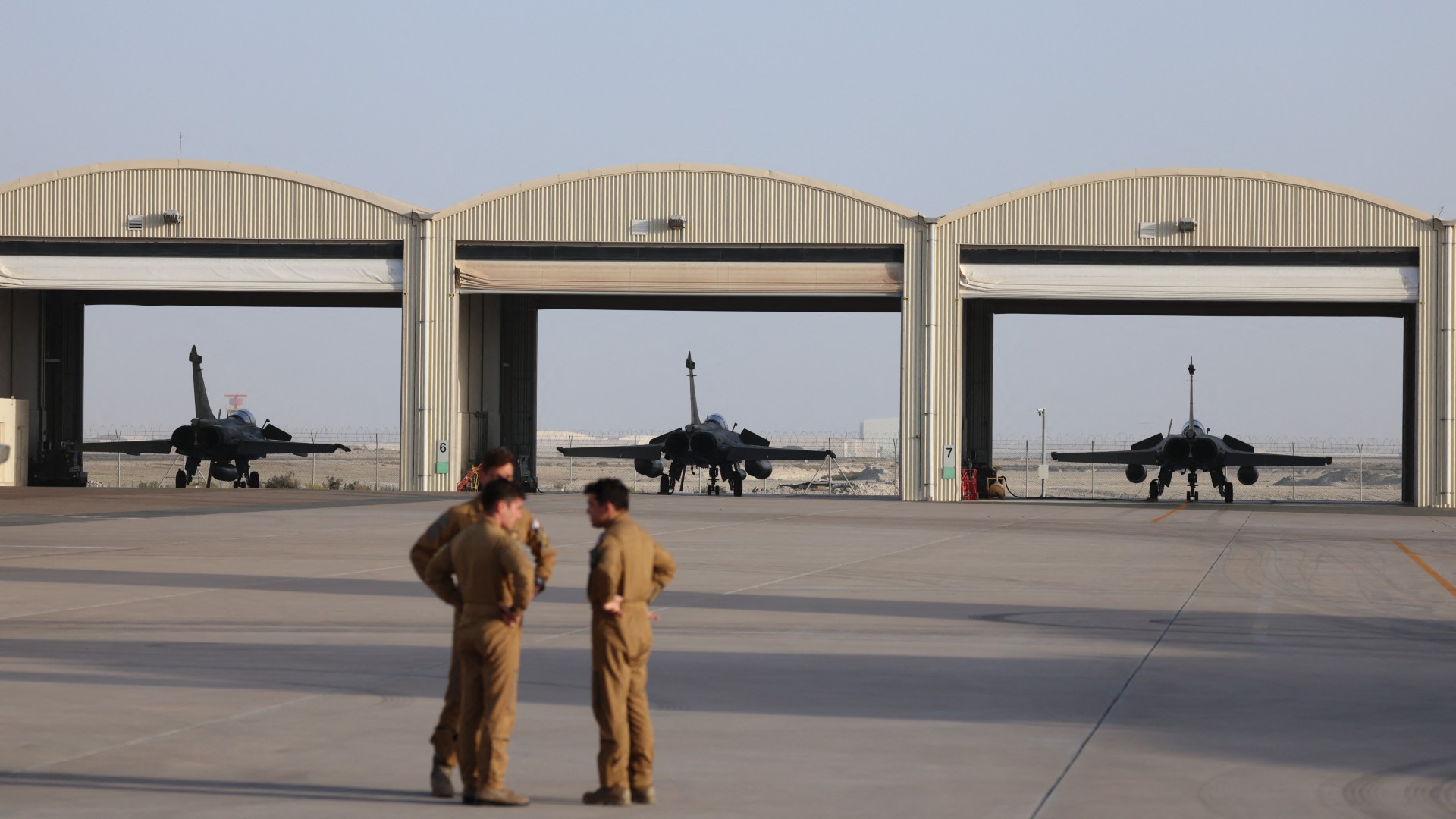
    The proposal comes amid a wider reevaluation of U.S. military posture across the Middle East. According to data from the Council on Foreign Relations, the U.S. maintains at least 19 military sites across the region, eight of which are classified as permanent installations. Prior to the outbreak of the current regional war, U.S. defense officials estimated there were roughly 40,000 American troops deployed across the Middle East. Around 3,500 of those personnel are stationed in the UAE, which hosts the strategic al-Dhafra Air Base, a joint facility used by the U.S., UAE, and French militaries.

    The current conflict, which began on February 28 with joint Israeli and U.S. strikes on Iran, has triggered retaliatory attacks from Tehran targeting Israel and Gulf states that support Washington’s regional agenda. The UAE has borne the brunt of these retaliatory strikes, facing hundreds of drone and missile attacks since the war began. By late March, Iranian forces had launched 398 ballistic missiles, 1,872 drones, and 15 cruise missiles targeting positions across the UAE.

    While the vast majority of incoming projectiles have been intercepted by UAE defense systems, falling debris has still caused damage to key civilian and economic infrastructure in major Emirati cities including Abu Dhabi and Dubai. Affected sites include iconic landmarks such as the Burj Al Arab hotel and the Palm Jumeirah development, as well as critical infrastructure like Dubai International Airport and the Fujairah oil industrial zone.

    Beyond physical damage, the wave of attacks has triggered the UAE’s most severe economic crisis in decades. The country’s economy is built largely on four sectors that are acutely vulnerable to security instability: tourism, real estate, logistics, and international finance. Over the past few weeks, combined market capitalization on the Dubai and Abu Dhabi stock exchanges has fallen by more than $120 billion. More than 18,400 commercial flights to and from Emirati airports have been canceled as airlines reroute services to avoid the conflict zone. By the end of March, Dubai’s key real estate index had dropped by at least 16% since the start of the war, erasing billions of dollars in property value as investor and buyer confidence plummeted.

    This report was originally published by Middle East Eye, a media outlet that provides independent, on-the-ground coverage of the Middle East, North Africa, and broader global affairs.
  • FBI Director Kash Patel files $250m lawsuit against The Atlantic

    FBI Director Kash Patel files $250m lawsuit against The Atlantic

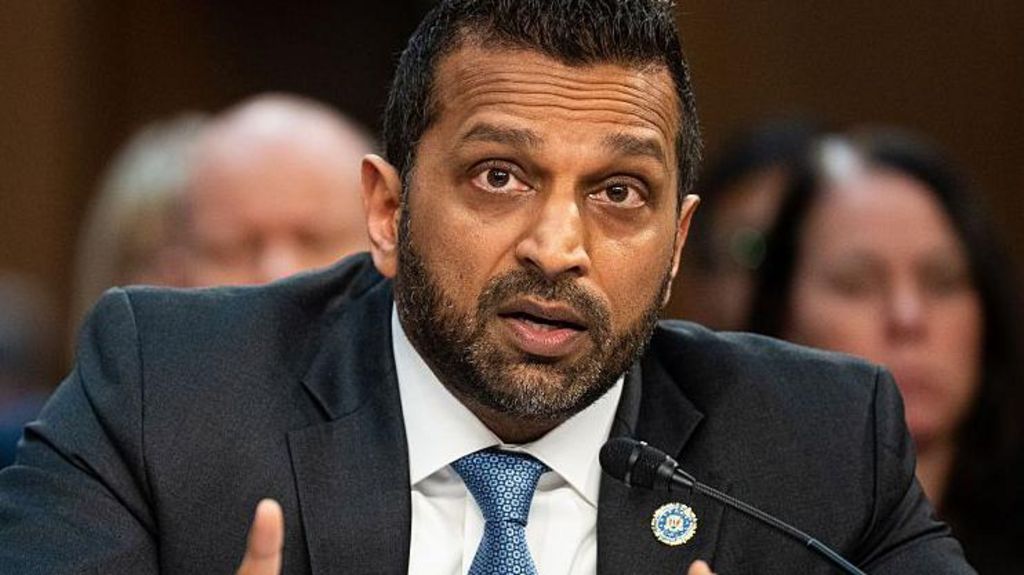
    A high-stakes legal battle has erupted in U.S. political and law enforcement circles, as Federal Bureau of Investigation Director Kash Patel has launched a $250 million defamation lawsuit against the major American magazine The Atlantic. The suit centers on what Patel calls deliberately false, reputation-ruining claims published by the outlet about his professional conduct in office.

    In the formal court filing, Patel alleges the magazine printed a series of fabricated and harmful assertions, including unproven accusations of habitual excessive drinking and repeated unexcused absences from his official duties. The lawsuit argues that the entire piece was constructed with intentionally false, manufactured allegations crafted explicitly to destroy Patel’s professional standing and force him out of his leading role at the FBI. Beyond disputing the story’s core claims, the suit accuses The Atlantic of failing to provide Patel with sufficient time to respond to the detailed list of allegations before publication, and of disregarding a pre-publication warning letter sent by his legal team. According to the filing, the outlet only granted Patel’s side a mere two hours to prepare a response to the claims. “They were on notice that the claims were categorically false and defamatory. They published anyway,” Jesse Binnell, Patel’s lead attorney, shared in a post on social platform X, alongside the full text of the pre-publication letter his team sent to the magazine.

    The original article, published by The Atlantic, drew on anonymous sources to claim that Patel’s on-the-job conduct posed a tangible risk to U.S. public safety and national security. The outlet has stood firmly behind its reporting, noting the piece was rooted in interviews with more than two dozen sources familiar with the situation. In an official statement released after the lawsuit was filed, the magazine said: “We stand by our reporting on Kash Patel, and we will vigorously defend The Atlantic and our journalists against this meritless lawsuit.”

    The story’s reporter, Sarah Fitzpatrick, pushed back against Patel’s claim that the outlet failed to properly seek comment for the piece, pushing back on that allegation in an interview with MSNBC. “We reached out for comment to The White House, and to the Justice Department, neither of which disputed anything,” Fitzpatrick said. “We gave multiple opportunities, including 19 detailed, detailed questions. So we stand by every word.” Notably, the published article even included a direct response attributed to Patel himself, in which he dismissed all claims outright: “Print it, all false, I’ll see you in court—bring your checkbook.”

    Under longstanding U.S. defamation law, established by the 1964 U.S. Supreme Court ruling in *New York Times Co. v. Sullivan*, public officials like Patel are required to meet a high legal bar to win a defamation suit: they must prove that the publishing outlet acted with “actual malice” — meaning the organization either knew the published information was false, or deliberately ignored critical fact-checking steps that would have revealed the falsity before going to print.

    The White House has publicly thrown its support behind Patel in the dispute. When reached for comment by the BBC following the lawsuit’s filing, White House press secretary Karoline Leavitt highlighted the Trump administration’s law enforcement record under Patel’s leadership at the FBI. “Under President Trump and Director Patel’s leadership at the FBI, crime across the country has plummeted to the lowest level in more than 100 years and many high-profile criminals have been put behind bars,” Leavitt said, adding, “Director Patel remains a critical player on the Administration’s law and order team.”

    Patel first publicly addressed the allegations during a Fox News interview this past Sunday, where he first confirmed he would pursue legal action against the magazine. As of press time, the FBI has not issued an immediate response to the BBC’s request for comment on the ongoing lawsuit.

  • Hungary’s Magyar announces ministers after landslide election win

    Hungary’s Magyar announces ministers after landslide election win

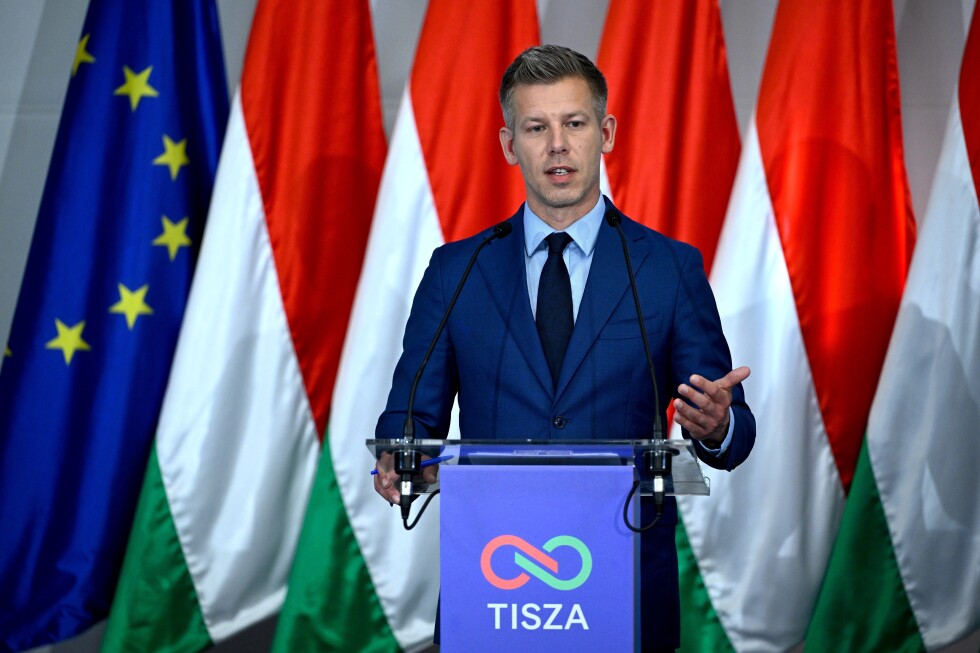
    BUDAPEST, Hungary — Fresh off a defining electoral upset that ended 16 years of populist rule in Hungary, prime minister-in-waiting Péter Magyar has released the first slate of cabinet nominees for his incoming administration, marking the first formal step toward building his new government following an opening meeting of his party’s parliamentary bloc.

    Magyar and his center-right Tisza party secured a historic landslide victory on April 12, ousting long-serving Prime Minister Viktor Orbán and capturing a supermajority two-thirds of seats in Hungary’s national parliament. The lopsided win grants Tisza the legislative power to roll back decades of controversial policies enacted by Orbán’s administration. Out of the 199 total parliamentary seats, Tisza walked away with 141 — the largest governing majority Hungary has seen since the end of Communist rule. Orbán’s far-right, euroskeptic Fidesz party, which held 135 seats before the vote, will now hold just 52 seats in the new legislature.

    Since his victory, Magyar has campaigned on a platform of systemic overhaul, promising to restore democratic institutions and the rule of law, which critics argue eroded significantly during Orbán’s tenure. He has also pledged to launch accountability investigations into figures he accuses of overseeing and profiting from the widespread public corruption that flourished under the previous government.

    Speaking at a press briefing in Budapest on Monday, Magyar laid out plans to restructure the national government, expanding the number of cabinet ministries from the current 12 to 16. Under his plan, separate portfolios for health, environmental protection, and education — which were merged into larger departments under Orbán’s administration — will be reestablished as standalone ministries.

    Among the first nominees announced, Magyar named Anita Orbán (no relation to outgoing Prime Minister Viktor Orbán) as his pick for foreign minister, István Kapitány for the role of economy and energy minister, and András Kármán to lead the finance portfolio. Magyar emphasized that his administration will work every day to honor the mandate Hungarian voters gave the party, saying it will be “a government that will be worthy of the Hungarian people’s trust.”

    The incoming prime minister confirmed that the inaugural session of the new parliament will convene on either May 9 or 10. Immediately following the opening session, the legislature will vote to confirm the new prime minister, with full confirmation of all cabinet appointments expected in the days after that vote.

  • EU says Serbia could lose access to a billion euros over democratic backsliding

    EU says Serbia could lose access to a billion euros over democratic backsliding

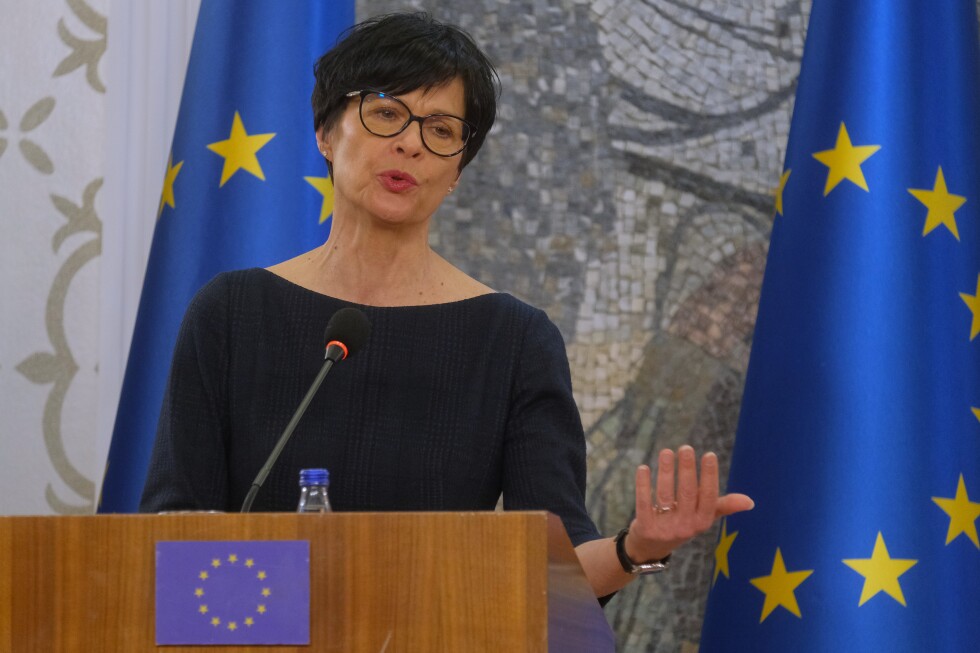
    BRUSSELS – The European Union has issued a stark ultimatum to Serbia: reverse eroding democratic standards or risk losing access to nearly €1.5 billion ($1.8 billion) in pre-accession development funding, EU Enlargement Commissioner Marta Kos confirmed to EU legislators Monday.

    Kos emphasized that the European Commission is increasingly alarmed by multiple troubling developments in Serbia, which has been working toward EU accession for years. The bloc’s concerns span systemic issues, including newly enacted laws that weaken judicial independence, heavy-handed crackdowns on public protest movements, and repeated interference with independent media outlets. These issues have raised serious questions about whether Serbia continues to meet the eligibility requirements for disbursements from EU pre-accession financial instruments, Kos added.

    International election monitors have already documented widespread irregularities and instances of voter intimidation during last month’s local elections held across 10 Serbian municipalities, adding to international scrutiny of Belgrade’s democratic commitments.

    Under the EU’s pre-accession assistance framework, candidate countries gain access to large-scale growth-focused funding on the condition that they implement targeted democratic and institutional reforms. To date, Serbia has received roughly €110 million ($130 million) from the allocation, leaving the remaining €1.5 billion in funding now hanging in the balance, Kos said.

    This warning comes amid a broader EU push to deepen integration with Western Balkan nations, a strategy accelerated after Russia launched its full-scale invasion of Ukraine in February 2022. The bloc has grown increasingly concerned that Moscow could seek to expand its influence and destabilize the Western Balkans, a region still grappling with political and economic fallout from the violent conflicts of the 1990s.

    Serbian populist President Aleksandar Vucic has repeatedly stated his government’s official goal of securing EU membership, but his administration has maintained close political and economic ties to Moscow. Last year, Vucic openly defied EU diplomatic warnings by attending Russia’s annual Victory Day parade in Moscow alongside Russian President Vladimir Putin, a move that deepened distrust between Belgrade and Brussels.

    To address growing concerns over judicial reforms, experts from the Venice Commission – Europe’s leading constitutional and democratic oversight body – traveled to Serbia last month. The delegation held meetings with senior political leaders, judicial heads, and legal officials to review concerns raised by the speaker of Serbia’s national parliament. The Commission is set to release an urgent formal opinion on its findings in the coming weeks.

    Kos made clear that Brussels’ demands are non-negotiable: Serbia must fully bring its national judicial legislation into line with the Venice Commission’s upcoming recommendations, and take concrete steps to restore full independence to the country’s media sector. “Serbia has to deliver,” Kos told lawmakers.

  • China to curb ‘one-size-fits-all’ law enforcement on factory ventilation

    China to curb ‘one-size-fits-all’ law enforcement on factory ventilation

    BEIJING – In a targeted move to address widespread complaints from manufacturing enterprises over inflexible regulatory practices, three top Chinese government agencies have jointly released new policy guidelines aimed at eliminating rigid, uniform law enforcement surrounding factory ventilation requirements.

    The new framework, issued by the Ministry of Justice, the Ministry of Ecology and Environment, and the Ministry of Emergency Management, was developed in direct response to repeated reports from businesses across the country that local enforcement officials often imposed contradictory, one-size-fits-all rules forcing factories to either keep all production windows permanently open or fully closed, regardless of individual operational circumstances.

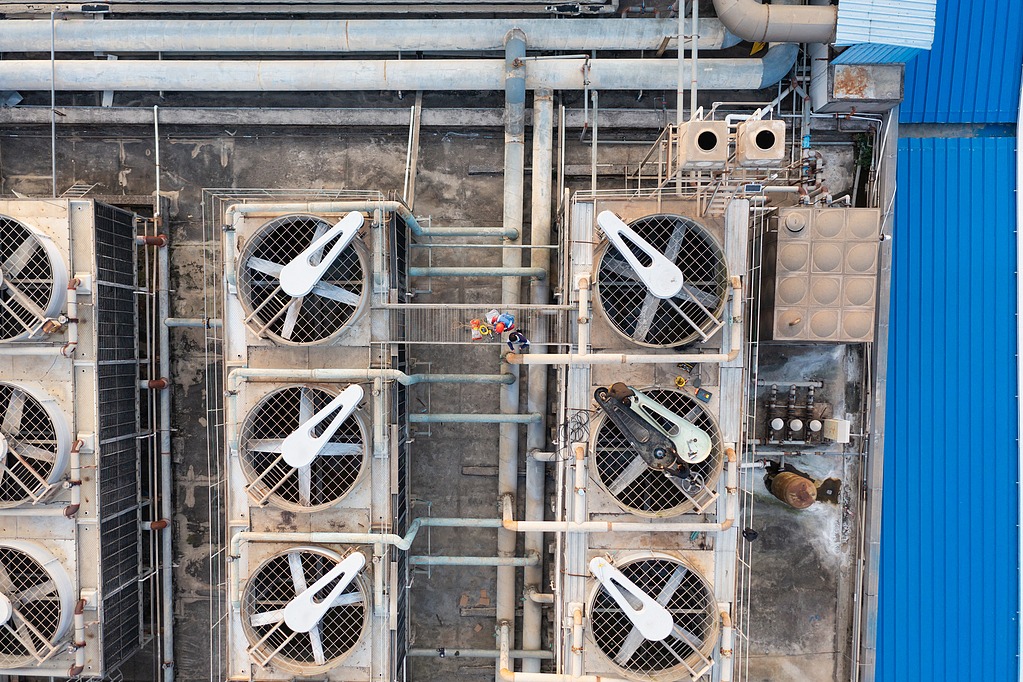
    Under the newly published guidelines, uniform blanket requirements are set to be replaced with context-appropriate regulation tailored to different factory setups. For production facilities that release airborne pollutants but cannot fully enclose or seal their work areas, law enforcement officers are no longer permitted to issue simple mandatory orders to keep all windows closed. Instead, regulators are required to allow alternative mitigation strategies, including switching to lower-emission raw materials and implementing targeted local exhaust gas management systems to control pollution.

    For factories that operate in fully enclosed or sealed workspaces, the guidelines also ban rigid mandatory orders requiring windows to be kept open at all times. If hazardous airborne substances in these enclosed environments exceed official safety thresholds, facilities are directed to install professional ventilation solutions such as interlocked fan systems that meet regulatory requirements, rather than relying on arbitrary window-opening rules that do little to improve worker safety or reduce pollution.

    Beyond revising ventilation-specific rules, the policy calls on local regulatory authorities across China to refine their understanding of enforcement standards by accounting for the unique operational characteristics of enterprises in different industrial sectors. It also mandates expanded professional training for frontline law enforcement personnel to reduce the incidence of rigid, noncontextual enforcement that unnecessarily disrupts legitimate production activities.

  • Israel restores West Bank settlement, as minister demands occupation of Gaza

    Israel restores West Bank settlement, as minister demands occupation of Gaza

    Two decades after Israel’s 2005 unilateral withdrawal from the Gaza Strip that dismantled a handful of settlements in both Gaza and the West Bank, the Israeli government has formally re-established a Jewish settlement at the site of Sanur, a Palestinian village located southwest of Jenin in the occupied West Bank. The move is the most high-profile step in a dramatic acceleration of Israeli settlement construction that has unfolded since the start of the 2023 Israel-Hamas war in Gaza, a trend that has put the international legal order governing occupied territories under unprecedented strain.

    The inauguration ceremony held Sunday drew senior members of Israel’s ruling coalition, including Defense Minister Israel Katz and far-right Finance Minister Bezalel Smotrich, a prominent advocate for annexation who resides in an Israeli settlement in the West Bank himself. In remarks at the event, Smotrich framed the re-establishment of Sanur as a momentous turning point for Israel, calling it a “national holiday” and a “historic correction” of what he termed the “sinful expulsion” carried out during the 2000 withdrawal. He went further, declaring that the step “abolishes the disgrace of expulsion, kills the idea of a Palestinian state, and returns to the settlement of Sa-Nur.” Smotrich also used the occasion to call for the re-establishment of Israeli settlements inside the Gaza Strip to create what he described as a “security belt for Israel.”
    Alongside the Sanur project, the Israeli government has already committed to rebuilding three additional West Bank settlements that were dismantled as part of the 2005 withdrawal. All Israeli settlements constructed on land seized by Israel during the 1967 Six-Day War, including those across the occupied West Bank and East Jerusalem, are explicitly deemed illegal under international law, a standing position held by the United Nations and most of the global community.

    Palestinian groups have immediately decried the move as a deliberate escalation targeting Palestinian claims to statehood and territorial sovereignty. Mahmoud Mardawi, a senior official with Hamas, described the re-establishment of Sanur as a “dangerous escalation” aimed at erasing Palestinian presence in the West Bank. In an official statement, Hamas emphasized that the step opens an “unprecedented stage of settlement expansion, which falls within the so-called annexation plan and the complete control of the West Bank and Palestinian land.”

    Today, an estimated 700,000 Israeli settlers currently reside in roughly 300 illegal settlements spread across the occupied West Bank and East Jerusalem. Data from Israeli and peace monitoring groups confirms that settlement expansion has surged to unprecedented levels under the current Israeli government, which took office in 2022.

    Earlier in April, Israeli news outlet i24NEWS reported that the Israeli cabinet secretly approved a record-breaking batch of new settlement units during a period aligned with escalating U.S.-Israeli tensions with Iran. In a single decision, the government authorized 34 new settlements — a figure equal to more than half of all settlements approved in 2025, which itself was a record-setting year for expansion. Since 2022, the current government has greenlit a total of 68 new formal settlements, while nearly 200 unauthorised settler outposts have been established across the West Bank in the same period.

    Israeli peace advocacy group Peace Now’s annual data underscores the scale of the expansion: in 2025, the government approved 54 new settlements, shattering the previous record of nine approvals set in 2023. Twenty-six of these were unauthorised outposts that the government retroactively legalised. The group also recorded a 40 percent jump in new unauthorised outposts last year, with 86 new outposts established — an average of one to two new outposts per week.

    The re-opening of the Sanur settlement coincides with a dramatic spike in settler violence targeting Palestinian communities in the West Bank. Over recent weeks, dozens of Israeli settlers have carried out coordinated attacks against Palestinian civilians and property, including torching and vandalising Palestinian infrastructure, shooting at residents, and destroying agricultural and residential property.

    A United Nations report released on March 17 documented the devastating human impact of this surge in violence: between November 2024 and October 2025, more than 36,000 Palestinians were displaced from their homes in the West Bank amid rising settler attacks. The UN recorded 1,732 incidents of settler violence resulting in casualties or property damage during that 12-month period, a 25 percent increase from the previous year. A tally compiled by Agence France-Presse based on data from the Palestinian Ministry of Health found that more than 1,151 Palestinians have been killed in the West Bank by Israeli forces or settlers since the start of the Gaza war in October 2023.

  • Trump tariff refunds begin but consumers likely to miss out

    Trump tariff refunds begin but consumers likely to miss out

    More than two months after the U.S. Supreme Court struck down a sweeping set of Trump-era tariffs, the current Trump administration has kicked off what historians and trade analysts describe as the largest tariff repayment initiative in U.S. history. Eligible importing companies can now submit claims online to recover the billions in duties they paid, plus accumulated interest, under the administration’s controversial “Liberation Day” tariffs.

    The legal path for refunds cleared in March, when the U.S. Court of International Trade ordered U.S. Customs and Border Protection (CBP) to return the full $160 billion (around £121 billion) collected from importers under the tariffs, which were imposed using the 1977 International Emergency Economic Powers Act (IEEPA). The court’s ruling puts roughly 330,000 registered importers in line to potentially claw back at least a portion of the funds they paid.

    In a March ruling, Judge Richard Eaton emphasized that “All importers of record whose entries were subject to IEEPA duties are entitled to the benefit” from the Supreme Court’s February decision. When the official online claims portal, branded the Consolidated Administration and Processing of Entries (Cape), went live earlier this month, more than 56,000 importers had already completed their applications within the first week, submitting claims totaling $127 billion, according to early CBP data.

    CBP officials designed the Cape platform to streamline the refund process, allowing importers to submit a single bulk claim for all eligible duties rather than filing separate requests for each individual imported shipment. Approved claimants can expect to receive their full refund plus applicable interest within 60 to 90 days of approval, a CBP spokesperson confirmed.

    But the structure of the program has sparked widespread frustration, as ordinary consumers who bore the indirect cost of the tariffs through higher retail prices are excluded from direct compensation. The tariffs pushed up prices on a huge range of imported goods, from raw materials used by small businesses to finished consumer products, but only registered importing companies are eligible to file claims. While consumers could theoretically see indirect benefits if companies choose to pass recovered funds back to shoppers through lower prices, few firms have announced plans to do so, leaving millions of affected Americans with no path to relief.

    In response to the exclusion, hundreds of consumers have launched class-action lawsuits against major retailers and brands, arguing that any refunds businesses receive should be passed through to the customers that ultimately paid the tariff costs. Federal suits have already been filed against EssilorLuxottica, the parent company of Ray-Ban, global delivery firm FedEx, and wholesale retail giant Costco in multiple U.S. district courts. Costco is an outlier among major companies: chief executive Ron Vachris has confirmed the retailer plans to pass any tariff refunds back to consumers “through lower prices and better values.”

    For small business owners who absorbed higher supply costs, the exclusion is a particularly bitter blow. Sue Johnson, a small-batch lamp designer based in the Midwest, told the BBC that her key material supplier doubled prices immediately after the tariffs went into effect, cutting her profit margins dramatically. “Maybe [the importers] will get repaid, but I have no hope they’re going to refund me,” Johnson said, adding that she expects no relief from the current refund program.

    The issue of consumer compensation is further complicated by the uneven impact of tariffs on business pricing. Many importers only partially passed tariff costs through to consumers to stay competitive, meaning they absorbed a portion of the cost themselves. Tariffs also triggered secondary, hard-to-quantify costs for businesses, from higher debt loads taken on to cover upfront duty payments to lost sales from reduced consumer demand at higher price points.

    Top Trump administration officials have openly acknowledged that consumers are not expected to see direct benefits from the program. U.S. Trade Representative Jamieson Greer encouraged successful claimants last month to allocate any unexpected “windfall” refunds to worker bonuses rather than passing the money to consumers. Treasury Secretary Scott Bessent echoed that framing in February, saying “I got a feeling the American people won’t see it.”

  • PLA Air Force sends Y-20B aircraft to repatriate remains of CPV martyrs from ROK

    PLA Air Force sends Y-20B aircraft to repatriate remains of CPV martyrs from ROK

    In a solemn ceremony of national remembrance, the People’s Liberation Army Air Force has deployed a Y-20B large transport aircraft to undertake the mission of bringing home the 13th batch of remains of Chinese People’s Volunteers (CPV) martyrs from the Republic of Korea (ROK). This updated announcement was first published by China Daily on its official website, with the latest revision timestamped 14:30, April 20, 2026.

    The repatriation of CPV martyrs’ remains is an ongoing coordinated effort between China and the ROK that honors the sacrifice of service members who fought in the Korean War. For over a decade, successive batches of martyrs’ remains have been returned to their home country, allowing these fallen heroes who gave their lives defending national security and regional peace decades ago to finally be laid to rest on Chinese soil.

    The use of the domestically developed Y-20B, China’s indigenously built large military transport aircraft, for this mission carries profound symbolic meaning. It reflects the nation’s deep respect for its fallen heroes and underscores China’s commitment to honoring the legacy of those who sacrificed for the country. This mission also continues the long-standing tradition of respect for military sacrifice that unites the Chinese public in collective remembrance.

  • Canada: Ties to US are ‘weaknesses we must correct’

    Canada: Ties to US are ‘weaknesses we must correct’

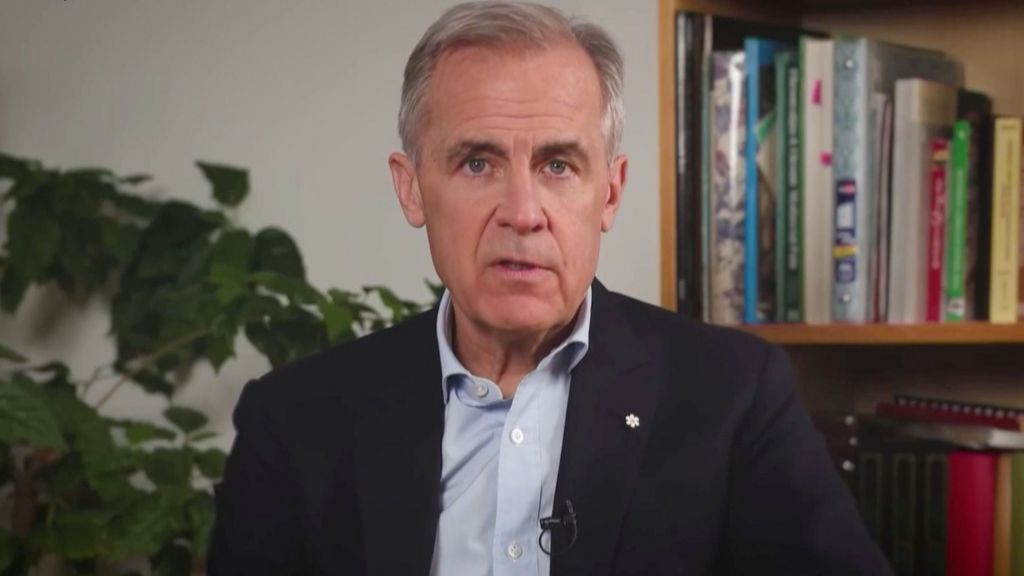
    For decades, Canada’s deep integrated economic and trade relationship with the United States has been widely framed as one of the country’s greatest economic assets, driving cross-border investment, job growth, and market access for Canadian manufacturers and resource exporters alike. But that long-held consensus is shifting dramatically, according to Canadian Prime Minister Mark Carney, who is calling for urgent course correction after sweeping changes to U.S. trade policy transformed the once-advantageous partnership into a critical vulnerability for Canada’s economic future.

    In recent remarks, Carney argued that evolving trade priorities out of Washington have eroded the stability that once made close bilateral ties a boon for Canadian economic growth. What once allowed Canadian businesses to reliably access the world’s largest single consumer market has now become a source of systemic risk, he said, leaving Canada overly exposed to sudden shifts in U.S. trade rules, tariff policy changes, and politically driven trade disputes that can disrupt domestic economic activity with little warning.

    Carney’s comments mark a notable shift in Canadian discourse around bilateral relations, opening a new conversation about the need for Canada to diversify its trade partnerships, reduce its overreliance on the U.S. market, and strengthen domestic economic resilience to insulate the country from future trade policy changes originating south of the border. The prime minister framed the push for correction as a pragmatic response to a changed global trade landscape, rather than a rupture in bilateral relations, noting that adapting to Washington’s new policy direction is a necessary step to protect Canada’s long-term economic sovereignty and prosperity.

  • Google denies involvement in $125 million Chromebook graft case in Indonesia

    Google denies involvement in $125 million Chromebook graft case in Indonesia

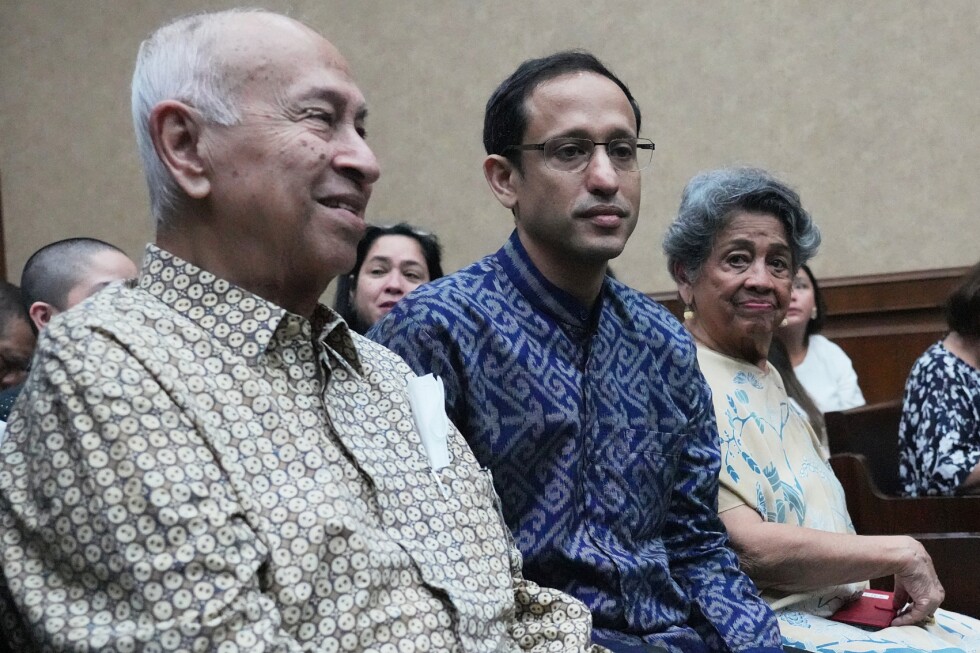
    JAKARTA, Indonesia – In a high-profile corruption trial unfolding at Jakarta’s Corruption Court, three former Google executives have formally rejected claims that the tech giant was complicit in a massive Chromebook procurement scheme at Indonesia’s Ministry of Education that prosecutors allege cost the state $125 million in losses.

    The case centers on Nadiem Anwar Makarim, the 41-year-old co-founder of Indonesian super app Gojek and Indonesia’s former education minister, who was taken into custody in September following a months-long investigation into alleged graft tied to the 1.2 million-laptop procurement. Prosecutors accuse Makarim, who led the education ministry from 2019 until 2024, of abusing his executive authority to skew the 2020–2021 national procurement contract entirely toward Google’s Chromebook devices, despite internal ministry research findings that the devices would be ineffective for many rural regions of the country that lack consistent broadband internet access.

    The three former Google leaders – Scott Beaumont, who served as Google Asia Pacific president between 2014 and 2019; Caesar Sengupta, a former general manager and vice president at the company from 2018 to 2021; and ex-executive William Florence – testified remotely via Zoom on Monday. All three pushed back on prosecution claims that Google structured a $787 million investment into Gojek’s parent company PT Aplikasi Karya Anak Bangsa (PT AKAB) as a quid pro quo for the lucrative procurement contract.

    “There was no connection at all between Google’s investment in GoTo and any of the conversations with the Ministry of Education,” Beaumont told the three-judge panel hearing the case. Sengupta echoed this denial, rejecting all allegations of coordinated corruption tied to the deal.

    Lead prosecutor Muhammad Fadli Paramajeng has alleged the bulk procurement of Chromebooks was intentionally designed to cement Google’s market dominance in Indonesia’s fast-growing educational technology sector, with the $787 million Google investment into PT AKAB serving as the payout for Makarim’s favor. Prosecutors further claim that Makarim received roughly $48.2 million (809 billion rupiah) in personal benefits tied directly to the contract.

    Google has pushed back on the claims in previous statements, noting that Chromebooks are specifically engineered to meet classroom needs, including in low-connectivity regions. While the devices are optimized for cloud-based functionality, the company confirms they are fully functional offline when internet access is unavailable. Google also emphasized that it only licenses software for Chromebooks and does not control the pricing of devices sold by third-party manufacturers.

    Makarim, a Harvard graduate who co-founded Gojek in 2009, stepped down from the company in 2019 when it was valued at more than $10 billion to join former Indonesian President Joko Widodo’s cabinet. Gojek merged with Indonesia’s largest e-commerce platform Tokopedia in 2021 to form the GoTo Group, the entity referenced by Beaumont during his testimony.

    Prosecutors argue that Makarim’s exit from PT AKAB and Gojek was a deliberate “strategic concealment” to hide his ongoing conflict of interest. They claim he retained indirect control over the company by appointing close personal associates to key director roles as beneficial owners, allowing him to still benefit from the Google investment.

    Makarim has consistently denied all wrongdoing, asserting he never received any personal funds from the procurement deal or associated services. His defense team argues that he fully divested his stake in PT AKAB when he took public office, that his personal net worth dropped by more than 50% during his tenure as minister, and that all procurement decisions were made by technical ministry teams and career officials, not by the minister himself.

    If convicted, Makarim faces a potential sentence of life imprisonment. A verdict is expected as early as this month. Two former Education Ministry officials and one ex-technology consultant have also been charged in connection with the scheme, while a fourth accused individual remains at large.