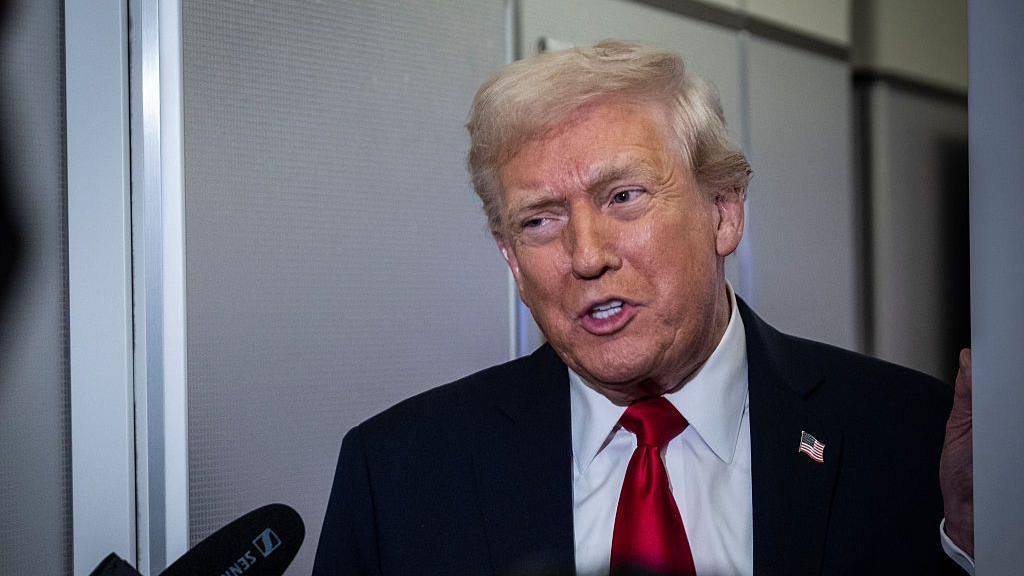
US President Donald Trump has publicly supported his special envoy, Steve Witkoff, describing his actions as ‘standard’ in the realm of diplomatic negotiations. This defense comes in the wake of a leaked audio recording that purportedly captures Witkoff advising a Russian official on strategies to appeal to Trump. Speaking to reporters aboard Air Force One, Trump emphasized that Witkoff was merely performing the duties expected of a dealmaker, aiming to ‘sell’ a peace plan to both Russia and Ukraine. The leaked conversation, which Bloomberg shared as a transcript, reportedly occurred on October 14 and involved Witkoff and Yuri Ushakov, a foreign policy adviser to Russian President Vladimir Putin. In the recording, Witkoff is said to have suggested ways to facilitate a call between Trump and Putin, including congratulating Trump on his achievements and expressing respect for his peacemaking efforts. The leaked audio has sparked controversy, particularly as it follows the release of a 28-point draft peace plan that many critics argue favors Russian interests. Despite the backlash, diplomatic talks have continued, with Ukrainian President Volodymyr Zelensky expressing readiness to meet Trump to address unresolved issues. Meanwhile, Witkoff is scheduled to visit Moscow next week, as per a preliminary agreement. The leak has also drawn ire from Russian officials, with Putin’s envoy Kirill Dmitriev accusing the media of spreading ‘fake narratives’ to undermine relations. As the situation unfolds, the focus remains on whether the revised peace plan can bridge the gap between the conflicting parties and bring an end to the ongoing war in Ukraine.
分类: politics
-
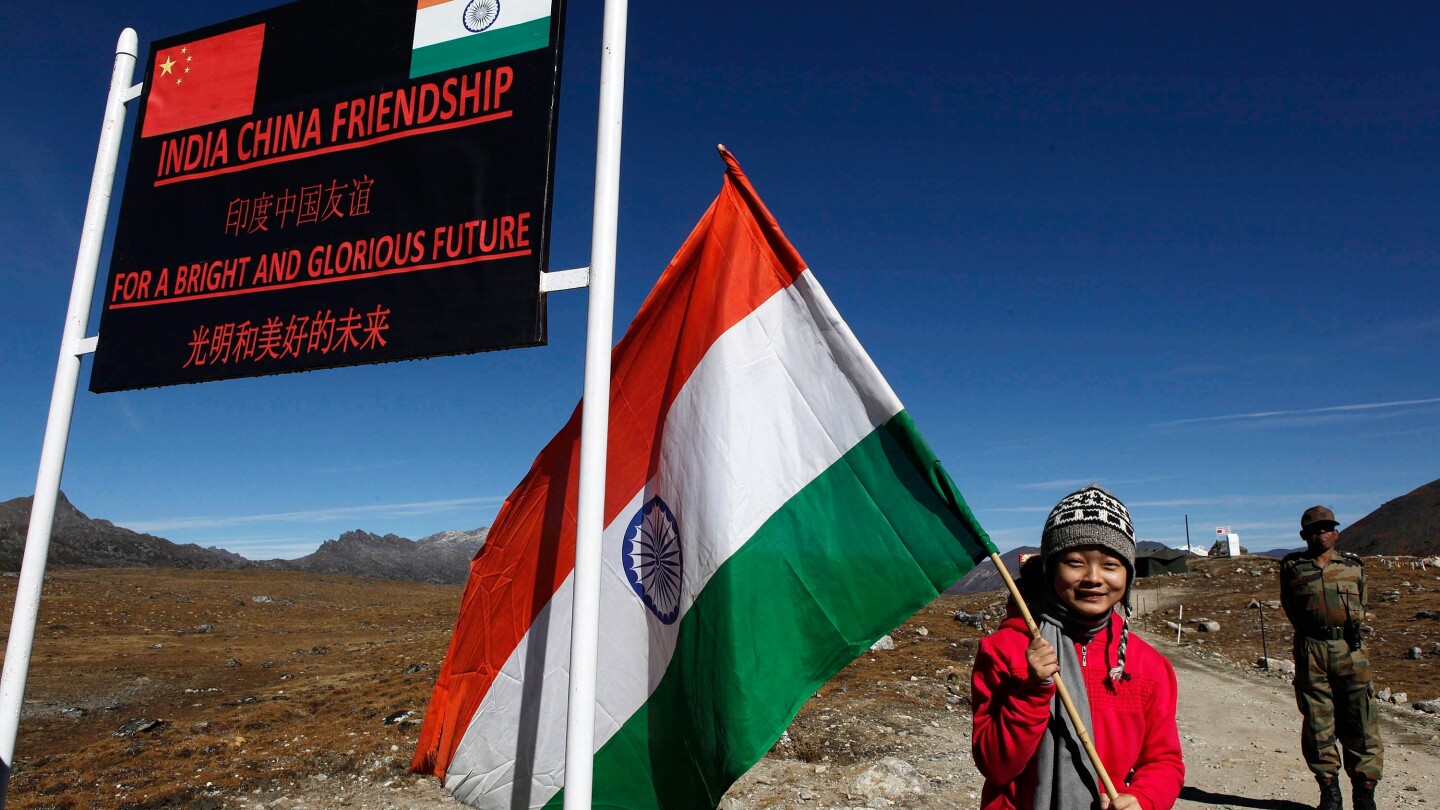
India protests China’s ‘arbitrary detention’ of citizen at Shanghai airport
India has formally protested to China following the alleged arbitrary detention of an Indian citizen at Shanghai airport, escalating tensions between the two nations. The incident occurred on November 21 when Pem Wang Thongdok, a traveler from India’s northeastern state of Arunachal Pradesh, was held for 18 hours during a layover en route to Japan. Chinese authorities reportedly deemed her passport invalid, citing Arunachal Pradesh as Chinese territory, which Beijing refers to as Zangnan or Southern Tibet. India firmly maintains that Arunachal Pradesh is an integral part of its territory. This episode adds to the existing strain in bilateral relations, already marred by a military standoff along the Himalayan border, trade restrictions, and competing regional interests. The dispute over Arunachal Pradesh remains a significant obstacle to improving ties between the two nuclear-armed neighbors. China’s Foreign Ministry spokesperson Mao Ning defended the border inspection authorities, stating the case was handled lawfully and denied any detention or harassment. India’s Foreign Ministry countered, asserting that Arunachal Pradesh is an inalienable part of India and criticized China’s actions as violations of international air travel conventions and its own transit regulations.
-
China’s support for development hailed
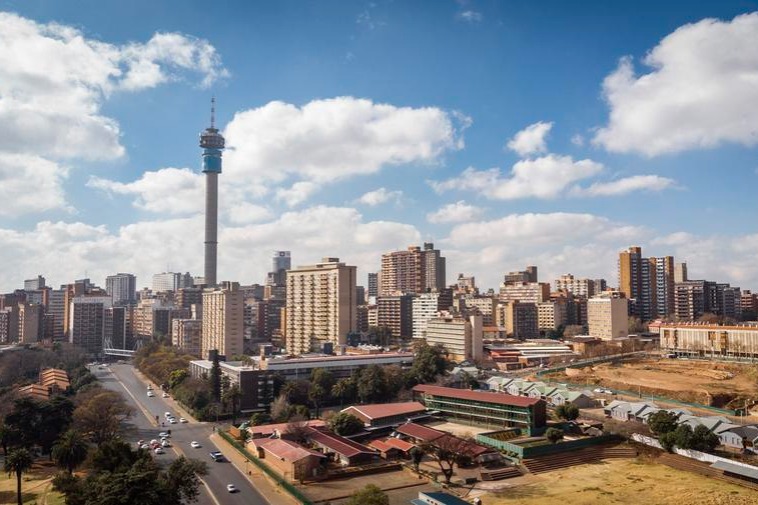
Senior South African officials have lauded China’s significant contributions to the development of South Africa and the Global South, emphasizing the importance of their partnership in addressing critical challenges. Speaking at the G20 Leaders’ Summit in Johannesburg, David Masondo, South Africa’s Deputy Minister of Finance, highlighted China’s constructive role in areas such as infrastructure, finance, trade, and climate change. He noted that China’s zero-tariff policy for 53 African countries has strengthened economic ties and facilitated inclusive growth amid global trade protectionism. China has been Africa’s largest trade partner for 16 consecutive years, with bilateral trade reaching $296 billion in 2024, a 4.8% increase from the previous year. Additionally, China is South Africa’s top trade partner, with trade totaling $25 billion in the first half of 2025. Masondo also commended China’s efforts in promoting multilateralism, particularly in tackling global issues like climate change. Chrispin Phiri, spokesman for South Africa’s Department of International Relations and Cooperation, expressed interest in collaborating with China to enhance South Africa’s manufacturing capabilities, especially in electric vehicles. Vincent Magwenya, spokesman for the South African president, described the bilateral relationship as ‘excellent’ and highlighted alignment on key issues, including those central to South Africa’s G20 presidency. The officials’ remarks coincided with the adoption of a G20 declaration emphasizing the urgency of addressing climate change, advancing sustainable development, and reforming global financial systems for fairer growth.
-
UN calls for action as Israel’s breaches threaten ceasefire
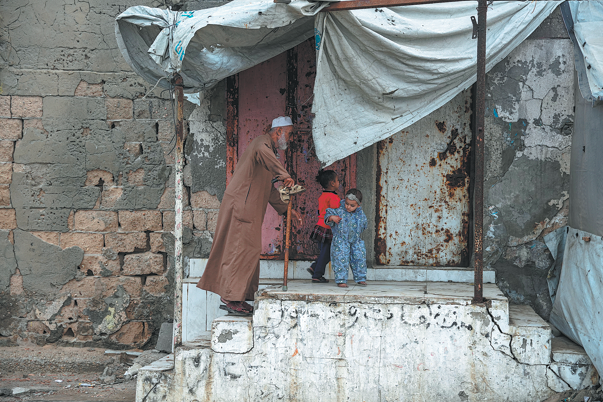
United Nations human rights authorities are issuing an urgent international appeal for immediate intervention to halt Israel’s systematic breaches of a US-mediated ceasefire agreement in Gaza. A coalition of 20 UN special rapporteurs and working groups, including prominent human rights investigator Francesca Albanese, has documented 393 separate violations since the truce was established last month.
The documented incidents have resulted in 339 Palestinian fatalities, including more than 70 children, with an additional 871 individuals sustaining injuries. The deadliest single episode occurred on October 28, when airstrikes claimed 104 lives. Despite the nominal ceasefire, military operations including gunfire, artillery shelling, and airstrikes have persisted across all five governorates of the Gaza Strip.
UN experts characterized these actions as “a blatant violation of the ceasefire agreement” and emphasized that humanitarian access remains critically constrained. Only two of six border crossings have reopened, with aid deliveries consistently failing to meet the agreed target of 600 trucks daily, frequently falling below half that number.
The situation is further complicated by Israel’s continued military presence, with more than 58% of Gaza remaining under Israeli control and 40 active military sites operating beyond agreed withdrawal boundaries. Experts warned that current arrangements risk entrenching rather than ending the occupation.
China’s UN Ambassador Fu Cong echoed these concerns during a Security Council session, identifying a lasting ceasefire as the top priority. While acknowledging progress in initial agreements, Fu emphasized that “peace is still far from being achieved” and urged Israel to fully comply with international humanitarian obligations, including opening all crossings and removing restrictions on aid organizations.
The Israel Defense Forces maintained in an official statement that recent operations in the Rafah area targeted terrorist infrastructure, claiming strikes against 60 targets including tunnel networks and weapons storage facilities.
Regional analysts like Muslim Imran of Malaysia’s Asia Middle East Center for Research and Dialogue argue that Israel’s pattern of violations in Gaza, Syria, and Lebanon demonstrates a systematic disregard for ceasefire agreements, suggesting the nation “is not interested” in genuine peaceful resolution.
-

Museums showcase shared Chinese identity
The Taipei Palace Museum’s collection, predominantly originating from the Chinese mainland, stands as a testament to the shared cultural heritage and unity across the Taiwan Strait, according to experts. This assertion comes amidst criticism of Taiwan’s Democratic Progressive Party (DPP) authorities for allegedly using the museum’s artifacts to promote secessionist agendas. A recent exhibition in Beijing, commemorating the evacuation of the Palace Museum’s artifacts during the Chinese People’s War of Resistance Against Japanese Aggression (1931-45), underscored the inseparable link between Chinese cultural treasures on both sides of the Strait. The exhibition, running until December 31, showcases over 100 archival documents and cultural relics, illustrating the artifacts’ journey and reinforcing the unity of Chinese culture. However, Hsiao Tsung-huang, director of the Taipei Palace Museum, controversially claimed that the artifacts, having been in Taiwan for 75 years, are now ‘Republic of China property’ and integral to Taiwan’s culture. Chen Binhua, spokesman for the State Council Taiwan Affairs Office, dismissed these claims as a distortion of historical facts, emphasizing that Taiwan’s culture is rooted in Chinese culture and that the artifacts are part of the Chinese nation’s heritage. The DPP’s recent ‘treasure diplomacy’, including exhibitions in the Czech Republic and France, has been criticized as an attempt to manipulate cultural identity for separatist purposes. Chen reiterated that any efforts to use Chinese cultural treasures to promote secession are destined to fail, as historical facts and cultural roots cannot be altered.
-
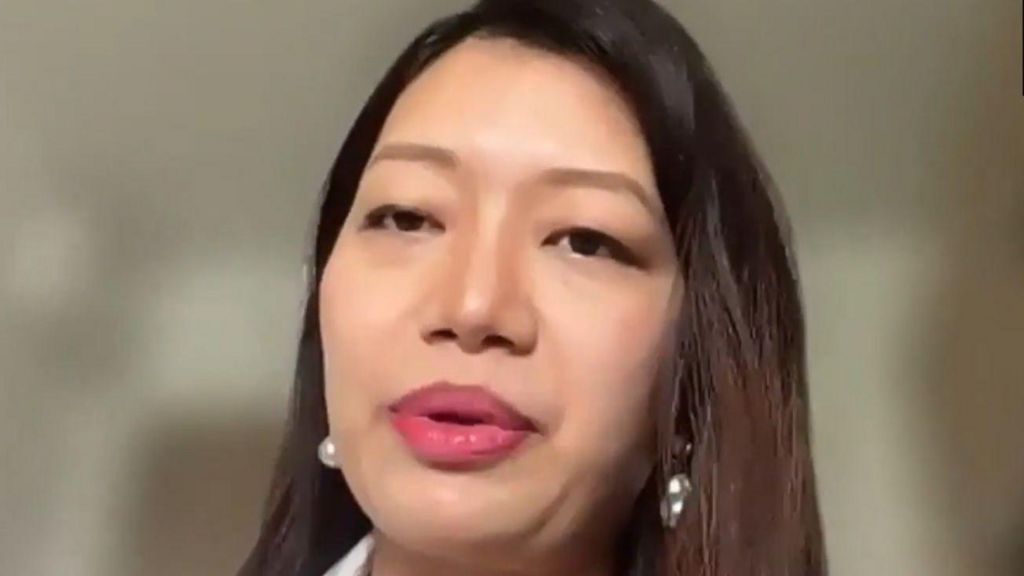
India-China trade barbs after passenger detained at Shanghai airport
The detention of Pema Wangjom Thongdok, an Indian national residing in the UK, at Shanghai airport has escalated diplomatic tensions between India and China. Thongdok was held for 18 hours last Friday while transiting from London to Japan via Shanghai. The reason cited for her detention was her passport listing Arunachal Pradesh as her birthplace, a region China claims as its own, referring to it as ‘South Tibet’—a claim India vehemently denies.
-
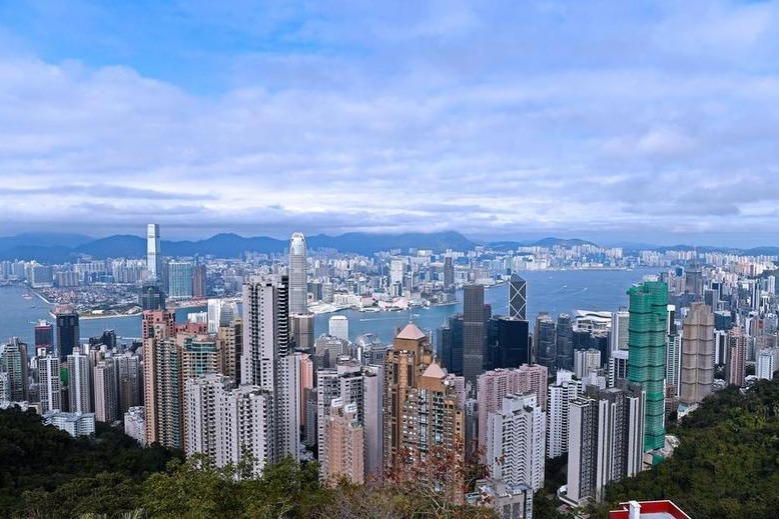
Hong Kong, Macao to get more support
The central government has pledged to intensify its support for Hong Kong and Macao, ensuring their alignment with national strategies and the forthcoming 15th Five-Year Plan (2026-30). This commitment was underscored during a high-level seminar led by Zhu Weidong, deputy director of the Office of the Central Financial and Economic Affairs Commission and the Office of the Central Rural Work Leading Group. Zhu highlighted the remarkable achievements of the 14th Five-Year Plan (2021-25), including an average annual growth rate of 5.5 percent and significant technological advancements, such as producing over 60 percent of the world’s new energy vehicles and breakthroughs in semiconductors and quantum technology. The delegation, which included Hou Jianguo, president of the Chinese Academy of Sciences, conducted similar seminars in Macao and Hong Kong, emphasizing the regions’ strategic roles in national development. Hong Kong Chief Executive John Lee Ka-chiu and Zhou Ji, director of the Liaison Office of the Central People’s Government in Hong Kong, reiterated the central government’s unwavering support for Hong Kong’s prosperity and stability. The seminars also featured calls for enhanced infrastructure and institutional connectivity, leveraging Hong Kong’s unique position as an international hub. Participants, including Hong Kong deputies to the National People’s Congress and leaders of community associations, expressed confidence in the central government’s proactive role in fostering regional growth and stability.
-
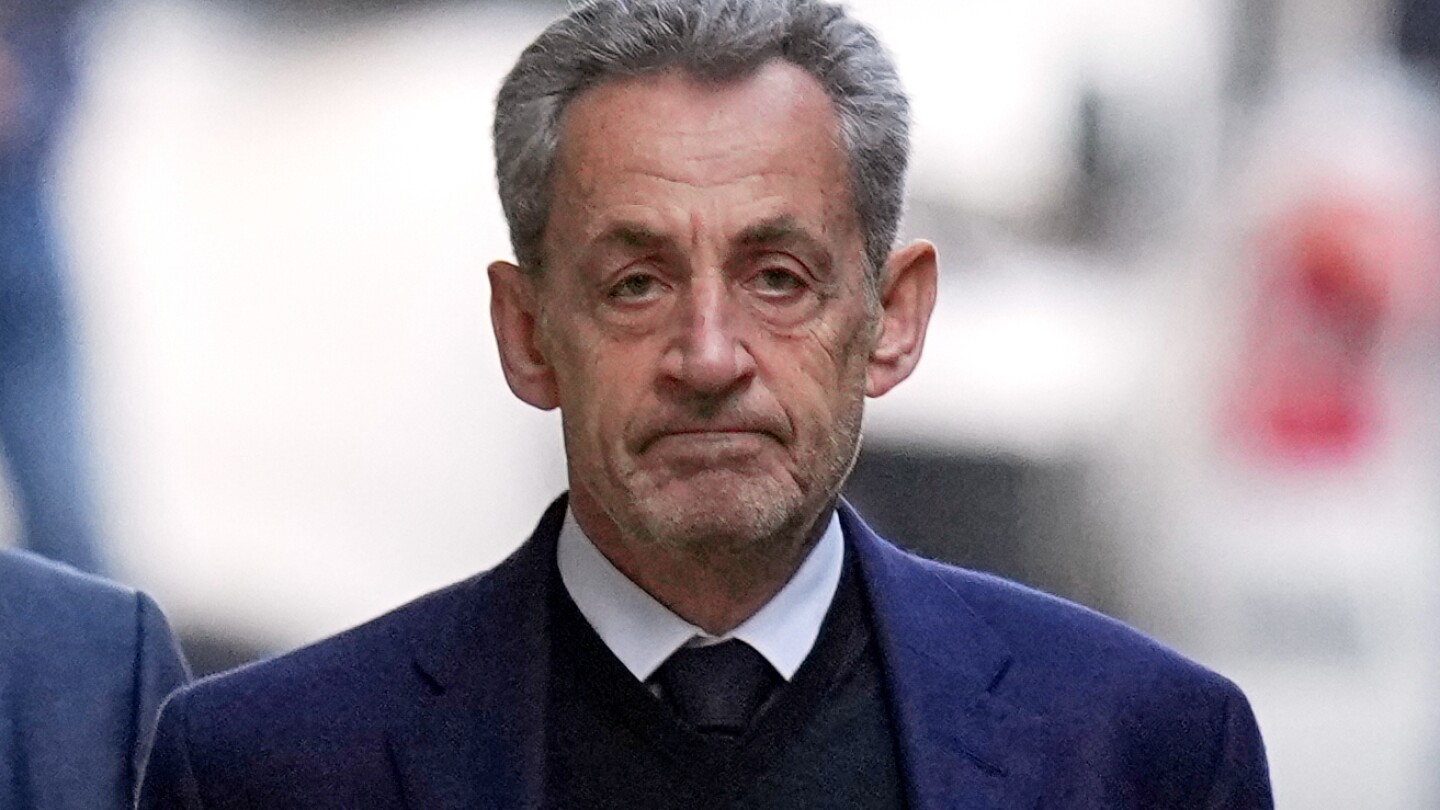
What to know about French ex-President Sarkozy’s latest legal matters
Nicolas Sarkozy, the former President of France, awaits a pivotal ruling from the Court of Cassation on Wednesday regarding his conviction for illegal campaign financing during his 2012 reelection bid. The court will determine whether to uphold or overturn his one-year prison sentence, half of which is suspended, for exceeding the legal spending limit by nearly double the allowed €22.5 million ($25.5 million). This decision follows his recent release from a 20-day incarceration in Paris’ La Santé prison, stemming from a separate case involving alleged secret financing from Libya during his 2007 presidential campaign. Sarkozy, 70, has consistently denied any wrongdoing. If the Court of Cassation confirms the conviction, it will mark a definitive legal conclusion, barring further appeals. The court’s role is to ensure proper application of legal procedures rather than re-examining the case’s merits. Additionally, Sarkozy faces an upcoming appeal trial in the Libya case, scheduled from March 16 to June 3, where he was previously sentenced to five years for criminal association related to campaign financing. Amid these legal battles, Sarkozy is set to release a memoir titled “Diary of a Prisoner,” reflecting on his recent incarceration. The former president’s legal woes also include preliminary charges for alleged witness tampering in the Libya case, with his wife, Carla Bruni-Sarkozy, similarly implicated. Sarkozy’s legacy continues to be marred by these controversies, including a prior conviction for corruption and influence peddling, which led to the revocation of his Legion of Honor medal.
-
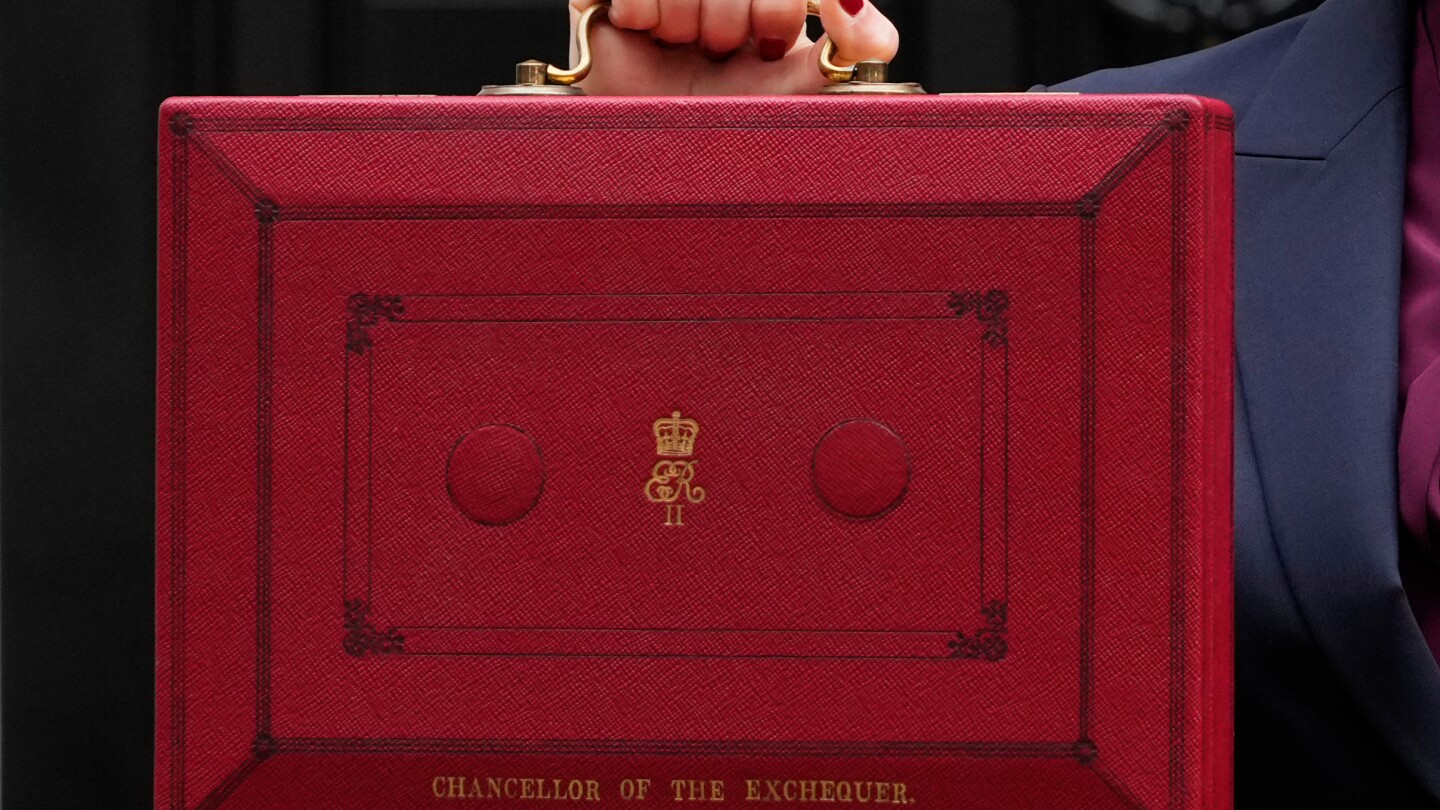
UK’s Treasury chief set to raise taxes once again in her second budget
LONDON — Amid mounting economic pressures, Britain’s Labour government, led by Chancellor of the Exchequer Rachel Reeves, is poised to unveil its second budget since its landslide election victory in July 2024. The announcement, scheduled for Wednesday, comes as the government grapples with a strained public finances and a faltering economy. Reeves, the first woman to hold the prestigious Treasury role, is expected to introduce additional tax-raising measures to address a significant fiscal shortfall. This marks a departure from her earlier assurance that her first budget would be the sole major tax-raising effort of the current parliamentary term, which extends to 2029. The British economy, the world’s sixth-largest, has struggled to meet expectations, with critics attributing the downturn to last year’s business tax hikes. Despite a brief recovery in the first half of 2024, when the UK led the Group of Seven in growth, the economy has since stumbled. Peter Arnold, chief economist at EY U.K., noted that Reeves must navigate a ‘delicate balancing act’ between ensuring fiscal stability and fostering economic growth. The UK’s financial woes are compounded by long-term challenges stemming from the 2008 global financial crisis, the COVID-19 pandemic, the Russia-Ukraine war, and the lingering effects of Brexit. These factors have collectively eroded the nation’s economic resilience and tax revenue. Reeves also faces substantial spending commitments, including reversing planned welfare cuts and addressing the cost-of-living crisis amid persistent inflation. Economists estimate she will need to secure £20-30 billion ($26-39 billion) to meet these demands. While a straightforward income tax hike has been ruled out, Reeves is likely to implement smaller, more complex tax measures. Key expectations include freezing tax thresholds, which would push more earners into higher brackets as wages rise, and introducing a mansion tax on high-value properties. Changes to capital gains tax and private pension provisions are also under consideration.
-
Trump administration plans to reinterview refugees admitted under Biden: Report
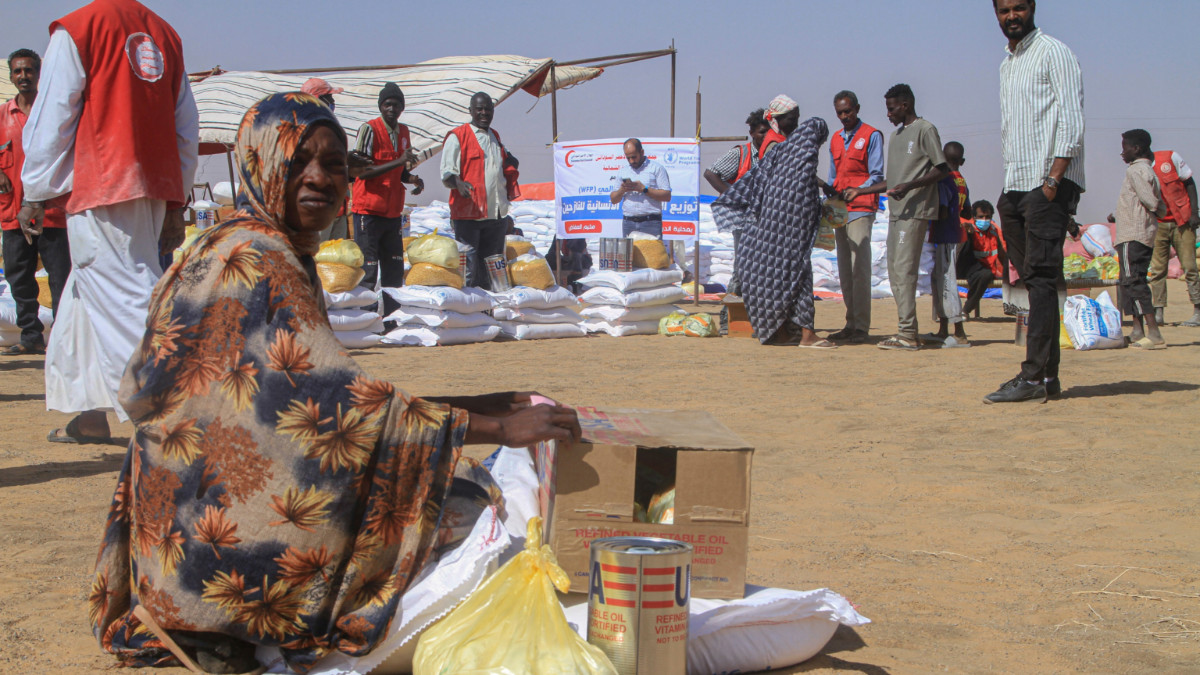
The Trump administration is reportedly preparing to reinterview tens of thousands of refugees admitted to the United States during President Joe Biden’s tenure, according to a CNN report published on Monday. A leaked memo dated November 21 reveals that the U.S. Citizenship and Immigration Services (USCIS) will initiate a comprehensive “review and reinterview process” to assess whether these refugees pose any national security or public safety risks. Approximately 235,000 refugees were admitted between fiscal years 2021 and 2025 under Biden’s policies, though the memo does not specify which individuals or countries of origin will be targeted. Notably, the USCIS has the authority to revoke refugee status without providing an appeal mechanism if deemed necessary. This move is part of a broader effort by the Trump administration to overhaul the U.S. refugee system, which has historically been governed by the Refugee Act of 1980. Last month, the administration announced plans to drastically reduce the annual refugee admission cap to a historic low of 7,500 in fiscal year 2026, a stark contrast to the over 100,000 refugees admitted annually under Biden. The majority of these slots are reportedly reserved for white South Africans, a decision that has sparked controversy. While the Biden administration expanded refugee admissions, it fell short of its annual caps, admitting 25,465 in 2022, 60,014 in 2023, 100,034 in 2024, and 27,308 in 2025, according to the Migration Policy Institute. Trump’s earlier suspension of the refugee resettlement program left thousands in limbo, including 12,000 individuals with approved flights and nearly 90,000 others awaiting resettlement. The U.S. refugee vetting process typically takes 18 to 24 months, though white South African farmers have been an exception, with their cases expedited. South African President Cyril Ramaphosa and other officials have denied allegations of “white genocide,” calling them unfounded.