分类: politics

  • Thousands in Philippines protest corruption and demand return of stolen funds from flood projects

    Thousands in Philippines protest corruption and demand return of stolen funds from flood projects

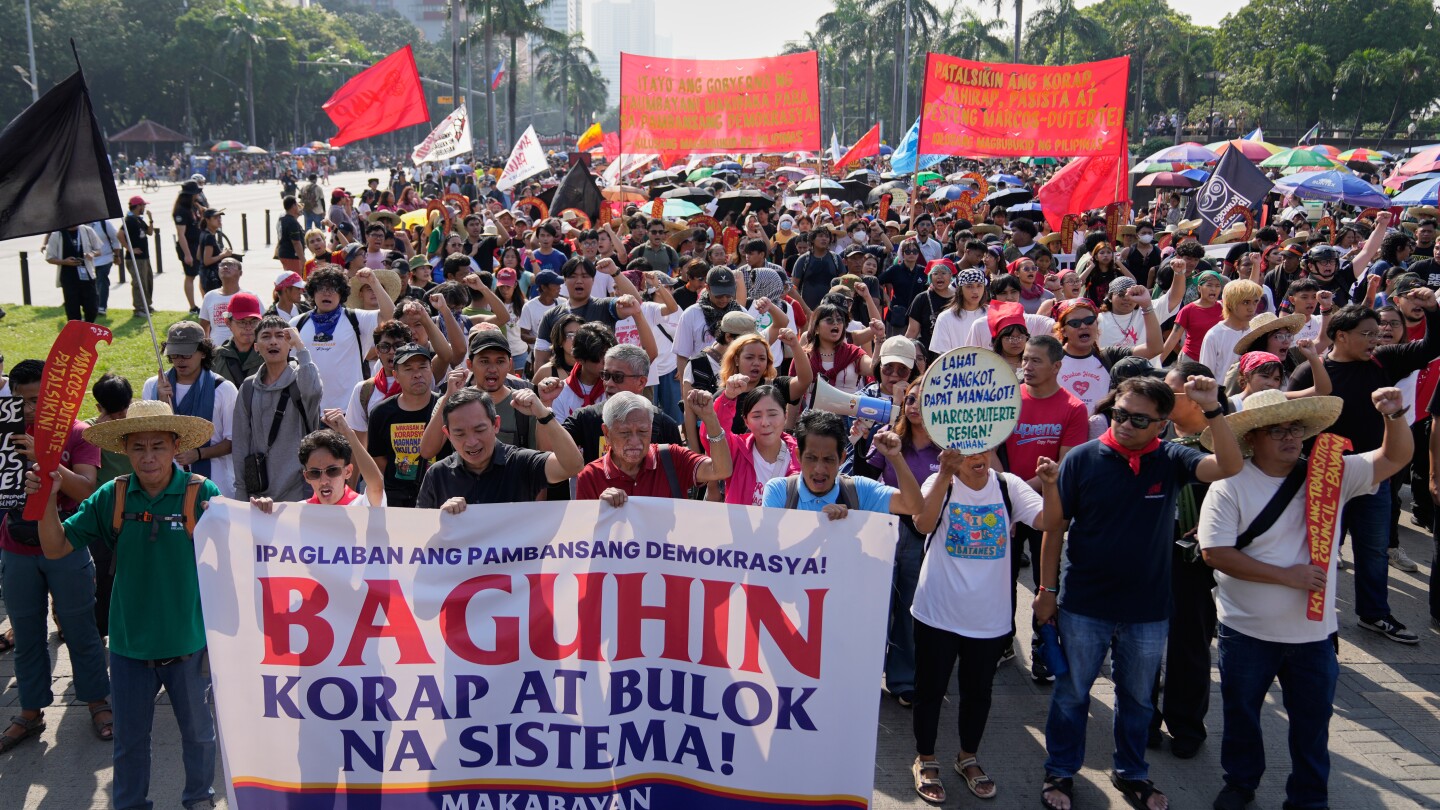
    MANILA, Philippines — The Philippine capital witnessed significant civil unrest on Sunday as thousands of citizens, including prominent Roman Catholic clergy members, organized coordinated demonstrations demanding immediate accountability for government officials embroiled in a widespread corruption scandal involving misappropriated flood control funds.

    In a powerful display of public outrage, left-wing activist groups staged separate protests at Manila’s central park, issuing uncompromising demands for the resignation and prosecution of all officials connected to the scandal. The corruption scheme allegedly diverted billions of pesos intended for critical infrastructure projects, resulting in substandard, defective, or completely nonexistent flood control systems across the disaster-prone archipelago nation.

    President Ferdinand Marcos Jr.’s administration has been working to contain the political fallout from the scandal, which has exposed systemic graft within legislative and public works sectors. The presidential palace complex implemented stringent security measures, deploying over 17,000 police officers throughout metropolitan Manila and establishing barricades with anti-riot forces, military trucks, and barbed wire installations.

    Amid the heightened tensions, the Armed Forces of the Philippines reaffirmed its commitment to constitutional democracy, supporting a statement endorsed by 88 retired generals—including three former military chiefs of staff—that condemned calls for military intervention against the current administration.

    Catholic churches nationwide facilitated the anti-corruption rallies, with the primary gathering occurring at the historic EDSA highway ‘people power’ monument. Approximately 5,000 demonstrators, predominantly dressed in symbolic white attire, demanded the imprisonment of legislators, officials, and construction executives responsible for the infrastructure failures. Reverend Flavie Villanueva, a prominent Catholic priest known for his advocacy work, addressed the crowd, declaring: ‘Jail all the corrupt and jail all the killers.’

    The ongoing investigation has yielded concrete results: seven public works officers have been incarcerated on graft charges, former government engineer Henry Alcantara has returned 110 million pesos ($1.9 million) in kickbacks, and authorities have frozen approximately 12 billion pesos ($206 million) in assets connected to the scandal. President Marcos has publicly committed to seeing numerous implicated senators, congress members, and business executives imprisoned before Christmas, though protesters demand even swifter justice and full restitution of stolen public funds.
  • Rubio and Witkoff are meeting with Ukraine’s negotiators in Florida as Trump pushes to broker a deal

    Rubio and Witkoff are meeting with Ukraine’s negotiators in Florida as Trump pushes to broker a deal

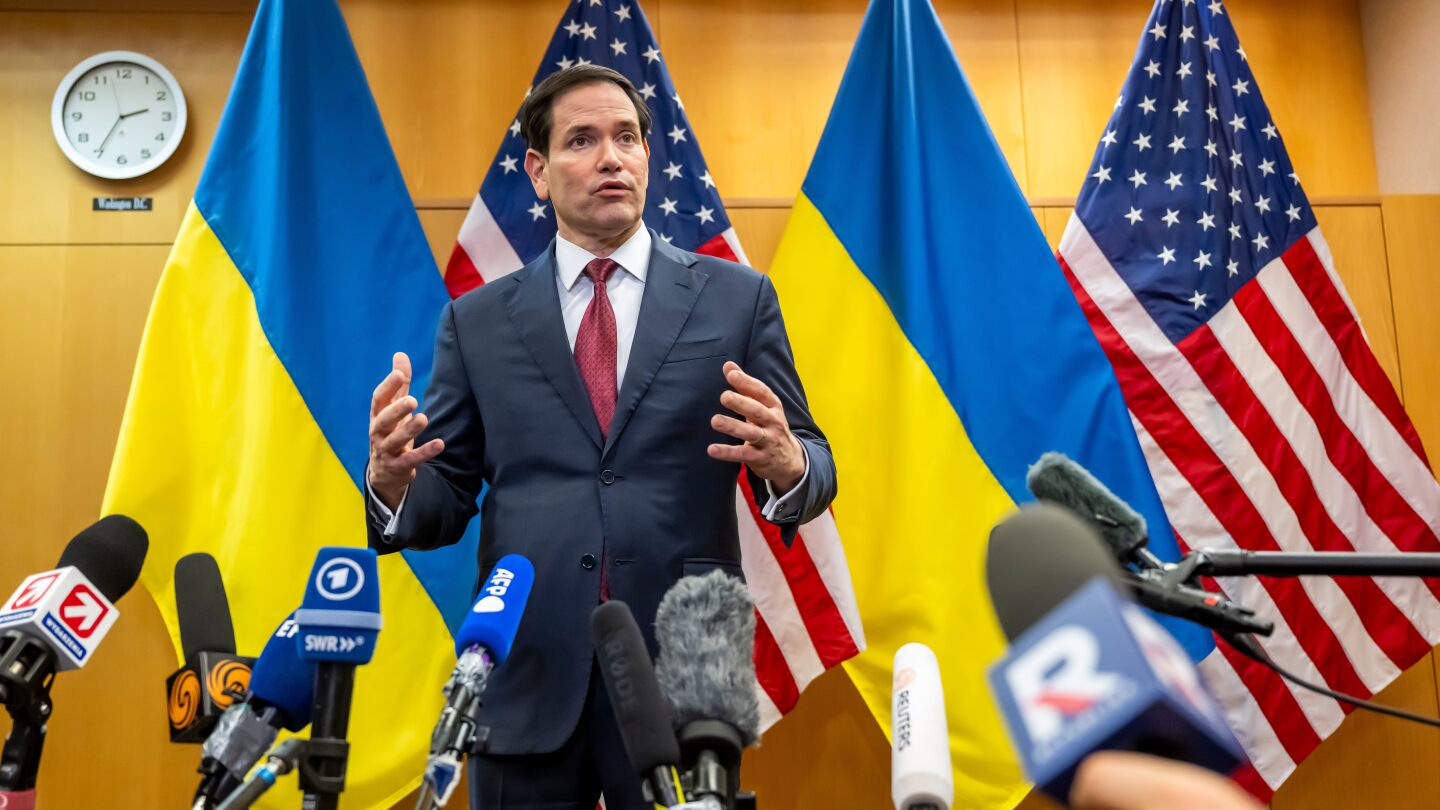
    WEST PALM BEACH, Fla. — High-level diplomatic efforts to resolve the Ukraine-Russia conflict entered a critical phase this weekend as top Trump administration officials convened with Ukrainian negotiators in Florida. The meetings, aimed at finalizing a peace framework, precede scheduled negotiations in Moscow with Russian President Vladimir Putin.

    Secretary of State Marco Rubio, Special Envoy Steve Witkoff, and Jared Kushner—President Donald Trump’s son-in-law—met with a reconstituted Ukrainian delegation following the sudden resignation of Ukraine’s chief negotiator. The discussions focused on refining a proposed 28-point peace plan that has undergone significant revisions since its initial formulation.

    The diplomatic push coincides with renewed military aggression, as Russian drone and missile strikes killed at least three people in Kyiv on Saturday, highlighting the urgent need for diplomatic progress.

    Ukraine’s negotiating team now includes Armed Forces commander Andrii Hnatov, Foreign Minister Andrii Sybiha, and Security Council head Rustem Umerov. This restructuring follows President Volodymyr Zelenskyy’s dismissal of powerful chief of staff Andrii Yermak, whose home was recently searched by anti-corruption investigators. The move comes amid a $100 million energy sector embezzlement scandal that has increased domestic pressure on Zelenskyy’s administration.

    The peace framework under discussion has evolved substantially from its original version, which faced criticism for disproportionately favoring Russian interests. Initial provisions requiring Ukraine to cede the Donbas region, accept military capacity limitations, and forfeit NATO membership prospects have been subject to renegotiation. President Trump has characterized the document as a “concept” requiring refinement rather than a finalized agreement.

    Both Witkoff and Kushner bring their real estate negotiation backgrounds to the diplomatic process, having previously facilitated a ceasefire in Gaza through a 20-point proposal. Their planned Moscow visit this week represents the next phase in these intensified peace efforts.

  • UAE condemns Israeli attacks on Syrian territory, calls for immediate action

    UAE condemns Israeli attacks on Syrian territory, calls for immediate action

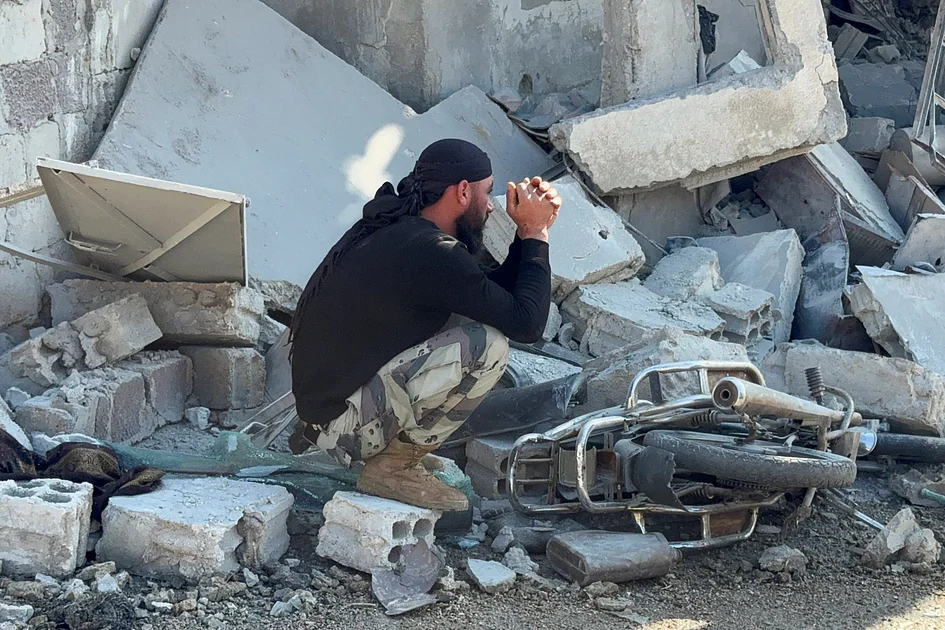
    The United Arab Emirates has issued a formal condemnation of Israel’s recent military operations within Syrian territory, characterizing these actions as a dangerous escalation in regional tensions. The UAE government expressed profound disapproval of attacks targeting villages in the Damascus countryside, emphasizing its categorical rejection of any violation of Syria’s national sovereignty and the consequent threat to regional security and stability.

    In an official statement released by the Ministry of Foreign Affairs, the Emirates called upon the global community to implement immediate measures aimed at ceasing the recurrent assaults on Syrian soil. The statement further urged international stakeholders to prevent further escalation and refrain from any activities that might exacerbate tensions in the Middle East, potentially jeopardizing both regional and international peace and security frameworks.

    The UAE’s diplomatic position reflects growing concern among Middle Eastern nations regarding the destabilizing effects of cross-border military operations. This development occurs amid complex geopolitical dynamics in the region, where multiple international actors maintain strategic interests. The Emirates’ statement underscores the importance of respecting national boundaries and adhering to international law principles governing interstate relations and conflict resolution.

  • Dictatorship-era army officers and supporters rally in Argentina in latest sign of political shift

    Dictatorship-era army officers and supporters rally in Argentina in latest sign of political shift

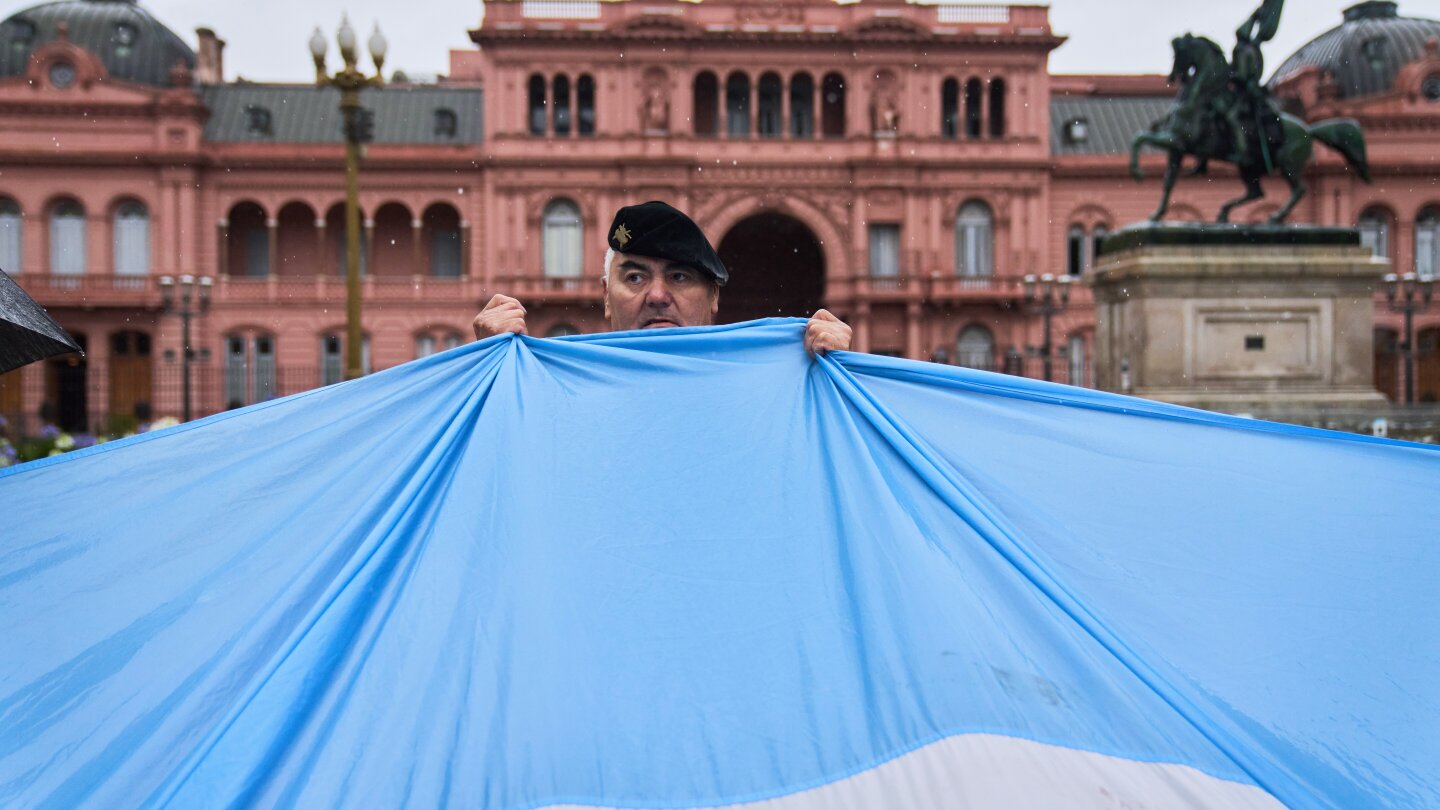
    BUENOS AIRES — In a provocative demonstration that has exposed deep societal fractures, former Argentine military officers and their families staged an unprecedented rally at Plaza de Mayo on Saturday, demanding the release of personnel imprisoned for human rights violations during the nation’s 1976-1983 dictatorship.

    The gathering represented a direct challenge to Argentina’s foundational “Nunca Más” (Never Again) principle that has guided the nation’s reckoning with authoritarian rule. The location itself carried profound symbolism—the same square where the Grandmothers of Plaza de Mayo have conducted silent weekly protests for decades seeking answers about children abducted by the junta.

    This demonstration occurred amidst a dramatic ideological shift under right-wing President Javier Milei, who has repeatedly characterized the dictatorship’s state terrorism as a necessary campaign against leftist guerrillas. His administration has taken unprecedented steps to rehabilitate the military’s image, including appointing Army chief Lt. Gen. Carlos Alberto Presti as defense minister—the first active military official to hold a cabinet position since democracy’s restoration in 1983.

    Vice President Victoria Villarruel, daughter of an Argentine lieutenant colonel, has spent years advocating for what she calls the “other victims” of left-wing guerrilla violence, further signaling the government’s revisionist approach to historical memory.

    Human rights organizations have expressed outrage at these developments, viewing them as attempts to legitimize systematic extrajudicial killings that resulted in an estimated 30,000 disappearances. The United Nations Committee Against Torture recently criticized Milei’s dismantling of programs investigating military actions during the dictatorship and budget cuts to institutions working on truth and justice initiatives.

    Counter-protesters flooded the plaza alongside military supporters, shouting insults and bearing “Never Again” signs. Police established physical barriers separating the factions, highlighting the tense divide over how Argentina should confront its violent past.

    The demonstration’s organizers brandished black bandanas—a deliberate contrast to the white kerchiefs embroidered with missing children’s names worn by the Grandmothers. Rally organizer Maria Asuncion Benedit decried what she called a “militant, activist judiciary” and demanded “moral vindication” for military veterans.

    Unlike other Latin American nations that granted amnesty after democratic transitions, Argentina has prosecuted over a thousand military officials for participation in state terror, with hundreds still awaiting trial. This ongoing pursuit of justice now faces its most significant political challenge in decades.

  • Trump says Venezuela airspace should be considered ‘closed in its entirety’

    Trump says Venezuela airspace should be considered ‘closed in its entirety’

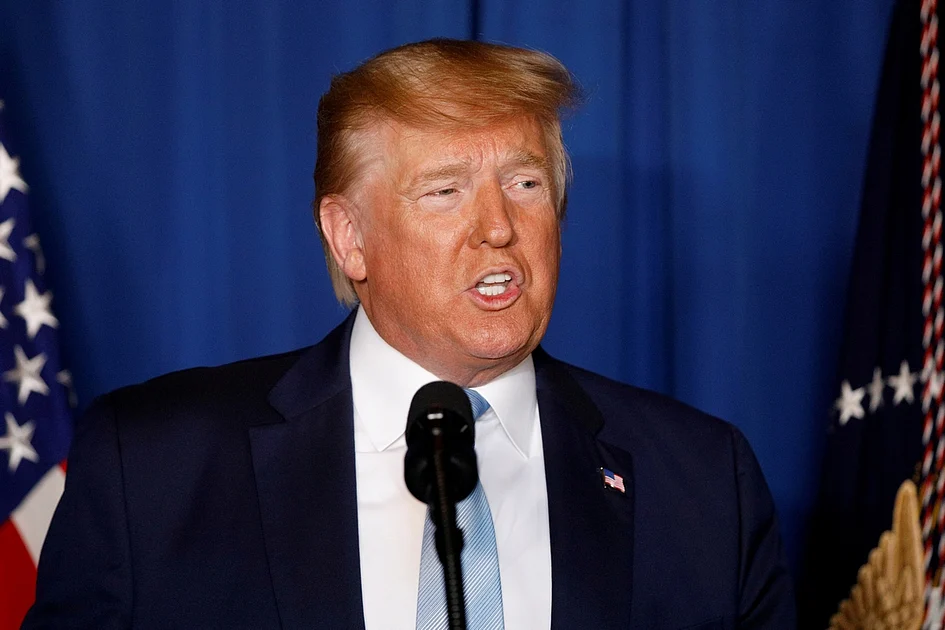
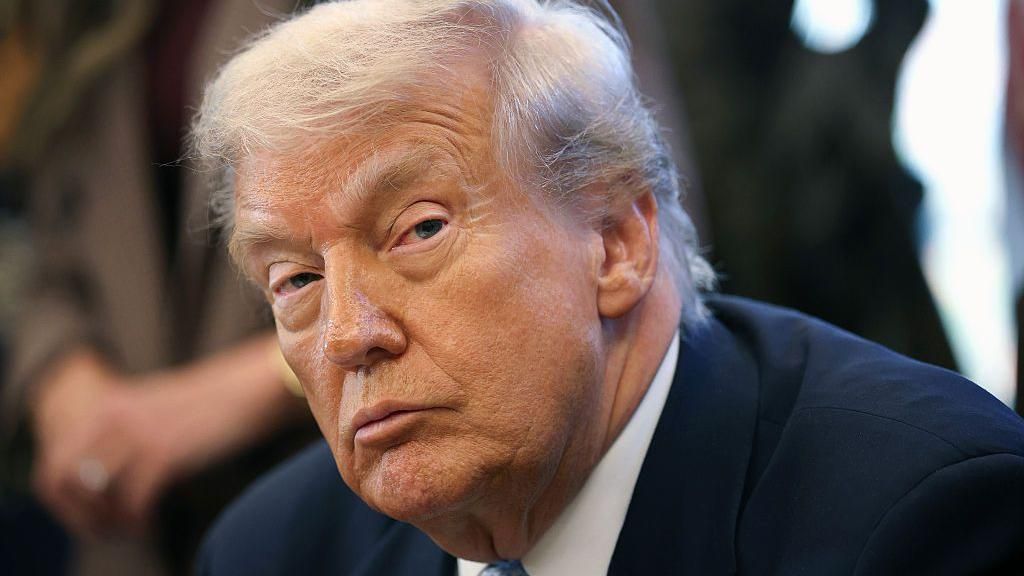
    In a dramatic escalation of tensions with Venezuela, U.S. President Donald Trump has issued an unprecedented declaration via his Truth Social platform, stating that all airspace above and surrounding Venezuela should be considered “closed in its entirety.” The announcement represents the latest development in an intensifying confrontation between Washington and Caracas that has now significantly disrupted regional aviation.

    The Trump administration has been building military pressure on the leftist government of Nicolás Maduro, deploying substantial naval assets to the Caribbean region including the world’s largest aircraft carrier. While Washington maintains its operations target drug trafficking networks, Venezuelan leadership insists the true objective is regime change.

    Since early September, U.S. forces have conducted strikes against more than 20 vessels allegedly involved in narcotics smuggling, resulting in at least 83 fatalities. Notably, American authorities have not publicly presented evidence verifying the targeted vessels were engaged in illicit activities, leading some experts to characterize the operations as extrajudicial killings.

    The situation has escalated further with Trump indicating that ground-based anti-trafficking operations would commence “very soon.” Recent aircraft tracking data reveals consistent U.S. fighter jet activity within dozens of kilometers of Venezuela’s coastline, while regional allies including the Dominican Republic and Trinidad and Tobago have provided logistical support to American military deployments.

    The aviation sector has borne immediate consequences from the rising tensions. Following a U.S. Federal Aviation Administration caution advisory regarding Venezuelan airspace due to security concerns, six major international carriers suspended service to the country. In retaliation, Caracas implemented flight bans against these airlines—including Iberia, TAP, Avianca, LATAM, GOL, and Turkish Airlines—accusing them of participating in “state terrorism” promoted by the United States.

    President Maduro, whose controversial reelection last year faced widespread international rejection, has responded with military exercises and mass demonstrations projecting national unity and defiance. Interestingly, The New York Times reported that despite public hostilities, Trump and Maduro held a telephone conversation last week discussing a potential meeting in the United States, suggesting diplomatic channels remain active behind the confrontational public rhetoric.

  • Tunisia arrests prominent opposition leader to enforce jail sentence

    Tunisia arrests prominent opposition leader to enforce jail sentence

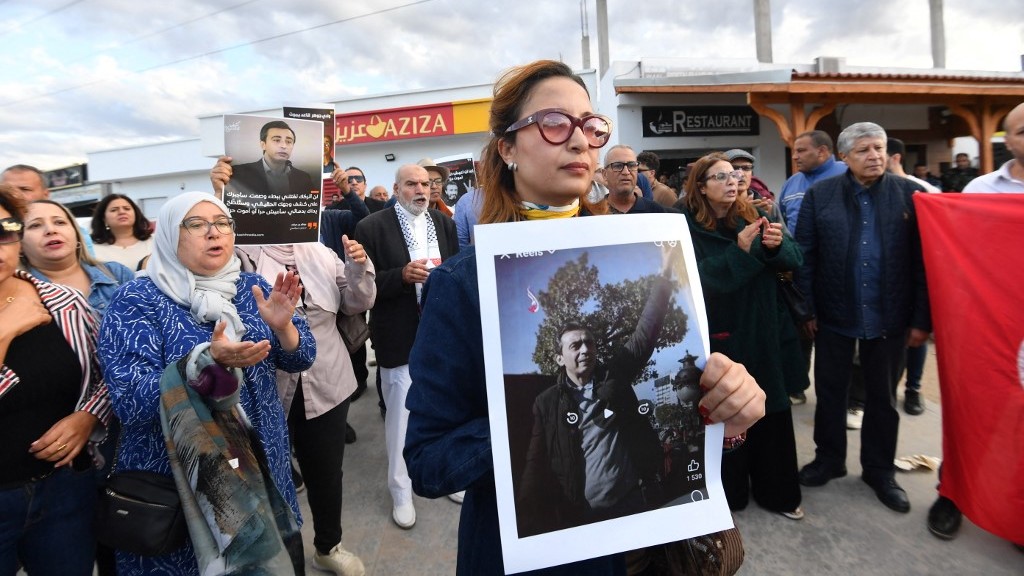
    Tunisian authorities have escalated their suppression of political dissent with the arrest of prominent human rights activist Chaima Issa, who now faces a 20-year prison sentence. The detention occurred Saturday afternoon during a protest in the capital, according to legal representatives.

    This development follows Friday’s appellate court decision that confirmed lengthy prison terms for dozens of government critics, in a case that has drawn international condemnation. The 37 defendants, primarily opposition figures arrested in spring 2023, faced charges of “conspiracy against state security” and alleged membership in terrorist organizations.

    The judicial proceedings have been criticized by human rights organizations as fundamentally flawed. The initial trial in April concluded after merely three hearings without permitting closing arguments, resulting in sentences reaching 66 years imprisonment. While appellate judges reduced some penalties, they simultaneously increased others.

    Businessman Kamel Ltaief received the most severe sentence at 45 years, reduced from his original 66-year term. Opposition politician Khayam Turki’s sentence was adjusted to 35 years from 48. Notably, several prominent figures including Jawhar Ben Mbarek, Ghazi Chaouachi, Ridha Belhaj and Issam Chebbi saw their sentences increased from 18 to 20 years. Ben Mbarek has undertaken a month-long hunger strike protesting what he terms “arbitrary and unjust” detention.

    The court acquitted two defendants: Noureddine Boutar, director of private radio station Mosaique FM, and lawyer Lazhar Akremi. Feminist activist Bochra Belhaj Hmida and French intellectual Bernard-Henri Lévy, both tried in absentia, had their 33-year sentences upheld.

    United Nations High Commissioner for Human Rights Volker Türk has denounced the proceedings, citing numerous legal violations and expressing serious concerns about political motivations behind the prosecutions.

  • Israeli president concerned over proposed renaming of park

    Israeli president concerned over proposed renaming of park

    A controversial proposal to rename Herzog Park in south Dublin has ignited diplomatic tensions between Ireland and Israel, drawing strong reactions from both governments and Jewish communities. The park, located in Rathgar, was originally named in 1995 to honor Chaim Herzog, the Belfast-born sixth president of Israel who spent his formative years in Dublin.

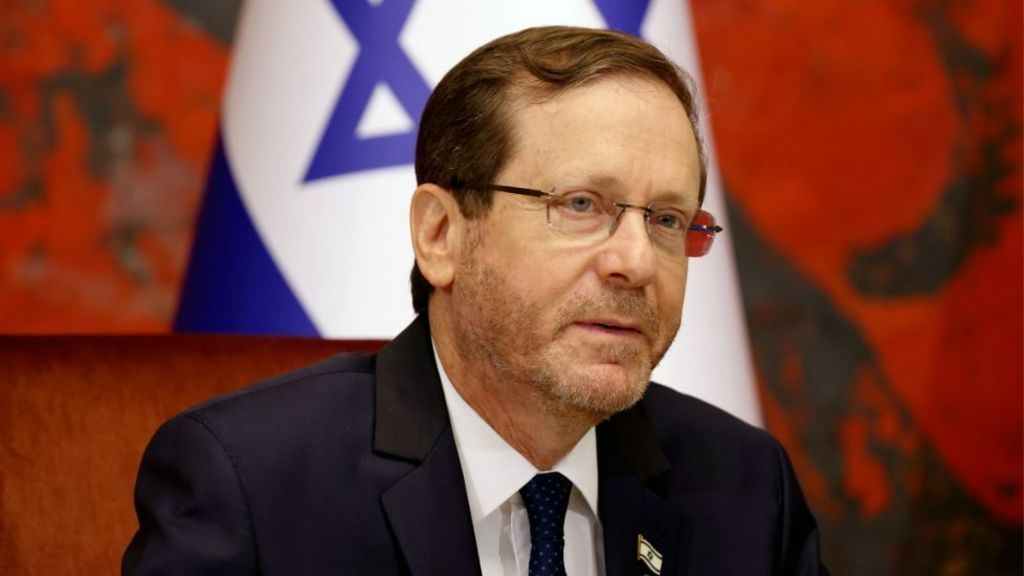
    The Office of Israeli President Isaac Herzog, son of the late leader, issued a formal statement expressing profound concern over the potential name removal, characterizing it as a ‘shameful and disgraceful move’ that would damage the historical connection between Irish and Jewish peoples. The statement emphasized Chaim Herzog’s dual legacy as both an Israeli leader and a hero who fought against Nazi occupation in Europe, dedicating his life to values of freedom, tolerance, and peace.

    Irish political leaders have joined the opposition against the renaming proposal. Tánaiste (Deputy Prime Minister) Simon Harris declared his complete opposition, stating ‘It is wrong. We are an inclusive republic,’ while Foreign Affairs Minister Helen McEntee urged councilors to reject the motion, distinguishing between criticism of current Israeli policies and honoring historical figures.

    The Jewish Representative Council of Ireland described the move as ‘deeply concerning,’ with Chair Maurice Cohen warning that removing the Herzog name would be widely perceived as an attempt to erase Irish Jewish history. The proposal originated from Labour Party councilor Fiona Connelly in December 2024, who questioned whether proper naming procedures were followed initially.

    This controversy occurs against the backdrop of deteriorating Ireland-Israel relations, including Israel’s decision to close its Dublin embassy last year following Ireland’s support for South Africa’s ICJ case against Israel and its recognition of Palestinian statehood alongside Norway and Spain. The current military situation in Gaza, which began after Hamas’s October 2023 attack, has further complicated diplomatic relations between the two nations.

  • Consider airspace around Venezuela closed, Trump says

    Consider airspace around Venezuela closed, Trump says

    In a dramatic escalation of tensions with Caracas, former US President Donald Trump has unilaterally declared the airspace surrounding Venezuela to be “closed in its entirety.” The controversial statement was issued through social media platforms, specifically addressing “Airlines, Pilots, Drug Dealers, and Human Traffickers” in all-capital letters.

    This declaration comes amid a substantial US military deployment to the Caribbean region, including the world’s largest aircraft carrier, the USS Gerald Ford, and approximately 15,000 troops positioned within striking distance of Venezuela. US officials maintain this represents the largest regional military presence since the 1989 invasion of Panama, ostensibly for counter-narcotics operations.

    The aviation industry faces immediate uncertainty following Trump’s proclamation, which lacks legal authority under international law. The Federal Aviation Administration had previously warned carriers of “heightened military activity in and around Venezuela” days earlier. Concurrently, Venezuelan authorities have banned six major international airlines—Iberia, TAP Portugal, Gol, Latam, Avianca, and Turkish Airlines—from landing after they failed to meet a 48-hour deadline to resume flights.

    US forces have conducted at least 21 maritime strikes targeting vessels allegedly transporting narcotics, resulting in over 80 fatalities. However, no concrete evidence has been provided to substantiate drug trafficking claims. The Trump administration has additionally designated the ‘Cartel de los Soles’ as a foreign terrorist organization, alleging direct leadership by President Nicolás Maduro and corruption of Venezuela’s military and judicial institutions.

    Venezuela’s government has consistently rejected both the narcotics allegations and the cartel designation as political fabrications aimed at regime change. The White House has not responded to media inquiries regarding the airspace declaration, while Venezuela remains silent on Trump’s latest remarks.

  • Bangladesh ex prime minister Zia in ‘very critical’ condition

    Bangladesh ex prime minister Zia in ‘very critical’ condition

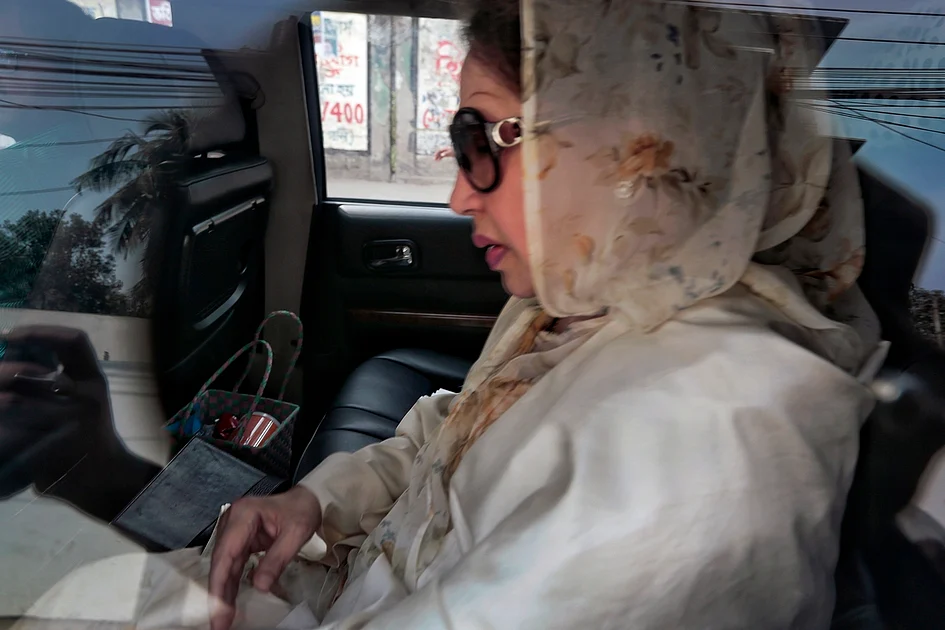
    Bangladesh’s former Prime Minister Khaleda Zia, an 80-year-old opposition leader, remains in critical condition at a hospital intensive care unit after her health deteriorated significantly following admission on November 23rd with severe lung infection symptoms. Medical authorities have characterized her condition as extremely grave, according to statements from her Bangladesh Nationalist Party (BNP) officials.

    The octogenarian politician, who served three terms as the nation’s premier, suffers from multiple chronic health complications including cardiac issues requiring a permanent pacemaker, liver and kidney dysfunction, diabetes, and respiratory ailments. Her deteriorating health has prompted an outpouring of concern from senior party members and supporters who gathered at the medical facility seeking updates on her condition.

    From his London residence, Zia’s exiled son Tarique Rahman appealed to the Bangladeshi public for prayers while acknowledging his inability to return home due to circumstances beyond his control. Rahman, who has resided in the UK since 2008, expressed profound emotional distress at being separated from his mother during this medical crisis.

    Zia’s current health battle occurs against a complex political backdrop. Previously imprisoned on corruption charges in 2018 under Prime Minister Sheikh Hasina’s administration, she was released last year following Hasina’s ouster from power. The interim government leadership, including Muhammad Yunus, has emphasized Zia’s symbolic importance as an inspirational figure during Bangladesh’s transitional period toward democracy.

    Despite her critical health condition, Zia had previously committed to participating in the upcoming February 2026 elections, where her BNP party is considered a leading contender. Her illness now raises significant questions about both her political future and the broader landscape of Bangladeshi politics.

  • Opposition leader detained in Azerbaijan’s continuing crackdown on dissent

    Opposition leader detained in Azerbaijan’s continuing crackdown on dissent

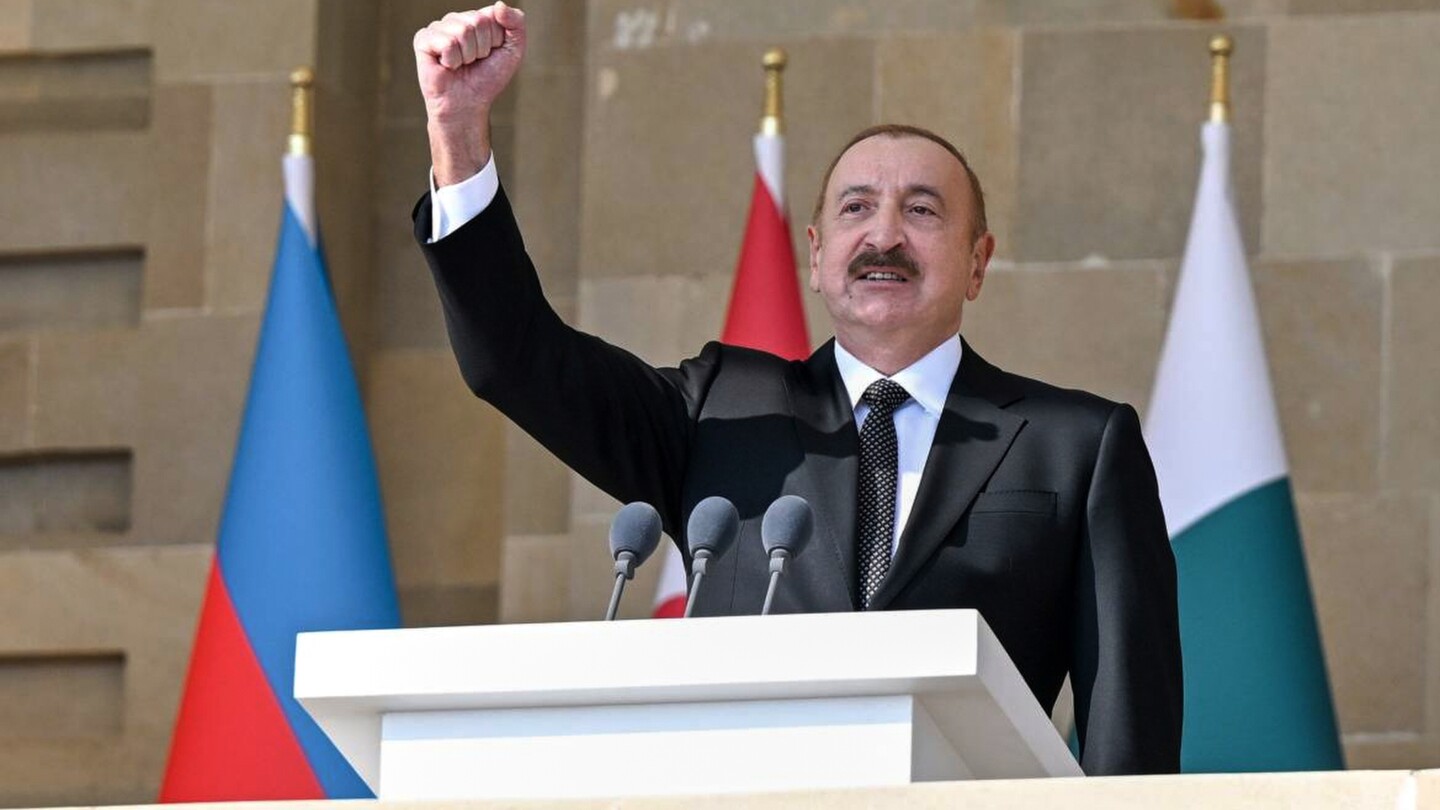
    Azerbaijan’s government has intensified its suppression of political dissent with the detention of prominent opposition figure Ali Karimli, chairman of the Popular Front Party, on Saturday. The move represents a significant escalation in President Ilham Aliyev’s ongoing campaign against opposition voices.

    According to Karimli’s adviser Fuad Gahramanli, security forces conducted searches at the opposition leader’s residence while simultaneously cutting off his communication channels. The operation extended to Mammad Ibrahim, another senior party official, who faced similar detention and property searches.

    While authorities remain officially silent regarding the detentions, government-aligned media outlets have linked the actions to an ongoing criminal investigation targeting Ramiz Mehdiyev, former head of the presidential administration. Mehdiyev, currently under house arrest, faces serious allegations including attempted seizure of state power, high treason, and financial crimes—though official confirmation of these charges remains pending.

    Human rights organizations document a concerning pattern of escalating repression in Azerbaijan, where authorities systematically target journalists, activists, and independent political figures. The Aliyev dynasty, which has maintained power since 2003 when Ilham succeeded his father Heydar, has consistently suppressed political opposition through various means.

    International observers have repeatedly questioned the legitimacy of Azerbaijan’s electoral processes since the nation gained independence from the Soviet Union in the early 1990s. The oil-rich Caspian nation of approximately 10 million people continues to face criticism for its record on democratic principles and human rights protections.