分类: politics

  • Israel’s Netanyahu requests pardon from president over corruption trial

    Israel’s Netanyahu requests pardon from president over corruption trial

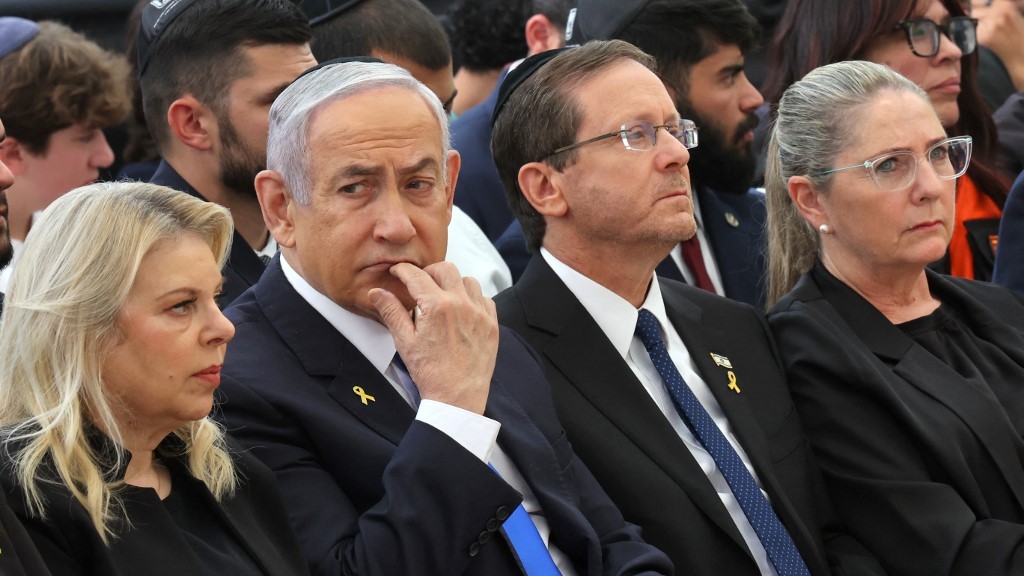
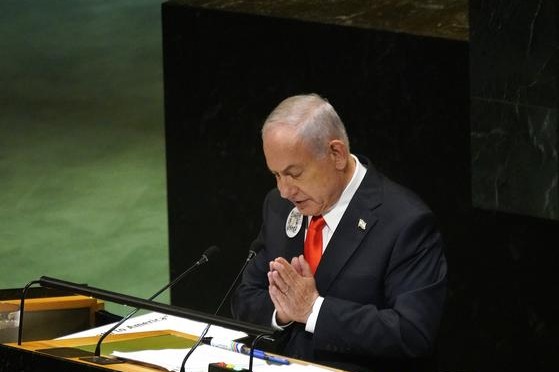
    Israeli Prime Minister Benjamin Netanyahu has formally petitioned President Isaac Herzog for an official pardon regarding his ongoing corruption trial, marking an unprecedented political development. The request, submitted through legal channels on Sunday, represents a strategic maneuver by Israel’s longest-serving leader to extricate himself from legal proceedings that have shadowed his administration for nearly six years.

    In carefully crafted legal correspondence obtained by media sources, Netanyahu framed his appeal as an act of ‘public responsibility’ rather than personal exoneration. The Prime Minister argued that terminating his protracted legal battle would ‘help reduce the intensity of the flames in the power debate surrounding it,’ suggesting the trial has created damaging political divisions within Israeli society.

    Netanyahu’s petition emerges against a complex backdrop of regional security challenges and diplomatic opportunities. The Prime Minister emphasized his commitment to ‘heal the rifts, achieve unity among the people, and restore trust in the state’s systems’ during what he characterizes as a critical juncture for Israeli national interests.

    The Presidential Office acknowledged the extraordinary nature of the request, noting it carries ‘significant implications’ for Israel’s judicial and political systems. President Herzog has committed to evaluating the petition ‘in accordance with established guidelines and procedures,’ with legal experts noting the absence of modern precedent for such an appeal by a sitting prime minister.

    The corruption allegations themselves stem from a 2019 indictment accusing Netanyahu of bribery, fraud, and breach of trust. Prosecutors allege the Prime Minister manipulated regulatory frameworks to benefit telecommunications magnates in exchange for favorable media coverage. Additional charges involve the alleged acceptance of luxury gifts—including premium cigars and champagne valued at tens of thousands of dollars—from a Hollywood billionaire in exchange for political favors.

    Netanyahu has consistently dismissed the allegations as a politically motivated ‘witch hunt,’ though legal proceedings have advanced through Israel’s judicial system throughout his most recent term. The pardon request represents a dramatic escalation in his efforts to circumvent traditional legal channels, potentially testing the boundaries of Israel’s constitutional framework.
  • African nations push to recognize crimes of colonialism in Algeria

    African nations push to recognize crimes of colonialism in Algeria

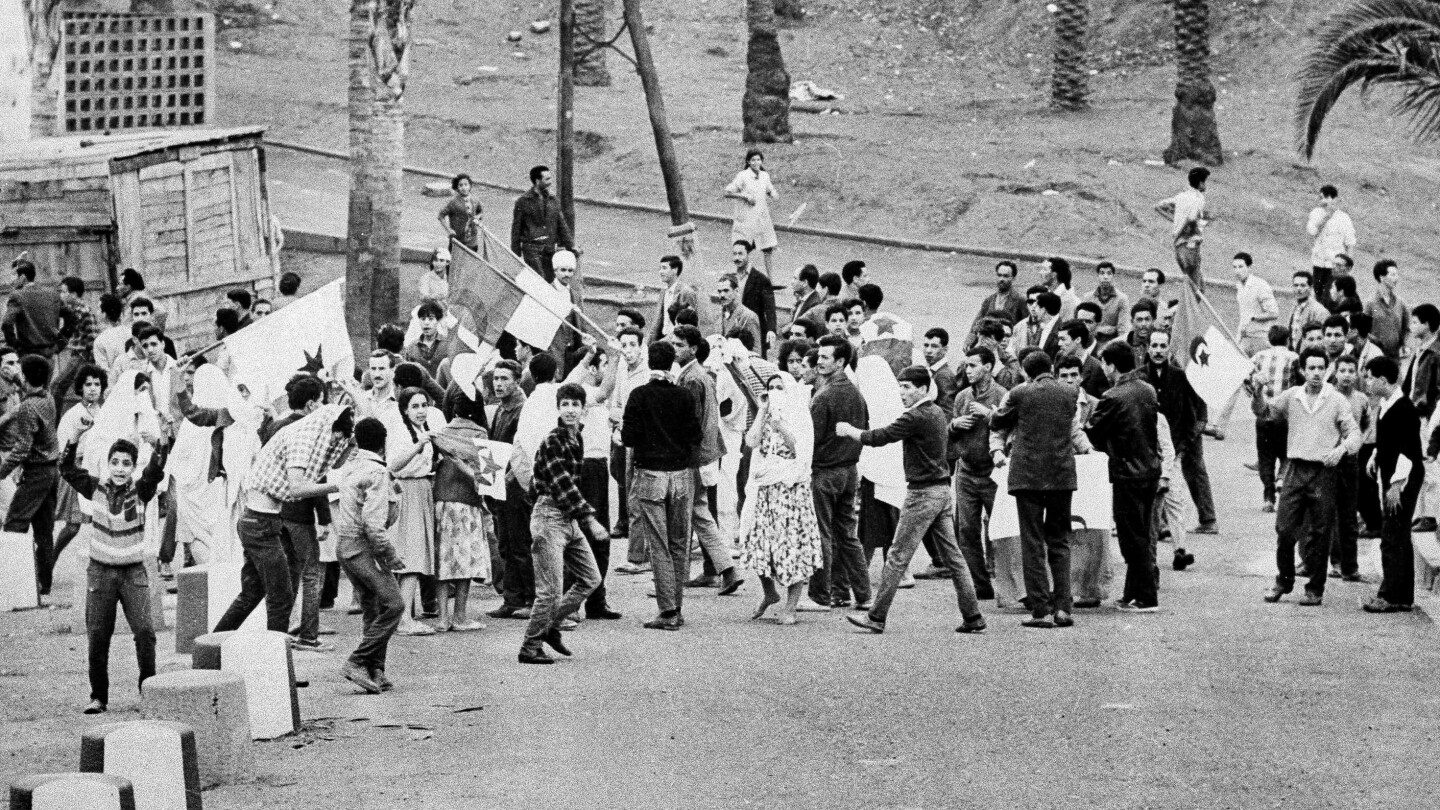
    ALGIERS, Algeria — In a landmark gathering with profound historical implications, African leaders convened Sunday in Algiers to advance a coordinated campaign demanding formal recognition, criminalization, and reparations for colonial-era crimes. The conference represents a significant escalation in Africa’s long-standing quest for justice regarding historical injustices committed during the colonial period.

    Diplomats and government officials from across the continent gathered to operationalize an African Union resolution adopted earlier this year that explicitly calls for comprehensive justice and reparations for victims of colonialism. Algerian Foreign Minister Ahmed Attaf set the tone in his opening address, drawing direct parallels between Algeria’s brutal experience under French rule and the broader African narrative of colonial exploitation.

    “Africa possesses every right to demand official and explicit recognition of the crimes perpetrated against its populations during the colonial era,” Attaf declared, emphasizing that such acknowledgment constitutes “an indispensable first step toward addressing the consequences of that period.” He argued that African nations continue to bear the heavy costs of colonial legacy through persistent exclusion, marginalization, and developmental backwardness.

    The economic dimensions of colonial exploitation were highlighted as particularly staggering, with preliminary estimates suggesting trillions of dollars in extracted wealth through the systematic plunder of natural resources including gold, rubber, diamonds, and various minerals. European powers accumulated vast fortunes while implementing brutal methods that left indigenous populations impoverished and systematically disadvantaged.

    A critical component of the emerging framework involves establishing legal mechanisms that would transform restitution from being perceived as “neither a gift nor a favor” but rather as an obligation under international justice principles. This legal approach seeks to address the notable absence of explicit colonial crime references in existing international conventions, including the United Nations Charter, which prohibits territorial seizure by force but lacks specific colonial crime provisions.

    The choice of Algeria as the conference host carries profound symbolic significance. The North African nation endured particularly severe French colonial rule, culminating in a bloody war of independence that claimed hundreds of thousands of lives. French forces employed torture, forced disappearances, and village devastation as counterinsurgency tactics during the conflict.

    Beyond historical reckoning, the reparations discussion extends to contemporary issues including the ongoing repatriation of looted artifacts from European museums and addressing what participants characterized as “unfinished decolonization” in territories like Western Sahara. Attaf specifically referenced the Sahrawi people’s struggle for self-determination as emblematic of persistent colonial-era challenges.

    The movement faces complex diplomatic considerations, particularly regarding relations with former colonial powers. While French President Emmanuel Macron previously acknowledged certain historical actions as “crimes against humanity,” he stopped short of issuing formal apologies and urged against excessive focus on past injustices—a position that contrasts sharply with Africa’s escalating demands for comprehensive accountability.

  • Kyrgyzstan holds early parliamentary elections

    Kyrgyzstan holds early parliamentary elections

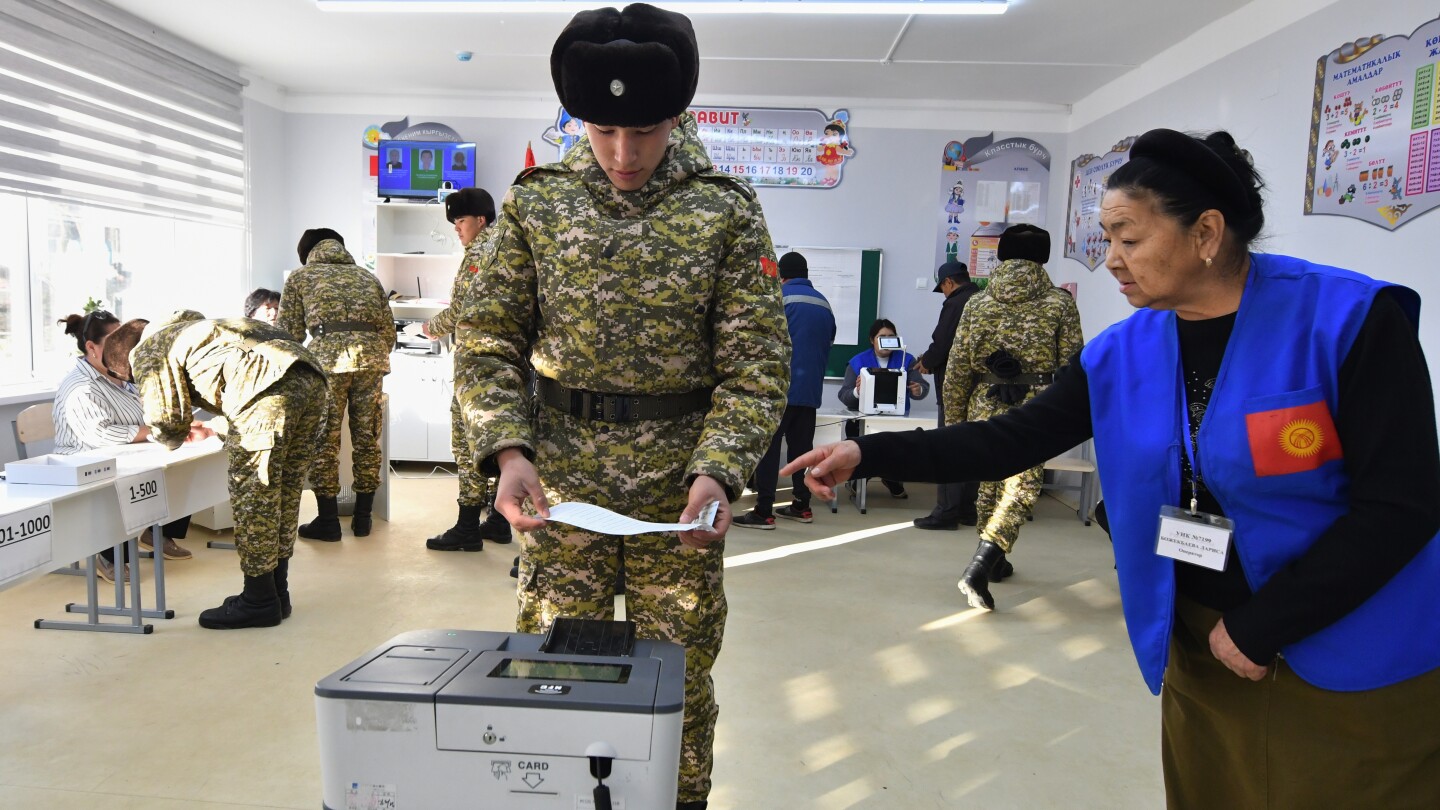
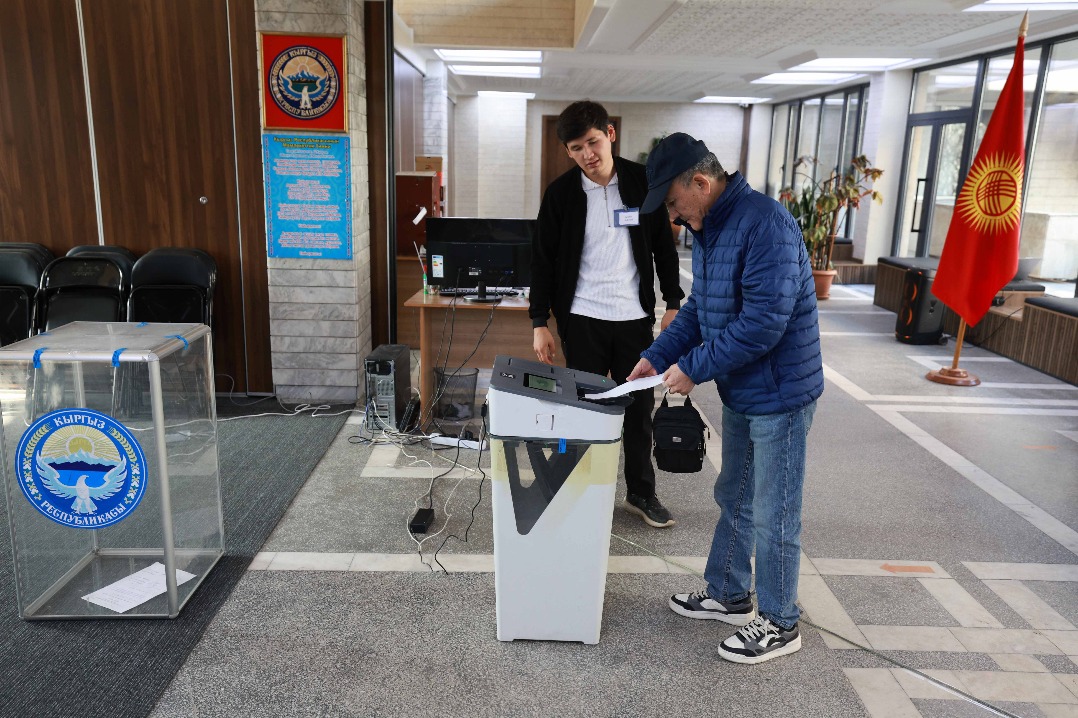
    The Central Asian nation of Kyrgyzstan commenced early parliamentary elections on Sunday, November 30th, 2025, to elect 90 deputies to its unicameral legislature, the Jogorku Kenesh. This electoral event follows the parliament’s unprecedented decision to dissolve itself in September, citing concerns about potential political instability arising from the originally scheduled proximity of presidential and parliamentary elections.

    According to the Central Election Commission (CEC), voting commenced at 8:00 AM local time (1400 GMT) across 2,492 domestic polling stations, with additional voting facilities established at 27 remote locations and 100 stations abroad to accommodate the diaspora population. The electoral process will continue until 8:00 PM local time (0200 GMT).

    The electoral landscape features 460 candidates competing across 30 multi-member constituencies, with each constituency electing three deputies through a majoritarian system. Notably, the election incorporates significant gender representation provisions: no more than two seats in any constituency may be held by candidates of the same gender, while the overall parliament must include at least 30 representatives of each gender.

    This early election stems from President Sadyr Japarov’s September 30th decree, which came after parliamentarians voted to dissolve themselves on September 25th. Legislators had expressed apprehension that holding parliamentary elections in November 2026, followed by presidential elections merely two months later in January 2027, could potentially undermine the nation’s political stability. All elected representatives will serve five-year terms in the 90-member parliament.

  • Netanyahu formally asks for pardon from Israeli president

    Netanyahu formally asks for pardon from Israeli president

    Israeli Prime Minister Benjamin Netanyahu has formally submitted a request for presidential clemency to President Isaac Herzog as he confronts ongoing corruption allegations. The unprecedented appeal argues that a pardon would serve the nation’s broader interests by alleviating social tensions exacerbated by his prolonged legal proceedings.

    Netanyahu articulated in his petition that concluding the judicial process would ‘reduce the intensity of the flames’ in public discourse, emphasizing his commitment to national reconciliation during a period of significant security challenges. The Prime Minister stated his dedication to healing societal divisions and restoring institutional trust, while calling for unified support from all government branches.

    The corruption charges against Netanyahu include serious allegations of fraud, bribery, and breach of trust, all of which he has vehemently denied. Specific accusations involve the alleged acceptance of luxury items exceeding $260,000 from wealthy benefactors in exchange for political favors, along with purported attempts to influence media coverage through backchannel negotiations with Israeli news organizations.

    The timeline of Netanyahu’s court proceedings has experienced multiple postponements, attributed variously to Israel’s military engagements in Gaza, Syria, and Iran. Concurrently, the Prime Minister’s controversial judicial reform initiatives—which opponents argued would undermine judicial independence—sparked widespread protests that subsided following the outbreak of the Gaza conflict in October 2023.

    International support for Netanyahu’s pardon has emerged from notable figures including former U.S. President Donald Trump, who recently communicated directly with President Herzog. Trump’s endorsement highlighted Netanyahu’s diplomatic achievements in normalizing relations with Arab nations, characterizing these developments as historic breakthroughs pursued for millennia.

  • Hondurans vote in election shadowed by Trump aid threats

    Hondurans vote in election shadowed by Trump aid threats

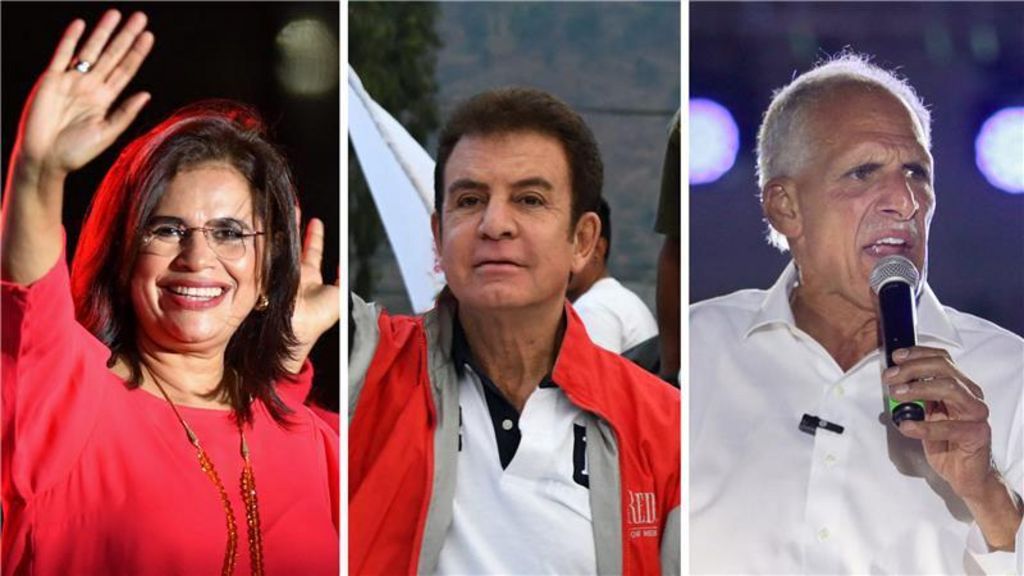
    Honduras is conducting pivotal general elections amidst unprecedented external pressure from former U.S. President Donald Trump, who has threatened to sever financial aid should his preferred candidate fail to secure victory. The electoral landscape features five presidential contenders, though the race has effectively narrowed to three principal candidates: leftist Libre Party’s former defense minister Rixi Moncada, centrist Liberal TV host Salvador Nasralla, and right-wing National Party businessman Nasry “Tito” Asfura.

    Trump has openly endorsed Asfura while issuing stark warnings on his Truth Social platform. “If he doesn’t win, the United States will not be throwing good money after bad,” Trump declared, adding that supporting the wrong leadership would yield “catastrophic results.” This intervention prompted sharp criticism from Moncada, who labeled Trump’s statements “totally interventionist” and accused him of meddling in Honduras’ sovereign affairs.

    The financial stakes are substantial. According to State Department records, the U.S. provided over $193 million to Honduras in the previous fiscal year, with $102 million allocated this year despite already-implemented aid reductions. Congressional data indicates the Trump administration has previously cut $167 million in economic and governance assistance earmarked for 2024-2025.

    Outgoing President Xiomara Castro, Honduras’ first female leader who is constitutionally barred from reelection, has endorsed Moncada as her successor. The 60-year-old lawyer has campaigned on protecting national resources from “21st-century filibusters who want to privatise everything” and combating systemic corruption.

    Asfura, former mayor of Tegucigalpa, has promised to foster “development and opportunities for everyone” while facilitating foreign investment. However, his party remains tainted by recent corruption scandals, including the 45-year U.S. drug trafficking sentence imposed on former President Juan Orlando Hernández. Asfura has attempted to distance himself from his predecessor, insisting the party bears no responsibility for Hernández’s “personal actions.”

    Current frontrunner Nasralla, making his fourth presidential bid, maintains that the 2017 election was stolen through fraud orchestrated by Hernández—though no irregularities were confirmed in partial recounts. The 72-year-old centrist has pledged to establish “an open economy” and sever ties with China and Venezuela if elected.

    These developments occur against escalating regional tensions. Trump recently declared Venezuela’s airspace “closed” despite lacking authority to enforce such measures, while U.S. military operations against alleged drug trafficking vessels have intensified.

    With polls showing 34% of voters undecided and all parties already alleging potential electoral fraud, National Electoral Council President Ana Paola Hall has urgently warned against “fanning the flames of confrontation or violence” as citizens cast ballots during the 10-hour voting window.

  • Thousands protest far-right surge in Croatia following incidents

    Thousands protest far-right surge in Croatia following incidents

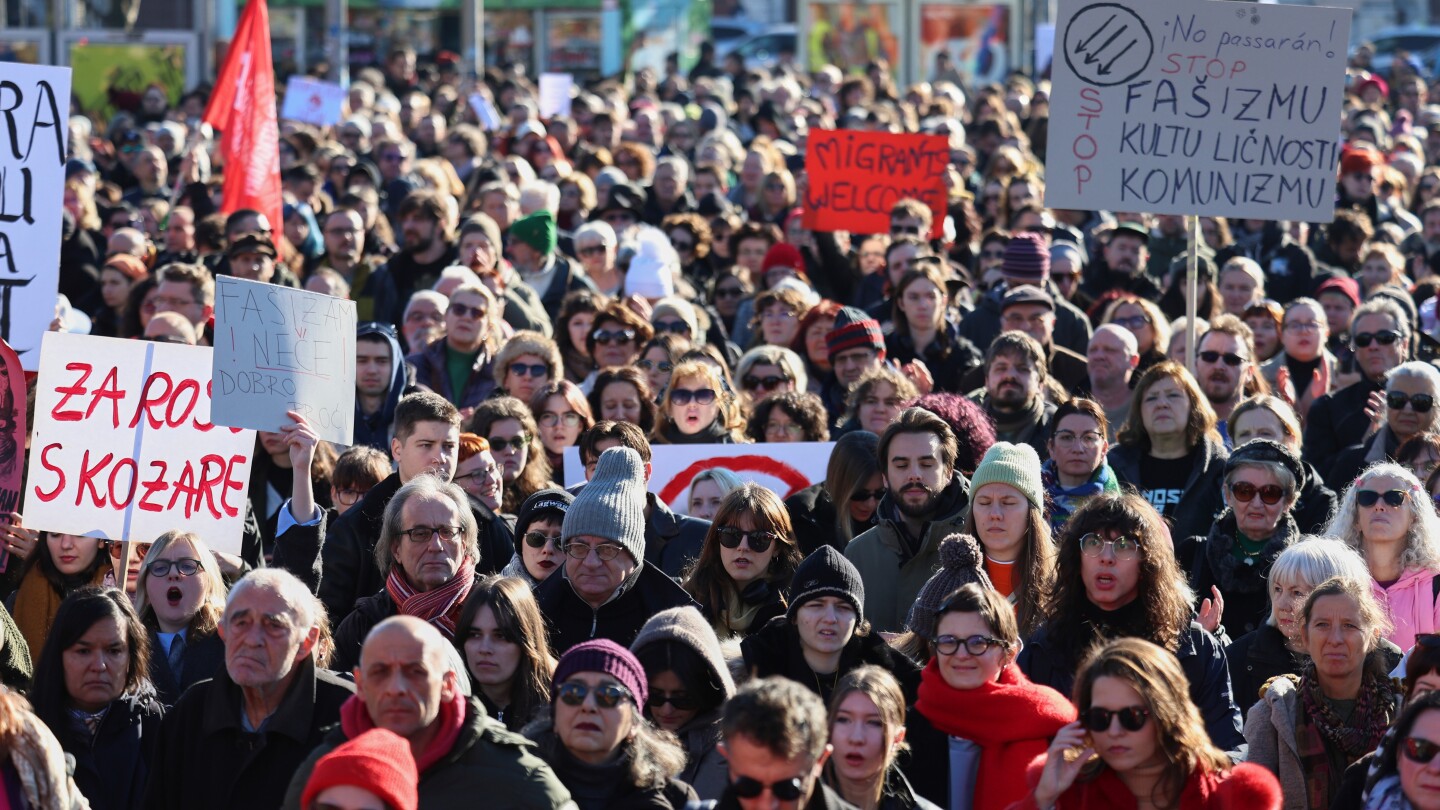
    Thousands of Croatians took to the streets across multiple cities on Sunday in a powerful display of opposition against escalating far-right activities that have heightened ethnic and political tensions within the European Union nation. Organized under the banner “United against fascism,” the demonstrations saw participants in Zagreb, Rijeka, Zadar, and other urban centers chanting “we are all antifascists!” while condemning right-wing groups’ attempts to spread fear and suppress dissent.

    The protests emerged in response to a series of extremist incidents, including November’s targeting of ethnic Serb cultural events in Zagreb and Split, where groups of young men dressed in black chanted pro-fascist slogans and nationalist rhetoric. Participants demanded authorities take decisive action against hard-right groups that frequently employ symbols from Croatia’s World War II pro-Nazi puppet state, the Ustasha regime, which operated concentration camps responsible for executing tens of thousands of ethnic Serbs, Jews, Roma, and antifascist Croats.

    Journalist Maja Sever addressed the Zagreb rally, warning that recent developments represent “very dangerous” trends and praising demonstrators for their commitment to defending democratic values. Meanwhile, counter-gatherings organized by right-wing supporters resulted in minor scuffles with police, leading to at least one detention according to local media reports.

    This surge in far-right activity traces its political roots to last year’s parliamentary election, when Prime Minister Andrej Plenkovic’s conservative party formed a coalition with a far-right faction, excluding an ethnic Serb party from government for the first time in years. The trend reached a cultural climax with a mass concert in July featuring controversial right-wing singer Marko Perkovic (known as Thompson), whose use of the Ustasha-era slogan “For the homeland — Ready!” in his music has long been a source of national division.

    Prime Minister Plenkovic has rejected accusations that his administration turns a blind eye to neo-fascist hate speech, instead blaming leftist opponents for exaggerating the problem and deepening societal divisions. The current tensions evoke painful memories of Croatia’s 1991-95 war with ethnic Serbs, which claimed over 10,000 lives following the breakup of Yugoslavia. Despite joining NATO in 2009 and the EU in 2013, Croatia continues to grapple with the legacy of its wartime past and the resurgence of extremist ideologies.

  • Taoiseach calls for Herzog Park renaming plan to be withdrawn

    Taoiseach calls for Herzog Park renaming plan to be withdrawn

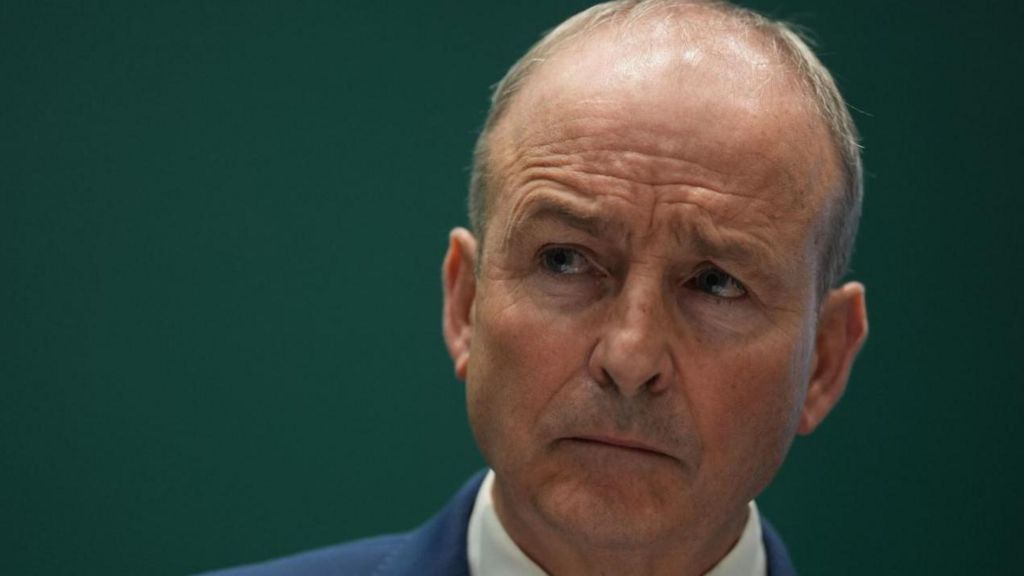
    Irish Taoiseach Micheál Martin has issued a forceful condemnation of Dublin City Council’s proposal to remove the Herzog name from a public park, calling the motion “overtly divisive and wrong” and demanding its immediate withdrawal. The controversial proposal has drawn international concern from Israel’s presidential office and sparked a unified response from Ireland’s highest government officials.

    The park in question, located in Dublin’s Rathgar area, was named in 1995 to honor Chaim Herzog, the Belfast-born sixth president of Israel who spent his formative years in Dublin. The current Israeli President Isaac Herzog, son of the late statesman, has expressed serious concern about the potential renaming, characterizing such action as “shameful and disgraceful” in an official statement released on social media platform X.

    Prime Minister Martin emphasized that the proposal represents a denial of Ireland’s complex history and would unequivocally be perceived as anti-Semitic. “Our Irish Jewish community’s contribution to our country’s evolution in its many forms should always be cherished and generously acknowledged,” Martin stated, referencing the Jewish community’s participation in both the Irish War of Independence and the establishment of the emerging Irish State.

    The political backlash has been swift and comprehensive. Tánaiste (Deputy Prime Minister) Simon Harris declared his complete opposition, asserting that “We are an inclusive republic” and that the proposal violates this fundamental principle. Foreign Affairs Minister Helen McEntee and Justice Minister Jim O’Callaghan similarly condemned the motion, with O’Callaghan noting that renaming the park because of current Middle East conflicts “unfairly suggests Irish Jews are responsible for the appalling actions of the current Israeli Government.”

    The Jewish Representative Council of Ireland has described the move as “deeply concerning,” with Chair Maurice Cohen urging councillors to reject what he characterized as “an attempt to erase our Irish Jewish history.”

    The controversy emerges against a backdrop of deteriorating relations between Ireland and Israel, including last year’s closure of Israel’s Dublin embassy following accusations of “extreme anti-Israel policies” by the Irish government. This historical context includes the 2014 removal of a blue plaque marking Herzog’s Belfast birthplace after repeated vandalism and security concerns.

    Council members Fiona Connelly (Labour Party) and Conor Reddy (People Before Profit) initially raised questions about the naming procedures in late 2024 and early 2025, respectively. The council’s Commemorations and Naming Committee had previously recommended the name removal in July with only one objection.

    The park’s namesake, Chaim Herzog, was born in Belfast in 1918 and eventually emigrated to Israel, where he served as ambassador to the United Nations and president from 1983 to 1993. His father, Rabbi Isaac HaLevi Herzog, served as the first chief rabbi of the Irish Free State, establishing a deep historical connection between the Herzog family and Irish society.

  • Venezuelan leader Maduro may seem desperate. But his loyalty vs punishment strategy is hard to crack

    Venezuelan leader Maduro may seem desperate. But his loyalty vs punishment strategy is hard to crack

    Venezuelan President Nicolás Maduro, who once publicly criticized the adoption of English terminology, has dramatically shifted his stance by incorporating Western cultural elements into his political messaging. Facing heightened military pressure from the United States, Maduro has recently performed John Lennon’s “Imagine” and promoted his English-language slogan “No War, Yes Peace” through musical remixes and public appearances. This unexpected transformation occurs as the White House contemplates potential military action against Venezuela’s government.

    Analysts suggest Maduro’s staying power stems from a sophisticated system of rewards and punishments that maintains loyalty within his inner circle. According to Ronal Rodríguez of Colombia’s Universidad del Rosario, “The Bolivarian Revolution possesses a remarkable ability: the capacity for cohesion in the face of external pressure. When pressure comes from abroad, they manage to unite, defend and protect themselves.”

    The government’s stability is underpinned by corruption networks established under the late President Hugo Chávez that allow loyal officials to enrich themselves while punishing dissent with imprisonment or torture. This system has proven particularly effective within military ranks, where Maduro has permitted drug trafficking, oil smuggling, and other illicit activities in exchange for loyalty.

    Despite opposition leader María Corina Machado’s claims of electoral victory and efforts to secure military support for a transition, Defense Minister Vladimir Padrino López and other military leaders have remained steadfastly behind Maduro. This loyalty was demonstrated during a 2019 barracks revolt when military leadership supported Maduro over US-backed opposition figure Juan Guaidó.

    The Trump administration has significantly increased pressure, doubling rewards for Maduro’s arrest to $50 million on narcoterrorism charges and designating Venezuela’s Cartel de los Soles as a foreign terrorist organization. Recent US military operations have included bombing suspected drug trafficking vessels in Caribbean waters, resulting in numerous casualties.

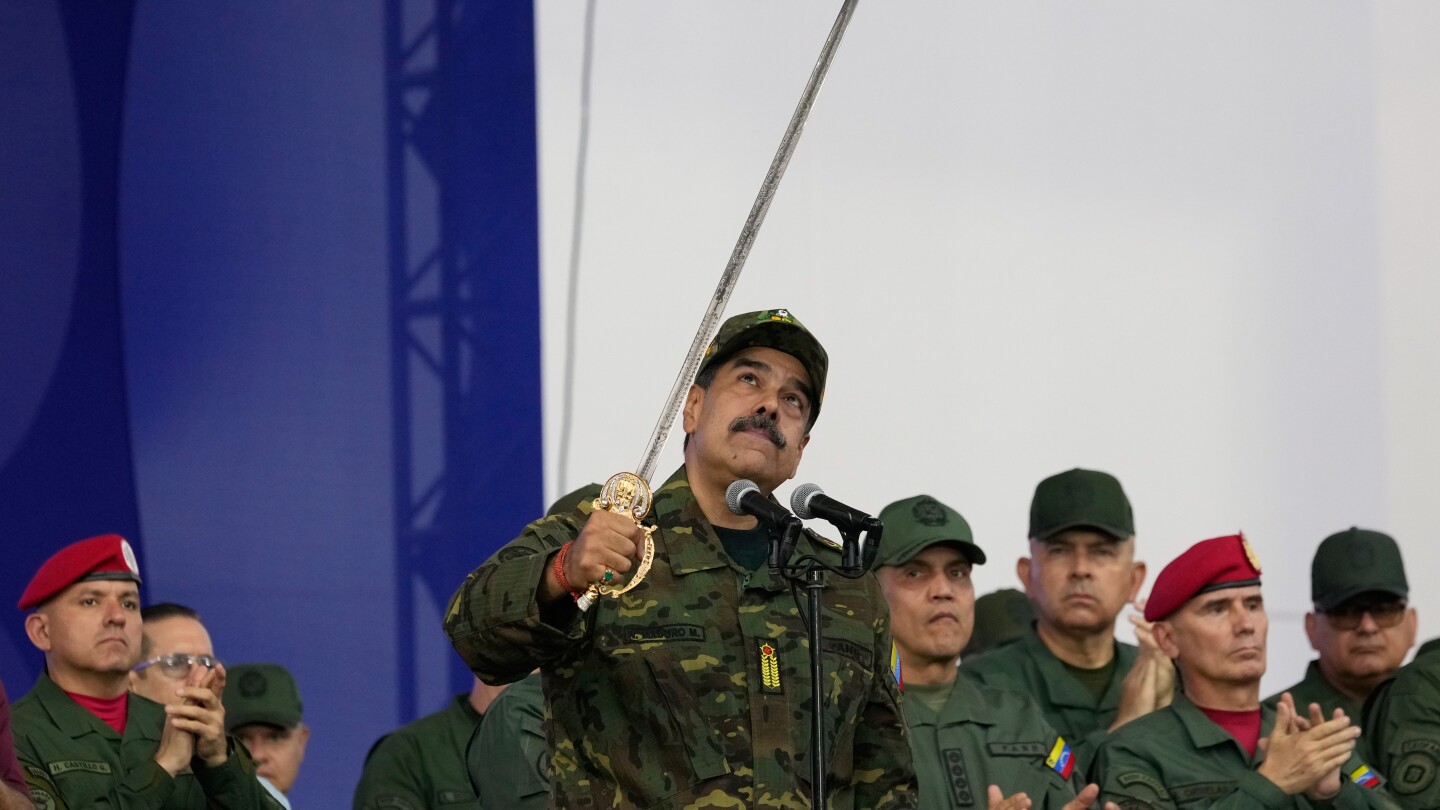
    Maduro has framed these actions as “colonial threats” against Venezuelan sovereignty, using them to rally domestic support. His government recently staged a symbolic ceremony featuring Simón Bolívar’s jeweled sword, where officials swore oaths to defend peace and freedom.

    Experts like Tulane University professor David Smilde argue that external pressure反而 strengthens regime cohesion: “This is exactly the type of thing that unifies them. What military officer would trust the U.S. government when the entire premise is that they’re a drug cartel?”

    Despite widespread poverty and mass migration exacerbated by Maduro’s policies, some supporters like 60-year-old Zenaida Quintero remain loyal based on his connection to Chávez’s legacy: “I trust him. We have to remain united. We have to defend ourselves.”

  • Kyrgyzstan holds snap parliamentary vote as opposition faces crackdown

    Kyrgyzstan holds snap parliamentary vote as opposition faces crackdown

    Voters in Kyrgyzstan headed to the polls on Sunday for an unscheduled parliamentary election conducted under circumstances that critics describe as a systematic erosion of democratic norms. The electoral process unfolds against a backdrop of detained opposition leaders and shuttered independent media outlets, signaling a profound political shift in this Central Asian nation.

    President Sadyr Zhaparov, who has consolidated power since assuming office, appears poised to strengthen his parliamentary majority through this early ballot. Officials justified the expedited timeline by citing a need to avoid proximity to the scheduled 2027 presidential election.

    Substantial electoral reforms have reshaped the political landscape, with the nation divided into 30 constituencies each electing three representatives to the 90-seat Jogorku Kenesh (unicameral parliament). Among 467 registered candidates, a gender quota mechanism mandates the election of at least one female legislator per district.

    Political analysts attribute Zhaparov’s anticipated electoral success to Kyrgyzstan’s robust economic performance, partially driven by the country’s strategic positioning amid international sanctions against Russia. As a participant in Russian-led economic and security alliances and host to a Russian military installation, Kyrgyzstan maintains strong ties with Moscow while having previously accommodated a U.S. air base during Afghanistan operations. The nation remains one of the most economically vulnerable states to emerge from the Soviet collapse, heavily reliant on Russian economic assistance.

  • Swiss voters consider whether women, like all male citizens, must do national service

    Swiss voters consider whether women, like all male citizens, must do national service

    GENEVA — Swiss citizens have decisively rejected a landmark referendum that would have established gender-neutral mandatory national service, maintaining the country’s current system that primarily applies conscription requirements to men. The proposed “citizen service initiative” sought to transform Switzerland’s approach to civic duty by expanding compulsory service to include women and broadening the definition of national security to encompass environmental protection, food security, and elderly care.

    The initiative’s proponents argued that universal service would strengthen social cohesion and enhance Switzerland’s resilience against emerging threats including natural disasters, cyberattacks, energy shortages, and potential spillover from Russia’s war in Ukraine. Campaign organizers emphasized that “everybody takes responsibility to work for a stronger Switzerland that’s able to stand up to crises” amid growing individualism and societal fragmentation.

    However, the Swiss government and parliament mounted strong opposition, citing prohibitive costs and potential economic disruption. Official estimates projected the measure would nearly double both participant numbers (from approximately 35,000 to 70,000 annually) and associated costs (from 1 billion to 2 billion Swiss francs, equivalent to $1.25-2.5 billion).

    The government also raised gender equality concerns, noting that mandatory service would “place an extra burden on many women, who already shoulder a large part of the unpaid work of raising and caring for children and relatives.” Rather than advancing equality, authorities argued the measure would disproportionately affect women given existing workplace and societal disparities.

    Under Switzerland’s current system, young men must complete military service or join civil protection teams, with conscientious objectors permitted alternative service options. Women may volunteer for service but face no compulsory requirements. The defeated initiative would have also granted parliament authority to extend service obligations to foreign residents.

    The referendum outcome provides significant insight into European attitudes toward mandatory national duty at a time of heightened security concerns across the continent.