分类: politics

  • UK: Millions of British Muslims could lose citizenship, warns new report

    UK: Millions of British Muslims could lose citizenship, warns new report

    A landmark investigation has exposed how Britain’s expansive citizenship revocation authorities are systematically endangering approximately nine million residents, predominantly from Muslim backgrounds, creating what researchers term a “racialized hierarchy of belonging.” The collaborative study by Runnymede Trust and Reprieve reveals that 13% of the UK population—disproportionately those with heritage links to South Asia, Africa, and the Middle East—face legal vulnerability to having their citizenship revoked at the Home Secretary’s discretion.

    The analysis demonstrates staggering racial disparities: while merely one in twenty white Britons faces citizenship deprivation risk, three in five people of color inhabit this precarious status. Individuals with familial connections to Pakistan, Bangladesh, Somalia, Nigeria, and North African nations emerge as particularly vulnerable groups within this framework.

    Legal provisions enable the government to strip citizenship based on presumed eligibility for alternative nationality—even when individuals have never resided in or identified with those countries. Since 2010, over 200 individuals have lost citizenship under “conducive to the public good” provisions, with overwhelming majority being Muslims. The 2022 legislation further intensified these powers by permitting revocation without notification.

    Campaigners draw direct parallels to the Windrush scandal, noting identical institutional failings and absence of effective safeguards. Maya Foa of Reprieve warned that “nine million people whose rights could be taken away by the next home secretary have every reason to be worried,” while Runnymede Trust CEO Shabna Begum condemned the “chilling undercurrent of citizenship stripping” disproportionately targeting Muslim communities.

    The report traces how counterterrorism legislation has transformed citizenship revocation from exceptional wartime measure to routinely deployed tool. Even judicial victories prove hollow—a 2025 statute ensures citizens remain stripped during government appeals that can span years, regardless of court rulings.

    Researchers document multiple cases of erroneous deprivation resulting in unlawful statelessness, with the Shamima Begum case representing the most prominent example where Bangladesh publicly denied her eligibility. The commission chaired by former Irish Lord Chief Justice Declan Morgan recently concluded that deprivation frequently proceeds based merely on presumed nationality rather than established facts.

    With conservative politicians advocating expanded deportation schemes, organizations demand immediate moratorium on citizenship stripping, abolition of Section 40(2) of the British Nationality Act, and restoration of citizenship to all previously deprived under these powers.
  • Grand jury declines to Letitia James for second time in a week

    Grand jury declines to Letitia James for second time in a week

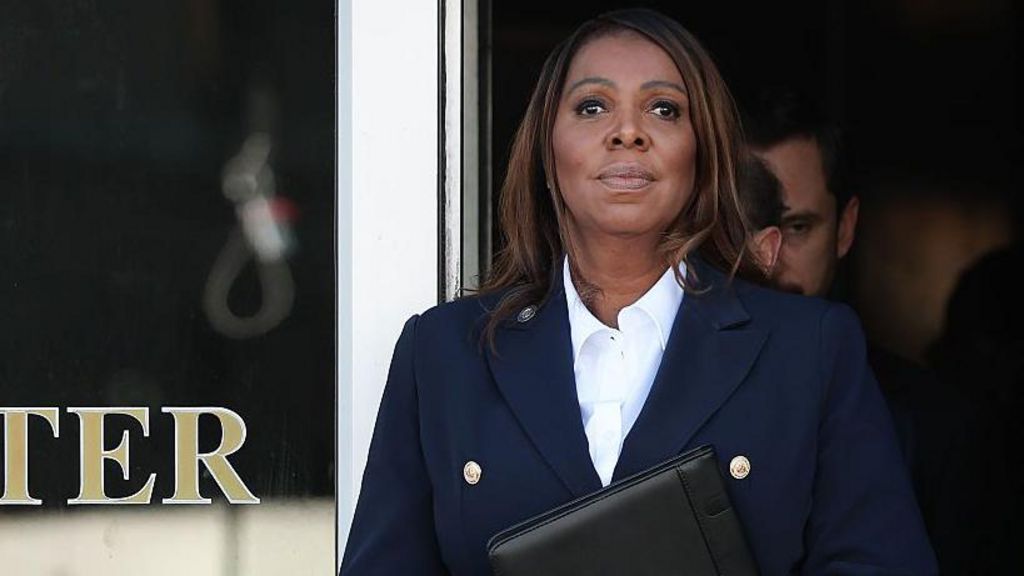
    In a significant legal development, a federal grand jury in Virginia has concluded its proceedings without returning an indictment against New York Attorney General Letitia James. This decision marks the second grand jury within a week to decline pursuing charges against the prominent Democratic official.

    The outcome represents a substantial setback for former President Donald Trump’s ongoing efforts to initiate legal proceedings against political adversaries. The investigation stemmed from allegations that James had committed bank fraud and provided false statements to financial institutions—claims she consistently characterized as politically motivated retaliation.

    This judicial development follows last month’s dismissal of the federal case by a presiding judge who determined that the Trump-appointed prosecutor lacked proper legal standing to bring the charges. Legal experts note the rarity of grand juries declining to indict, particularly in federal proceedings, highlighting the weakness of the prosecution’s evidence.

    Attorney General James previously achieved legal success against the former president, having brought successful charges against Trump prior to his re-election campaign. The repeated failure of these federal efforts reinforces perceptions of their partisan nature while strengthening James’s position as she continues her official duties.

    The judicial system has effectively delivered a dual validation of James’s conduct, suggesting that the allegations lacked substantive merit and were primarily driven by political considerations rather than legal foundations.

  • UK faces mounting pressure to repatriate British nationals detained in Syria

    UK faces mounting pressure to repatriate British nationals detained in Syria

    The British government confronts escalating demands to address the humanitarian and legal crisis surrounding its nationals arbitrarily detained in northeastern Syria. This complex issue involves both citizens stripped of their citizenship and numerous young children trapped in detention facilities controlled by Kurdish authorities.

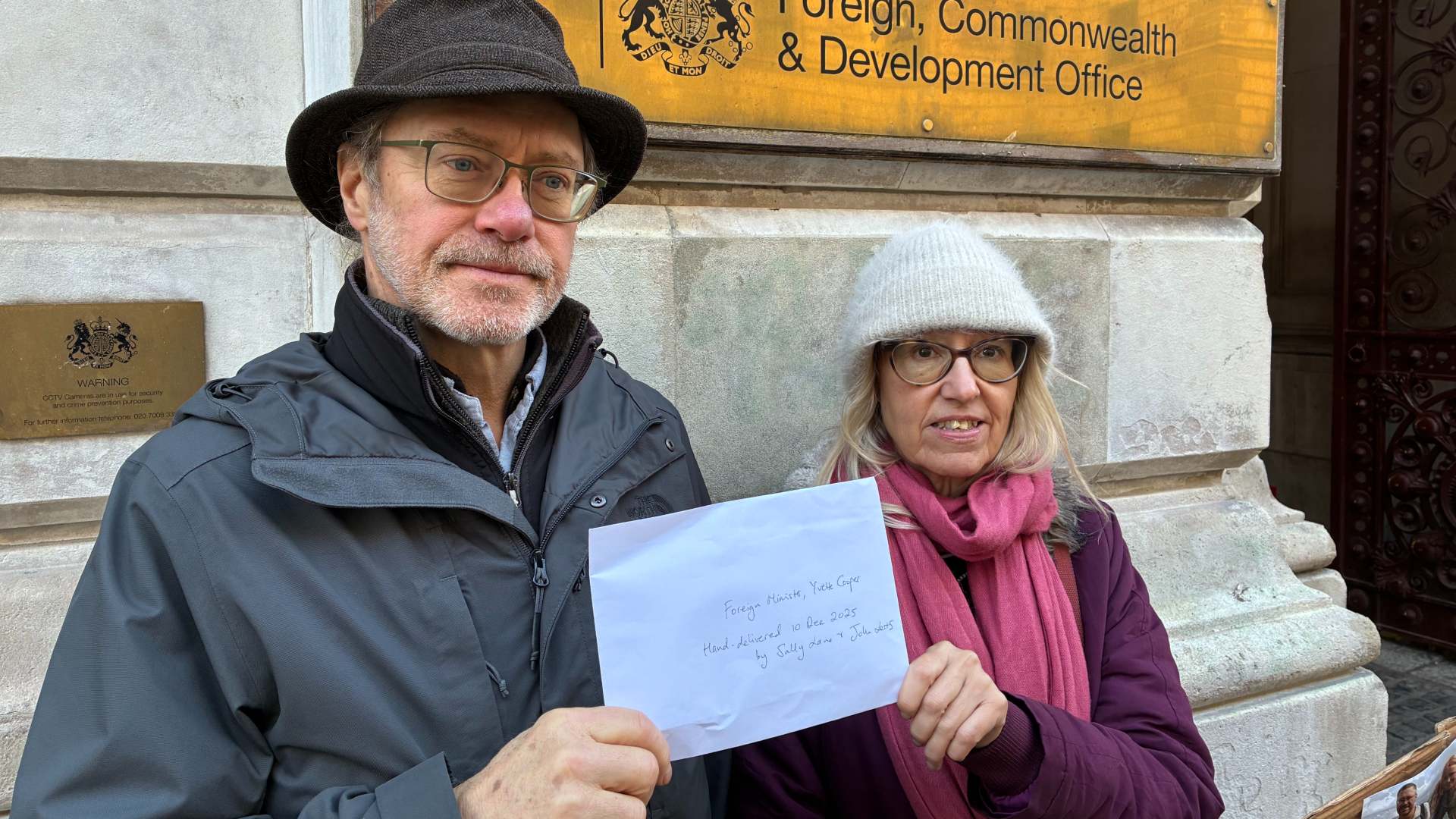
    Recent protests outside London’s Foreign, Commonwealth & Development Office highlighted the growing frustration among families of detainees. Sally Lane, mother of imprisoned British-Canadian Jack Letts, articulated the urgent need for government action, stating: “I want to force the government to tell us what their plan is. They’ve fudged the issue for so long and had such a wide range of excuses.”

    The protests coincide with the publication of a landmark report by the Independent Commission on UK Counter-Terrorism Law, Policy and Practice. Led by former Northern Ireland Lord Chief Justice Sir Declan Morgan, the three-year review condemned Britain’s approach as increasingly untenable and violating international human rights obligations. The report documented “inhuman, dangerous, and degrading” conditions in camps like Al-Hol and Al-Roj, where many women and children face coercion, trafficking, and exploitation.

    Statistical analysis reveals Britain’s outlier status among nations. According to Rights and Security International data, the UK has repatriated merely four women and 21 children from Syria. Current estimates suggest between 55-72 British nationals remain detained, including approximately 10 men, up to 20 women, and around 40 children—mostly under age 10.

    Former UN Special Rapporteur Fionnuala Ni Aolain emphasized Britain’s exceptional position: “The UK is a complete outlier, and actually with very little reasonable basis for that, given we’ve seen successful repatriation in other countries and recidivism is really low. On every single measure, the UK is out of step with its partners.”

    The geopolitical landscape has shifted dramatically with the fall of Bashar al-Assad’s government and conclusion of Syria’s civil war. The transitional government under Ahmed al-Sharaa has signed agreements with Kurdish leaders to transfer camp responsibilities to Damascus within six months. This development, coupled with accelerated Iraqi repatriations and a UN conference urging member states to act, creates renewed urgency for resolution.

    Security experts warn of continuing risks, including potential IS revival in unstable regions and the transformation of detention facilities into incubators for future insurgency. Human rights organizations have compared the lack of due process and arbitrary detention conditions to those at Guantanamo Bay.

    The controversy surrounding citizenship-stripping powers remains particularly contentious. Critics argue this policy damages Britain’s international standing by transferring responsibility to other nations through sometimes tenuous citizenship claims, effectively creating a system of “medieval exile and banishment.”

    Despite the change in government from Conservative to Labour in July 2024, policy continuity has largely prevailed. Both administrations have defended citizenship-stripping on national security grounds while maintaining ad hoc, sporadic repatriation practices.

    For families like the Letts, who haven’t had contact with their son since January 2020, the situation remains desperately personal. John Letts summarized the fundamental demand: “He needs to see people. He needs medical help. We need to know he’s alive. Let’s talk to him. Is that so much to ask as a father after nine years?”

  • Putin offers ‘solidarity’ for Venezuelan people as tensions mount between Maduro and US

    Putin offers ‘solidarity’ for Venezuelan people as tensions mount between Maduro and US

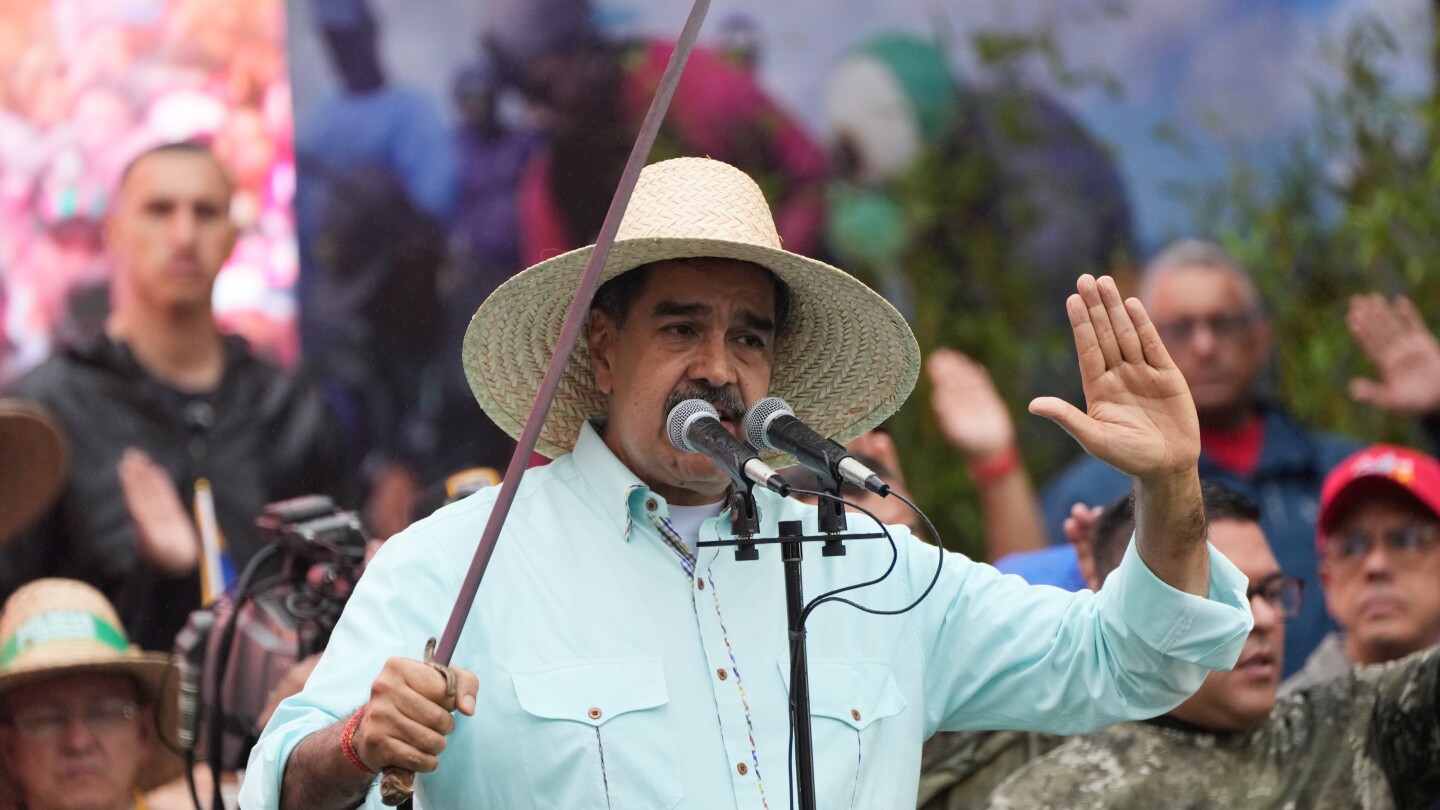
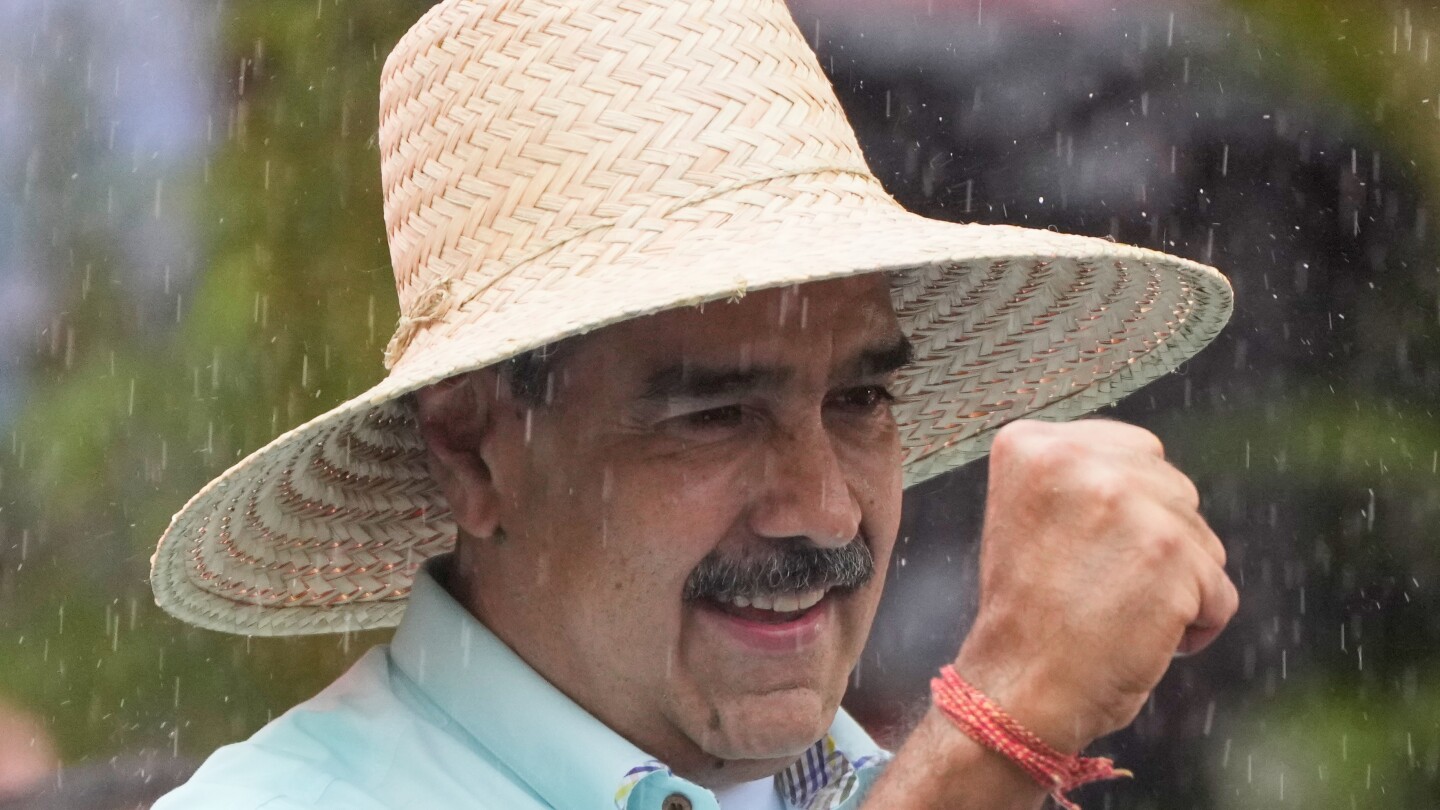
    Russian President Vladimir Putin has publicly declared his unwavering support for Venezuelan leader Nicolás Maduro during a pivotal telephone conversation on Thursday, as geopolitical tensions between Caracas and Washington reach new heights. The Kremlin released an official statement confirming that Putin expressed “solidarity with the Venezuelan people” and endorsed Maduro’s policies aimed at “protecting national interests and sovereignty against mounting external pressure.”

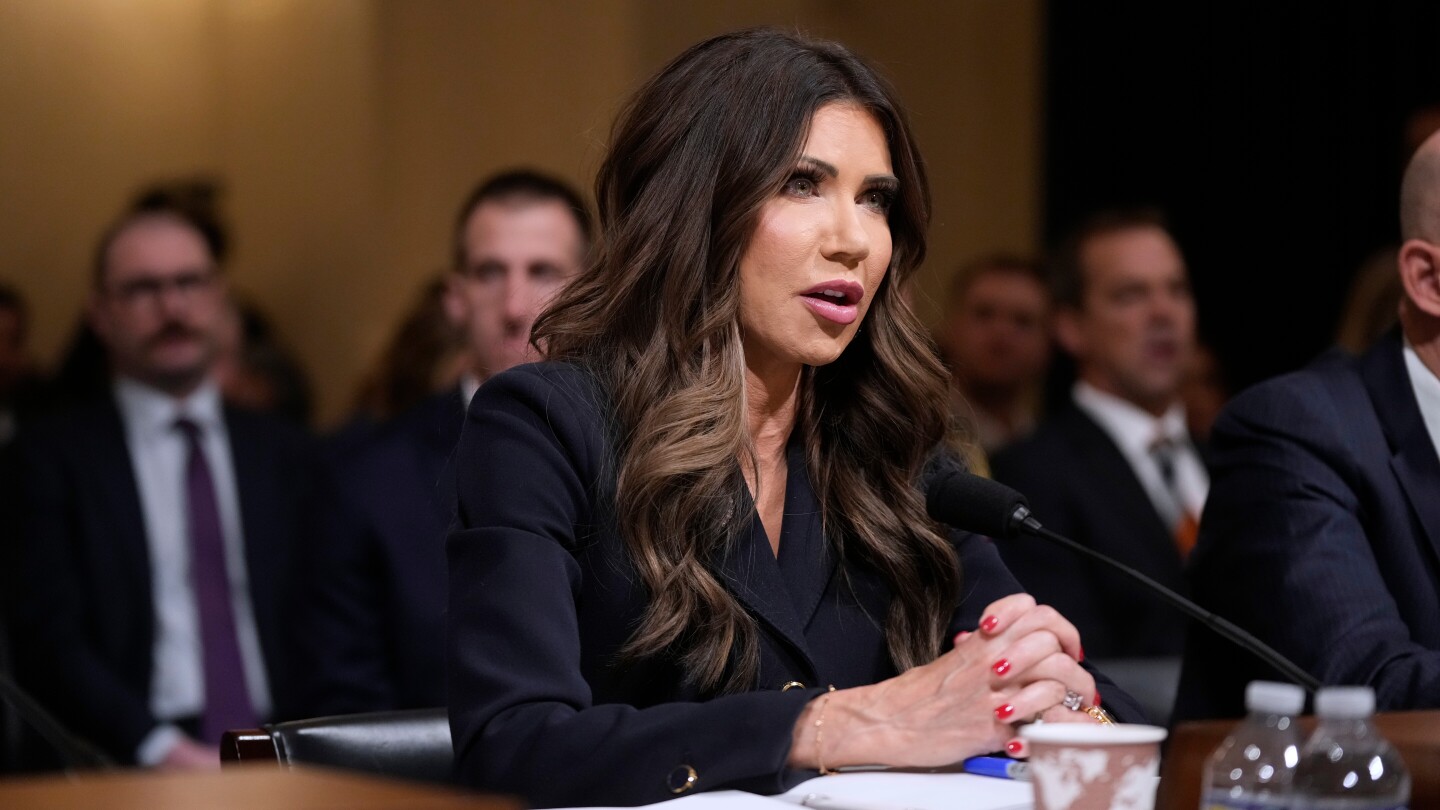
    This high-level diplomatic exchange occurred just one day after American military forces intercepted an oil tanker near Venezuela’s coastline—the latest aggressive maneuver in the Trump administration’s escalating campaign against Maduro, who faces narcoterrorism charges in the United States. The vessel seizure was characterized by US Homeland Security Secretary Kristi Noem during congressional testimony as part of broader counter-narcotics operations in the region, which have included deadly strikes against alleged drug-smuggling vessels.

    Venezuela’s government has condemned the tanker interception as “blatant theft and an act of international piracy,” while Maduro maintains that Washington’s true objective is regime change rather than drug interdiction. The South American nation’s administration reported that Putin had “categorically reaffirmed his support” for Maduro during their conversation, with both leaders committing to maintain open communication channels between Moscow and Caracas.

    The burgeoning Russia-Venezuela alliance represents a continuation of partnerships established under Maduro’s predecessor, Hugo Chávez, with Moscow providing diverse support ranging from coronavirus vaccines to cryptocurrency design assistance. This relationship has previously manifested through strategic military demonstrations, including the 2018 deployment of nuclear-capable Tu-160 bombers to Venezuela and last year’s naval exercises in the Atlantic Ocean that Russian officials described as flag-showing operations in “remote, important regions.”

    Simultaneously, Belarusian President Alexander Lukashenko—a key Putin ally—met with Venezuela’s ambassador to Russia for the second time in over two weeks, discussing unspecified bilateral matters and potentially arranging future diplomatic visits between the two nations.

  • US sanctions Venezuelan President Maduro’s 3 nephews as pressure campaign ratchets up

    US sanctions Venezuelan President Maduro’s 3 nephews as pressure campaign ratchets up

    The United States government has intensified its economic campaign against the Venezuelan regime by imposing targeted sanctions on three nephews of President Nicolás Maduro, alongside other key figures and entities. The Treasury Department’s Office of Foreign Assets Control designated Franqui Flores, Carlos Flores, and Efrain Campo on Thursday, effectively freezing any U.S. assets and prohibiting American citizens and companies from conducting business with them.

    This strategic move follows Wednesday’s seizure of a Venezuelan oil tanker and represents a coordinated effort to disrupt Caracas’ petroleum export capabilities. The sanctions package additionally encompasses Panamanian businessman Ramon Carretero, six commercial firms, and six Venezuela-flagged vessels allegedly involved in transporting Venezuelan crude oil. Treasury officials allege Carretero has facilitated oil shipments for the Venezuelan government while maintaining business partnerships with the Maduro-Flores family network.

    Treasury Secretary Scott Bessent articulated the administration’s position, stating that “Nicolas Maduro and his criminal associates in Venezuela are flooding the United States with drugs that are poisoning the American people.” He further emphasized that “Under President Trump’s leadership, Treasury is holding the regime and its circle of cronies and companies accountable for its continued crimes.”

    The latest sanctions occur within a broader context of escalating tensions. Recent months have witnessed deadly U.S. strikes against alleged drug-smuggling vessels in Caribbean and eastern Pacific waters, resulting in numerous casualties. The Trump administration has characterized these actions as necessary measures in what it describes as an “armed conflict” against international drug cartels.

    Historical context reveals this isn’t the first confrontation involving Maduro’s relatives. In October 2022, Venezuela secured the release of Flores and Campo—previously convicted on narcotics charges—through a prisoner exchange that freed seven imprisoned Americans. Carlos Flores had previously been sanctioned in 2017 before being temporarily delisted during the Biden administration to facilitate diplomatic negotiations regarding Venezuelan democratic elections.

  • Russia could attack Nato within five years, says alliance chief in stark new warning

    Russia could attack Nato within five years, says alliance chief in stark new warning

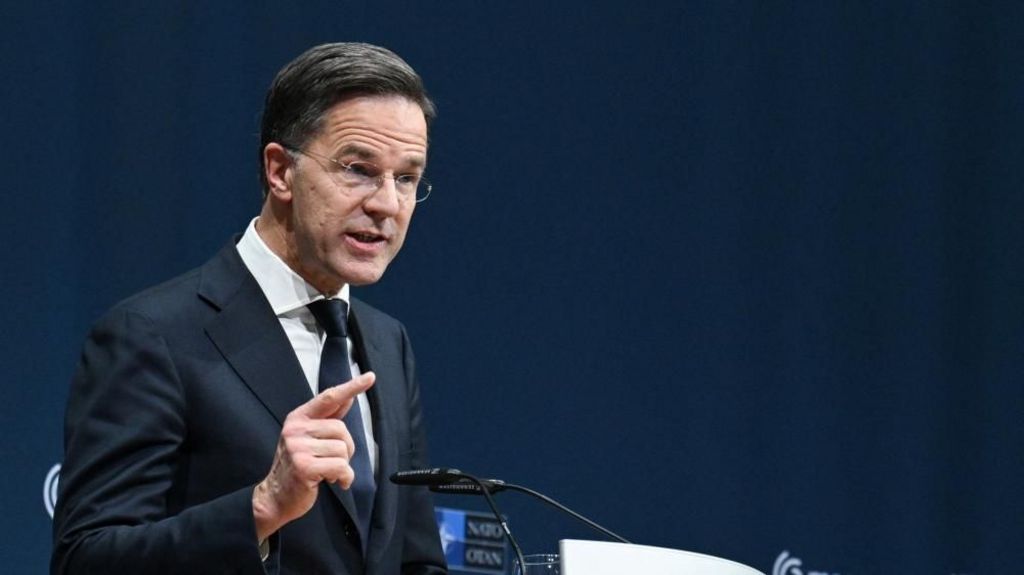
    NATO Secretary General Mark Rutte has issued a grave warning that Russia could potentially launch an attack against a NATO member nation within the next five years. Speaking in Berlin, Rutte emphasized that Moscow is already escalating its covert campaign against Western societies through cyber-attacks, disinformation, and other deniable operations.

    Rutte’s alarming assessment echoes intelligence reports from Western agencies, which the Kremlin has dismissed as hysterical rhetoric. The NATO leader urged European nations to recognize the imminent threat, stating that allies must prepare for potential conflict on a scale reminiscent of what previous generations endured during major 20th-century wars.

    This warning comes amid ongoing diplomatic efforts by U.S. President Donald Trump to broker an end to Russia’s full-scale invasion of Ukraine, which began in February 2022. Despite recent assurances from Russian President Vladimir Putin that Moscow has no plans to wage war against Europe, Rutte reminded audiences that similar reassurances were given just before the invasion of Ukraine.

    The NATO chief highlighted Russia’s significant military production capabilities, noting that its economy has been operating on a war footing for over three years. According to the Kiel Institute for the World Economy, Russia is currently producing approximately 150 tanks, 550 infantry fighting vehicles, 120 Lancet drones, and over 50 artillery pieces monthly—a production rate that far exceeds Western capabilities.

    Rutte expressed concern about complacency among some NATO members, warning that conflict remains “next door” to Europe. He stressed that supporting Ukraine represents a crucial guarantee for European security, as a Russian victory would create a longer NATO border with Russia and significantly increase the risk of armed attack against alliance members.

    Under pressure from the Trump administration, NATO countries have pledged to increase military spending, though analysts note it would take years for Western European factories to match Russia’s weapons production capacity. Recent moves by France and Germany to revive voluntary military service for 18-year-olds reflect growing recognition of the heightened security threat.

  • Noem links the seizure of an oil tanker off Venezuela to US antidrug efforts

    Noem links the seizure of an oil tanker off Venezuela to US antidrug efforts

    In a significant escalation of pressure against the Venezuelan government, U.S. authorities have seized a merchant oil tanker off the coast of Venezuela, marking an extraordinary application of military force in the Trump administration’s counter-narcotics campaign. Homeland Security Secretary Kristi Noem characterized the operation as a direct presidential directive targeting the Maduro regime’s alleged systemic flooding of deadly drugs into the United States.\n\nThe seizure, described by officials as \”incredibly unusual,\” represents the most aggressive action to date in the administration’s pressure campaign against President Nicolás Maduro, who faces narcoterrorism charges in U.S. courts. The operation coincided with additional sanctions imposed on three of Maduro’s nephews, further intensifying diplomatic tensions.\n\nWhite House Press Secretary Karoline Leavitt provided a bifurcated justification for the action, stating that the administration was simultaneously combating both drug trafficking and the black market oil trade that funds it. \”We’re not going to stand by and watch sanctioned vessels sail the seas with black market oil, the proceeds of which will fuel narcoterrorism of rogue and illegitimate regimes,\” Leavitt asserted.\n\nThe Justice Department obtained a warrant for the vessel based on its known transport of sanctioned oil. When questioned about the disposition of the confiscated oil, President Trump remarked, \”Well, we keep it, I guess.\”\n\nThis development occurs alongside a substantial U.S. military buildup in the region—the largest in decades—which has included lethal strikes on alleged drug-smuggling vessels. The campaign faces growing congressional scrutiny despite administration claims that such measures are necessary to stem the flow of fentanyl and other illegal drugs.\n\nVenezuela has condemned the tanker seizure as \”a blatant theft and an act of international piracy,\\” while Maduro maintains that the true objective of U.S. operations is regime change. In response to mounting pressure, the Venezuelan leader consulted with Russian President Vladimir Putin, who reaffirmed support for Maduro’s sovereignty protection policies against external pressure.

  • In stunning reversal for Europe, Greek finance minister elected as Eurogroup president

    In stunning reversal for Europe, Greek finance minister elected as Eurogroup president

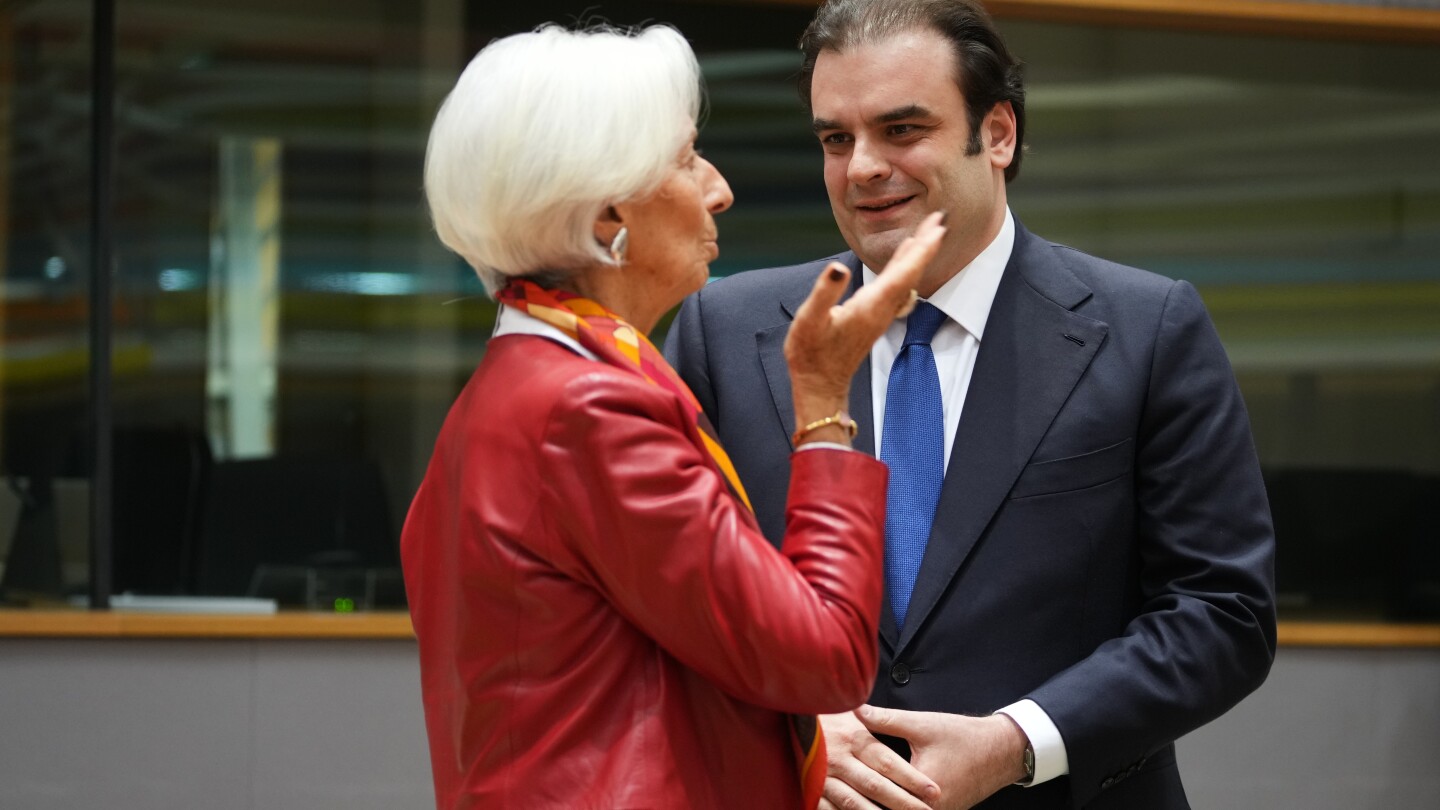
    In a stunning reversal of fortune that underscores one of Europe’s most dramatic economic transformations, Greek Finance Minister Kyriakos Pierrakakis has been elected to lead the powerful Eurogroup forum. This development marks a symbolic full-circle moment for a nation that just a decade ago teetered on the brink of eurozone expulsion during its devastating financial crisis.

    The Eurogroup, comprising finance ministers from the 20 European Union member states utilizing the euro currency, serves as the principal coordinating body for economic policy across the euro area. Its president wields considerable influence in shaping financial policies across member nations, with their pronouncements carrying significant weight in international markets.

    Greek Prime Minister Kyriakos Mitsotakis hailed the appointment as “a day of pride for the country, for the government and for all the citizens,” characterizing it as “the most emphatic recognition of our country’s positive course.” He notably referenced the nation’s precarious position exactly ten years prior, when shuttered banks and potential euro exit loomed large.

    At 42, Pierrakakis represents a new generation of European leadership and is widely regarded as a rising star within Greece’s center-right New Democracy party. Before assuming the finance portfolio in March, he served as education minister and previously as digital governance minister from 2019-2023, where he implemented sweeping bureaucratic reforms and digitized numerous public services.

    Reflecting on Greece’s journey, Pierrakakis acknowledged during his Brussels press conference that debates a decade ago centered on potential Greek exit from the eurozone. “And yet, Greece withstood,” he stated, attributing this resilience to “the collective strength of the people” and “European solidarity, of receiving help at the most dire of times.”

    The newly elected president committed to maintaining the Eurogroup as “a body of unity and shared purpose,” focusing on common currency stability, shared economic interests, and the broader European project grounded in core EU values.

    Greece’s ascent from fiscal pariah to economic model represents one of modern Europe’s most remarkable turnarounds. During the crisis years beginning in late 2009, successive Eurogroup presidents made regular visits to Athens, with every carefully scrutinized utterance potentially signaling the nation’s fate. Tense encounters, particularly the infamous 2015 exchange between then-president Jeroen Dijsselbloem and flamboyant Greek Finance Minister Yanis Varoufakis, highlighted the country’s strained relations with creditors.

    The crisis years brought profound hardship: years of fiscal mismanagement led to exclusion from international bond markets, necessitating three international bailouts totaling billions of euros from the so-called ‘troika’ (International Monetary Fund, European Central Bank, and European Commission). Austerity measures triggered a economic contraction of 25%, unemployment peaking at 28% (nearly 60% among youth), slashed wages and pensions, increased homelessness, and widespread social unrest.

    The situation deteriorated to such an extent that by June 2015, Greece implemented capital controls to prevent bank runs, rationing ATM withdrawals and restricting financial flows. Days later, the nation became the first developed country to default on IMF debts, with banking restrictions remaining until 2019.

    Today, Europe’s former financial outcast has emerged as one of its best budget performers. Major ratings agencies have restored Greek bonds to investment grade, with the country among only six EU members recording a 2024 budget surplus. Government revenues have exceeded targets through August, enabling a recently announced €1.6 billion tax relief package.

    Despite this progress, challenges persist. Many citizens grapple with rising living costs, while protesting farmers currently block highways nationwide, angered by production expenses, low wholesale prices, and delayed EU subsidy payments following a corruption scandal.

    Pierrakakis secured the presidency over Belgian Finance Minister Vincent Van Peteghem, commencing his two-and-a-half-year term with his first scheduled Eurogroup meeting on January 19.

  • US launches Trump Gold Card for expedited visas; price starts from $1 million

    US launches Trump Gold Card for expedited visas; price starts from $1 million

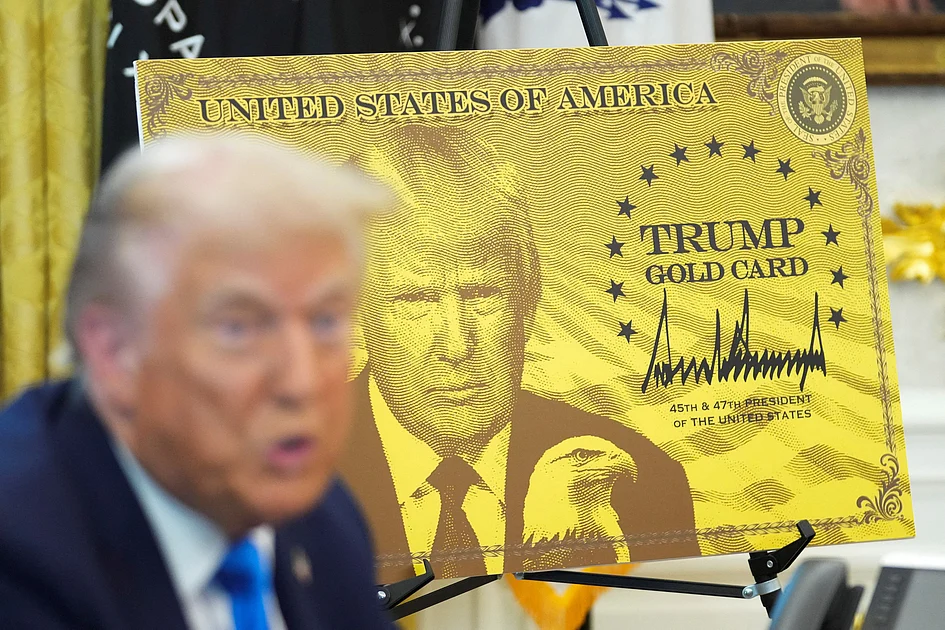
    The Trump administration has officially unveiled its controversial ‘Trump Gold Card’ immigration initiative, creating an expedited pathway for wealthy foreign nationals to obtain U.S. residency privileges. The program, launched through the dedicated portal Trumpcard.gov, requires applicants to make a substantial $1 million contribution to the United States Treasury in addition to a $15,000 processing fee paid to the Department of Homeland Security for accelerated review.

    President Trump characterized the initiative as a superior alternative to traditional Green Cards, emphasizing its ‘more powerful and stronger path’ during a White House briefing. Commerce Secretary Howard Lutnick revealed that approximately 10,000 individuals had already pre-registered for the program, projecting that the initiative could generate billions in revenue for the federal government over time.

    The Gold Card program represents a paradoxical approach within the administration’s broader immigration framework, which has simultaneously implemented stringent measures against both illegal immigration and conventional legal pathways. Lutnick defended the program as an economic benefit mechanism, asserting it would attract high-value immigrants who would contribute substantially to the U.S. economy, though he provided no empirical evidence to support claims about traditional Green Card holders’ economic performance.

    Notably, the program includes a corporate variant permitting businesses to secure expedited visas for key employees through a $2 million contribution per individual. This premium immigration strategy aligns with President Trump’s frequently stated preference for revenue-generating policies that mirror business principles, drawing parallels to his administration’s tariff initiatives.

  • From hiding to Nobel laureate: María Corina Machado’s continues fight for Venezuela’s democracy

    From hiding to Nobel laureate: María Corina Machado’s continues fight for Venezuela’s democracy

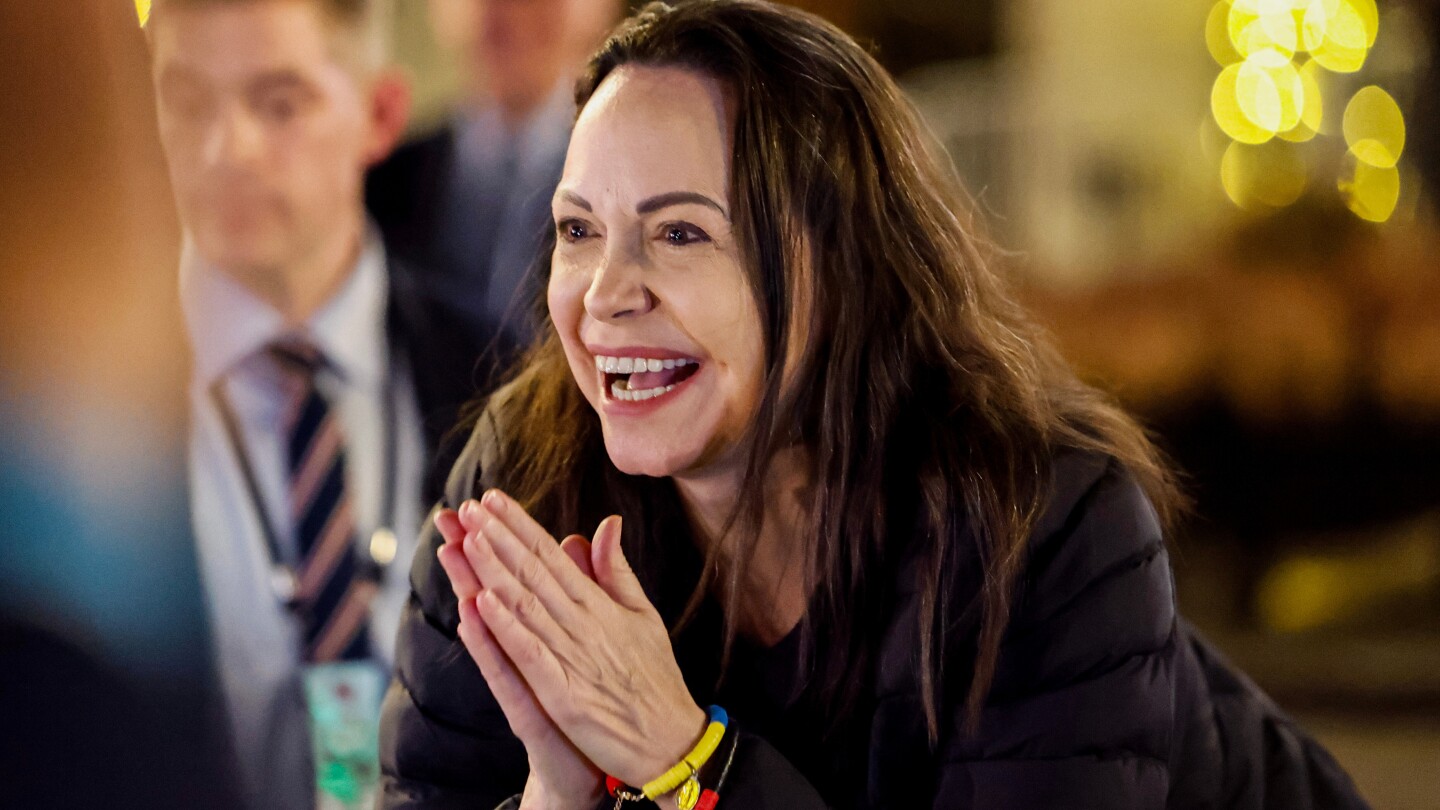
    In a dramatic public reappearance, Venezuelan opposition leader María Corina Machado addressed supporters in Norway on Thursday after eleven months in hiding. The event marked her first public appearance since receiving the Nobel Peace Prize, which was accepted on her behalf by her daughter the previous day for her relentless pursuit of democratic transition in Venezuela.

    Machado, who has become the symbolic face of resistance against Venezuela’s 26-year ruling party, had been evading authorities since January 9th when she was briefly detained during anti-government protests in Caracas. From her hotel balcony, she waved to cheering crowds before delivering a determined message to reporters: “My return will be when we believe the security conditions are right, and it won’t depend on whether or not the regime leaves. It will be as soon as possible.”

    The industrial engineer turned politician began challenging the establishment in 2004 when she co-founded Súmate, an organization that promoted a referendum to recall then-President Hugo Chávez. Her political trajectory intensified in 2010 when she was elected to the National Assembly with record-breaking votes, using her platform to boldly confront Chávez about his economic policies.

    Despite winning the opposition’s presidential primary with over 90% of the vote in 2023, Machado was barred from appearing on the ballot by the ruling party-controlled judiciary. She subsequently threw her support behind former diplomat Edmundo González, campaigning extensively across Venezuela while facing government persecution that resulted in the arrest of numerous collaborators.

    The July 2024 election saw González defeat President Nicolás Maduro by a two-to-one margin according to opposition records, but the National Electoral Council declared Maduro the winner. The government responded to nationwide protests with brutal repression, arresting over 2,000 people allegedly involved in plots to oust Maduro.

    While Machado’s unquestioning support for Trump administration policies has created some divisions within the opposition, she remains steadfast in her mission. On Thursday, she called for concrete action from international democracies, stating: “The one who has declared war on Venezuelans is the Maduro regime. In criminal systems, we need the world’s democracies to support our citizens.”