分类: politics

  • Africa calls for fairer global governance

    Africa calls for fairer global governance

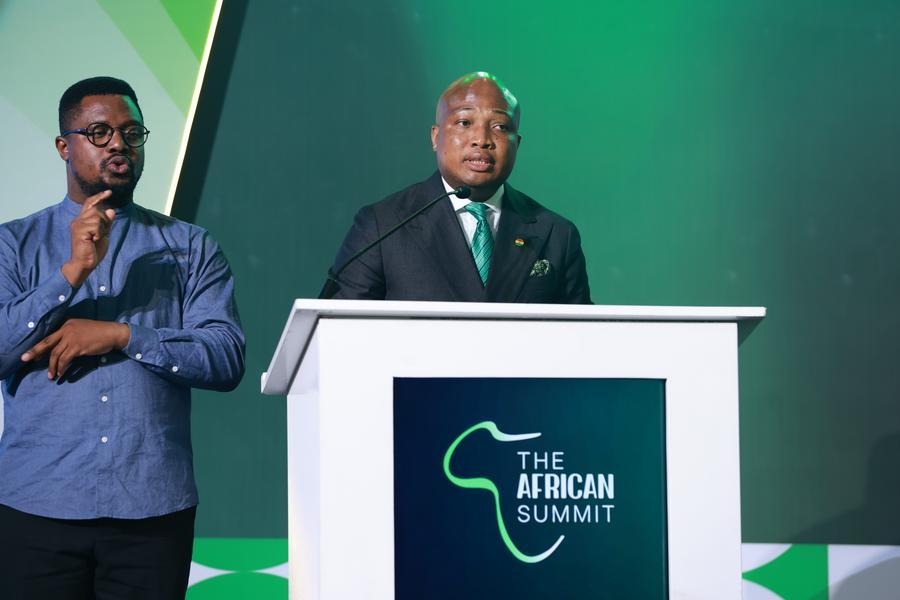
    ACCRA – African leaders convened for the inaugural African Summit in Ghana’s capital, delivering a powerful message to the international community: the continent demands fundamental reforms to global governance structures. Under the theme “Building a New United Africa,” policymakers and stakeholders gathered to forge consensus on achieving greater integration and strategic autonomy.

    Ghana’s Foreign Minister Samuel Okudzeto Ablakwa set the tone, highlighting Africa’s persistent challenges including fragmentation, weak intra-African trade, infrastructure deficits, and excessive dependence on external markets. “The global environment within which Africa must pursue its integration agenda is undergoing rapid, profound transformation,” Ablakwa declared, emphasizing Africa’s transition from passive observer to active shaper of global outcomes.

    The summit occurred against a backdrop of significant geopolitical shifts. November’s G20 Leaders’ Summit in Johannesburg marked a watershed moment as African nations, alongside Global South partners, successfully steered discussions toward development priorities despite U.S. opposition. The adopted declaration emphasized multilateral cooperation and stronger support for developing economies.

    Economic indicators signal Africa’s rising prominence. The IMF projects sub-Saharan Africa’s growth will outpace the global average at 4.1% in 2025. The African Continental Free Trade Area (AfCFTA) demonstrates substantial progress, with 47 nations ratifying the agreement. World Bank estimates suggest AfCFTA could generate $450 billion in additional economic output by 2035, lifting 30 million from extreme poverty.

    However, security challenges persist. Recent coups in Guinea-Bissau and Benin, alongside renewed conflict in the Democratic Republic of Congo displacing over 500,000 people, prompted West African authorities to declare a regional “state of emergency.” Analysts attribute these instability patterns to colonial legacies, terrorism, and economic development gaps.

    External economic pressures compound these challenges. U.S. tariff impositions on Lesotho and South Africa triggered dramatic export declines, with Lesotho losing nearly 80% of textile orders and South African auto exports plummeting 85% in May.

    Infrastructure development emerges as a cornerstone solution. The recent launch of Guinea’s Simandou iron ore project to China and the Tanzania-Zambia Railway rehabilitation project demonstrate advancing regional connectivity. Zambia’s Transport Minister Frank Tayali noted these initiatives support visions of becoming “a land-linked nation and logistics hub.

    As the 70th anniversary of China-Africa diplomatic relations approaches in 2026, partnerships continue deepening. Kenyan economist James Shikwati observed that “China’s pragmatic, inclusive approach offers viable alternatives to traditional Western models” for Global South development.

    African Union Director of Information Leslie Richer captured the summit’s consensus: “The Global South must not speak in fragments. Our strength lies in unity” to shape global decision-making.
  • Somalia marks 65th anniversary of diplomatic relations with China

    Somalia marks 65th anniversary of diplomatic relations with China

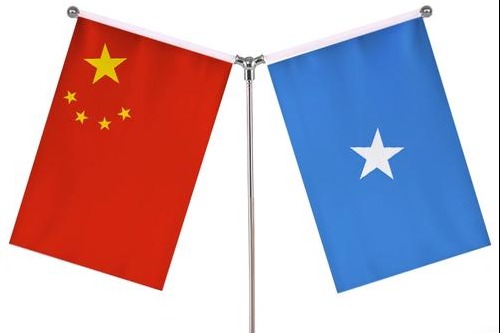
    Somalia and China have commemorated 65 years of established diplomatic relations, reaffirming their commitment to enhanced cooperation and shared developmental objectives. The milestone event, held in Mogadishu, brought together high-ranking officials from both nations to celebrate this enduring international partnership.

    Somali Prime Minister Hamza Abdi Barre addressed attendees by highlighting the historical significance of this bilateral relationship, characterizing it as “a testament to enduring friendship between our two peoples.” He emphasized that this friendship has been fundamentally built upon mutual respect for national sovereignty and shared understanding across decades of regional and global transformations.

    Since initially establishing diplomatic ties on December 14, 1960, China has consistently emerged as a trusted partner to Somalia. This partnership has notably respected Somalia’s political independence while supporting its national priorities and belief in the country’s future potential. The cooperative relationship has yielded practical impacts across multiple sectors including critical infrastructure development, healthcare system strengthening, educational advancement, public service capacity building, and humanitarian response during crises.

    Chinese Ambassador to Somalia Wang Yu recalled the historical context of the relationship’s formation, noting that China was among the first nations to recognize Somalia’s independence. Somalia similarly distinguished itself as the first East African nation to establish formal diplomatic relations with China. Ambassador Wang acknowledged Somalia’s consistent adherence to the One-China principle while reaffirming China’s unwavering support for Somalia’s national sovereignty, territorial integrity, and unity.

    The diplomatic celebration underscored how the China-Somalia relationship has evolved into a model of South-South cooperation, demonstrating how mutually beneficial partnerships can foster common development between nations.

  • US, Russian negotiators to meet in Miami over peace deal to end Ukraine crisis: media

    US, Russian negotiators to meet in Miami over peace deal to end Ukraine crisis: media

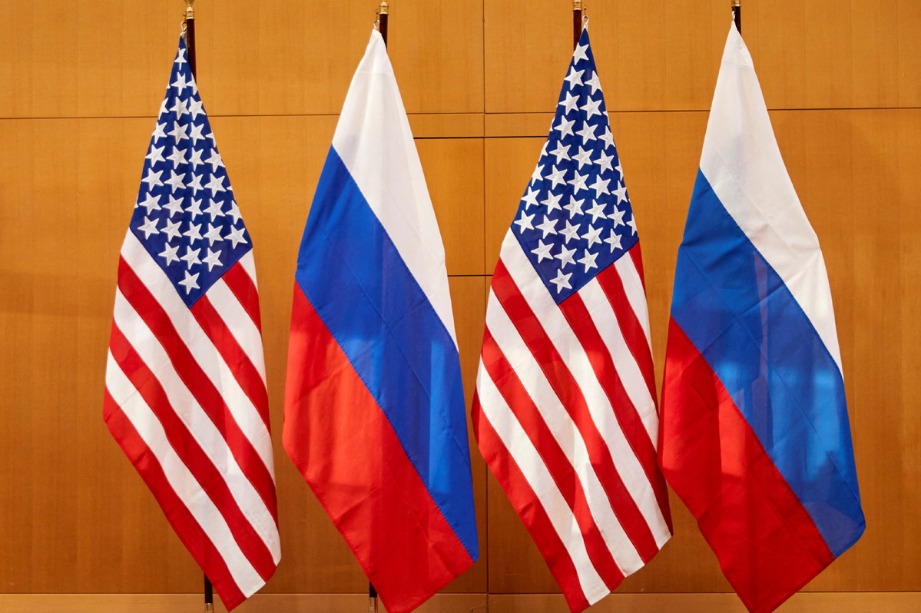
    High-level diplomatic negotiations between United States and Russian officials are scheduled to occur in Miami, Florida this weekend, signaling potential progress toward resolving the prolonged Ukraine conflict that has persisted for nearly four years, according to Politico reports.

    The anticipated meeting, while still subject to scheduling confirmation, would feature Trump administration officials presenting recent developments from trilateral discussions involving American, Ukrainian, and European representatives held in Berlin last weekend. Two informed sources indicated the Miami talks would build upon these preliminary negotiations.

    The American delegation is expected to include President Donald Trump’s special envoy Steve Witkoff and senior advisor Jared Kushner, while the Russian contingent would likely feature President Vladimir Putin’s special envoy Kirill Dmitriev. In a parallel diplomatic movement, Ukrainian National Security Adviser Rustem Umerov is arranged to conduct separate consultations with the US delegation either in Miami or an alternative American location during the same timeframe.

    Administration officials revealed that the Berlin negotiations produced substantial progress, with participants reaching consensus or significantly narrowing differences on approximately 90% of the twenty-point American draft peace proposal. This development suggests unprecedented alignment among the involved parties.

    In a notable concession, Ukrainian President Volodymyr Zelensky has indicated willingness to suspend NATO membership aspirations in exchange for Western security guarantees that would prevent renewed hostilities with Russia. Kyiv seeks protections equivalent to those afforded under NATO’s Article 5 collective defense clause, though the United States has not yet committed to such arrangements. According to Ukrinform news agency, Zelensky expressed readiness to accept Article 5-equivalent security guarantees as part of a comprehensive peace compromise.

  • 63 pct of US voters oppose US military action inside Venezuela: poll

    63 pct of US voters oppose US military action inside Venezuela: poll

    A comprehensive national survey conducted by Quinnipiac University has uncovered significant public opposition to U.S. military engagement in Venezuela, with nearly two-thirds of American voters expressing disapproval of such operations. The poll, conducted from December 11-15 among 1,035 registered voters nationwide, reveals a stark political divide on the controversial military stance.

    The findings indicate that 63% of respondents oppose military action within Venezuelan territory, while only 25% support such measures. The opposition cuts across party lines but demonstrates dramatic partisan variations: 89% of Democrats, 68% of independents, and 33% of Republicans stand against military intervention in the oil-rich South American nation.

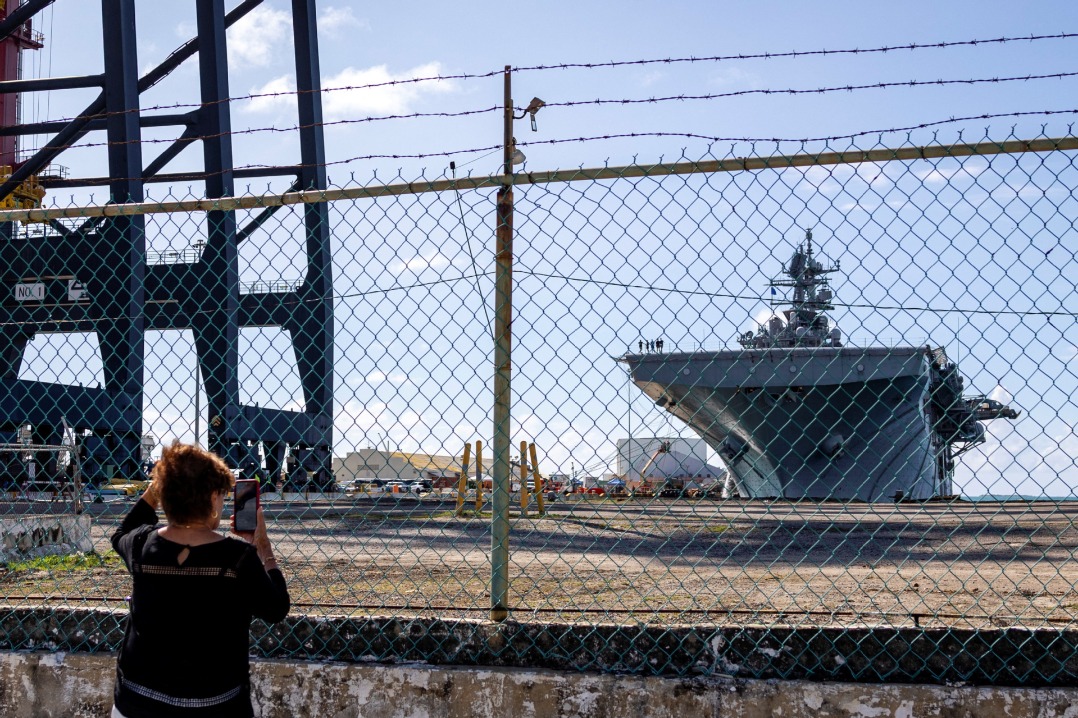
    This public sentiment emerges amid escalating U.S. military activities in the Caribbean region, where American forces have maintained a substantial presence off Venezuela’s coast for nearly four months. The Pentagon has justified this deployment as part of counter-narcotics operations, conducting strikes on alleged drug vessels that have resulted in at least 95 fatalities in international waters since September.

    The poll further revealed that 53% of Americans disapprove of these maritime strikes, reflecting growing public skepticism about the administration’s approach. Critics, including bipartisan lawmakers, have questioned both the legality of these operations and whether drug enforcement genuinely represents the sole motivation behind the military buildup.

    The Trump administration has simultaneously intensified economic pressure on Caracas, with the president announcing a complete blockade of all sanctioned oil tankers entering or leaving Venezuelan waters this week. Despite these measures, the president has repeatedly suggested that land-based military operations targeting Caribbean drug traffickers could commence “very soon”—a prospect that appears to lack broad public support according to the survey results.

    The Quinnipiac poll carries a margin of error of approximately 3.9 percentage points, providing a statistically significant snapshot of American public opinion as tensions with Venezuela continue to escalate.

  • US Senate passes 901 bln USD defense authorization bill for fiscal 2026

    US Senate passes 901 bln USD defense authorization bill for fiscal 2026

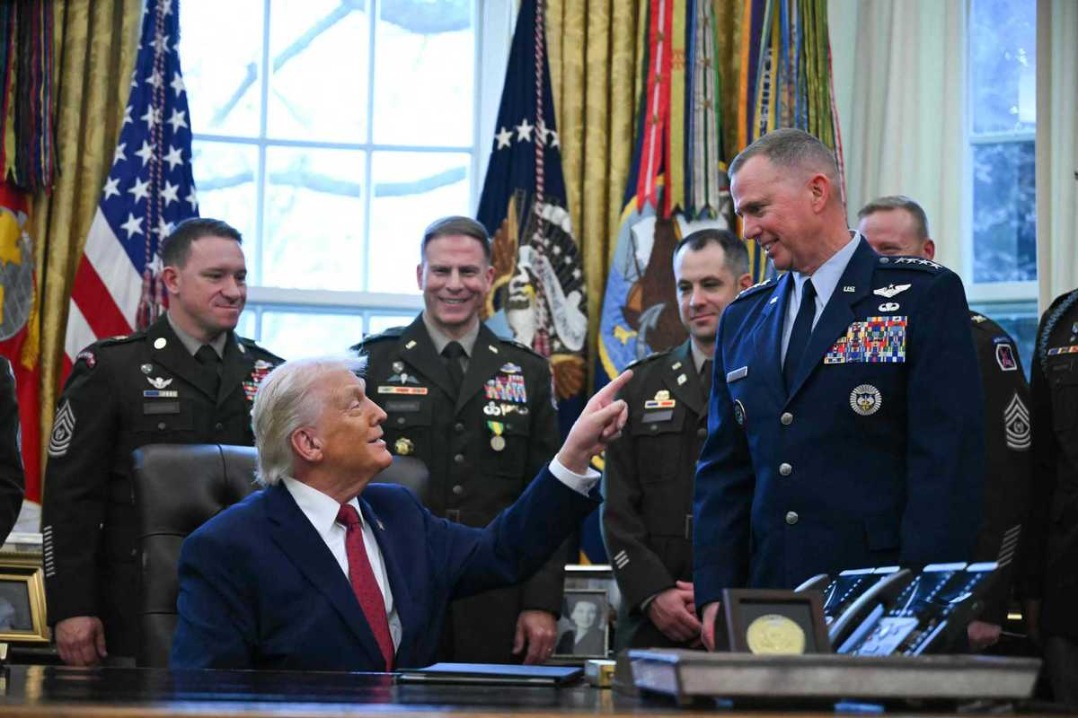
    In a decisive bipartisan move, the US Senate has ratified a comprehensive $901 billion defense authorization package for Fiscal Year 2026, setting the stage for President Donald Trump’s anticipated endorsement. The legislative measure, formally designated as the National Defense Authorization Act (NDAA), cleared the upper chamber with an overwhelming 77-20 vote margin on Wednesday.

    Senator Roger Wicker, presiding over the Senate Armed Services Committee, emphasized the historical significance of this congressional achievement. “This marks the 65th consecutive year that Congress has transcended partisan divides to deliver a robust national defense enhancement package to the president’s desk,” Wicker declared prior to the vote.

    The voluminous 3,000-page legislation incorporates multifaceted provisions including a 4% salary augmentation for military personnel, structural reforms to accelerate Pentagon weapons procurement, and substantial allocations for advancing the Golden Dome missile defense initiative. The bill mandates $400 million in annual military assistance for Ukraine over a two-year timeframe while imposing restrictions on troop reductions in Europe and South Korea without prior consultation with allied nations.

    Notable budgetary authorizations encompass $26 billion for naval vessel construction, $38 billion for aerial fleet modernization, and $25 billion dedicated to munitions manufacturing expansion. The legislation further implements significant policy shifts by eliminating Diversity, Equity and Inclusion (DEI) offices within the Defense Department, reducing climate-related expenditures by $1.6 billion, and permanently rescinding economic sanctions against Syria.

    A particularly contentious stipulation withholds 25% of Defense Secretary Pete Hegseth’s travel allocation until Congress receives unedited footage of US airstrikes targeting suspected drug trafficking vessels near Venezuela. This follows Hegseth’s recent confirmation that only designated congressional committees would review complete footage of the controversial September 2nd Caribbean operation, which resulted in casualties during a secondary strike.

    Despite broad bipartisan support, the legislation faced criticism from progressive lawmakers regarding the removal of expanded in-vitro fertilization coverage for active duty personnel, while conservative factions expressed dissatisfaction over perceived limitations in scaling back international military commitments. The White House has indicated President Trump will formally enact the legislation within coming days.

  • Japan’s rising defense spend stirs concern

    Japan’s rising defense spend stirs concern

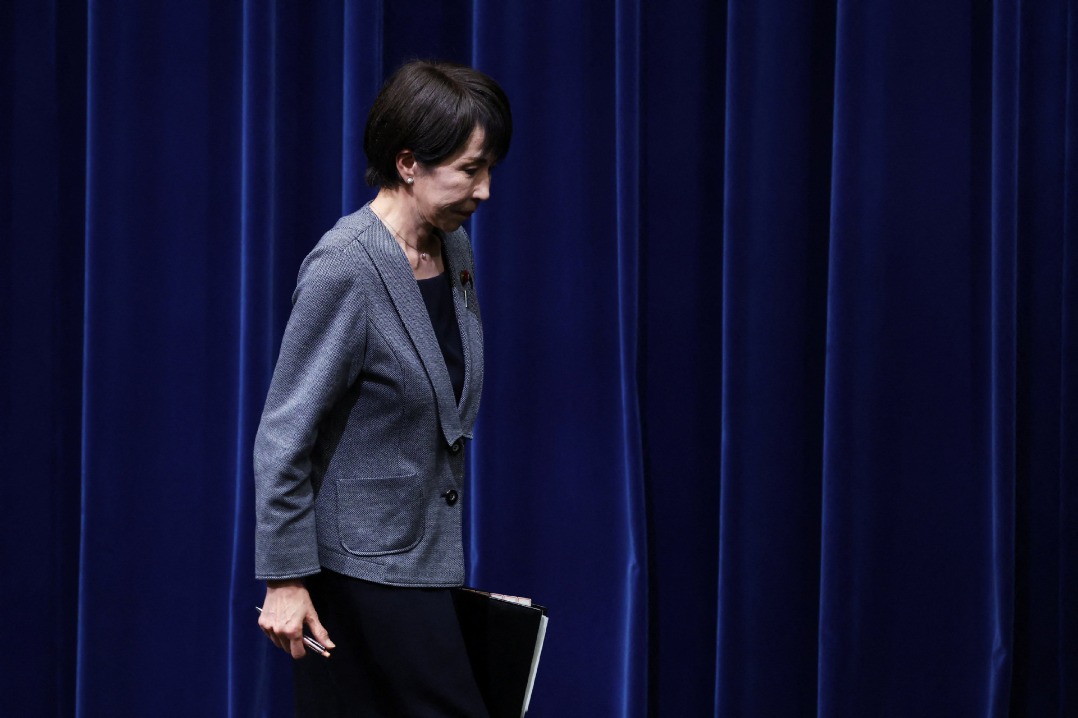
    Japan’s parliamentary approval of an 18.3 trillion yen ($118 billion) supplementary budget has ignited significant debate about the nation’s fiscal priorities and their societal implications. The budget, passed on Tuesday through the House of Councillors, allocates substantial resources to Prime Minister Sanae Takaichi’s policy initiatives with particular emphasis on defense and security enhancements.

    Analysts express growing apprehension that the government’s military expenditure strategy—which includes plans to spend 43 trillion yen ($276 billion) on defense over the next five years—will inevitably constrain funding for essential social welfare programs. This budgetary shift occurs alongside proposed tax increases targeting corporations, tobacco products, and personal income specifically designated for defense financing.

    Professor Emeritus Mieko Takenobu of Wako University warned that these fiscal decisions threaten Japan’s social sustainability. “When fiscal resources are diverted from public welfare to continuous military expansion through supplementary budgets, society becomes unsustainable,” Takenobu stated during a recent public event. The academic highlighted how defense spending has exceeded conventional budgetary frameworks while resources for daily living expenses and social security systems face continued reduction.

    The financial measures include a proposed special income tax for defense spending scheduled for implementation in January 2027, expected to generate approximately 200 billion yen ($1.3 billion) annually. Combined with other tax adjustments, these measures could collectively yield over 1 trillion yen per year, increasing household financial burdens despite the planned reduction of post-disaster reconstruction taxes.

    Beyond domestic concerns, experts identify geopolitical risks in Japan’s budgetary direction. Takenobu characterized Takaichi’s recent statements regarding Taiwan as particularly dangerous, suggesting they undermine Japan’s postwar consensus against military engagement. Regular protests have occurred outside the Prime Minister’s Office for over a month, with citizens demanding retraction of these statements and cessation of military expansion discussions.

    Akinobu Ito, president of the Japan-China Workers Exchange Association, echoed these concerns during a memorial event for the Nanjing Massacre, urging public vigilance against national-level dangerous trends and advocating for constitutional adherence rather than revision.

  • South Korea’s Constitutional Court removes police chief over martial law involvement

    South Korea’s Constitutional Court removes police chief over martial law involvement

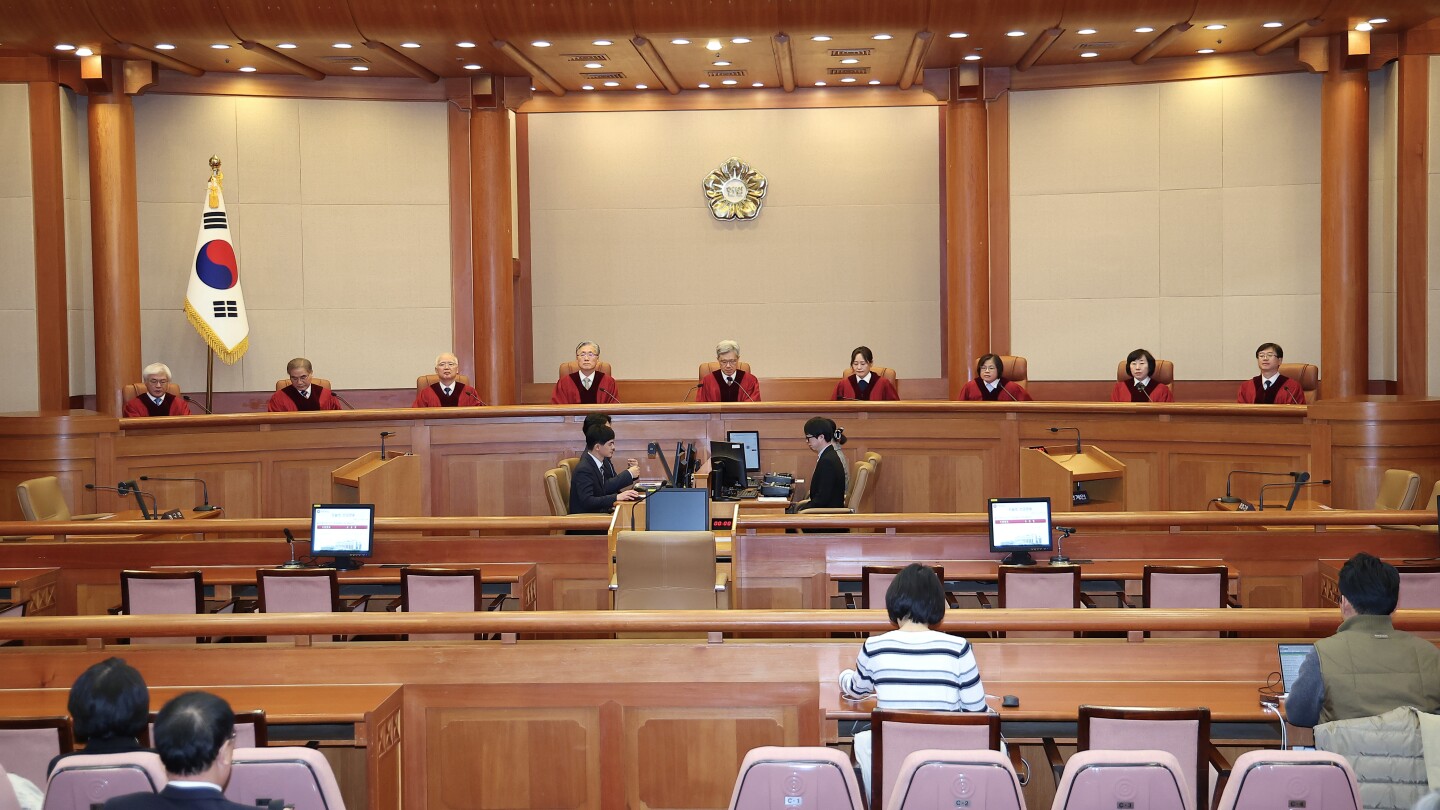
    South Korea’s Constitutional Court has delivered a landmark ruling on Thursday, formally dismissing the nation’s impeached police chief for his instrumental role in supporting former President Yoon Suk Yeol’s short-lived imposition of martial law in December 2024. Commissioner General Cho Ji-ho became the first National Police Agency chief to be removed from office through constitutional proceedings.

    The court determined that Cho actively undermined legislative processes by deploying hundreds of police officers to the National Assembly complex, intentionally obstructing lawmakers from reaching the main chamber to vote on revoking Yoon’s emergency decree. The ruling further condemned Cho’s infringement upon the National Election Commission’s independence by directing police personnel to assist military forces in seizing two NEC offices—actions allegedly justified by unverified claims of electoral fraud.

    Evidence presented revealed that Cho and Seoul’s police commissioner were summoned to a secure location hours before the martial law declaration, where they coordinated implementation strategies with Yoon’s defense minister. Following the decree, approximately 300 officers encircled parliamentary entrances alongside heavily armed special operations units with aerial support, creating an unprecedented blockade against legislative activities.

    Despite the military-police barricade, a determined group of lawmakers including current President Lee Jae Myung scaled perimeter fences to establish quorum and unanimously overturn Yoon’s order within hours. The court rejected Cho’s defense that his deployments aimed to maintain public order, noting that the extreme measures taken by parliamentarians demonstrated the severity of the obstruction.

    Cho, who faced impeachment by legislators and arrest shortly after Yoon’s power grab, was previously granted bail in January due to medical requirements for cancer treatment. He now awaits separate criminal proceedings on rebellion charges, while former President Yoon faces life imprisonment or capital punishment for his central role in the crisis.

  • Farmers block roads in Brussels to protest South American free-trade deal

    Farmers block roads in Brussels to protest South American free-trade deal

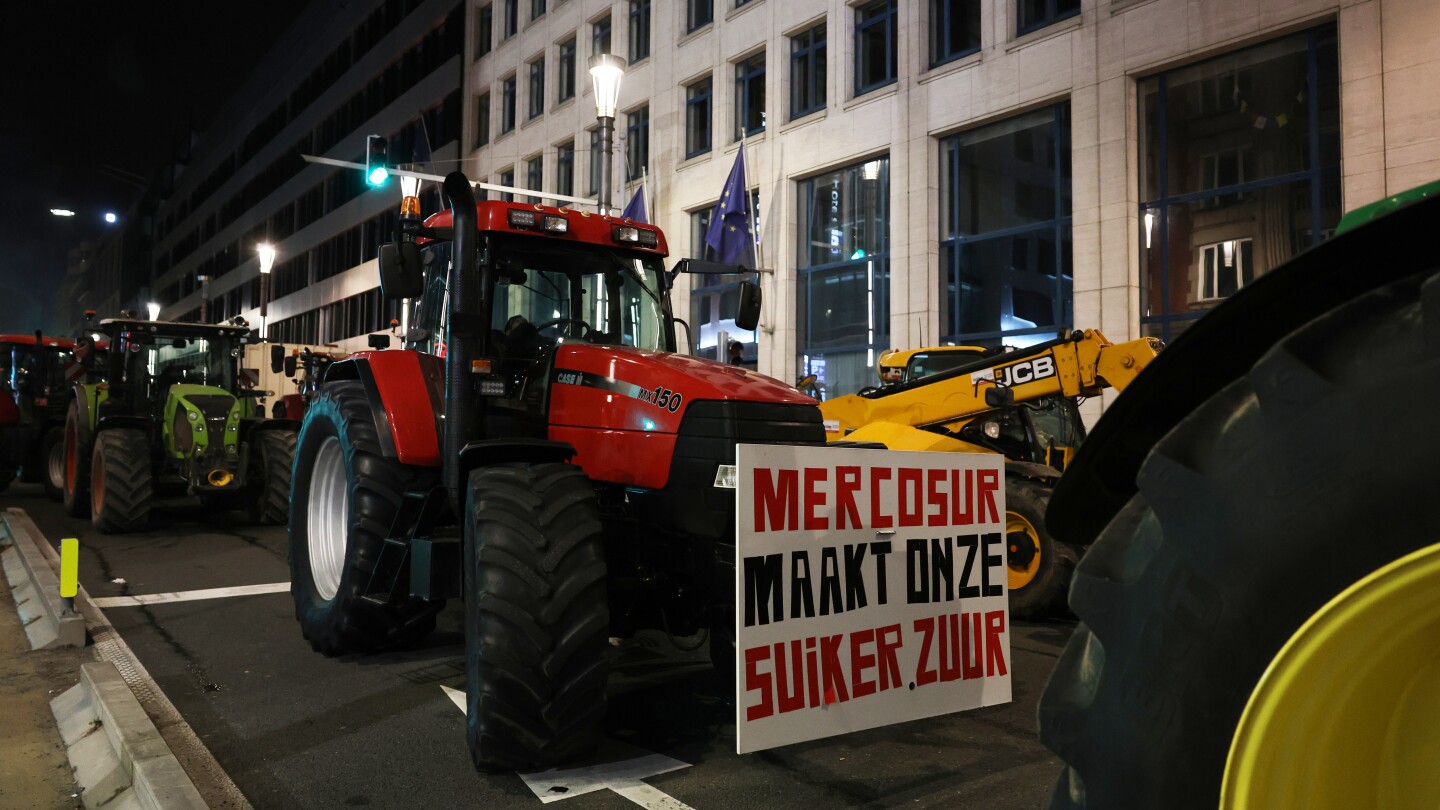
    Brussels witnessed intense demonstrations on Wednesday as thousands of farmers mobilized tractors to blockade key roadways and ignite fireworks near the European Union headquarters. The protests coincided with an EU leadership summit addressing the contentious free-trade agreement with Mercosur nations. Law enforcement deployed tear gas and water cannons to disperse crowds expressing vehement opposition to the proposed pact with South American economies.

    The agricultural sector’s primary concern centers on potential market destabilization through imported goods produced under less stringent regulatory frameworks. This economic apprehension has triggered broader political ramifications, with several EU members expressing reservations about the agreement’s current terms. France has emerged as the leading opposition force, demanding enhanced safeguards against market disruption, stricter pesticide regulations, and reinforced import inspection protocols.

    Italy recently joined the dissenting coalition, with Premier Giorgia Meloni declaring any immediate signing “premature” without adequate protections for European agricultural interests. This development significantly strengthens the opposition bloc, potentially providing France sufficient votes to veto European Commission President Ursula von der Leyen’s push for ratification.

    Despite twenty-five years of negotiations covering a prospective market of 780 million people, the agreement faces unprecedented political headwinds. Supporters argue the pact would establish crucial economic counterweights to Chinese export controls and American tariff policies, while critics warn of environmental standard erosion and agricultural sector devastation.

    South American leaders remain cautiously optimistic about finalizing the agreement. Brazilian President Lula da Silva has positioned the deal as a cornerstone of his diplomatic agenda, warning that failure to secure ratification now might permanently suspend negotiations during his administration. The agreement has found unusual consensus among ideologically divergent South American leaders, including Argentina’s Javier Milei and Uruguay’s government, all recognizing the potential benefits for their agricultural exports.

    The ongoing stalemate reflects deeper tensions between economic globalization priorities and domestic agricultural protectionism within EU politics, with far-right political movements leveraging the controversy to gain traction among disaffected rural communities.

  • Experts: Lai not freedom fighter, but a pawn of the West

    Experts: Lai not freedom fighter, but a pawn of the West

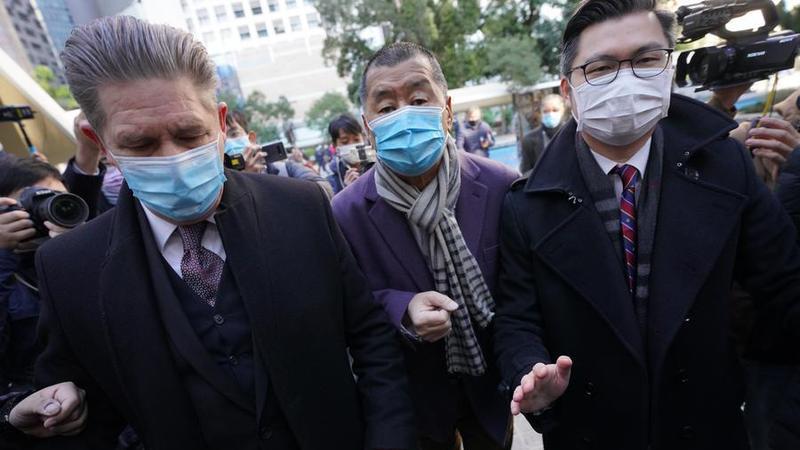
    Hong Kong political analysts and legal authorities have unanimously characterized convicted media proprietor Jimmy Lai Chee-ying as an instrument of Western geopolitical interests rather than a legitimate advocate for democratic principles. The assessments emerged following Lai’s recent conviction on national security charges, with experts asserting that foreign powers have exploited his case to wage an ideological campaign against China.

    Lau Siu-kai, consultant for the Chinese Association of Hong Kong and Macao Studies, stated that Western nations have deliberately misrepresented Lai’s legal proceedings to discredit Hong Kong’s judicial system and provoke international condemnation against China. Contrary to Western media narratives alleging improper treatment, Lau noted that Lai testified extensively during his 156-day public trial and maintained visible good health throughout the proceedings.

    The High Court of Hong Kong found Lai guilty on December 16th on three criminal counts: two charges of conspiracy to collude with external forces to jeopardize national security and one charge of conspiracy to disseminate seditious publications. The charges relate to his leadership of the now-defunct Apple Daily newspaper.

    Senior counsel and Executive Council member Ronny Tong Ka-wah characterized Lai’s active pursuit of foreign sanctions against Chinese institutions as conduct that ‘bordered on treason’ and harmed his fellow citizens. Tong emphasized that such actions fundamentally contradict internationally recognized definitions of human rights and freedoms.

    Legal experts underscored that national security legislation exists universally to protect sovereign interests, though specific threats may vary between nations. They observed that Western countries typically face different security challenges than those confronting nations subject to external political interference.

    Regina Ip Lau Suk-yee, prominent Hong Kong politician, dismissed concerns about diminishing expressive freedoms in the territory as unfounded and biased. Citing the International Covenant on Civil and Political Rights, she explained that freedom of expression carries inherent responsibilities and may be lawfully constrained to protect national security, public order, and social morality.

    Ip pointed to vigorous public discourse surrounding recent incidents in Hong Kong, including extensive coverage of a major fire in Tai Po, as evidence of the territory’s thriving freedom of expression. These discussions have prompted critical examinations of institutional frameworks and exposed systemic issues requiring reform.

    The Western criticism of Lai’s conviction has prompted counter-demonstrations, with Hong Kong residents and organizations gathering outside diplomatic missions of the United States, Britain, and Australia to protest perceived interference with the region’s judicial independence.

  • India summons Bangladesh envoy over security concerns

    India summons Bangladesh envoy over security concerns

    Diplomatic relations between India and Bangladesh have reached a critical juncture as security concerns surrounding India’s diplomatic missions in Dhaka trigger formal protests. The Indian government has officially summoned Bangladeshi envoy Riaz Hamidullah to express serious apprehensions regarding what it describes as deteriorating security conditions caused by extremist elements.

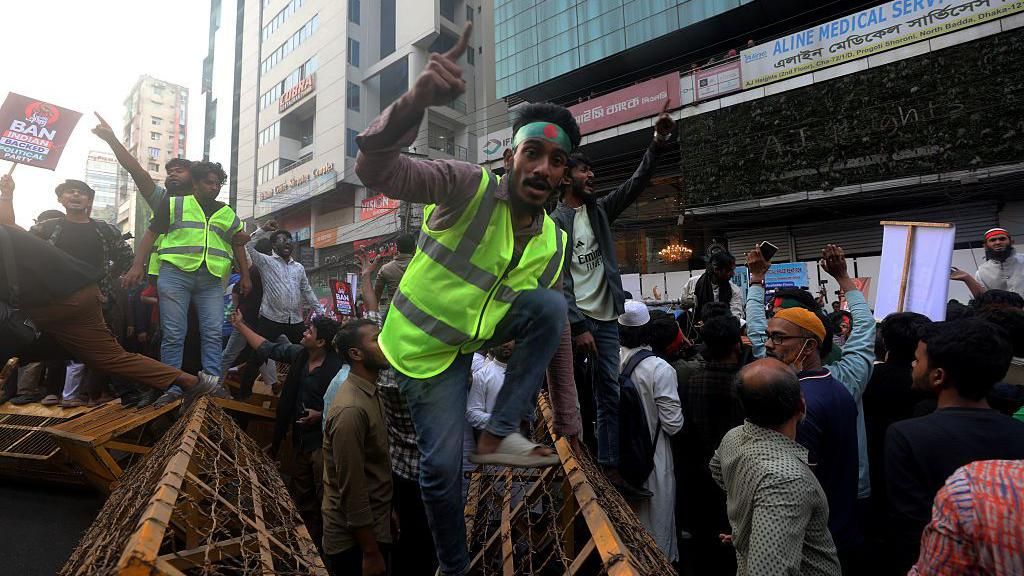
    This diplomatic action follows recent demonstrations in Bangladesh where protesters attempted to march toward the Indian High Commission, demanding the repatriation of former Prime Minister Sheikh Hasina. The exiled leader has resided in India since August 2024 when student-led protests forced her from power, creating ongoing tension between the neighboring nations.

    The interim government of Bangladesh, led by Nobel laureate Muhammad Yunus and preparing for February 12 elections, finds itself at the center of this diplomatic storm. Dhaka had previously summoned India’s envoy to protest what it called ‘incendiary statements’ allegedly made by Hasina from Indian territory, which Bangladesh claims aim to undermine the upcoming electoral process.

    Complicating matters further, a Bangladeshi court recently sentenced Hasina to death for her alleged role in authorizing lethal force against protesters, resulting in approximately 1,400 casualties during last year’s unrest. Hasina has vehemently denied these allegations, characterizing them as politically motivated attempts to eliminate her Awami League party from the political landscape.

    The situation has escalated with recent statements from Hasnat Abdullah, leader of Bangladesh’s National Citizen Party, who suggested that Bangladesh might shelter separatist groups targeting India’s northeastern states if Delhi continues to ‘destabilize’ Dhaka. This reference to the strategically vulnerable ‘Seven Sisters’ region has added another layer of complexity to the already strained bilateral relationship.

    India has categorically rejected these assertions and expressed disappointment that the interim government has not conducted thorough investigations or shared substantive evidence regarding recent incidents. As political tensions intensify ahead of the elections, India has taken the precautionary measure of temporarily closing its visa application center in Dhaka, rescheduling appointments for security reasons.