分类: politics

  • Trump says progress made in Ukraine talks but ‘thorny issues’ remain

    Trump says progress made in Ukraine talks but ‘thorny issues’ remain

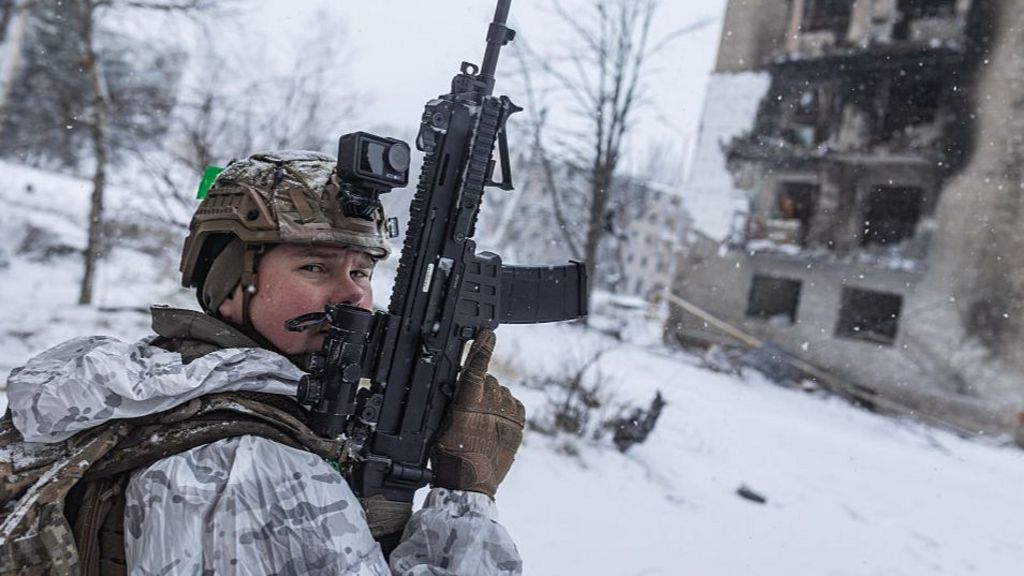
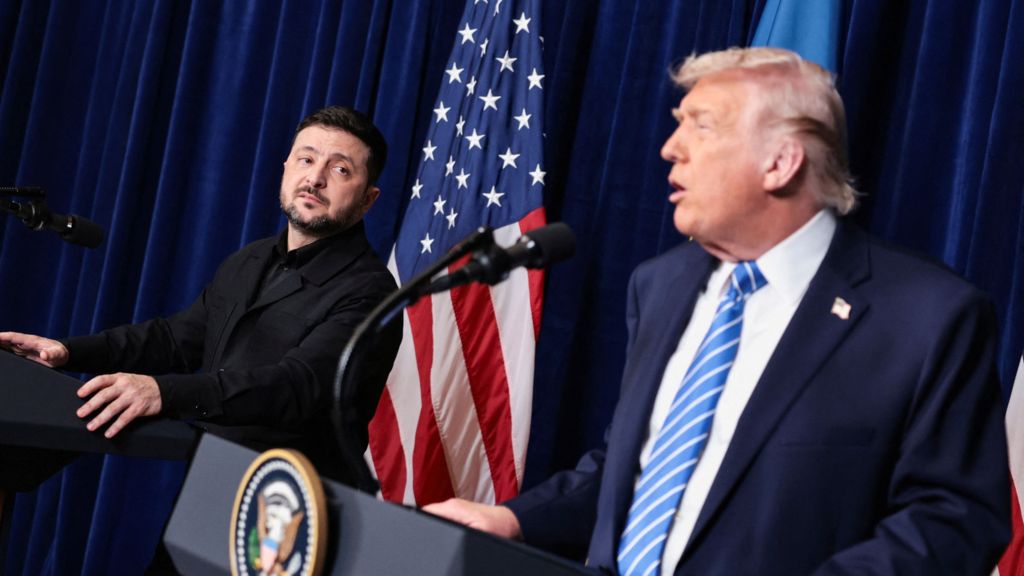
    MAR-A-LAGO, Fla. – U.S. President Donald Trump and Ukrainian President Volodymyr Zelensky concluded a high-stakes meeting in Florida, announcing significant headway toward a potential resolution to the nearly four-year war in Ukraine, though critical territorial disputes remain unresolved.

    Both leaders characterized the discussions as ‘great,’ revealing that approximately 90% of a comprehensive 20-point peace plan had been mutually agreed upon. President Trump specified that negotiations concerning security guarantees for Ukraine were ‘close to 95%’ finalized. However, he identified the status of the Donbas region—a territory in eastern Ukraine largely occupied by Russian forces—as the primary obstacle, describing it as a ‘very thorny issue.’

    The strategic eastern region of Donbas, comprising Donetsk and Luhansk, remains a focal point of contention. Moscow currently controls roughly 75% of Donetsk and nearly all of Luhansk. Russia demands that Ukraine relinquish the small portion of the territory it still holds in Donbas, while Kyiv proposes transforming the area into a demilitarized free economic zone under Ukrainian policing.

    President Trump, whose stance on reclaimed Ukrainian territories has fluctuated, noted the complexity of the matter, stating, ‘Some of that land has been taken… Some of that land is maybe up for grabs.’ He expressed confidence that a resolution was forthcoming, albeit acknowledging the challenges.

    In a significant diplomatic development, Trump revealed he had recently spoken with Russian President Vladimir Putin, whom he claimed ‘wants Ukraine to succeed.’ Russian foreign policy adviser Yuri Ushakov confirmed the call was initiated by Trump and centered on EU and Ukrainian peace proposals. Both leaders reportedly concurred that a temporary ceasefire, as suggested by the EU and Ukraine, might inadvertently prolong the conflict.

    Looking ahead, Zelensky announced that U.S. and Ukrainian negotiating teams will reconvene next week, with a potential high-level meeting at the White House in January, possibly including European leaders. This aligns with statements from European Commission President Ursula von der Leyen, who praised the ‘good progress’ from the Florida talks while stressing the necessity of ‘ironclad security guarantees from day one’ for Ukraine. French President Emmanuel Macron separately announced a planned meeting of allied nations in Paris next month to solidify concrete security contributions.

    Despite the optimism, President Trump cautioned that the peace process remains fragile, warning that stalled negotiations could lead to a continuation of the conflict, which began with Russia’s full-scale invasion in February 2022 and has resulted in Moscow controlling approximately 20% of Ukrainian territory.
  • UAE, Arab League Council condemn Israel’s recognition of Somaliland

    UAE, Arab League Council condemn Israel’s recognition of Somaliland

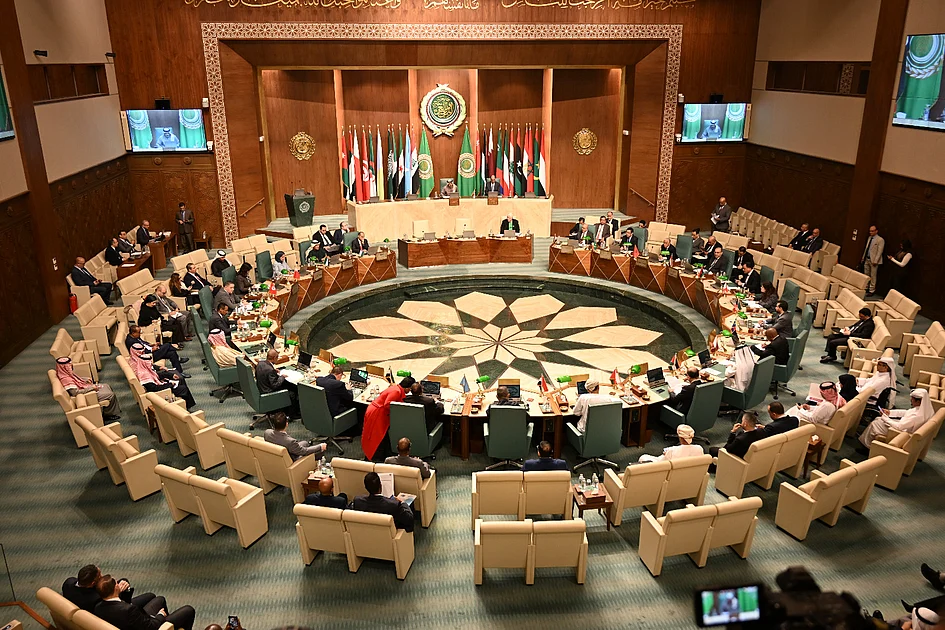
    In an extraordinary session chaired by UAE Ambassador Hamad Obaid Al Zaabi, the Council of the League of Arab States issued a forceful condemnation of Israel’s recent recognition of Somaliland. The emergency meeting, convened following a detailed briefing by Somali Ambassador Ali Abdi Awrai, addressed what Arab diplomats characterized as a severe threat to regional stability.

    The Council expressed unequivocal solidarity with Somalia’s federal government, rejecting Israel’s December 26, 2025 recognition as a violation of international norms. The resolution emphasized that Somaliland remains an integral territory of the Federal Republic of Somalia under both the Arab League Charter and United Nations principles.

    Diplomatic language within the resolution framed Israel’s move as not merely a bilateral issue but an assault on broader Arab national security interests. The Council warned that such recognition could destabilize critical maritime corridors including the Red Sea, Gulf of Aden, and Horn of Africa regions.

    The resolution called for coordinated legal, political and diplomatic measures to counter the recognition, while reaffirming Somalia’s right to self-defense under international law. Additionally, the Council cautioned against any attempts to use Somali territory for implementing aggressive regional agendas or displacing Palestinian populations.

    A significant operational outcome involved tasking the Arab League General Secretariat with developing security mechanisms in coordination with Somalia’s government, the African Union, and United Nations. The Secretariat must present a comprehensive report on these developments during the next ministerial session.

    The Council further urged international organizations and foreign governments to refrain from any official engagement with Somaliland authorities outside the framework of Somali sovereignty.

  • Chinese military stages drills around Taiwan to warn ‘external forces’ after US, Japan tensions

    Chinese military stages drills around Taiwan to warn ‘external forces’ after US, Japan tensions

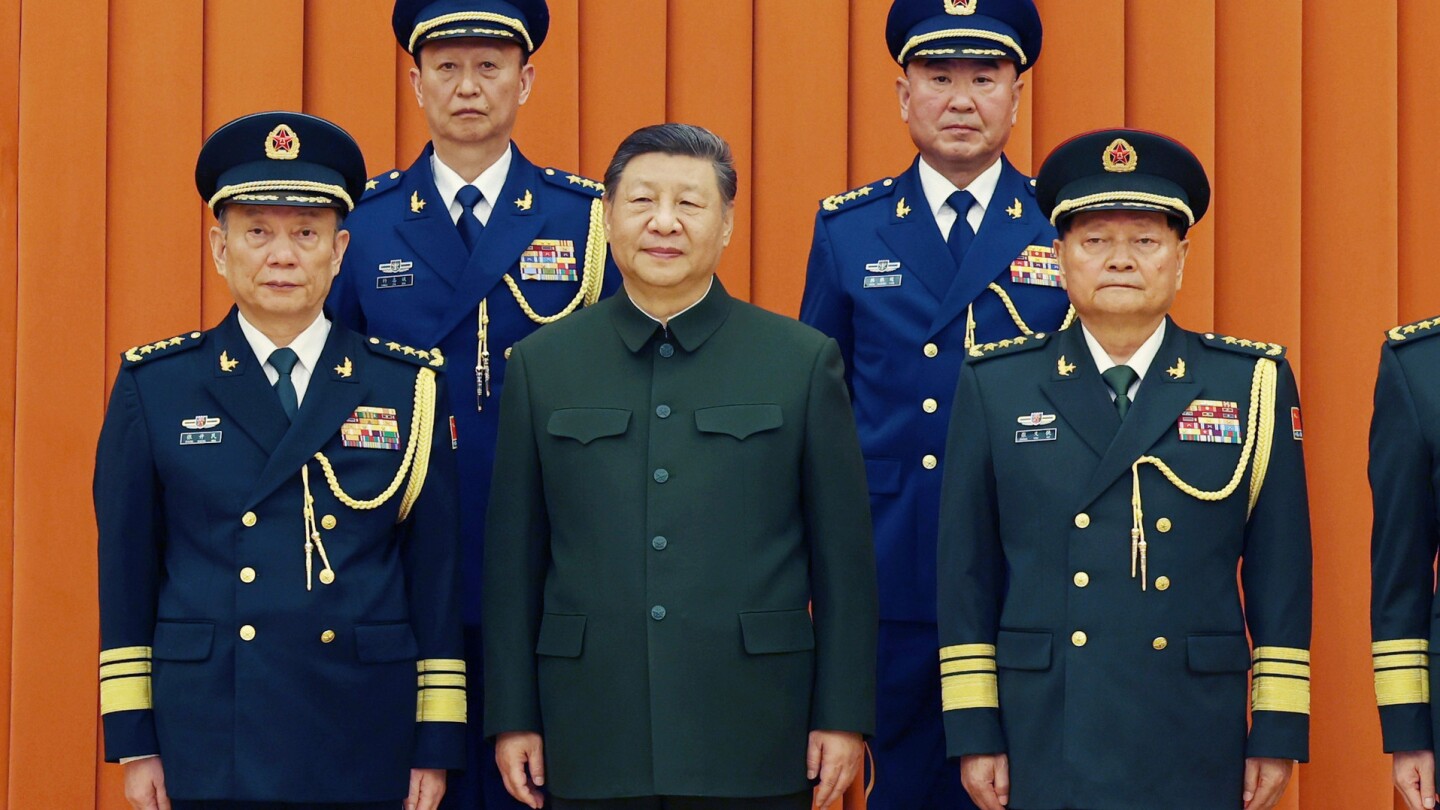
    China’s People’s Liberation Army initiated large-scale joint military exercises surrounding Taiwan on Monday, mobilizing air, naval, and rocket forces in what Beijing characterized as a “stern warning” against separatist activities and external interference. The drills represent the most significant show of force in the Taiwan Strait this year.

    The Eastern Theater Command deployed fighter jets, bombers, and unmanned aerial vehicles coordinated with long-range rocket launches, conducting precision strike simulations against mobile ground targets. Senior Colonel Shi Yi, spokesperson for the command, stated the operations would focus on “sea-air combat readiness patrol, joint seizure of comprehensive superiority, and blockades on key ports” across five designated zones encircling the island.

    Taiwan’s Defense Ministry responded by placing its military on high alert, conducting rapid response exercises and denouncing China’s actions as confirming “its nature as an aggressor and the biggest destroyer of peace.” Presidential Office spokesperson Karen Kuo condemned the drills as undermining regional stability and openly challenging international law.

    The escalation follows recent tensions including U.S. arms sales to Taiwan valued at over $10 billion and statements from Japanese Prime Minister Sanae Takaichi regarding potential military involvement in Taiwan scenarios. Beijing recently imposed sanctions against 20 U.S. defense companies and 10 executives in response to the weapons package.

    The exercises mark the first time China’s military has publicly stated “all-dimensional deterrence outside the island chain” as an operational objective, indicating an expansion of strategic ambitions beyond immediate territorial waters. Live firing activities are scheduled for Tuesday across multiple maritime zones surrounding Taiwan.

  • Trump and Zelensky appear more upbeat – but show little evidence that peace is near for Ukraine

    Trump and Zelensky appear more upbeat – but show little evidence that peace is near for Ukraine

    In an unprecedented diplomatic engagement, former U.S. President Donald Trump and Ukrainian President Volodymyr Zelensky convened for extensive discussions lasting two-and-a-half hours at Trump’s Mar-a-Lago estate in Florida. Both leaders characterized the meeting as exceptionally productive, with Trump describing it as “terrific” while Zelensky praised the “great discussions on all the topics.”

    The summit marked the longest continuous negotiation between the two leaders to date, generating visible optimism despite the absence of concrete breakthroughs. Central to the discussions were two critical issues: potential territorial concessions and future security arrangements. While Zelensky has not publicly acquiesced to demands for territorial compromises—a position Russia supports and the U.S. appears to endorse—he suggested the possibility of a national referendum to ratify any eventual peace agreement.

    Regarding security guarantees, Zelensky claimed “100%” alignment with the U.S., though specific details remain undisclosed. The effectiveness of such guarantees in deterring future Russian aggression remains uncertain.

    The dialogue’s significance is further complicated by Russia’s preemptive rejection of key proposals floated before the meeting, including ceasefire implementation and deployment of multinational monitoring forces. Trump’s continued favorable rhetoric toward Vladimir Putin, whom he described as “serious about peace” and supportive of Ukraine’s success, raises questions about potential pressure asymmetries in future negotiations.

    Ultimately, while the meeting generated positive atmospherics, it provided little evidence that a sustainable resolution to the conflict is imminent, with fundamental disagreements persisting on core issues.

  • North Korea says it tested long-range cruise missiles

    North Korea says it tested long-range cruise missiles

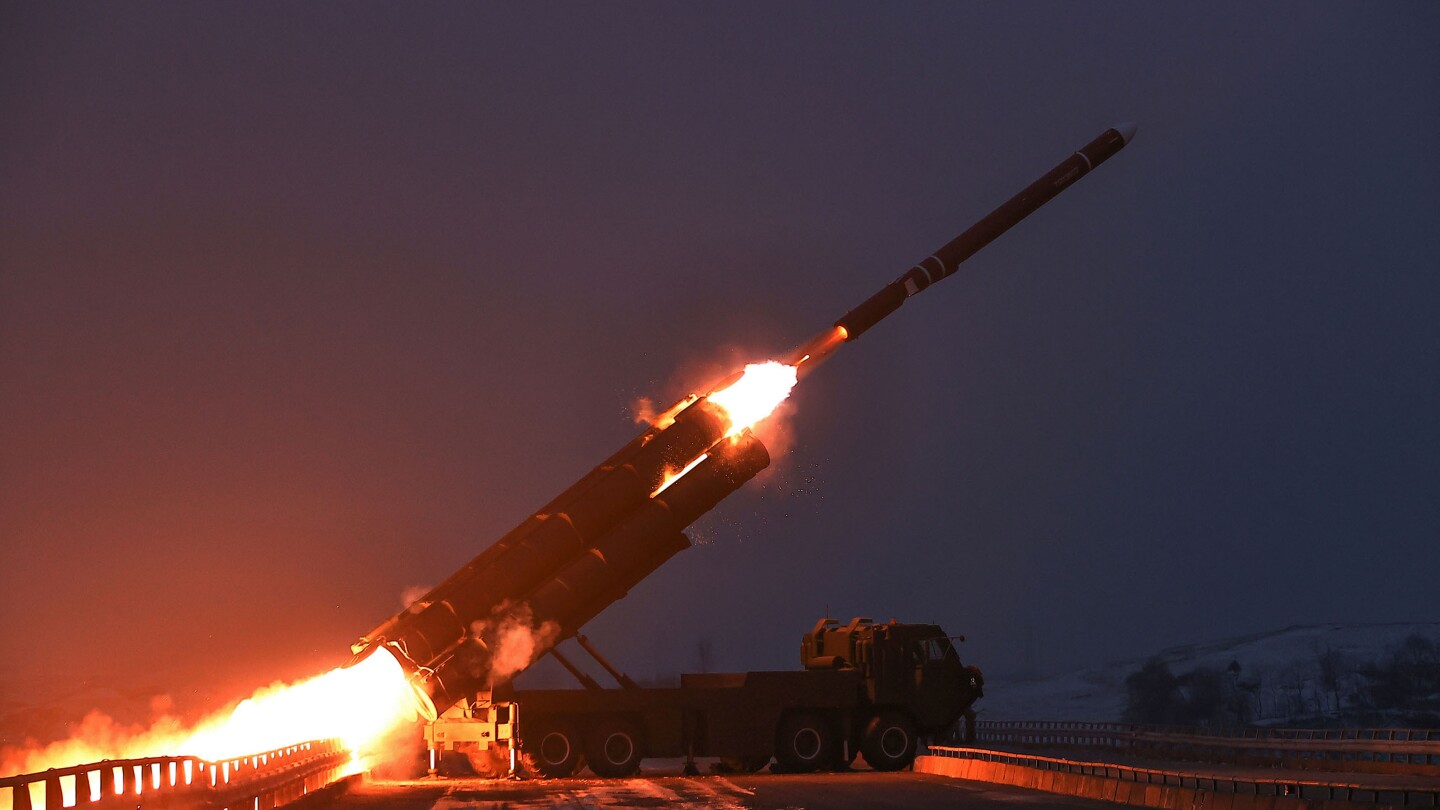
    North Korea has confirmed the successful test-firing of long-range strategic cruise missiles into the western sea, characterizing the exercise as a critical assessment of its nuclear deterrence capabilities. The Sunday launches represent Pyongyang’s latest military demonstration ahead of its anticipated Workers’ Party congress scheduled for early next year—the first such gathering in five years.

    Leader Kim Jong Un expressed considerable satisfaction with the missile tests, according to the state-run Korean Central News Agency. Kim emphasized that these operations constitute a legitimate exercise of self-defense rights amid perceived external security threats. The tests occurred shortly after North Korea showcased significant advancements in its inaugural nuclear-powered submarine project.

    South Korea’s Joint Chiefs of Staff reported detecting multiple cruise missile launches originating from the North Korean capital region. Seoul maintains that its military remains prepared to counter any potential provocations through its strategic alliance with the United States.

    While United Nations Security Council resolutions explicitly prohibit North Korea from testing ballistic missiles, cruise missile launches remain technically permissible. However, military analysts note these weapons present substantial regional security concerns due to their high maneuverability, low-altitude flight capabilities, and radar evasion characteristics. Experts suggest North Korea intends to deploy cruise missiles primarily against U.S. naval assets, including warships and aircraft carriers, in potential conflict scenarios.

    Recent weeks have witnessed intensified weapons testing from Pyongyang, including new anti-air missile trials and the unveiling of a nearly complete nuclear-powered submarine hull. North Korea has indicated intentions to equip this submarine with nuclear armaments—a key component of Kim’s promised advanced weapons systems designed to counter perceived U.S.-led security threats.

    This military expansion occurs alongside North Korea’s growing alignment with Russia, including providing military support for Moscow’s operations in Ukraine. Some analysts speculate this partnership may have facilitated technology transfers benefiting Pyongyang’s weapons programs.

    Since the collapse of denuclearization talks with the Trump administration in 2019, North Korea has concentrated on enhancing its nuclear arsenal. However, Kim suggested in September potential willingness to resume negotiations if Washington abandons its “delusional obsession” with denuclearization—a stance experts believe reflects confidence that expanded nuclear capabilities would strengthen Pyongyang’s bargaining position in future diplomatic engagements.

  • Kosovo’s ruling party wins election after months of political deadlock

    Kosovo’s ruling party wins election after months of political deadlock

    In a decisive political mandate, Kosovo’s Albanian nationalist Vetevendosje movement has achieved a resounding triumph in parliamentary elections, securing an unprecedented third consecutive term for its leader Albin Kurti. Preliminary results indicate the left-wing party captured 50.8% of votes with 90% counted, marking the fourth successive electoral victory for the ‘Self-Determination’ movement.

    The outcome represents a stark rebuke to the main opposition blocs—the center-right Democratic Party of Kosovo (PDK) at 20.98% and the Democratic League of Kosovo (LDK) at 13.89%—who had maintained a seven-month governmental deadlock following February’s inconclusive polls. This electoral impasse had paralyzed legislative functions and cost Kosovo access to hundreds of millions in EU development funds.

    While falling just short of an absolute parliamentary majority, Kurti’s commanding position enables straightforward coalition building with ethnic minority representatives who hold 20 guaranteed seats in the 120-member National Assembly. The victory margin, described by Kurti as ‘the greatest in the nation’s history,’ signals voter preference for his transformative agenda over established parties linked to Kosovo’s post-independence political establishment.

    Critical challenges await the renewed administration: restoring strained relations with EU and US partners, addressing constitutional concerns regarding minority rights, and resuscitating the frozen normalization dialogue with Serbia. The international community particularly expects pragmatic engagement with Belgrade after Kurti’s previous dogmatic stance exacerbated regional tensions through controversial measures targeting Serb minority institutions.

    Analysts interpret this endorsement of a polarizing figure as reflecting profound disillusionment with traditional alternatives. Despite acknowledged governance shortcomings and diplomatic frictions, voters ultimately perceived opposition obstructionism as more damaging than incumbent policy limitations.

  • ‘Superiority’ concerns over Royal Yacht Britannia visit to Ireland

    ‘Superiority’ concerns over Royal Yacht Britannia visit to Ireland

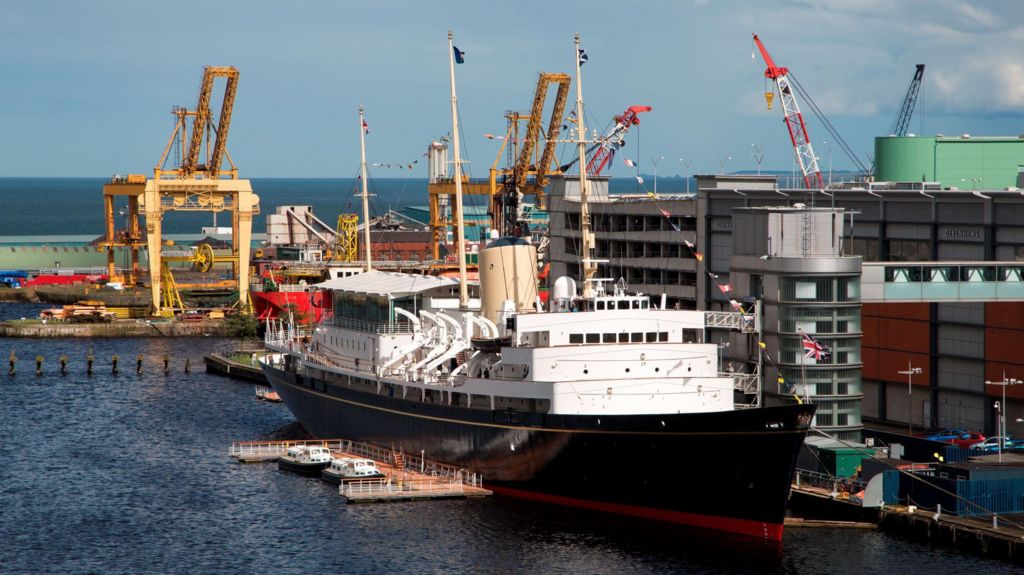
    Recently declassified documents from Ireland’s National Archives have unveiled significant diplomatic concerns surrounding a proposed 1996 visit by then-Prince Charles to Ireland aboard the royal yacht Britannia. The planned three-day trip, which would have marked Charles’ first official visit to Ireland, was ultimately canceled due to mounting security apprehensions and political sensitivities.

    The records reveal that British Ambassador Veronica Sutherland formally proposed in March 1996 that Charles arrive aboard HMY Britannia in Galway Bay on June 28, 1996. The itinerary included hosting receptions aboard the vessel before it would sail to Kerry and Cork for a private weekend. However, Irish officials quickly expressed concerns about the ‘rather elaborate’ nature of the proposed visit.

    Then-Taoiseach John Bruton voiced particularly strong objections in a handwritten memo, warning that the royal yacht’s arrival would convey problematic symbolism. ‘The yacht suggests opulence and superiority,’ Bruton wrote. ‘It’s not the image that should be conveyed.’ He specifically worried that Britannia’s presence might revive historical debates about British treaty ports in Ireland from the 1930s.

    Bruton advocated for Charles to instead arrive by commercial aircraft, noting this would provide economic benefits to regional airports. He further observed that the yacht was ‘controversial in Britain lately because of its cost,’ adding that ‘Ireland is the last place he should be bringing it.’

    The documents show that by March 19, 1996, Irish officials had conveyed these concerns to British representatives and were anticipating a ‘scaled-down’ revised itinerary. Ultimately, the visit was canceled entirely due to security risks in the absence of an IRA ceasefire, with officials concluding that ‘the risks now seem to outweigh any benefits.’

    In a related 2003 document, the archives reveal that Taoiseach Bertie Ahern similarly rejected a request for the British naval vessel HMS Ark Royal to dock in Dublin. Senior civil servants warned that allowing the ‘symbol of British naval prowess’ would represent a policy shift toward accepting ‘British military displays in our jurisdiction,’ particularly sensitive given the ship’s role in the Iraq War.

  • Israel’s Ben Gvir pushes bill to ban Islamic call to prayer

    Israel’s Ben Gvir pushes bill to ban Islamic call to prayer

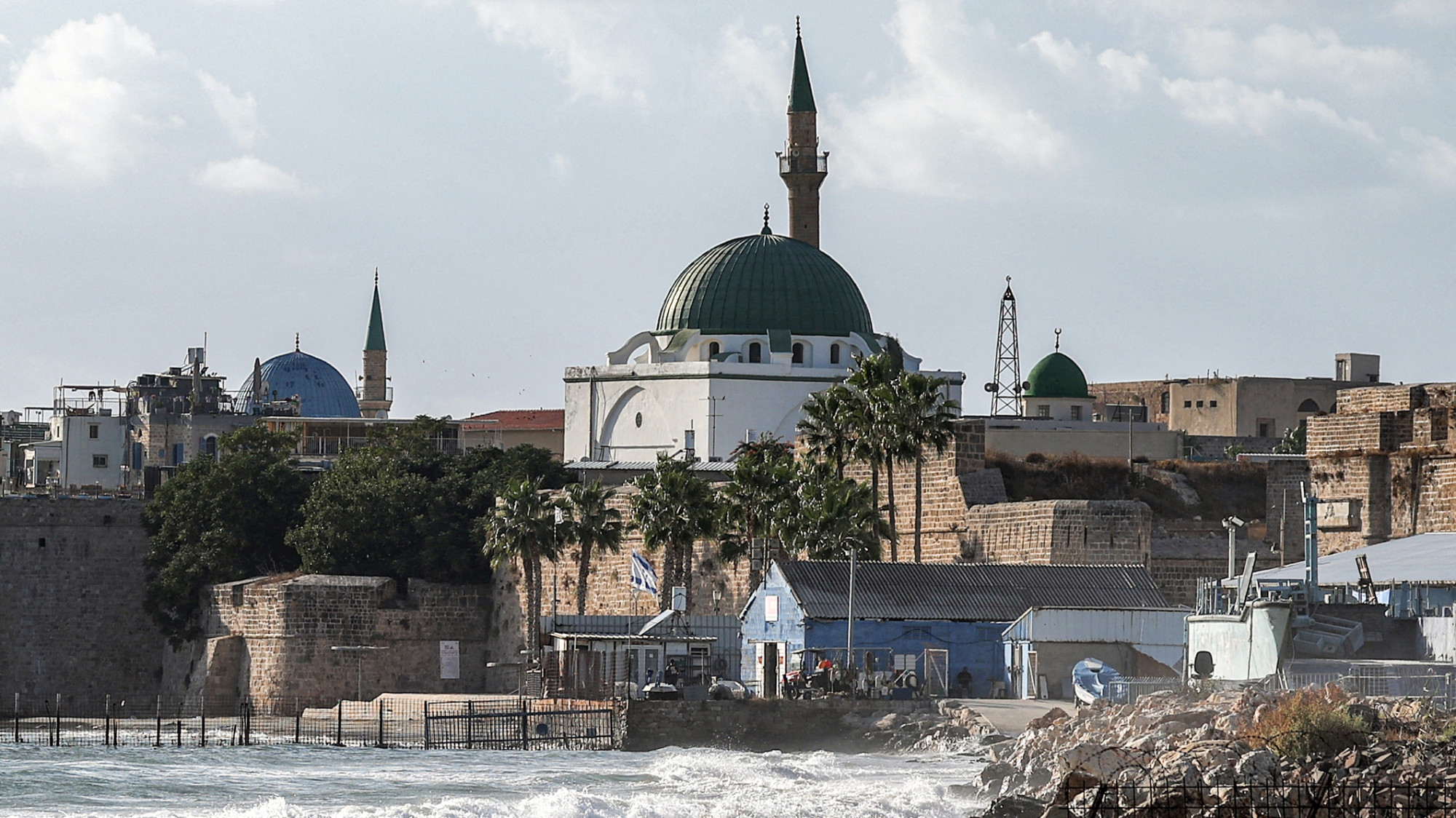
    A contentious legislative proposal is advancing through Israel’s political system that would grant the state unprecedented authority to regulate the Islamic call to prayer. Sponsored by Jewish Power party member and National Security Committee chair Zvika Fogel, the bill mandates that all mosque loudspeaker broadcasts must obtain government licensing to operate legally.

    The proposed legislation establishes stringent criteria for approval, including specific volume limitations, mandatory noise-reduction implementations, and evaluations of mosque proximity to residential zones. Under these provisions, law enforcement would gain powers to immediately silence loudspeakers violating permit conditions and confiscate equipment for repeated offenses. Financial penalties would be severe, with unauthorized loudspeaker installation carrying fines of 50,000 shekels ($15,660) and permit violations resulting in 10,000 shekel ($3,100) penalties.

    Proponents, including National Security Minister Itamar Ben Gvir, frame the initiative as addressing public health concerns. They characterize the muezzin’s call as “unreasonable noise” that allegedly compromises residents’ wellbeing and quality of life. Fogel asserts existing legislation provides insufficient tools to handle what he describes as systematic legal violations affecting communities.

    Palestinian citizens of Israel and religious leaders have vehemently opposed the measure, rejecting the noise pollution justification as disingenuous. Human rights attorney Khaled Zabarqa contends the legislation represents another systematic effort to erase Palestinian cultural and religious identity from public spaces. “The call to prayer has existed for hundreds of years and has been recited daily since Israel was established,” Zabarqa noted. “It did not suddenly become a noise problem.”

    Sheikh Kamal Khatib, former deputy leader of the banned Islamic Movement in Israel, condemned the proposal as particularly dangerous compared to previous restriction attempts because it seeks to institutionalize the ban through formal legislation. Khatib characterized the initiative as part of an escalating religious conflict targeting Muslim communities and warned that any limitation on religious practices must be categorically rejected.

    This represents not the first attempt to regulate mosque broadcasts, with a similar 2017 proposal passing initial parliamentary reading before stalling. The current effort reflects ongoing tensions between religious expression and state authority in Israel’s complex sociopolitical landscape.

  • ‘Unfair election’: Young voters absent from Myanmar polls

    ‘Unfair election’: Young voters absent from Myanmar polls

    Myanmar’s military junta conducted nationwide elections on Sunday that were conspicuously absent of the youthful electorate that once characterized the country’s democratic processes. The polling stations, instead dominated by elderly citizens and mothers with children, presented a stark contrast to previous elections that saw enthusiastic participation from younger generations.

    The military government, which seized power in a 2021 coup that plunged the nation into civil war, promoted the vote as a restoration of democratic norms. However, international rights organizations and many citizens dismissed the exercise as fundamentally illegitimate. At a polling station near Yangon’s Sule Pagoda—a site previously known for violent crackdowns on pro-democracy protesters—electoral officials reported fewer than 500 ballots cast from 1,400 registered voters just hours before closing.

    This represents a dramatic decline from the 70% participation rate recorded during the 2020 elections. The current climate of conscription, implemented two years ago to bolster military ranks against ethnic minority armies and resistance forces, has created widespread apprehension among the population. Anonymous young voters from Mandalay expressed their disillusionment, characterizing the process as ‘chaos’ and questioning its fundamental fairness.

    In conflict-ridden regions like Rakhine State, where ethnic minority armies maintain control, residents voiced skepticism about the election’s potential to bring meaningful change. Anti-regime groups issued safety warnings to voters, with reports emerging of coercion tactics including armed intimidation at polling locations. Despite these concerns, junta-allied candidates maintained that participation remained a civic responsibility, even as the streets of major cities remained unusually quiet throughout the voting process.

  • The US 2025: a year of deep division

    The US 2025: a year of deep division

    The United States concludes 2025 entrenched in unprecedented political fragmentation, marking one of the most divisive periods in modern American history. The year witnessed severe governmental dysfunction culminating in the longest federal shutdown ever recorded, driven by irreconcilable differences between political factions.

    Central to the turmoil were the Trump administration’s stringent immigration measures, which ignited massive nationwide demonstrations across multiple metropolitan centers. These protests reflected broader societal tensions that transcended policy disagreements, revealing fundamental fractures within the American political landscape.

    A striking indicator of the deep-seated division emerges from recent polling data, showing approximately 80% of Americans now perceive the opposing political party as fundamentally detached from reality. This statistic underscores the erosion of shared factual understanding and the growth of parallel informational ecosystems that characterize contemporary political discourse.

    Political analysts note that these developments represent not merely temporary disagreements but structural weaknesses within the American democratic system. The prolonged government shutdown paralyzed essential services and exposed the vulnerability of governance mechanisms when ideological polarization prevents basic legislative functionality.

    The immigration policies that triggered widespread civil unrest have become symbolic of larger cultural and political battles, with competing visions of national identity preventing consensus on even the most basic governance matters. This polarization has effectively created two distinct Americas with increasingly incompatible worldviews and value systems.